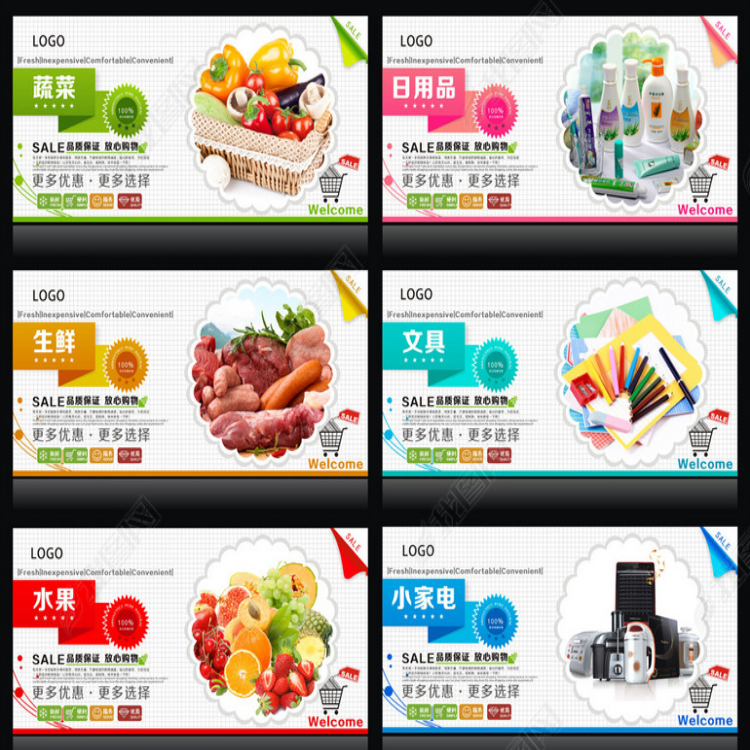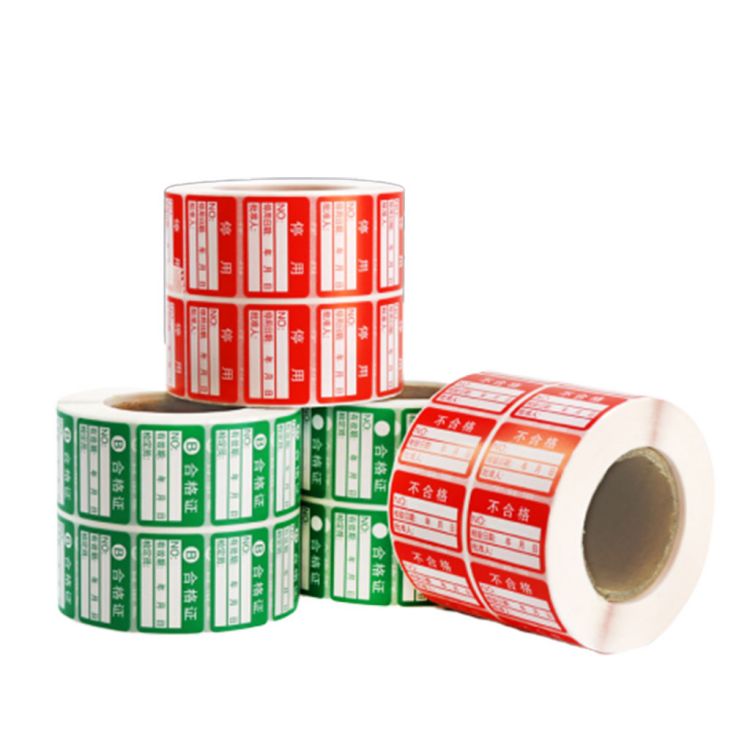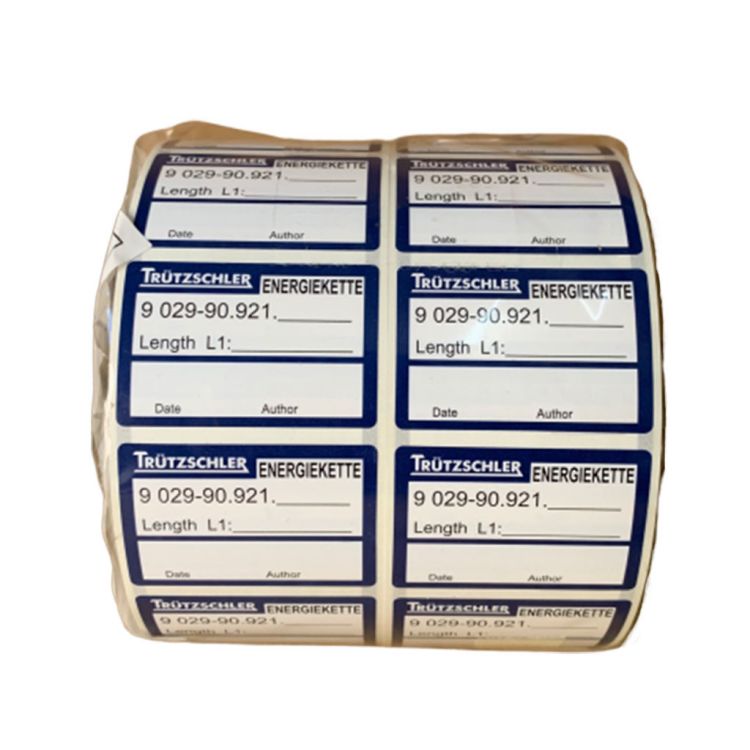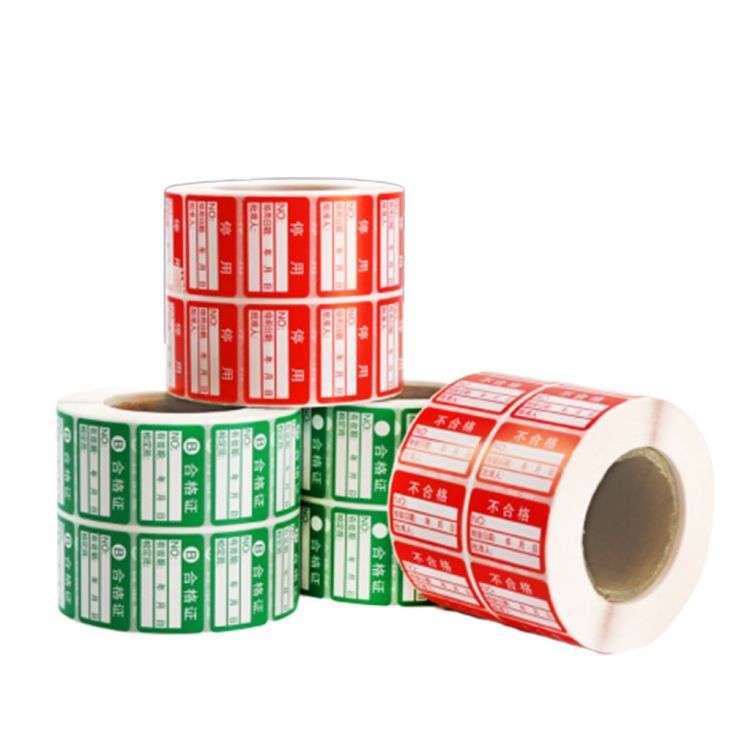












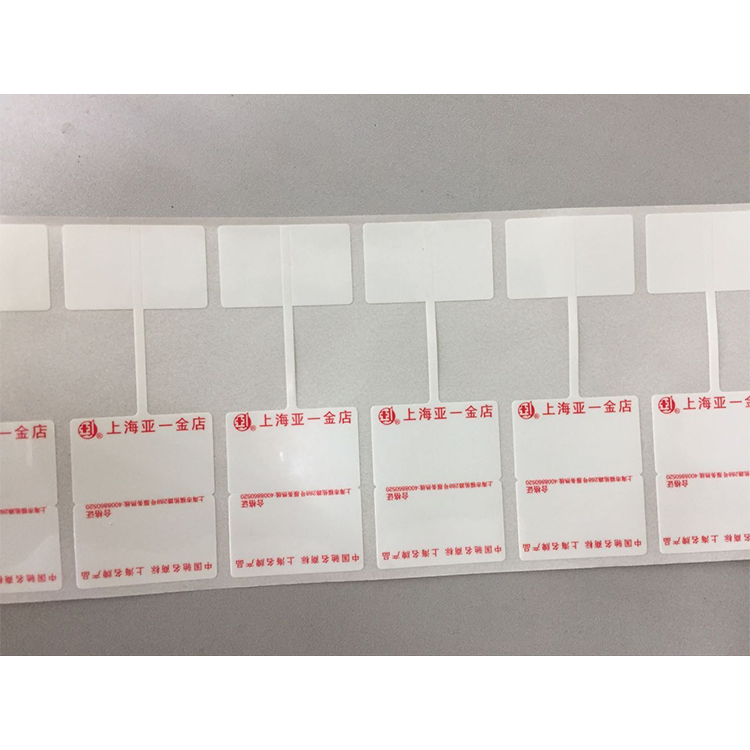
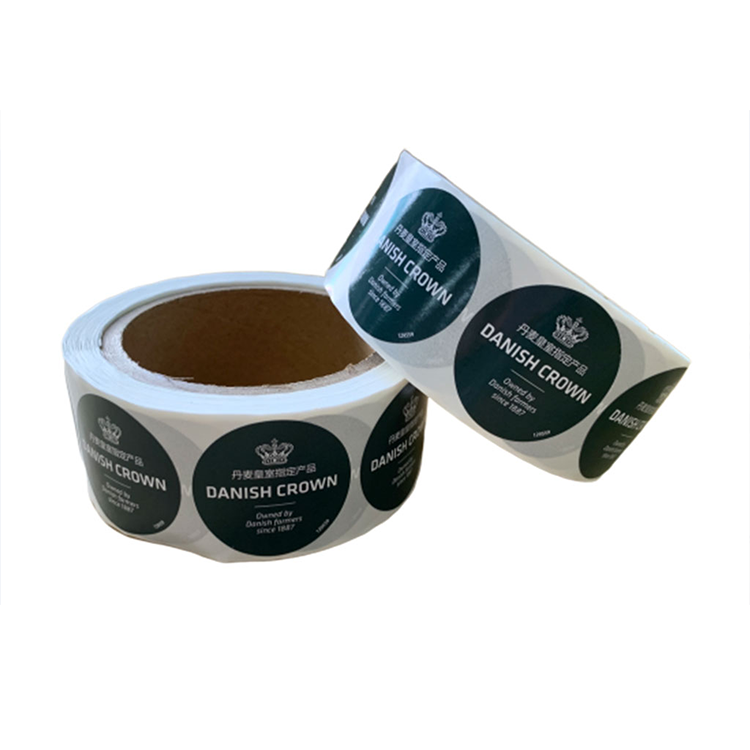
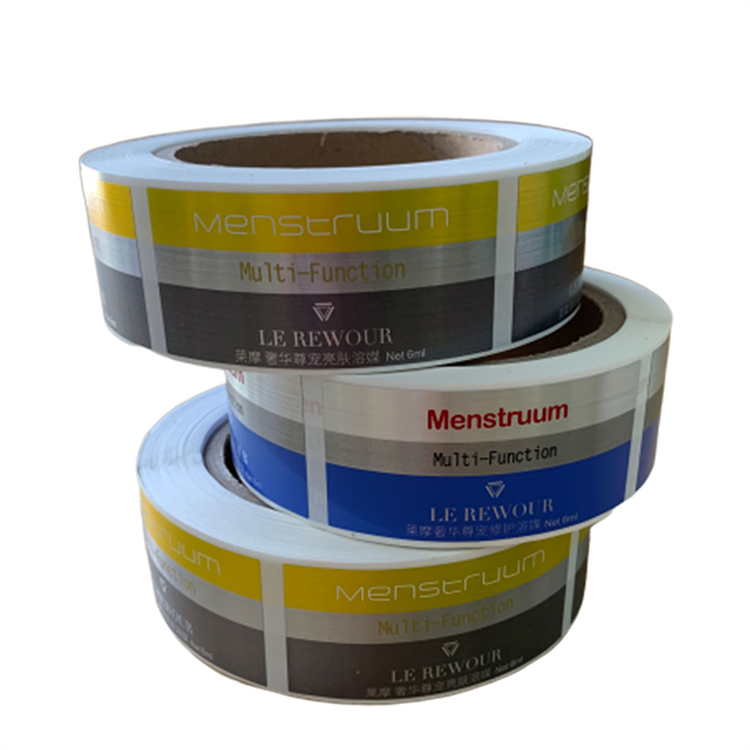

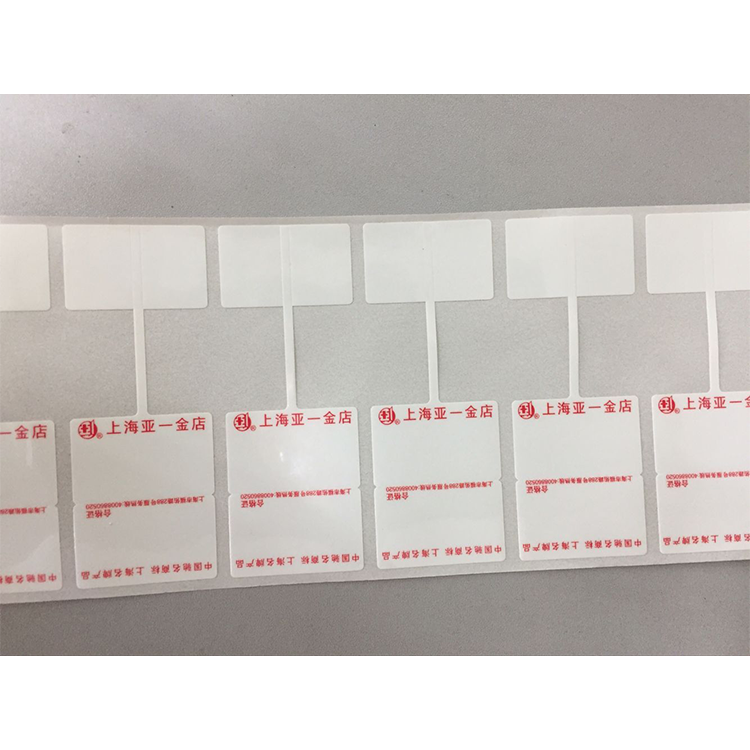
Supermarket price tags are used in supermarkets, shopping malls, convenience stores, counters, and warehouses, etc. The labels are usually made from materials such as coated paper, writing paper, and glossy paper for stickers. Generally, they are inserted into shelf card holders or directly粘贴 on shelves, recording product names, specifications, barcodes, prices, and other relevant information. Shelf tags compatible with barcode printers make it easy to implement logistics and warehousing management, making your work more portable.
Price tags, also known as price labels, are a form of communication used by commercial enterprises to disclose prices to customers. The main content of price tags typically includes: item number, product name, origin, specifications, brand, grade, unit of measurement, and price.
The main content of price tags generally includes: item number, product name, origin, specifications, brand, grade, unit of measurement, and price. Price tags are required to be artistically designed, with neat and upright handwriting. The style and display position should coordinate with the shape and color of the product, and be compatible with the sales method. It is essential to have price tags with corresponding goods, connected tags, properly arranged in the same location, without any confusion, for the convenience of customers and ease of inspection and supervision.
The National Price Bureau stipulates: Products with state-fixed prices are marked with red tags, those with state-guided prices with blue tags, and those with market-regulated prices with green tags for public supervision and inspection. The preparation, replacement, and destruction of price tags must be uniformly handled by the store's full-time or part-time price officer. Price tags must be reviewed and stamped by the store's price officer before implementation; others have no authority to make changes.