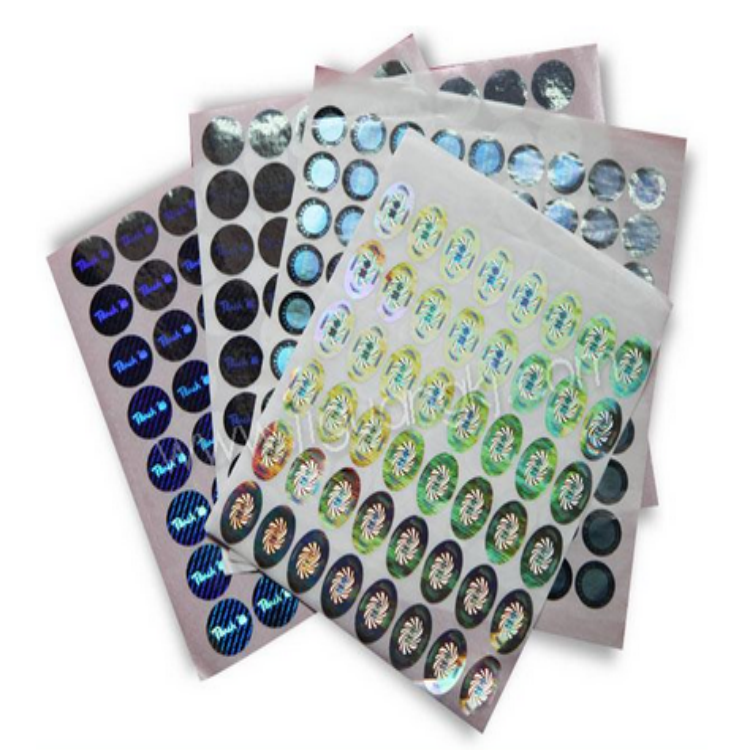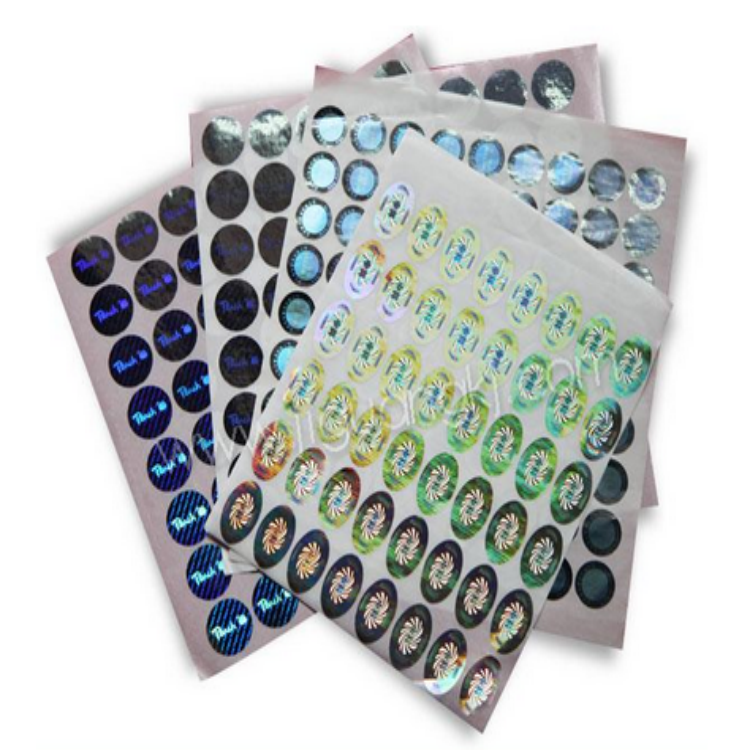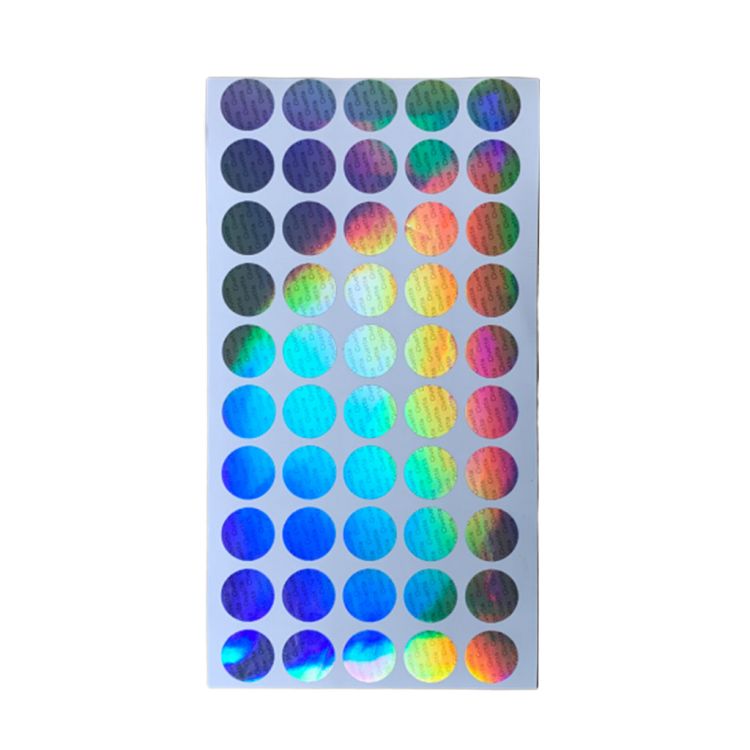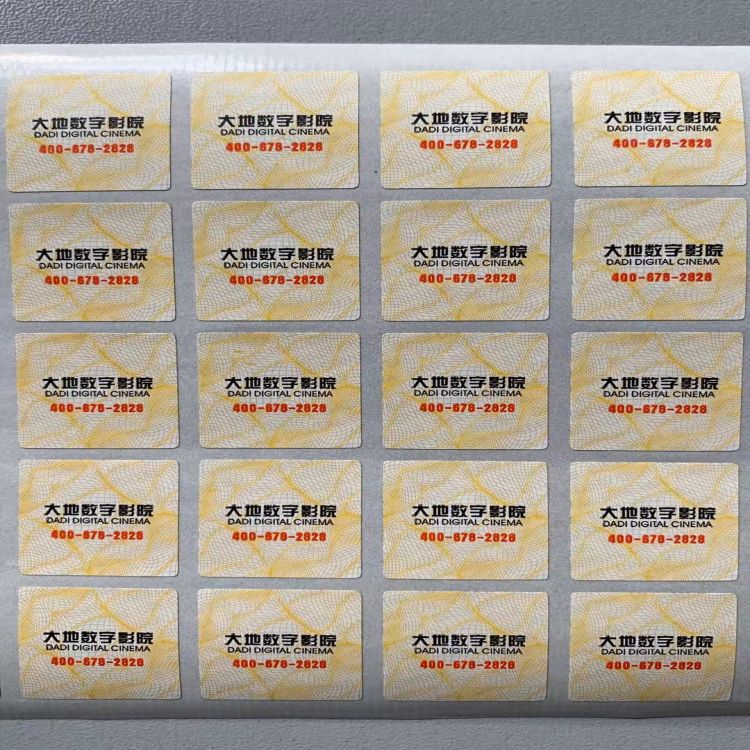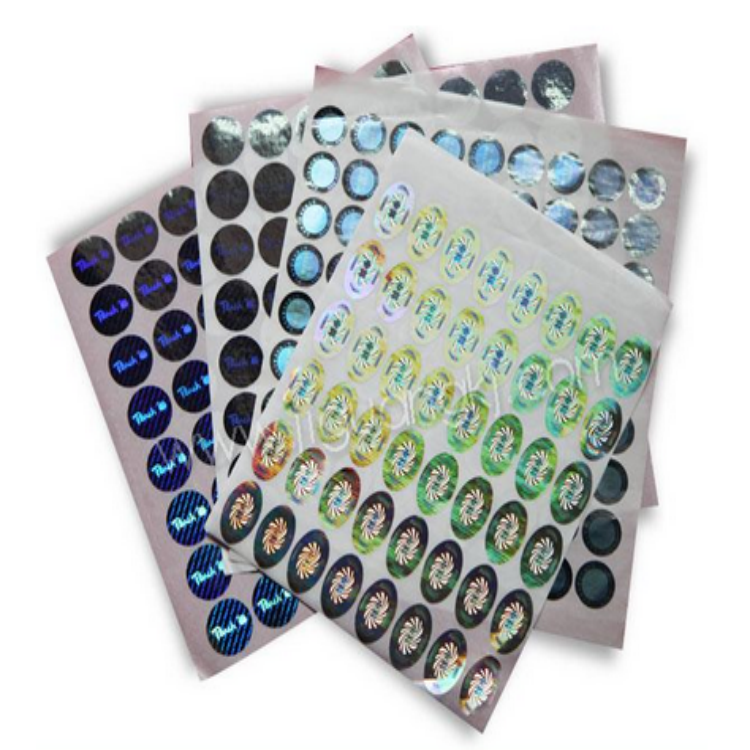
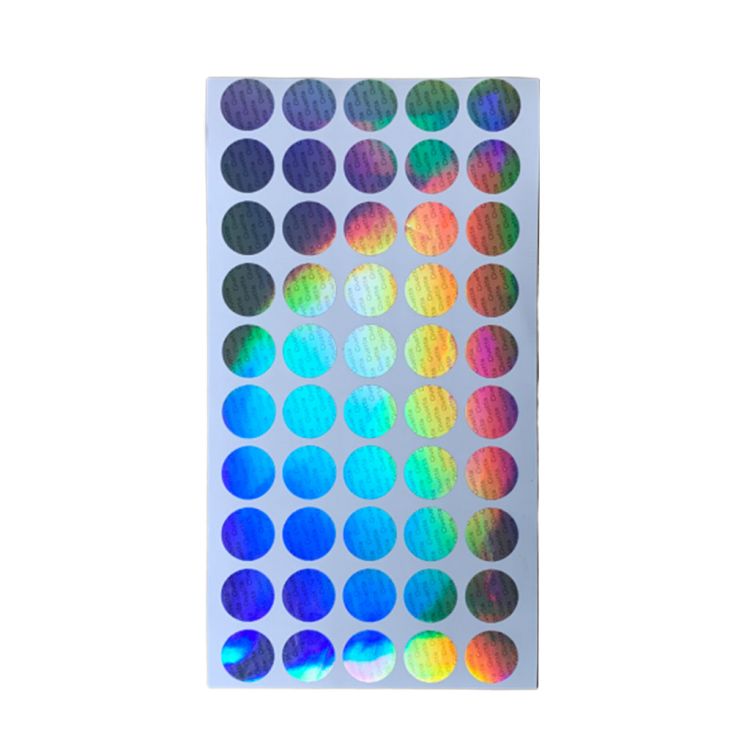
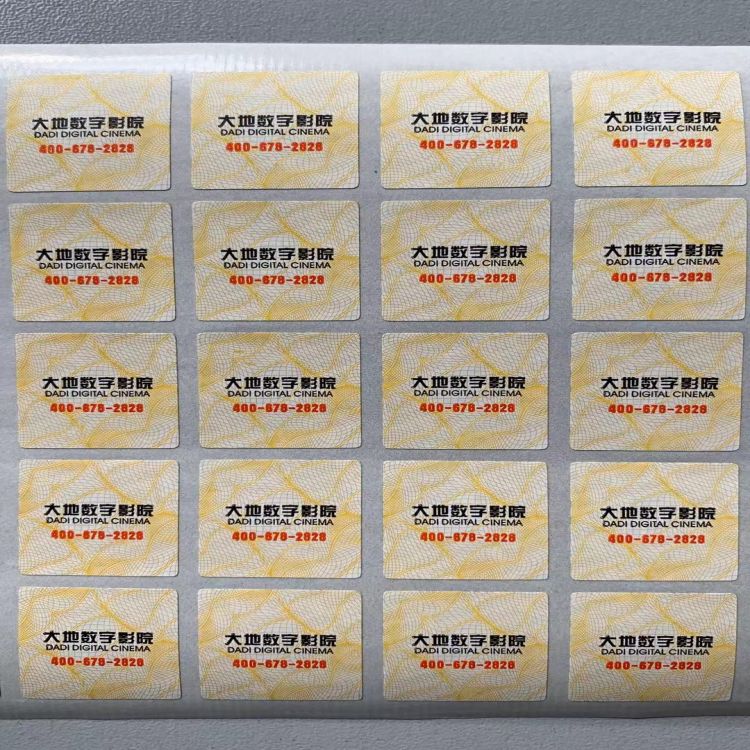












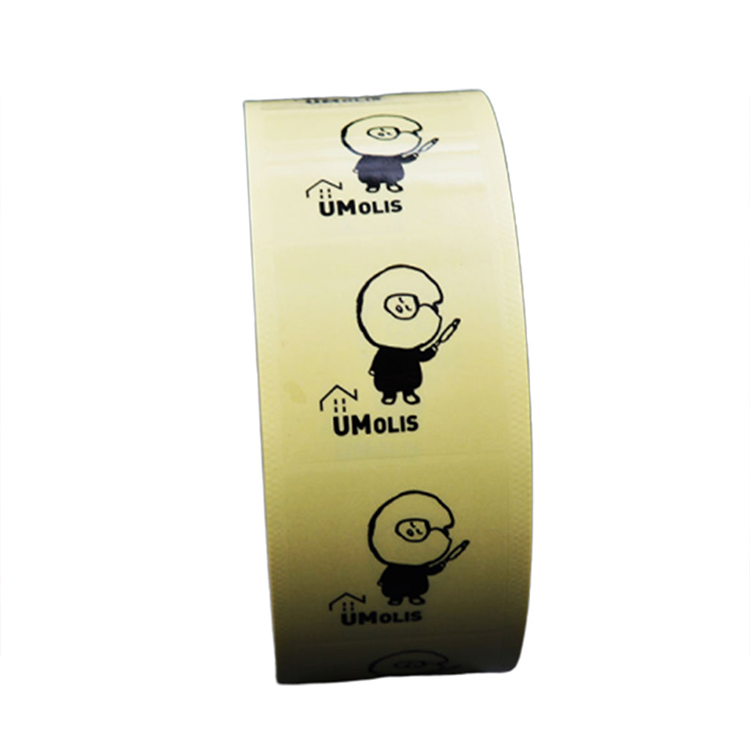
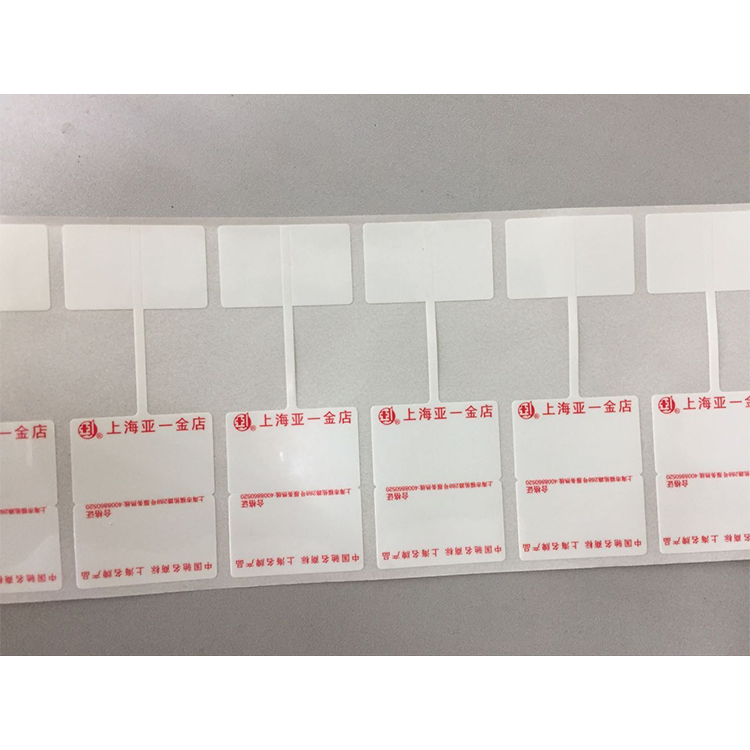
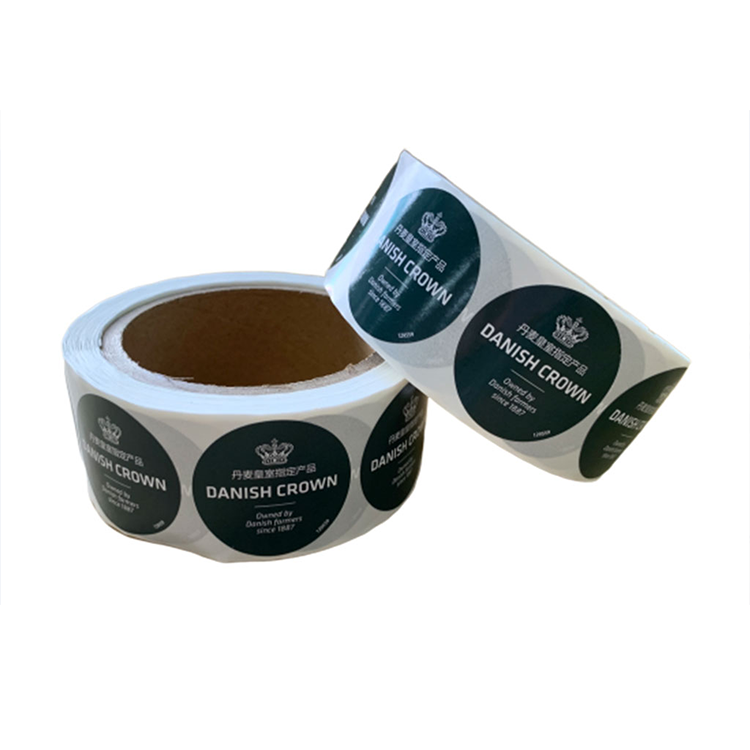
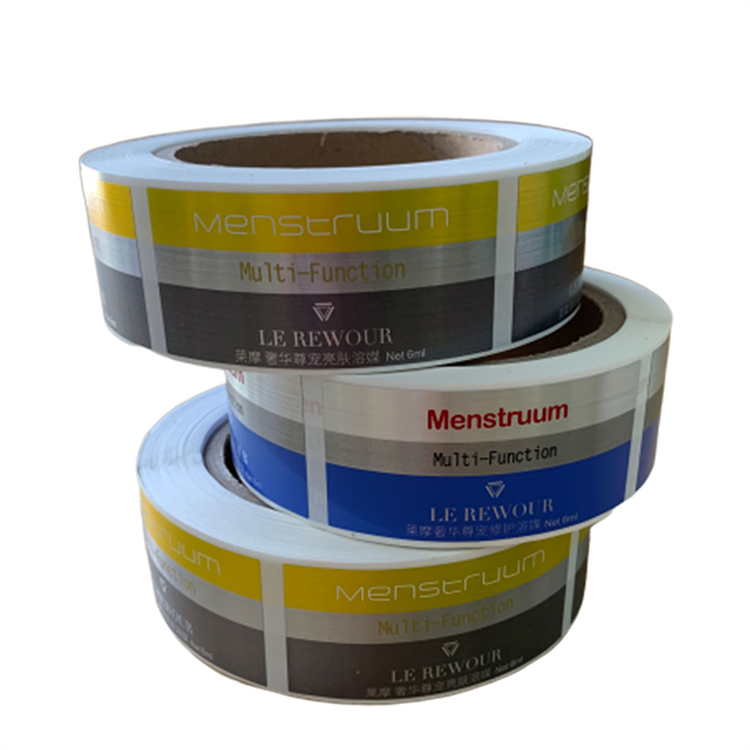

Anti-counterfeiting labels, also known as anti-counterfeiting stickers or holographic labels, are a type of pressure-sensitive product that can be affixed, printed, and transferred onto the surface of the item, its packaging, or accessories (such as product tags, business cards, and anti-counterfeiting cards). These labels possess anti-counterfeiting functions. The anti-counterfeiting features and identification methods are the essence of anti-counterfeiting labels.
Anti-counterfeiting marks are one of the anti-counterfeiting technology products (as of 2020, there are a total of 6 types classified according to national standards), and anti-counterfeiting believes that products should follow the eight technical requirements adhered to by the anti-counterfeiting labels at the time of factory shipment:
1. Identity Uniqueness: The uniqueness and non-transferability of anti-counterfeiting technology product identification features. For instance, digital anti-counterfeiting ensures each product has a unique identification code for its anti-counterfeiting mark, which can only be used once and cannot be transferred.
2. Stability Period: The short duration in which the anti-counterfeiting identification features of anti-counterfeiting technology products can be maintained under normal operating conditions. For example, fluorescent inks and thermochromic inks have a degradation period.
3. Safe Period: The short duration in which the anti-counterfeiting identification features of a product can be successfully replicated under normal usage conditions. This is a concern for customers and should be committed to by the manufacturer.
4. Anti-counterfeiting Strength: The durability and reliability of the function to identify authenticity and prevent counterfeiting. The anti-counterfeiting strength is composed of four elements: the number of anti-counterfeiting identification features, the number of proprietary anti-counterfeiting technologies, the difficulty of imitation, and the cost of imitation.
5. Adaptability: The ability of the anti-counterfeiting technology's authentication features to match the usage requirements of the target product or service.
6. Authentication Performance: The anti-counterfeiting identification features of the product can be correctly identified through sensory or machine (instrumentation) within the required identification time. The first-level identification emphasizes the public recognition of the anti-counterfeiting features, which can be identified through sensory perception alone; the second-level identification emphasizes identification through simple instruments (such as magnifying glasses, laser pointers, UV fluorescence detectors, etc.); the third-level identification emphasizes identification by experts through instruments (such as DNA testing) as a basis for judicial determination. The second and third-level identifications emphasize the concealed nature of the anti-counterfeiting identification features.
7. Environmental Requirements for Use: The anti-counterfeiting features of the anti-counterfeiting technology product should meet the normal usage environment requirements for the target item.
8. Technical Security and Confidentiality: The technology for designing and manufacturing anti-counterfeiting products should possess security and confidentiality. In addition, consideration should be given to economic cost adaptability, meaning that while meeting the anti-counterfeiting technical requirements, the cost of use should be minimized as much as possible.