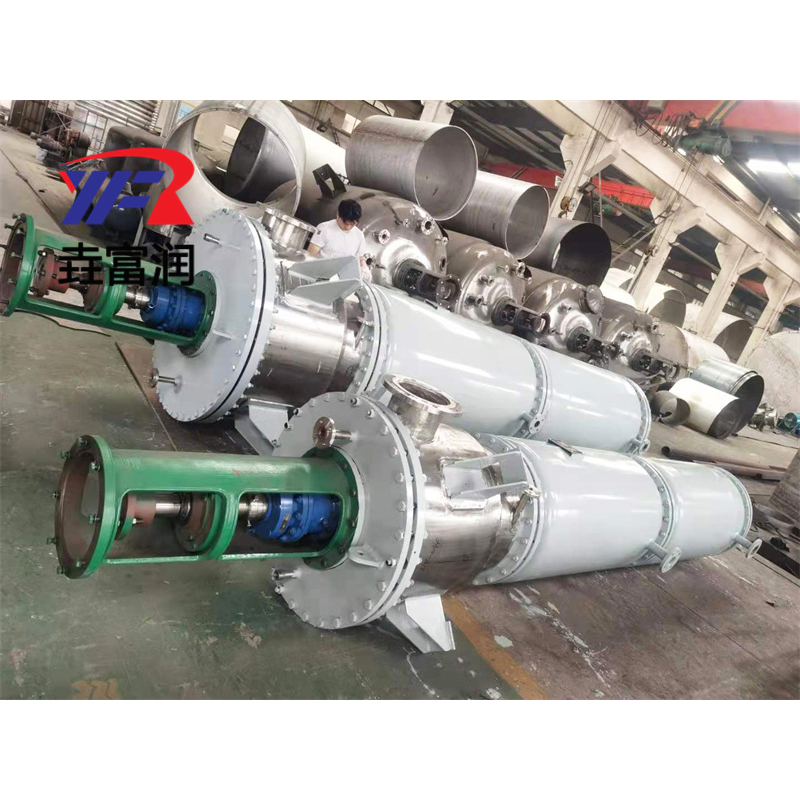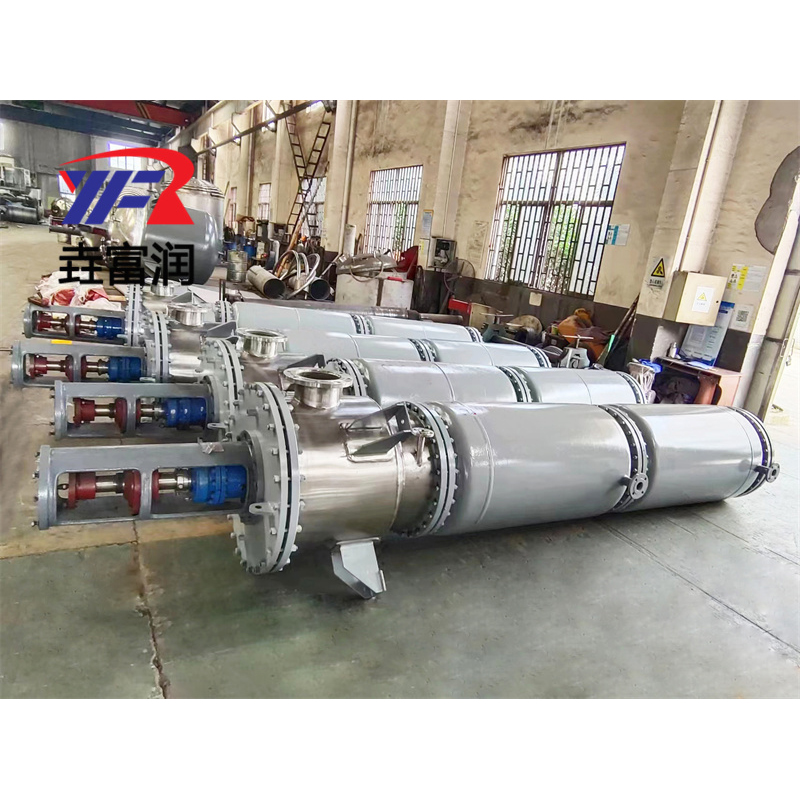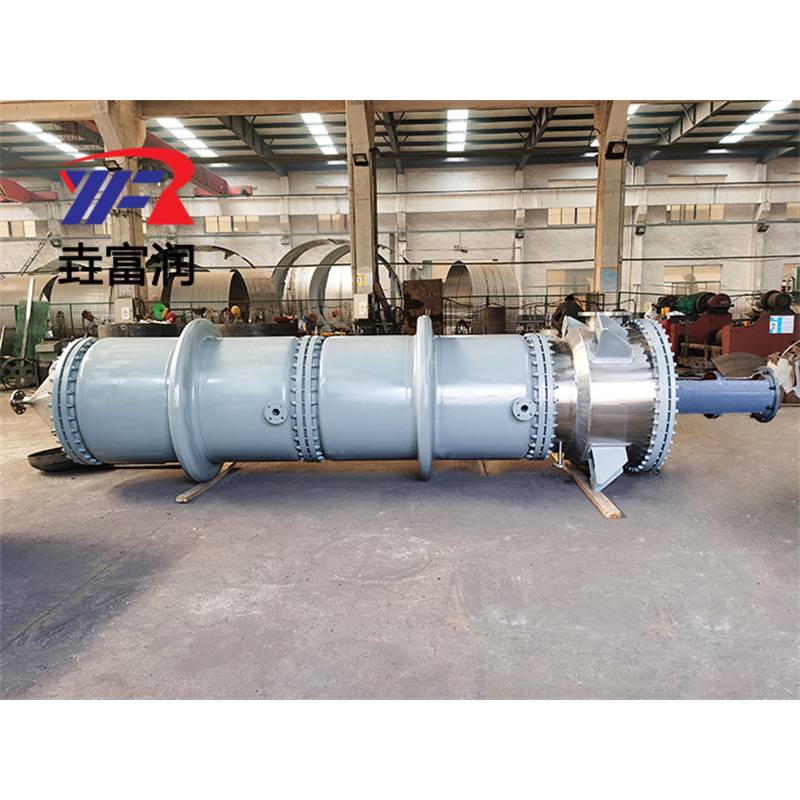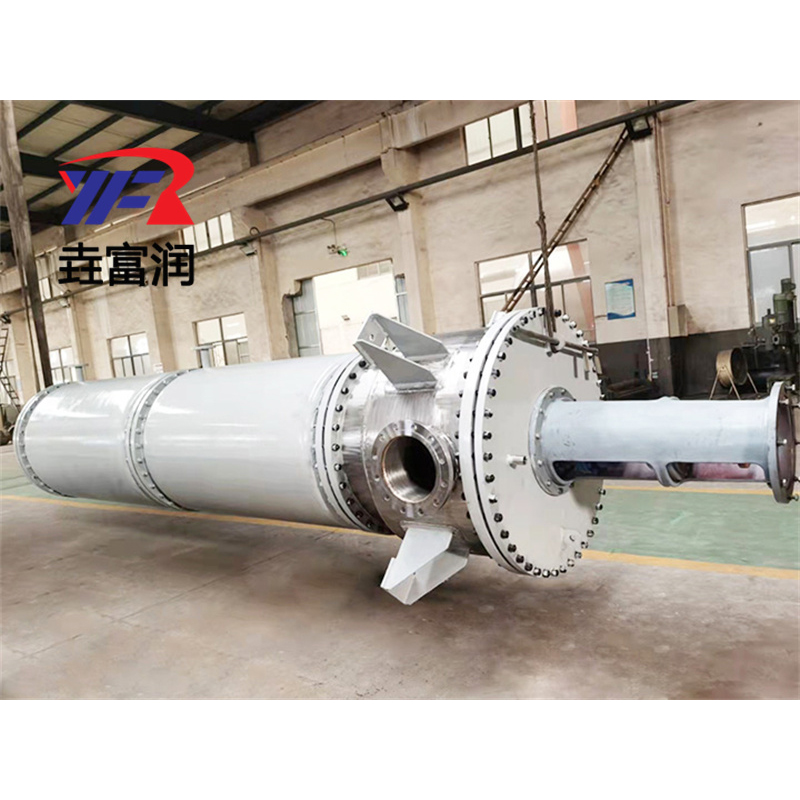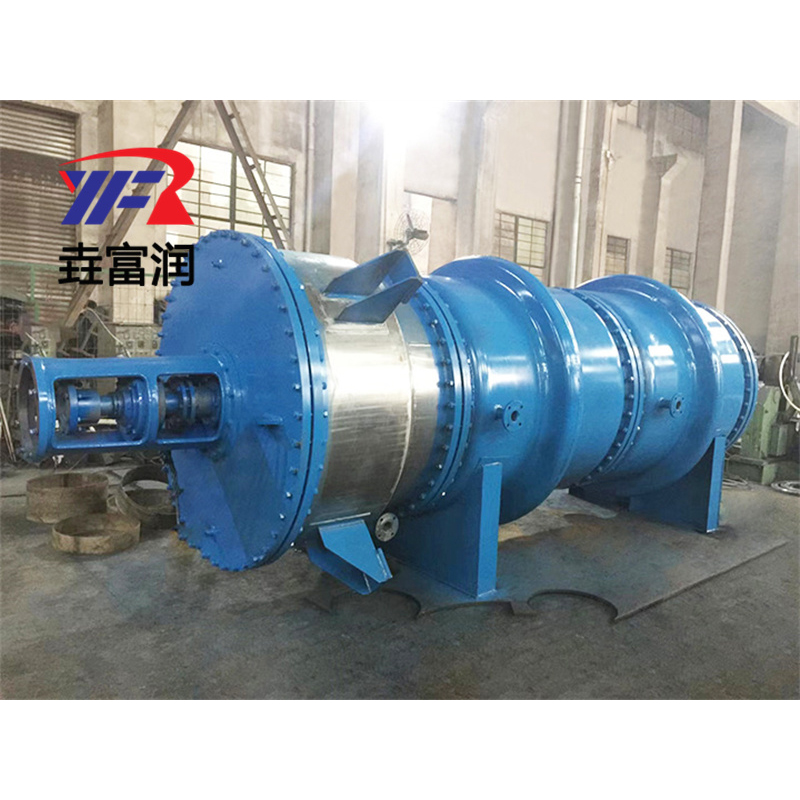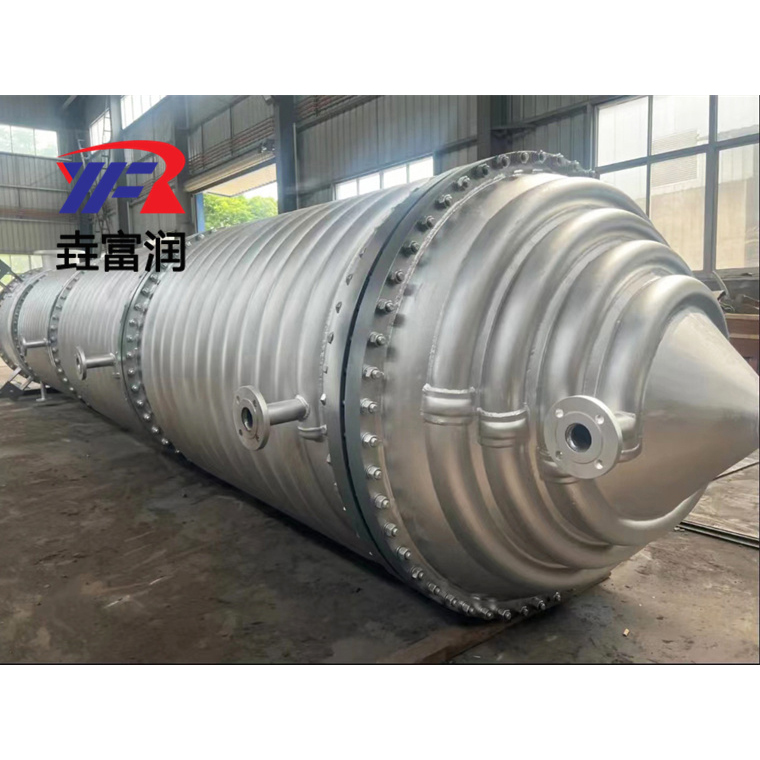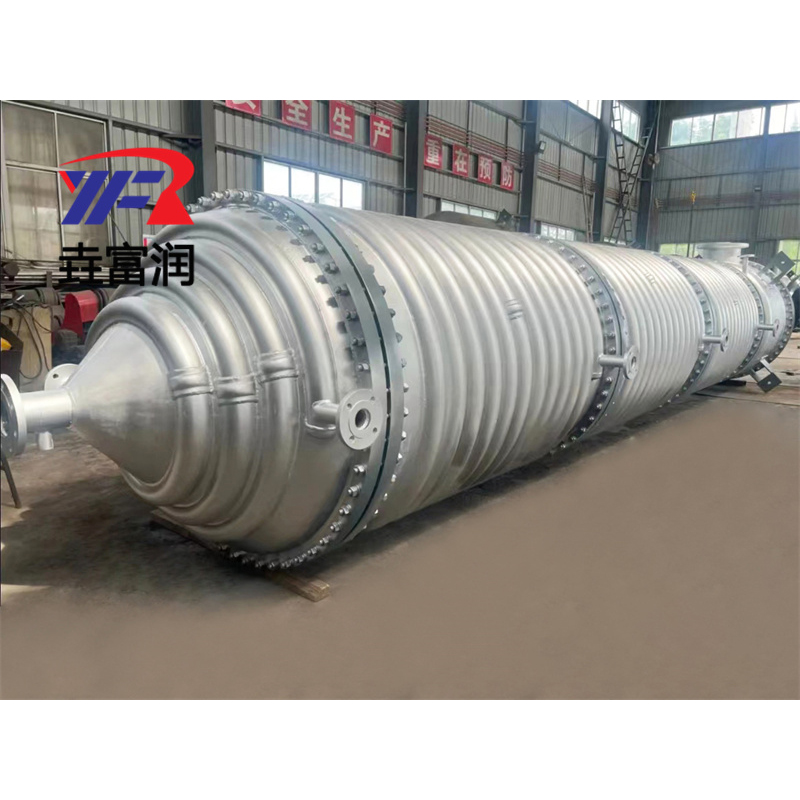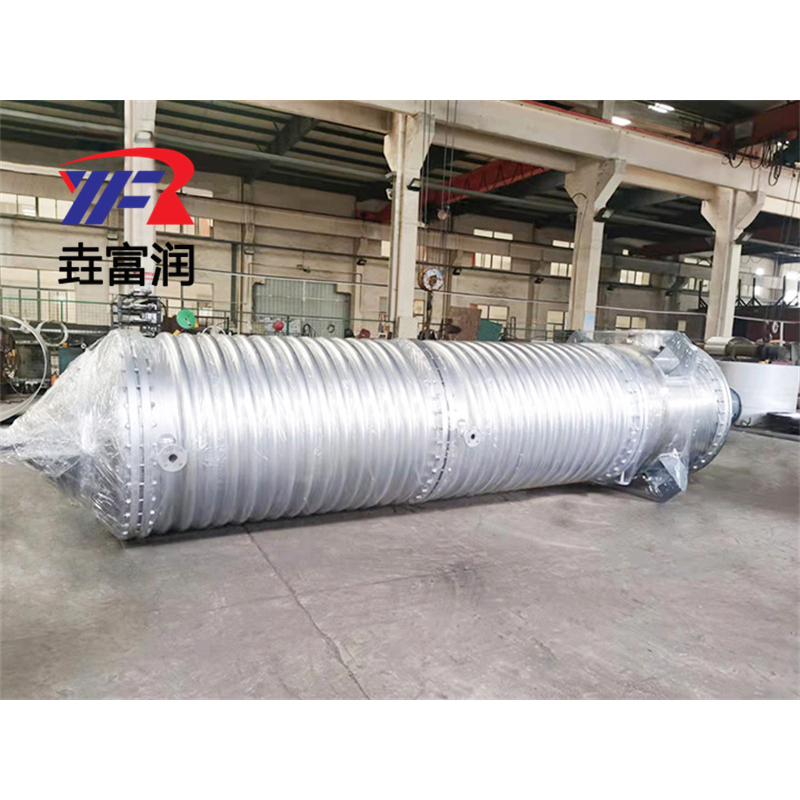









MVR Evaporator
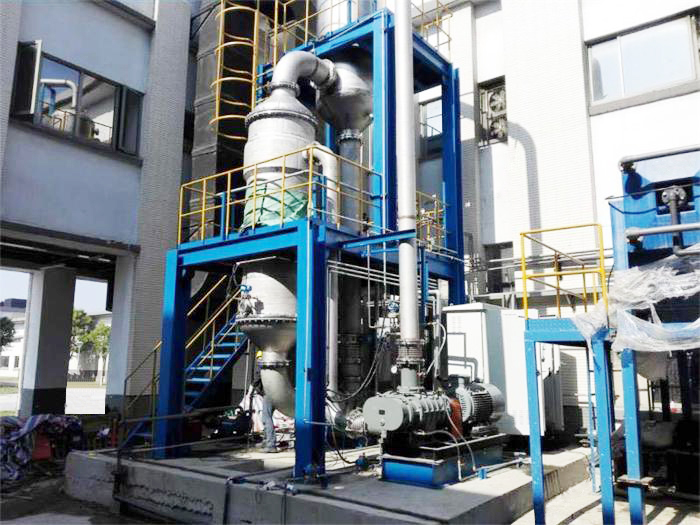
Product Overview
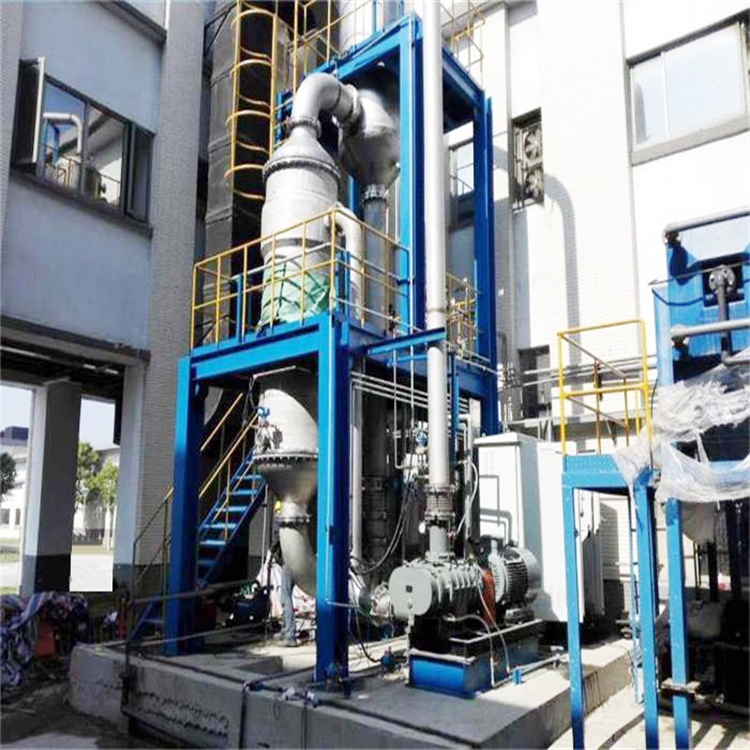
The MVR evaporator is a new energy-saving evaporation equipment that utilizes low-temperature and low-pressure steam technology along with clean energy to produce steam, separating water from the medium. It represents the best evaporation technology currently available and is an upgraded, generation-next product replacing traditional evaporators.
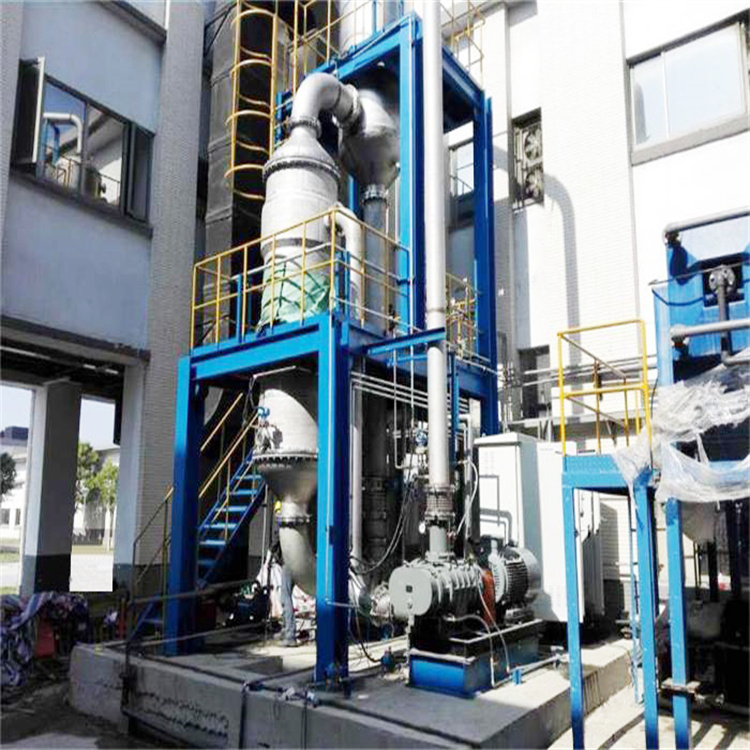
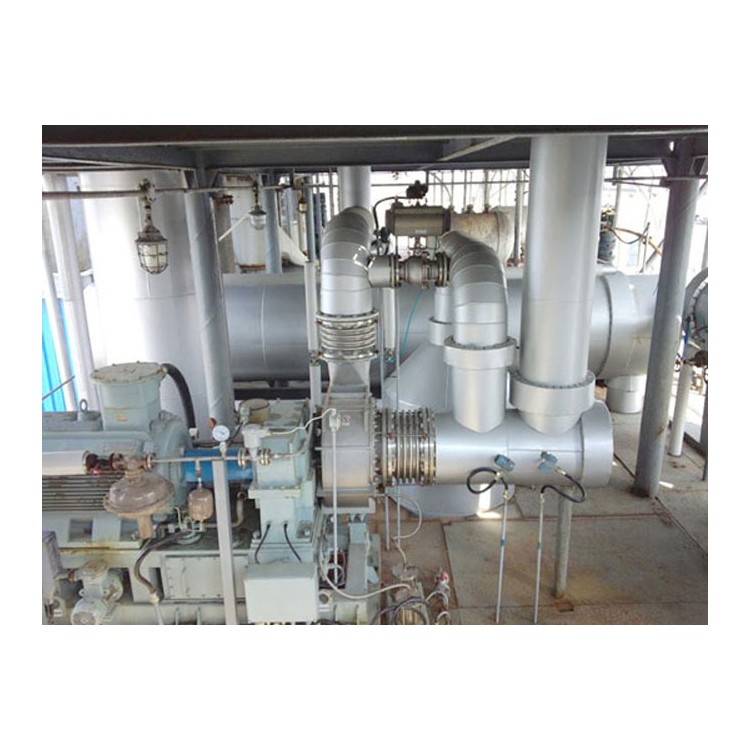
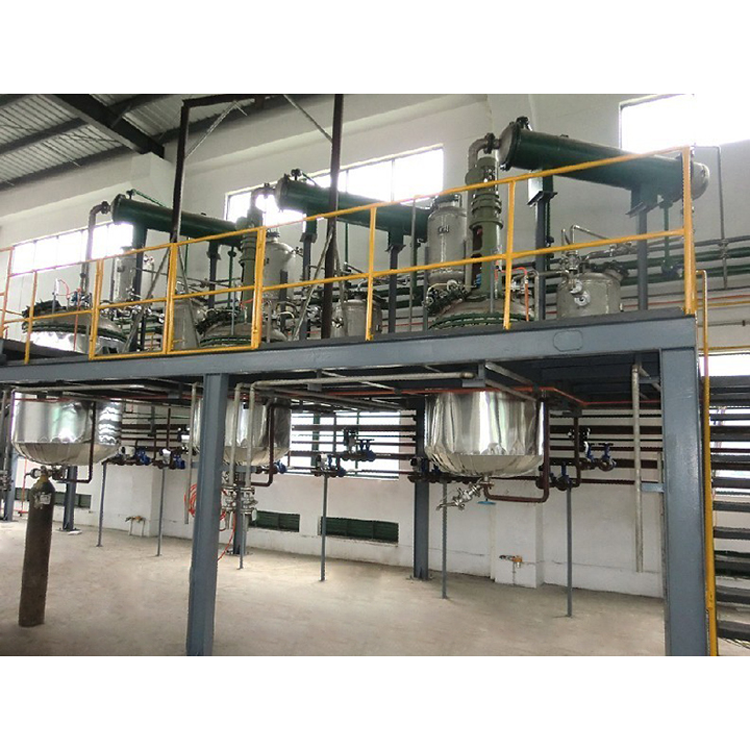
MVR Evaporator Product Composition
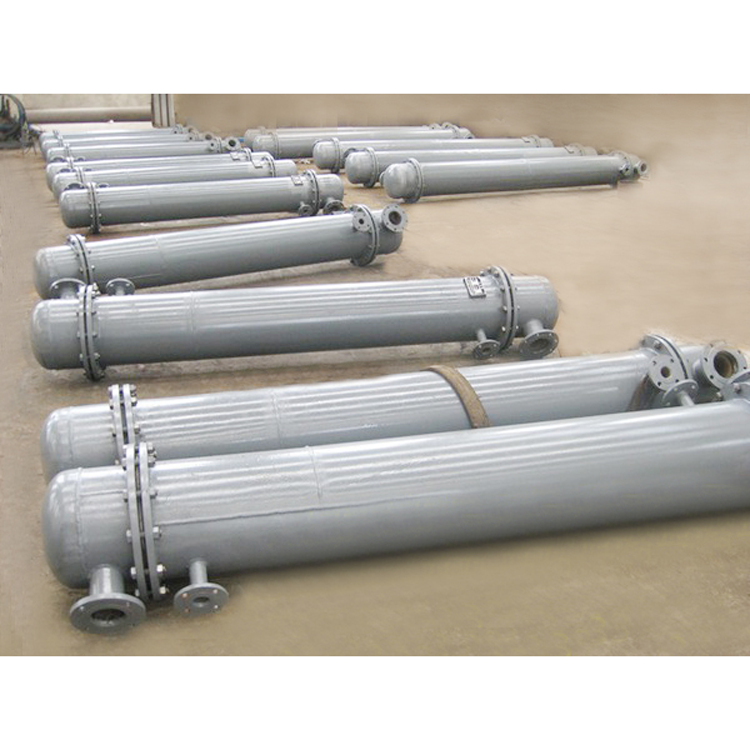
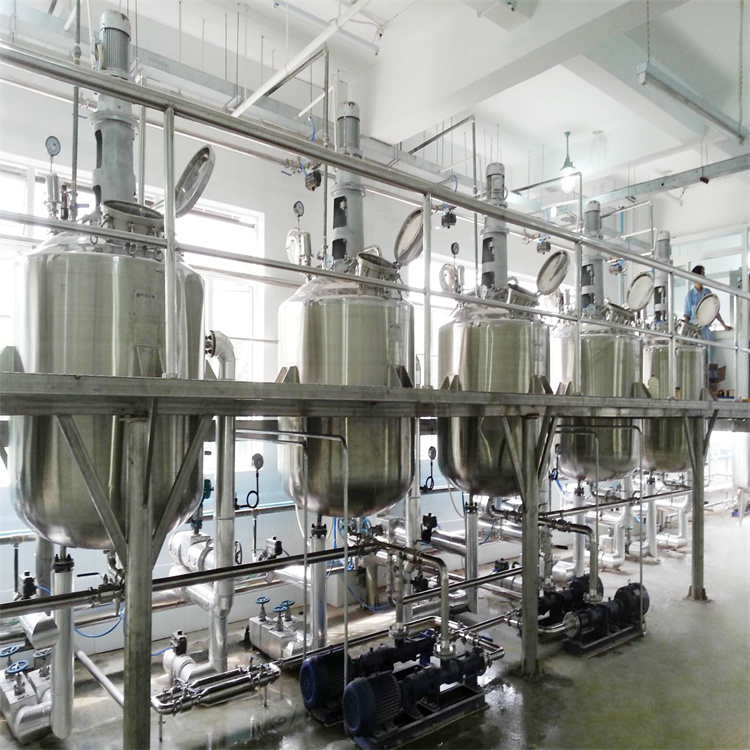
Preheater: In most cases, the solution to be evaporated needs to be preheated before entering the evaporator.
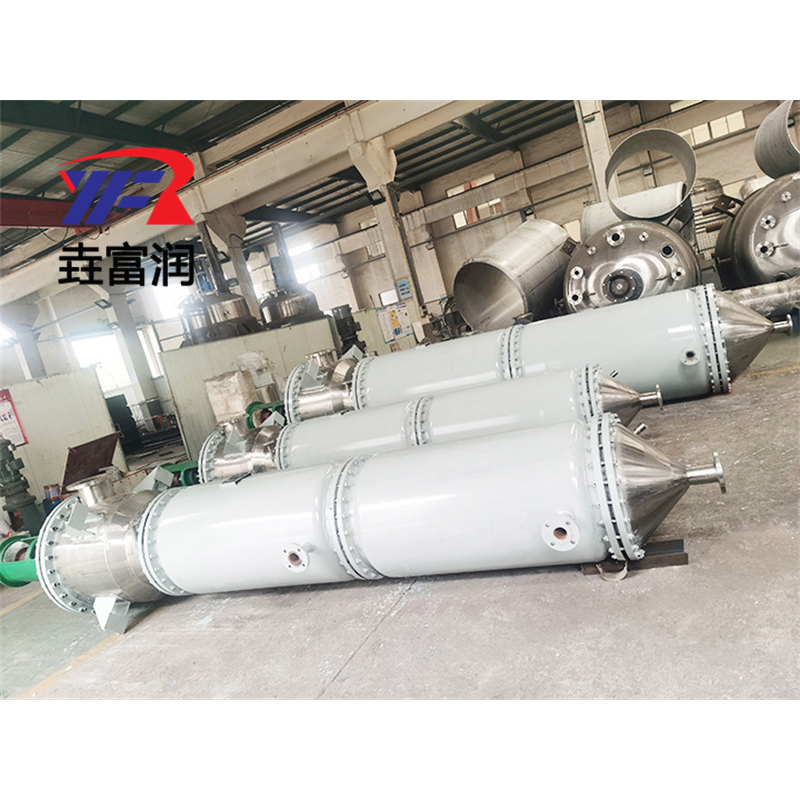
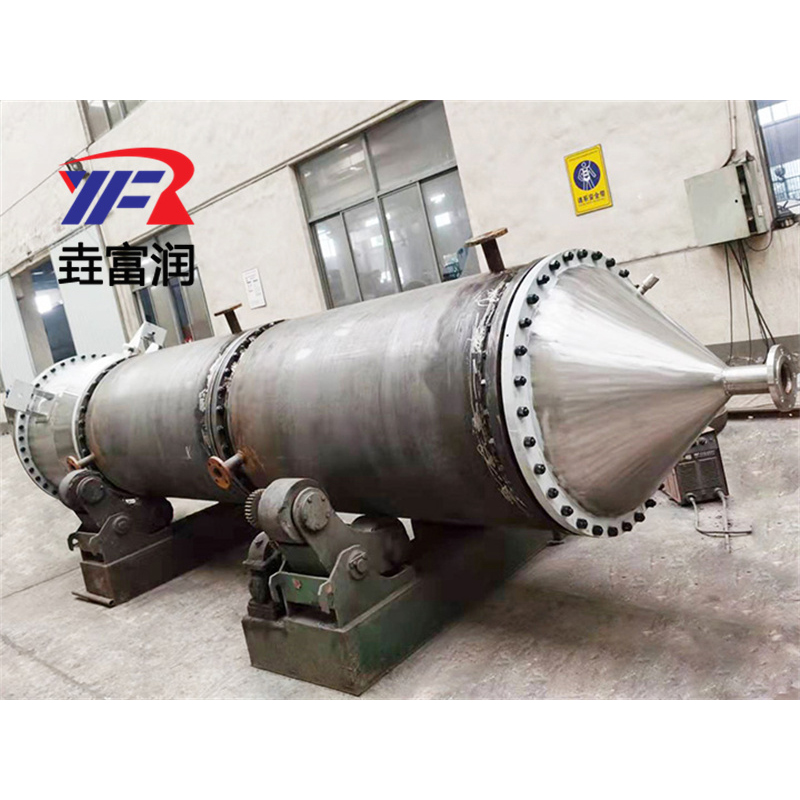
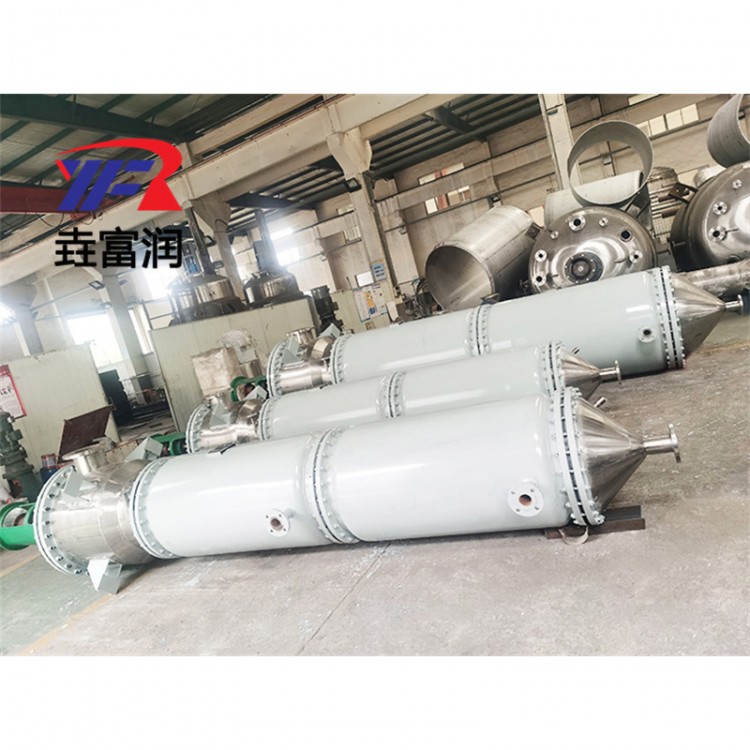
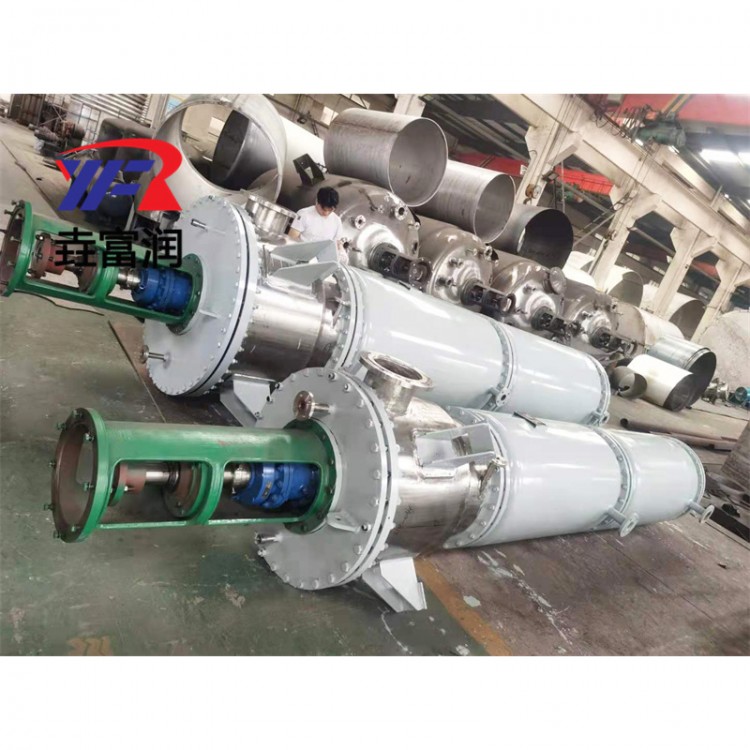
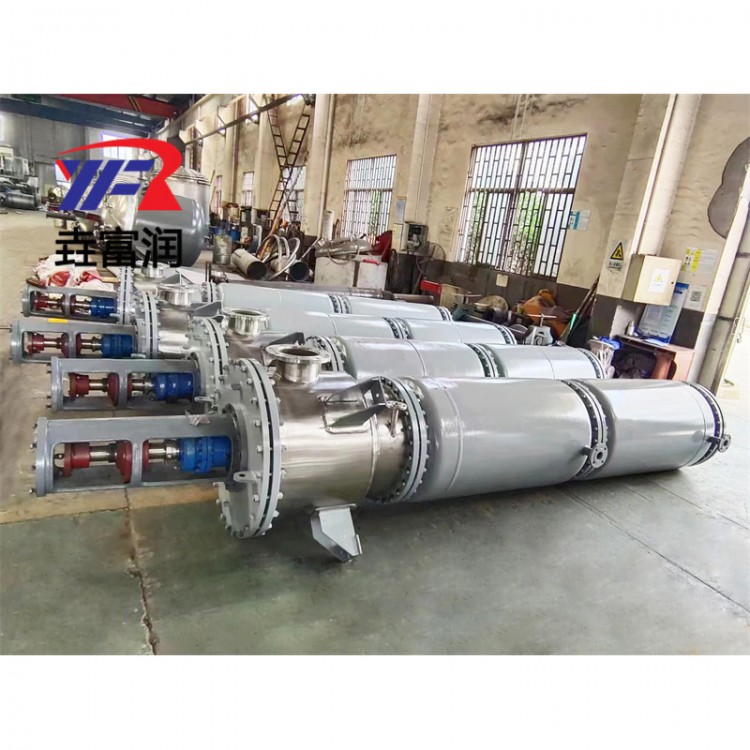
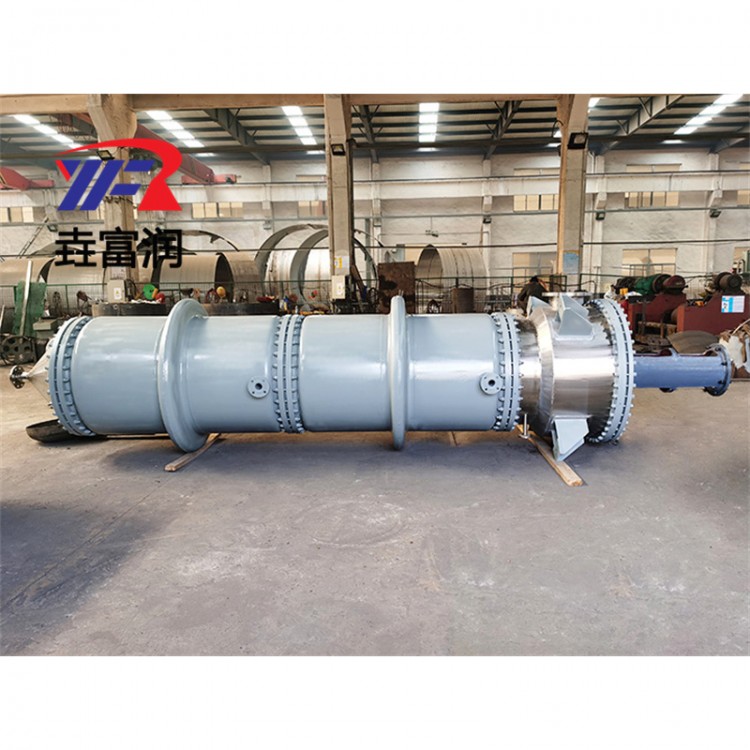
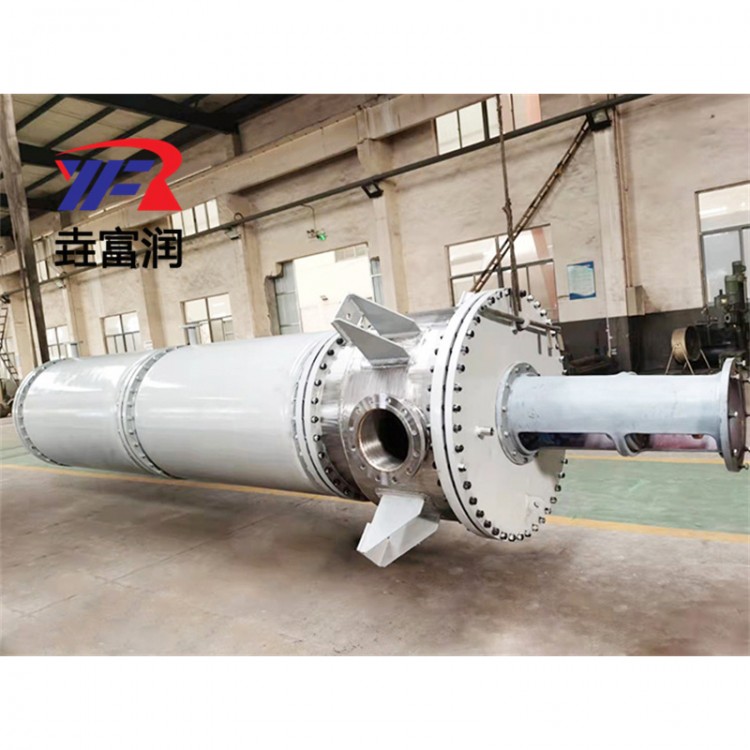
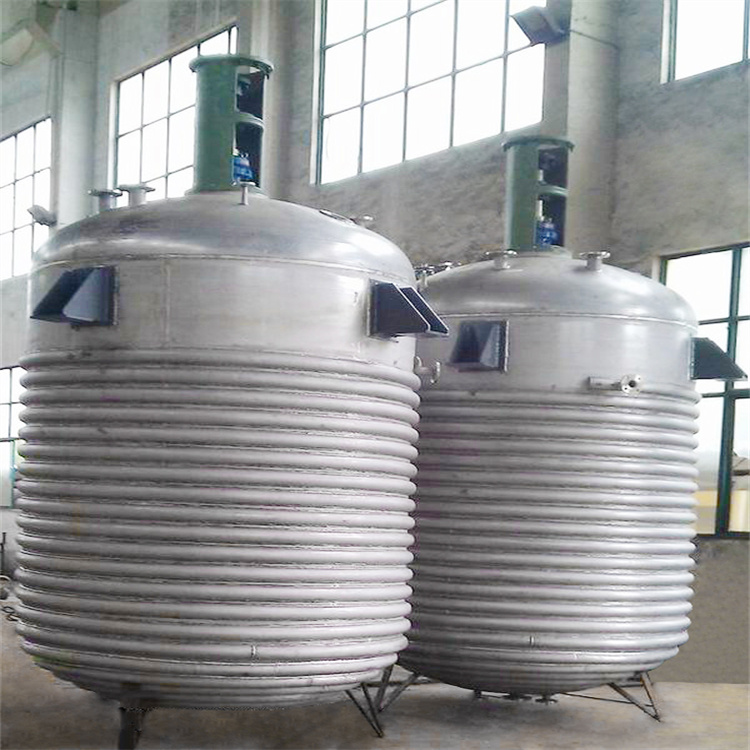
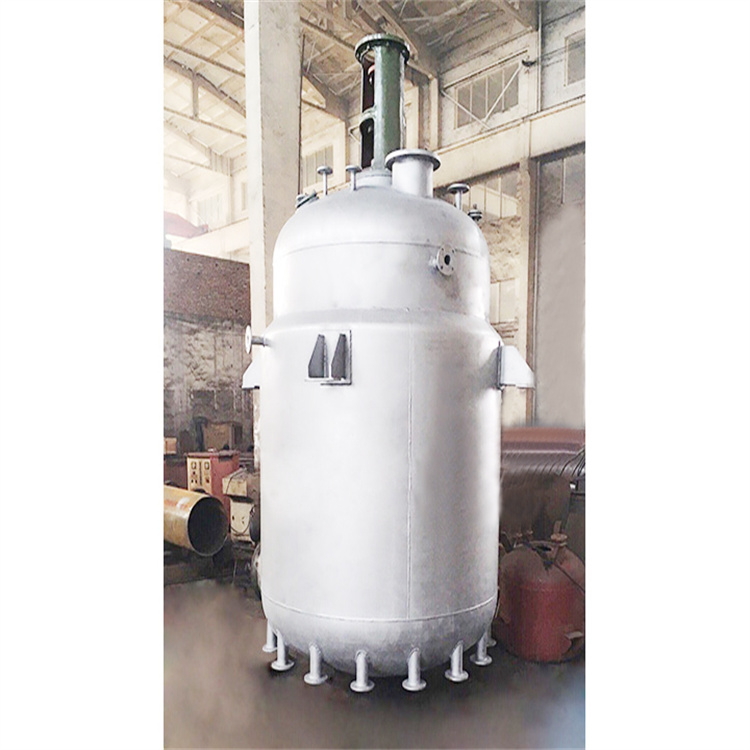
Evaporator: The solution to be evaporated is heated by the steam from a heat source within the evaporator, resulting in evaporation. Different types of evaporators are selected based on the properties of the solution.
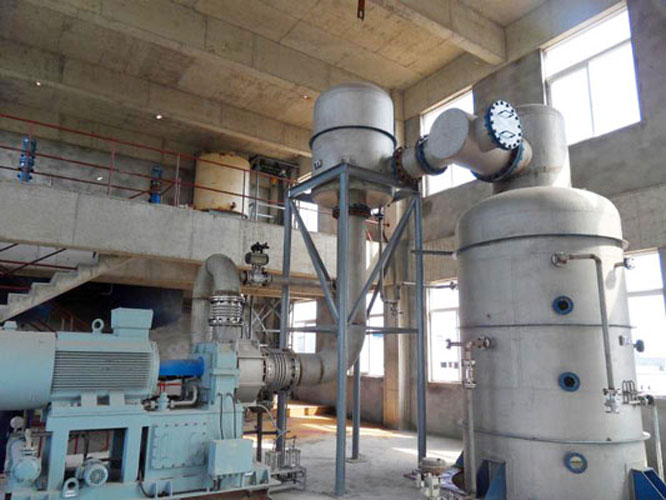
Separator: Used for separating steam and liquids. Different separators can be chosen based on the properties of the solution, such as centrifugal separators, gravity separators, or separators with special structures.
Vacuum System: Maintains the vacuum level of the entire system by extracting some air, non-condensable gases, and gases carried in by the solution, to achieve a stable evaporation state. Pumps: Transport the solution to be evaporated and the concentrated solution. Different types of pumps are selected based on the properties of the solution, typically including centrifugal pumps, positive displacement pumps, and screw pumps.
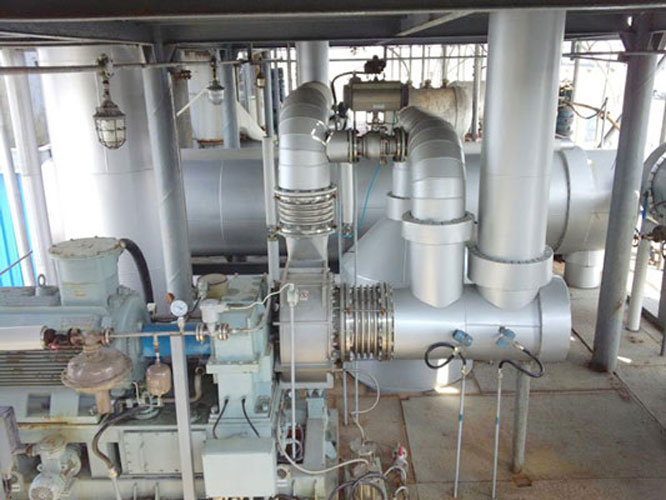
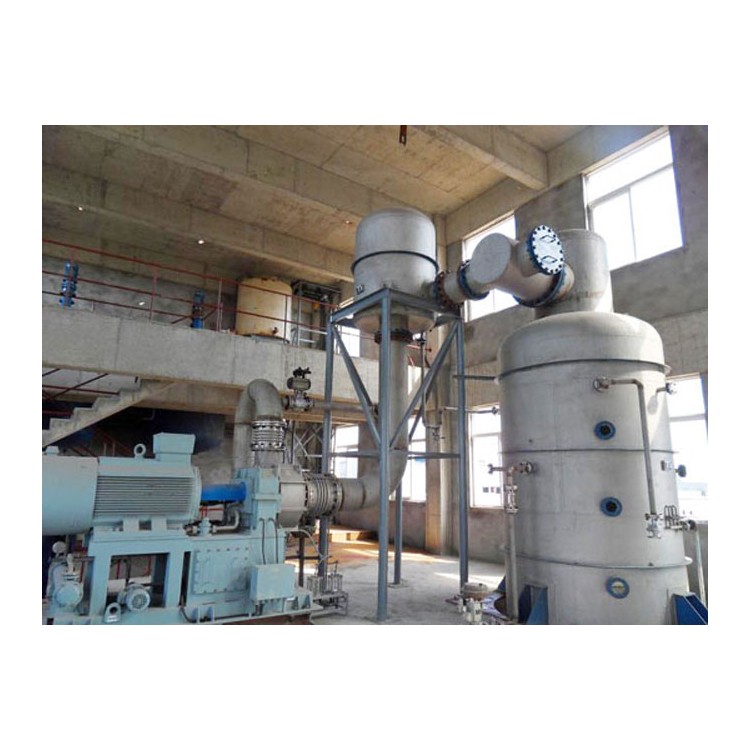
Compressors: Provide thermal energy source by compressing secondary steam, increasing the enthalpy of the secondary steam. A variety of compressors can be chosen based on different flow rates and compression ratio requirements. For cases with increased pressure boost, multi-stage compressors can be used in series.
Control System: MVR Evaporation System Control Center, which adjusts the speed of motor motors, controls valves, flowmeters, temperature, and pressure to achieve automatic evaporation, cleaning, shutdown, and other operations. Automatic alarm and protection system to prevent damage, maintaining dynamic balance of the system.
Cleaning System: Scaling may occur after different solutions evaporate for a period, which is typically removed by adding chemical solvents. Generally, CIP in situ cleaning or dismantling for cleaning can be used.
Operating Principle
The MVR evaporator differs from conventional single-effect or multi-effect falling film evaporators. The MVR is a single-effect evaporator that integrates the functionality of a multi-effect falling film evaporator. It employs a segmented evaporation process based on the required product concentration. If the product does not reach the desired concentration after passing through an effect, it is then drawn up through the external piping of the effect by a vacuum pump located below the effect. The product is then re-introduced into the effect to be passed through again, and this process is repeated until the desired concentration is achieved.
The internal structure consists of arranged fine tubes, with the product inside and steam outside. As the product flows from top to bottom, it forms a film-like flow due to the increased tube area, thereby increasing the heating surface area. A vacuum pump is used to create a negative pressure within the apparatus, lowering the boiling point of water in the product, achieving concentration. The evaporation temperature of the product is approximately 60°C.
The condensate produced from the heating and evaporation of the product, along with some steam and the residual steam remaining after heating the effluent, are all separated together through a separator. The condensate is then discharged from the bottom of the separator to preheat the product entering the effluent. The steam is pressurized through a fan booster (the higher the steam pressure, the higher the temperature), and the pressurized steam is then routed through pipes to merge with the primary steam, which is then passed through the effluent again.
When the equipment starts, a portion of steam is required for preheating. After normal operation, the steam demand significantly decreases. During the process of the fan booster pressurizing the secondary steam, electrical energy is converted into steam's thermal energy. Therefore, the steam required during equipment operation decreases, while the electricity demand greatly increases.
The product maintains a constant temperature of around 60℃ throughout the entire fluid flow process, with a temperature difference of 5-8℃ between the heating steam and the product. A smaller temperature difference between the product and the heating medium is more beneficial for protecting product quality and effectively preventing pipe coking.
The product concentration can be achieved with just an MVR evaporator around 50%, but a flash steam unit is required for a concentration of 60%.
Key Features
1. The MVR (Mechanical Vapor Recompression) energy-saving evaporator technology is currently the best evaporator technology, requiring only a small amount of raw steam (a small amount of raw steam is needed during startup, and almost no raw steam is needed during normal operation), thereby reducing the company's operating costs and minimizing environmental pollution.
2. With a compressor providing the heat source, the temperature difference is much smaller compared to traditional evaporators, allowing for gentle evaporation, enhancing product quality, and reducing scaling.
3. No need for a condenser or only a small condenser area required; simple structure and process, fully automatic operation, capable of continuous running, and safe and reliable.
4. Equipped with a CIP cleaning line inside, allowing for on-site cleaning. The entire unit is easy to operate and has no blind spots.
5. The evaporator operates at low temperatures (evaporation temperature of 40℃-100℃), ensuring uniform liquid, no material leakage, and minimal tendency to coking. The heating does not significantly alter the material properties.
Application Scope
Mechanical Vapor Recompression (MVR) evaporators, suitable for low-temperature concentration in industries such as milk, starch, monosodium glutamate, xylitol, chemical engineering, biotechnology, environmental engineering, waste liquid recovery, papermaking, and salt production.