







In recent years, China has seen a persistent and increasing prevalence of myopia among children and adolescents, with an increasing trend towards early onset and severe cases, drawing considerable attention.
To better protect the visual health of children and adolescents, the GB 40070-2021 "Hygienic Requirements for Preventing and Controlling Myopia in Learning Aids for Children and Adolescents" was officially released in February 2021.
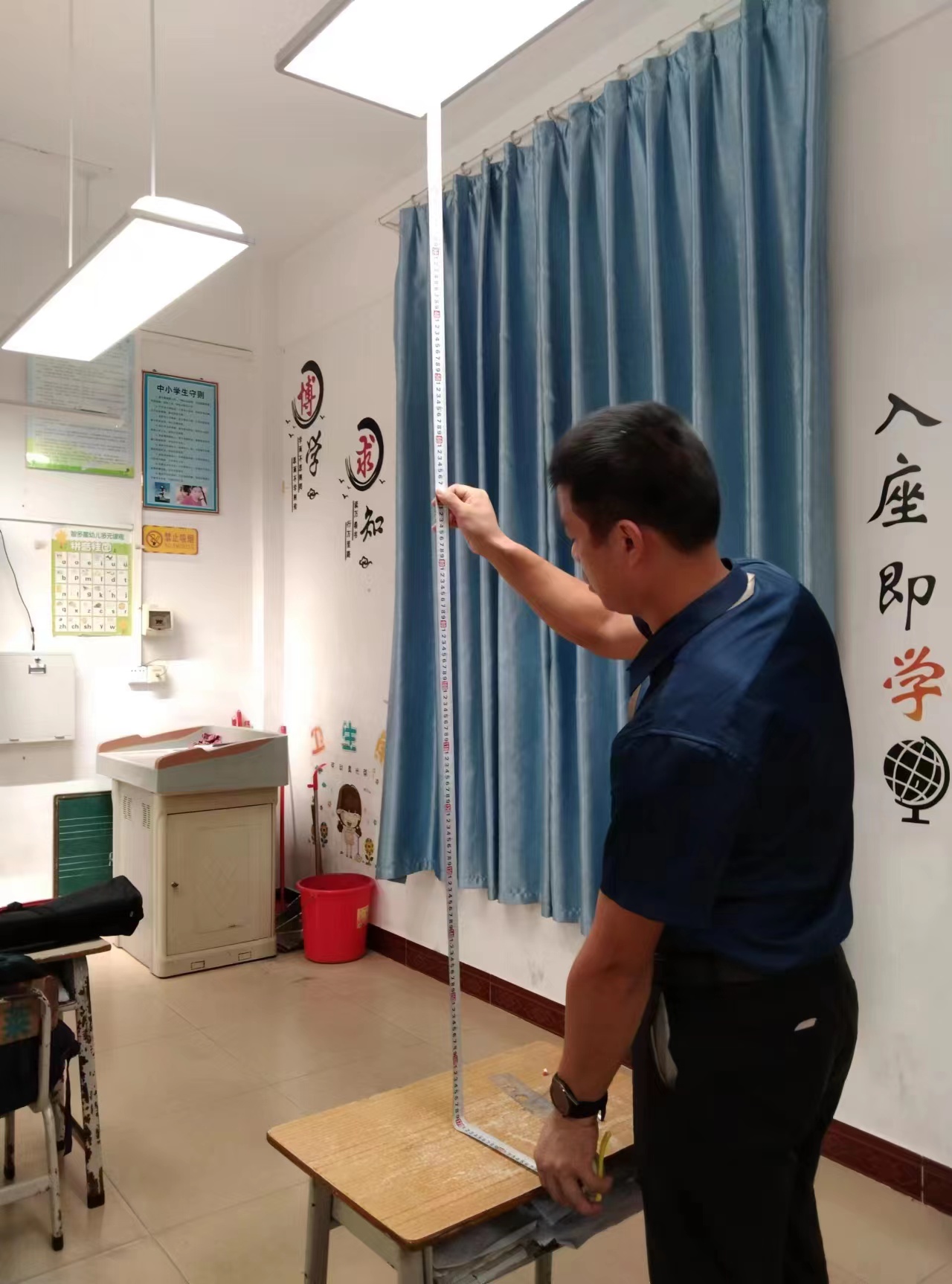
This standard includes textbooks, teaching aids, study magazines, workbooks, exam papers, educational newspapers, pre-school children's reading materials, as well as general classroom lighting fixtures, reading and writing desk lamps, and teaching multimedia equipment among other learning supplies for children and adolescents, related to myopia prevention and control. It has been officially implemented as of March 1, 2022.
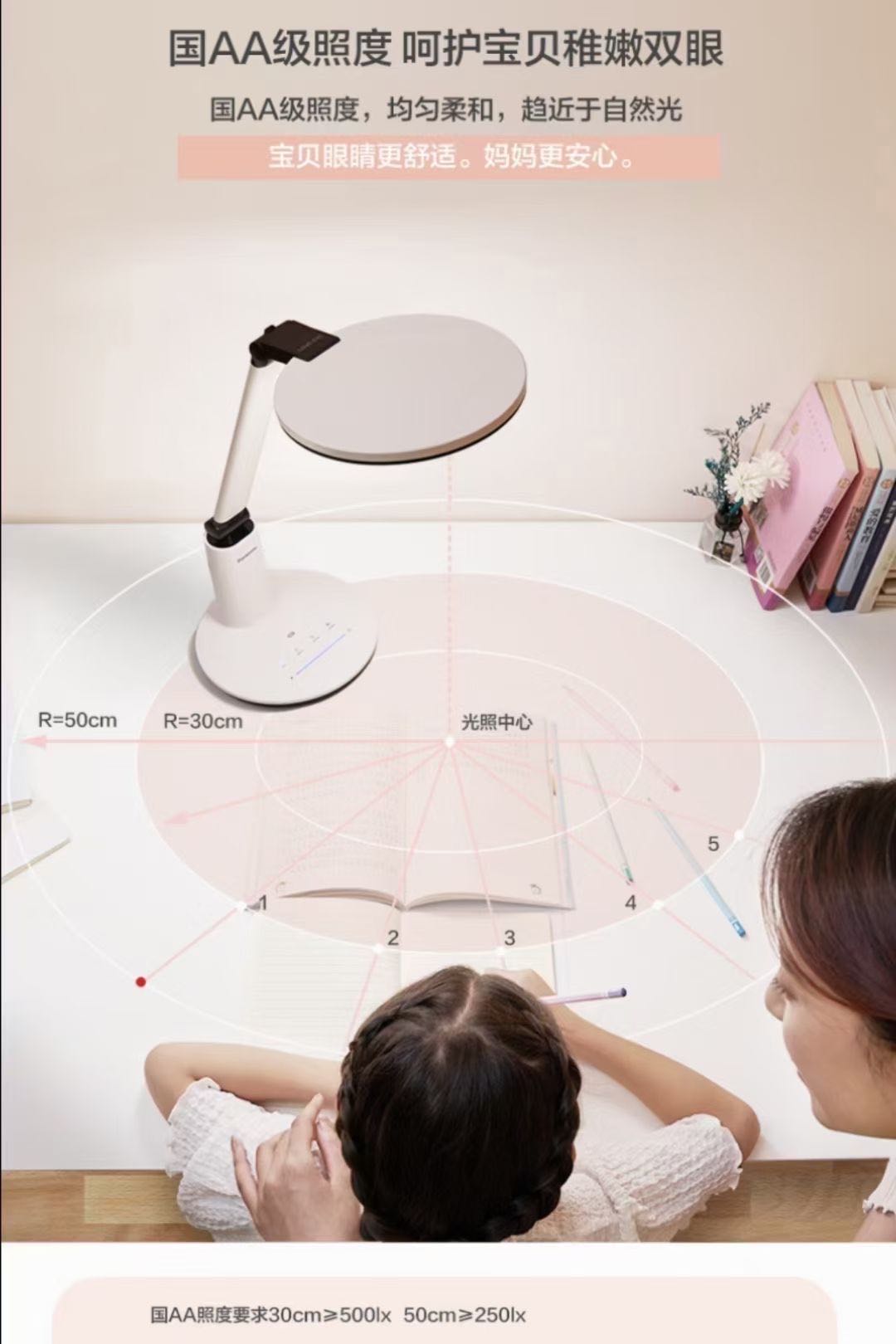
Sanitation requirements for general classroom lighting fixtures and reading/writing desk lamps
Luminaires must pass the national mandatory product certification. The general color rendering index Ra should not be less than 80, and the R9 of LED luminaires should be greater than 0.
★ For lighting fixtures that do not exempt from the blue light hazard assessment, the blue light risk category for blackboard local lighting fixtures is RG0 or RG1, and for general classroom lighting fixtures and reading and writing task lamps, the blue light risk category is RG0.
★ The color temperature for general classroom lighting fixtures should be ≥ 3300 K and ≤ 5300 K.
★ Reading and writing desk lamps should have light-blocking properties and no excessive glare.
Educational Information:
Color temperature is a measure of the color of light. Light sources with too high a color temperature can be harmful to the human eye, while those with too low a color temperature may not be bright and soft.
Color Rendering Index (CRI) is a measure of the color rendering capability of a light source, used to evaluate its ability to reproduce colors. The higher the CRI, the better the color rendering, making it easier for the human eye to distinguish between colors.
Blue light hazard refers to retinal damage caused by photochemical effects from radiation exposure to wavelengths primarily between 400-500 nm (short-wavelength light). The International Electrotechnical Commission (IEC) categorizes blue light hazard into four risk groups: Exempt (RG0), Low Risk (RG1), Medium Risk (RG2), and High Risk (RG3).
Educational Multimedia
This standard sets forth display technical requirements for two major categories of educational multimedia equipment: projectors and television video display systems. It specifies requirements for screen brightness, contrast ratio, brightness uniformity, illumination uniformity, flicker, and blue light protection.
Detailed Standard Requirements:
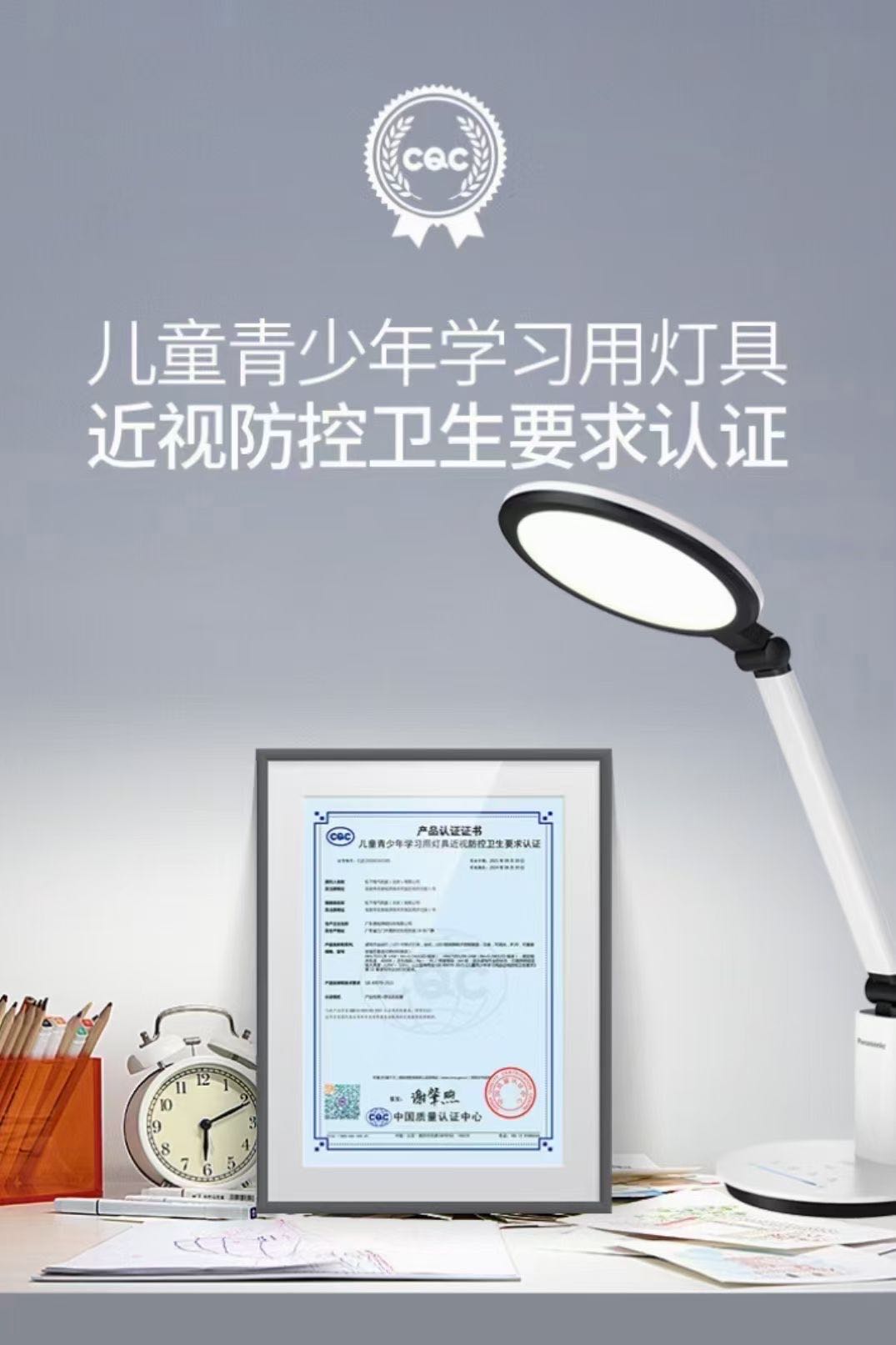
(1) Standard classroom lighting fixtures are categorized as fixed general lighting fixtures or recessed lighting fixtures, while reading and writing desk lamps are considered portable general lighting fixtures. All these products are listed in the National "Compulsory Product Certification Catalog." To ensure the quality and safety of lighting fixtures used by children and adolescents, this standard requires that standard classroom lighting fixtures and reading/writing desk lamps must pass the national compulsory product certification (i.e., CCC certification).
(2) The relevant color temperature is a measure of the color of the light. When the relevant color temperature is around 3000 K, the light color tends to be yellow; when it is above 5000 K, the light color tends to be blue. Lights with different relevant color temperatures offer various lighting and visual effects. This standard specifies that the relevant color temperature of lighting fixtures used in ordinary classrooms should not be less than 3300 K and not exceed 5300 K. This restriction on the color temperature not only protects the eyes from potential damage caused by excessively high color temperatures but also ensures bright and soft light, which aids in students' concentration. The limits for relevant color temperature in this standard are based on the intermediate color temperature as defined by the International Commission on Illumination (CIE), aligning with current domestic standards.
(3) The Color Rendering Index (CRI) measures the color rendering capability of a light source, used to evaluate its ability to reproduce colors. A higher CRI indicates better color fidelity and makes it easier for the human eye to distinguish between colors. Generally, the CRI (Ra) for indoor lighting sources should not be less than 80. Additionally, to accommodate the use of LED lighting, this standard specifies that the special CRI (R9) for LED lamps should be greater than 0, in line with relevant Chinese standards, ensuring the RGB colors are rendered properly.
(4) To prevent potential eye damage from excessive blue light during the learning process for children and adolescents, this standard refers to CIE S009, IEC 62471, and IEC 62778, adopting a safety level. It stipulates that the blue light hazard category of general lighting fixtures in classrooms should meet the RG0 category of IEC/TR 62778 blue light hazard category.
Considering that blackboard localized lighting fixtures are used for illuminating the blackboard area in classrooms, the emitted light should not directly enter the eyes. Additionally, taking into account the hazards of blue light, the luminous design of the lighting fixtures, the uniformity of blackboard illuminance, and the current production level of lighting fixture manufacturers, this standard specifies that the blue light hazard category of blackboard lighting fixtures is RG0 or RG1, which aligns with the current domestic and international standards such as GB 7000.1, IEC 60598-1, etc.
(5) The depth of fluctuation is a parameter that characterizes the flicker characteristics of the light source. Luminaires driven by AC or pulse DC power may exhibit flickering, leading to visual and mental fatigue. Currently, IEEE Std 1789-2015 requirements are widely used domestically and internationally to assess the flicker of light sources in a stationary state. This standard maintains consistency with the requirements for flicker (depth of fluctuation).