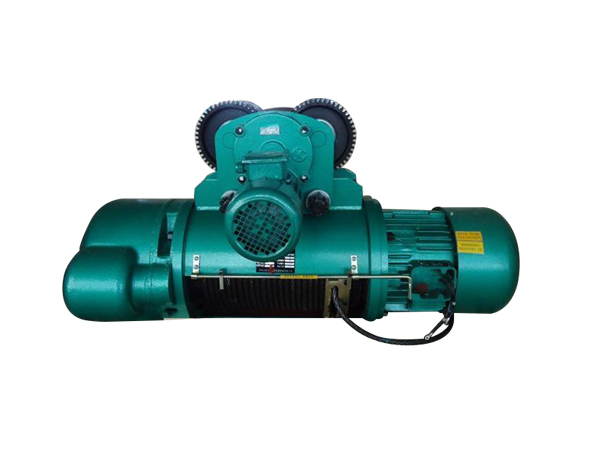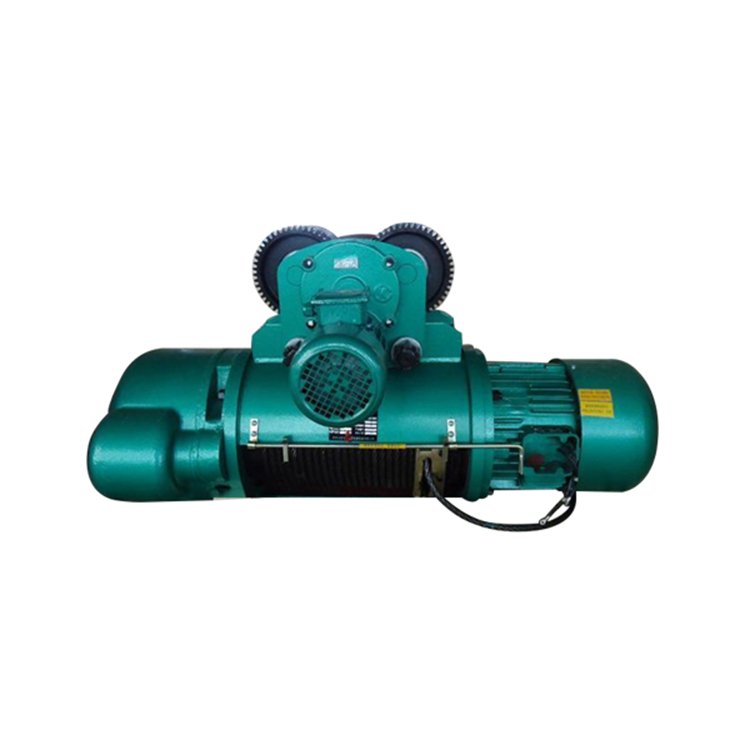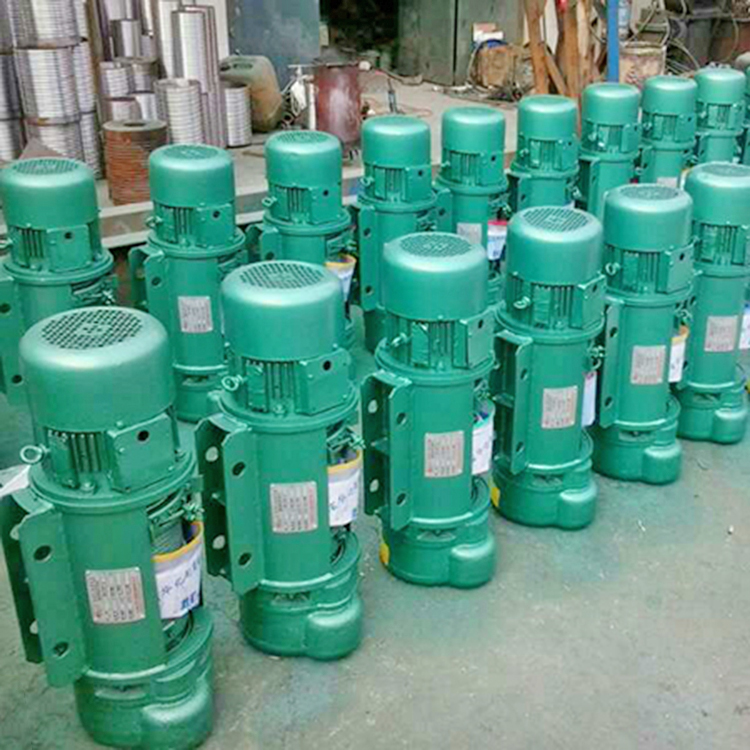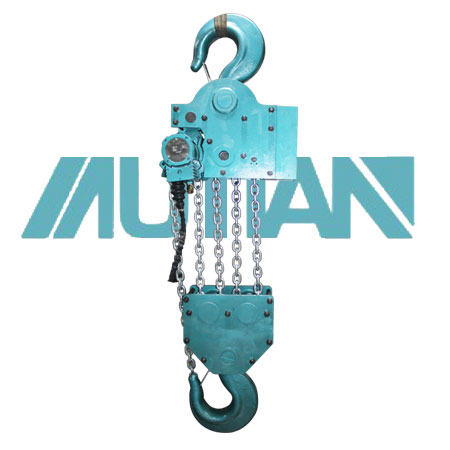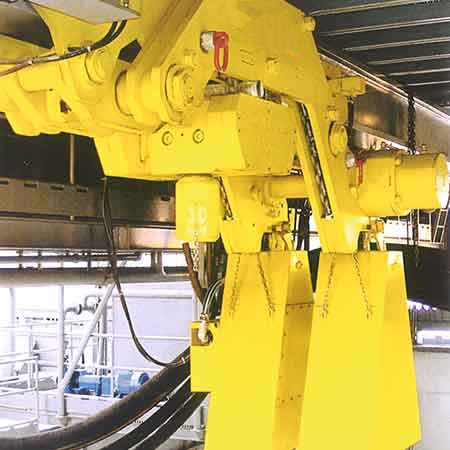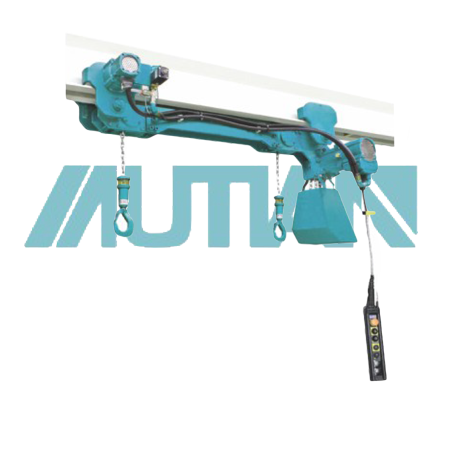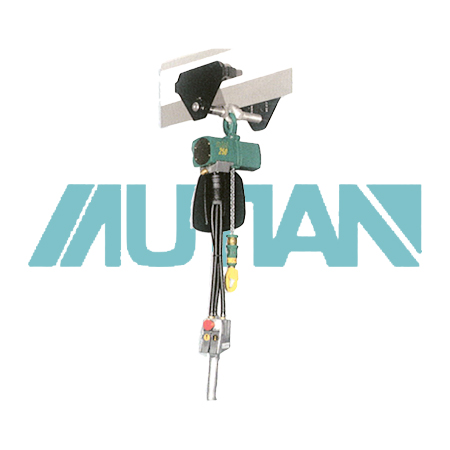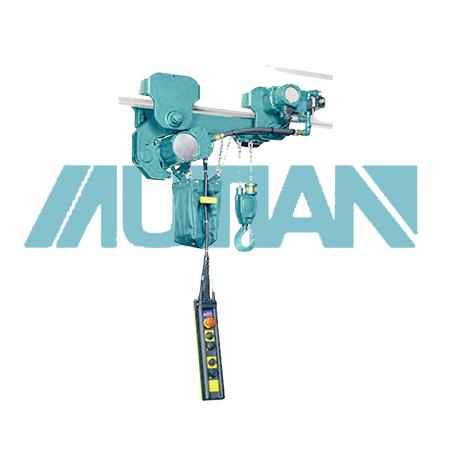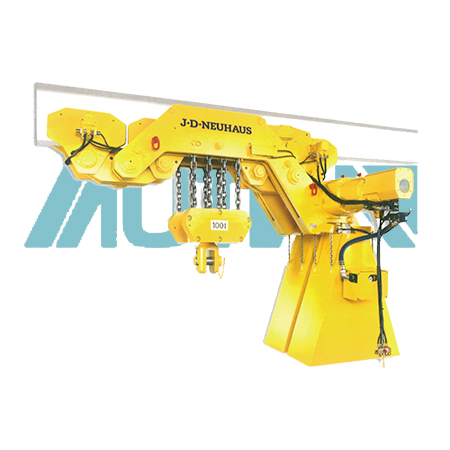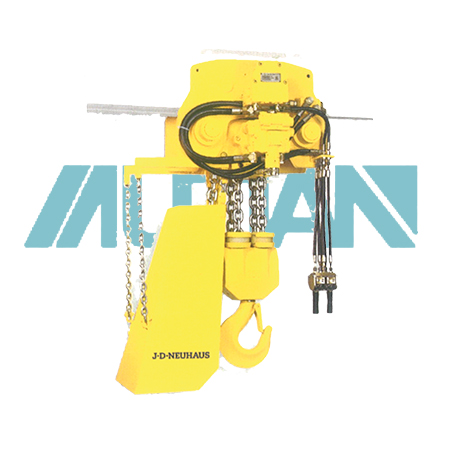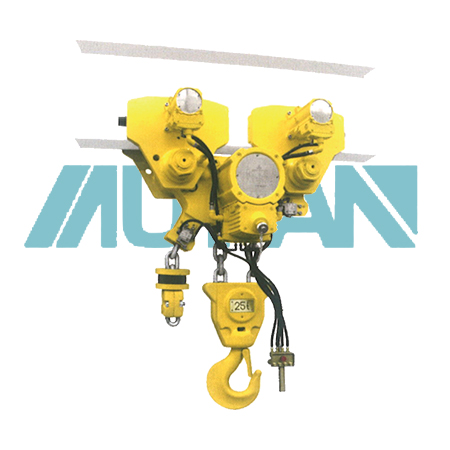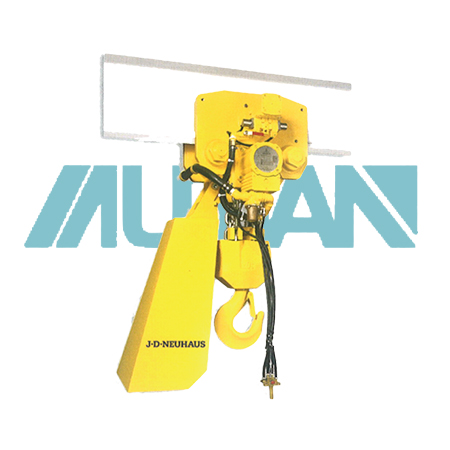




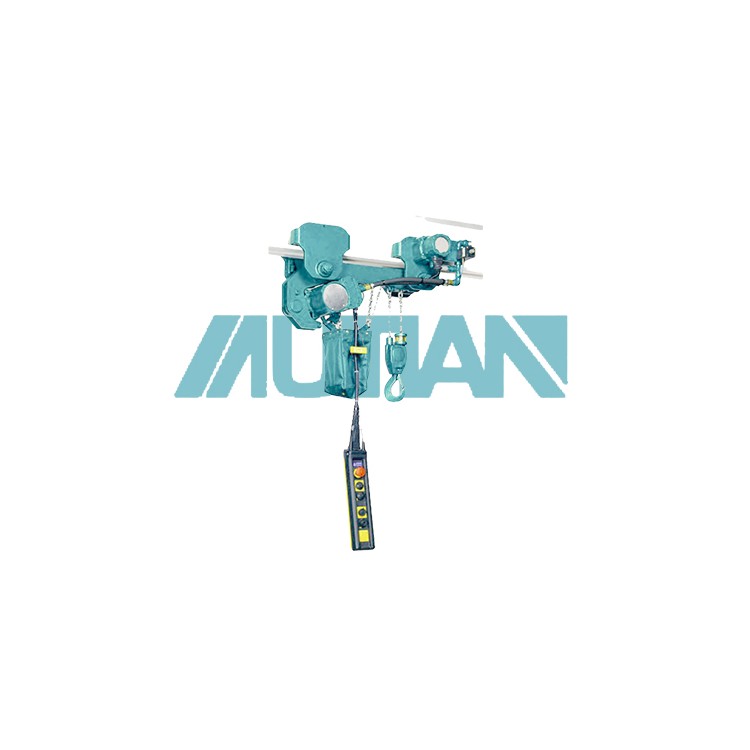






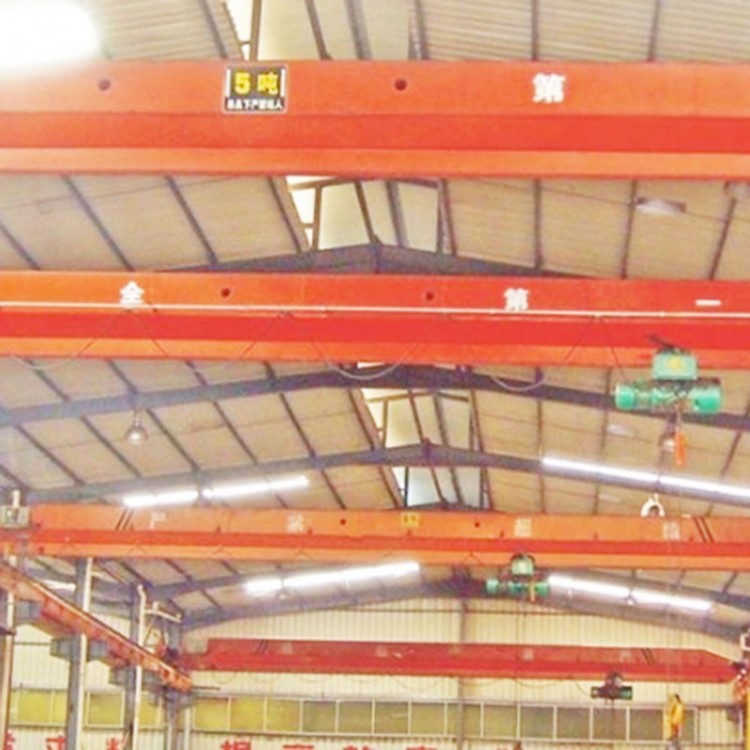
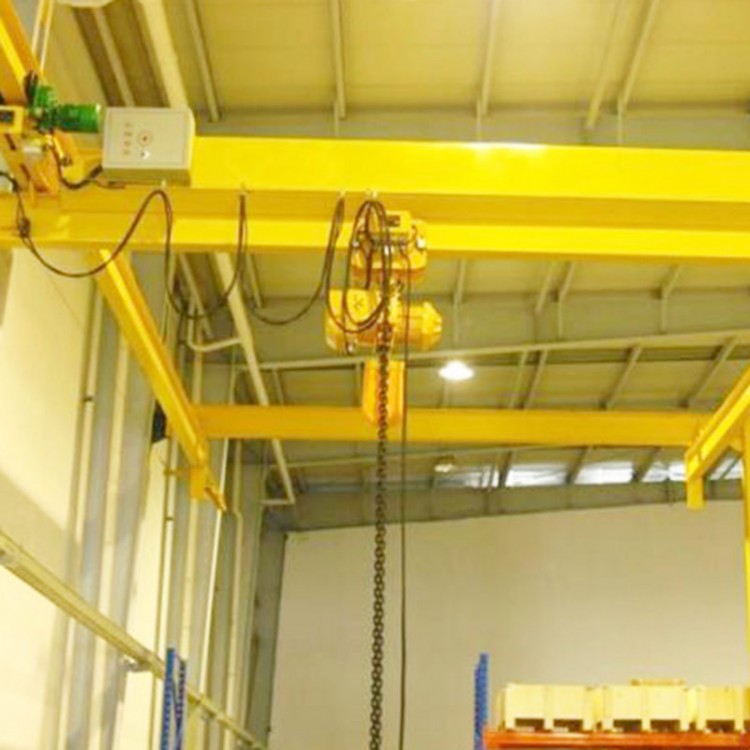
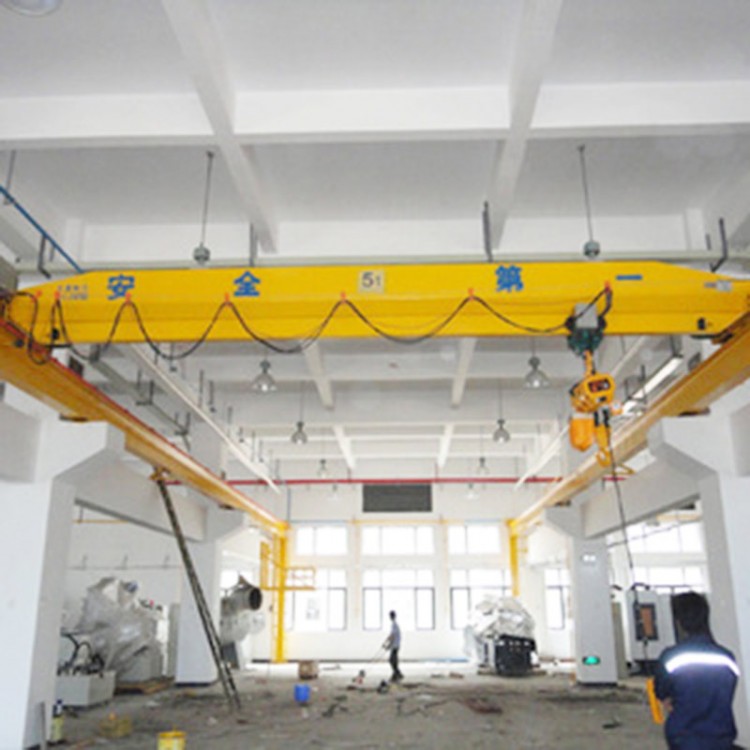

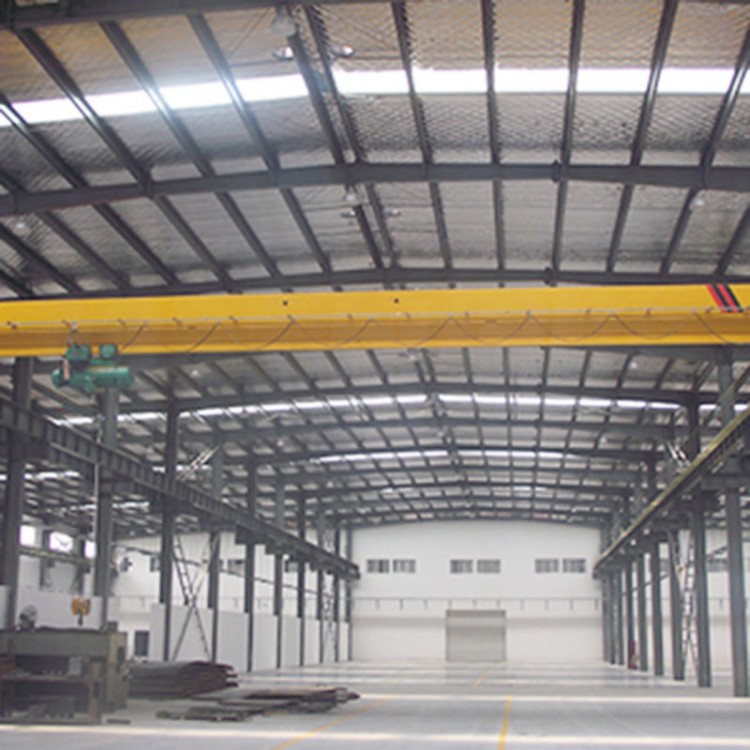
Primarily used for lifting, towing, and handling heavy loads, as well as for tank bottom welding, such as the installation and relocation of various large and medium-sized concrete, steel structures, and machinery equipment. Suitable for construction companies, industrial plants, civil engineering projects, bridge construction, power, shipbuilding, automotive manufacturing, construction, highways, bridges, metallurgy, mining, slope tunnels, shaft treatment and protection, and other fundamental construction projects.
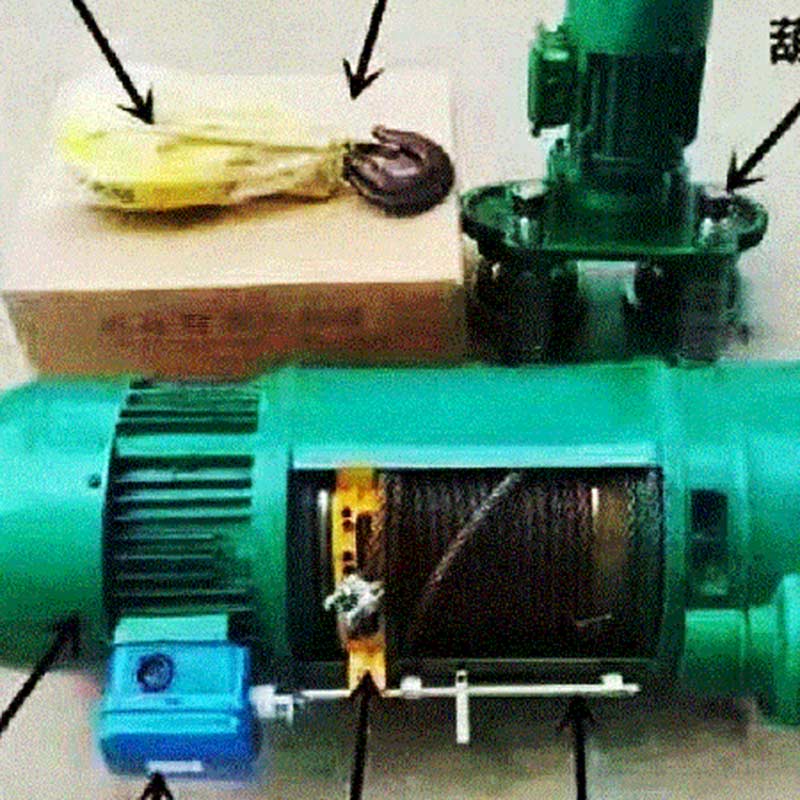
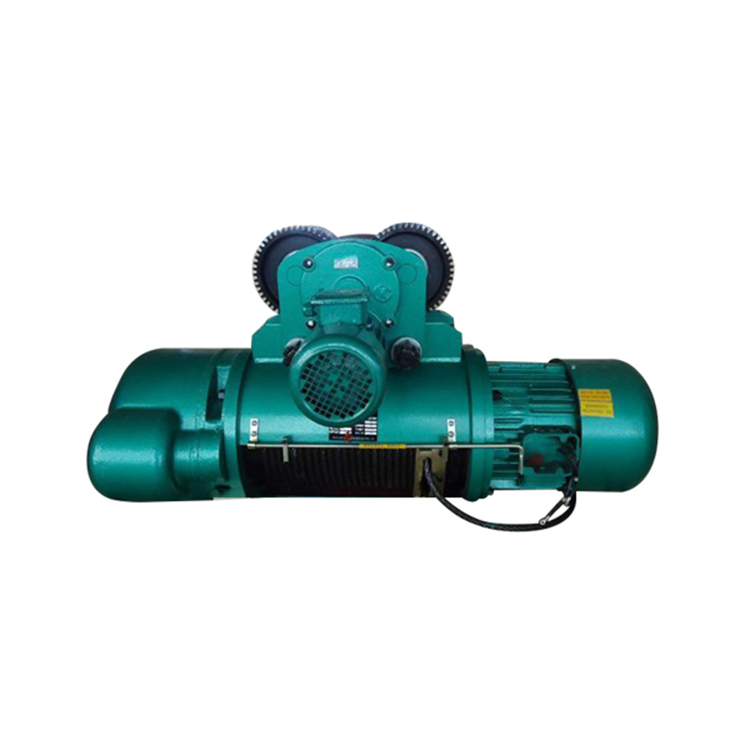
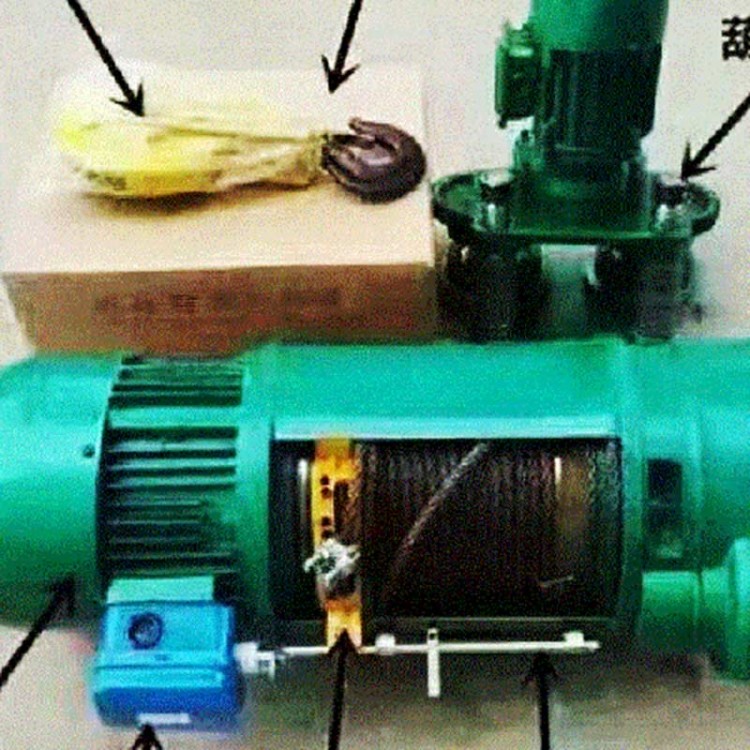
The components of an electric wire rope hoist include: motor, transmission mechanism, drum, and wire rope. They can be roughly divided into four types based on the different positions of the motor and drum.
(1) Electric hoists with motor shafts perpendicular to the drum shaft utilize worm gear drives. They have large dimensions in width, are structurally bulky, have low mechanical efficiency, and are difficult to manufacture. No manufacturers are producing this type of structure anymore.
(2) Electric Hoists with the motor shaft parallel to the drum shaft feature small height and length dimensions for the wire rope hoist. The drawbacks include a large width dimension, poor divisibility, and complex manufacturing and assembly processes. The track has a large turning radius.
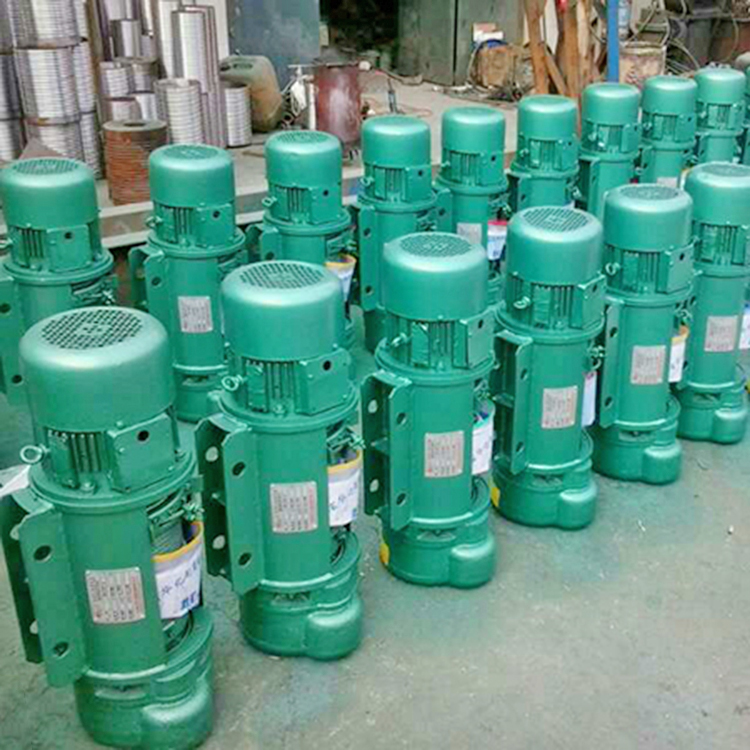
(3) Electric Hoists with motors installed inside the drum offer the advantage of a compact size and structure. However, their main drawback is poor motor cooling conditions, poor grouping, and the inconvenience of checking, installing, and maintaining the motor, as well as a complex power supply unit.
(4) Electric hoists with motors mounted outside the drum offer advantages such as good grouping, high degree of standardization, ease of adjusting lifting height, and convenient installation and maintenance. However, the downside is the larger length dimensions.