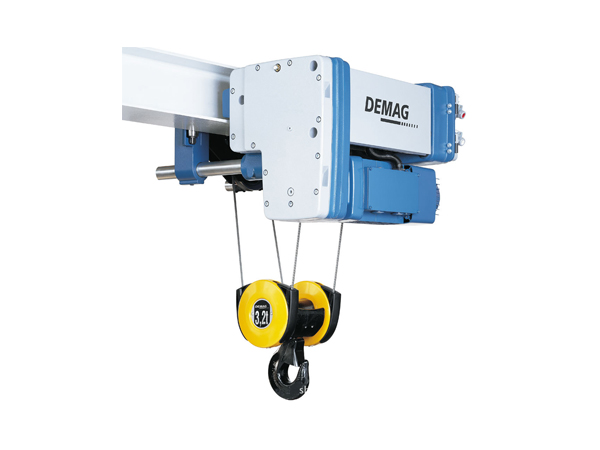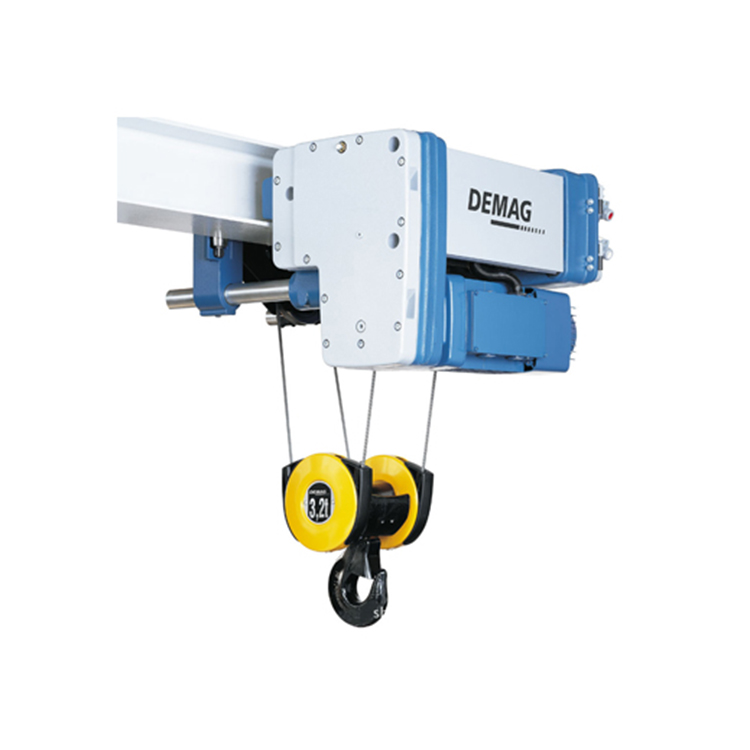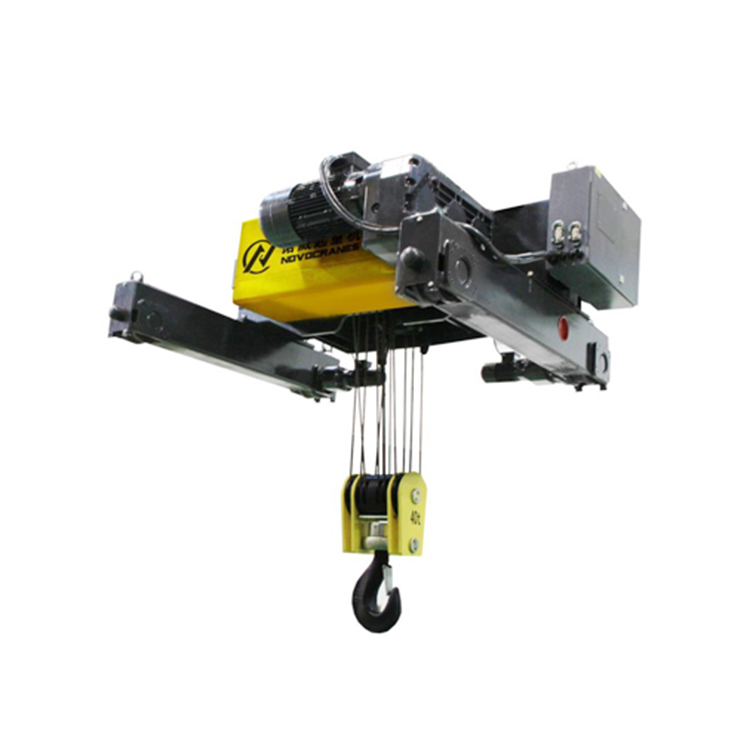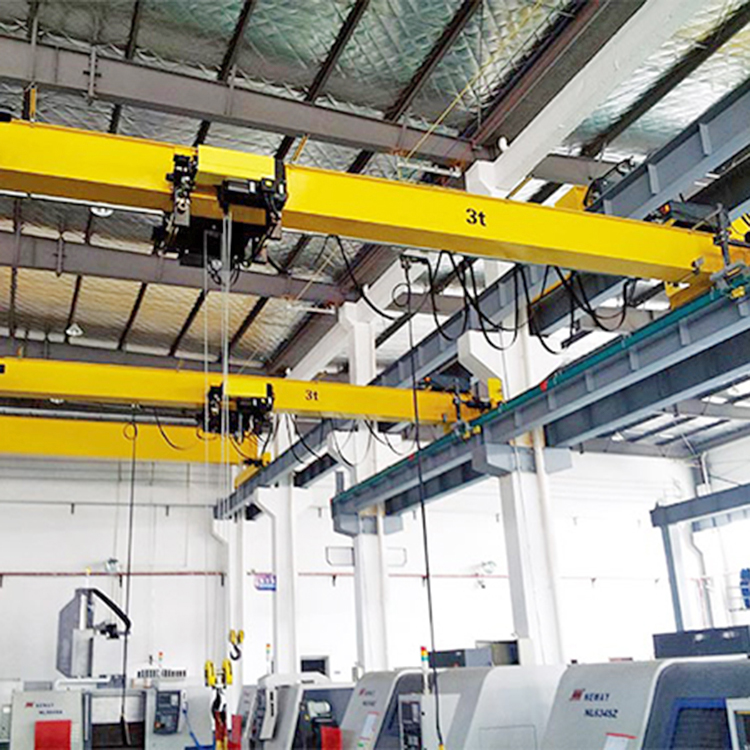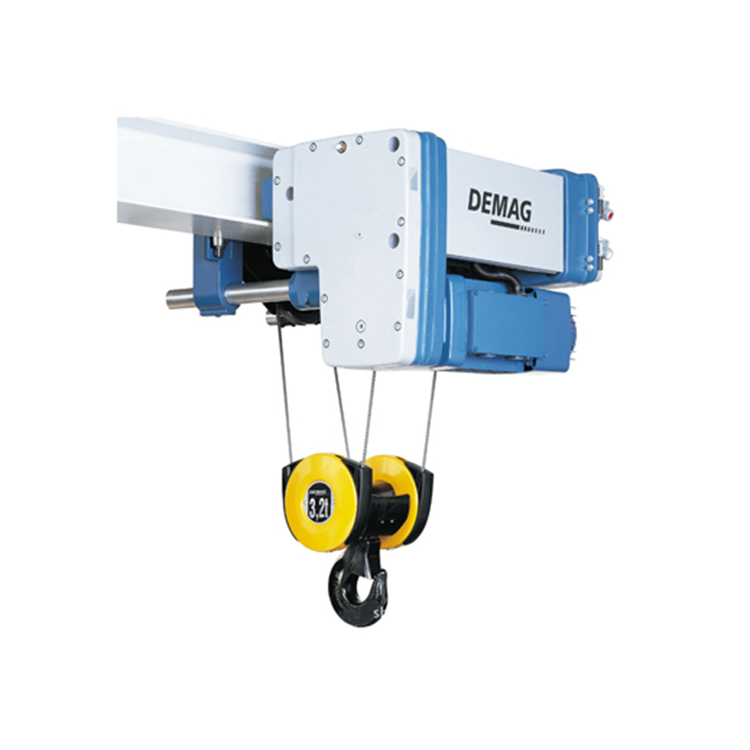


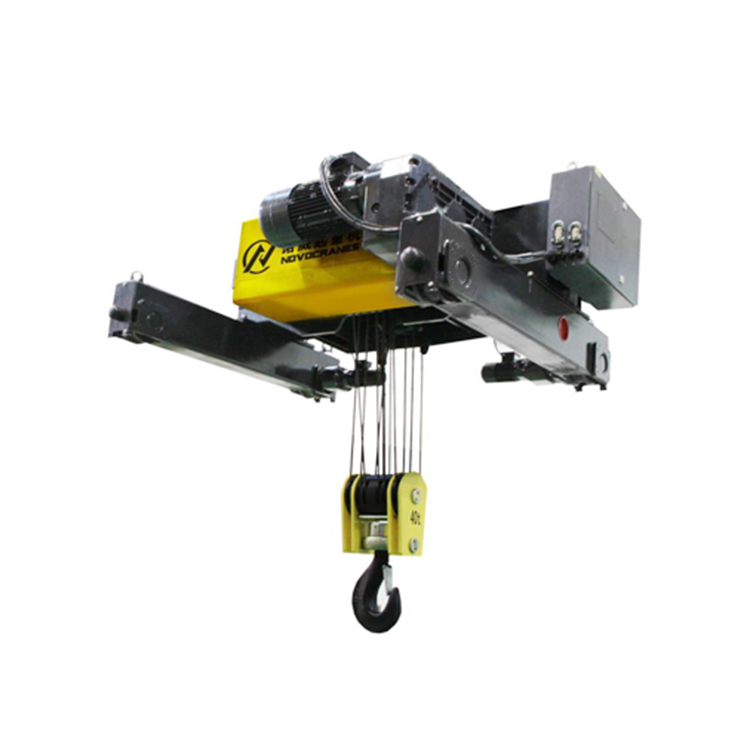
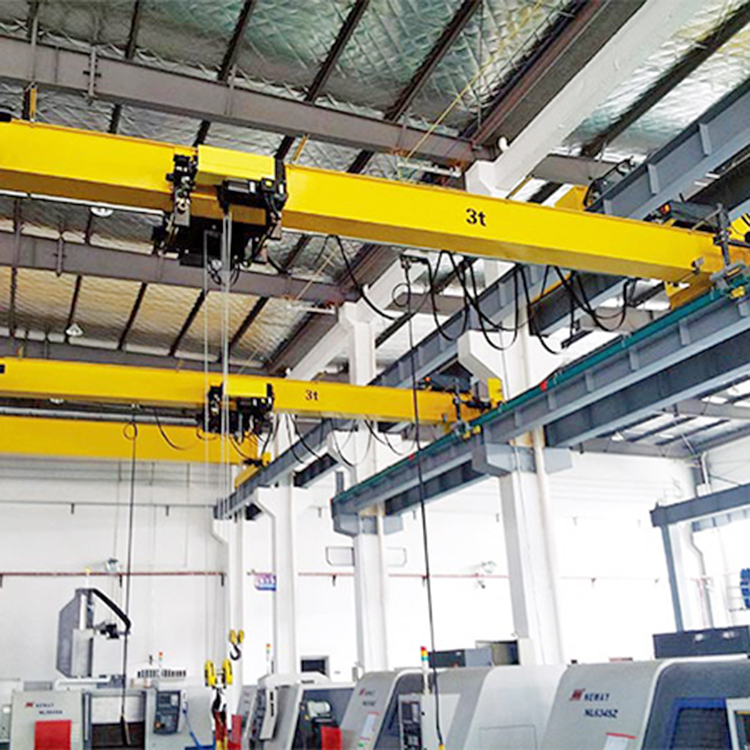


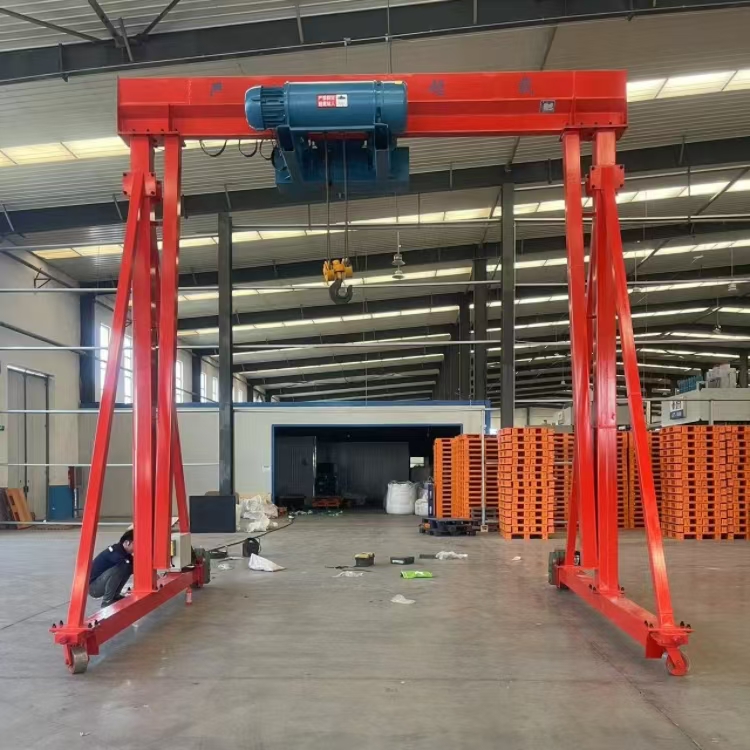
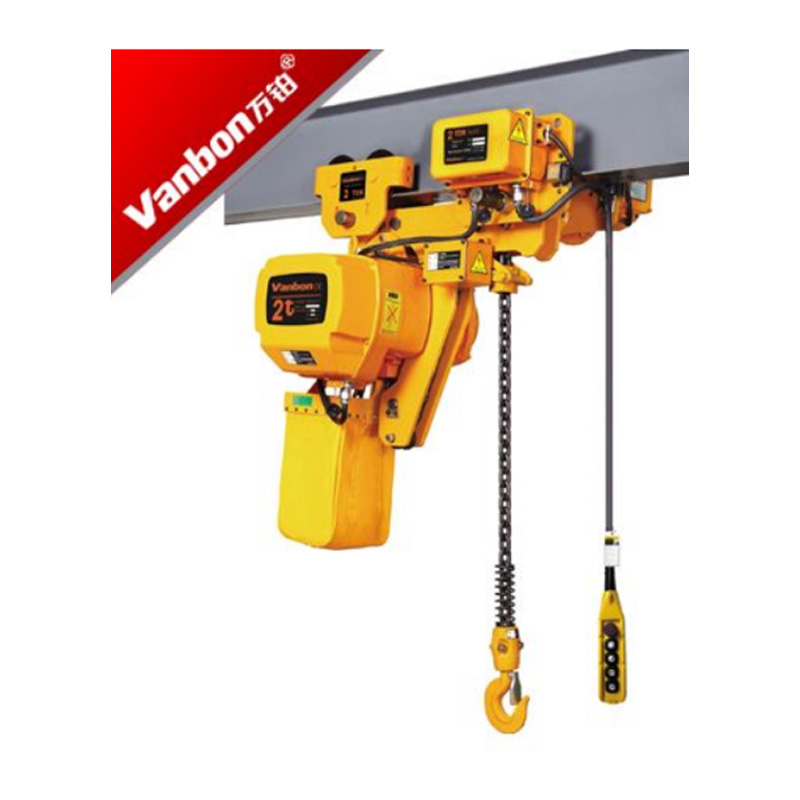
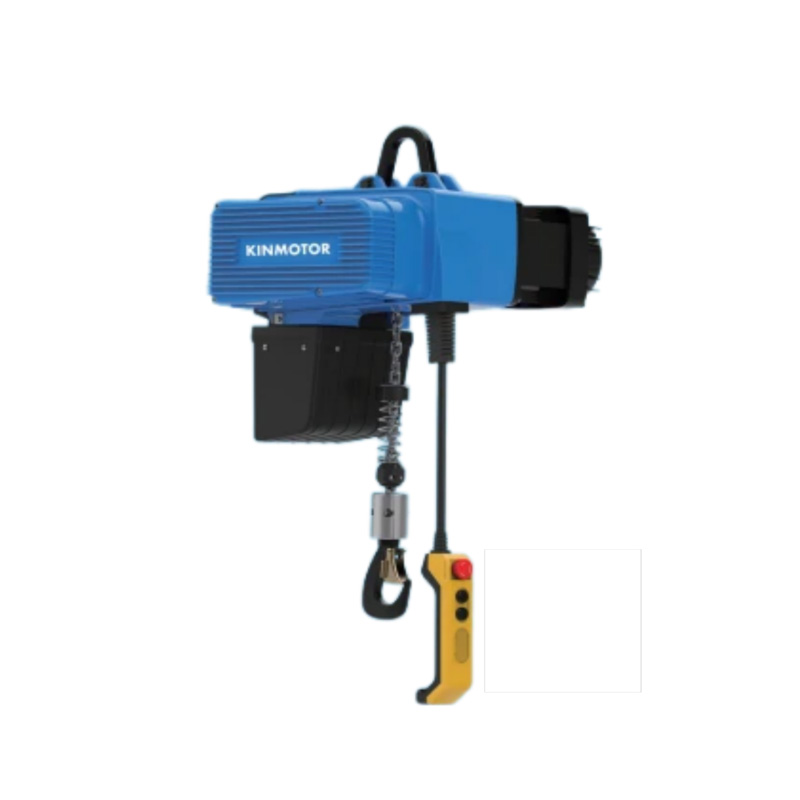
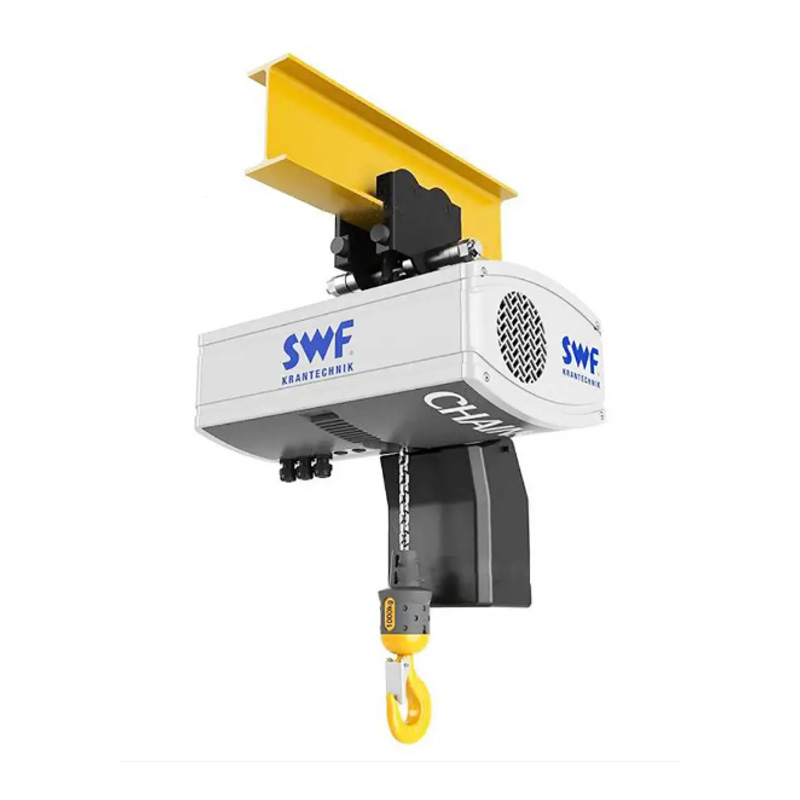
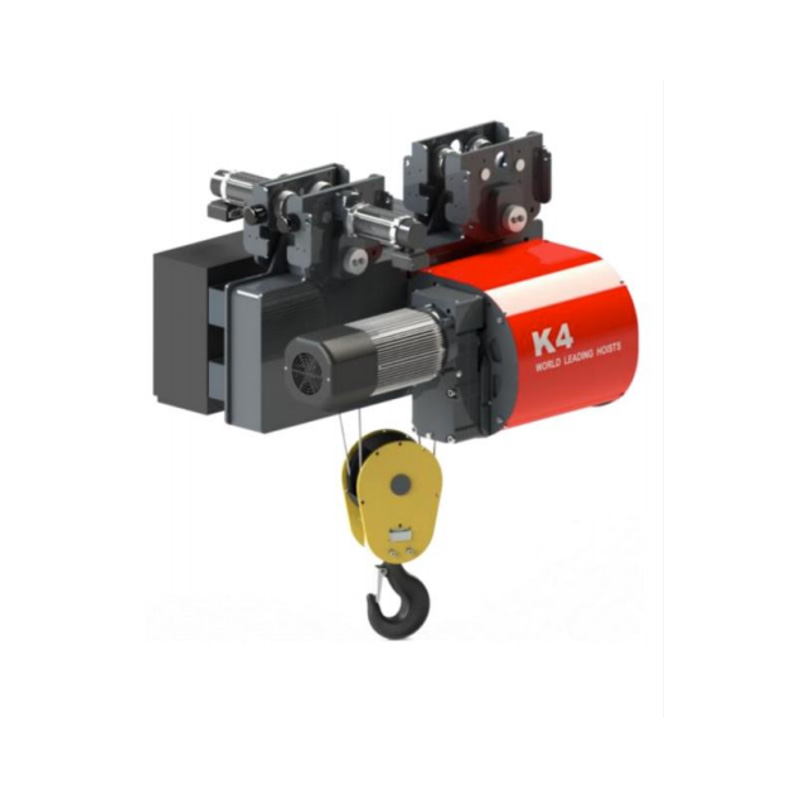






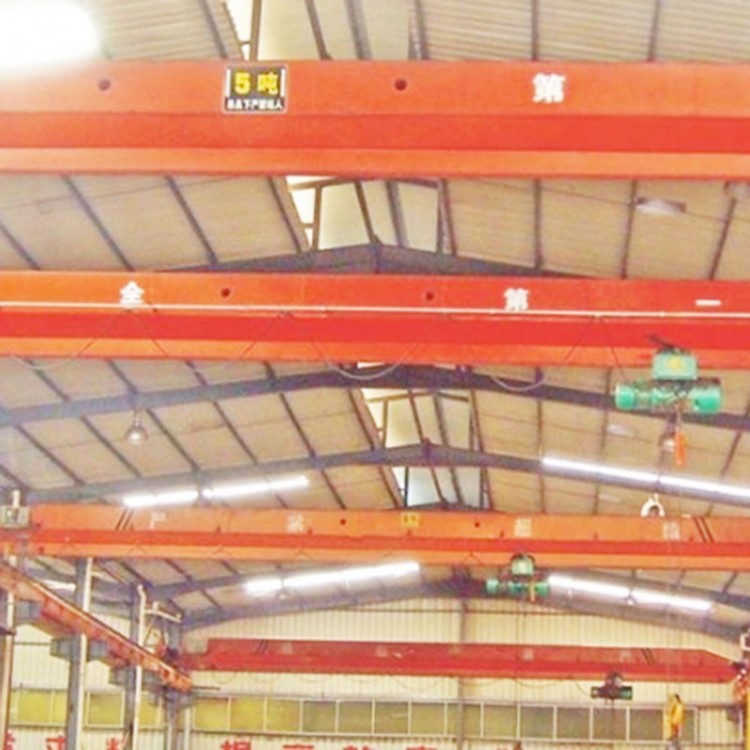
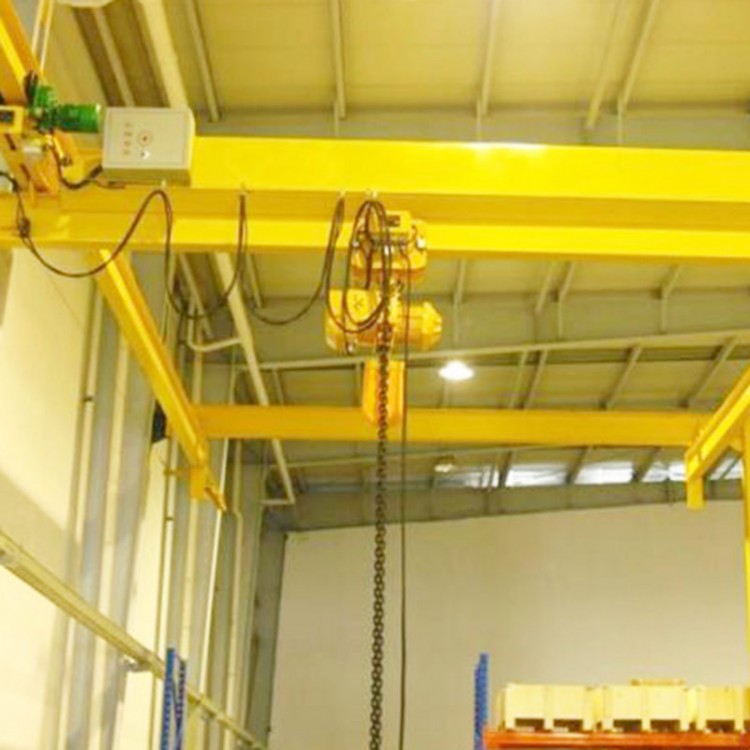
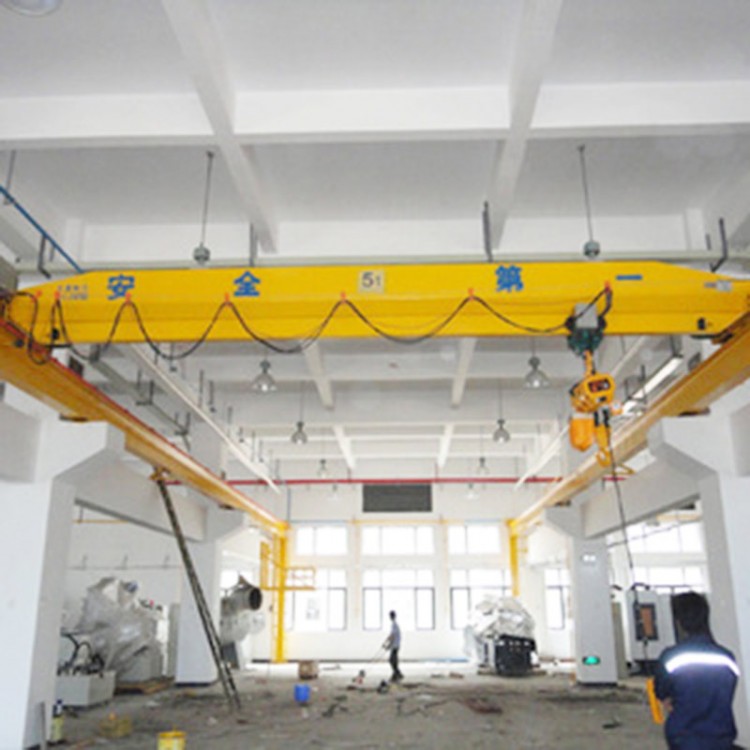

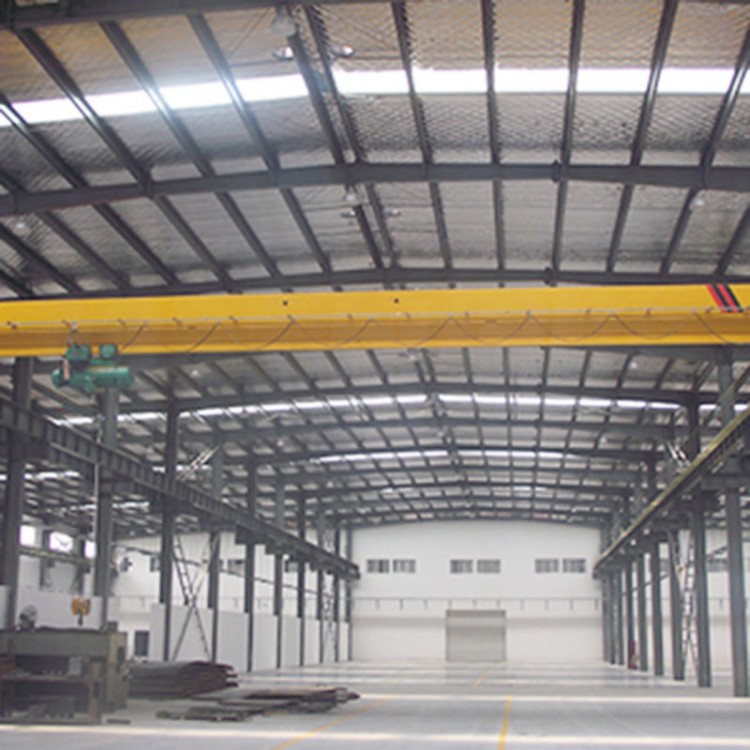
An European-style crane is a bridge crane, a concept not found in the professional terminology. It is a term coined by domestic crane users to summarize the reliability, versatility, and affordability of domestic cranes (derived from Soviet design and manufacturing technology), combined with the technology of European cranes, featuring compact structure, light weight, energy-saving, and low noise.
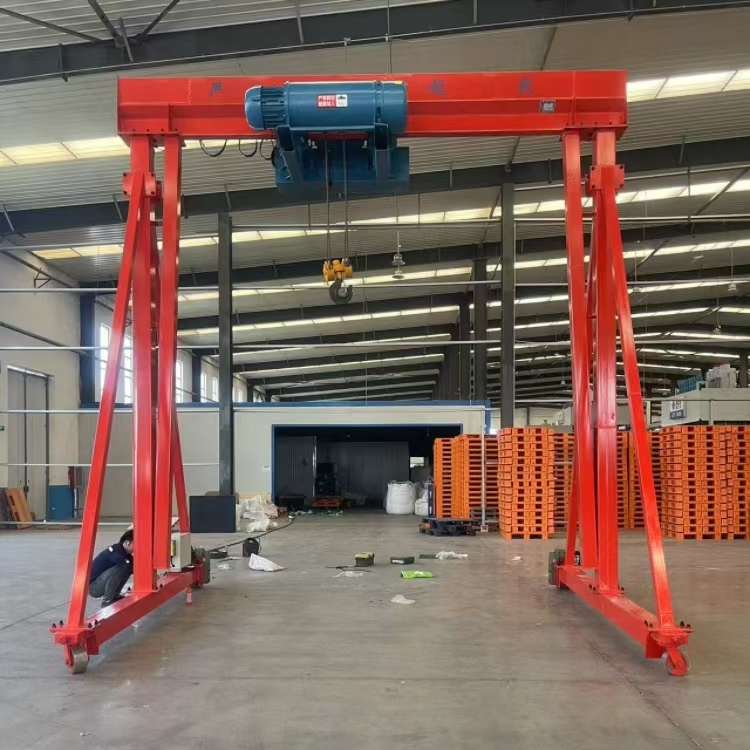
The concept of European cranes has emerged in the industry in recent years, aimed at distinguishing them from the so-called domestic, Soviet-style, and traditional cranes of the past. It mainly includes industrial cranes such as bridge cranes, gantry cranes, jib cranes, flexible beam cranes, and explosion-proof cranes.
The European-style crane is based on the lightweight and modular design philosophy and manufacturing techniques from Europe, resulting in a compact structure, smooth operation, reduced weight, lower height, energy-saving, and reduced consumption. This significantly cuts down the construction costs for the crane's operating workshop and the operating expenses of the crane, while enhancing the overall quality and performance of the crane. The European-style crane is poised to become the trend in crane development and the mainstream in market demand.
Main beam section
1. The main beam is designed with a square box-shaped安康H-steel structure, similar to the traditional initial simple crane, but with a heavier self-weight.
2. All main welds undergo non-destructive testing.
3. The steel plate material is domestic general-purpose steel (Q235B).
4. The vertical pitch is in accordance with the Chinese National Standard.
5. All steel plates are subjected to shot blasting pretreatment, similar to our traditional crane design, achieving Sa2.5 standardization.
6. Thoroughly inspect and clean the steel plate prior to welding, which is typically performed by an automatic welding machine (MIG or semi-automatic welding).
End beam section
1. The end beam is formed by welding rectangular steel tube or steel plate, and after forming, it is processed in one positioning on a CNC machine, achieving the allowable deviation range to ensure national size accuracy and fit tolerance.
Each end beam is equipped with wheels with double flanges, shock absorbers, and derailment protection devices.
3. A maintenance platform (maintenance walkway) is arranged on the large vehicle drive side along the main girder direction of the double girder crane.
4. The main beam and end beam are connected with high-strength bolts, ensuring the overall precision and smooth operation of the machine.