

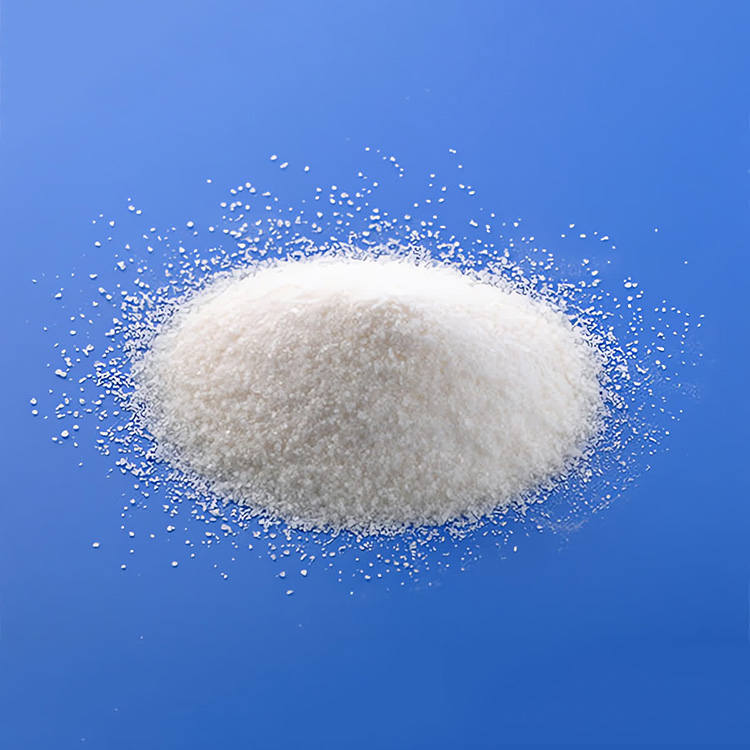
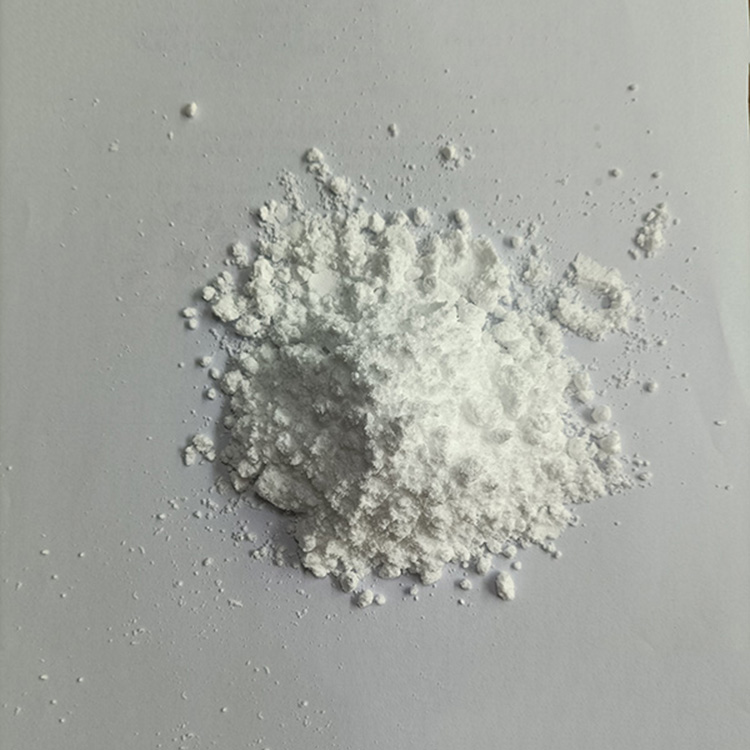








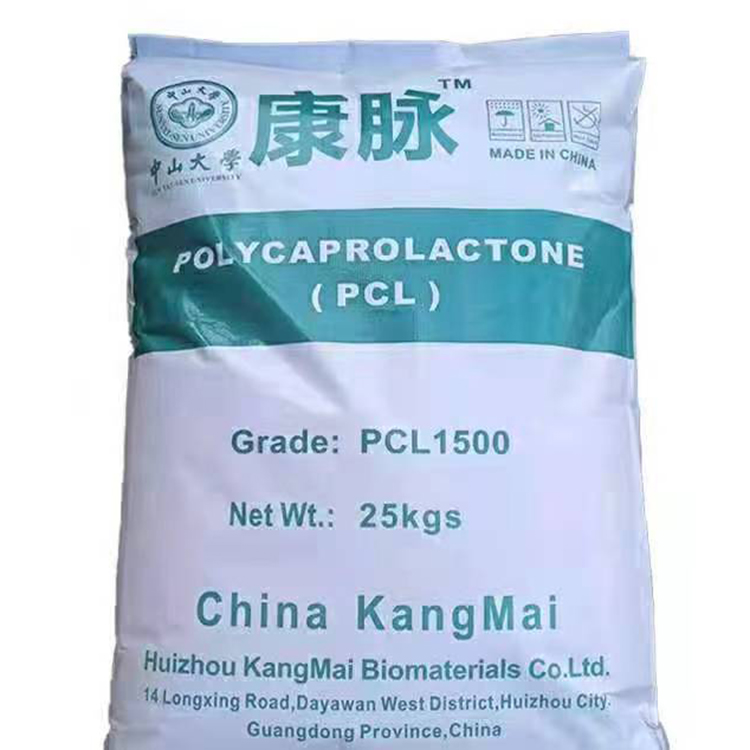
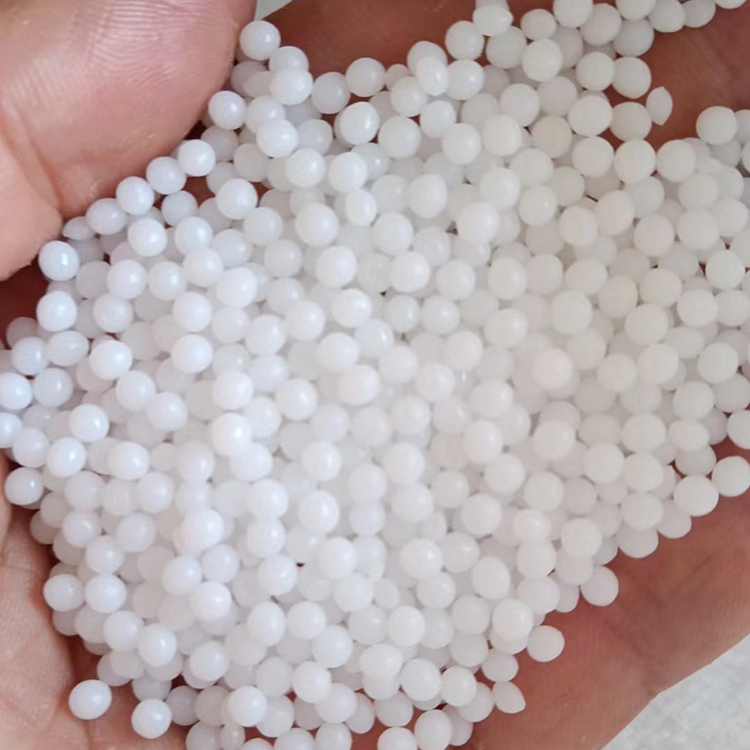
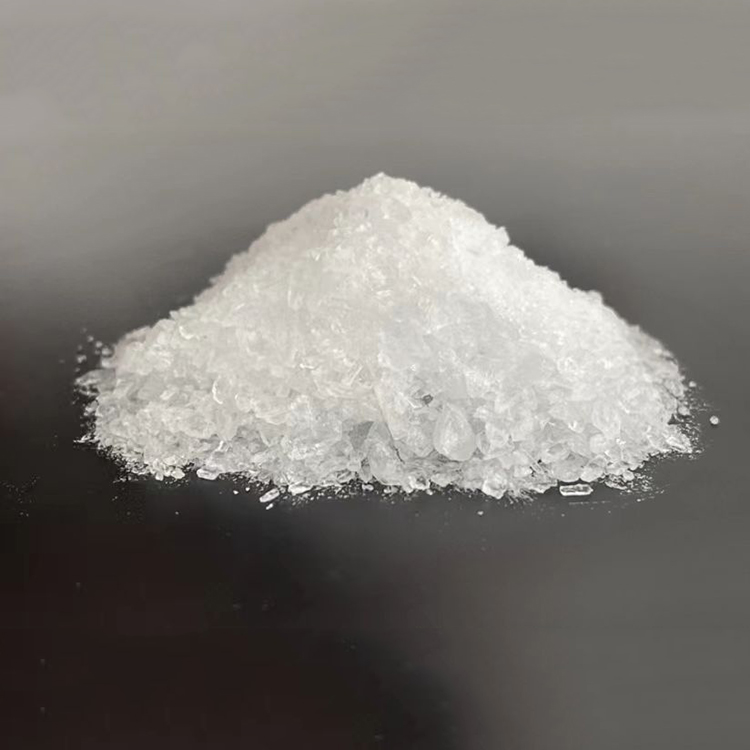
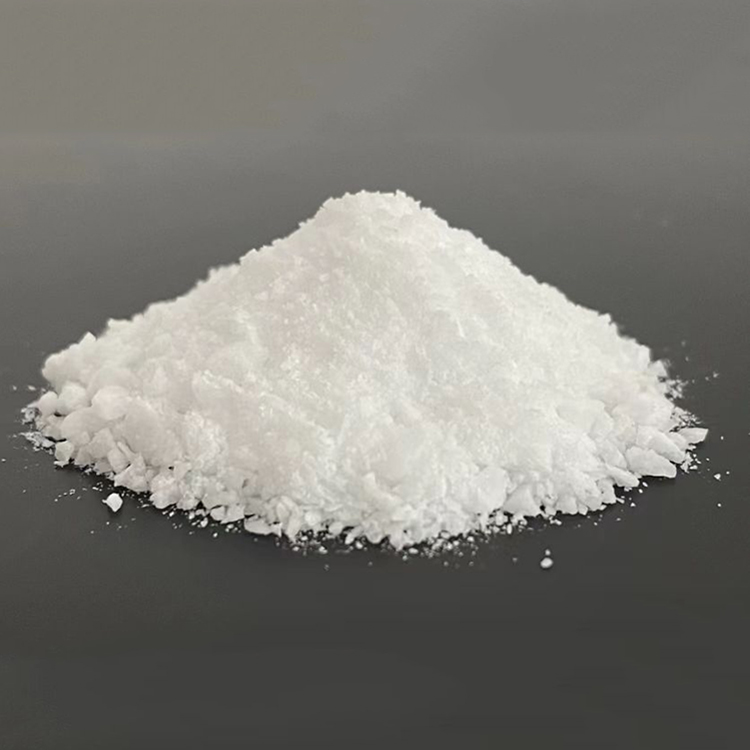
Chemical Structure:

Product Features and Applications:
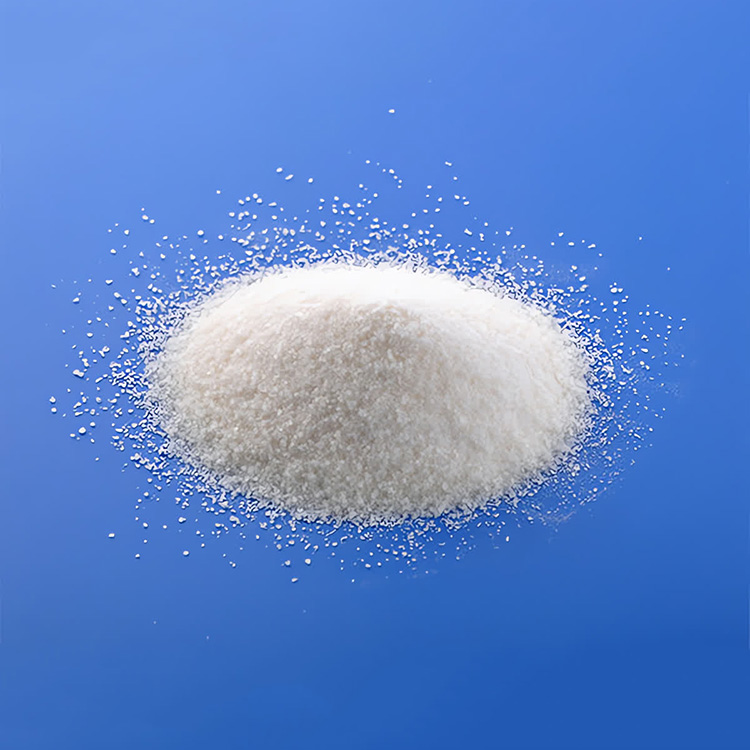
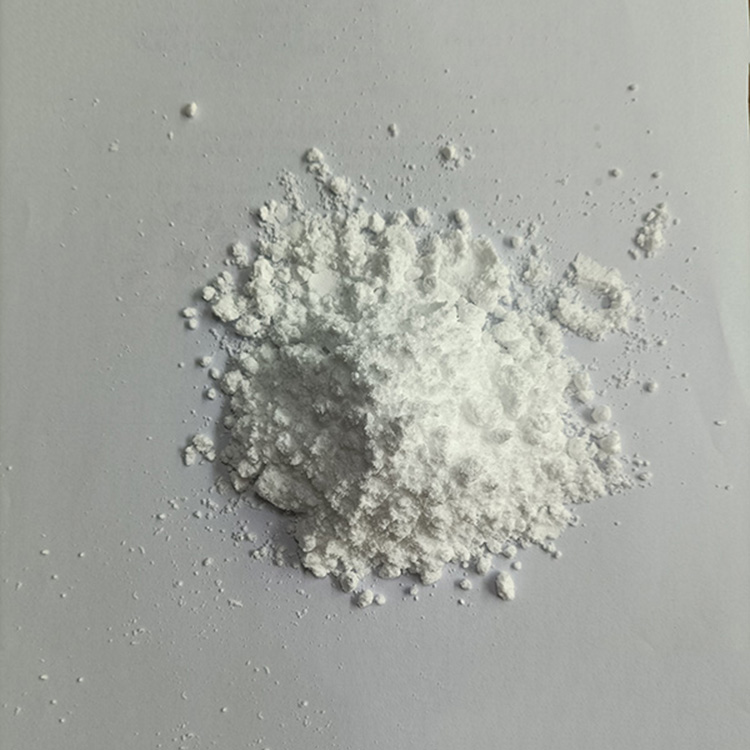
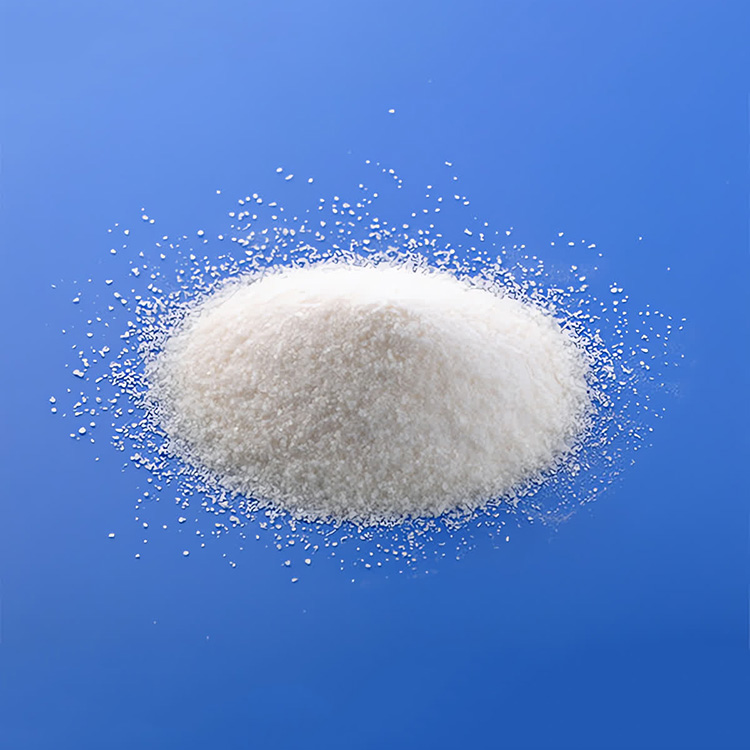
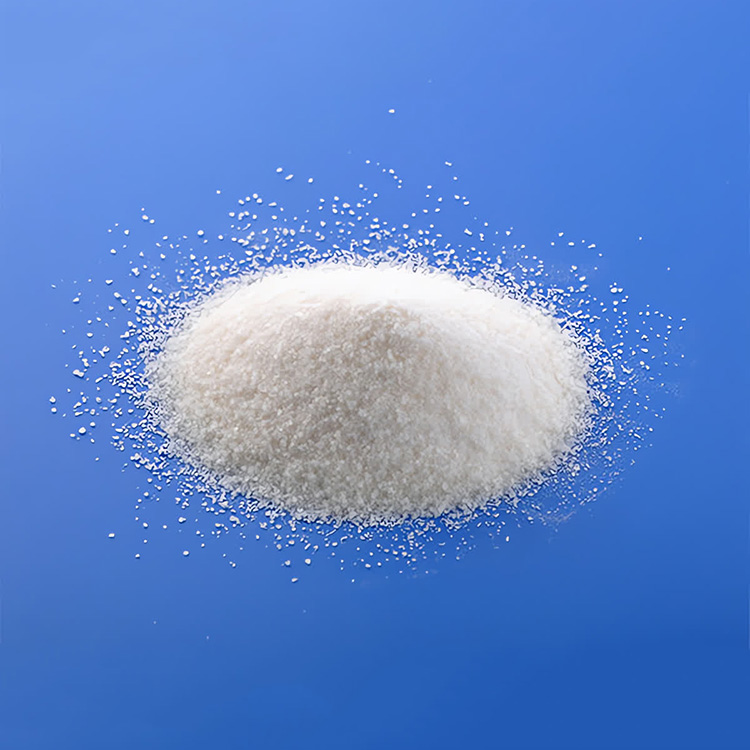
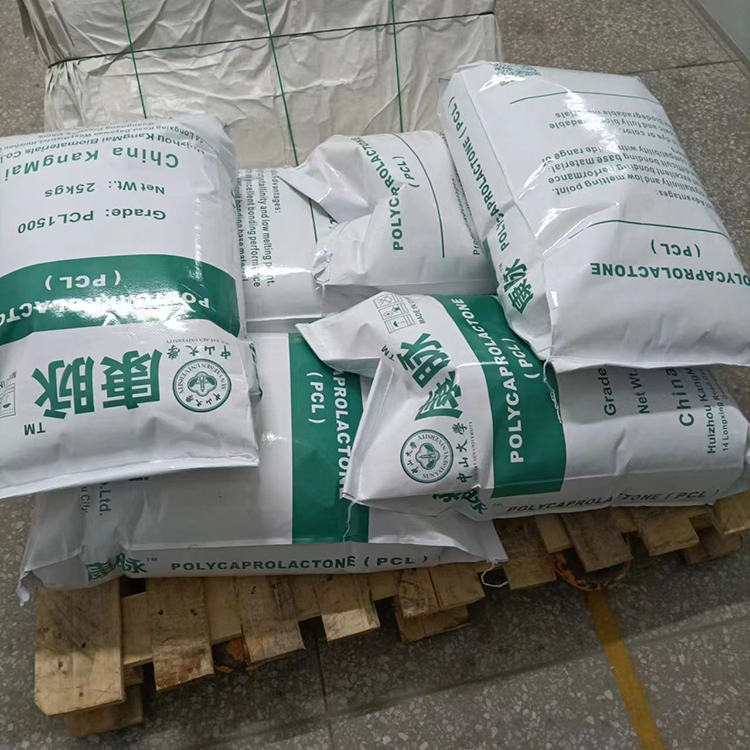
Poly-ε-caprolactone (PCL) boasts excellent biocompatibility, memory, and biodegradability, and is widely used across various fields. Poly(caprolactone) is soft, easy to process, and has superior properties, making it suitable as a tissue engineering scaffold material. PCL has strong crystallinity and degrades slowly. Its degradation in the body occurs in two stages: Stage one involves a continuous decrease in molecular weight without any deformation or weight loss; Stage two refers to the point when the molecular weight drops to a certain level, at which the material starts to lose weight and is gradually absorbed and excreted by the body.
Application Fields: Coatings, inks, hot melt adhesives, non-woven bonding agents, shoe materials, structural adhesives, etc., in the polyurethane resin field; blowing films, laminates, etc., in the film and composite packaging field; handcrafted models, organic colorants, powder coatings, etc., in other fields.
Project | Quality Specifications | Inspection Method |
Characteristics Viscosity | 0.3-11dl/g | Wu Viscometer |
Viscosity average molecular weight Number average molecular weight | 1-100w 1-100w | Wu's Viscosity Method GPC (Gel Permeation Chromatography) |
Glass Transition Temperature | -60℃ | Differential Scanning Calorimetry (DSC) |
Melting Point Residual Monomer Residual Solvent Heavy metals Density Sulfate Ash | >63℃ <1.0% <0.1% <10 ppm 1.0-1.2g/cm3 <0.05% | ---- Gas Chromatography, Liquid Chromatography Gas Chromatography, Liquid Chromatography Colorimetry, Atomic Absorption Spectroscopy ---- High-temperature incineration, weigh the remaining residue |
Product Type:
Model | Name | Viscosity Range: dl/g |
PCL-05 | Polyε-caprolactone | 0.30-0.75 |
PCL-10 | Poly(ε-caprolactone) | 0.75-1.25 |
PCL-15 | Poly(ε-caprolactone) | 1.25-1.75 |
PCL-20 | Polyε-caprolactone | 1.75-2.25 |
PCL-25 | Polyε-caprolactone | 2.25-3.00 |
PCL-35 | Polyε-caprolactone | 3.00-4.25 |
PCL-50 | Polyε-caprolactone | 4.25-6.00 |
PCL-70 | Poly(ε-caprolactone) | 6.00-8.25 |
PCL-95 | Polyε-caprolactone | 8.25-11.25 |
PCL-00 | Polyε-caprolactone | >11.25 |
PCL Infrared Image:

Approximately 1380 cm-1 represents the bending vibration peak of the hydroxyl group -OH; around 1188 cm-1 is the stretching vibration absorption peak of the -C-O-C-; at about 1721 cm-1 is the stretching vibration absorption peak of the carbonyl group C=O; peaks at 2945 and 2858 cm-1 are the stretching vibration peaks of C-H; a broad peak at around 3431 cm-1 indicates the stretching vibration peak of -OH, suggesting the presence of hydroxyl end groups in the polymer.
Storage Method:
This series of products is made of biodegradable materials. During storage, it should be avoided to come into contact with water, acidic substances, alkaline substances, alcohol reagents, and other agents that may cause product degradation.
This product series should be sealed, kept dry and at low temperatures (refrigerator freezing -20°C) during storage. Use a sealing machine for sealing; leftover products after use must not be stored in self-sealing bags.
■ When in use, remove from the refrigerator and let it reach room temperature before opening. Wipe off the condensation on the packaging bag with a dry cloth. Do not open the product directly from the refrigerator, as moisture in the air will condense on the product surface, causing degradation. The ambient humidity of the usage environment should be less than 35% to prevent the remaining product from getting damp and affecting its quality.