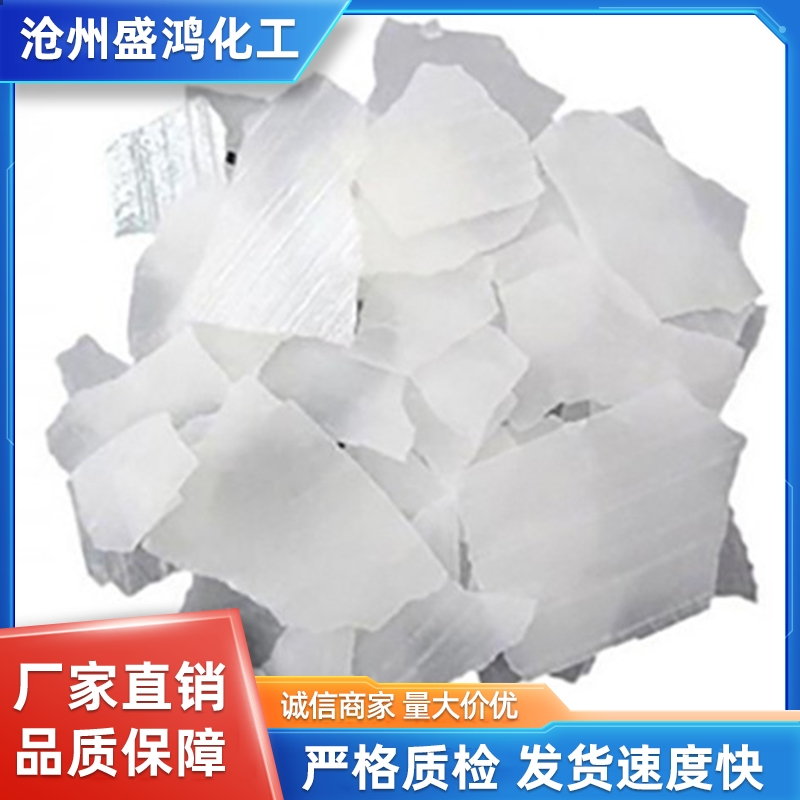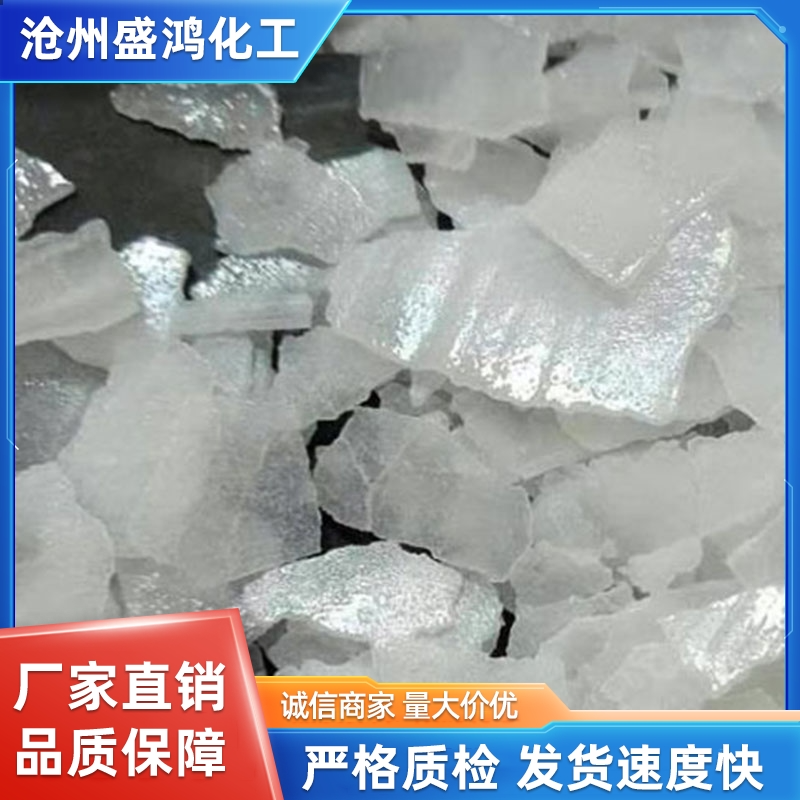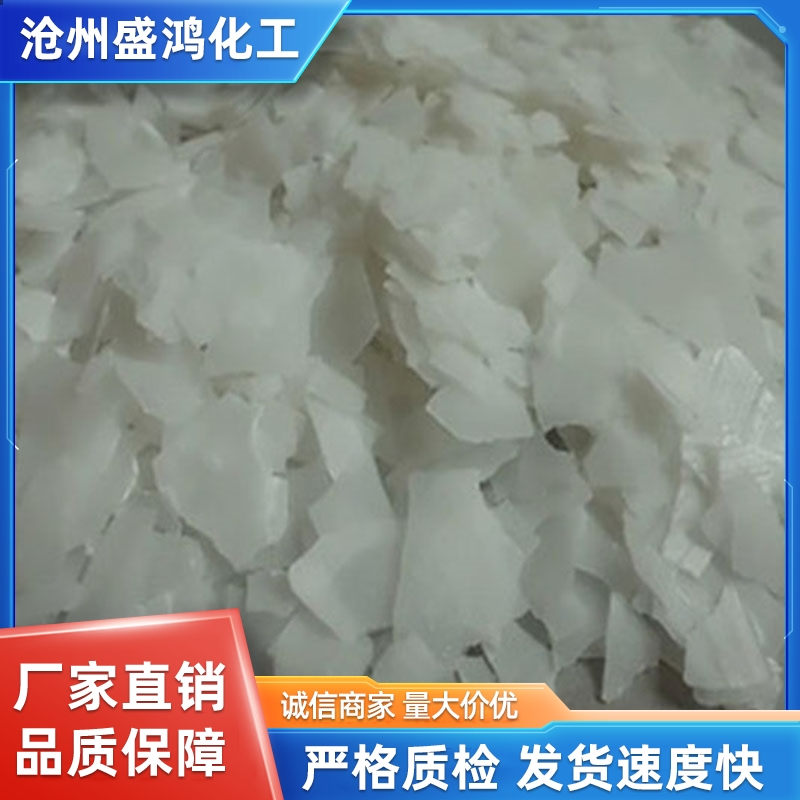









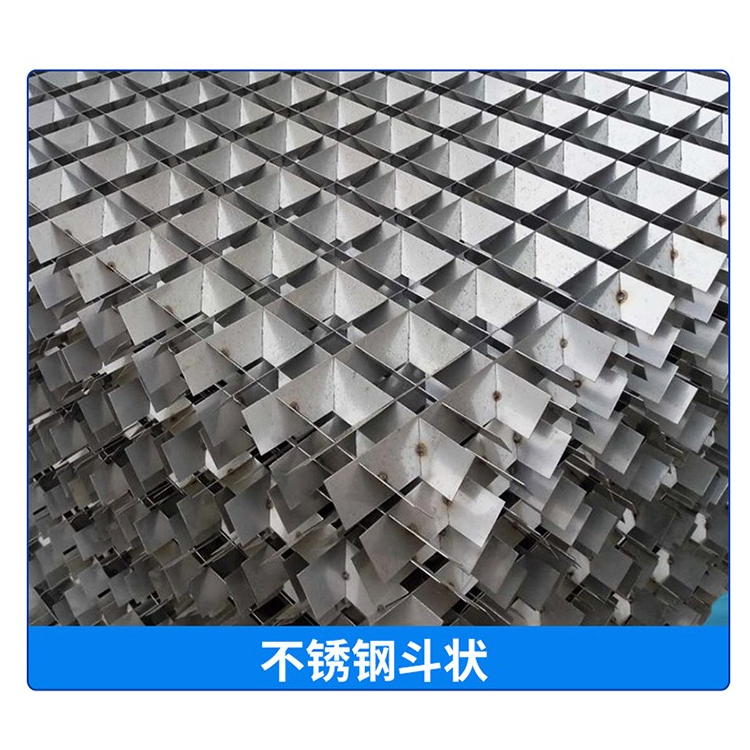
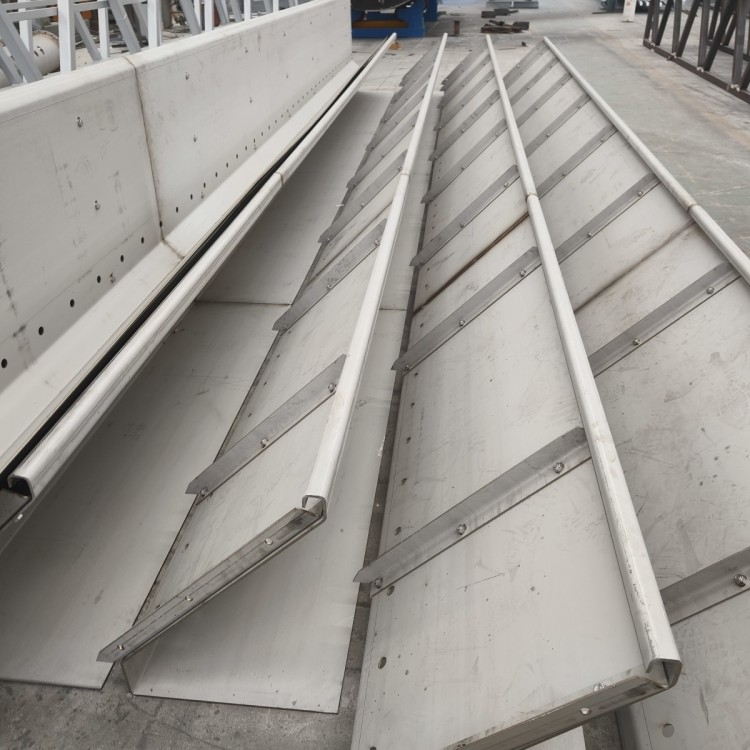
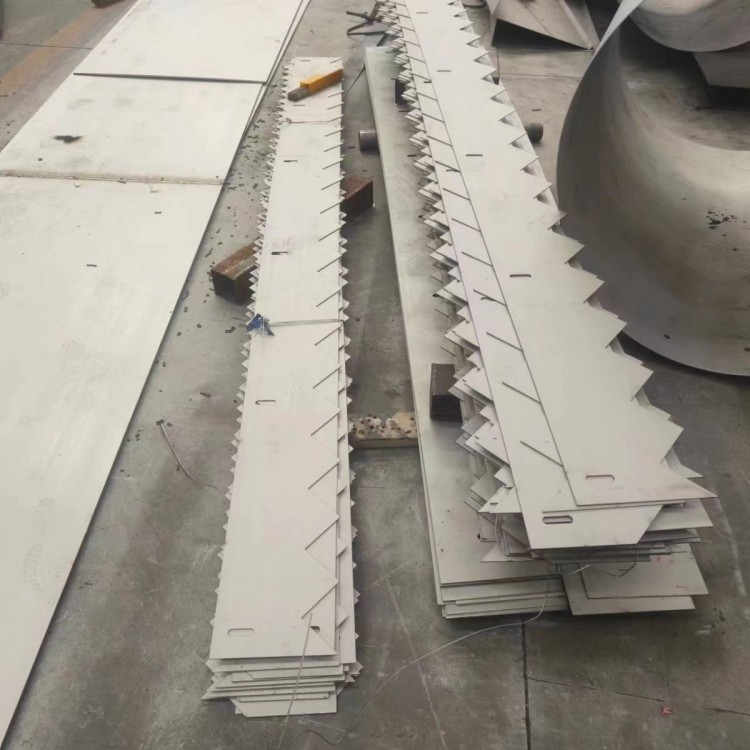
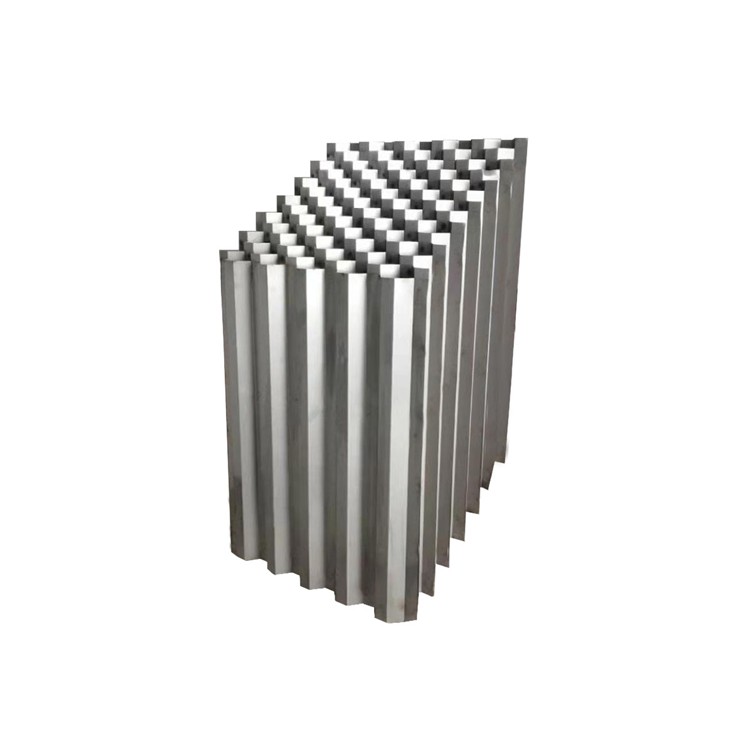

Three-dimensional mesh packing
Product Introduction
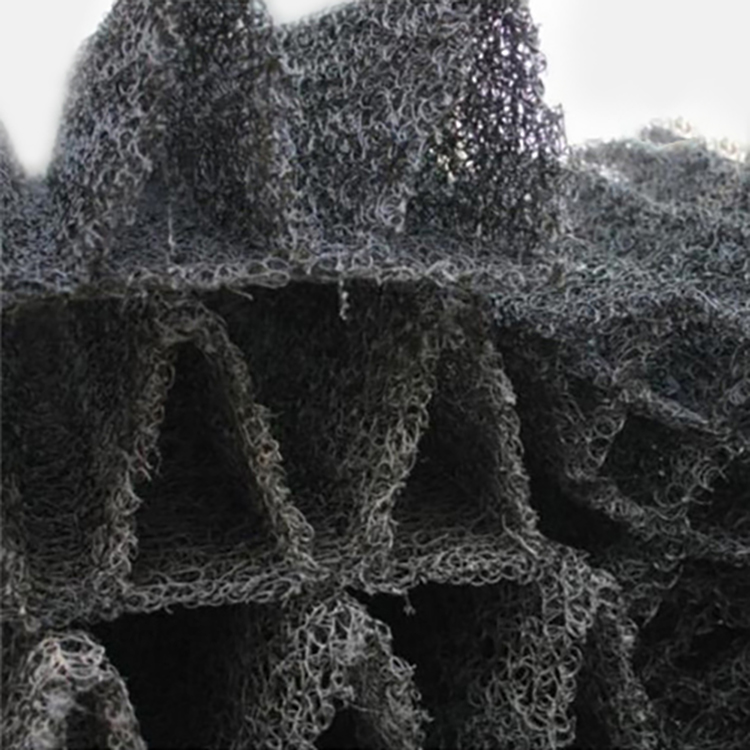
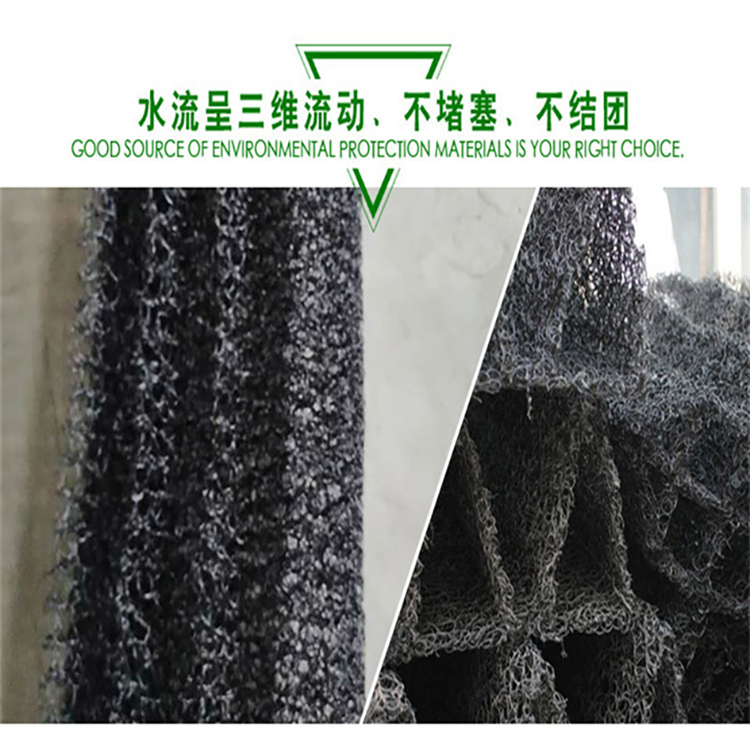
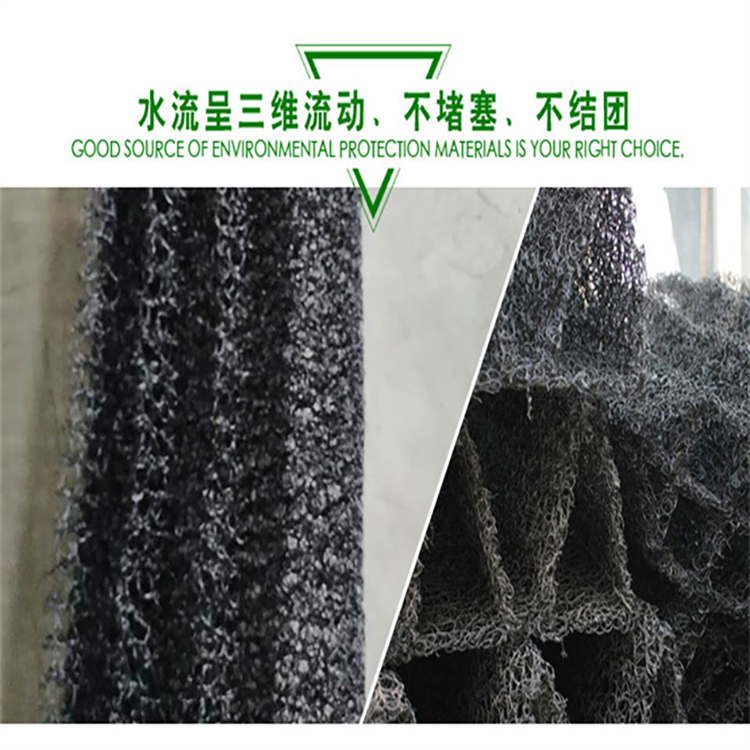
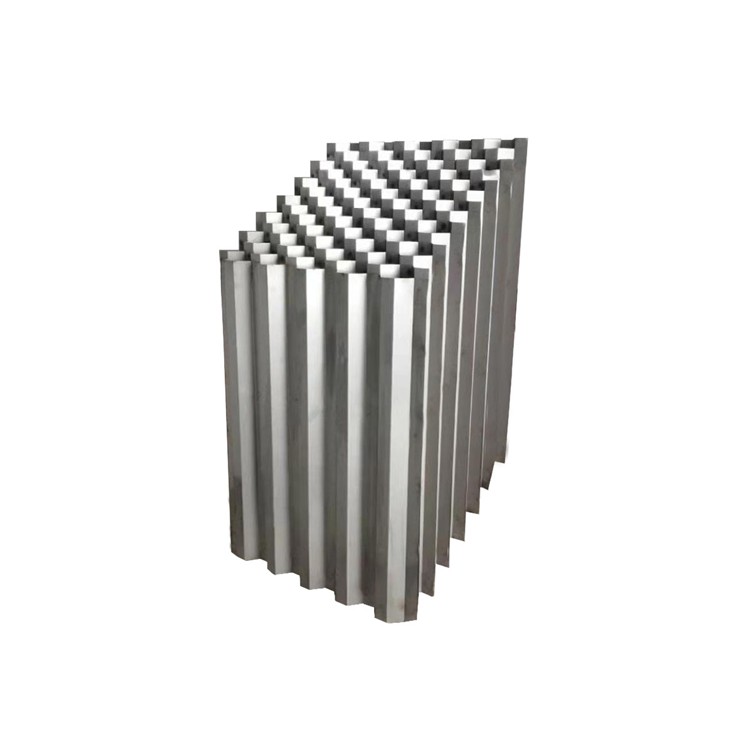
A three-dimensional mesh packing material primarily used in the field of wastewater treatment technology, specifically a spatially three-dimensional mesh packing material. The main body of the new spatial three-dimensional mesh packing material is a loose and ordered spatial columnar structure formed by multiple twisted and intertwined threads that are interconnected. The side of the packing material is bamboo-like, with a cross-section that is meshed. The holes in each mesh form passageways, and thick threads are placed at the intersections of corresponding vertical meshes to provide reinforcement.
The three-dimensional mesh packing allows for thorough mixing and exchange of wastewater, air, and biofilm. The biofilm not only uniformly settles on the fibers in large quantities, maintaining good activity and porosity variability, but also during operation, gases are driven by the three-dimensional flow of wastewater, collide with each other, and are continuously cut into smaller bubbles by the spiral mesh, enhancing oxygen utilization and reducing aeration volume. Additionally, it promotes the biofilm's metabolism, preventing clumping. Thus, it boasts strong bubble-cutting capability, high space volume utilization, and no dead zones, making it a high-performance packing material with excellent indicators for current wastewater treatment.
Key Features
1Fill material is:PPHigh-temperature and corrosion-resistant.
2Overall structure, with a high porosity and a large specific surface area.
3Microbial biofilm forms quickly and is easily shed.
4Three-dimensional water flow, no clogging, no clumping.
5Lightweight and durable, maintains shape after long-term use.
6Used as cooling tower packing, it offers excellent heat exchange performance and even water distribution.

Product Physical Characteristics
According to different fiber densities, the porosity of the filler is95%~98%, Fiber filament diameter Φ0.8mm~Ф1.5mmFiber density0.9~0.92g/cm3The bulk density of the filling material varies with shape and porosity, generally speaking.9~20kg/m3High compressive strength of the filling material, generally will not deform under water treatment conditions, load400kg/m2Conditionally, deformation is not to exceed8%, and is elastic deformation. Temperature range is adaptable.5℃~40°F, if the temperature is0At temperatures below ℃, the filling material becomes harder and脆,with poor impact resistance, so special additives must be added. Therefore, it is generally not used in chilled water treatment.
Technical Specifications
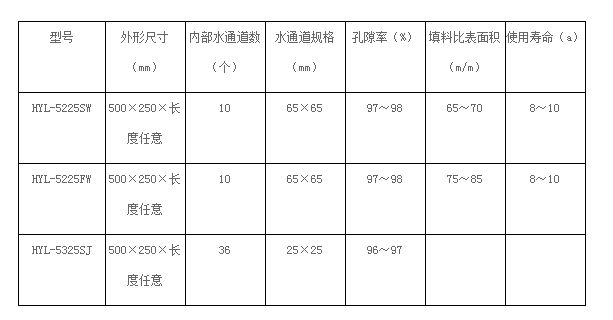
Comparing Stereoscopic Mesh Filler with Other Fillers
Installation Comparison
Three-dimensional mesh filler is easy to install, simply place it on the bottom grid support without securing, both installation and removal are in one piece. It can also be used with different materials and shapes of fillers according to the properties and concentrations of water, as well as different processes such as aerobic, anaerobic, and mixed anaerobic, with the filling rate only needing to be30%~40%Suspension packing must be securely fastened at both ends or placed in a cage-like frame, making installation and removal highly inconvenient. Friction between the packing and the bracket, along with the rope's swing in the wind, causes entanglement, leading to breakage and collapse. This is an issue that suspended packing has intentionally sought to resolve up to now. Consequently, its lifespan is short, necessitating frequent replacements, and the filling rate is generally.......High running costs and labor-intensive due to the need for updates.
Compared to suspended type fillers
Three-dimensional mesh packing does not require rope netting to intercept and partition the pool, and its filling volume is approximately equal to that of suspended packing.1/2Therefore, the cost is low. More importantly,TQThe spherical packing material, filled with a mass of plastic fiber or strip inside, has a larger specific surface area and is quick and abundant in biofilm formation. However, the biofilm once formed is not easily detached from the inside of the ball, causing the aging biofilm to clog inside the ball and produce an anaerobic state.SQCThe fibrous spheres address the issue of biofilm shedding, but due to their radially arranged straight fibers on the rope, the fibers are not adhered together, resulting in both limited biofilm attachment and difficulty in attaching the biofilm. Additionally, a common characteristic of the suspended fillers is that they are easily blown up by the blower and accumulate in one place to form a dead water zone. Retrieving them requires a large amount of work, as numerous spheres need to be fished out with a scoop. Particularly in buried equipment, it is difficult to remove them from the access hole.
Economic Comparison
The three-dimensional mesh packing, due to its low packing rate and simple support structure, the total cost of packing and support per pool volume is onlyl00~150Yuan/m3Pool volume, is other filling pricesl/2~l/3Therefore, the three-dimensional mesh filler combines the advantages of suspended and suspended types, while overcoming their drawbacks, representing a new type of filler.