









Floc Grid Grating
Product Introduction
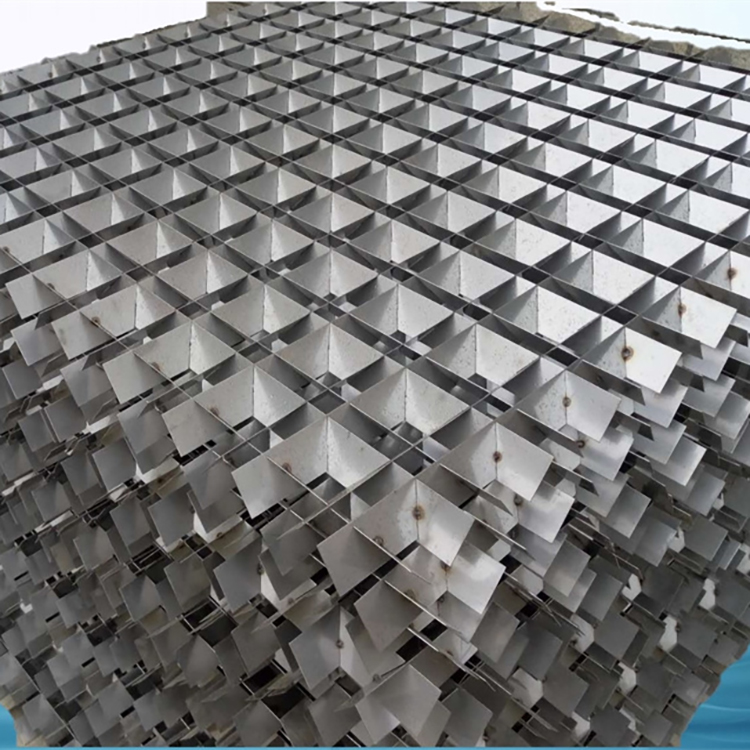
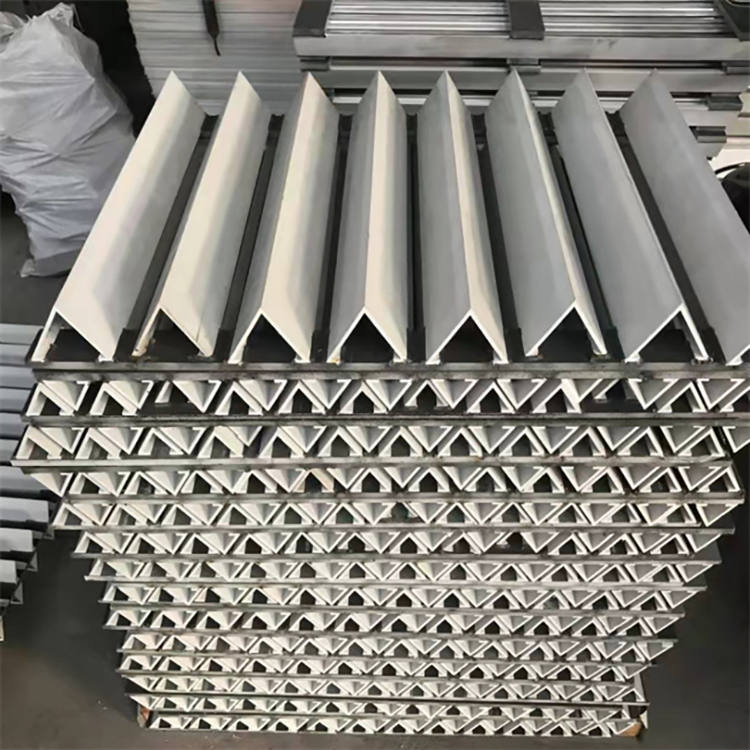
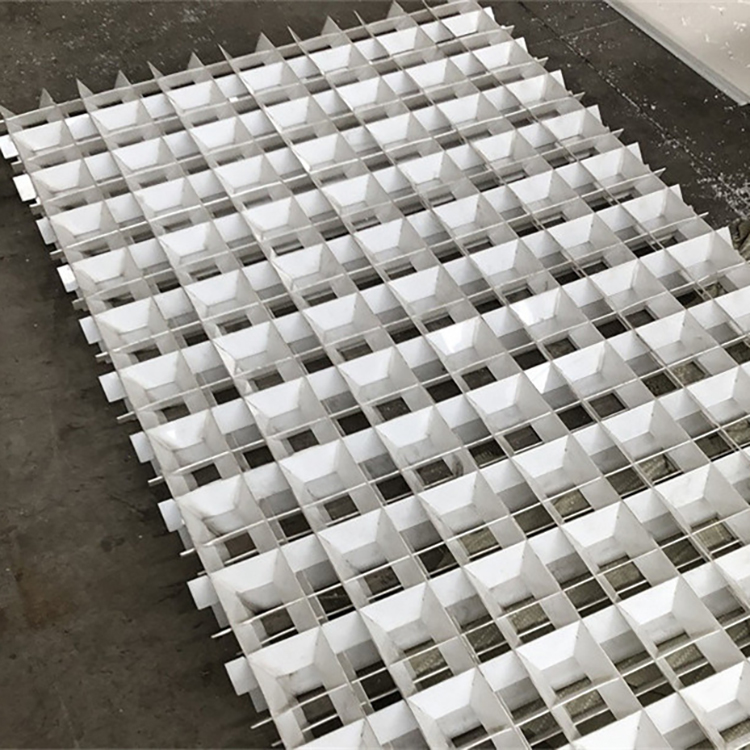
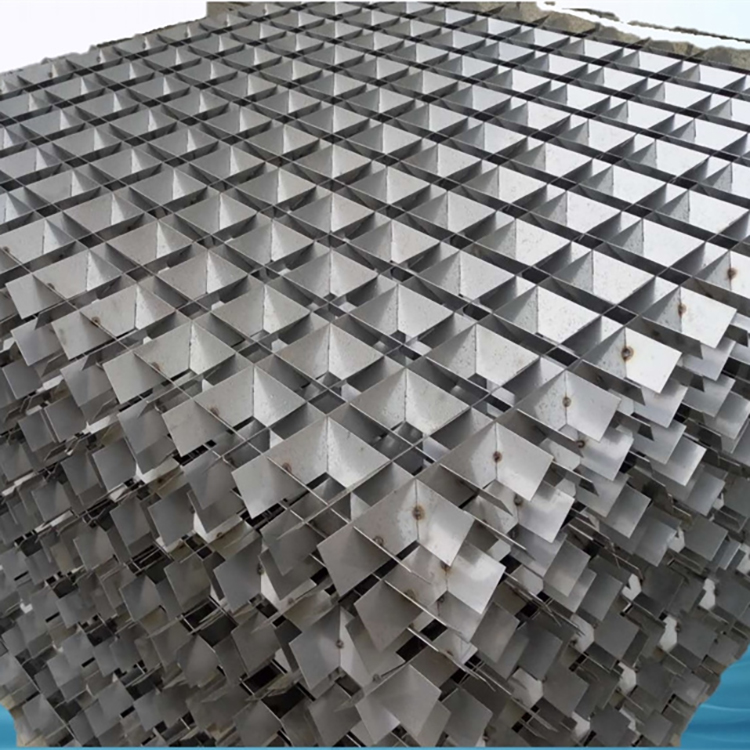
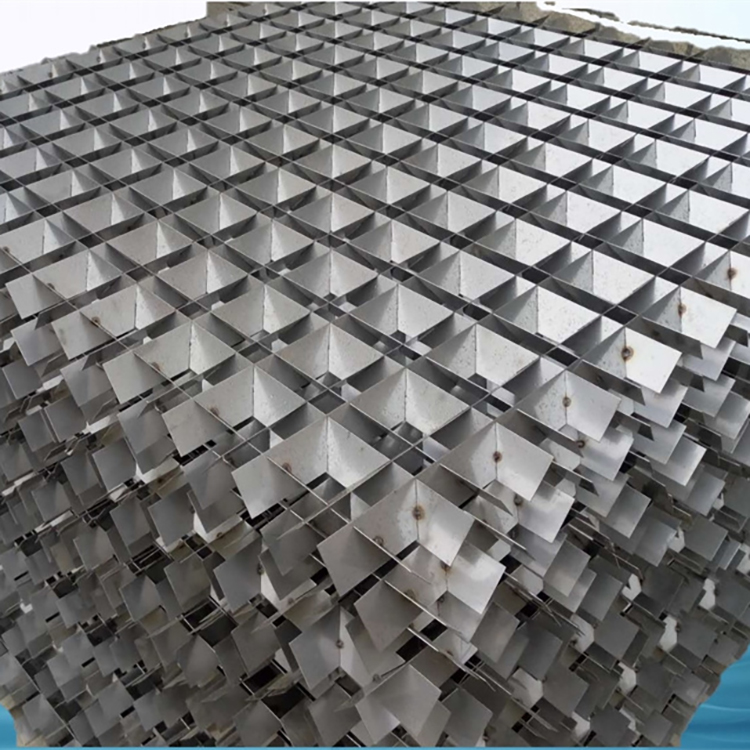
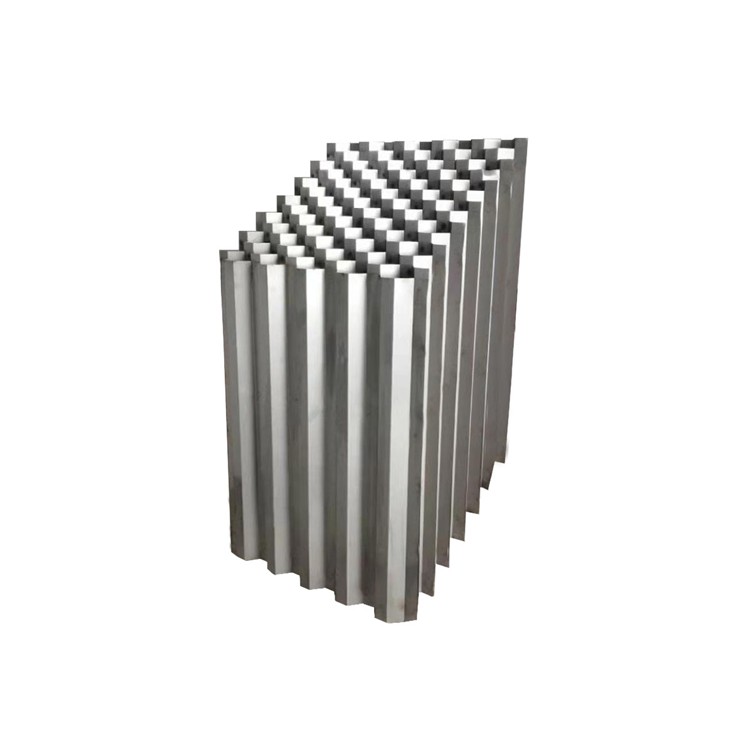
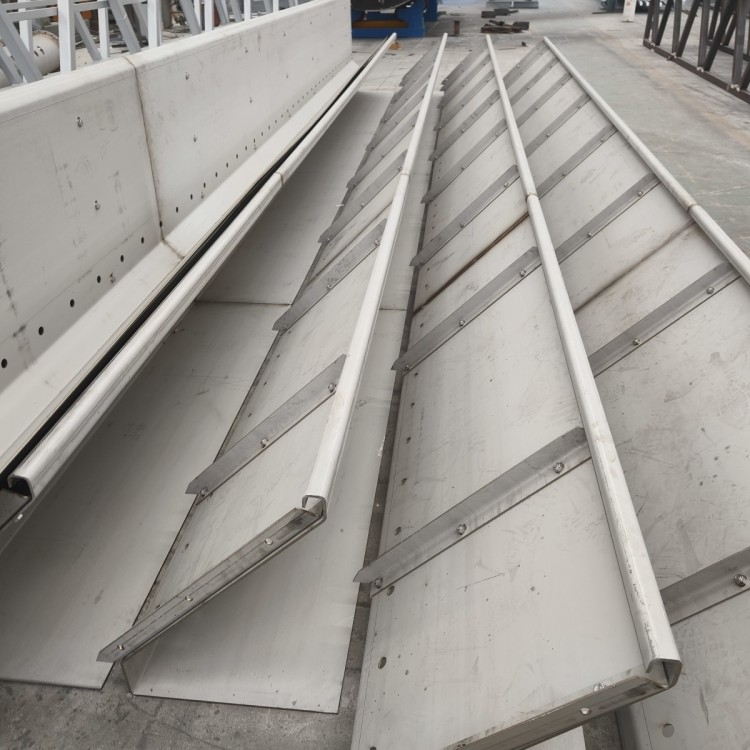
Floc grid media is one of the three conventional physical treatment processes in water treatment plants. It is a crucial initial step, as its reaction effect directly impacts the water quality and flow rate of the effluent. When raw water containing suspended solids, colloids, and dissolved substances is treated with coagulants (or floculants), the liquid and solid phases flow almost simultaneously. As they pass through various reaction devices, the continuous change in water flow channels causes the solid and liquid particles not only to have a main flow but also to pulsate up, down, left, and right. This is accompanied by vortices, creating convective diffusion. This significantly increases the likelihood of collisions between impurity particles in the raw water, facilitating the better formation of flocs.
ProductCategories】
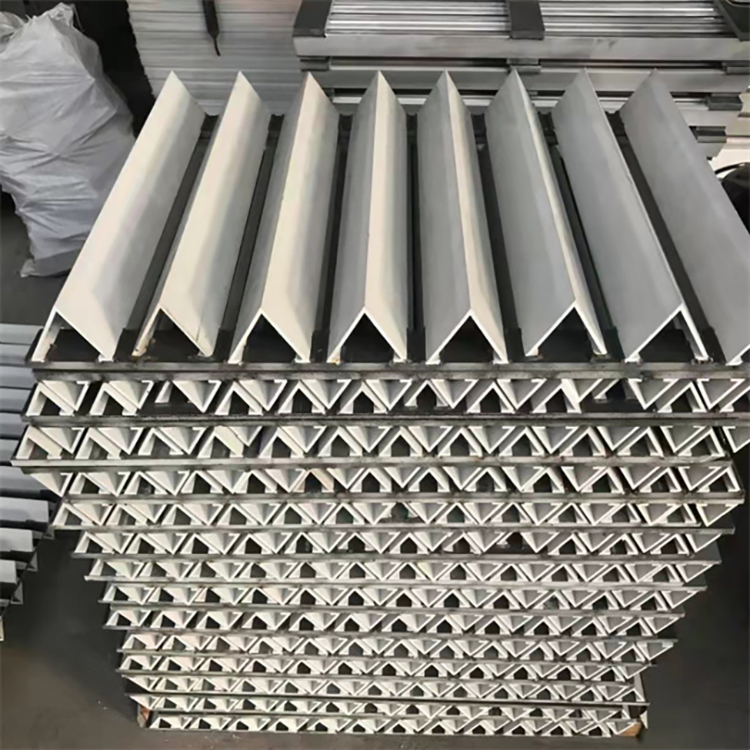
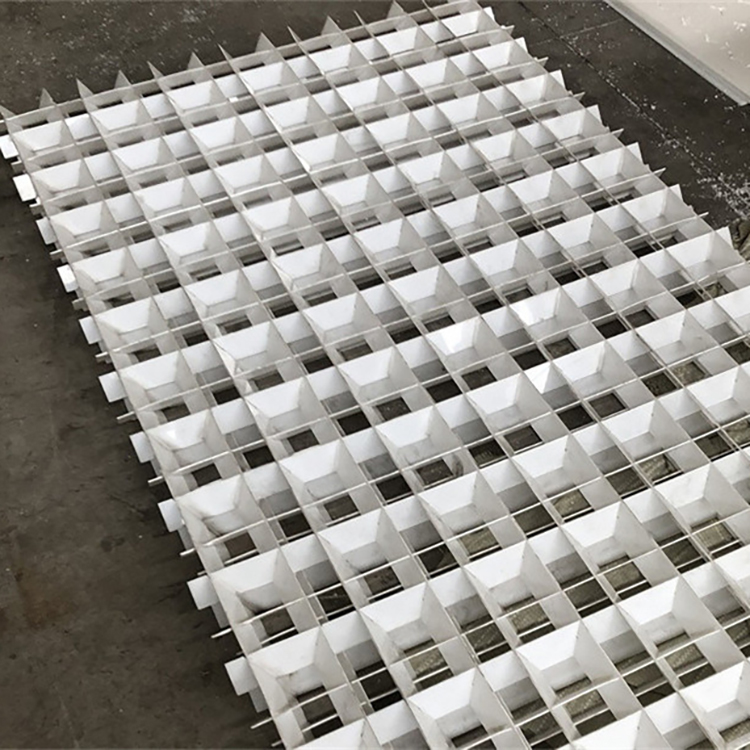
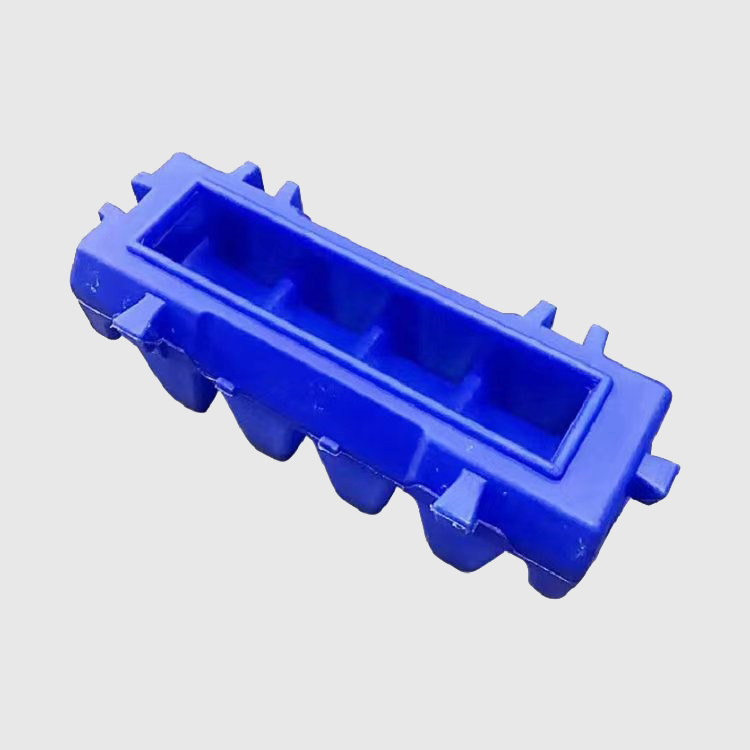
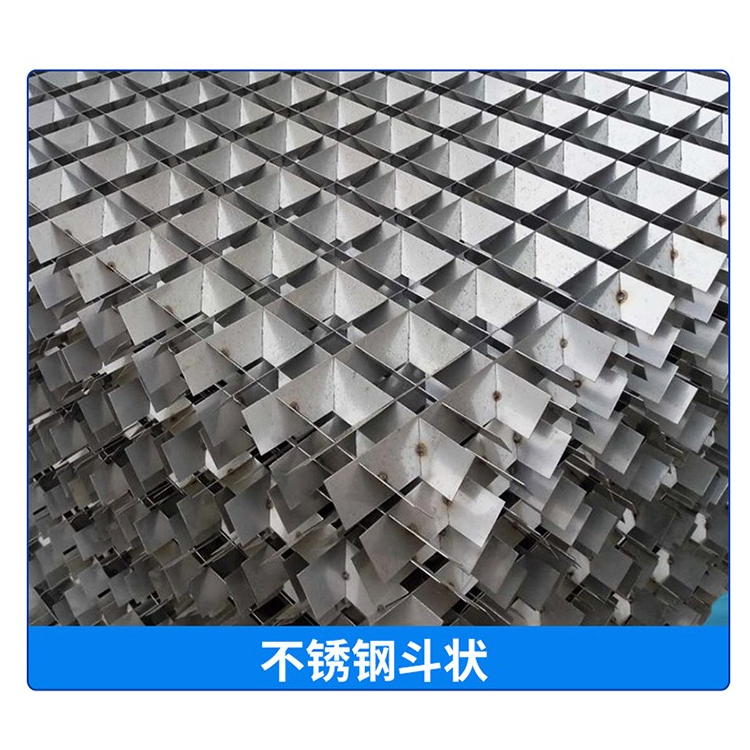
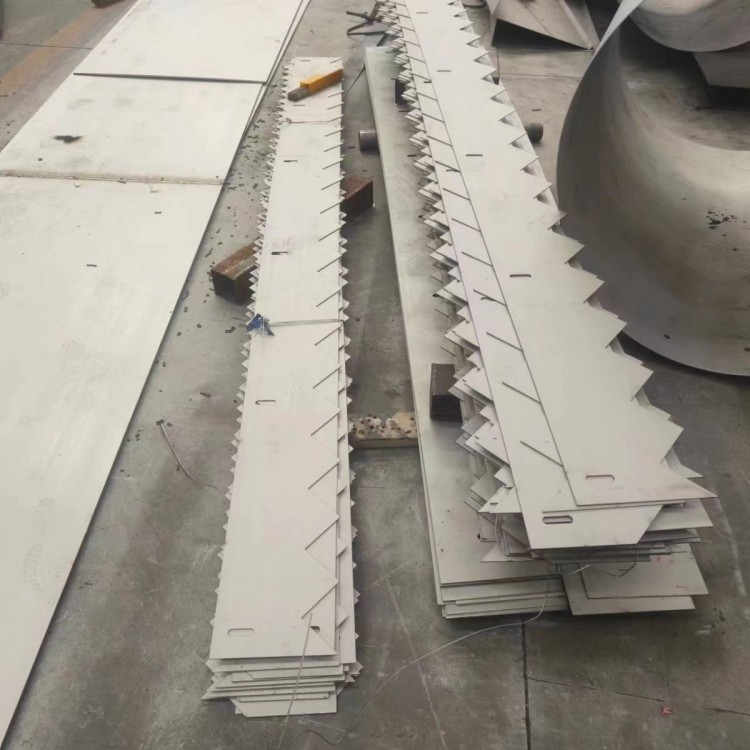
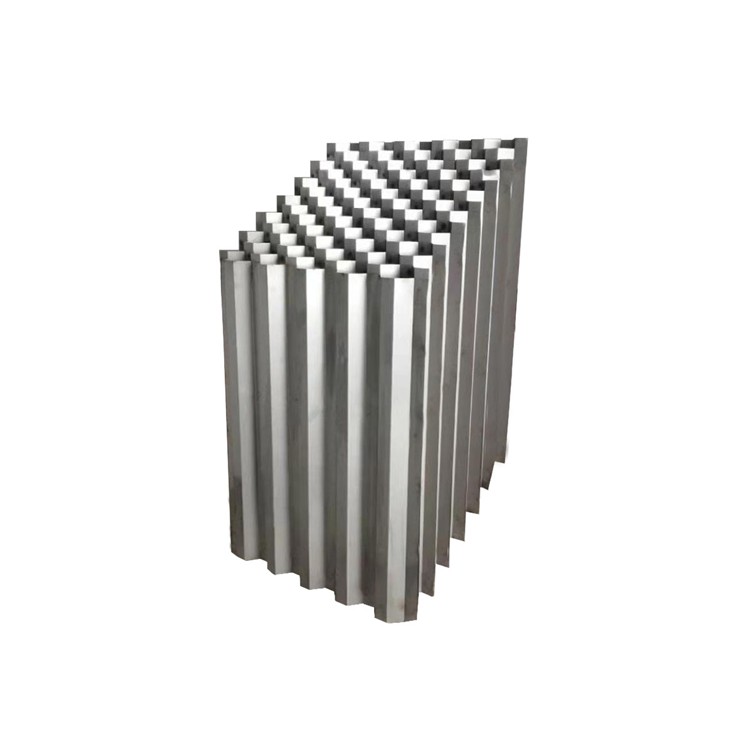
Form:Box, Mesh, Trapezoidal, Scoop
Material:Stainless Steel, PP, ABS
【Operating Principle】
The grid reaction pond is composed of multiple vertical wells connected in series, with the water flow sequentially moving from one grid to the next, flowing alternately up and down until reaching the outlet. The reaction pond is typically divided into three sections, with more flocculation grids in the initial section, fewer grids in the middle section, and no grids in the final section. The flow rate gradually decreases in each section. As the water flows through the grids, the flow narrows, increasing the velocity, and after passing through the grid, the flow expands, slowing down, and accompanied by涡漩, promoting convectional diffusion. This greatly enhances the collision probability of impurities in the raw water, creating favorable conditions for flocculation and promoting the formation of flocs.
【Key Features】
1. Significantly increased the proportion of turbulent micro-vortices in the flocculation pond, greatly enhancing particle collisions, effectively improving the flocculation efficiency. Generally, the flocculation process can be well completed in 5-10 minutes, which is much faster than the 20-30 minutes required in a baffle reaction pond, or the 10-15 minutes in a plate reactor or a standard mesh reactor, significantly shortening the reaction time.
2. With significantly reduced flocculation time, the equipment volume is correspondingly decreased, saving about 10-30% of infrastructure costs and lowering water production costs.
3. Compared to regular grids, it features smaller mesh size and finer strips, resulting in a significant increase in the number of micro eddies generated in the water flow, and a substantial enhancement of the flocculation reaction effect.