










Static Pipeline Mixer
【Product Introduction】
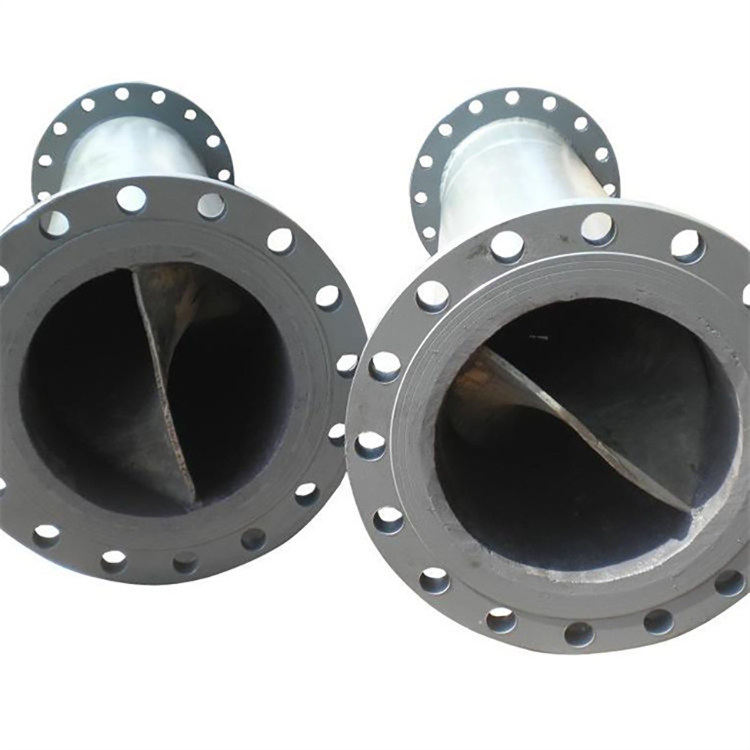
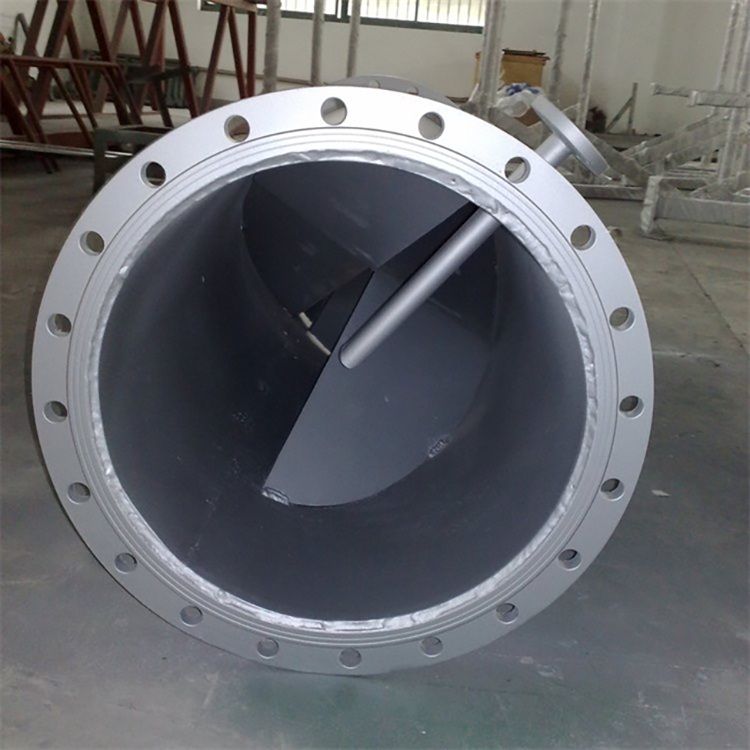
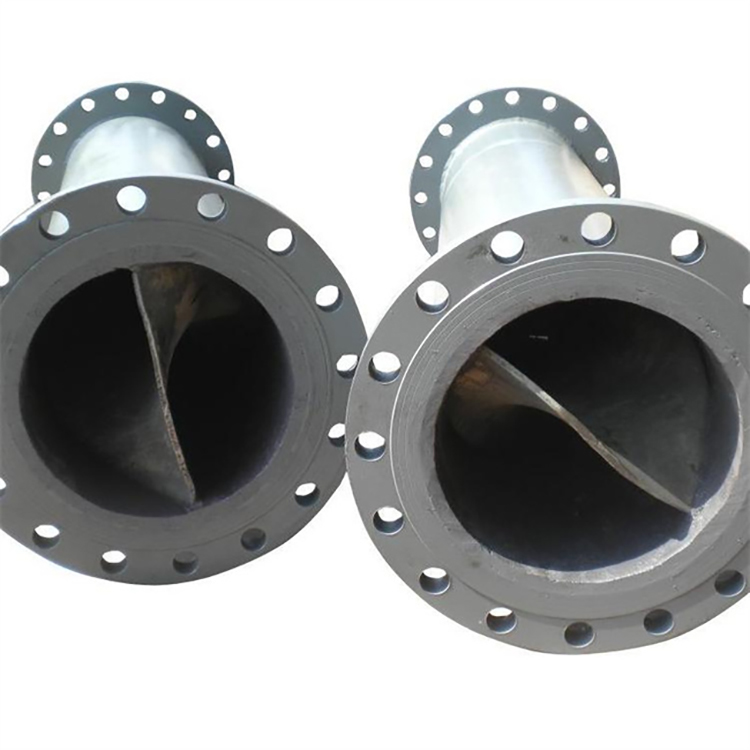
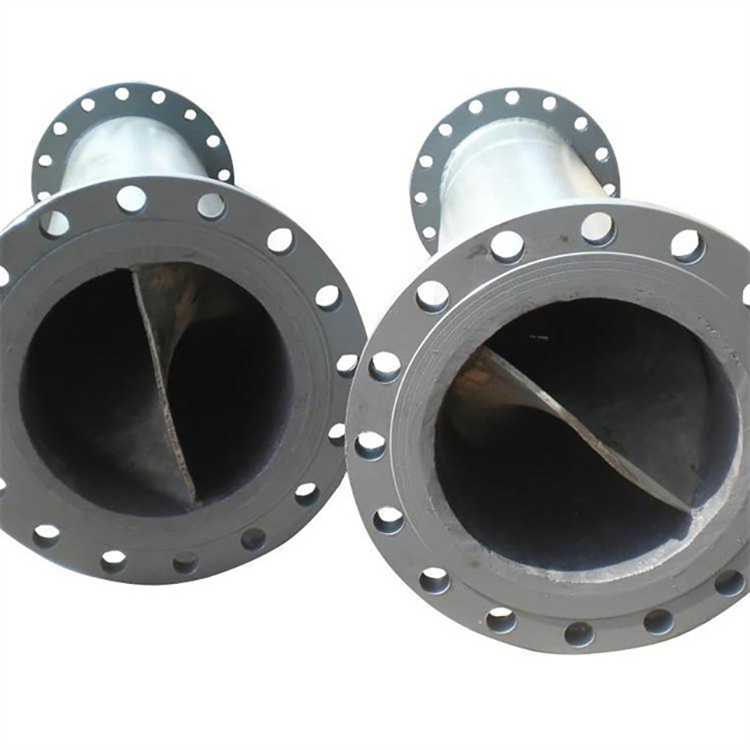
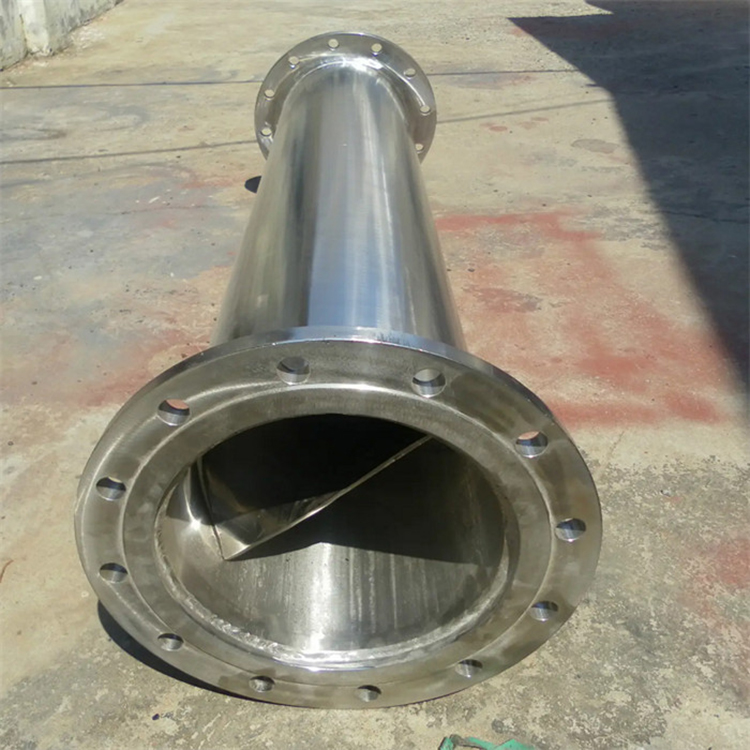
Static mixers, also known as pipeline mixers, gas-liquid mixers, or simply mixers, have a wide range of applications in actual production. The SK type static mixer, also known as the single helix static mixer, consists of helical plates twisted 180° or 270°, with adjacent plates being left-hand and right-hand spirals when installed in the tube shell. The SK type is not prone to clogging and is suitable for dirtier materials. In emulsification processes, it can disperse droplets to 10μm, and for general mixing processes, the unevenness coefficient a×x-2 is less than 5%.
Extremely effective in water supply and drainage, as well as environmental protection projects, for dosing various coagulants, flocculants, ozone, liquids, and acid-base neutralization, as well as air-water mixing. It holds significant economic importance in enhancing water treatment efficiency and saving energy.
【Application Scope】
Static mixer (pipe mixer) is a novel device that achieves instantaneous mixing of coagulants, flocculants, and post-agents with water flow in water treatment plants, sewage treatment plants, and industrial water and wastewater treatment equipment, suitable for potable water and urban waterworks.
【Key Features】
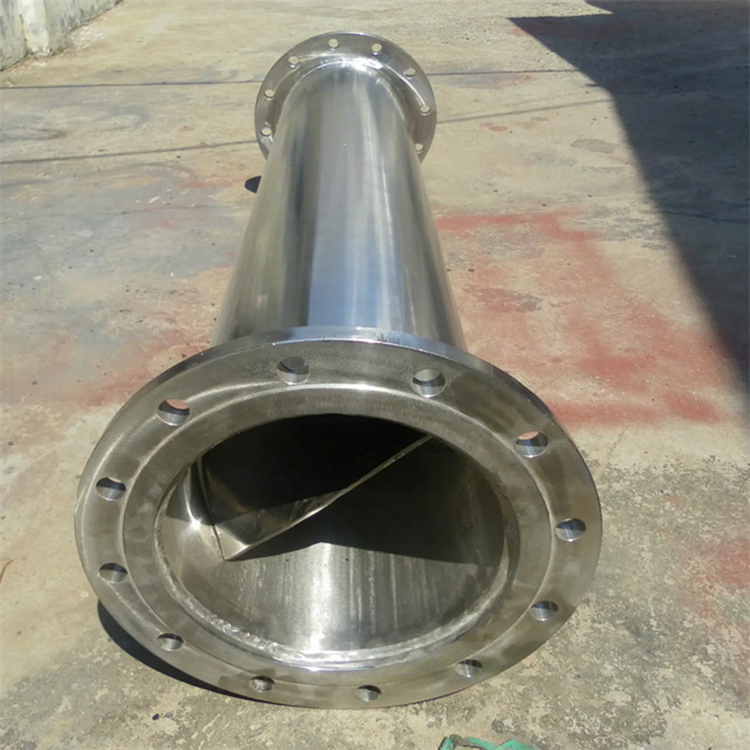
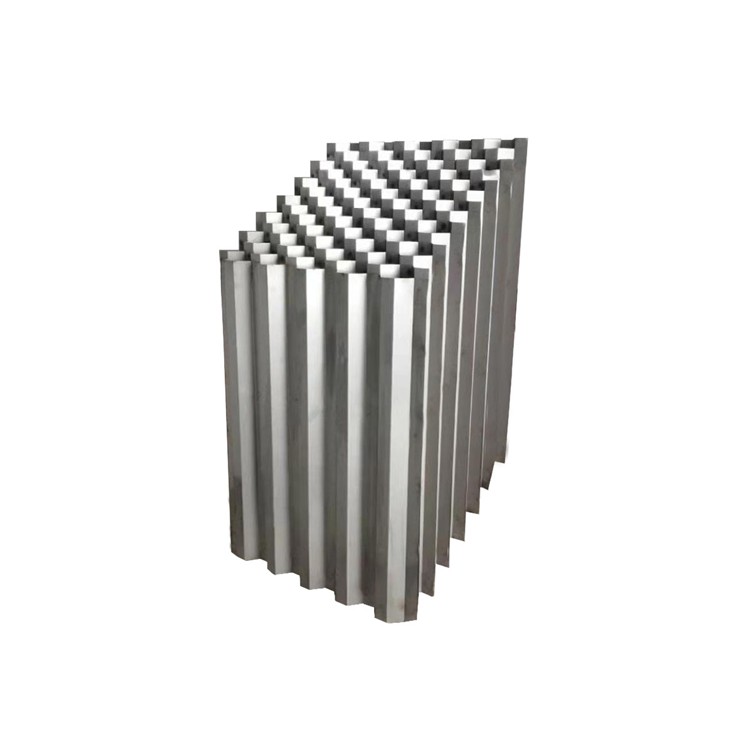
Static mixers (pipe mixers) are made entirely of steel construction, featuring robust durability, simple structure, no need for dedicated space, easy installation, low investment, long service life, and high mixing efficiency. During operation, no harmful substances are released.
【Operating Principle】
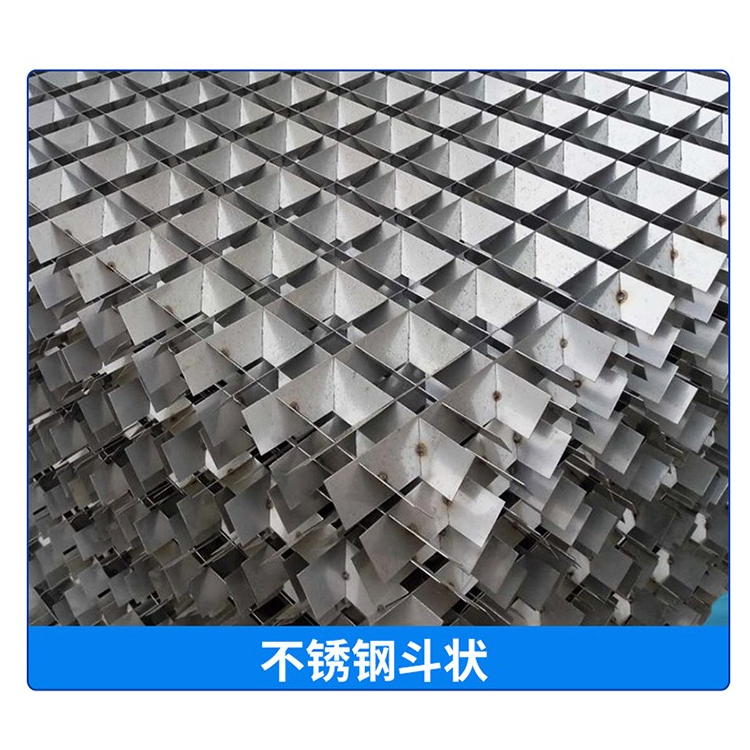
Static mixer (pipe mixer) main body is equipped with a specially designed spiral-shaped mixing element inside the mixing pipe. Each pair of adjacent elements with the same starting point are fixed in the pipe in opposite directions. During operation, the elements themselves do not rotate, and there are no rotating parts inside the mixer. Instead, the kinetic energy of the water flow serves as the mixing energy. As the fluid flows through the mixing element, each element splits the water flow in half. The total分流 of the mixer increases in geometric progression with the number of elements. This type of mixing is called paired分流mixing. Due to the opposite directions of the adjacent mixing elements, the water flow continuously generates opposite rotational turbulent states, creating vortices at both ends of each element. These vortices and counter-vortices further enhance the mixing efficiency. Inside the mixer, three types of mixing actions occur, resulting in a body with fast mass transfer rates and the ability to effectively mix different liquid media instantaneously.
【Technical Specifications】