
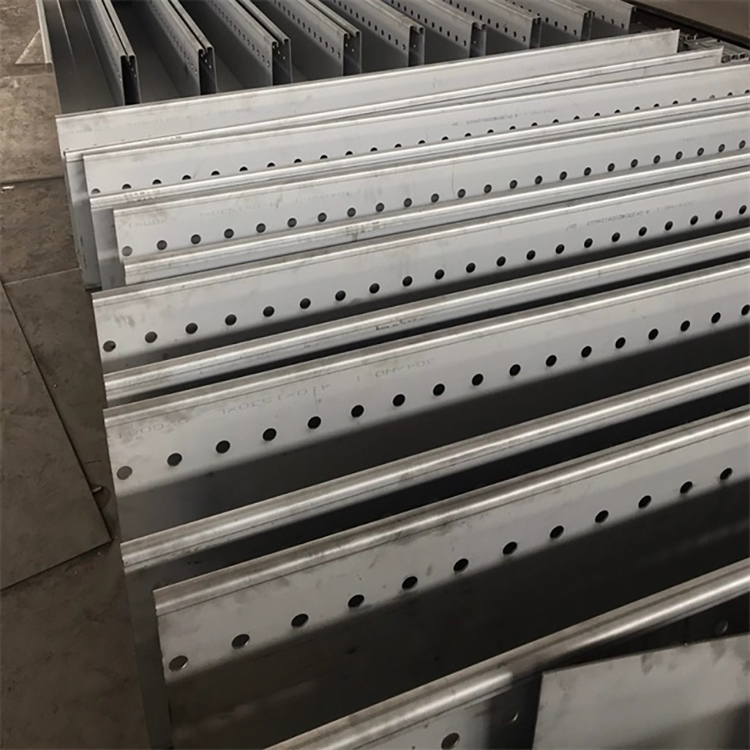

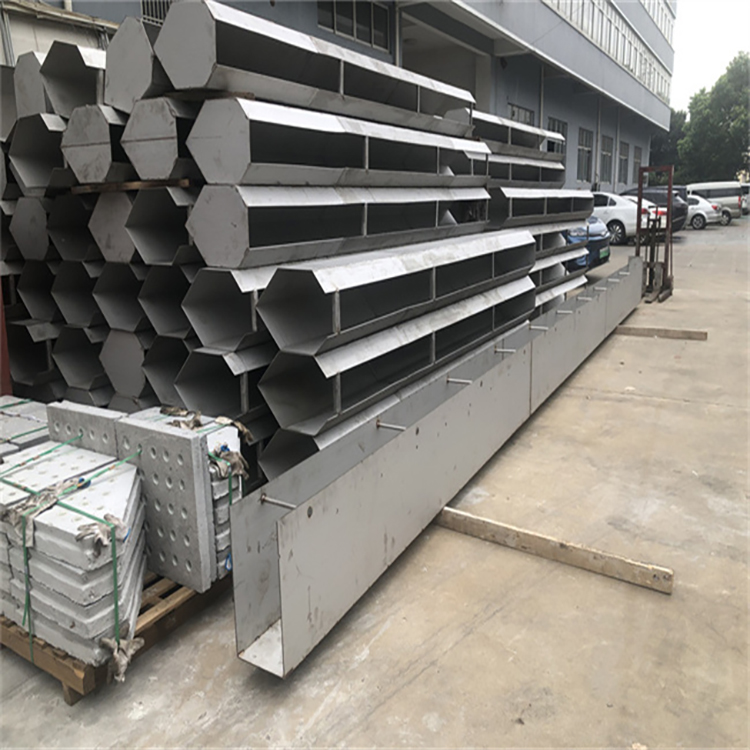







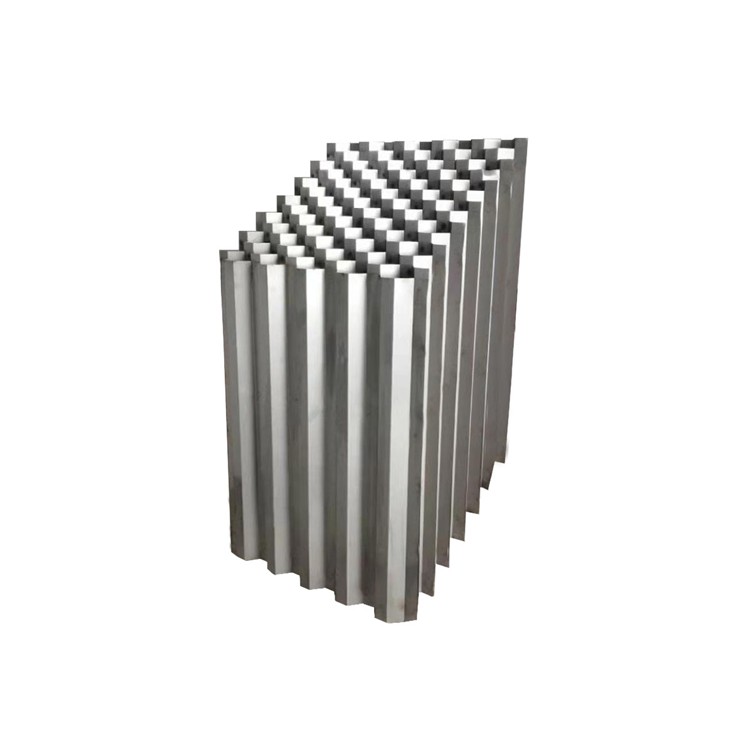
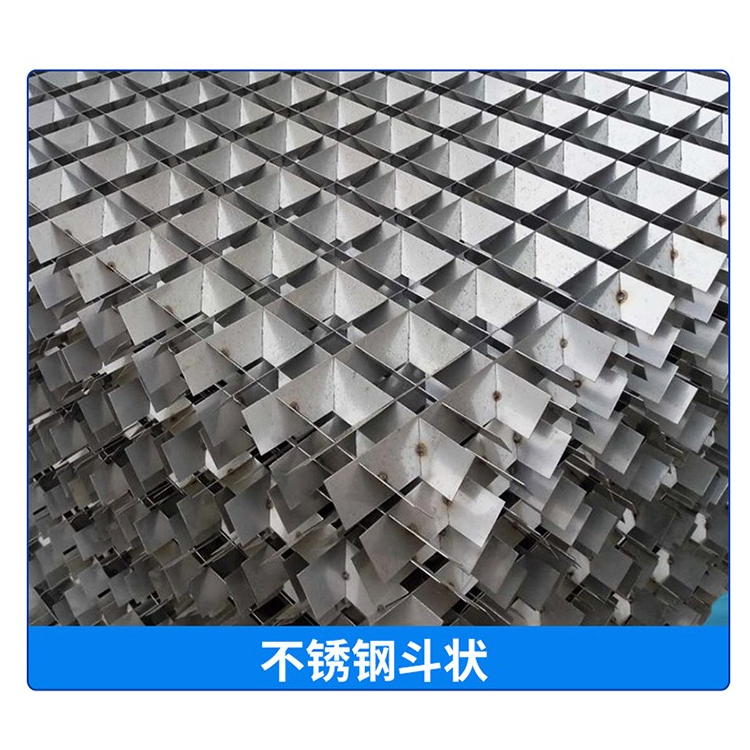
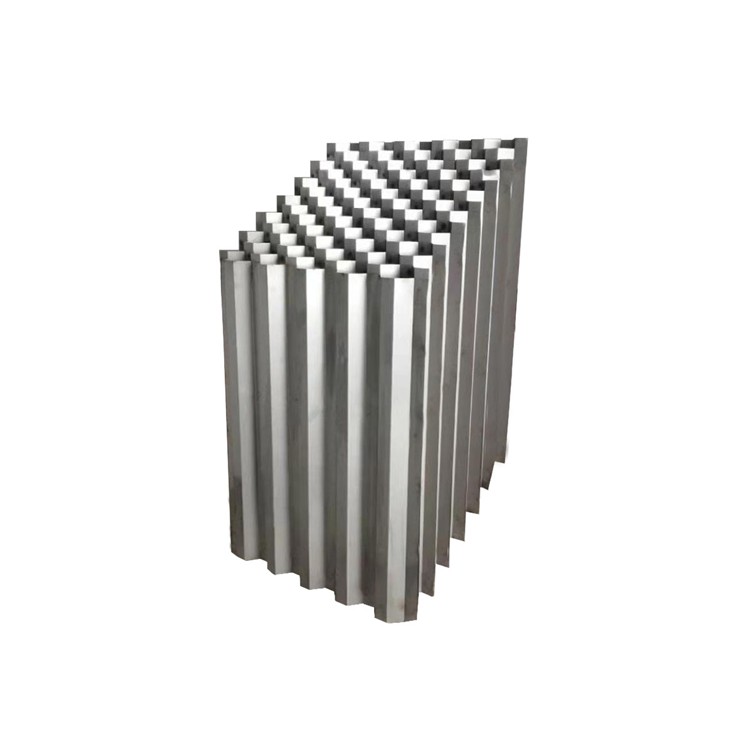

Stainless steel collection tray
Product Introduction
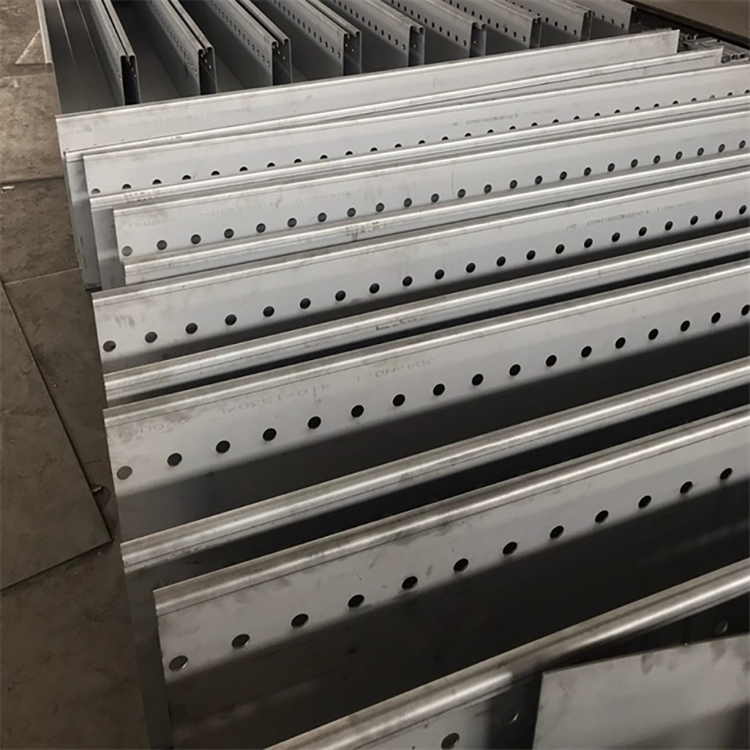
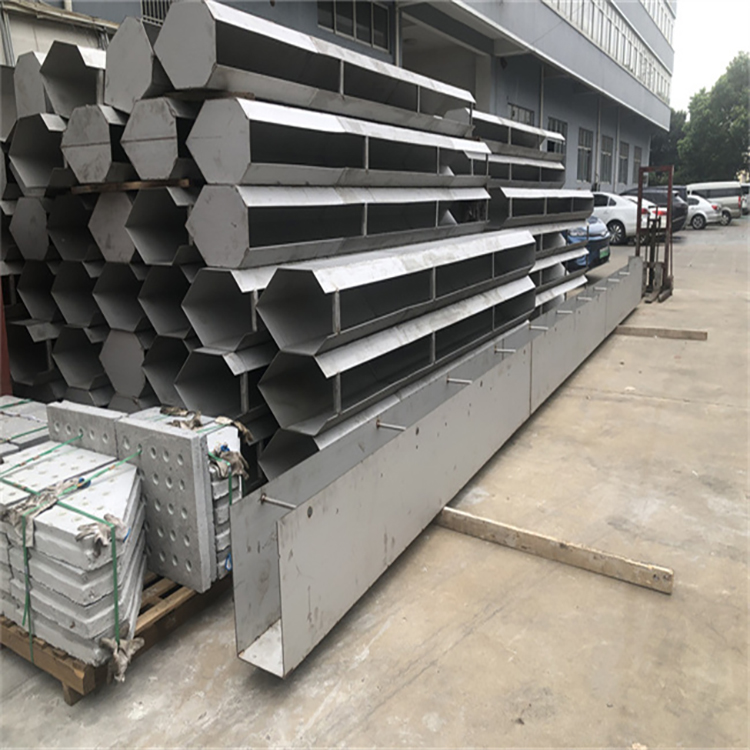
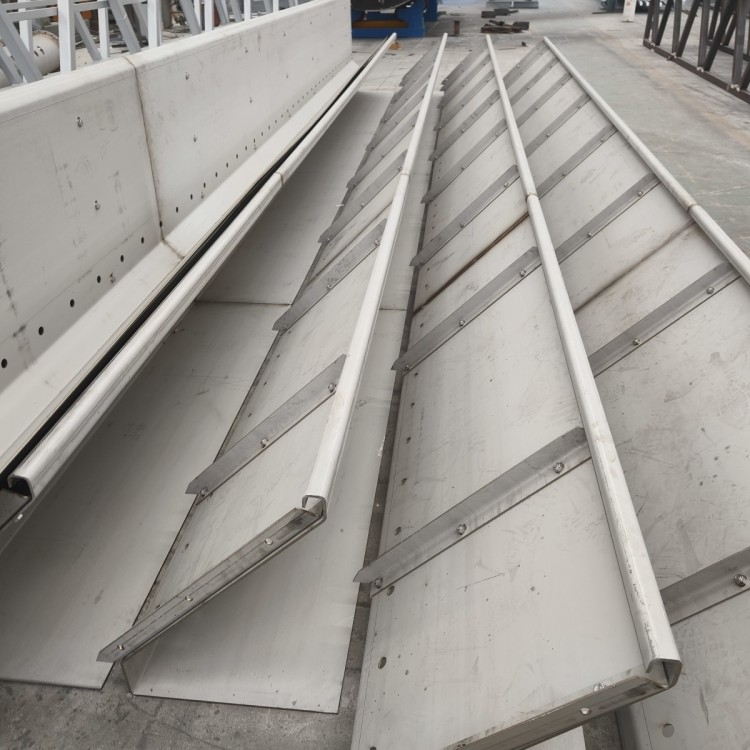
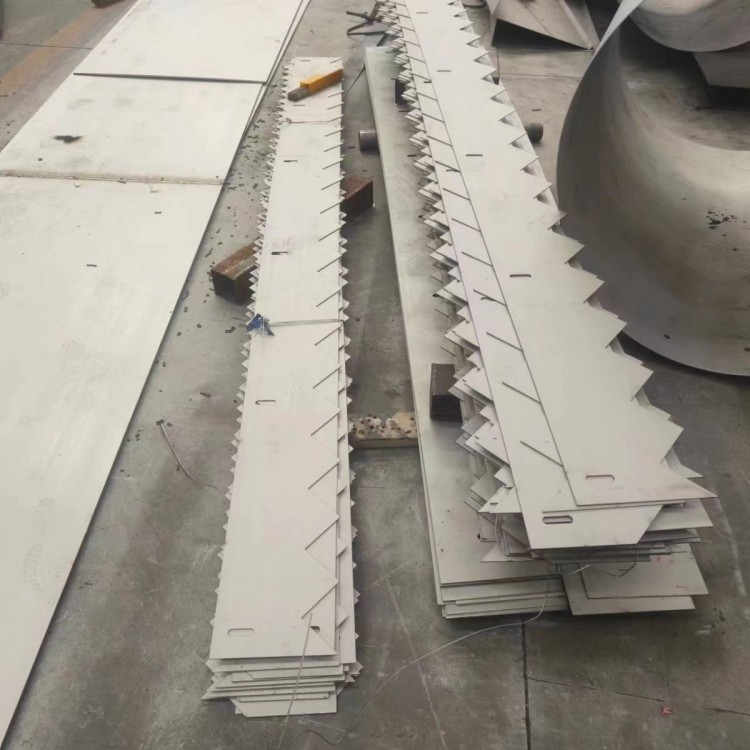
Stainless steel collecting troughs are crucial equipment for water treatment plants and wastewater treatment plants, designed for uniformly collecting overflow surface water. They are mainly used at the outlet ends of horizontal sedimentation tanks and inclined tube/plate sedimentation tanks. In wastewater treatment plant sedimentation tanks, perforated or toothed collecting troughs are used, typically shaped as U or V. The cross-sectional specifications can be customized as required, with thickness ranging from 3 to 6mm, and formed by bending. Weir plates are primarily used for regulating inflow and outflow in various sedimentation and filter pools, featuring a toothed top for even water release. Their height is generally between 150 to 300mm, and thickness is usually 2 to 3mm. The bottom of the collecting trough must have anti-floating holes as necessary to prevent it from floating up during initial operation, which could cause accidents.
Key Features
The water collection sump body is made of stainless steel plate, sheared, cold-formed, and welded by large-scale CNC equipment. It features high strength, precision, corrosion resistance, attractive appearance, long service life, and easy installation.
Product Categories
1. Flooded Hole Overflow Collecting Channel
This water collection trough features built-in drain holes on both sides, with the top edge folded over for reinforcement, forming a complete "U" shape cross-section. The drain holes on both sides are submerged underwater during normal operation, allowing water to enter the trough and flow out. The top opening of the trough is typically reinforced with angle iron or small channel steel spaced at intervals of 1-1.5 meters.

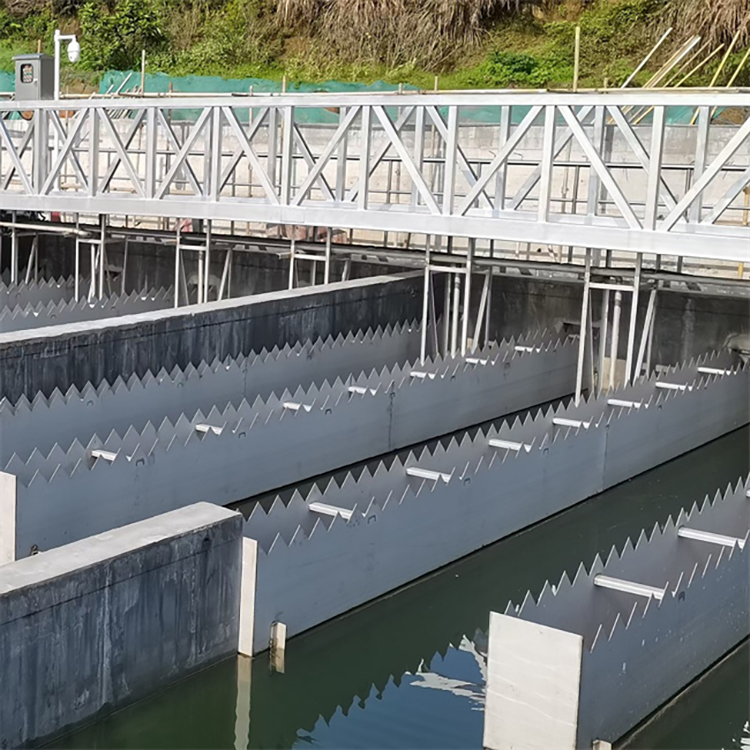
2. Self-adhesive weir-type water collection trough
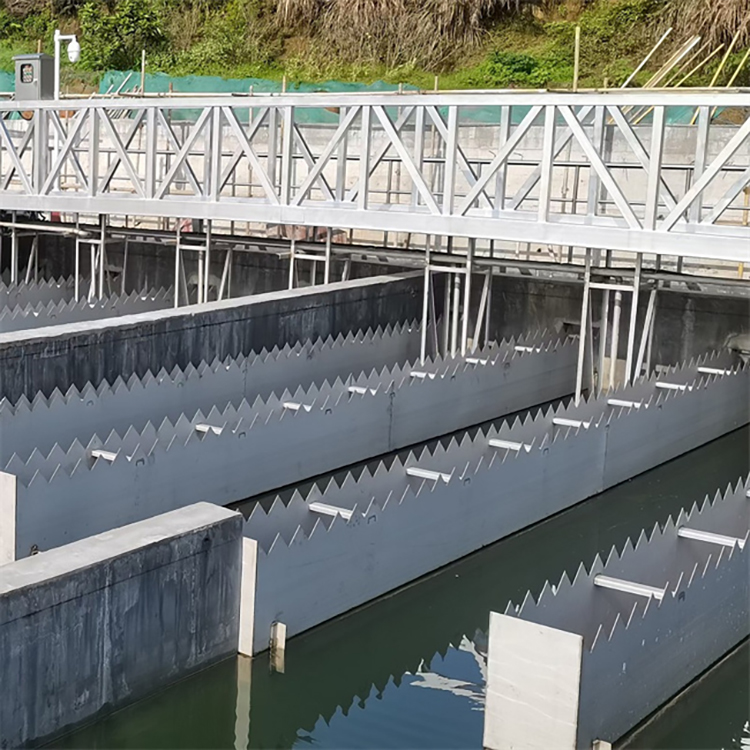
This water collection trough features built-in notched weirs on both sides, eliminating the need for additional weir boards. The top of the water outlet trough is reinforced with a folded edge, creating a complete "U" shape cross-section. Water flows from the notched weirs on both sides into the collection trough. The water then flows out from the interior of the trough. The opening of the collection trough is generally reinforced with angle steel or small channel steel at intervals of 1-1.5 meters.

3. Sump with weir plate
This water collector features rippled weir plates on both sides, the top of the outlet channel is reinforced with a folded edge, and the entire cross-section is in a "U" shape. The weir plates on both sides are fixed to the water collector, with their heights adjusted to be even. Water flows through the weir plates into the interior of the collector and drains away. The opening of the collector is typically reinforced with angle iron or small channel iron at intervals of 1-1.5 meters. The shape of the weir plates is usually rippled or square-slot.

4. Circular water collection tray
Circular collecting basins are primarily used in radial sedimentation ponds, where multiple arc-shaped collecting basins are welded together on-site to form a complete circle, with weir plates installed on both sides.