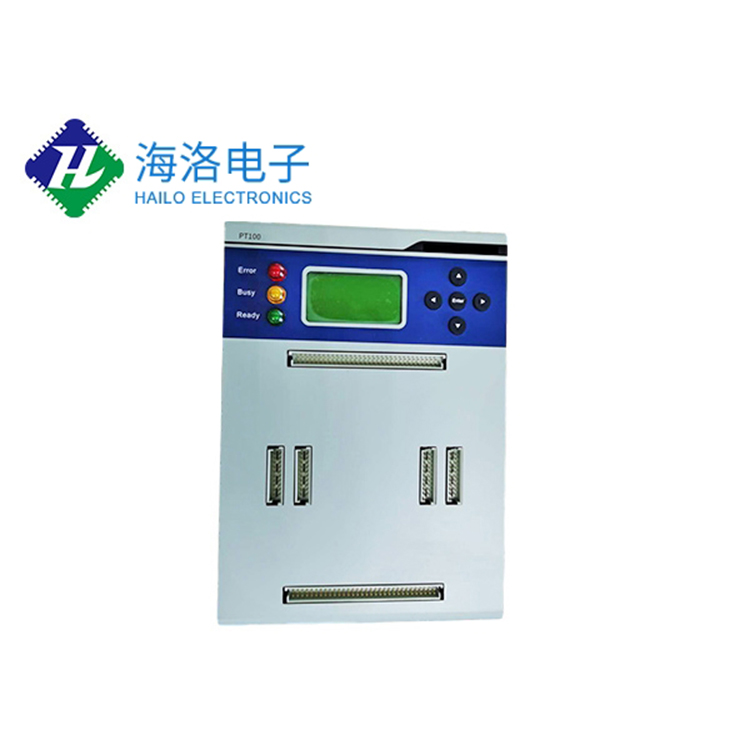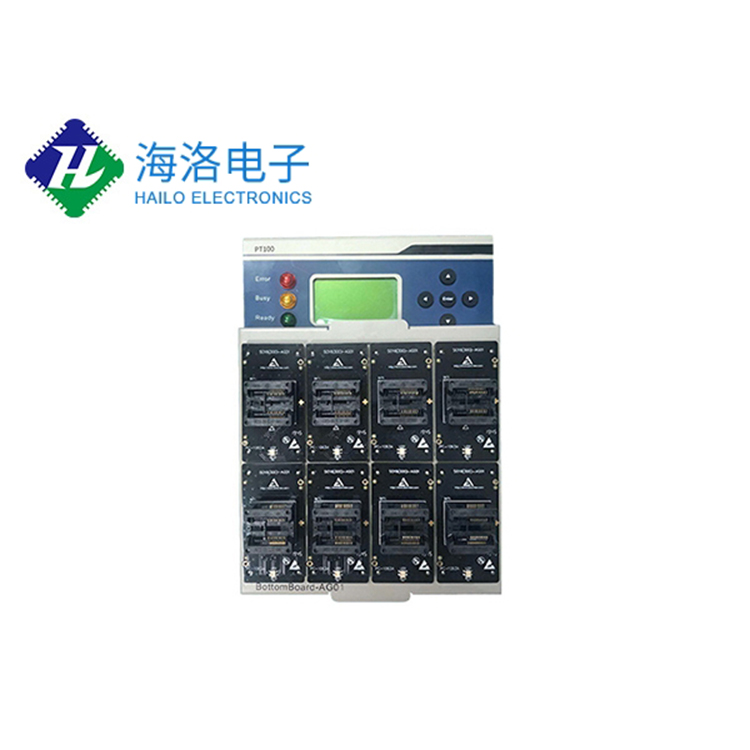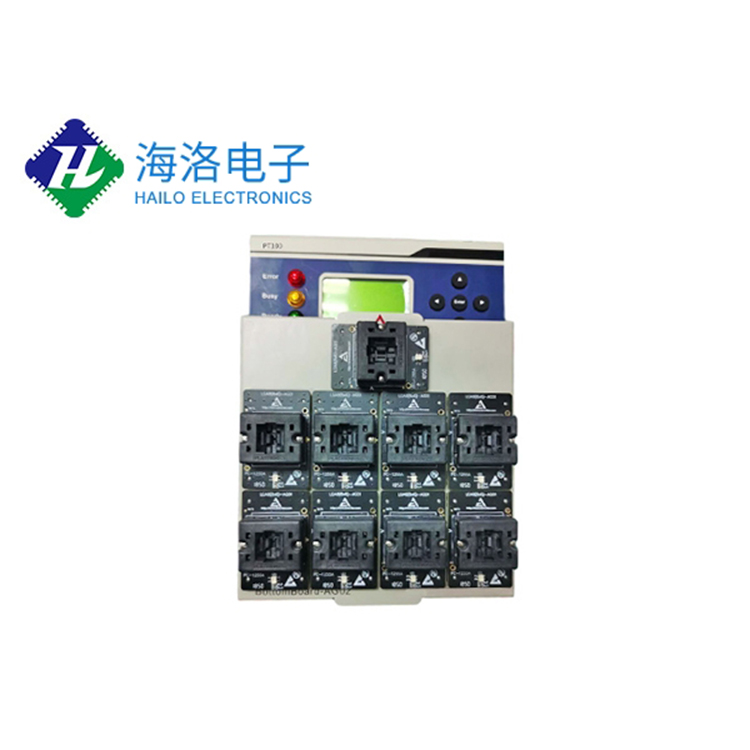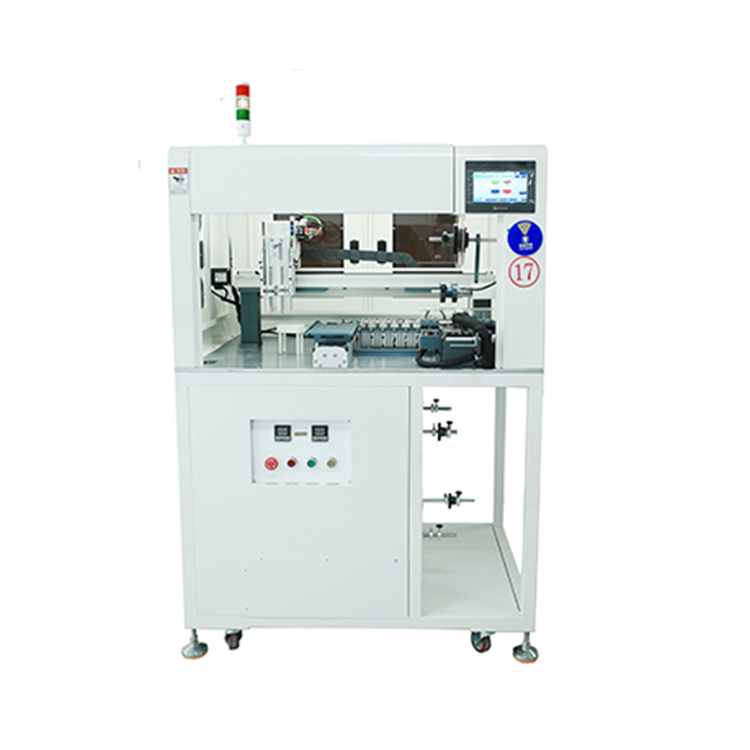












Three working modes
1) USB Connected Mode. Communicates with local PC via USB 2.0 port (high-speed) for online control.
2) RJ45 Networking Mode. Connects to a local area network via Ethernet cable for local or remote PC communication and online control.
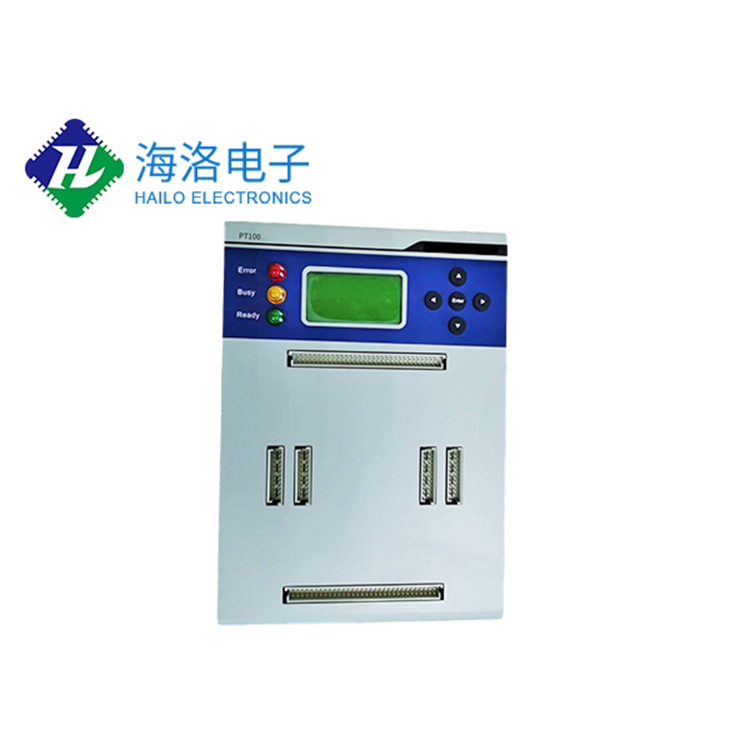
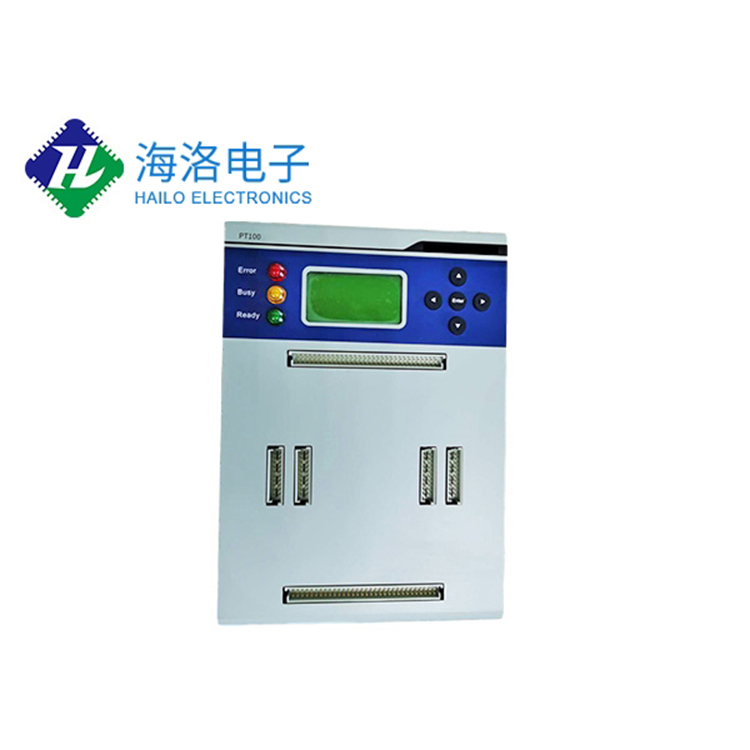
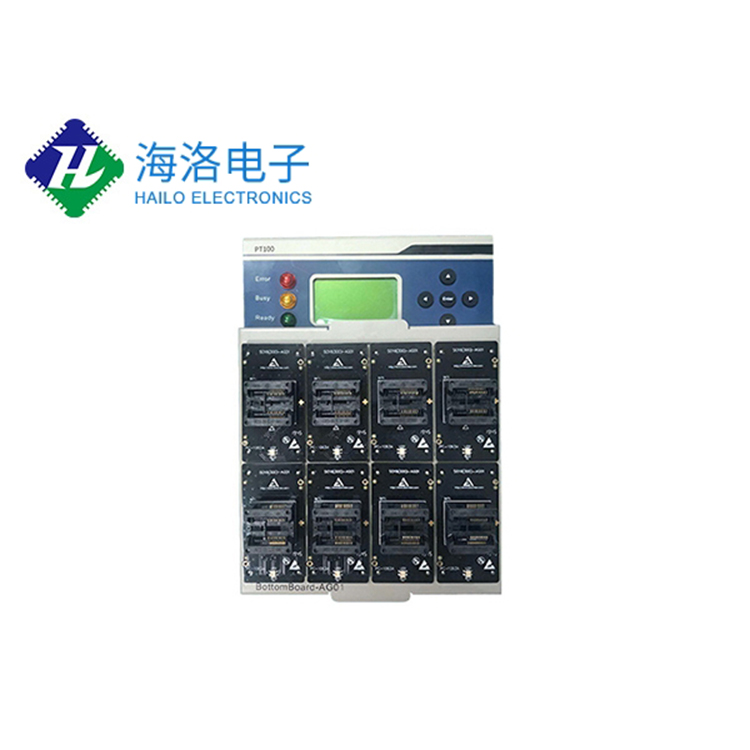
3) Offline SD Card Mode. Equipped with a keyboard, LCD display, and removable storage (standard SD card), it can operate independently offline, offering convenient operation and easy expansion, ideal for mass production on factory floors. Engineering files (quantity limited only by card capacity) can be easily created and copied to the SD card, even without an internet connection.
IC Support Range: Nor Flash/Nand flash, EMMC, EEPROM, EPROM, Microcontroller, CPLD, CMOS PLD, FPGA, Anti-fuse, and other customer-customized chips.
Integrated High-Speed: FPGA bandwidth exceeds 1.6Gb/Sec, supporting programming at the speed permitted by the IC.
Broader voltage range: Supports devices with various processes for VCC/VCP/VPP ranging from 1.2V to 13.0V.
Advanced pin driving technology: Provides IC manufacturer specifications for high-speed, stable, and precise signals, with faster programming and higher yield.
Chip Security Mechanism: Built-in precise voltage self-calibration circuit ensures voltage is within preset accuracy at all times; self-diagnostic function constantly checks for hardware failures to ensure machine condition; automatically detects chip misinsertion, reverse insertion, and poor pin contact before operation; verifies chip ID code before operation.
Programmer Protection: Comprehensive over-voltage, over-current, and ESD protection to prevent damage to programmers/flashers/ burners.
Green Eco-Friendly Products: Genuine green energy-saving equipment (power efficiency > 90%) with fanless design.
Setup is easy: Simply connect via USB/RJ45/SD card and select the setup programming function to begin.
User-friendly and robust software features simplify operations, prevent errors, and enhance efficiency.
1) Engineering (Project): Stores various operations and settings for the user regarding the object device, including model configuration, file loading for burning, setting configuration bits, batch processing commands, etc., within the engineering file. Each run seamlessly progresses to the chip burning operation, effectively reducing the probability of operational errors.
2) Batch (Auto) Command: Allows users to conveniently organize commonly used commands such as erase, check empty, program, verify, encrypt, and more into a single command for execution.
3) Mass Production Mode: Monitors plug-in status; automatically initiates operation upon detecting chip placement, without manual button pressing. Dynamic buffer area. Each chip's burn-written data can vary; software automatically completes data changes as per user requirements, including standard and customized serial number generators (such as MAC addresses).
4) Log Files: Facilitate quality tracking.
5) Intellectual Property Protection Features: SD card encryption, engineering file access control and encryption, production quota, and remote control.
6) File Formats: Supports almost all known file formats and features automatic file format recognition.
7) Real-time Status Display: Intuitive real-time display and analysis of programming status and production statistics.
8) Custom Algorithms: Accept customization of user-specific features and algorithm software.
9) File Image Management: Image mirroring management, including ECC, bad block handling, etc.