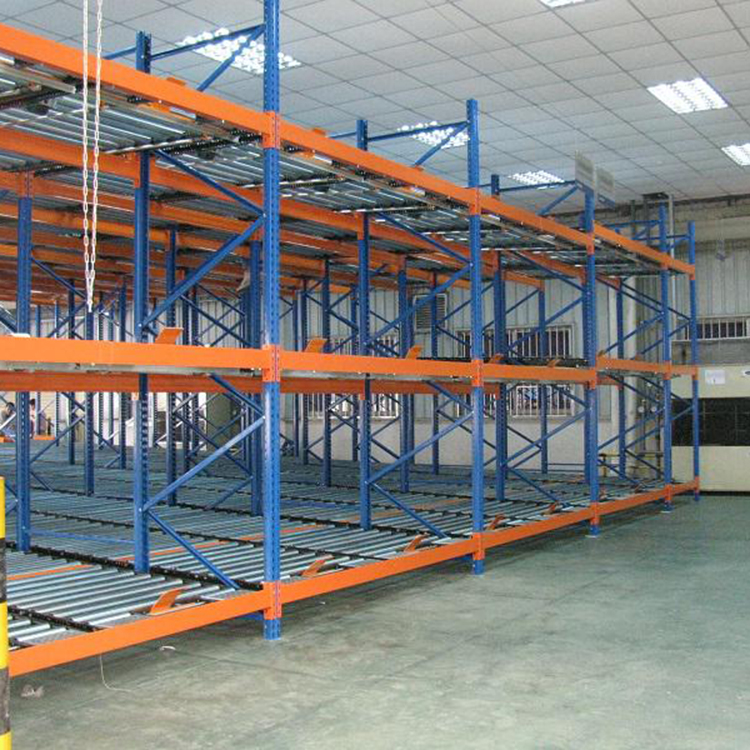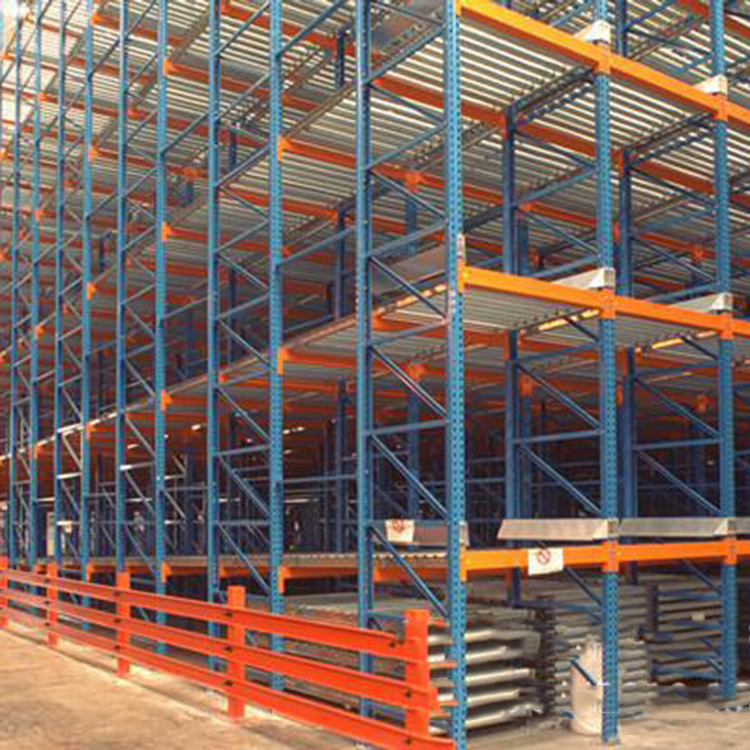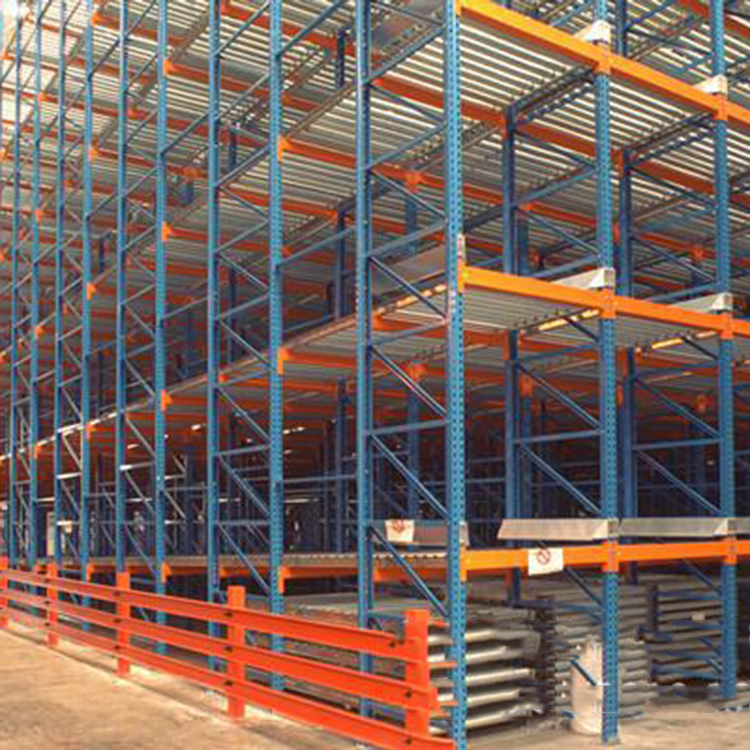


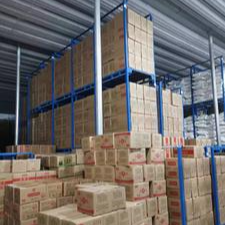





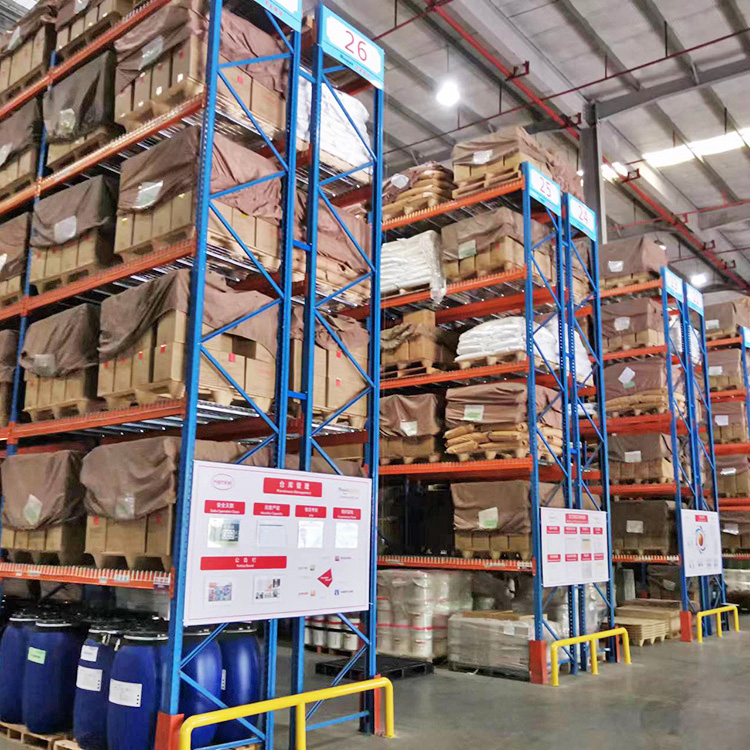
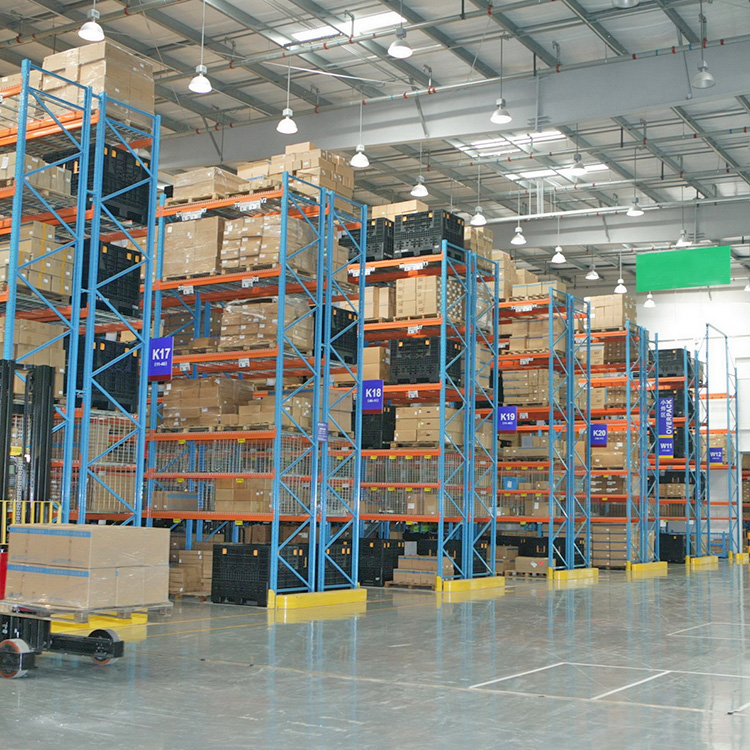
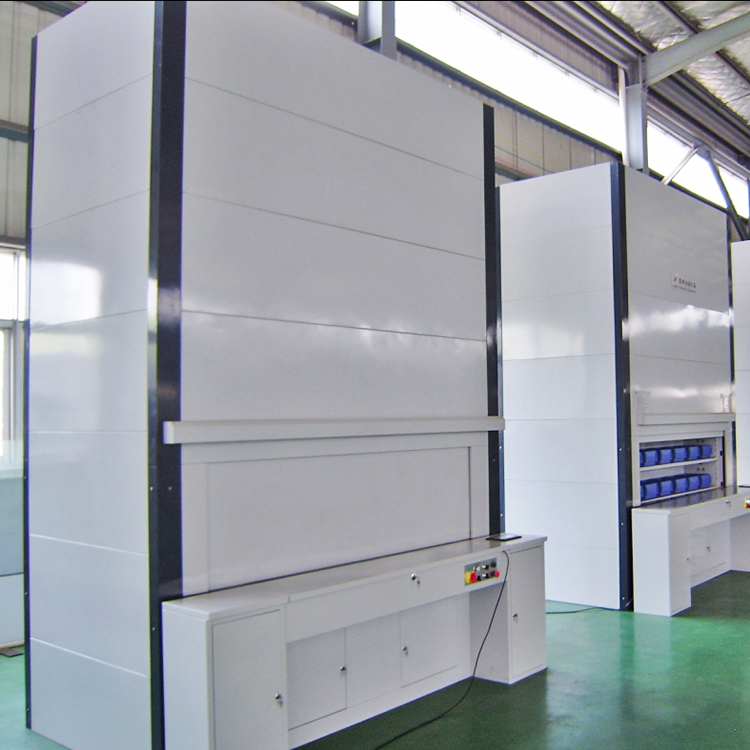
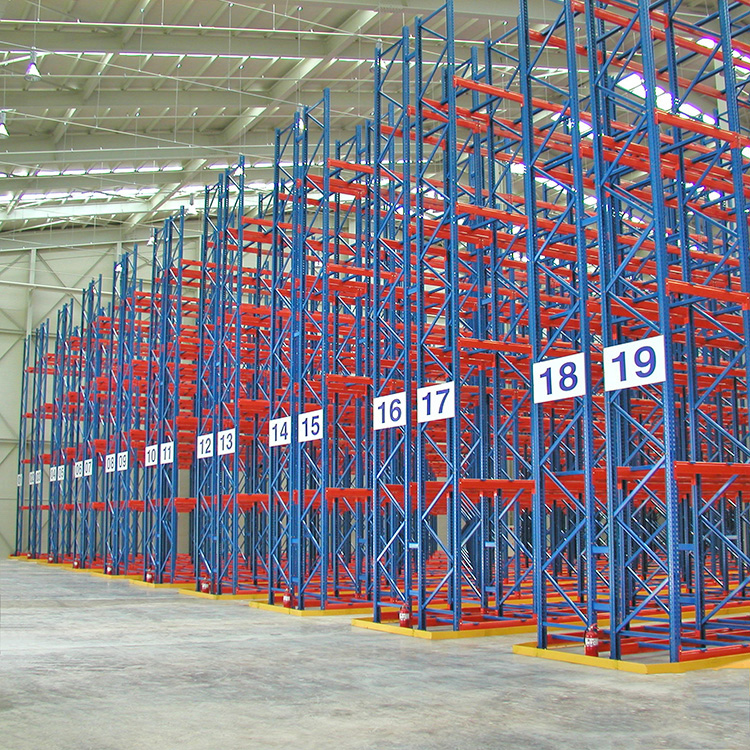
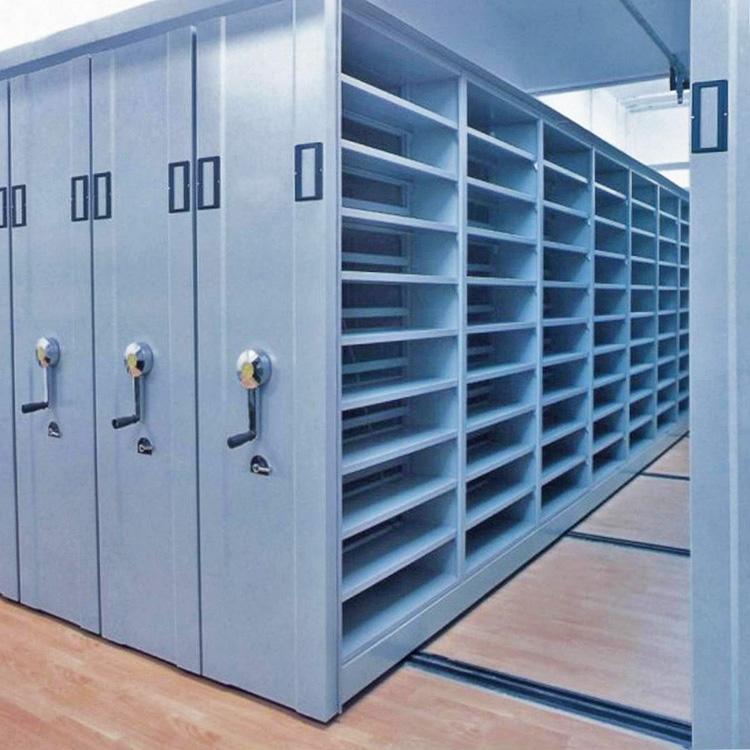

Gravity shelves are a derivative of the beam shelf, with a similar structure but featuring roller tracks installed on the beams, inclined at 3-5°. Pallet goods are transported to the loading entrance of the shelf using forklifts, and with the force of gravity, the pallets automatically glide from the loading entrance to the picking exit at the other end.

Gravity Shelving - Rack Features
1. Gravity flow shelves offer high throughput, allowing for simultaneous storage and retrieval, thereby enhancing the speed of goods turnover.
2. Goods retrieval strictly adheres to the principle of "first in, first out," based on the storage time sequence. Enforcement of FIFO is mandatory, with the storage area requiring only two channels: one for incoming and one for outgoing. The incoming and outgoing areas are strictly separated to avoid unnecessary safety hazards from cross-operations.
3. Ideal for storage operations with pallet-based carriers, ensuring neat stacking of goods, providing an excellent solution for storing heavy and large items.
4. Gravity flow racks are highly eco-friendly, utilizing a fully passive design with zero energy consumption, low noise, and safety assurance. They can operate under full load.

Gravity Flow Racking - Working Principle
Each compartment of a gravity shelf is a storage slide with a certain slope. Goods units loaded onto the slide by an incoming crane can move automatically from the incoming end to the outgoing end under the force of gravity, stopping only at the outgoing end of the slide or upon encountering an existing goods unit. After a goods unit at the outgoing end of the slide is removed by an outgoing crane, the subsequent units behind it move one compartment forward towards the outgoing end under gravity. To reduce friction between the containers and the shelves, rollers or wheels are installed on the storage slide.
Gravity Shelving - Application Range
Gravity shelves are ideal for FIFO (First-In, First-Out) storage of large quantities of similar goods, offering high space utilization. Particularly suitable for items with a limited shelf life or those that should not be stored for extended periods.
Gravity Shelving - Precautions
The overall depth of the shelving (i.e., the track length) should not be too great, otherwise, the unusable upper and lower "dead corners" will be significant, affecting space utilization. Additionally, a too long ramp will result in poor controllability during the descent, with a strong downward force that can lead to inefficient sliding, blockages, and potential overturning of the palletized goods. To ensure smooth sliding, if the ramp is long, a damping device should be installed in the middle. Furthermore, to prevent the overturning of the palletized goods due to excessive impact force when descending to the bottom, a cushioning device and a picking separator should be placed at the lower end of the ramp. Consequently, the design, manufacturing, and installation can be more challenging, and the cost higher. Such racks should not be too tall, generally within 6 meters, and the weight of individual pallets should typically be no more than 1000KG, otherwise, their reliability and operability may decrease.