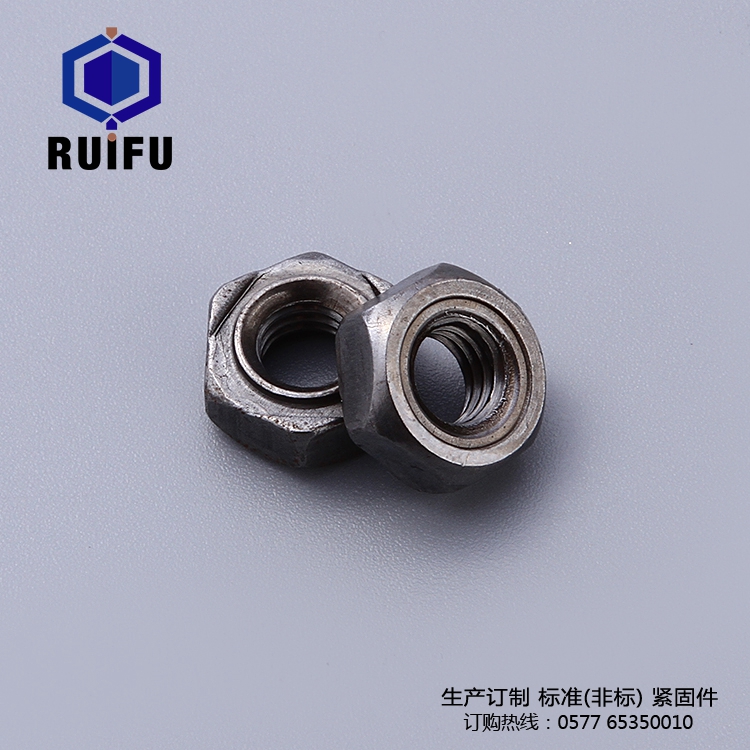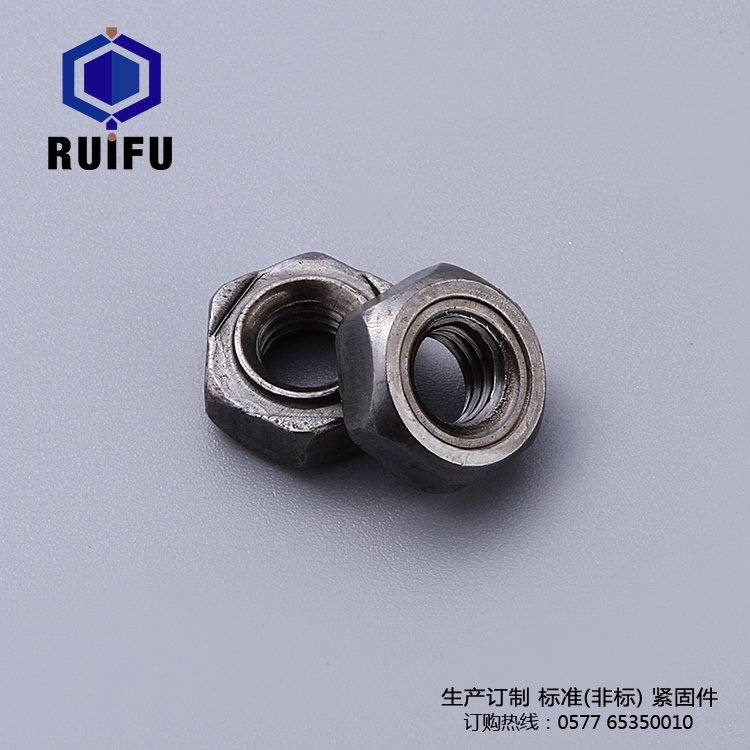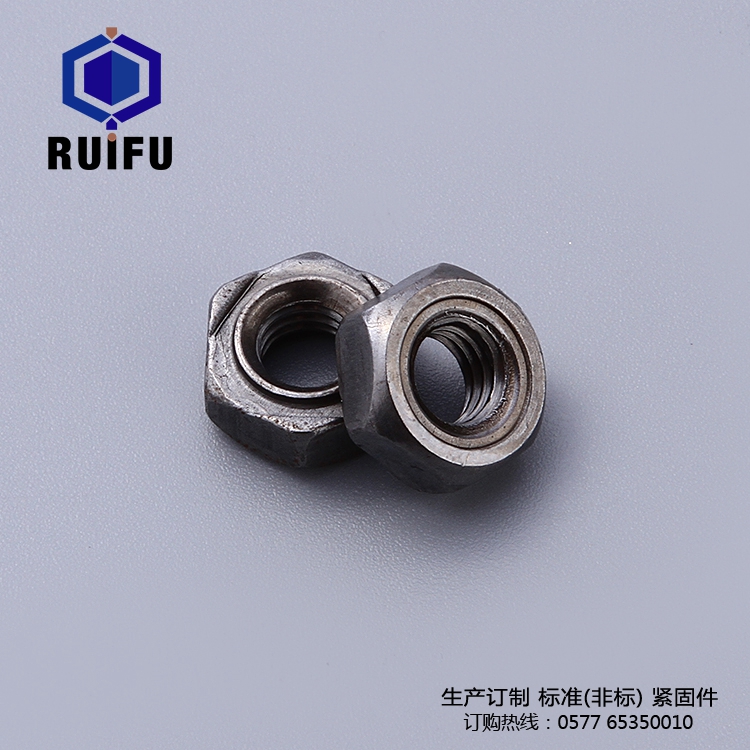








Product Category: Welded Nuts
Product Origin: Wenzhou
Operating Model: Manufacturing & Processing
Main Products: Card Springs, Retaining Rings; Bolts; Washers; Nuts
Principle: Adhere to honesty, trust, mutual benefits, and joint development.
Mission: Continuous Innovation and Perfection
Application: Automotive industry, machinery manufacturing, pneumatic tools, furniture hardware, etc.
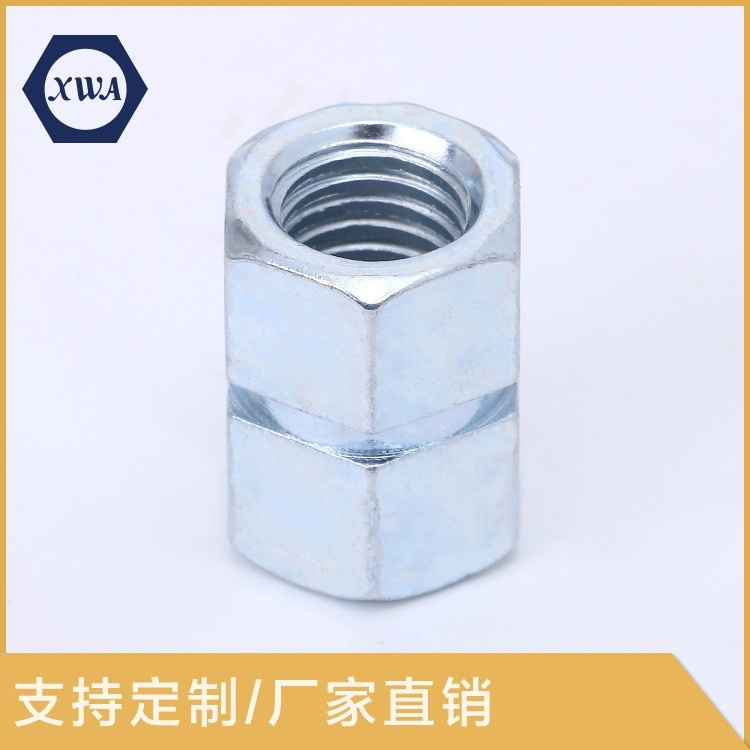
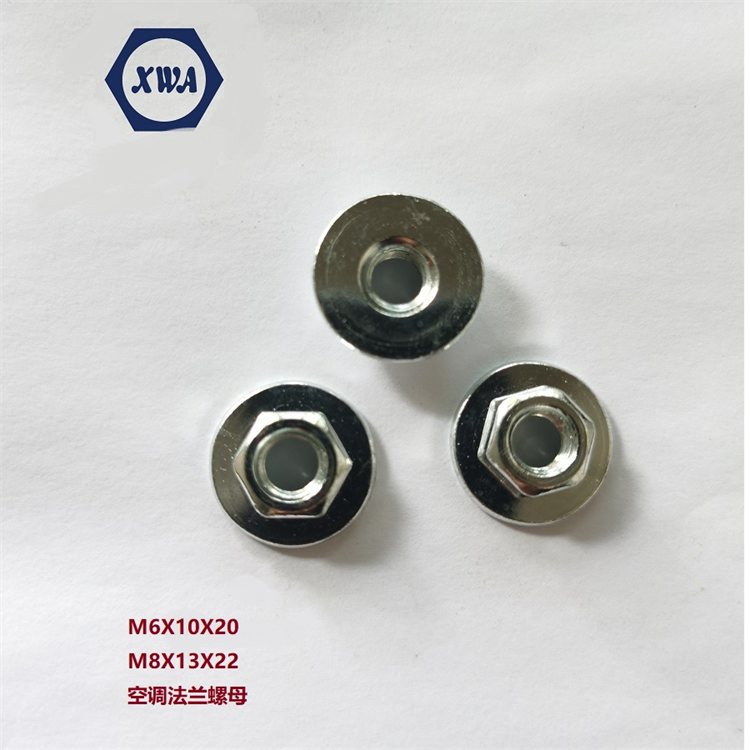
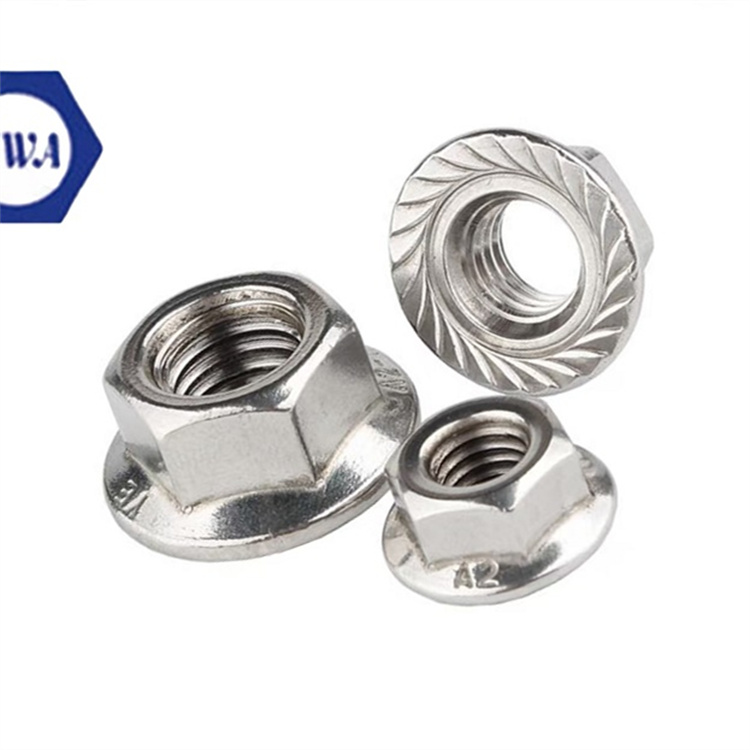
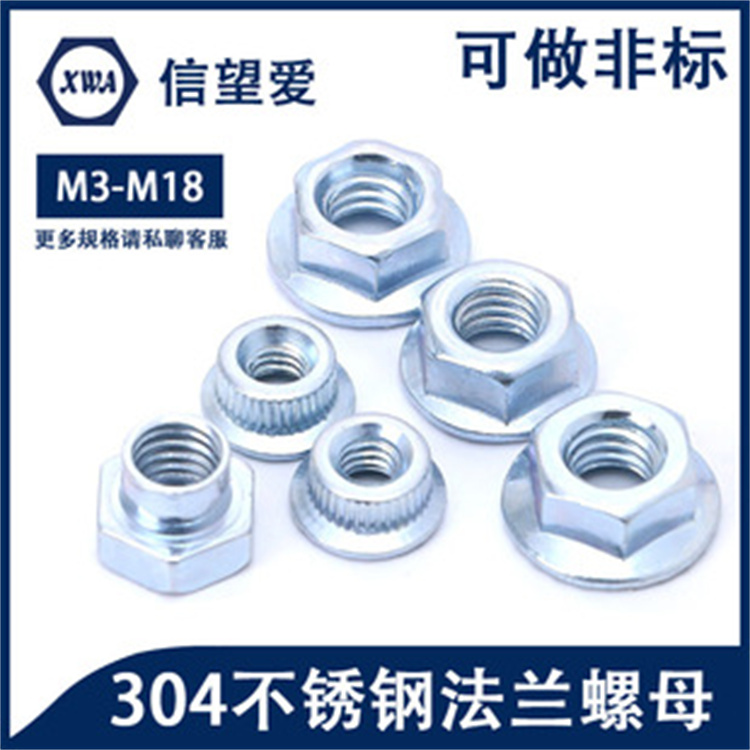
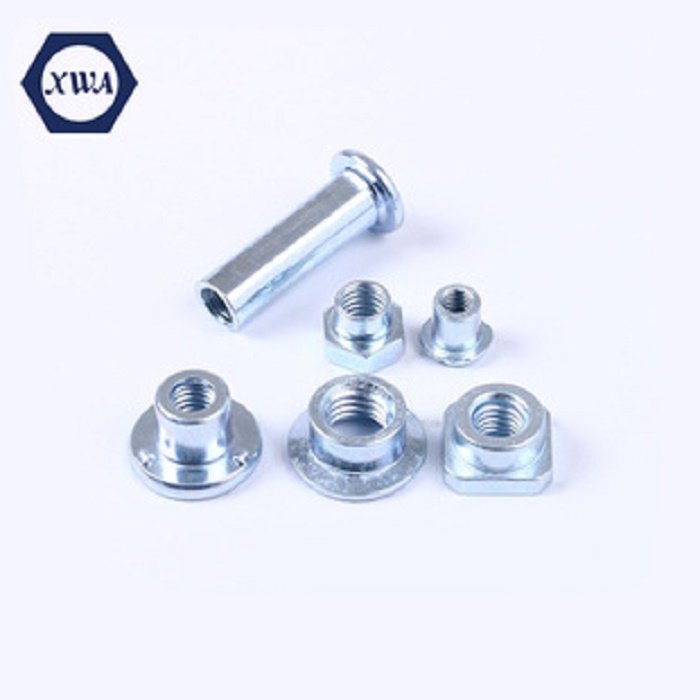
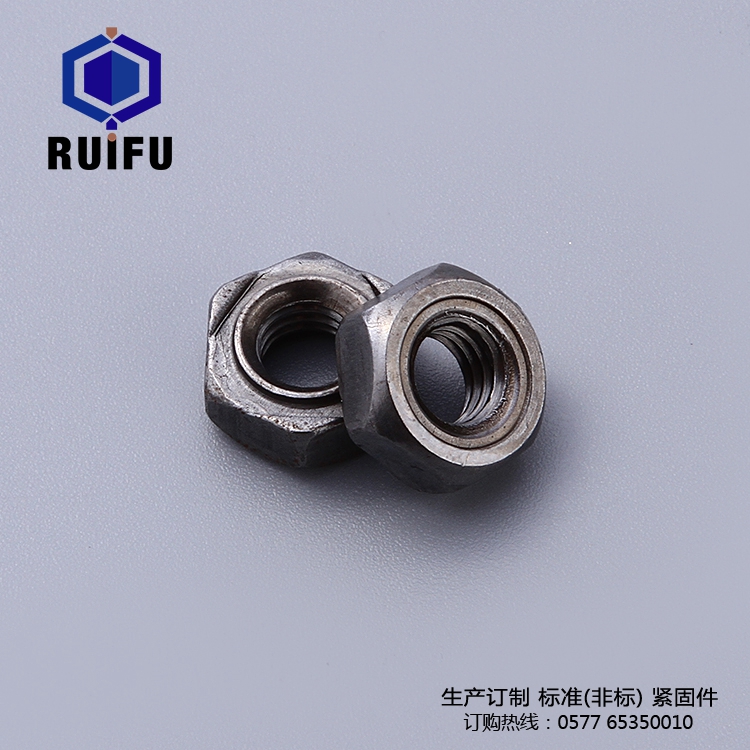
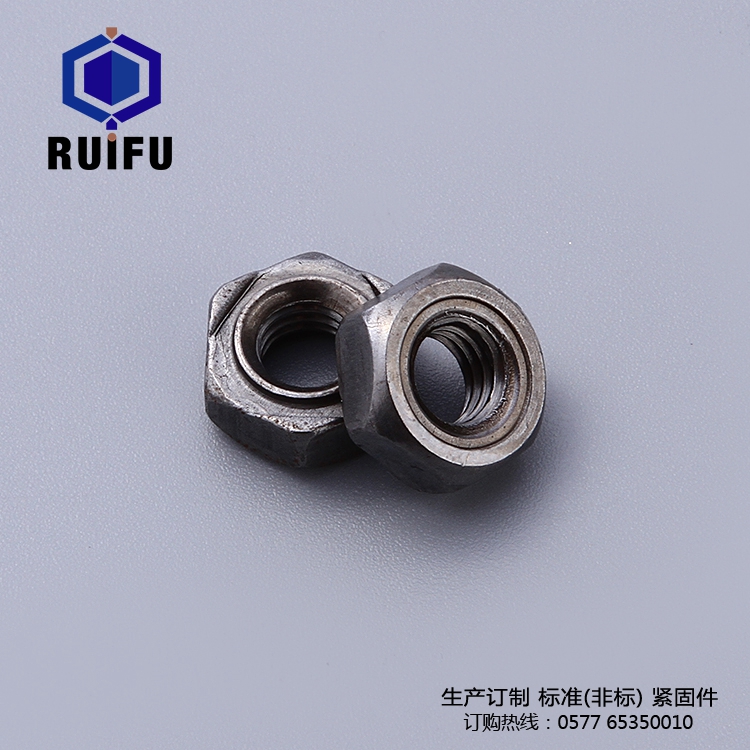
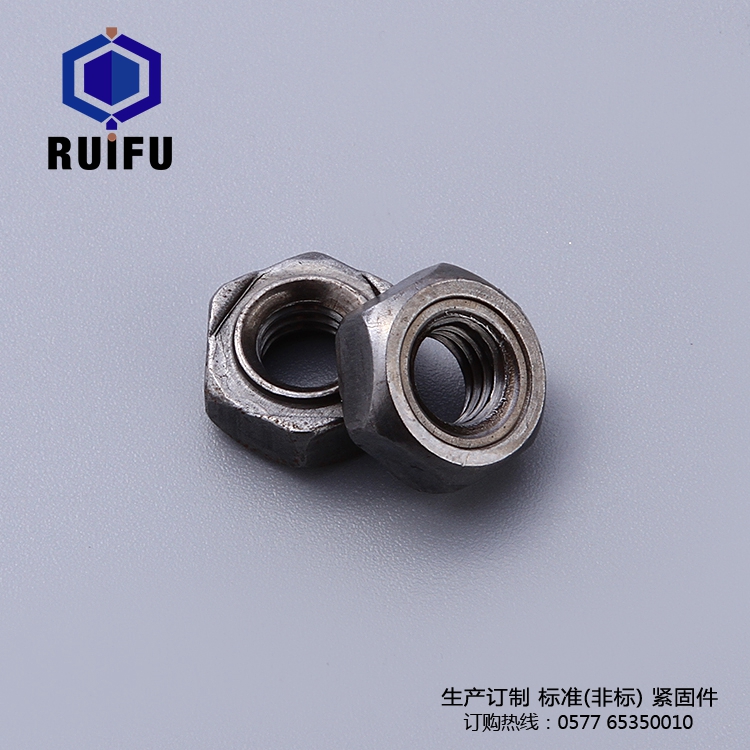
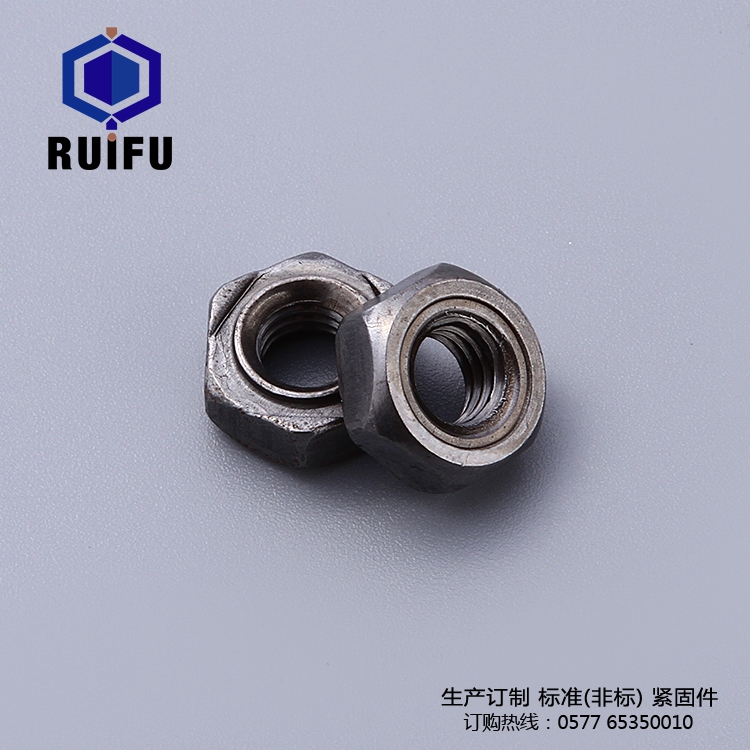
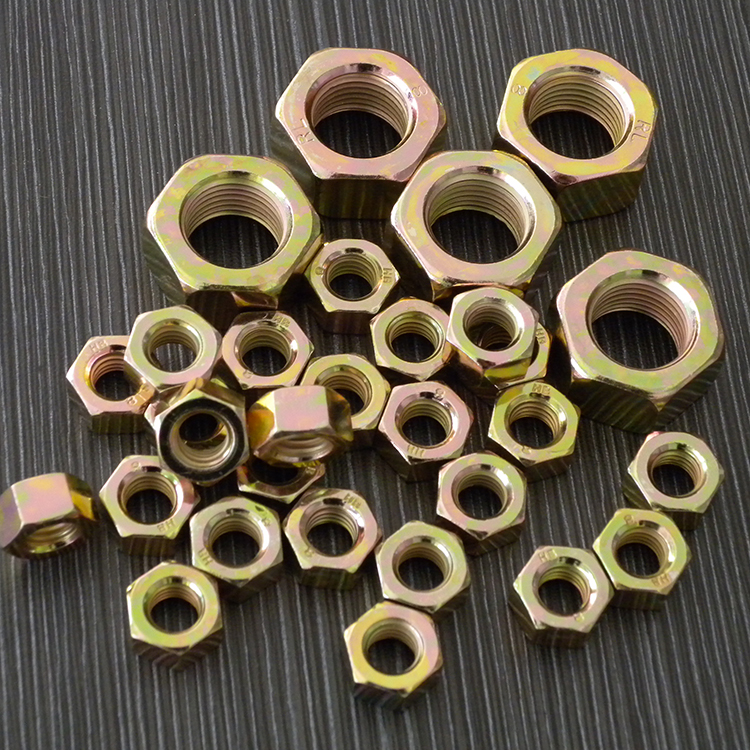
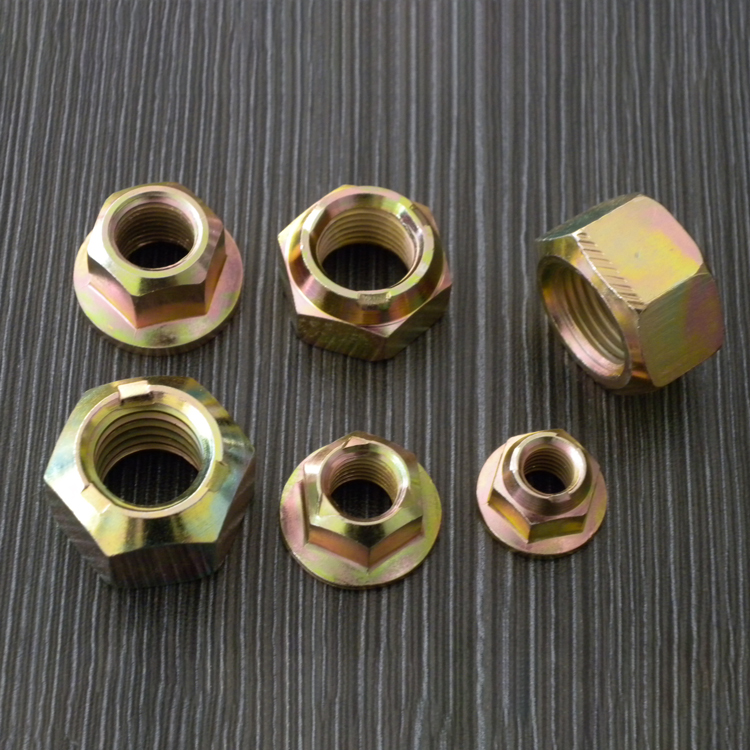
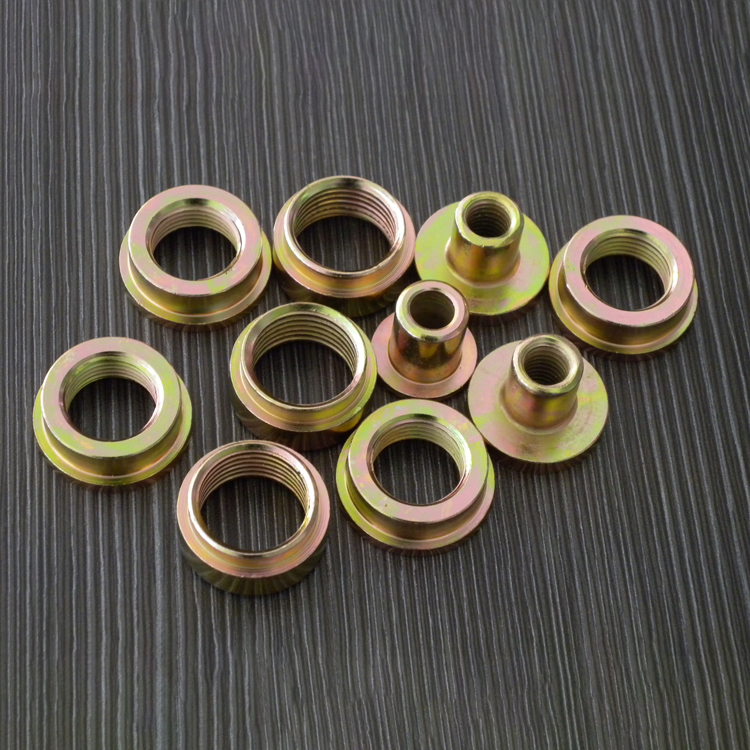
Hexagonal welding nuts come in four standards: National Standard GB (GB/T), Japanese Standard (JB), German Standard (DIN), and British Standard (BS). They are nuts designed for welding on the outside, typically involving melting two items together at high temperatures, followed by cooling to form a single entity. Additionally, alloys are often added in the middle, with molecular forces at play, resulting in a strength generally greater than the base material [1]. The experimental welding parameters should be adjusted based on the size of the weld fusion, eliminating defects until the desired outcome is achieved. Of course, the quality of the weld is also related to the pre-welding treatment, such as cleaning and removing oil stains.
Hexagonal welding nuts are a process in which the material of the workpiece to be welded (same or different) is joined together through heating or pressure, sometimes with or without filler material, to form an atomic bond and create a connection. Hexagonal welding nuts are fasteners with an internal thread that are used in conjunction with bolts. They are mechanical components with an internal thread that are used to transmit motion or power when paired with a screw shaft.