







1. Flat Keys and 72. Non-standard Semi-circular Key Connections
Flat Key --- The side of the key is the working surface, torque is transmitted by the key and keyway being pressed together. Flat keys are divided into three types --- Plain Flat Key, Guided Flat Key, Sliding Flat Key.
Thin flat key ---- For thin-walled components
There are three types of plain keys: used for static connections, guide keys for dynamic connections, available in round and square heads. Sliding keys are used when there is a larger axial movement distance.
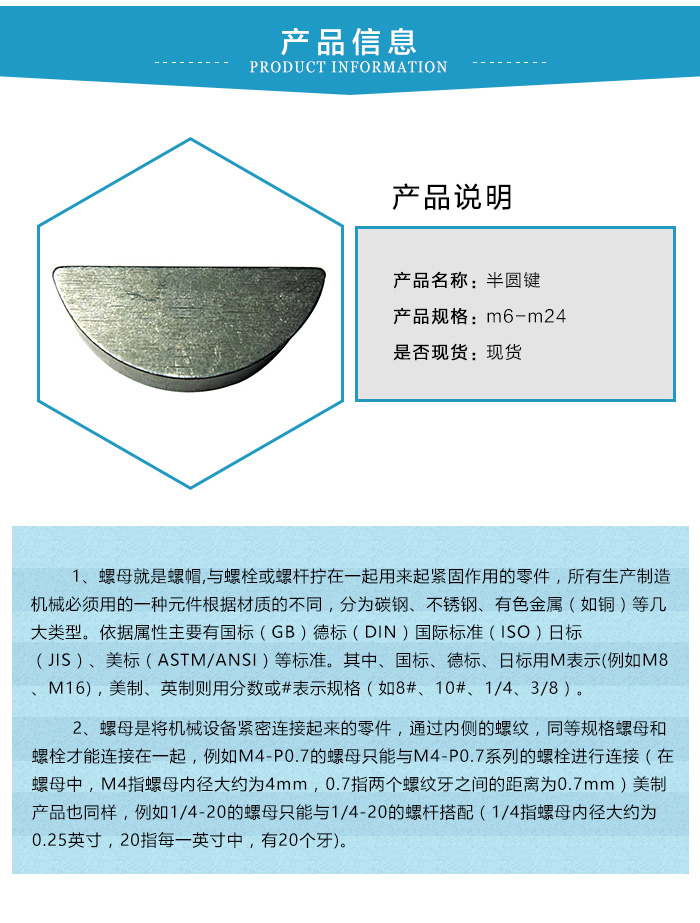
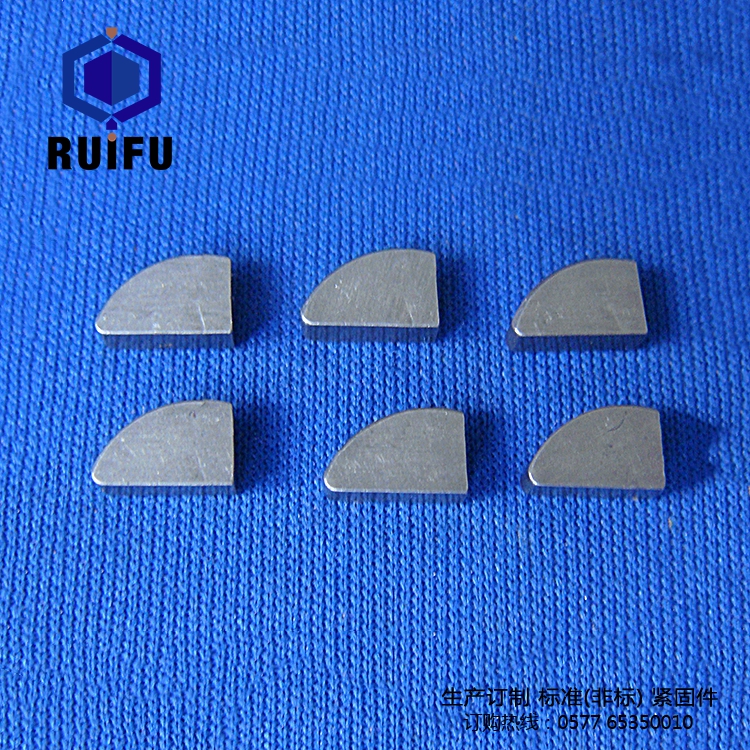
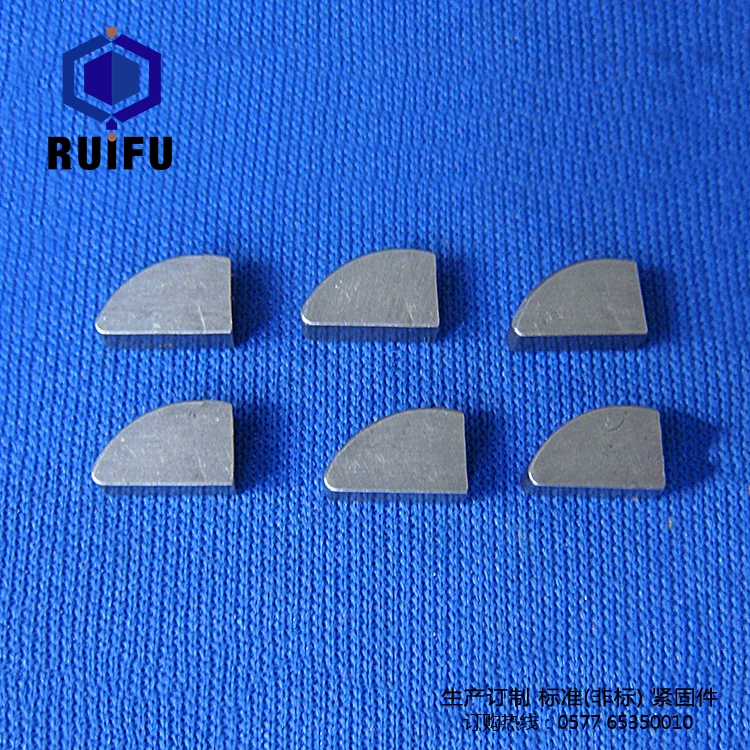
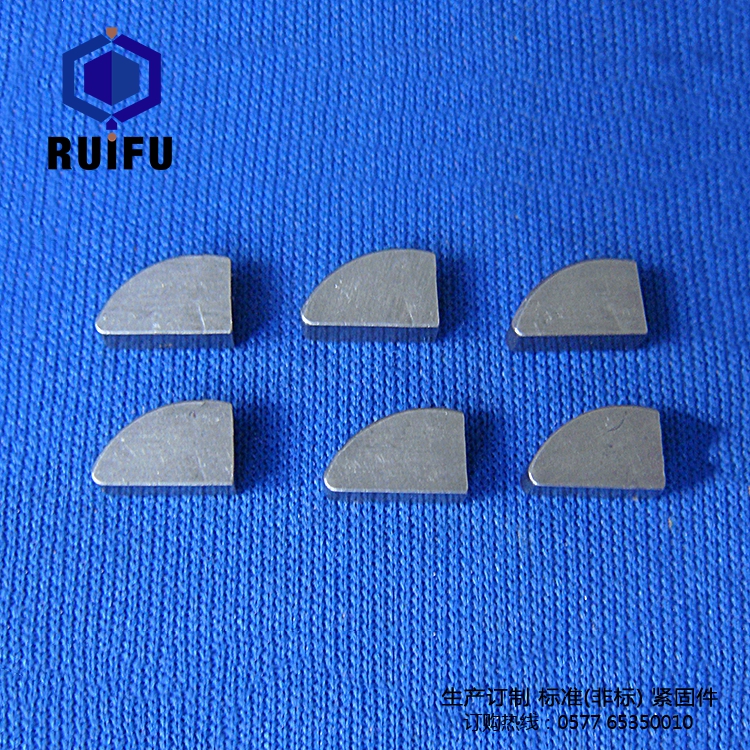
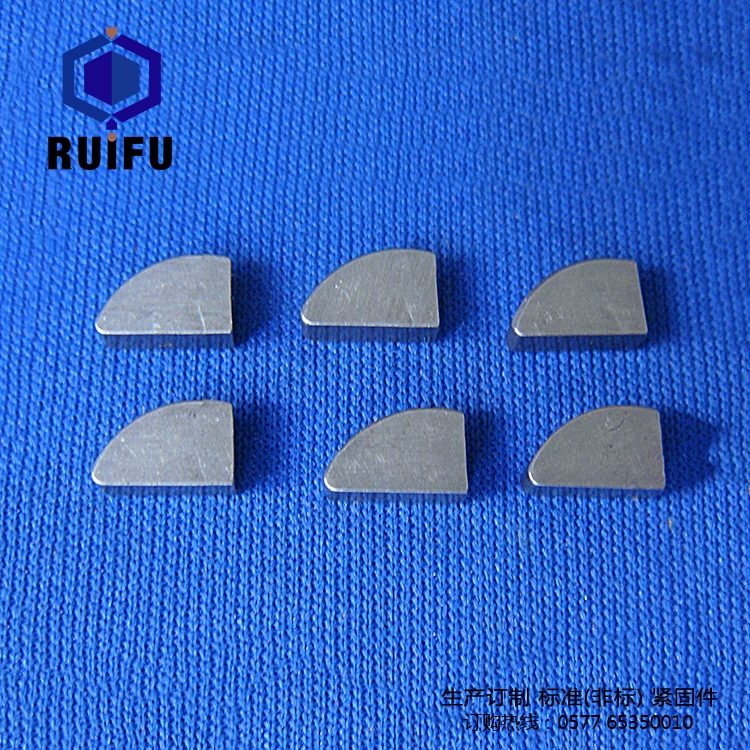
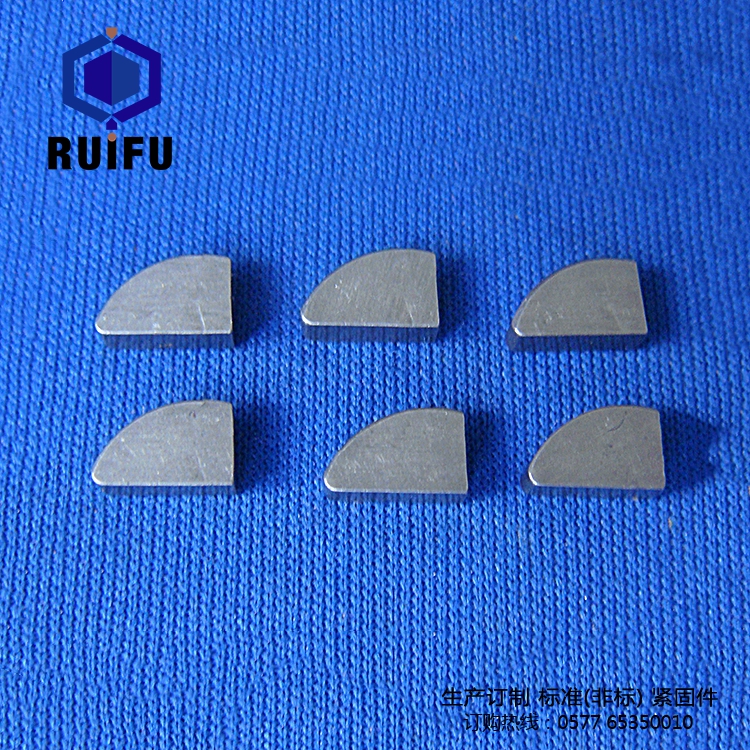
72. Non-standard Semi-Circular Key - Cut or pressed from round steel and then ground; features include side working, good processing, automatic adaptation to slope requirements, but the keyway on the shaft is deeper; typically, non-standard semi-circular keys are set on the surface of tapered shafts.
2. Advantages and disadvantages of flat keys and 72. non-standard semi-circular keys connections -- Simple, compact, and reliable with easy assembly and disassembly, low cost -- Keyways weaken shaft strength, cause stress concentration, and make centering difficult; cannot achieve thrust transmission and fixation.