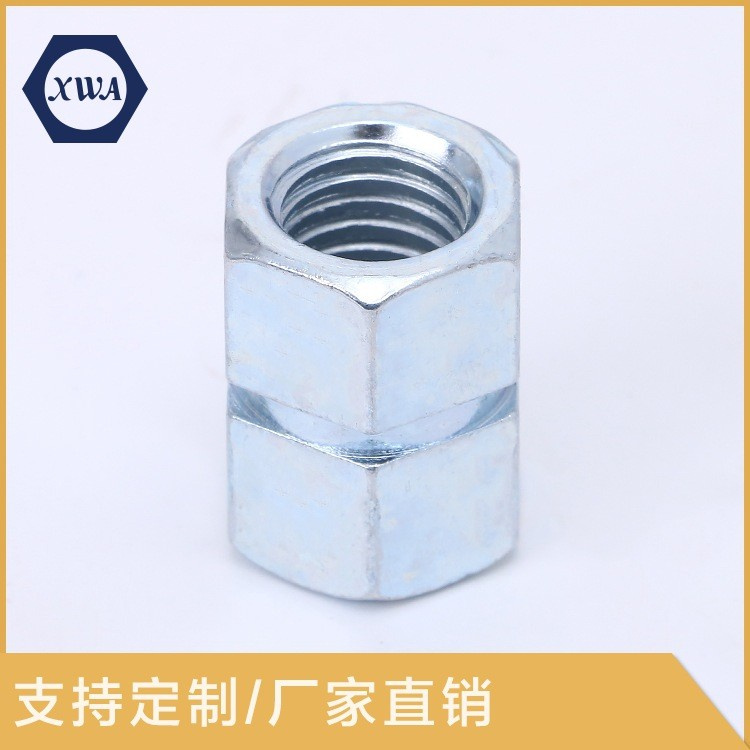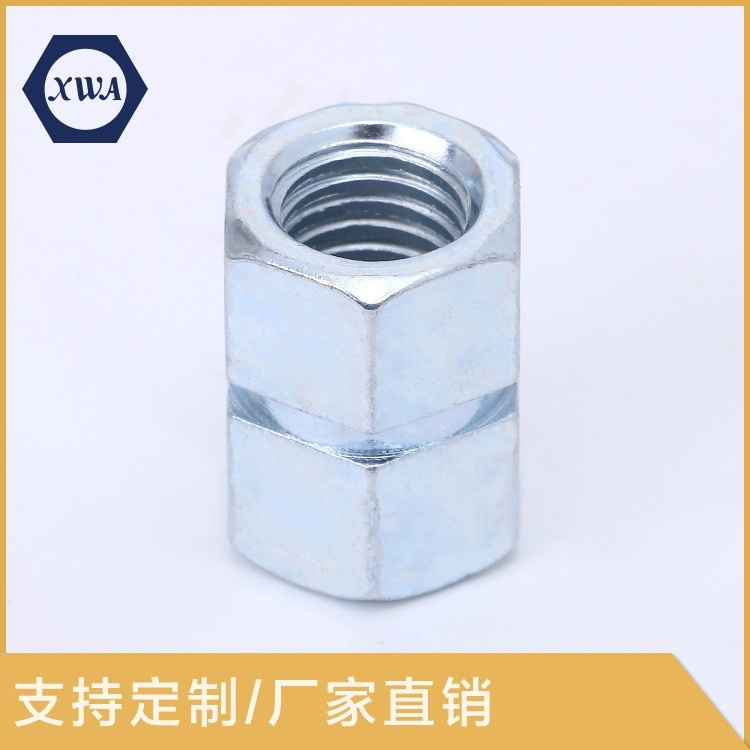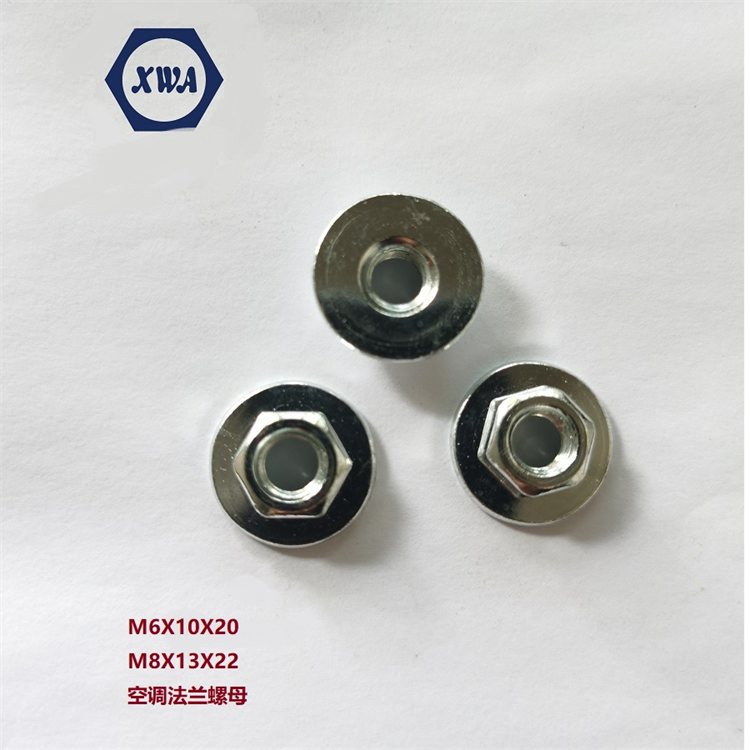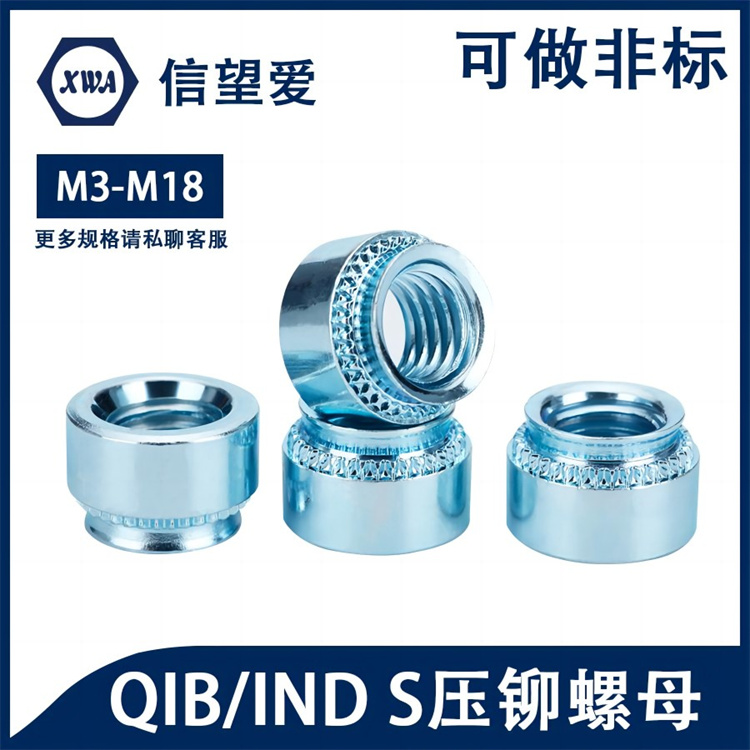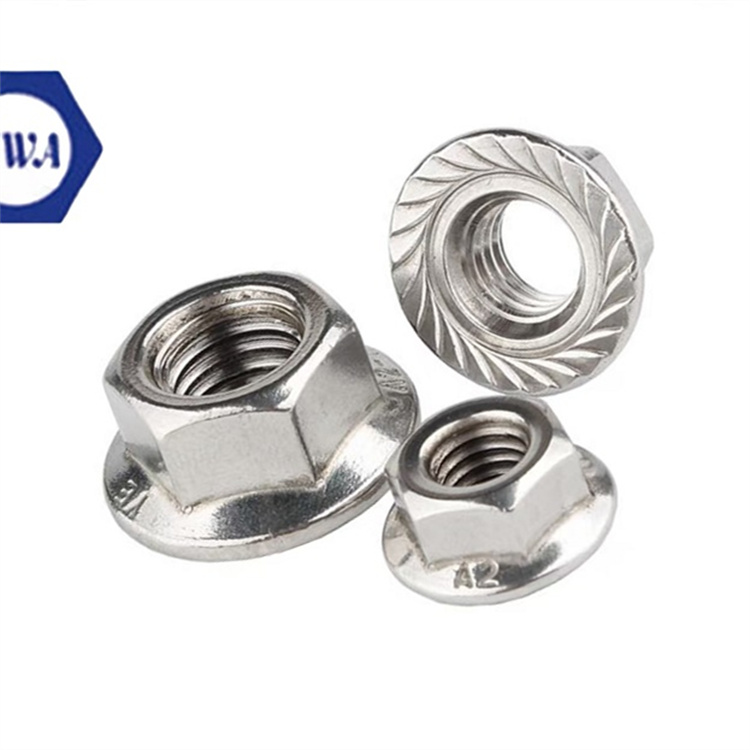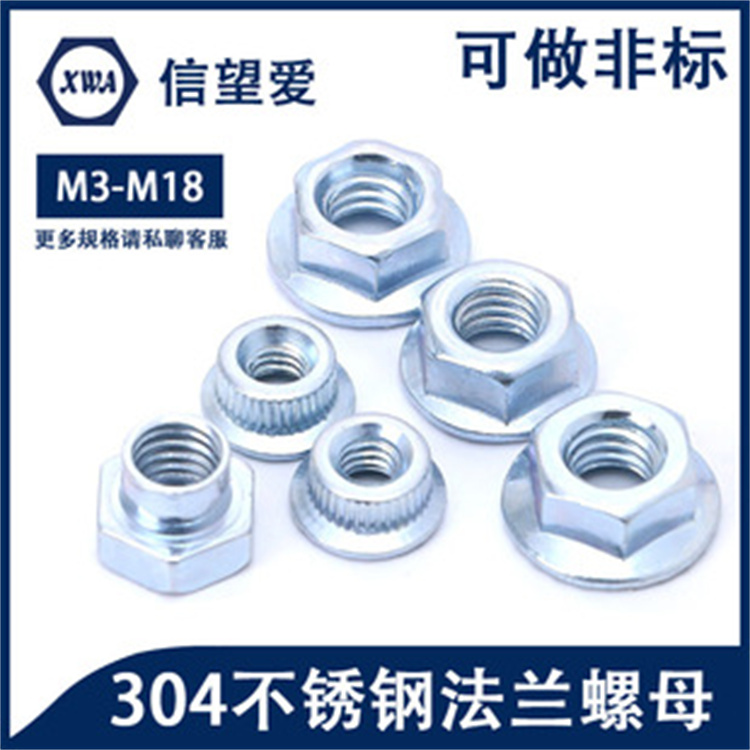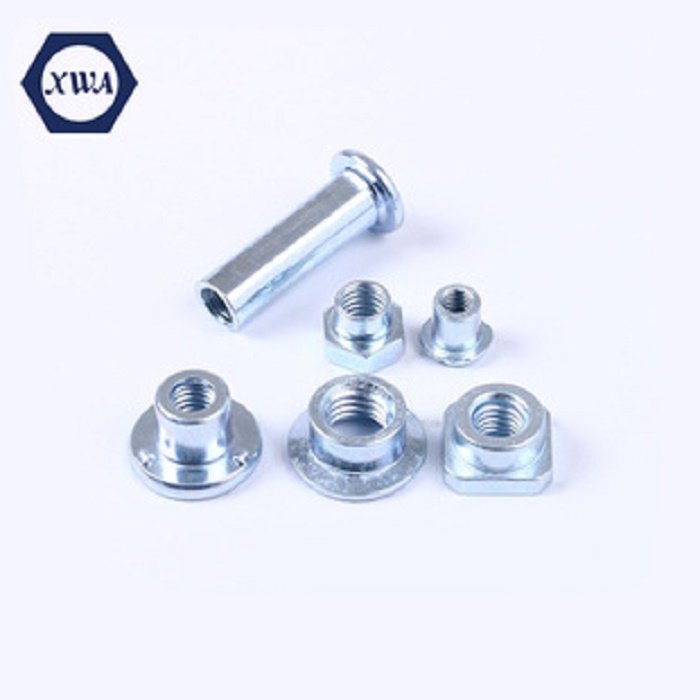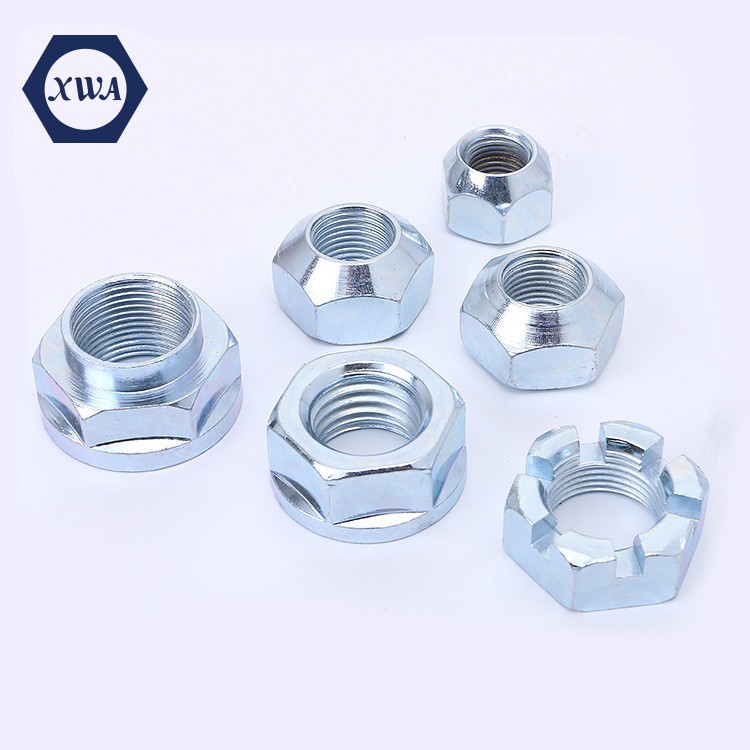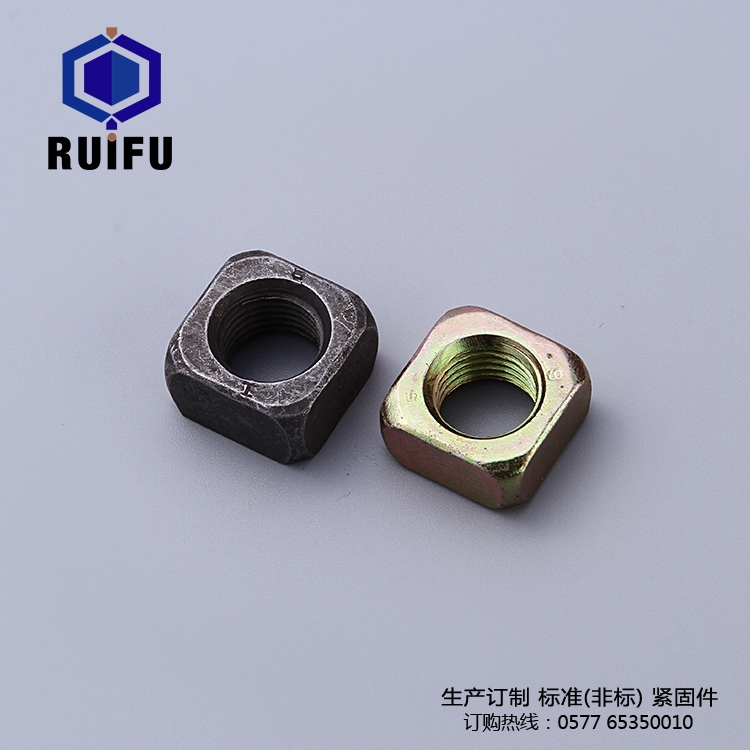
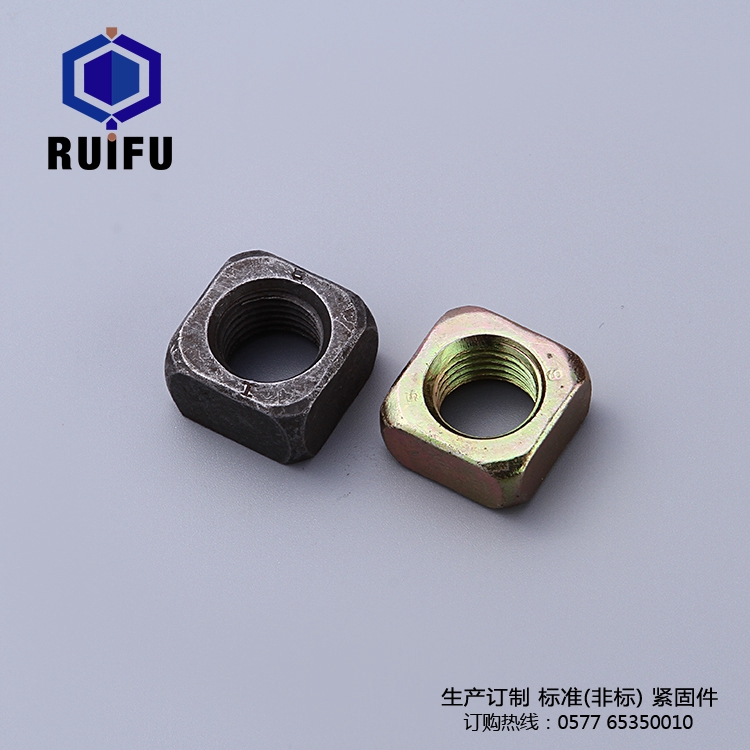







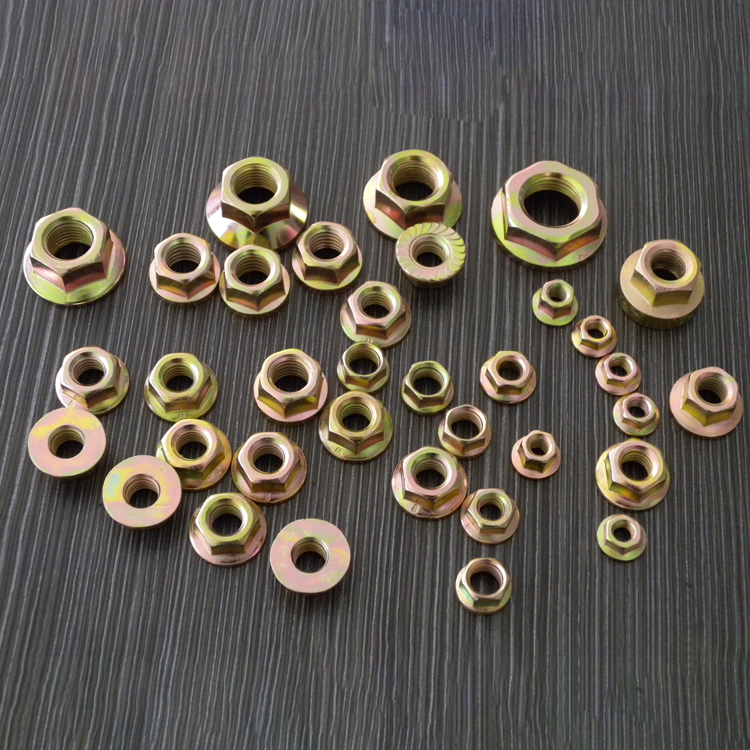
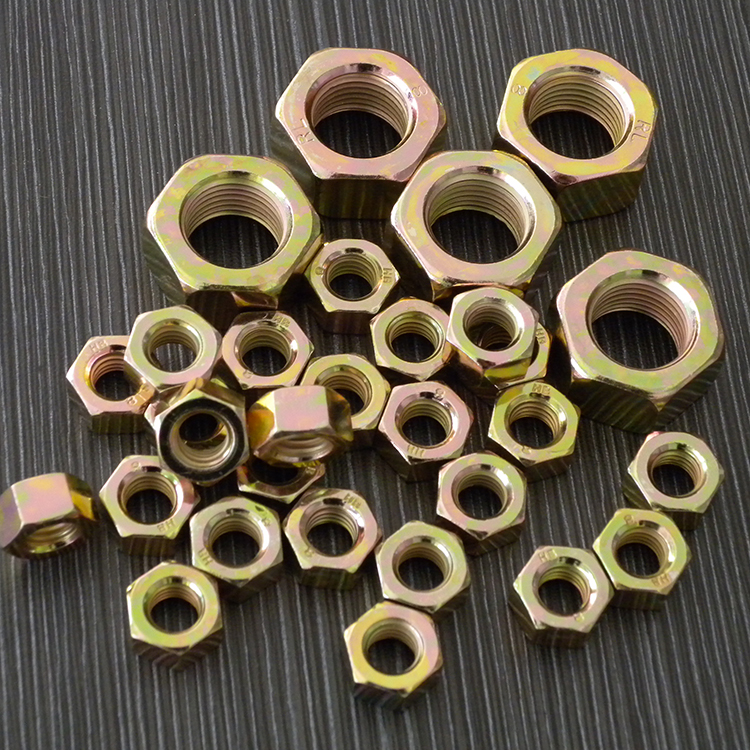
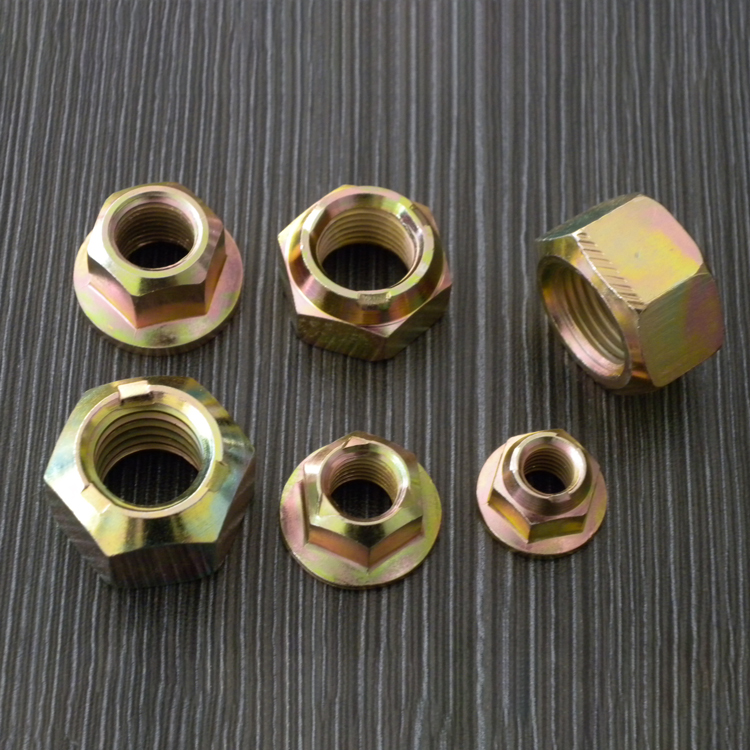
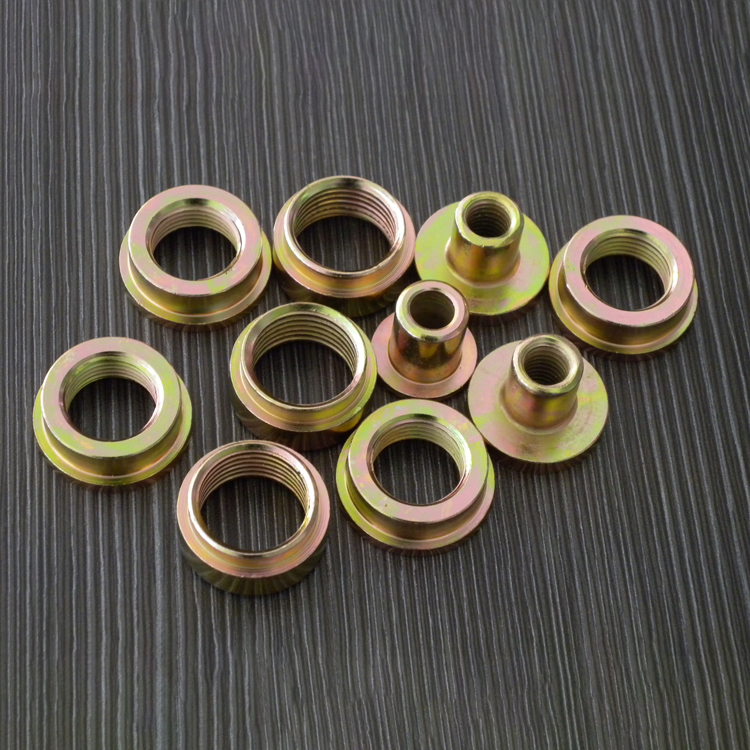
Hex nuts are typically made from various metals, with the nuts we commonly see being primarily made of iron or copper. Iron is prone to rust in moist areas and doesn't conduct electricity as well as copper, which is why copper nuts are often used in everyday life. Copper nuts are resistant to rust, corrosion-resistant, and have good conductivity, making them commonly applied in environments where rust prevention, high-temperature conductivity, such as in faucets, valves, or electrical appliances.
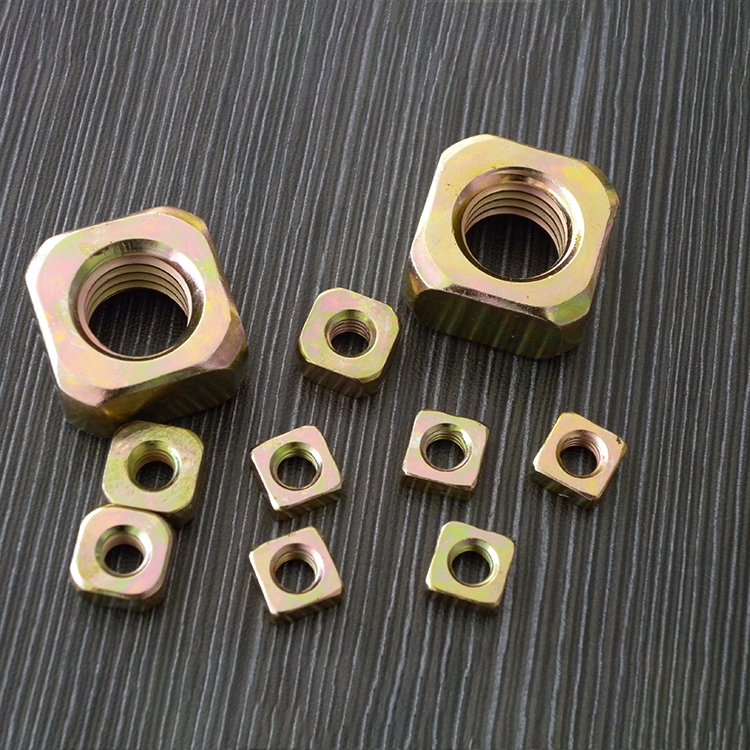
Another function of the square nut is injection molding. After heating, it can be embedded into the plastic part or directly injection-molded using the mold. As mentioned earlier, copper has excellent thermal conductivity. Embedding the nut after heating not only quickly heats up, speeding up work efficiency, but also rapidly transfers heat to the plastic, gradually softening the plastic's edges, which facilitates insertion into the hole. If a steel nut is used for injection molding, cracks or loosening may occur at the contact points. Therefore, it is recommended to use a copper nut instead of a steel nut during injection molding.