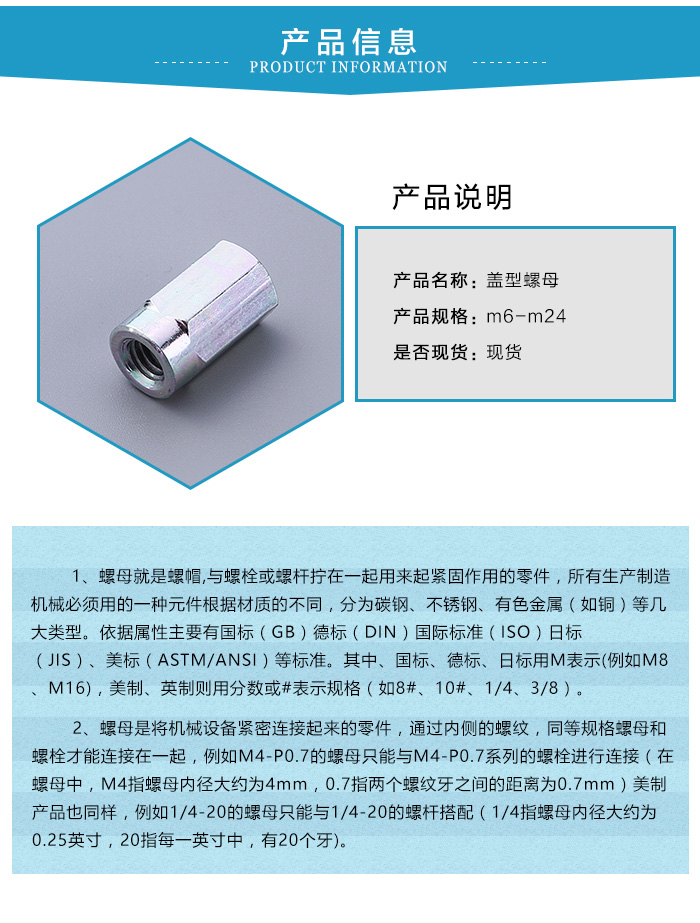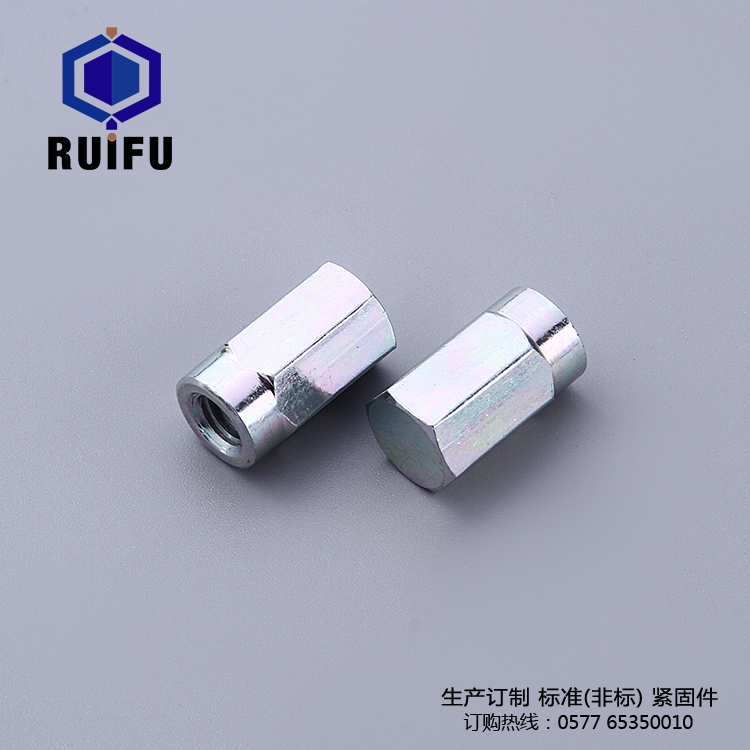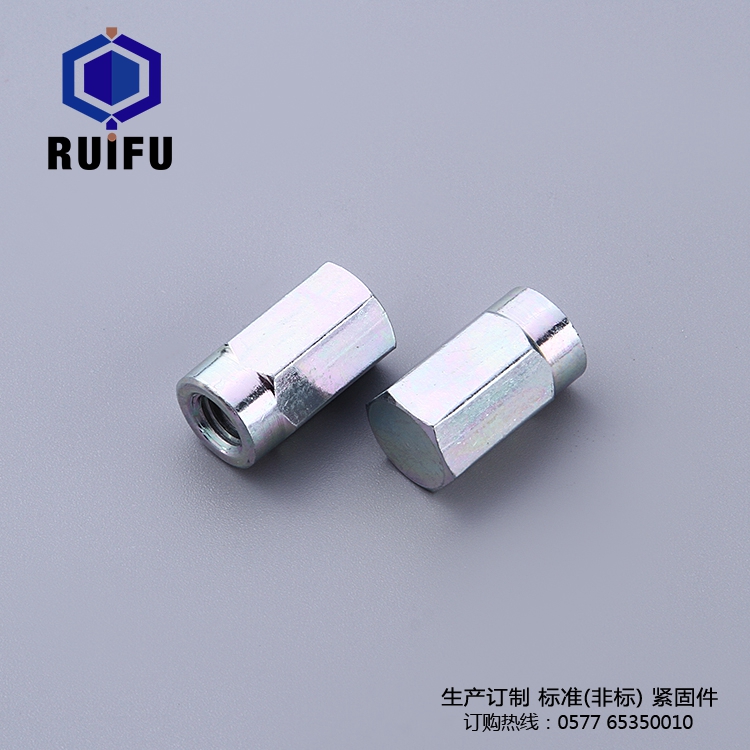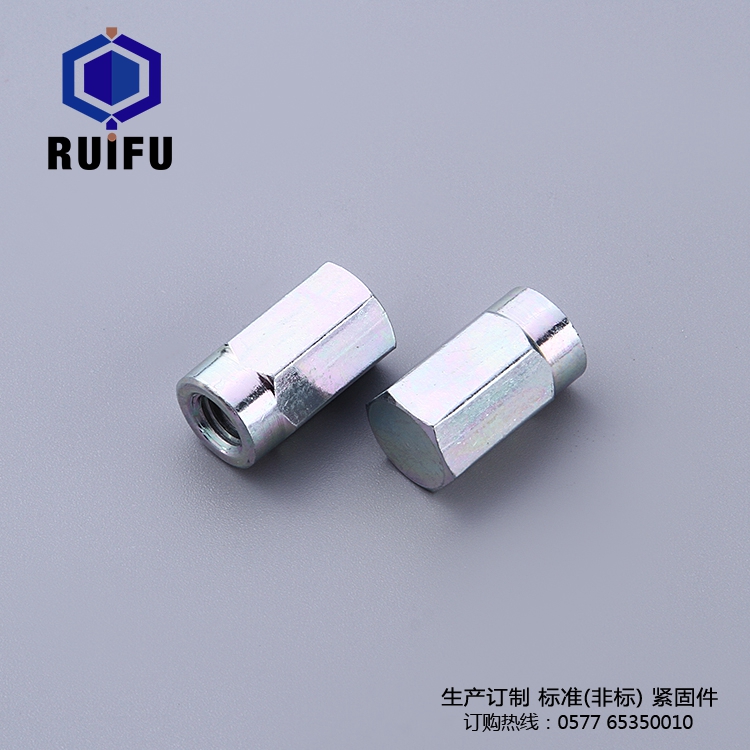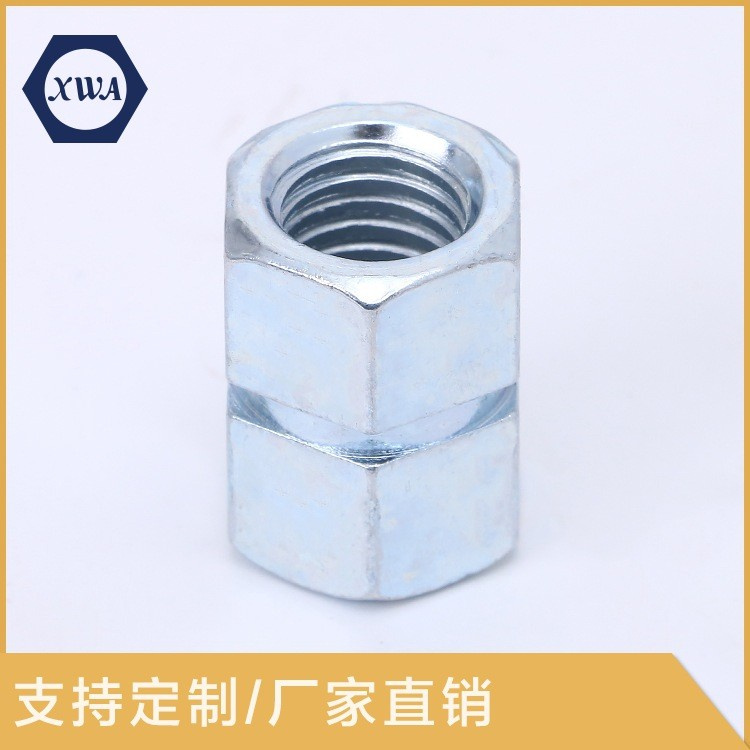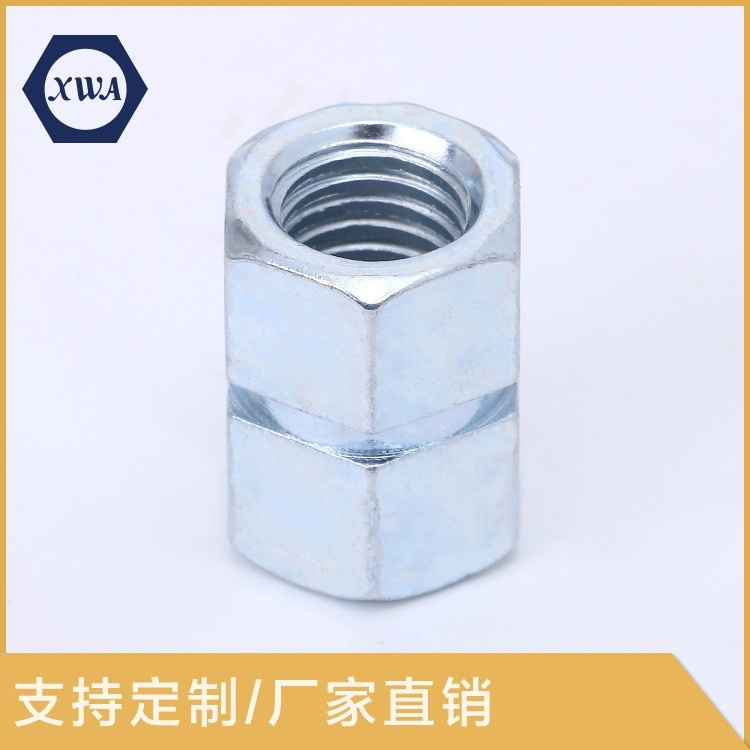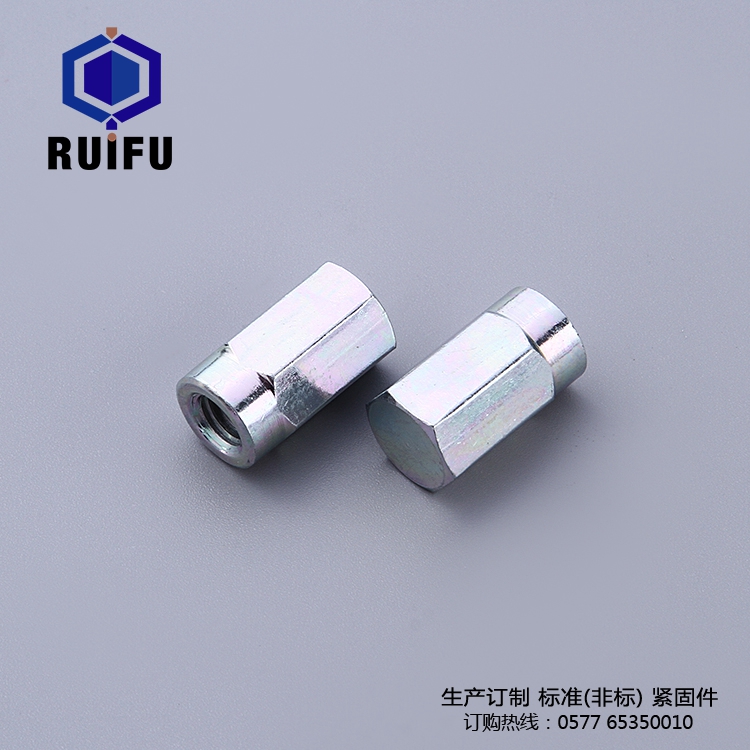

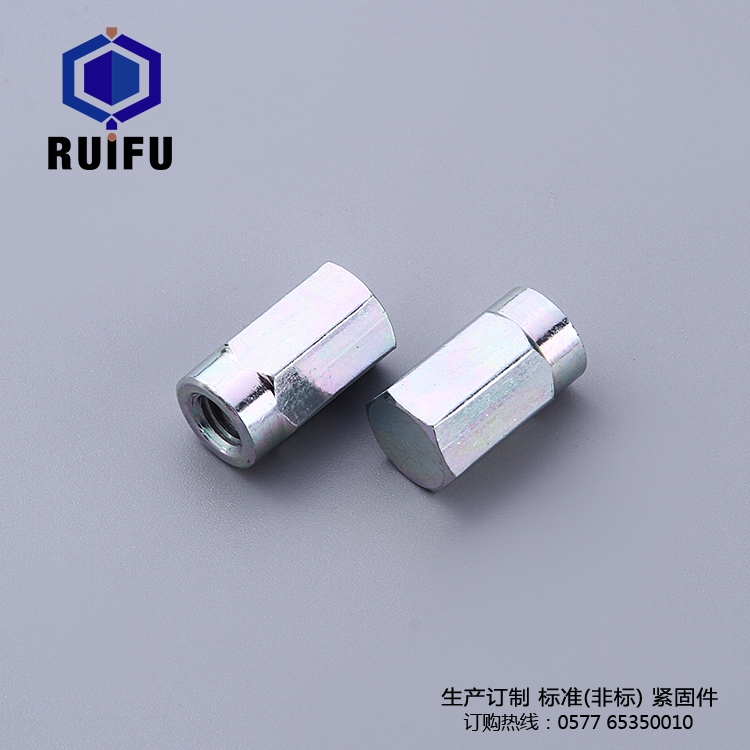
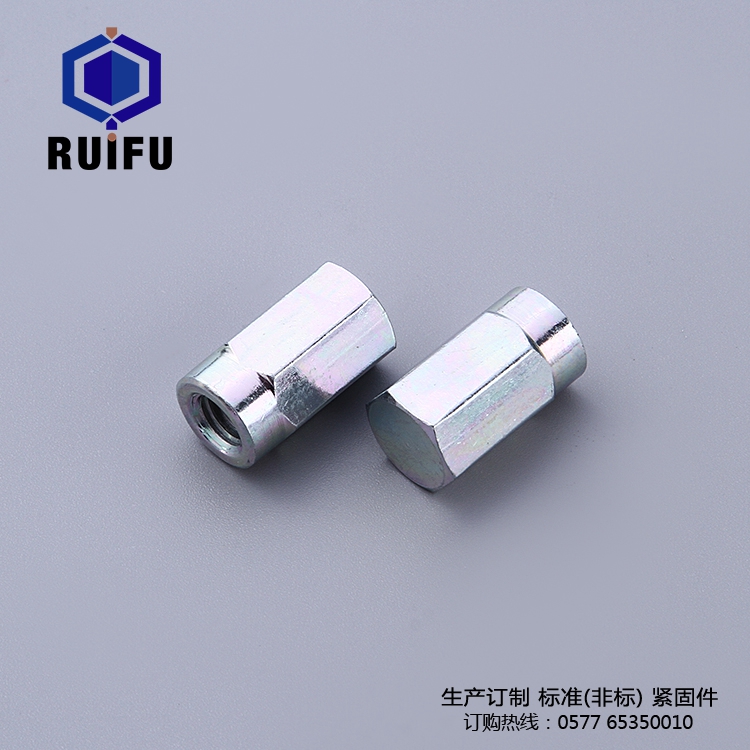
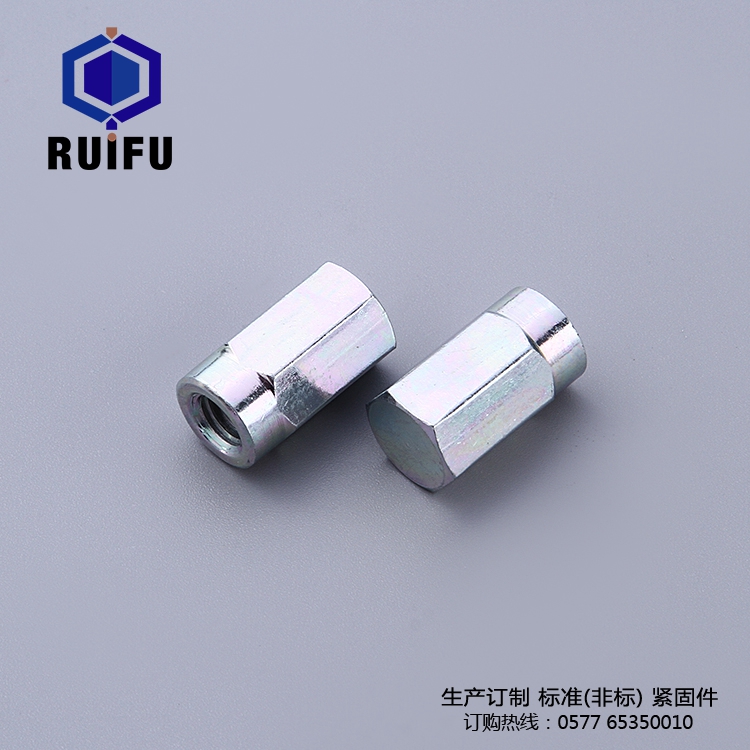







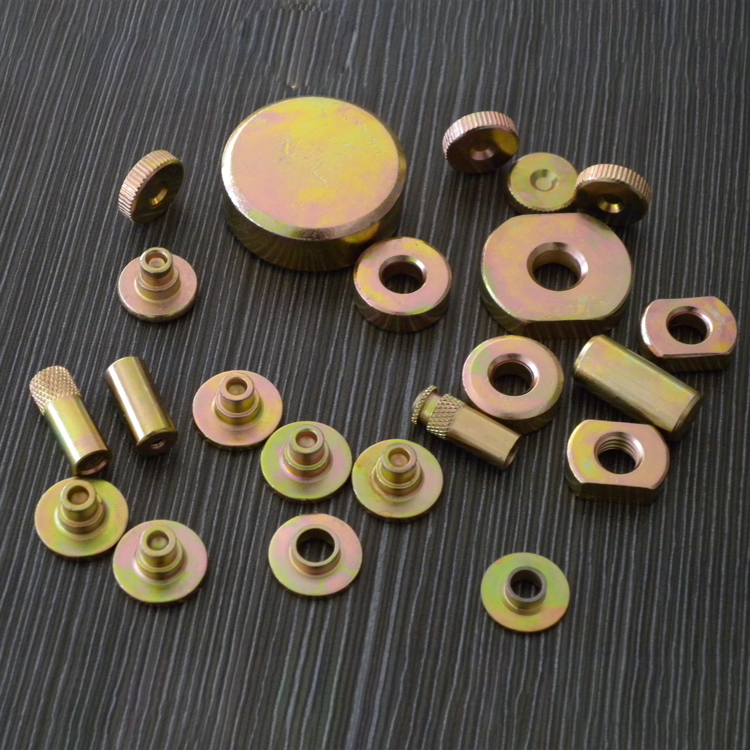
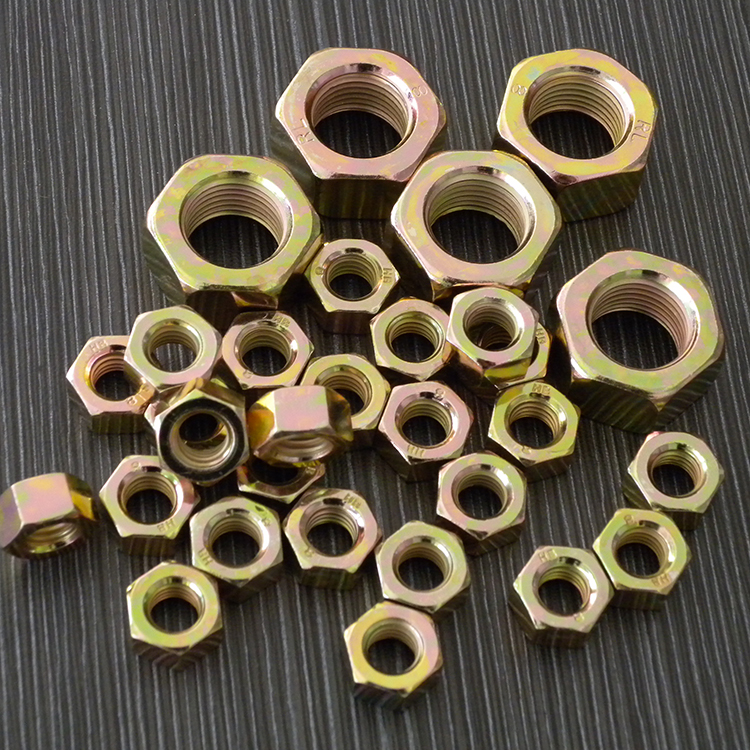
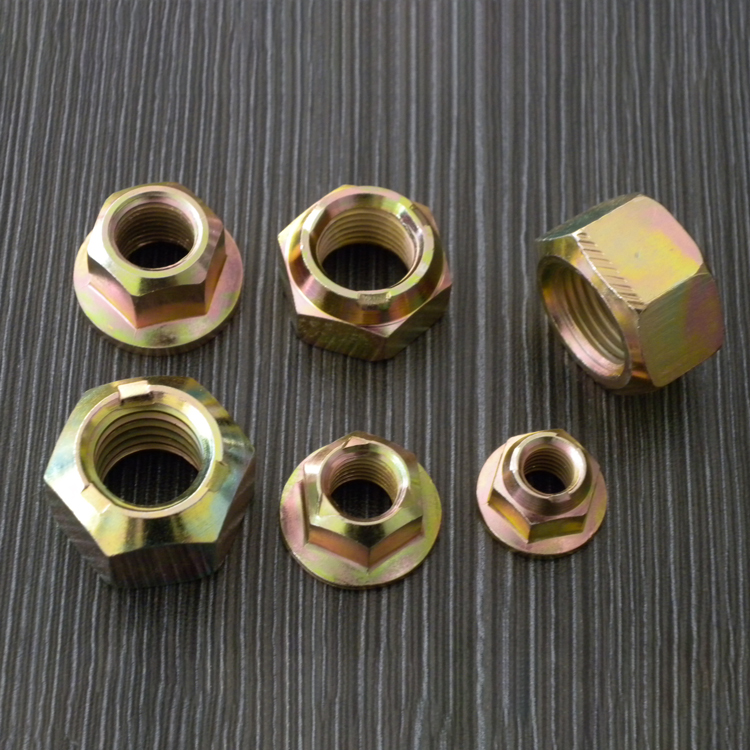
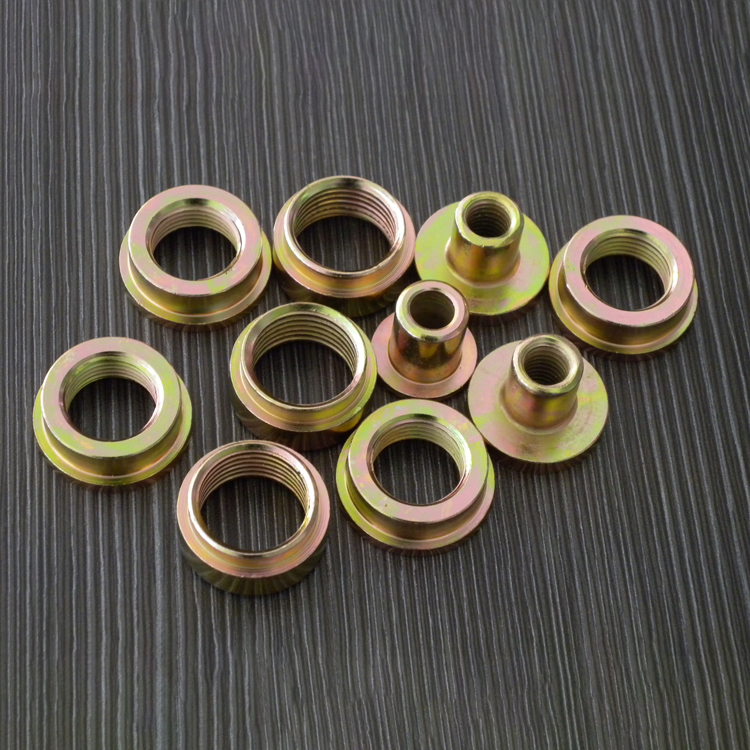
High dipping temperature can reduce the mechanical strength of high-strength cap nuts. After hot-dip galvanizing, the strength of some threads of 8.8-grade bolts is below the standard requirements; for bolts above 9.8 grade, the strength after hot-dip galvanizing generally cannot meet the requirements.
The cap nut operates in a poor working environment with severe contamination. The process of hot-dip galvanizing for fasteners is conducted at high temperatures, where the solvent drying and immersion of the parts to be galvanized in the zinc bath releases a highly irritating H2S gas; the zinc bath remains at high temperatures for extended periods, leading to the formation of zinc vapor on its surface, creating a harsh atmosphere throughout the working environment.
Hot-dip galvanized fasteners, despite various drawbacks, are favored due to their thick coating, good bonding strength, and excellent long-term corrosion resistance. Cover nuts have been highly regarded in the power, communication, and transportation sectors.