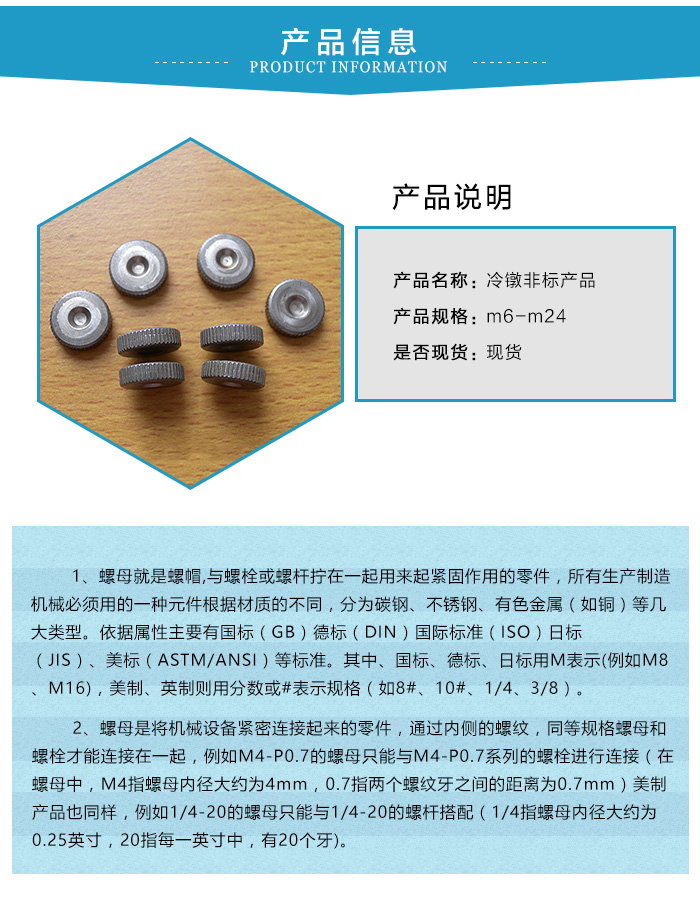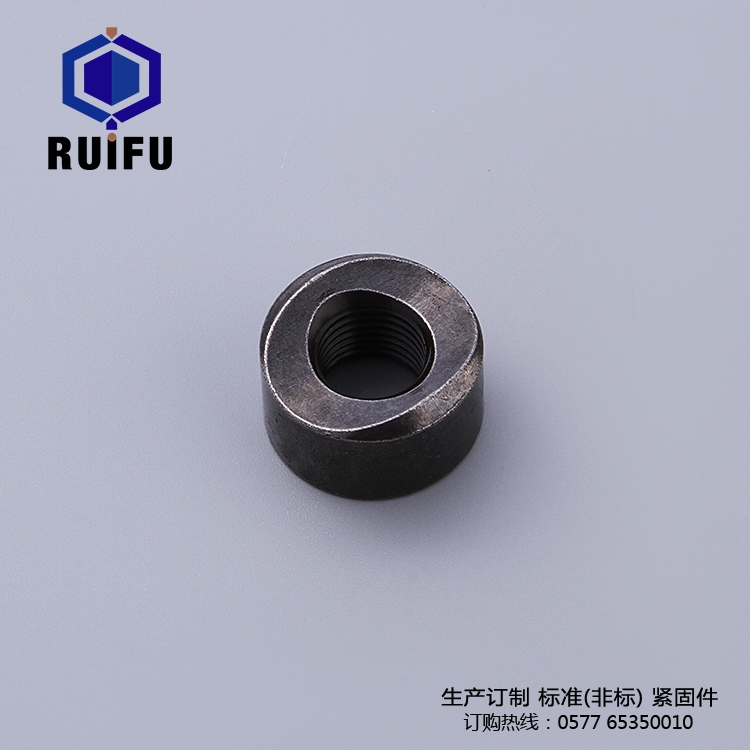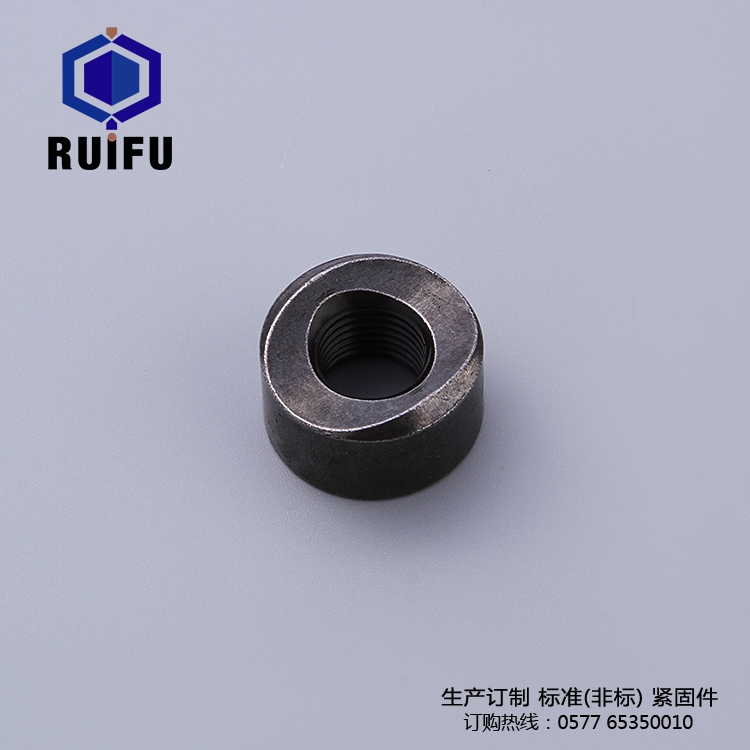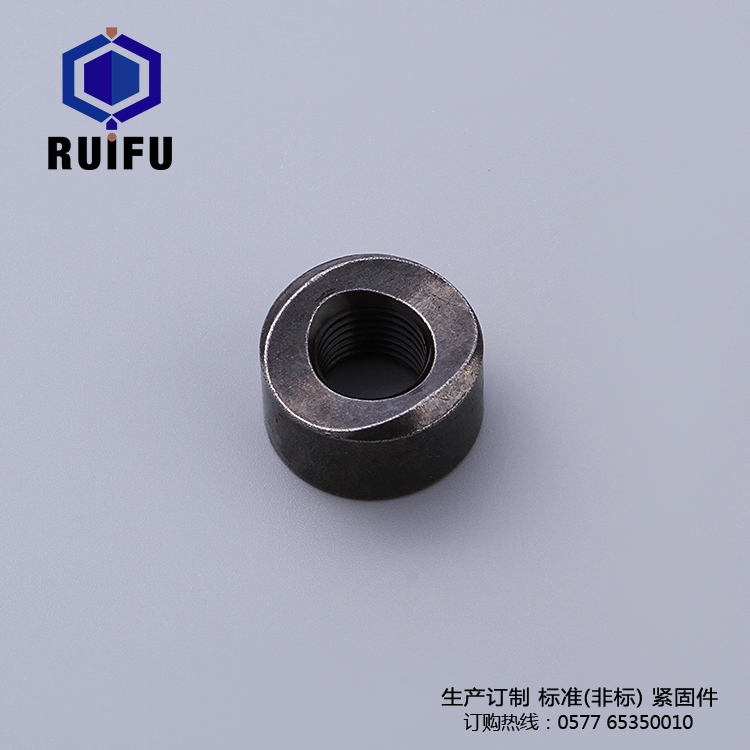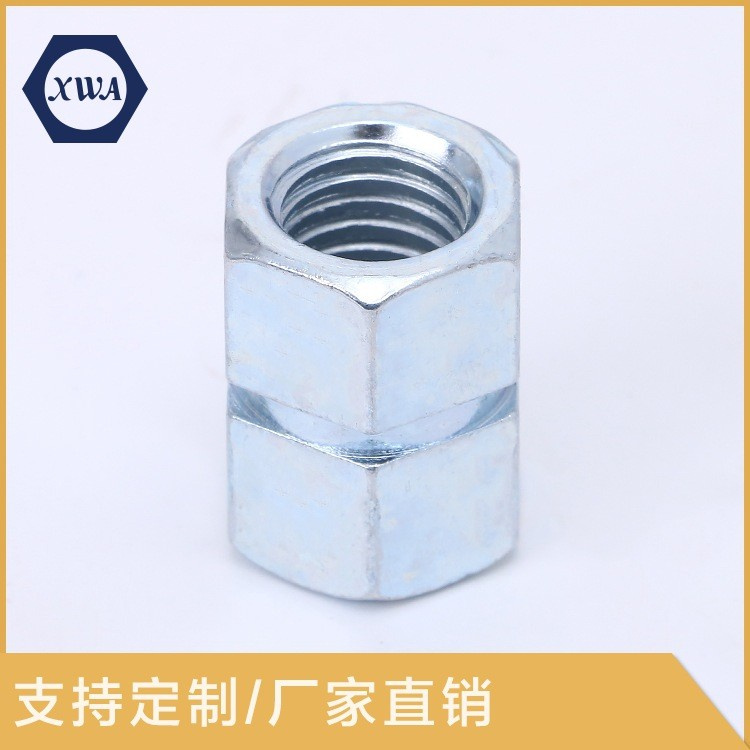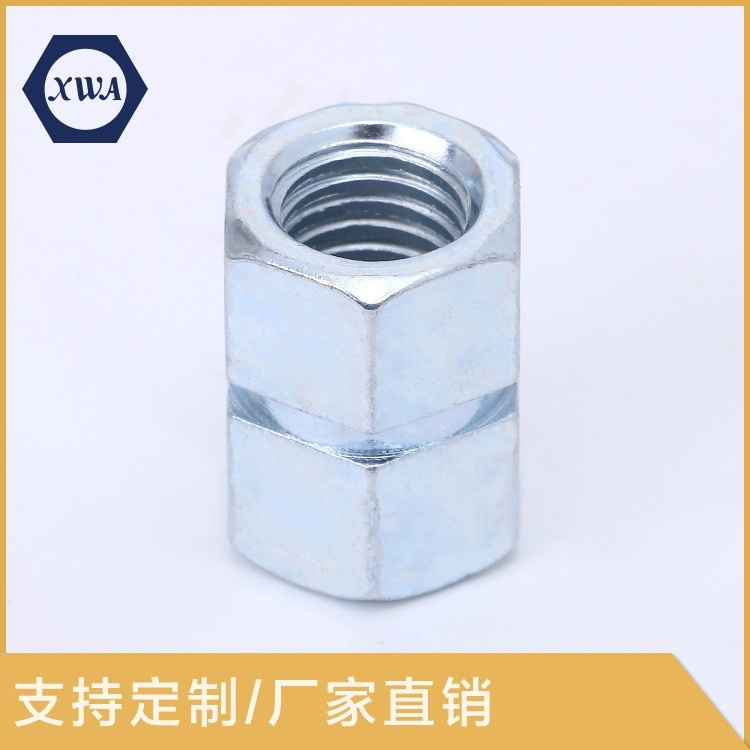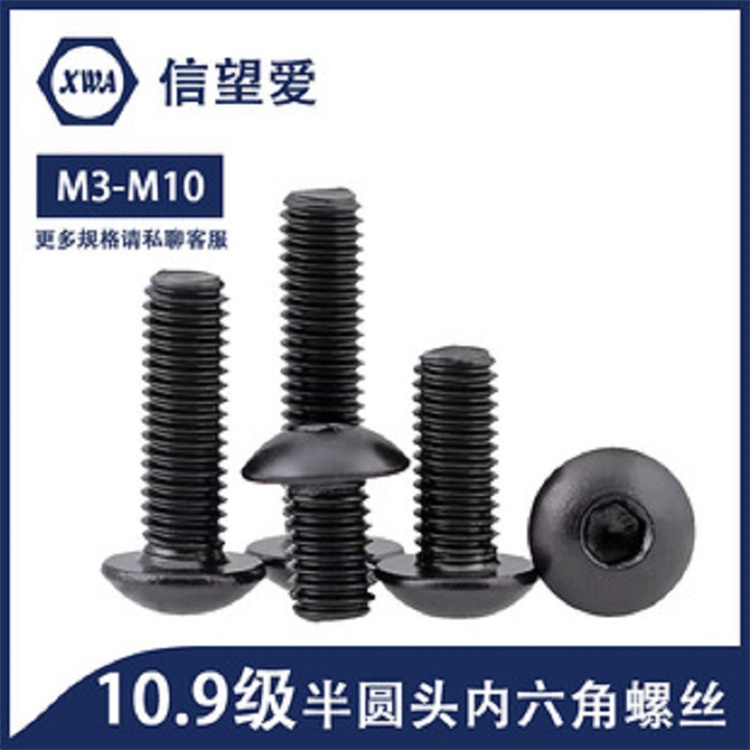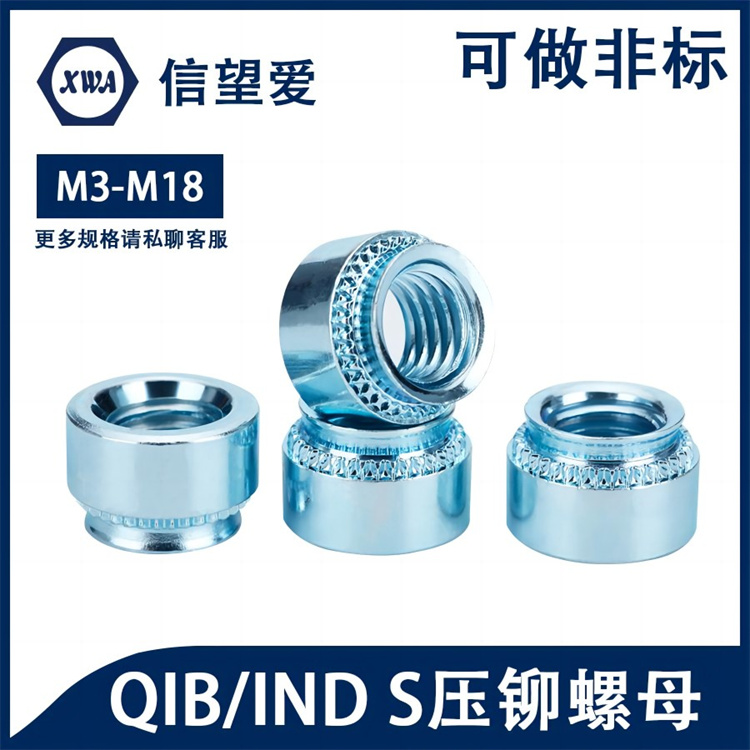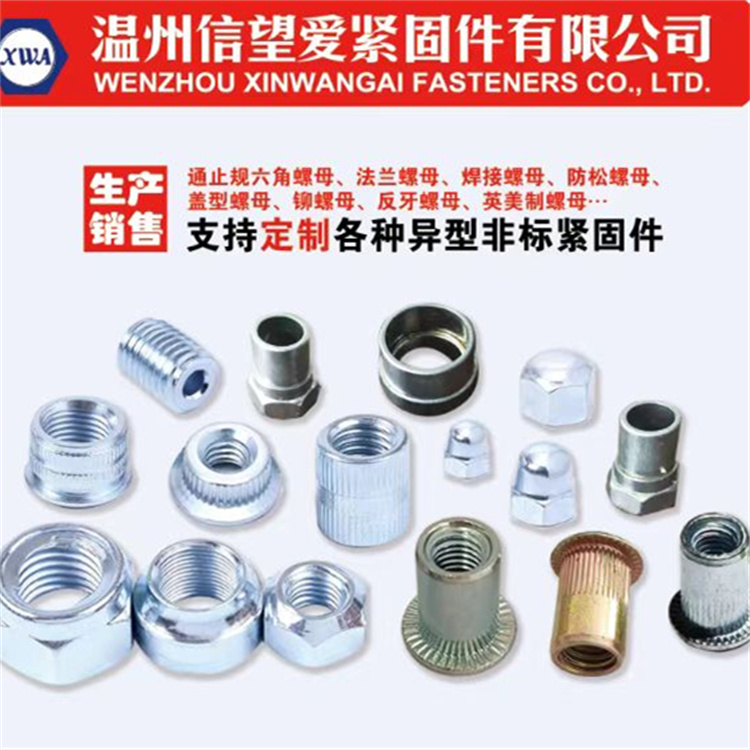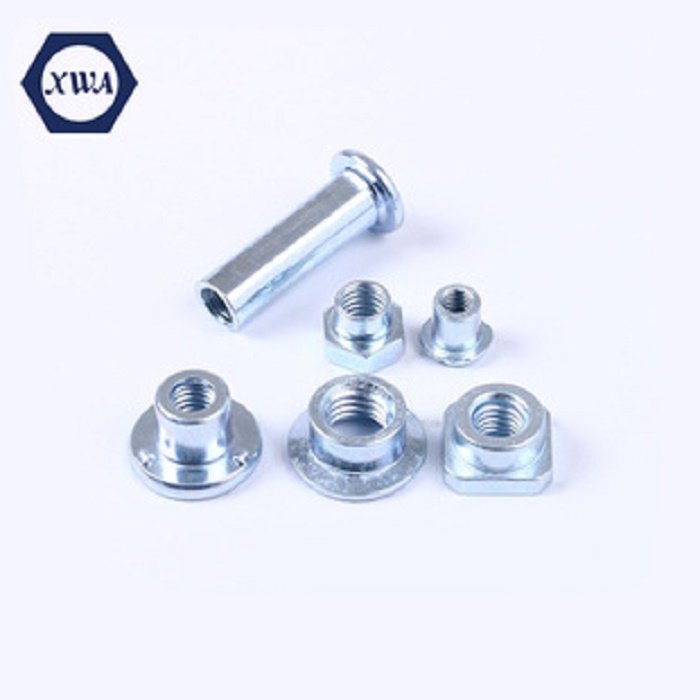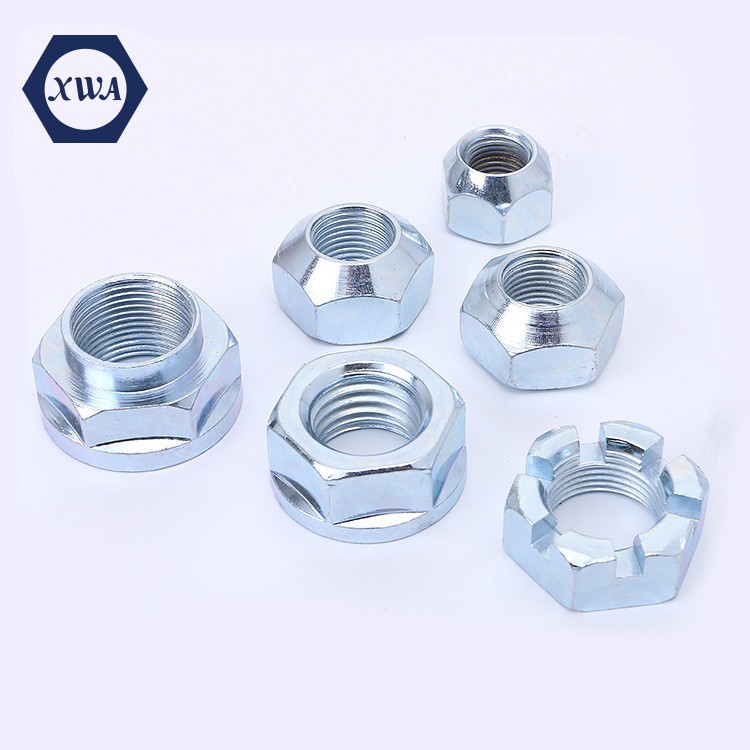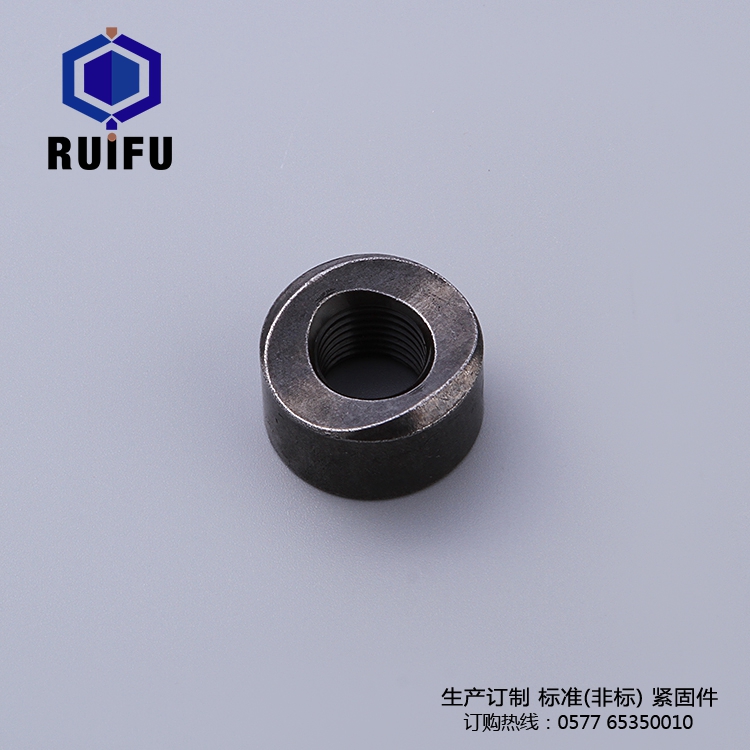


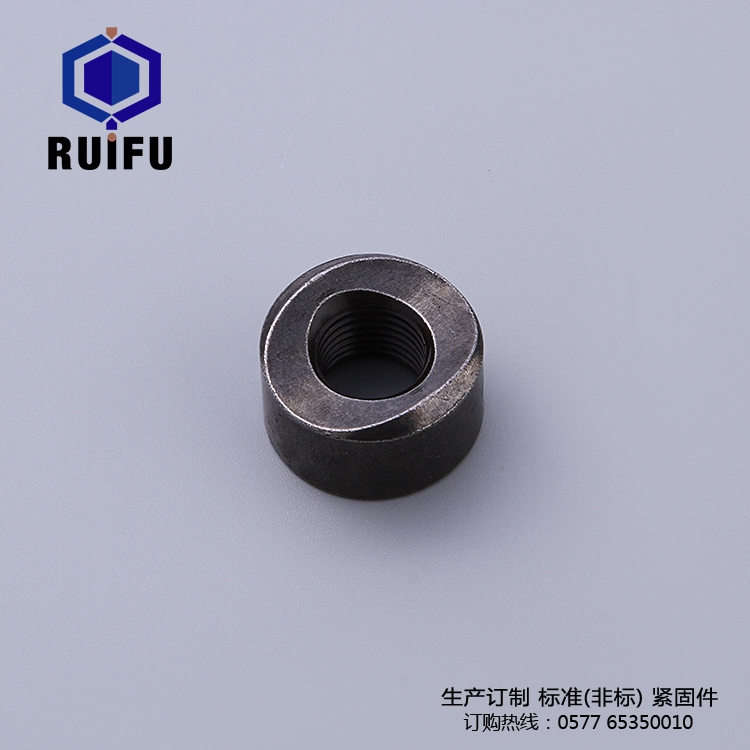







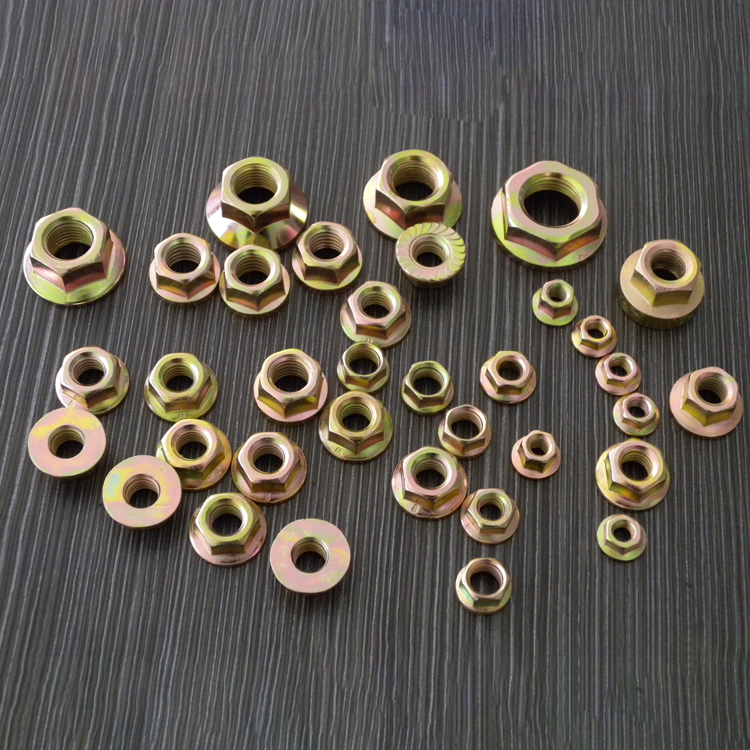
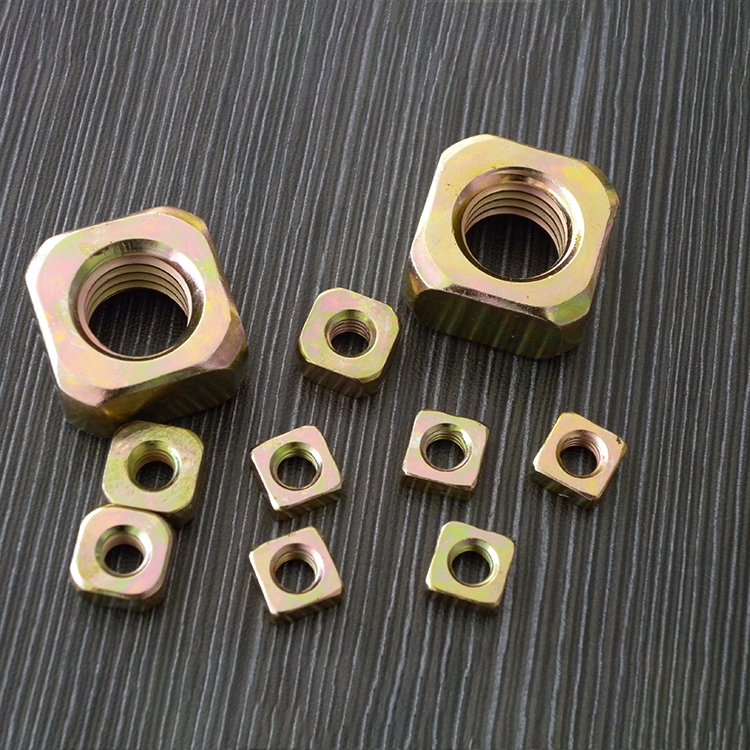
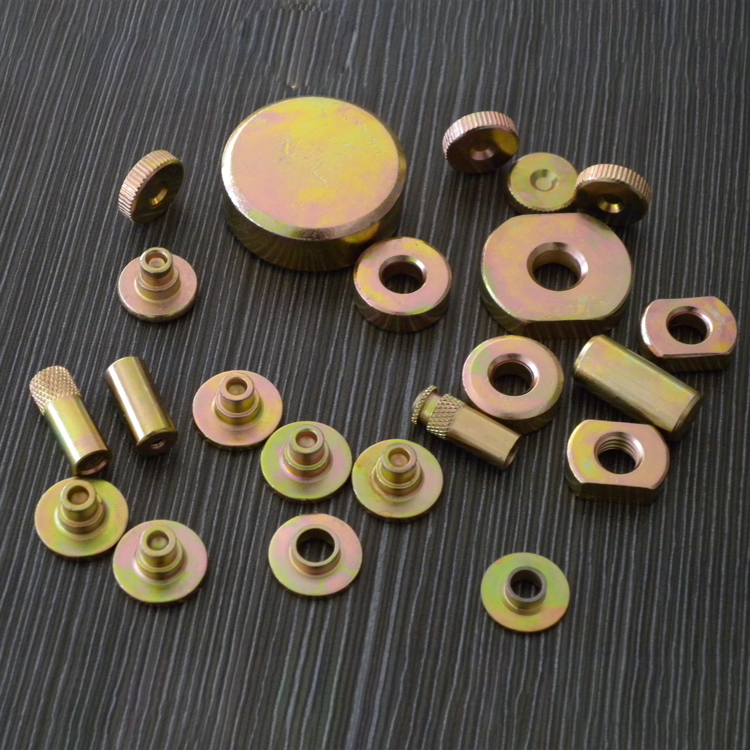
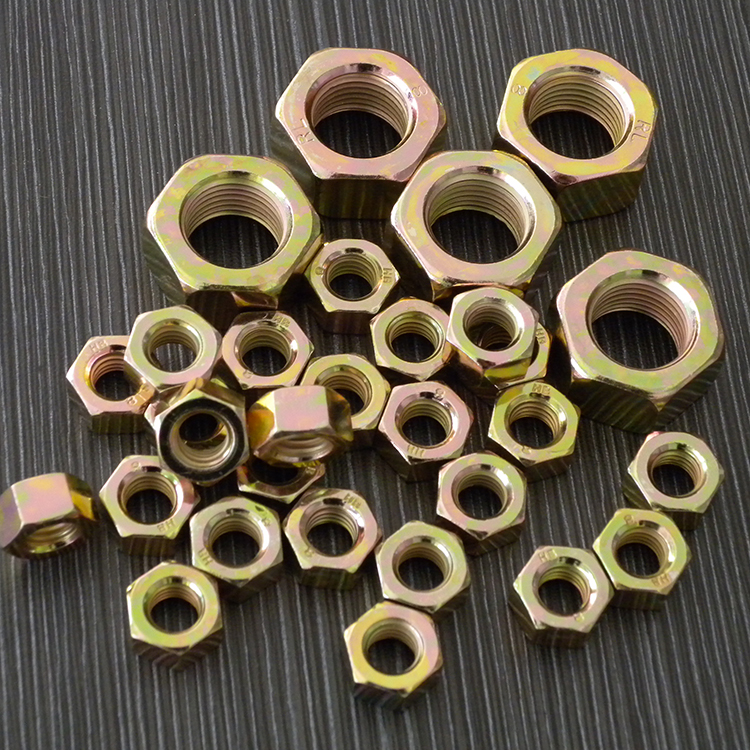
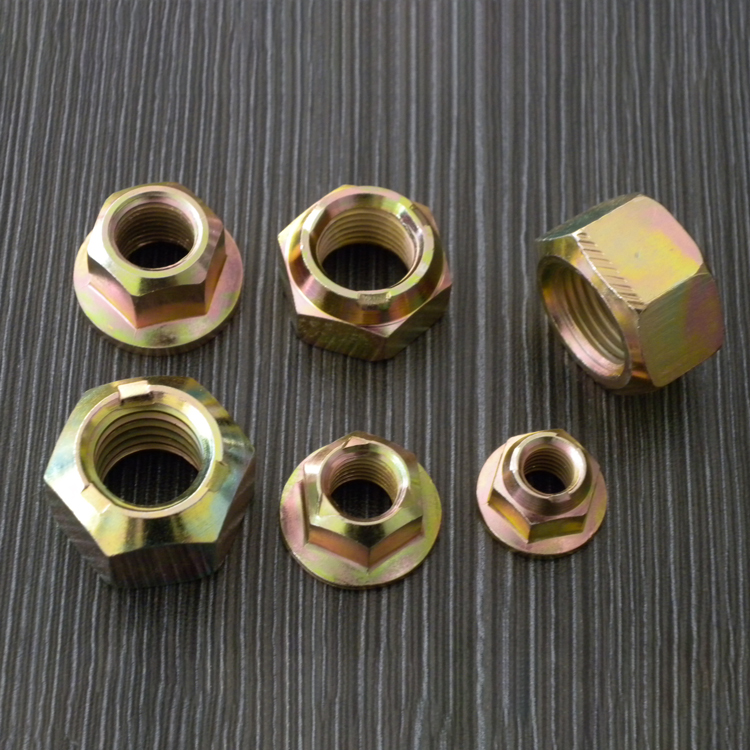
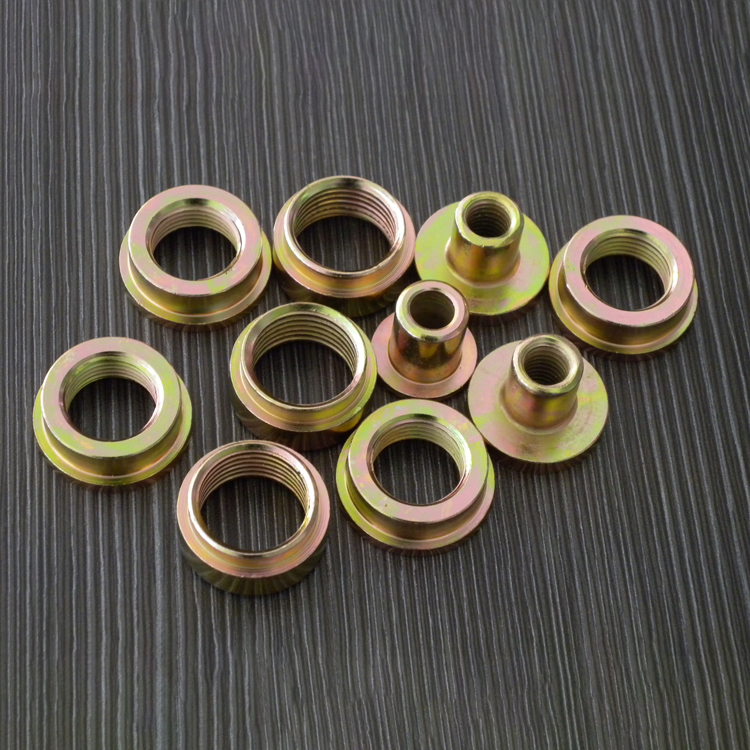
Effective graphics round nuts, also known as nuts, are components that are tightened with bolts or studs to serve as fastening elements, a necessary original part for all manufacturing machinery. There are many types of nuts, including national standards, British standards, American standards, and Japanese standards. Nuts are categorized into several types based on material, such as carbon steel, high-strength, stainless steel, and plastic steel. They are classified into common, non-standard, (old) national standard, new national standard, American, British, and German standards according to product attributes and corresponding national standard numbers. Different sizes and thread pitches result in various specifications. Generally, national and German standards use M to denote size (e.g., M8, M16), while American and British standards use fractions or # to indicate specifications (e.g., 8#, 10#, 1/4, 3/8).
Do I still need to add a flat washer and a spring washer for the hex nut?
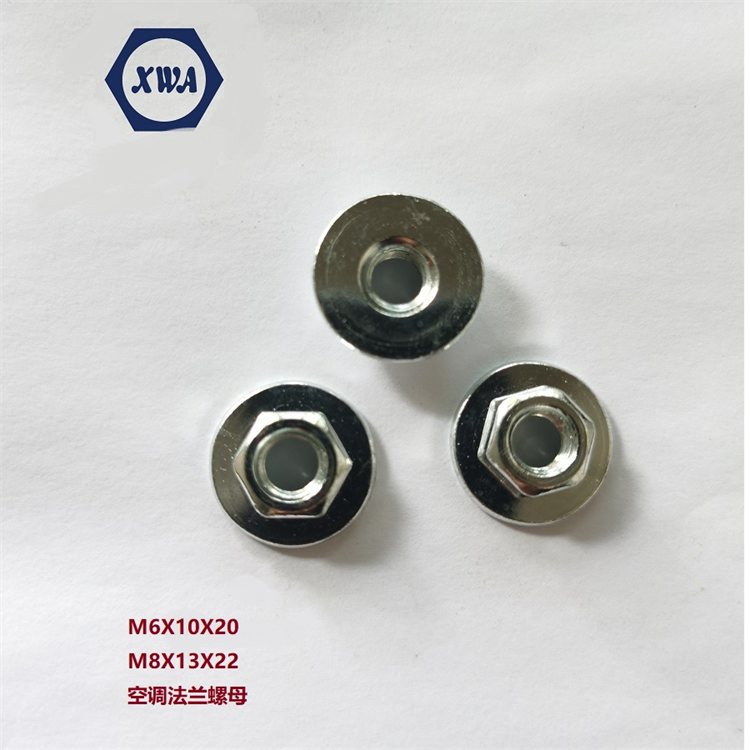
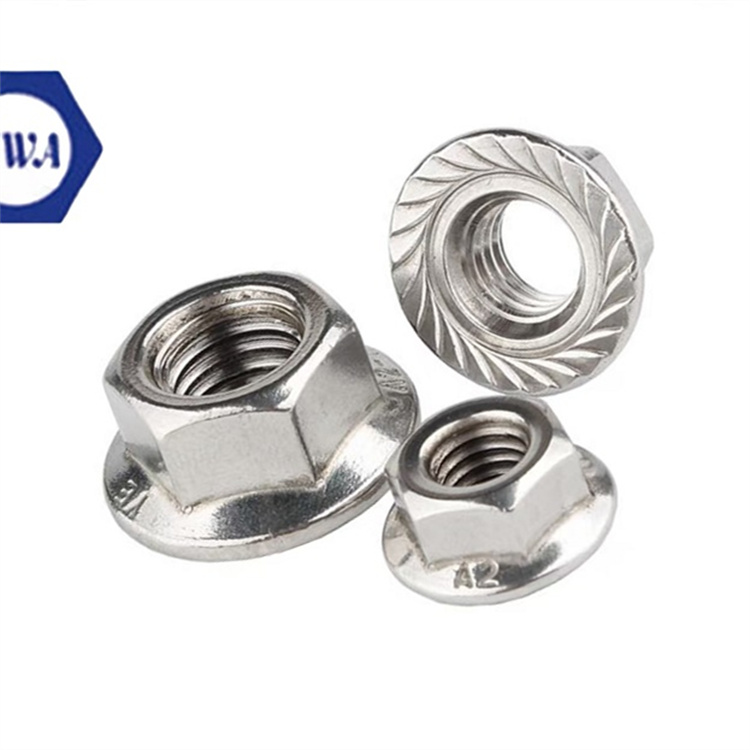
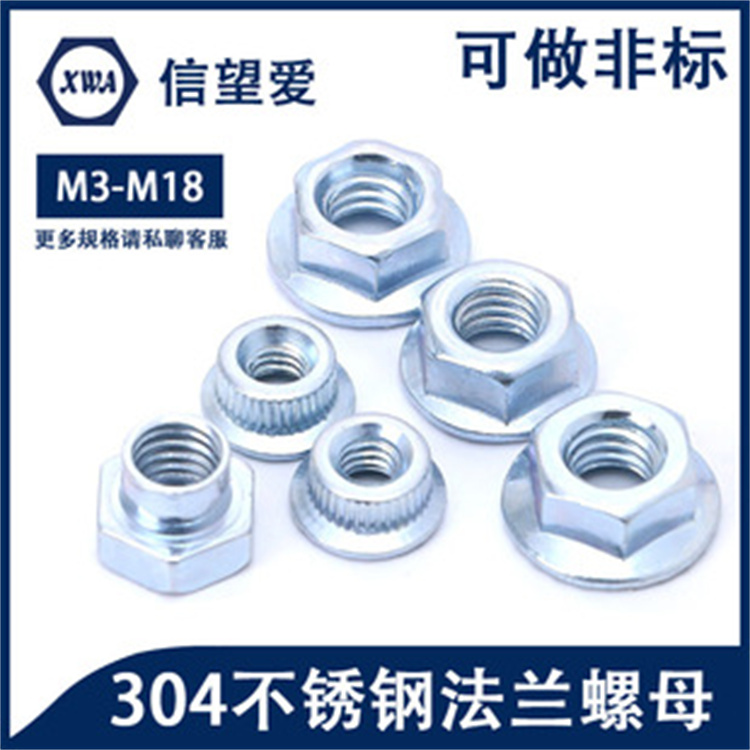
The face of the flange nut inherently provides the anti-slip and locking function of a flat washer and a spring washer, so there is no need to add them during assembly. Adding them would actually work against the intended purpose. The flange nut features grooves on its face, which not only increase the contact area but also prevent loosening, making it commonly used in rotational mechanisms.