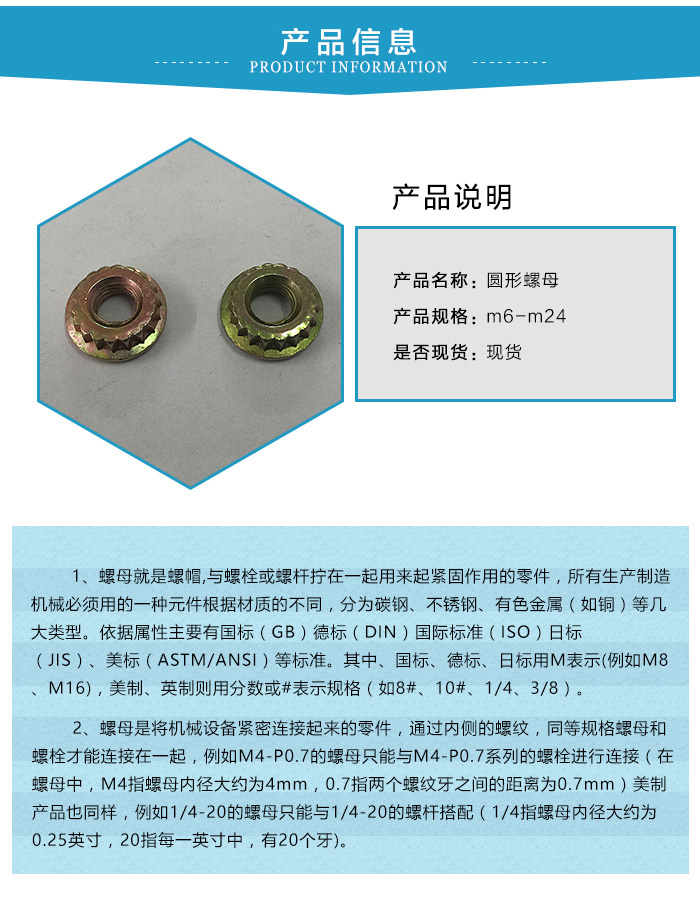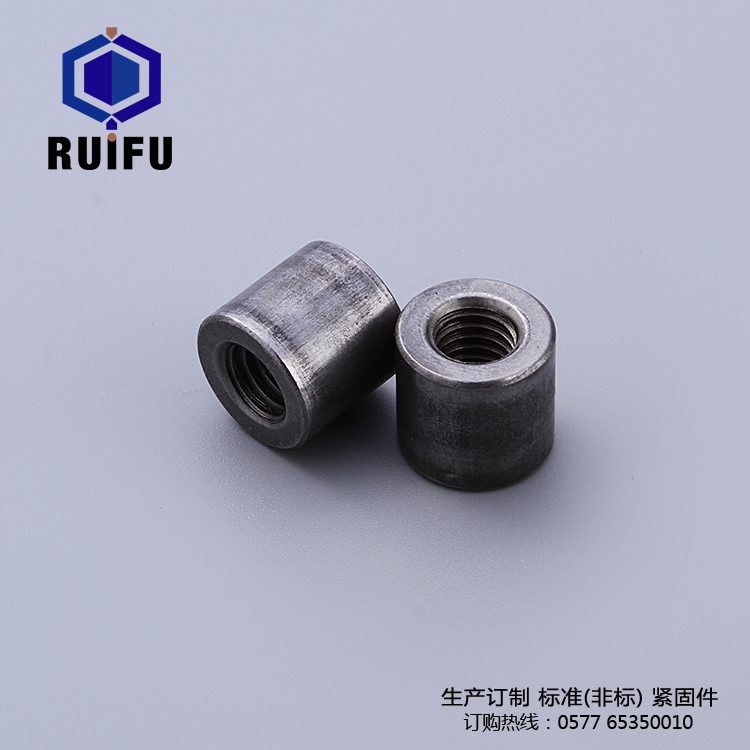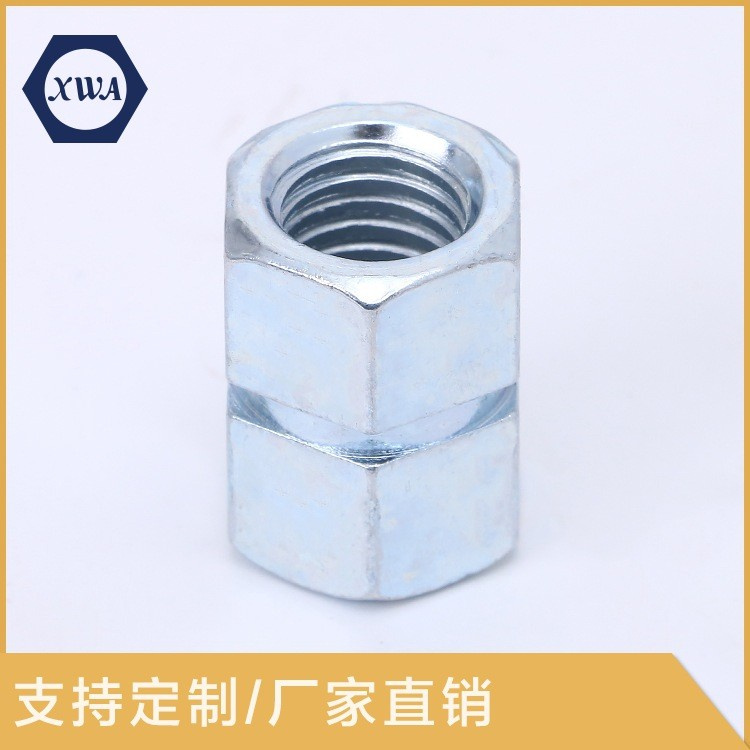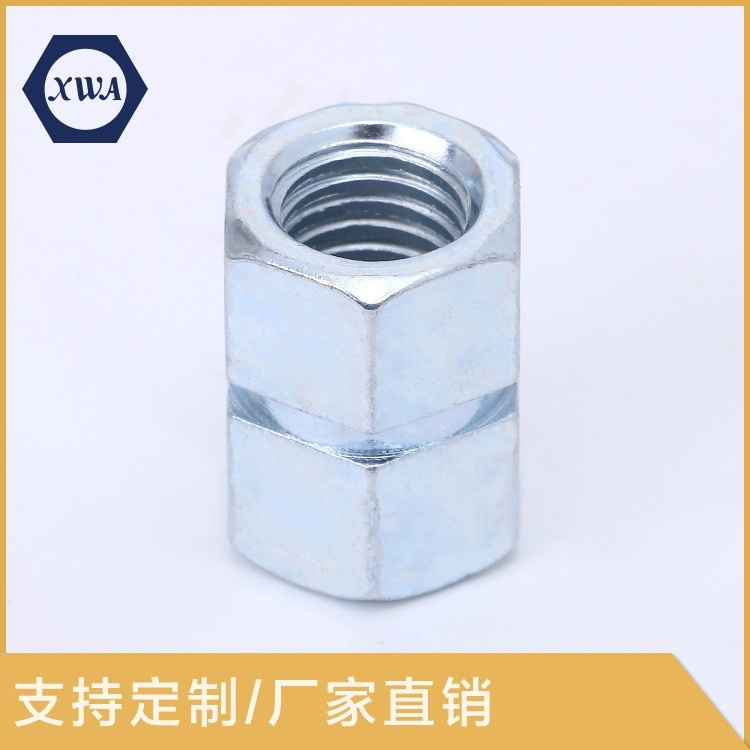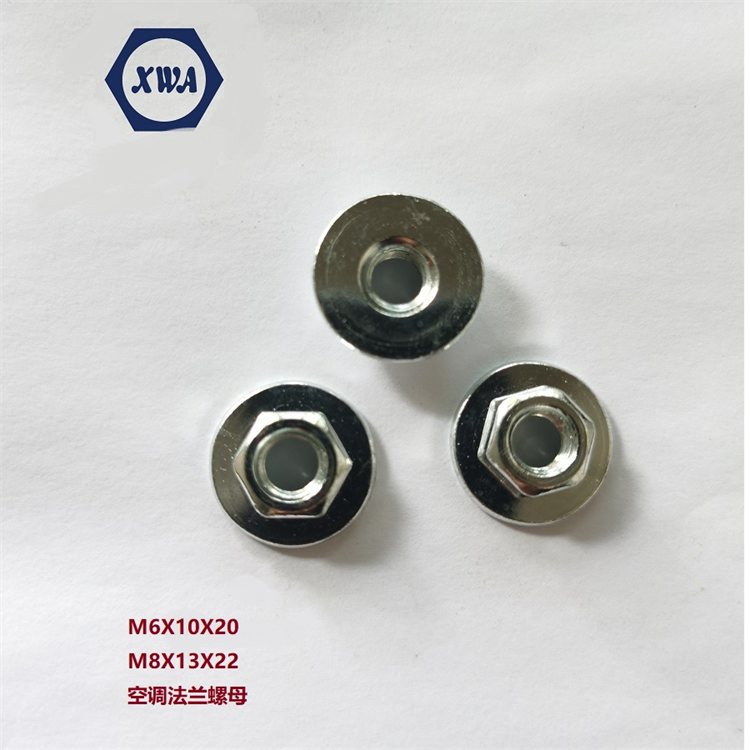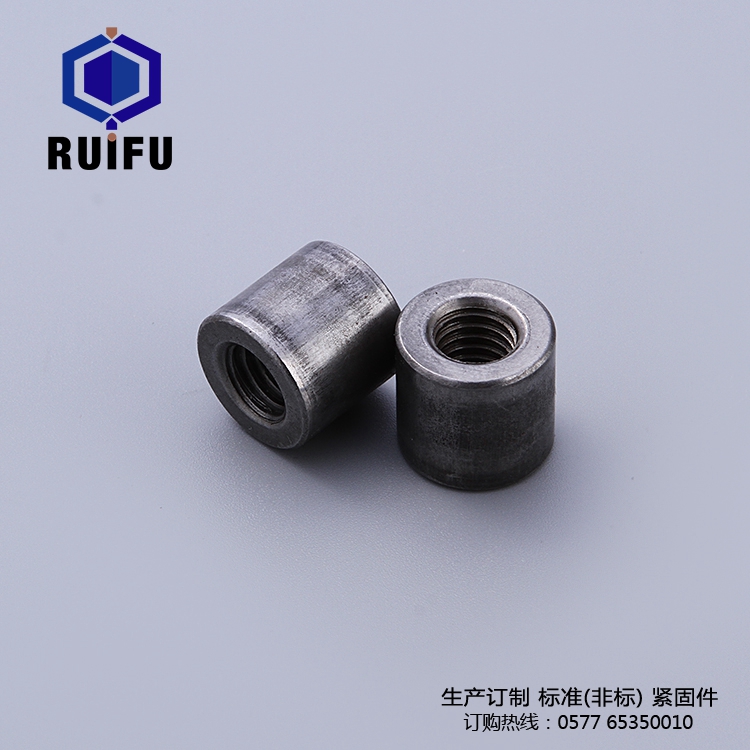


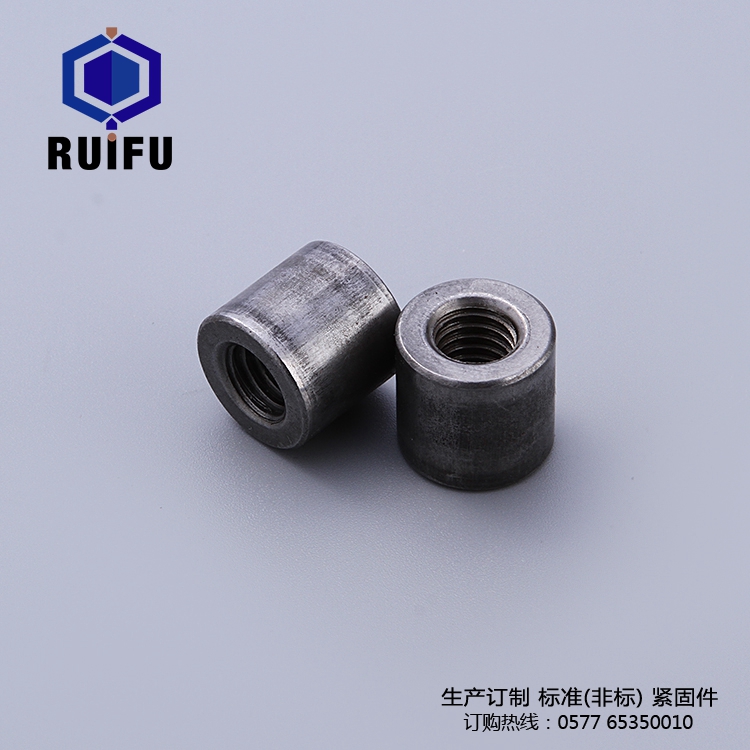
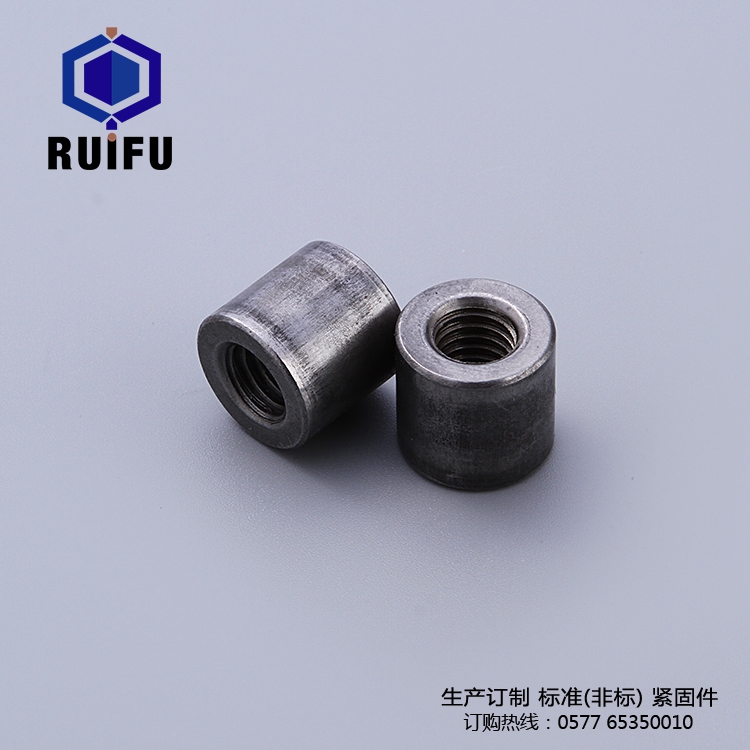







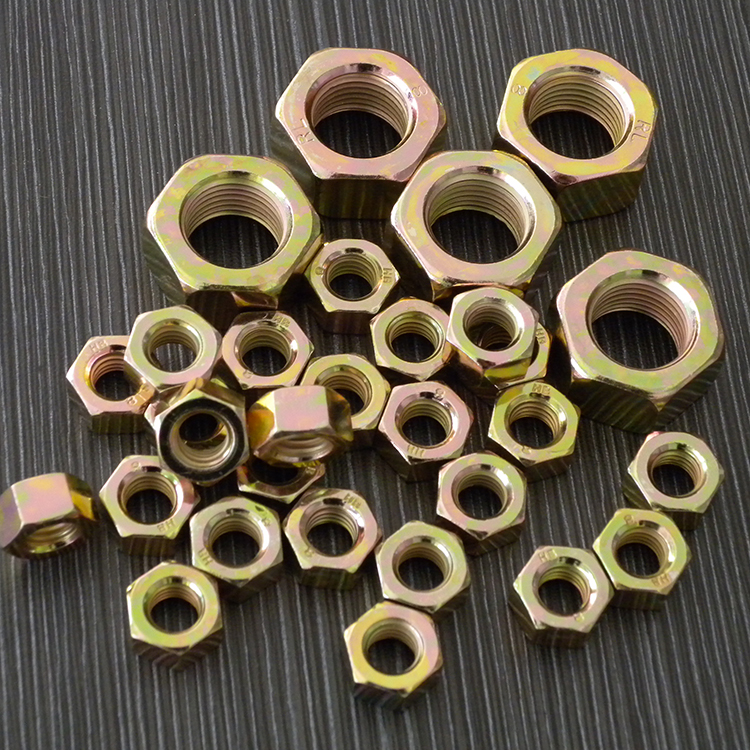
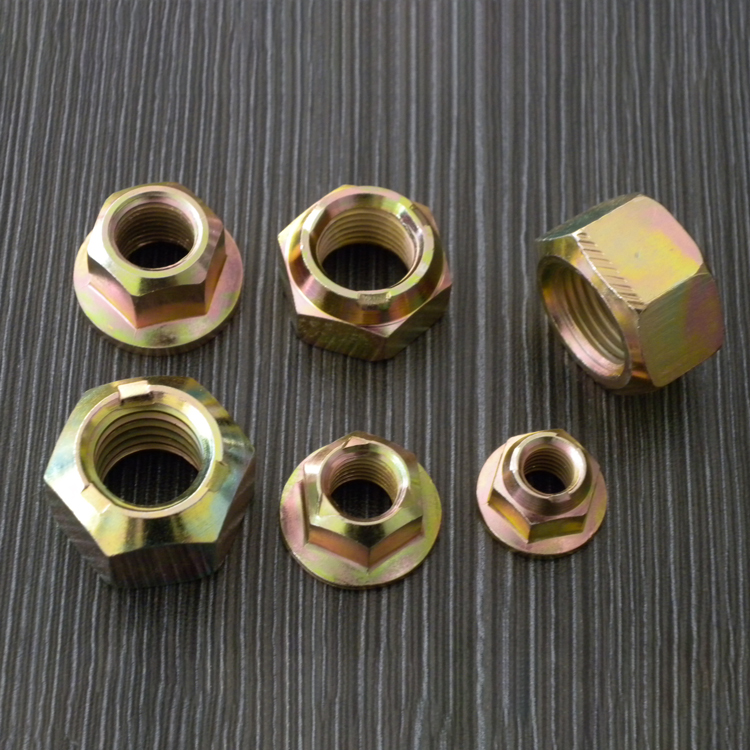
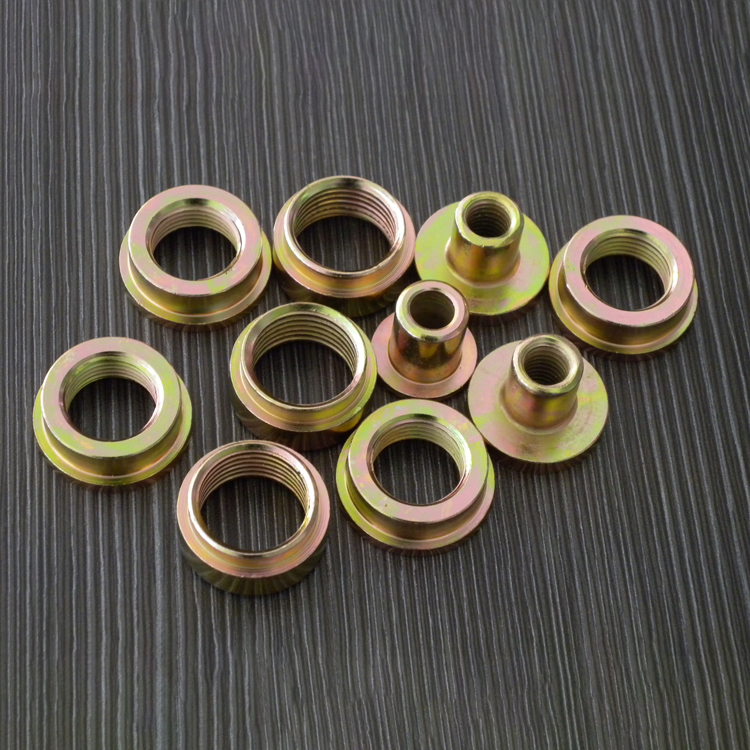
Round Nut Materials: Plain, blackened, and galvanized nuts are typically made of carbon steel, with performance grades usually marked on them. Stainless steel nuts are generally A2-70. To distinguish between carbon steel and stainless steel nuts, simply use a magnet; stainless steel ones won't be attracted. Stainless steel products usually have a bright silver color. 1. Hexagonal Nuts: Fixed on stationary workpieces; Round Nuts: Used to lock shafts on moving workpieces. Fixed workpieces use hexagonal nuts, and locked workpieces use round nuts. 2. Round nuts are mainly used for shaft end locking, often used with a lockwire, typically with a fine thread. The term "nut" is quite broad, generally including regular hexagon head nuts and butterfly nuts.
The round nut is often paired with a locking washer. During assembly, insert the tongue of the washer into the slot of the shaft, and then fit the outer tongue of the washer into the slot of the round nut, which secures the nut. It is commonly used for axially fixing rolling bearings.