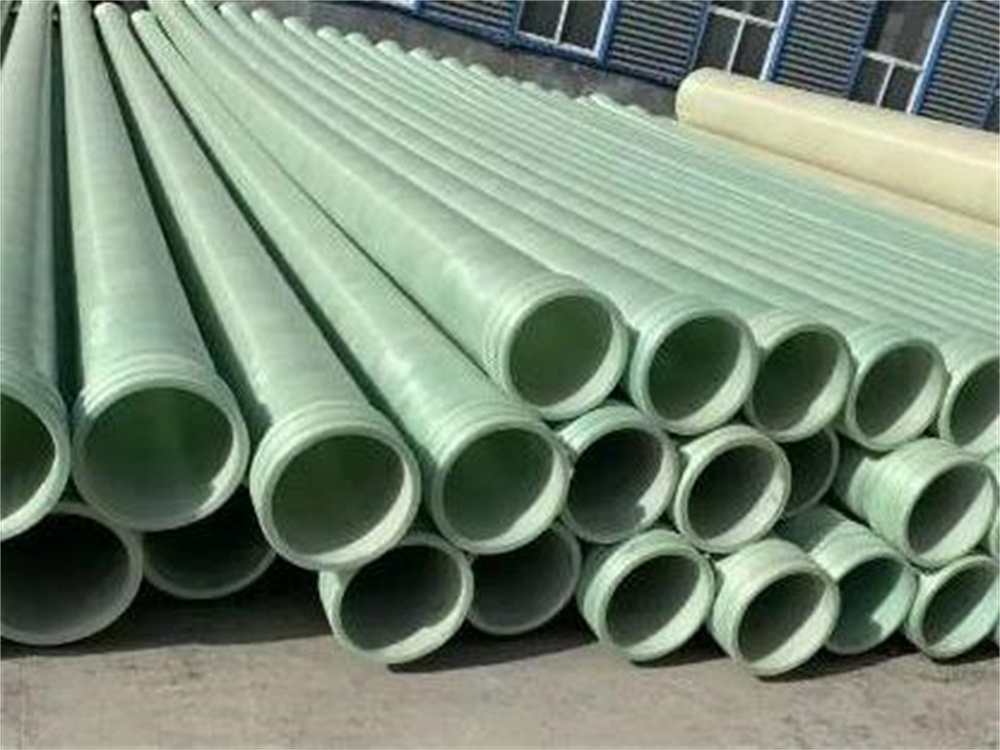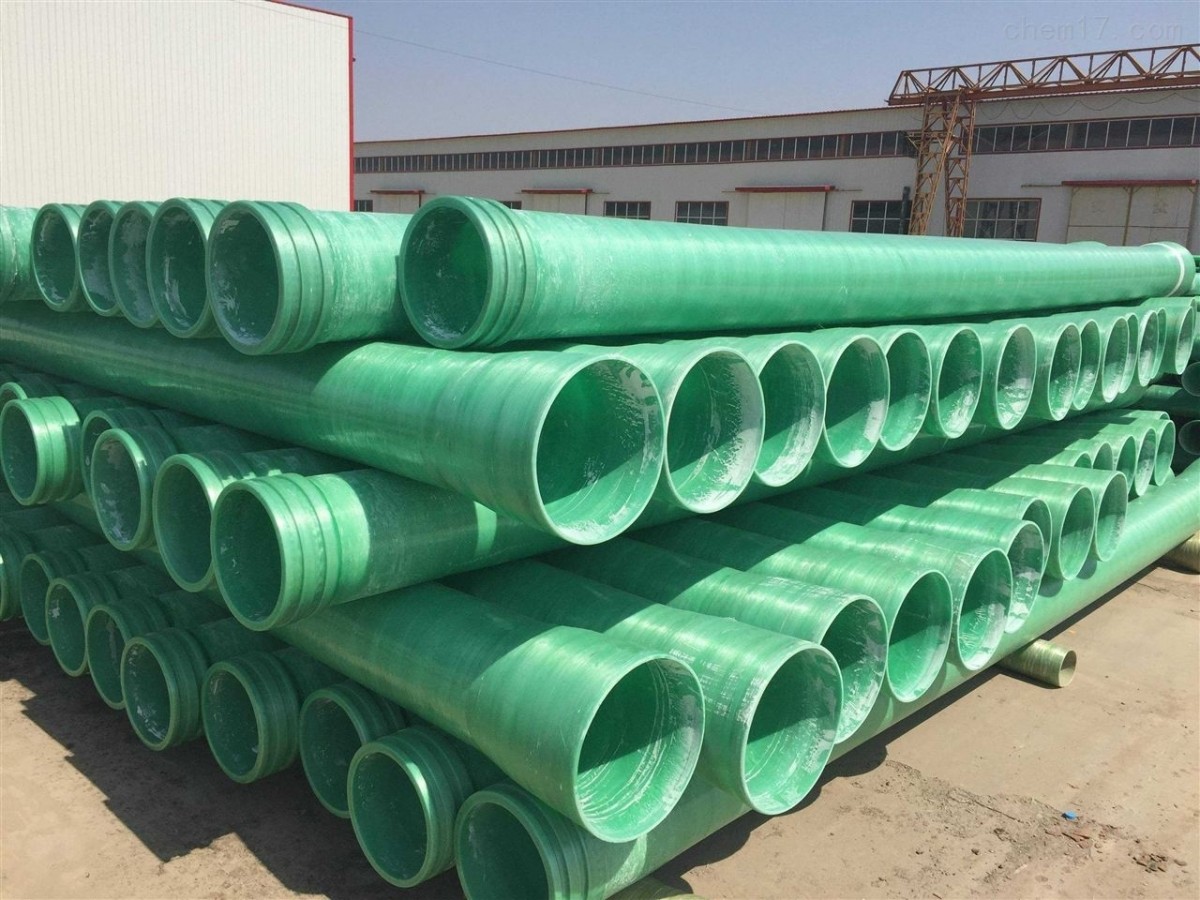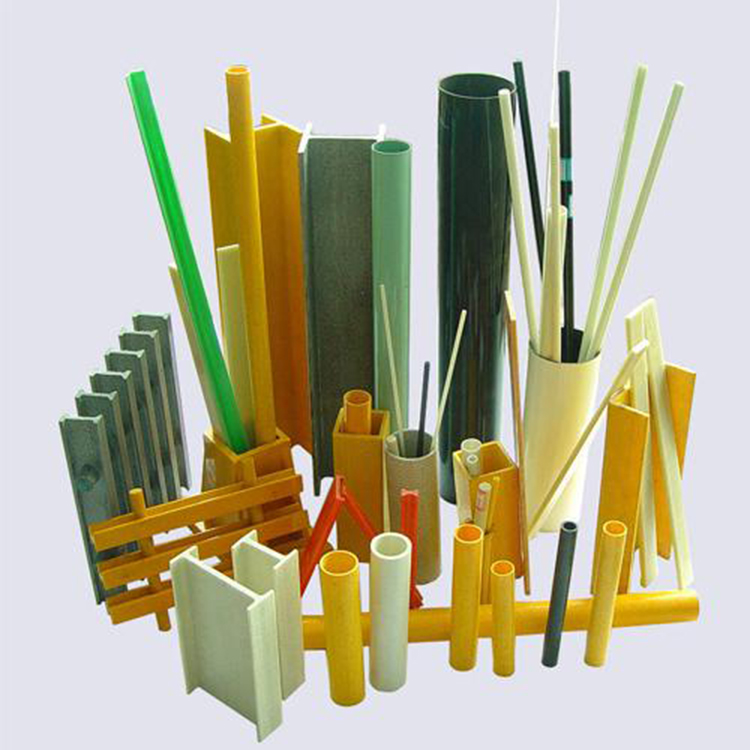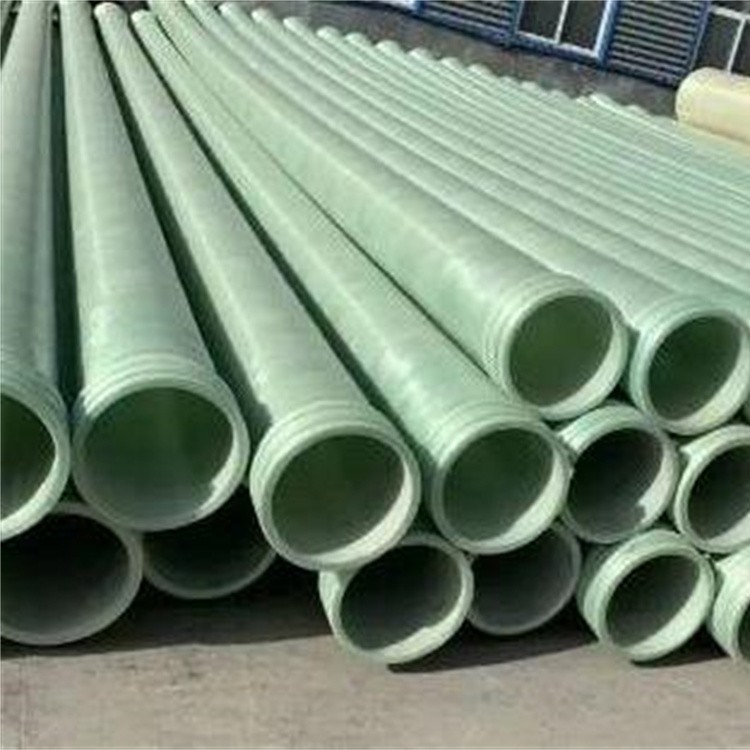
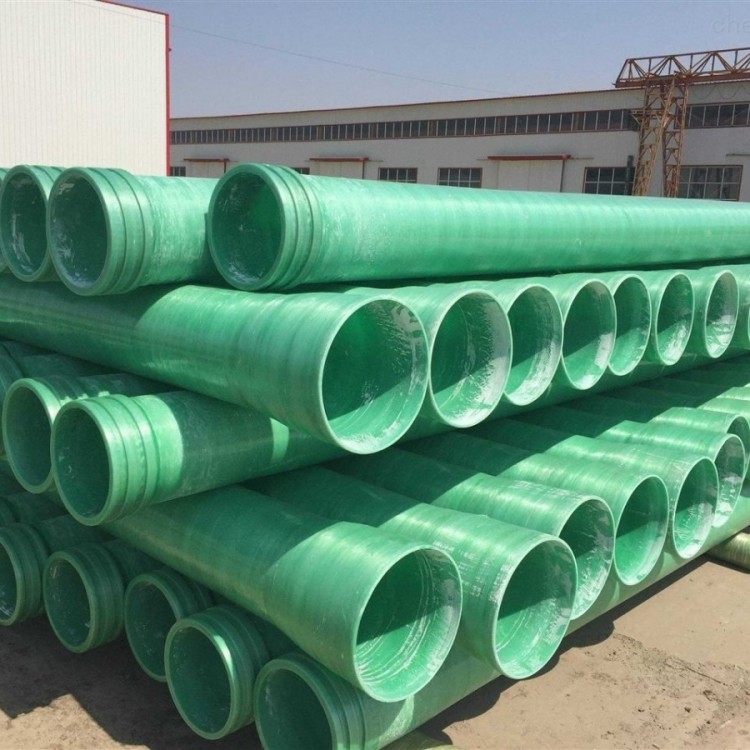
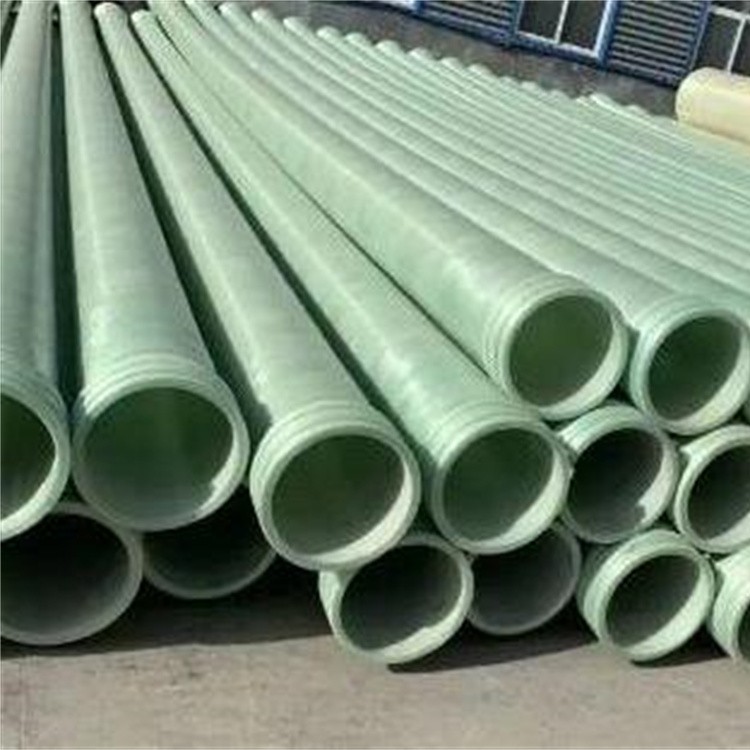







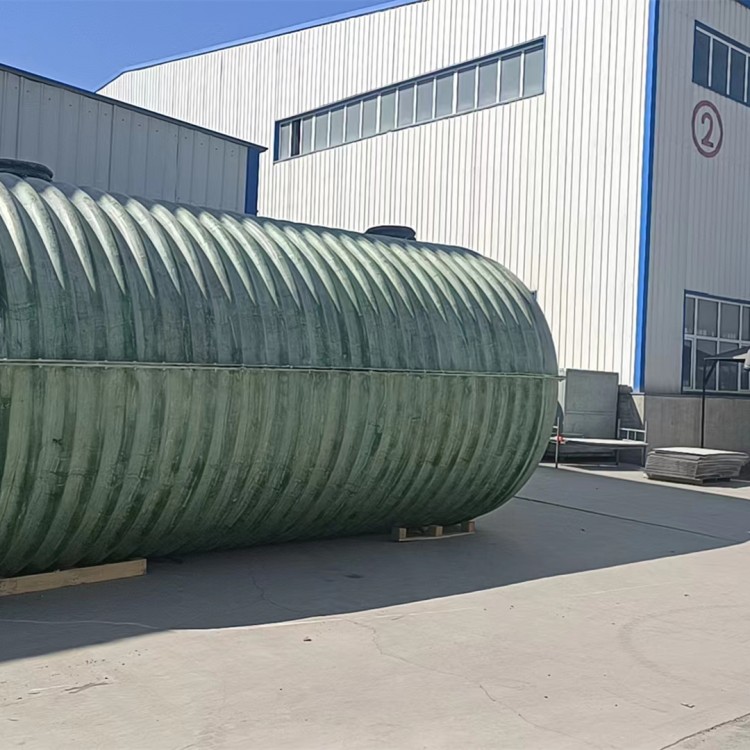
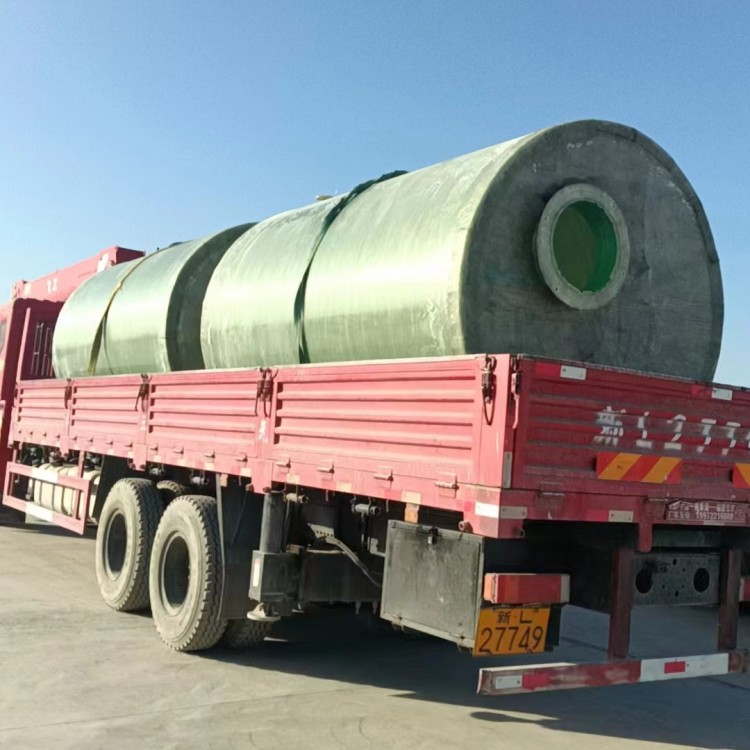
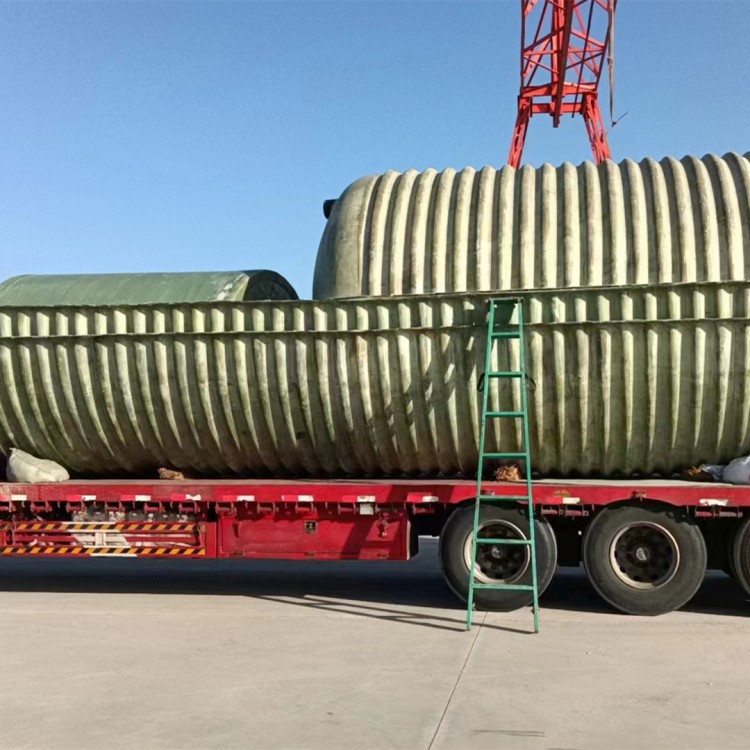

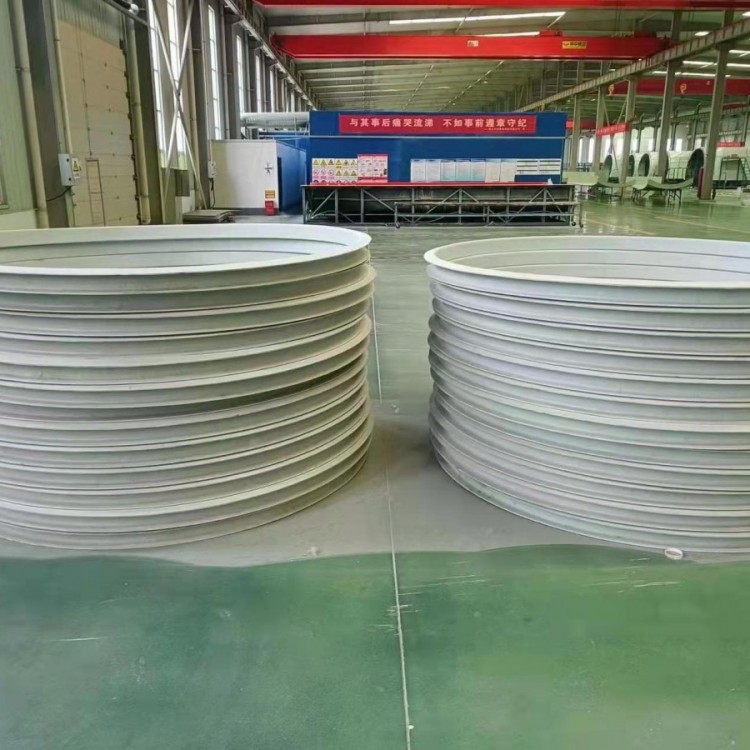
Fiberglass pipes are tubular structures made from glass fiber and resin materials, featuring lightweight, corrosion-resistant, high strength, and good insulation properties. They are widely used in the oil, chemical, power, papermaking, urban drainage, and wastewater treatment industries as pipelines for conveying liquids and gases.
The main components of fiberglass pipes include glass fibers and resins. Glass fibers are inorganic non-metallic materials with heat resistance, wear resistance, and tensile strength, capable of withstanding significant pressure and temperature variations. Resin serves as the matrix material for fiberglass pipes, offering excellent adhesion to securely bond the glass fibers together, forming a tubular structure.
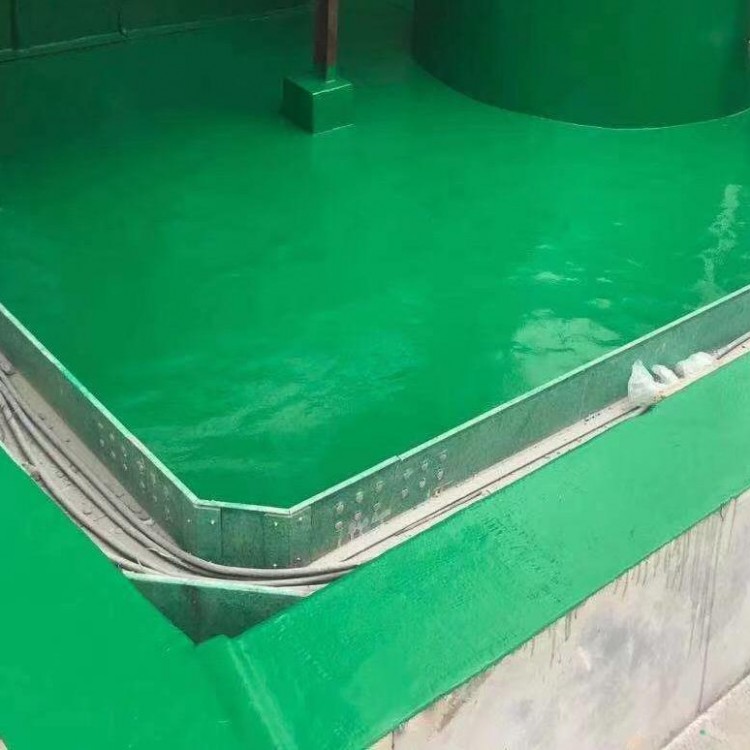
The production process of fiberglass pipes mainly includes the following steps: First, mix the glass fibers in a certain proportion and soak them in resin; then, extrude the mixed glass fibers and resin through an extruder to form tubes; next, cut, trim, and inspect the extruded tube structures; and coat the qualified fiberglass pipes to enhance their corrosion and wear resistance.
The advantages of fiberglass pipes mainly include: 1. Lightweight: Fiberglass pipes have a low density and are easy to handle and install; 2. Corrosion-resistant: They exhibit excellent resistance to acids, alkalis, and salt mist, ensuring a long service life; 3. High strength: They have high tensile and compressive strength, capable of withstanding significant pressure; 4. Good insulation properties: Suitable for transmitting electrical signals and other special mediums; 5. Smooth inner surface: The inner surface is smooth with low friction resistance, ensuring high transport efficiency; 6. Easy installation: Available for installation via various methods such as flange and threaded connections.