








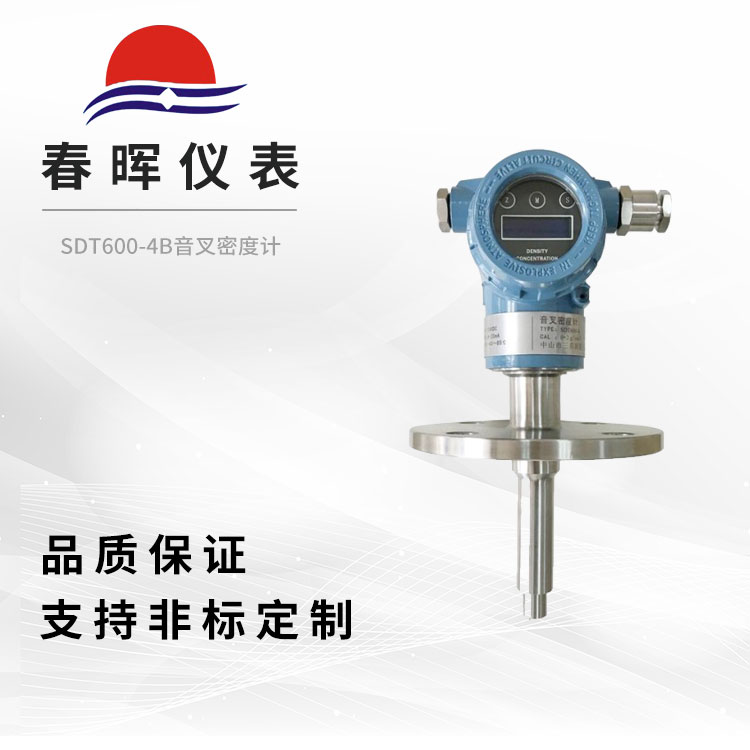
1.1 About the Product
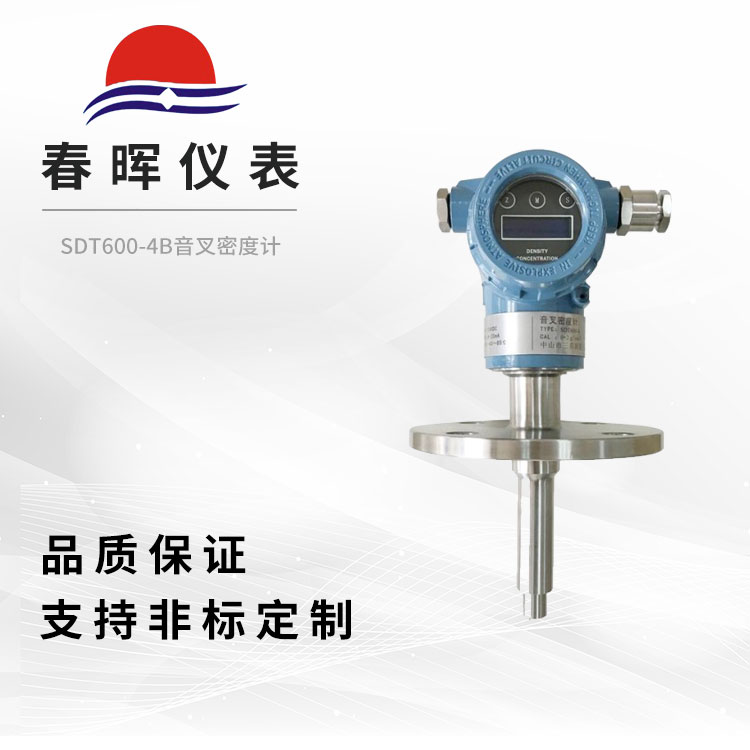
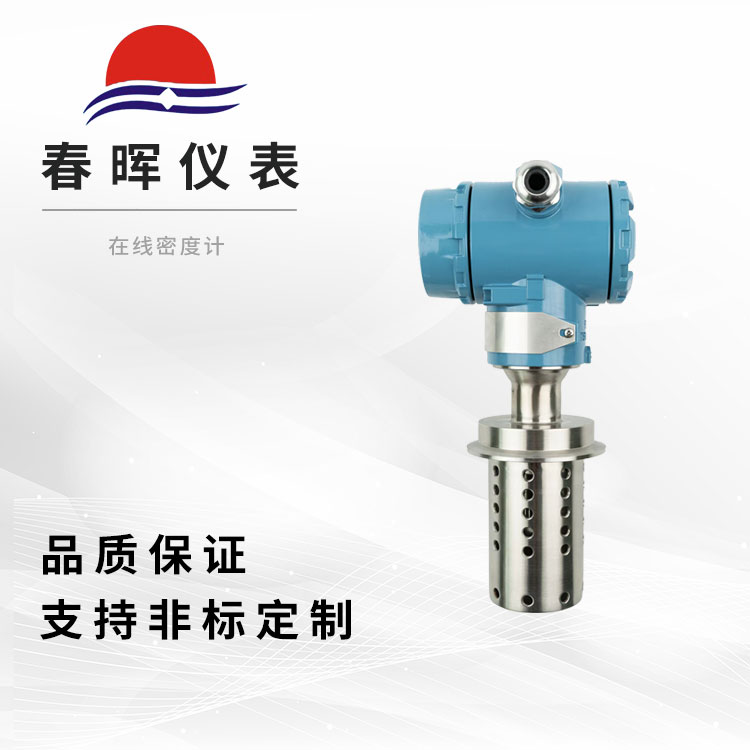
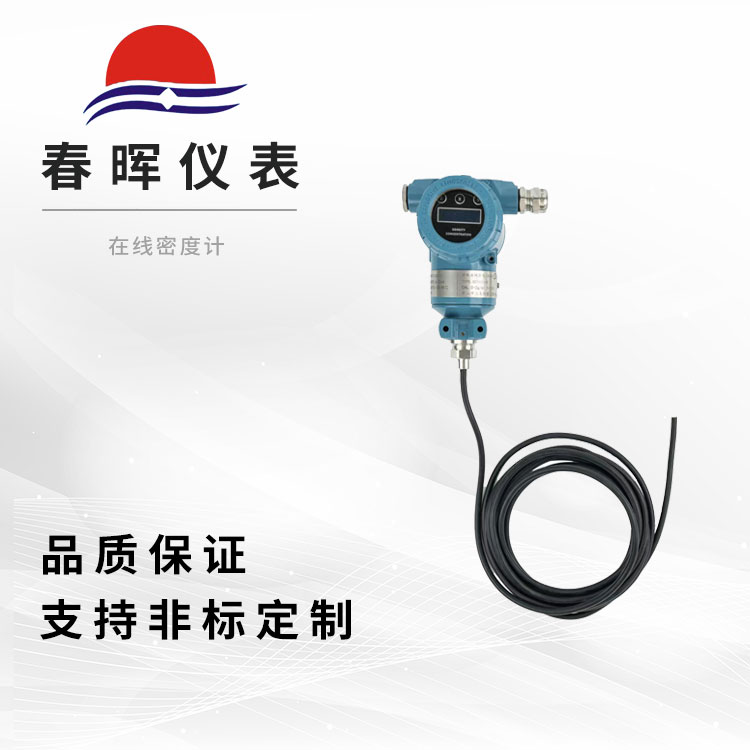
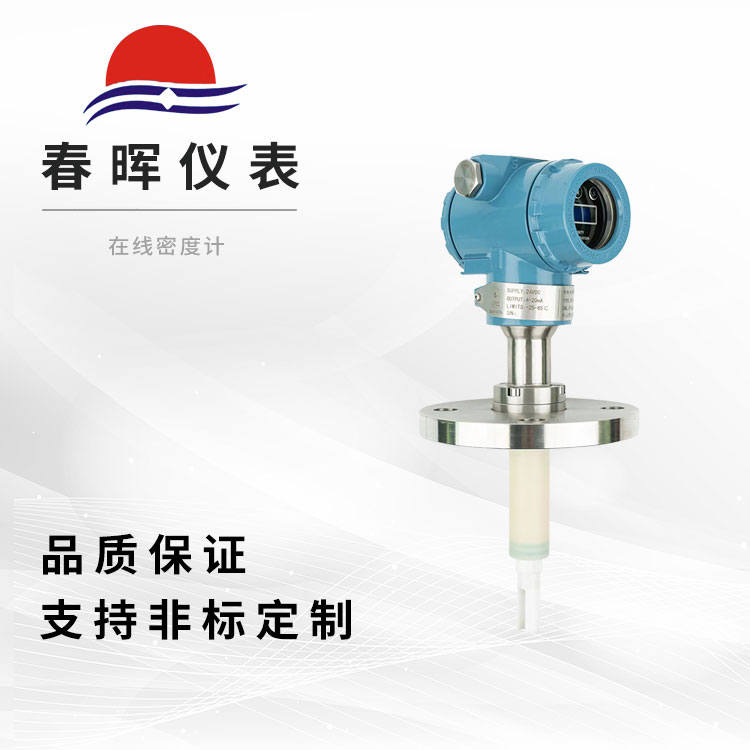
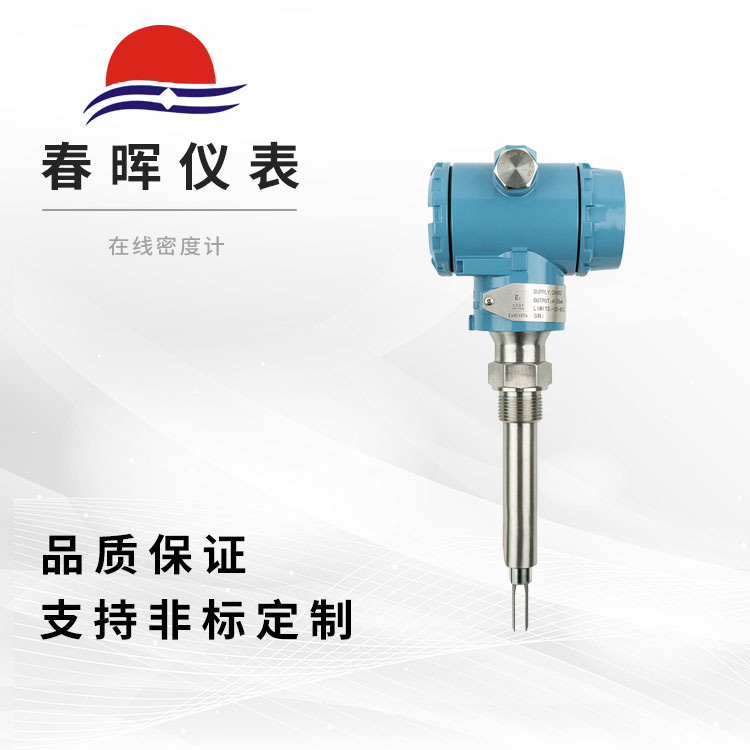
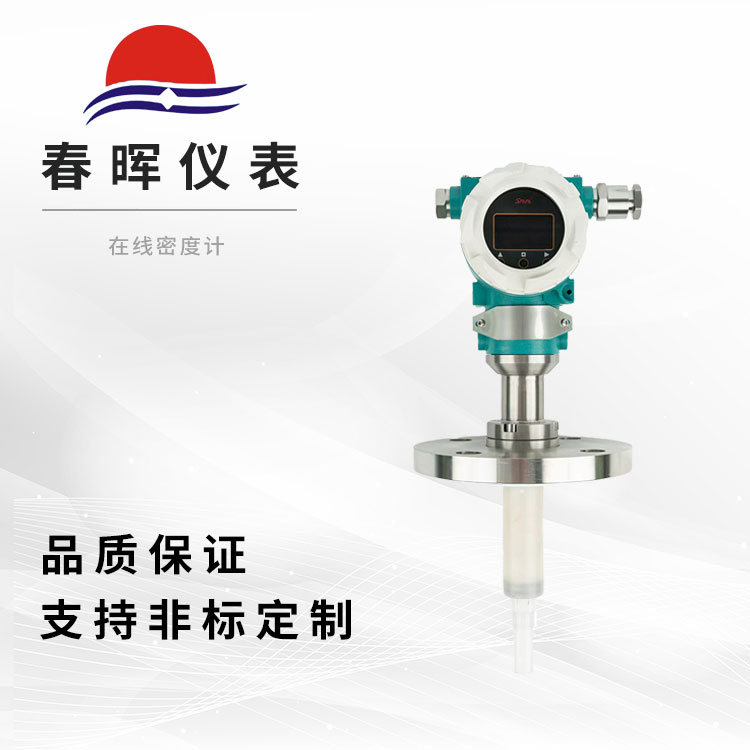
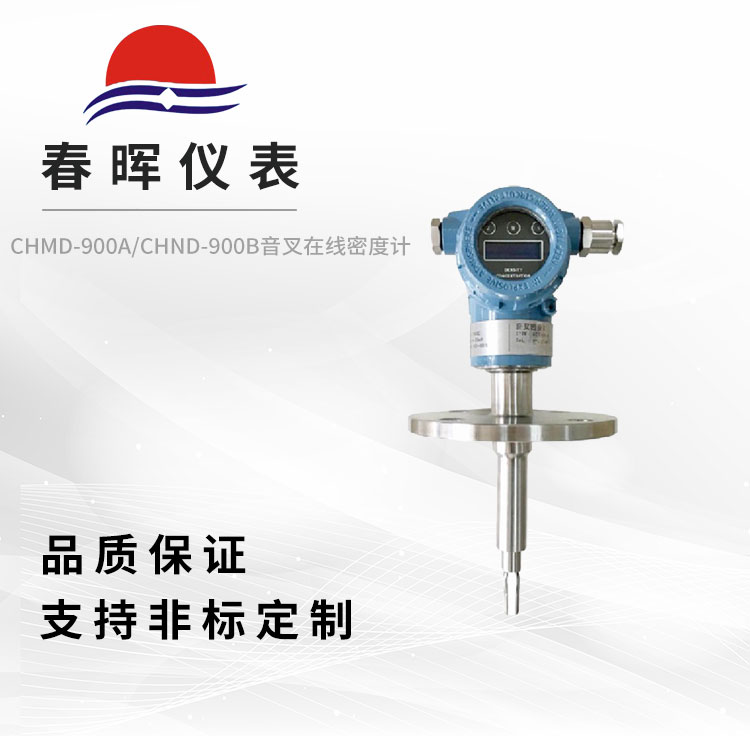
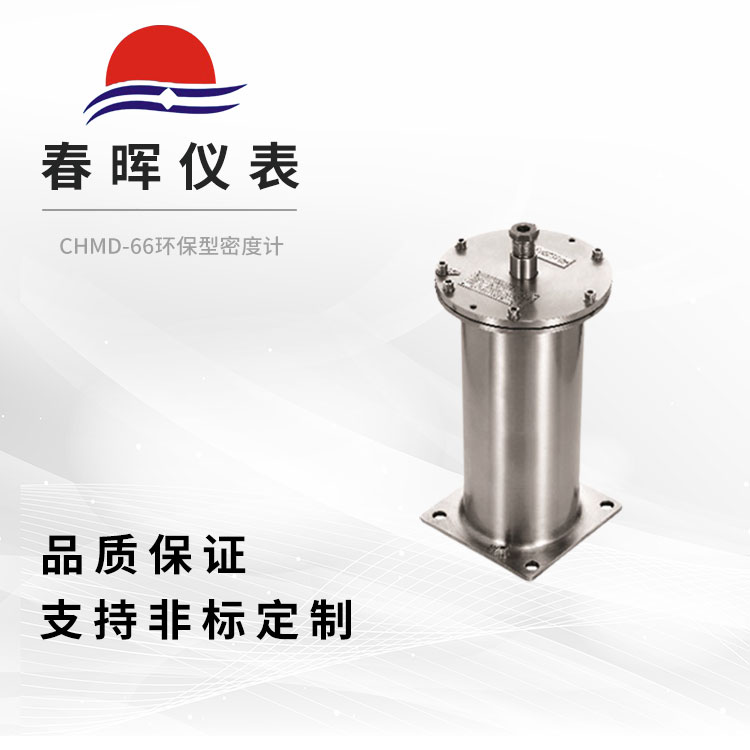
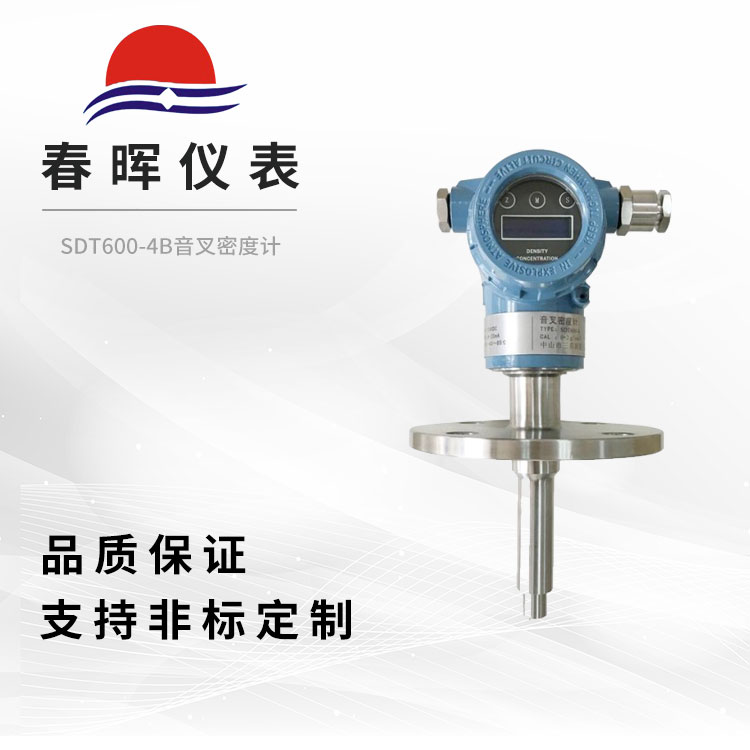
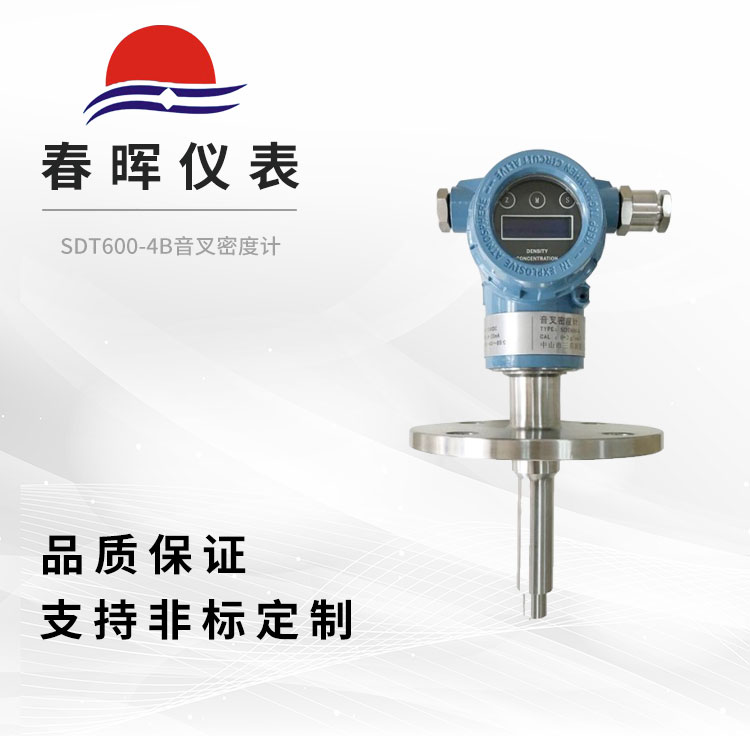
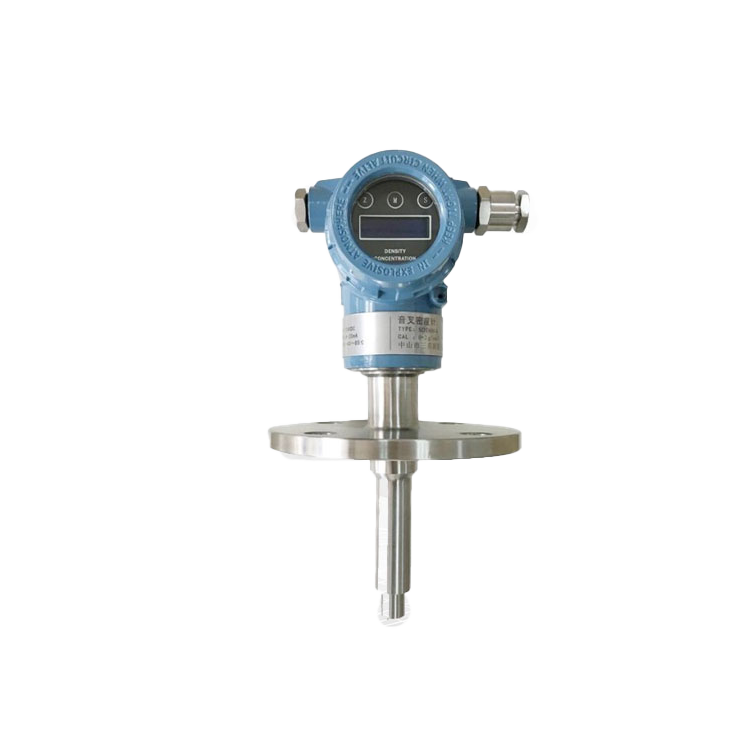
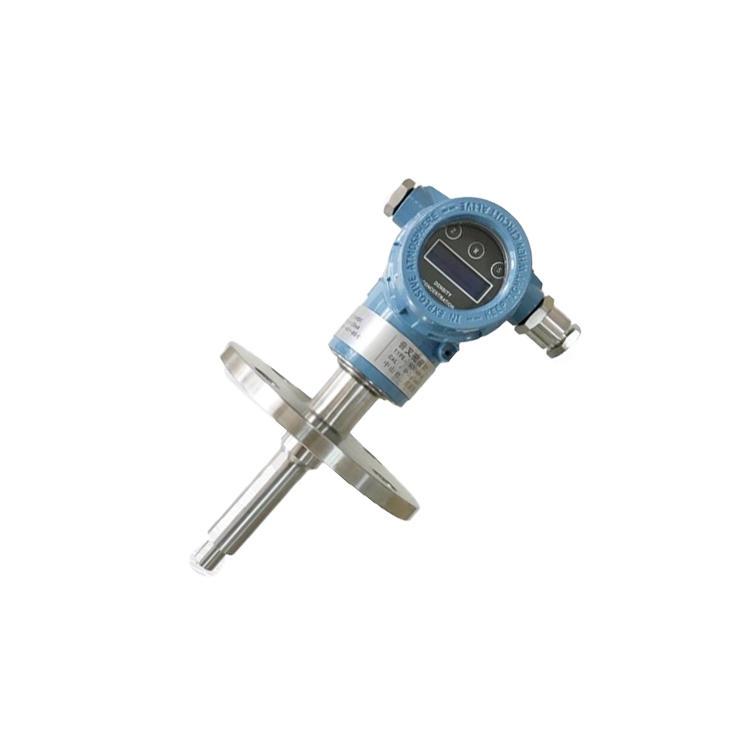
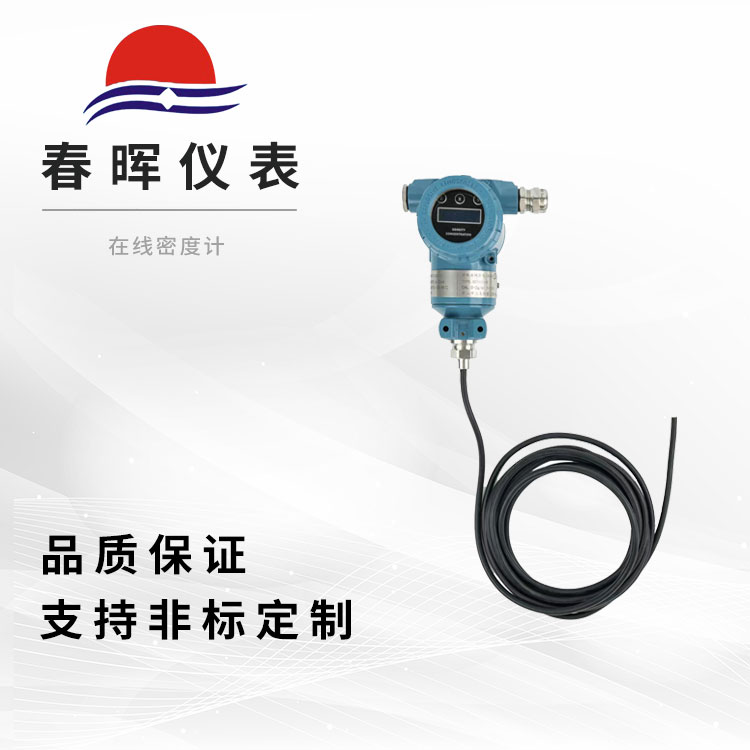
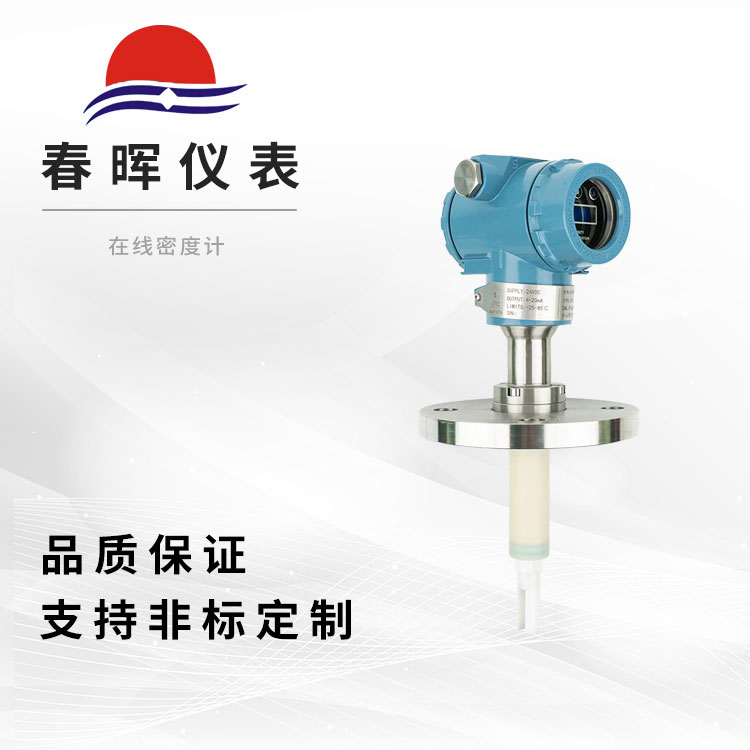
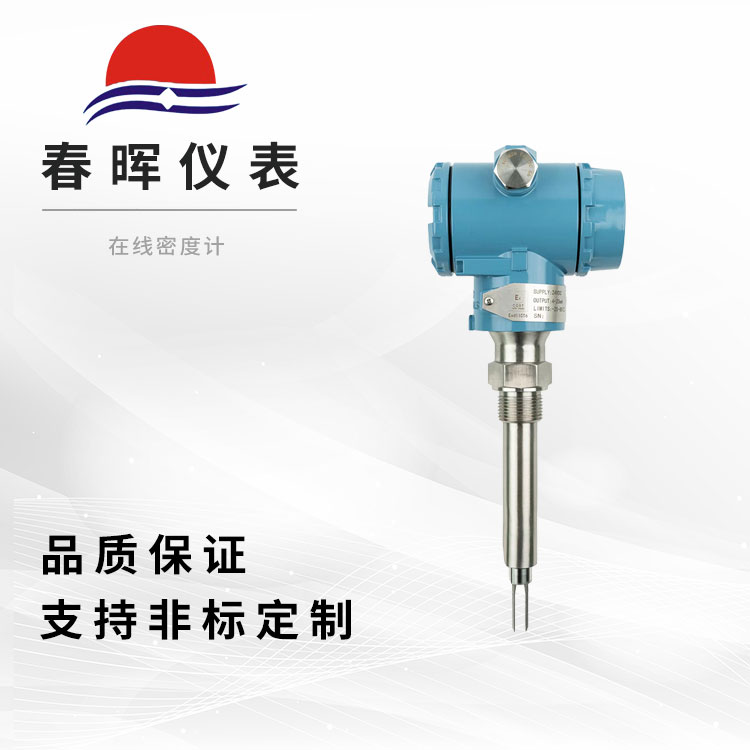
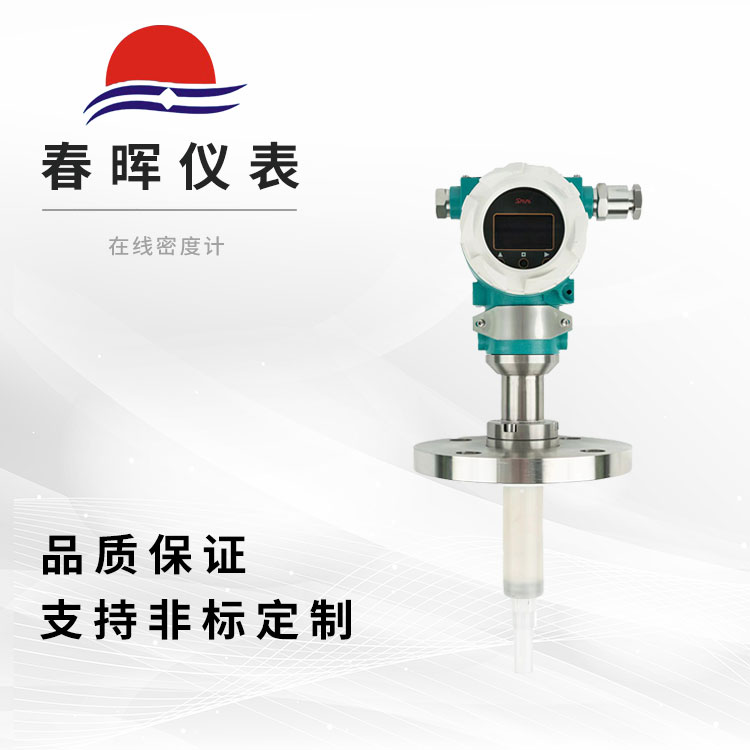
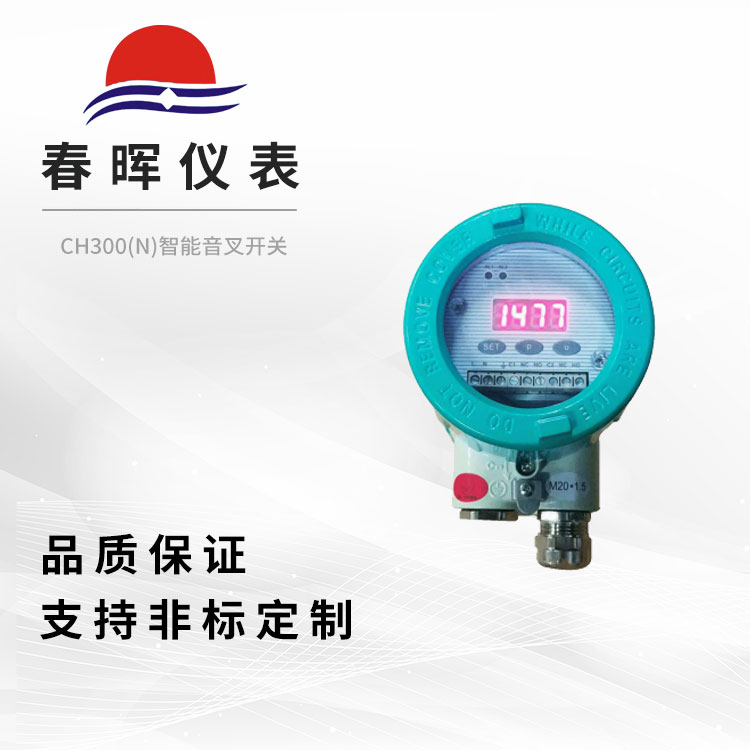
SDT 600 4-tongue densitometer is used to measure the concentration of liquid mediums in tanks and pipelines. Concentration measurement is an essential process control in the production process of the product, and the densitometer can be used as an indicator for other quality control parameters such as solid content or concentration value. It can meet various measurement requirements for density, concentration, and solid content.
1.2 Working Principle
SDT600 Series 4 Online Density/Concentration Meters utilize an ultrasonic frequency signal source to excite a metal reed, causing it to vibrate freely at its center frequency. This frequency is correlated with the density of the contacting liquid, allowing for the measurement of liquid density through frequency analysis. Temperature compensation can be applied to eliminate system temperature drift. Concentration is calculated based on the relationship between liquid density and concentration, providing the concentration value at 20°C.
◆ 1.3 Application Industries
Petroleum Industry: Diesel, gasoline, ethylene, etc.
Chemical Industry: Sulfuric acid, hydrochloric acid, nitric acid, chloroacetic acid, ammonia water, ethanol, saltwater, sodium hydroxide, refrigerant, sodium carbonate, glycerin, hydrogen peroxide, etc.
Battery & Electrolyte Industry: Sulfuric Acid, Lithium Hydroxide, etc.
Industry: Desulfurization (limestone slurry, gypsum slurry), Denitrification (ammonia water, urea), Waste Water Treatment (MVR acid, alkali, salt recovery) etc.
◆ 1.4 Typical Industries
Petroleum and Petrochemical Industry - Interface Detection — Multi-oil Product Pipeline Transportation
Chemical Industry - Production of Acids, Bases, and Salts - Quality Control
Winemaking Industry - Quality Control - Continuous Online Monitoring
Organic and inorganic chemical materials - Leak detection — Underground storage tanks using saltwater
Battery Industry - Lithium Hydroxide, Electrolyte, Sulfuric Acid Solution Concentration
◆ 1.5 Important Notes
Due to the requirements of the process flow, the SDT600 4-tongue density meter is often installed in sites with harsh working conditions. To minimize the severity of the working conditions for the density sensor as much as possible, please note the following:
★The tuning fork densitometer should be installed in a location with minimal temperature gradients and changes, free from shocks and vibrations.
★ The medium being tested must not freeze, otherwise it will damage the sensing element and lead to the failure of the tuning fork concentration meter.
★ Prevent contact with corrosive or overheated medium being tested.
★ Prevent sedimentation of dregs inside the tank.
★Handle with care to prevent damage to the tuning fork densitometer.
★ Do not drop or place instruments directly.
★ Prohibited from measuring highly corrosive liquids (special corrosion-resistant medium requires special customization for contact materials).
★ Do not operate the instrument above its rated pressure.
★ Do not exceed the test pressure during pressure testing.
★ The instrument is suitable for all explosion-proof environments.
★ Note: Welding pipes is prohibited during the installation of the tuning fork densitometer.
◆ 1.56 Pipe Specification
To ensure accurate measurement and stable display of the concentration meter, the flow rate of the medium being measured must not exceed 1 m/s. The installation location of the concentration meter should be as far as possible from the pump, with a distance preferably greater than 5 meters. When the flow rate exceeds 1 m/s, use an expanded diameter installation. For every increase of 1 m in flow rate, the diameter of the pipeline for installing the concentration meter should be expanded by 1.5 times. There must be a straight section of ≥600 mm in front of the instrument and a straight section of ≥300 mm behind the instrument to ensure that the fluid remains in a laminar flow state as it passes through the elbow.