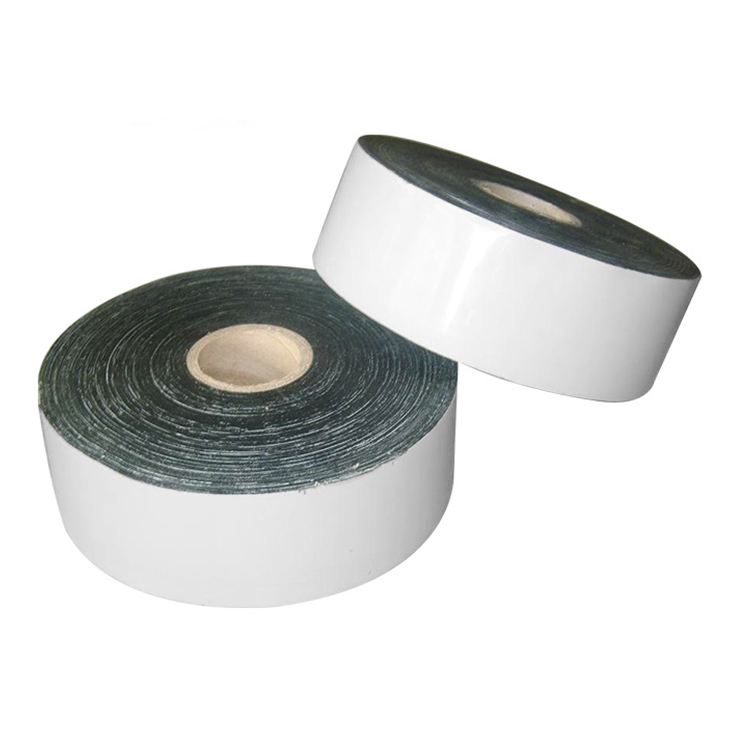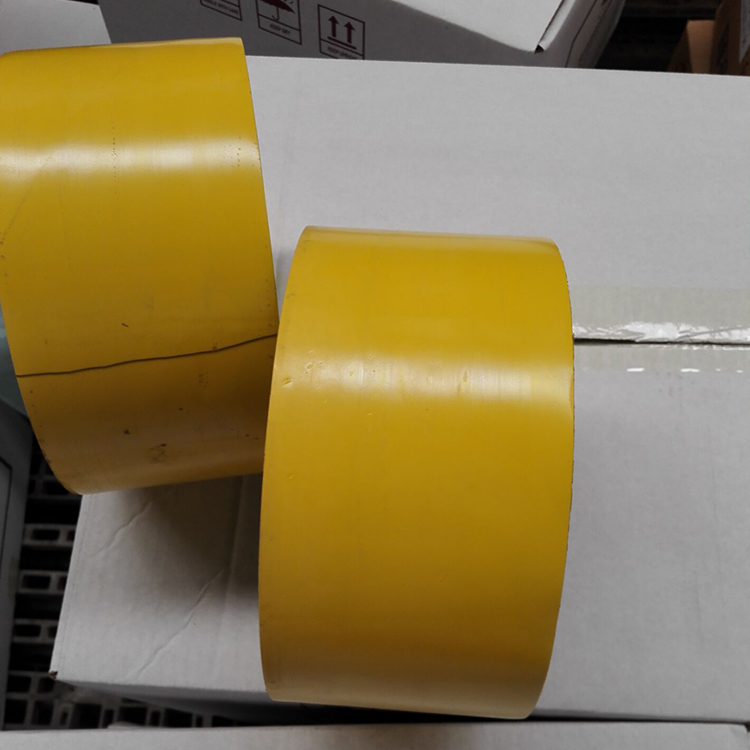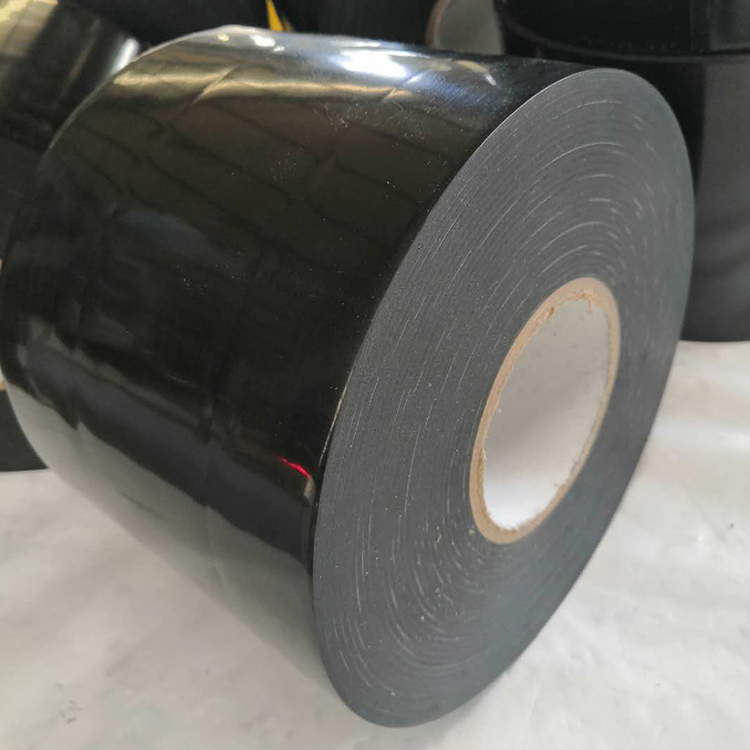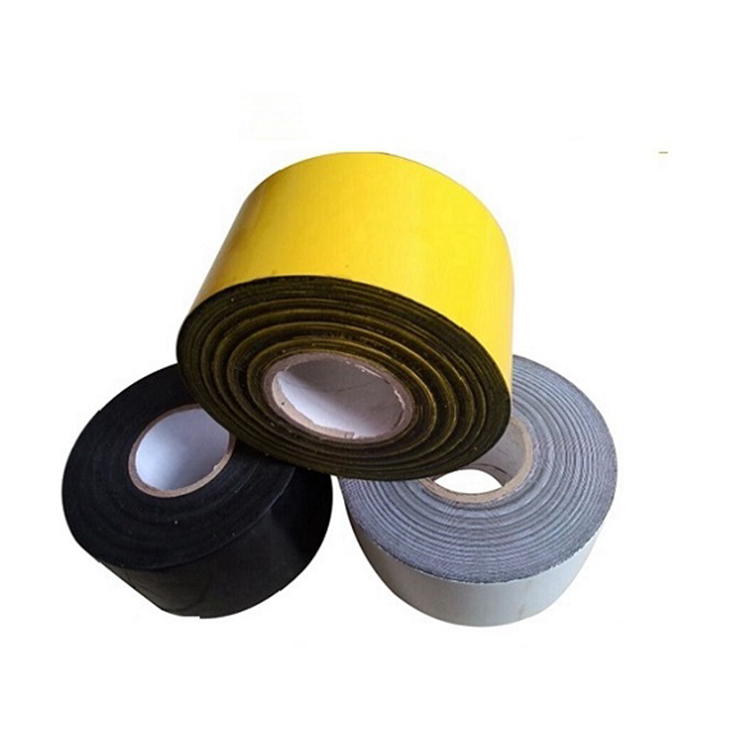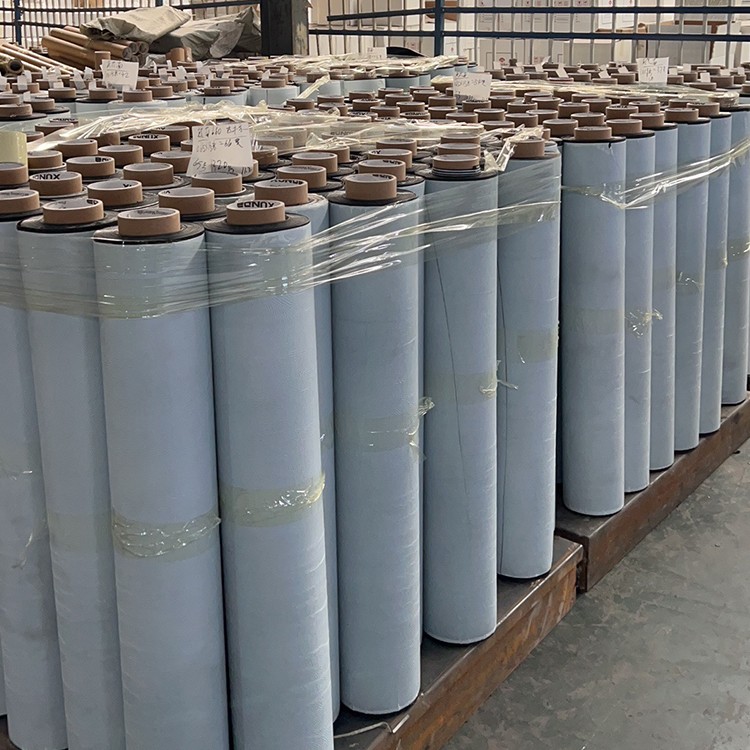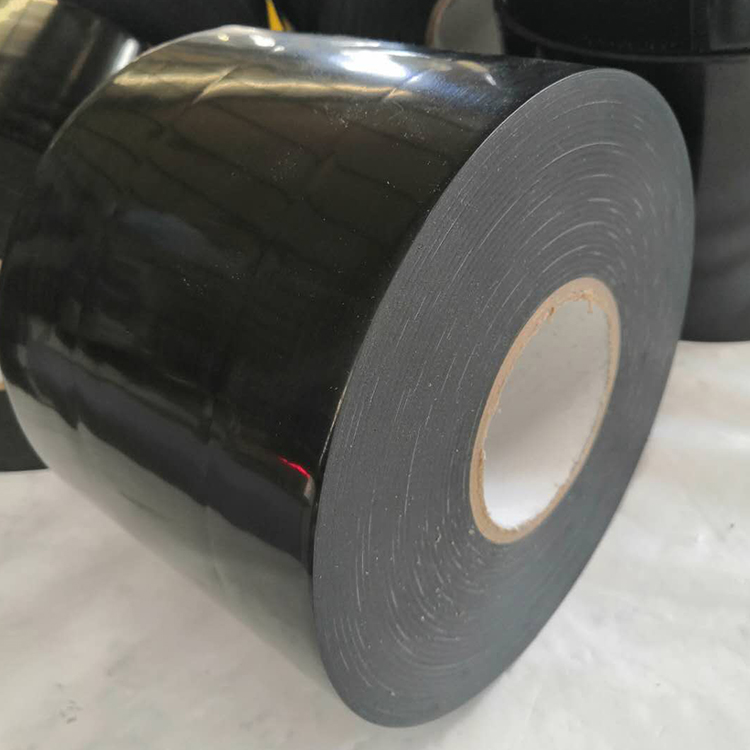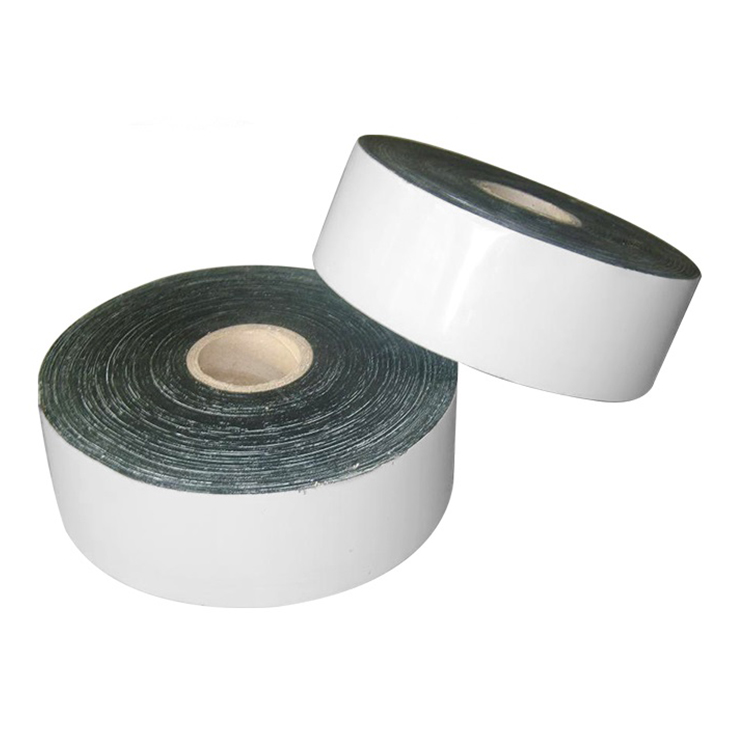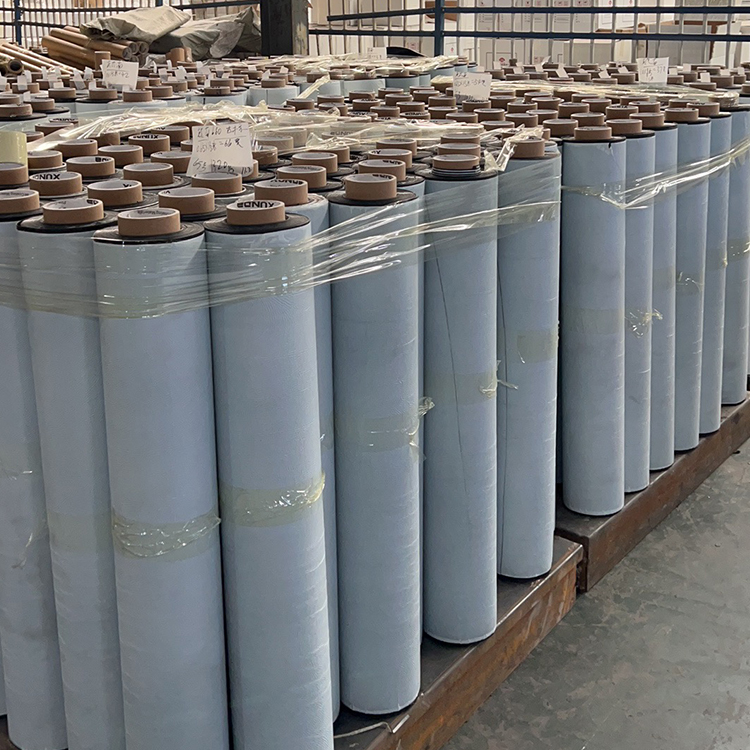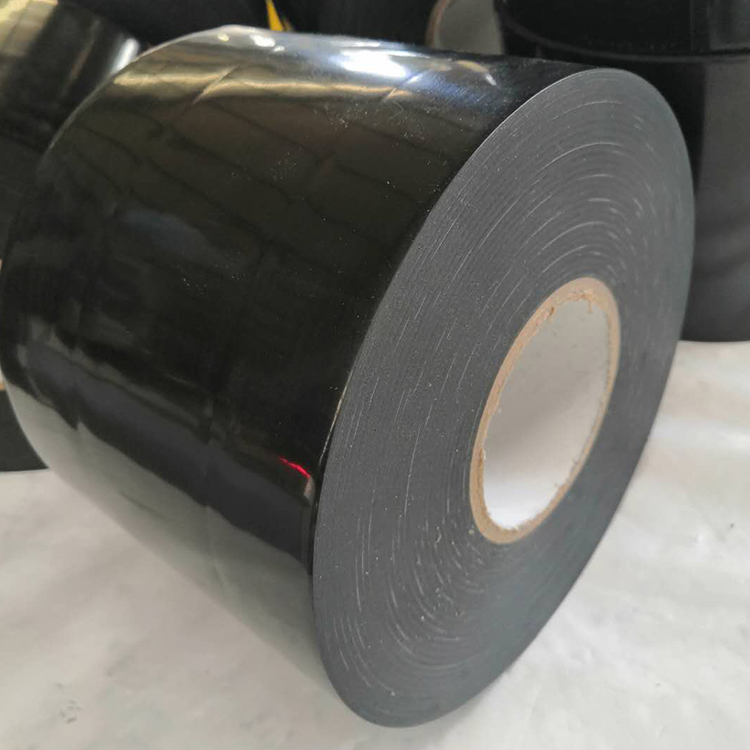

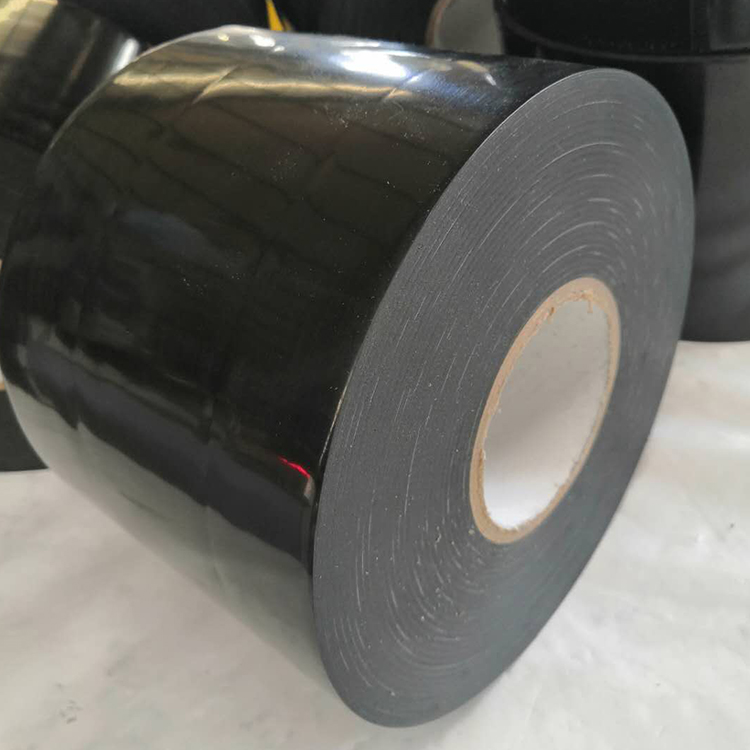
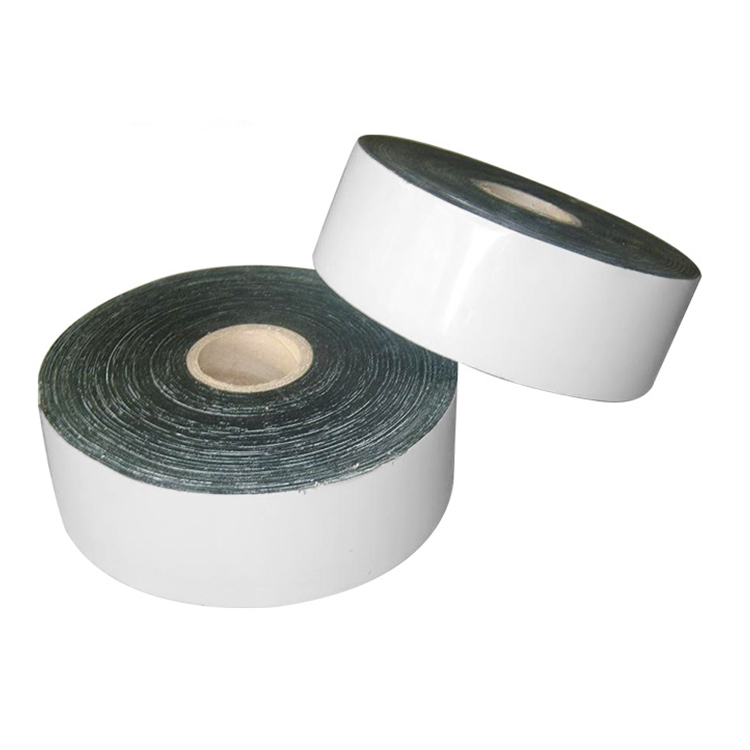
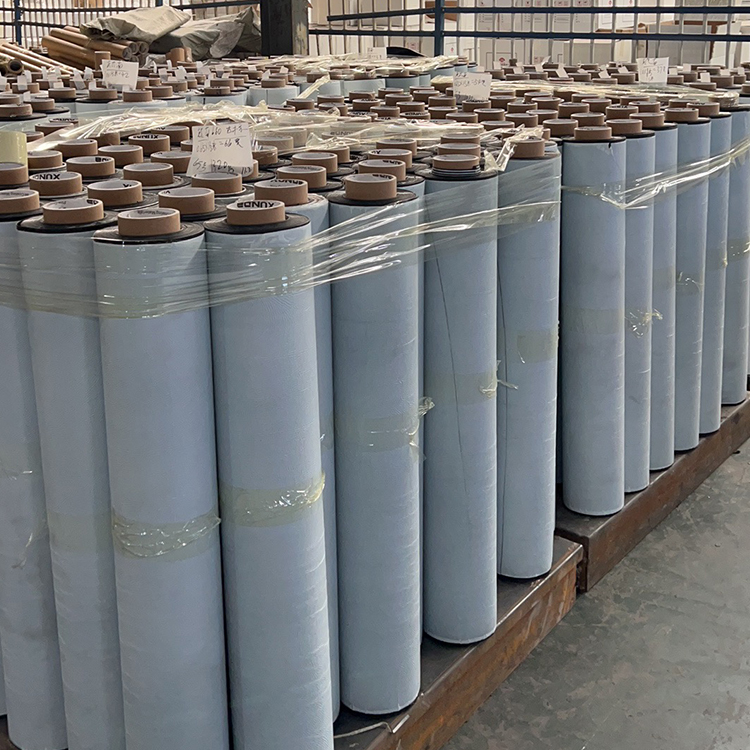







Polyolefin anti-corrosion adhesive tape is a new type of environmentally friendly anti-corrosion material that is pollution-free and harmless. Its substrate is polypropylene woven fiber cloth, and butyl rubber modified asphalt is used as the anti-corrosion adhesive layer. Its substrate is a fiber structure that can effectively resist creep damage caused by soil stress. Aging tests have shown that its corrosion resistance life is relatively long. According to surveys of similar products abroad, its effective protection time is over 30 years. It is a better choice for pipeline cold anti-corrosion construction tape and also one of the more economical choices for anti-corrosion.
Polyolefin anti-corrosion tape is a new type of environmentally friendly anti-corrosion product that is pollution-free and harmless. It can be widely used in the external anti-corrosion and repair engineering of water supply and drainage, oil and gas, gas transmission steel pipelines, and steel underground storage tanks in petroleum, natural gas, chemical, and urban construction. It is a recommended product by the Ministry of Construction and the State Environmental Protection Administration to replace "asphalt glass fiber cloth" and "epoxy coal tar". It has the characteristics of easy construction, impact resistance, aging resistance, tensile resistance, UV radiation resistance, and high bonding strength.
Polyolefin tape is a strip-shaped anti-corrosion material composed of polyolefin backing material and pressure-sensitive adhesive layer, which is wrapped by cold wrapping to form a pipeline anti-corrosion layer. According to the type of backing material, it can be divided into polyethylene adhesive tape with polyethylene as the backing material and polypropylene adhesive tape with polypropylene fiber as the backing material. Polyethylene adhesive tape can be divided into thin adhesive tape and thick adhesive tape according to its pressure-sensitive adhesive characteristics, while polypropylene adhesive tape is a thick adhesive tape.
When processing thin adhesive tape with thin adhesive into rolls, there is no need to attach a layer of isolation paper on the surface of the adhesive layer. The polyethylene adhesive tape used for unwinding will not damage the adhesive layer, and its adhesive layer thickness should account for 30% to 60% of the total adhesive tape thickness. Thin adhesive polyethylene tape includes anti-corrosion adhesive tape (inner tape) and protective adhesive tape (outer tape).
When processing thick adhesive tape with thick adhesive into rolls, a layer of isolation paper should be attached to the surface of the adhesive layer to prevent damage to the adhesive layer during unwinding. For polyethylene or polypropylene adhesive tape, the thickness of the adhesive layer should not be less than 70% of the total thickness of the adhesive tape.