







Surface pretreatment:
Before rust removal on the surface of the pipe fittings, loose rust and paint should be removed, and debris and soil should be removed. The rust removal grade should reach the St2 level specified in GB/T8923 for the rust removal grade and rust removal grade of steel surfaces before painting.
If the steel surface is directly exposed after treatment, AC grease should be applied to form a fixed thickness oil layer. If the surface is constantly wet or constructed underwater, AC grease must be applied.
Fill AC putty (adhesive):
For irregularly shaped workpieces such as valves, flanges, pipe joints, bolts, etc., it is advisable to use AC putty to create a smooth appearance and avoid bridging or voids when wrapping AC oil tape at the back.
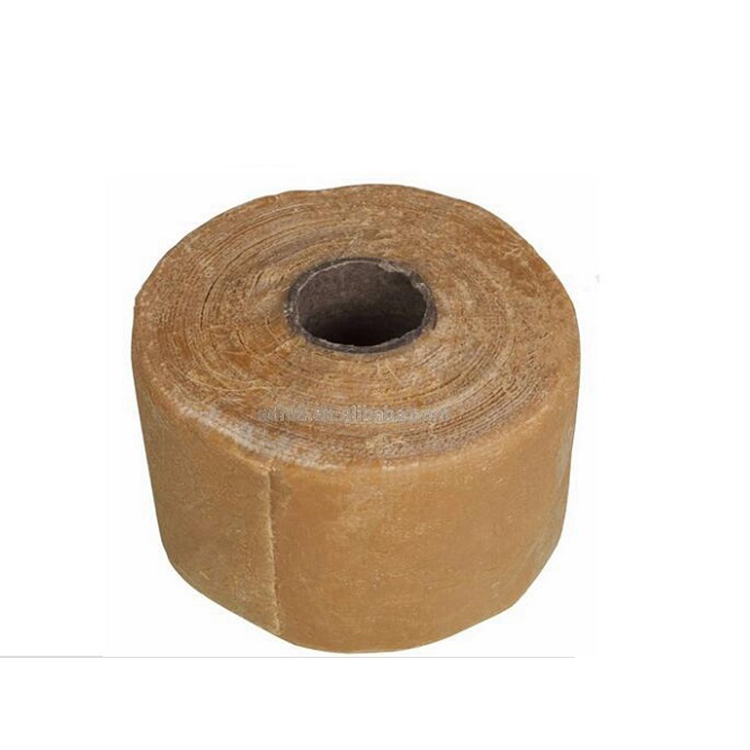
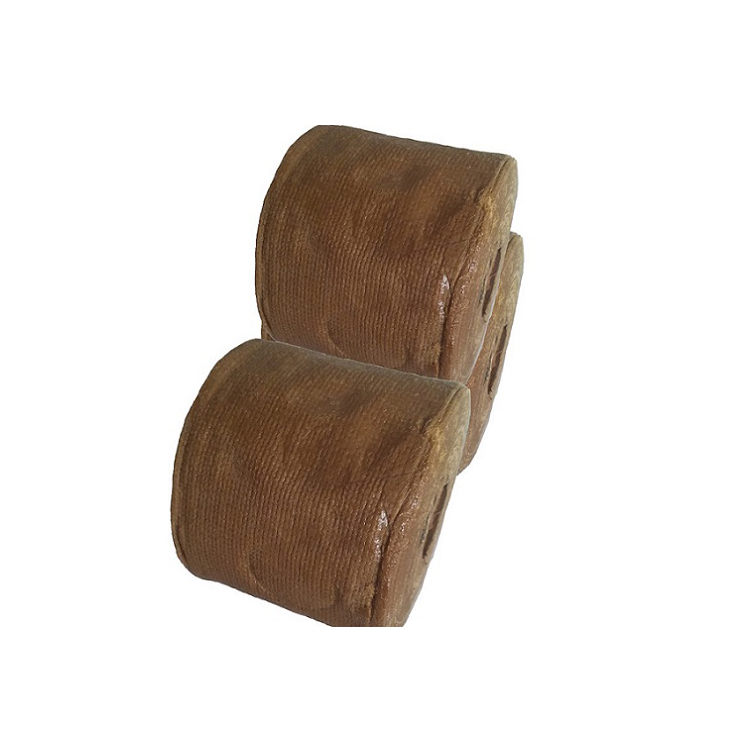
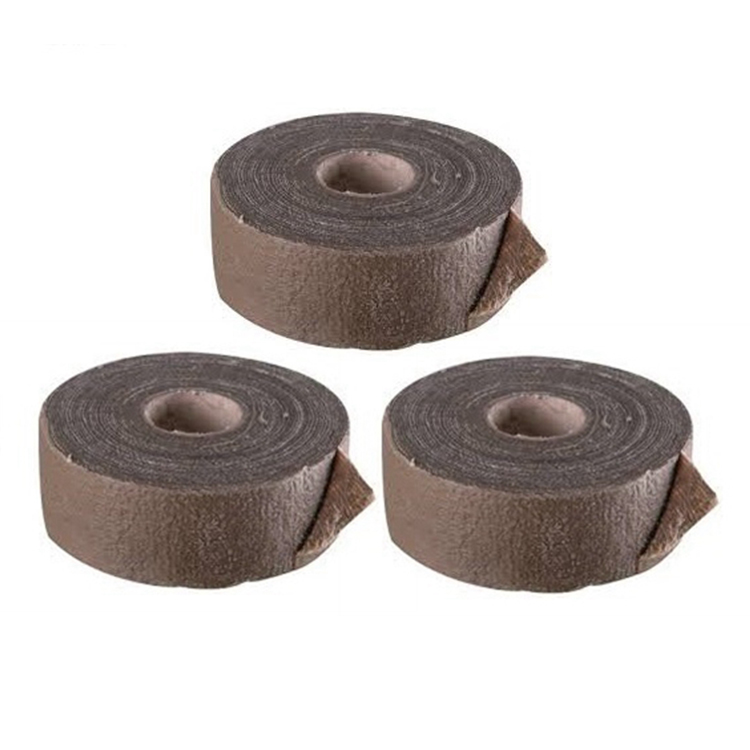
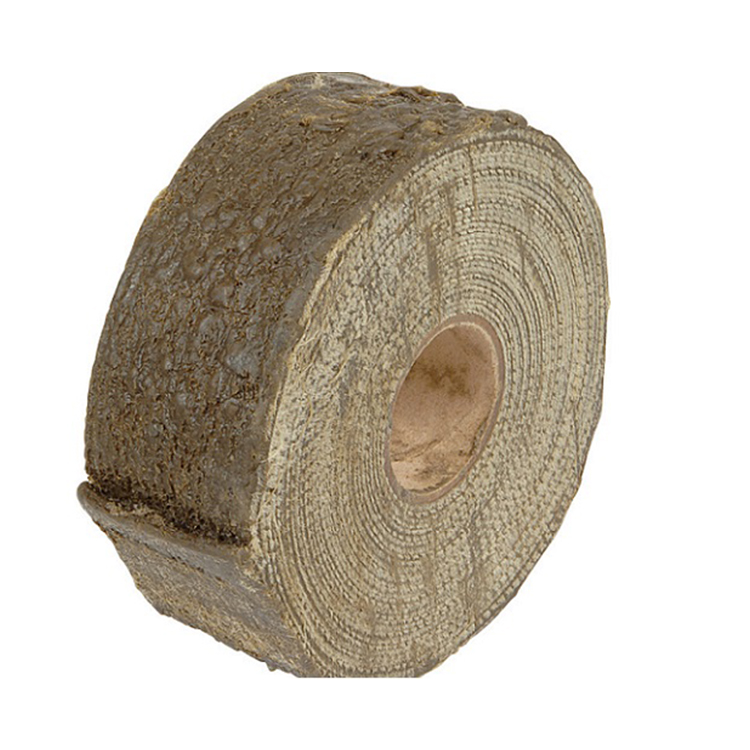
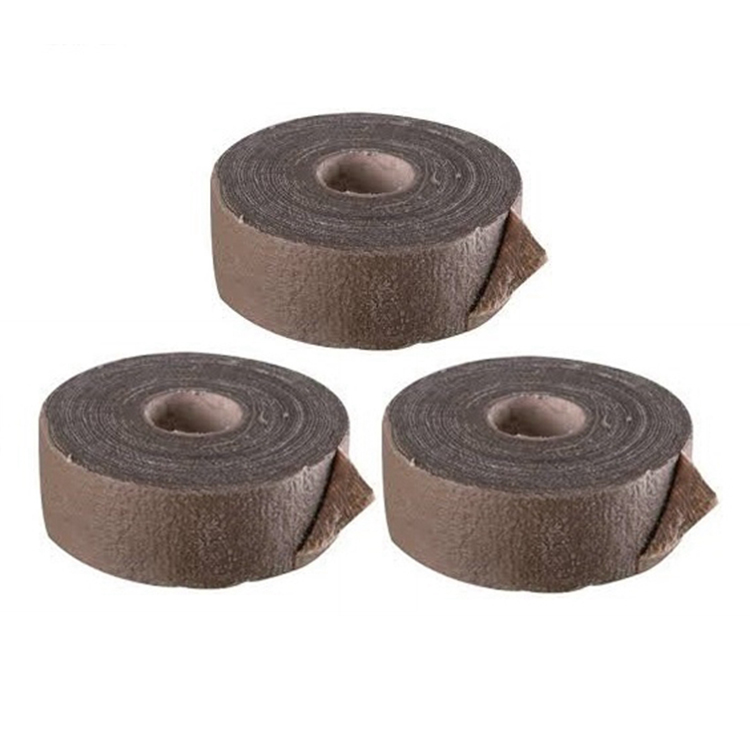
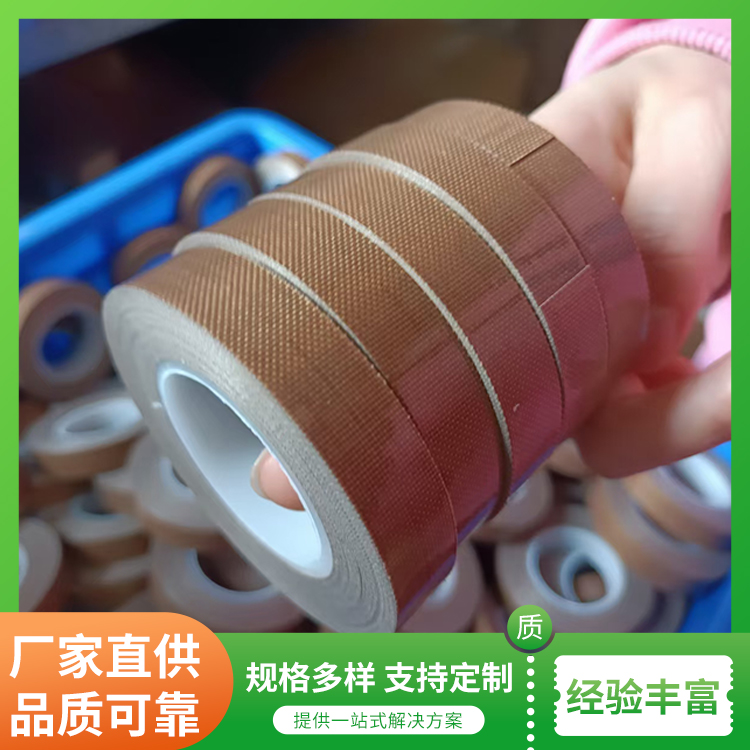
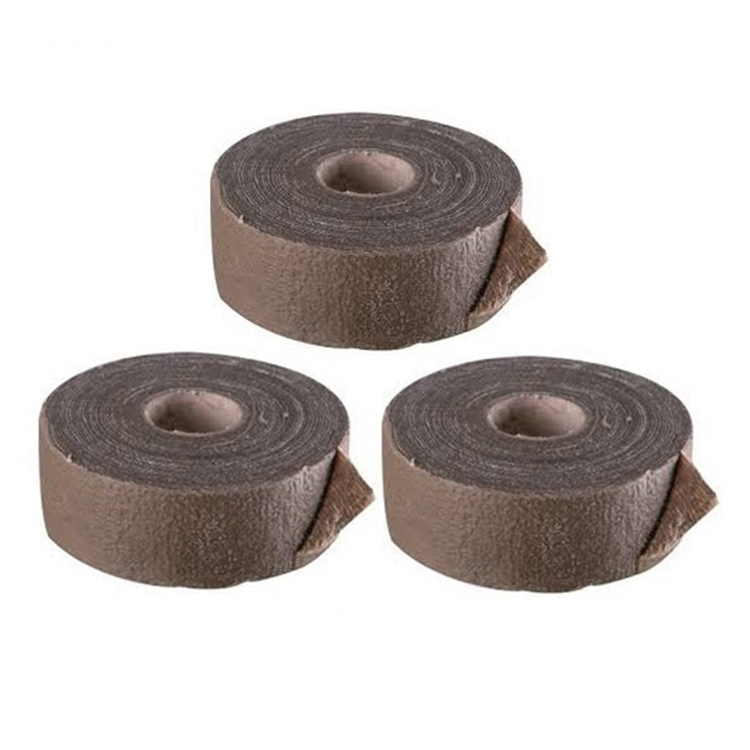
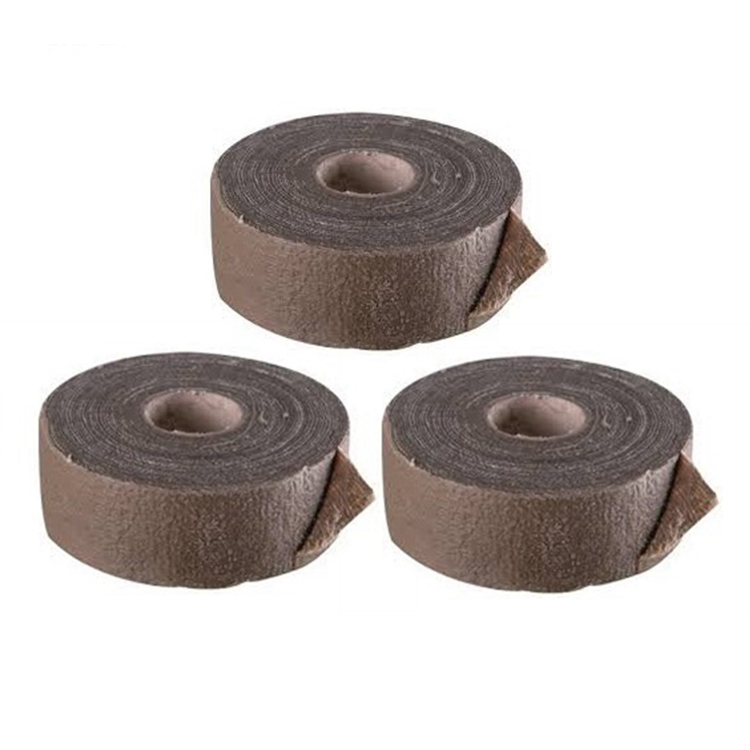
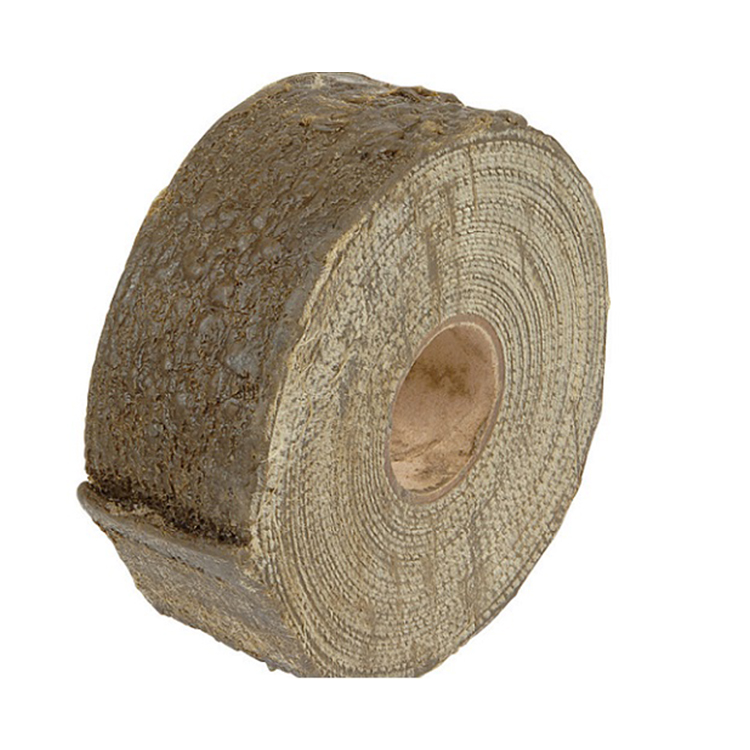
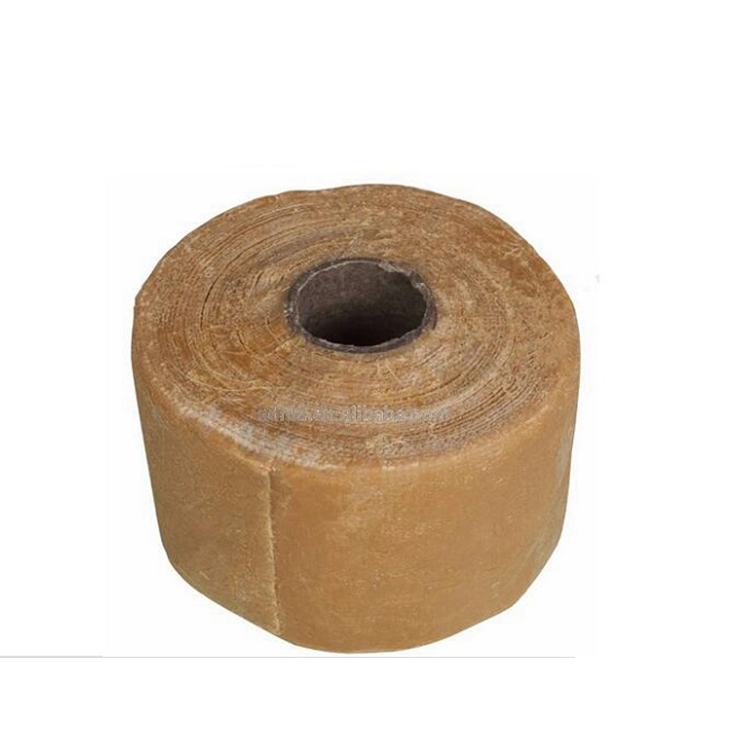
AC oil tape winding:
Adopting spiral winding and 55% overlap to achieve double-layer protection effect. The overlapping length of the beginning and end of the AC oil tape should not be less than 100mm. When winding, the oil tape should be pressed tightly against the beginning to prevent it from curling up. During the winding process, a certain amount of tension should be maintained to smooth out wrinkles and gaps that may appear, so that they are tightly attached to the surface of the workpiece. It is important to avoid placing the oil tape too long.
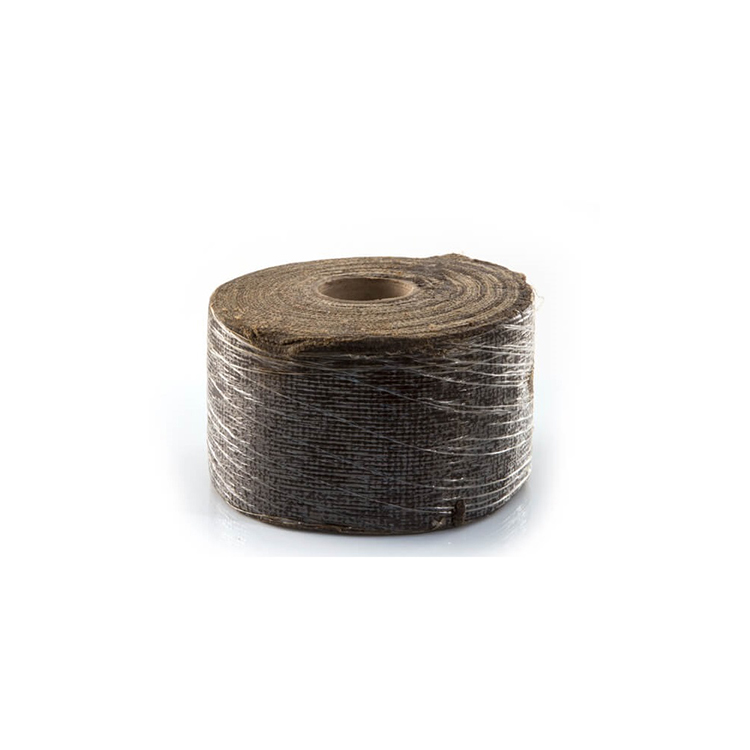
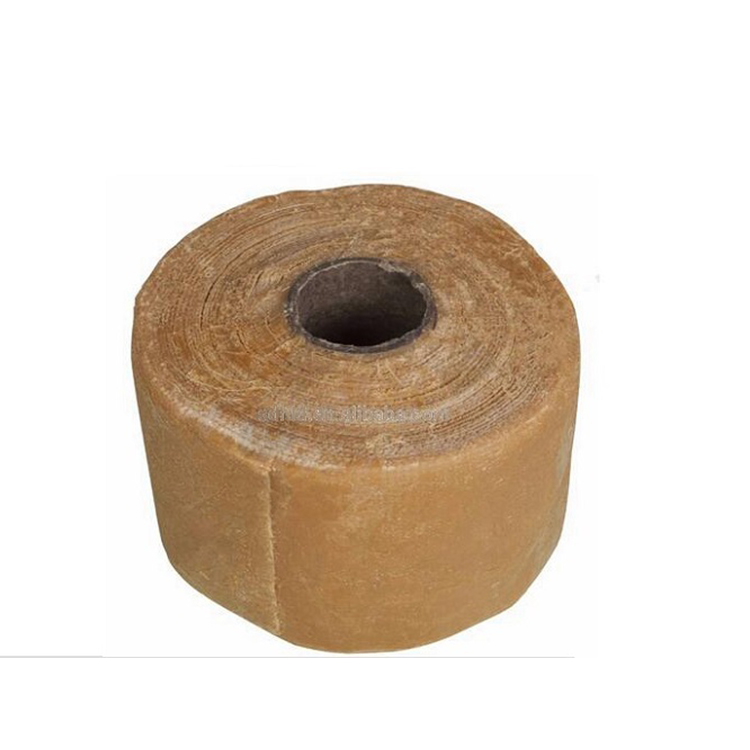
Wrap AC outer protective tape:
Spiral wrap a layer of self-adhesive AC outer protective tape outside the AC oil belt, with a overlap width of 55%. The overlapping length of the protective tape at the beginning and end should not be less than 100mm. When winding, the tape should be pressed to prevent it from warping. During the winding process, a certain amount of tension should be maintained at all times. It should be as smooth as possible.
quality testing:
Whether it is factory prefabrication or on-site construction, quality inspection should be carried out. Visual inspection of anti-corrosion coating
Visual inspection of anti-corrosion coating:
A 100% visual inspection should be carried out on the anti-corrosion layer, which should be free of leakage, damage, and as smooth as possible.
Thickness inspection:
Measure according to the non-destructive measurement method for K pipeline anti-corrosion coating thickness (magnetic method) SY/T0066. Randomly select three parts for testing. If the thickness is not qualified, double the sampling should be carried out. If it still fails, it will be judged as unqualified. The unqualified parts should be repaired.
Electric spark leak detection:
The anti-corrosion coating used for on-site construction in dry environments should undergo electrical spark leak detection, and any leaks should be promptly repaired. The leak detection voltage is 5000V.
Backfilling:
Fine sand or soil should be backfilled, and sharp objects in the backfill should be prevented from damaging the anti-corrosion layer.