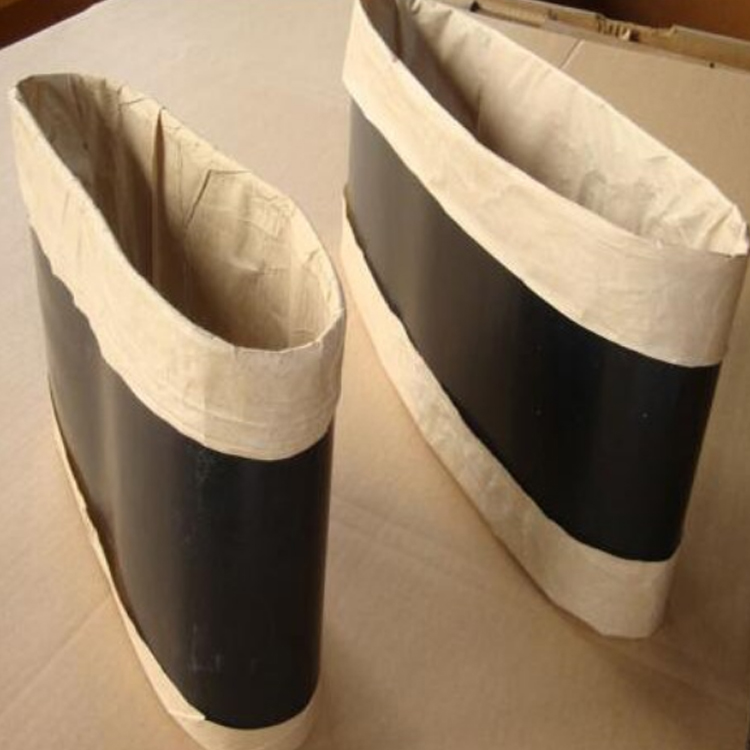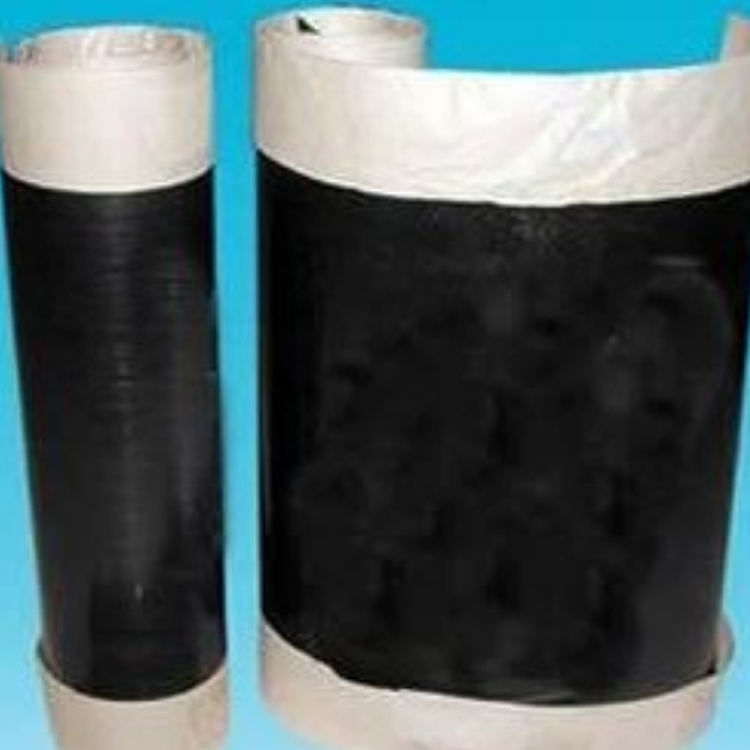







What are the main applications of heat shrink joint covers
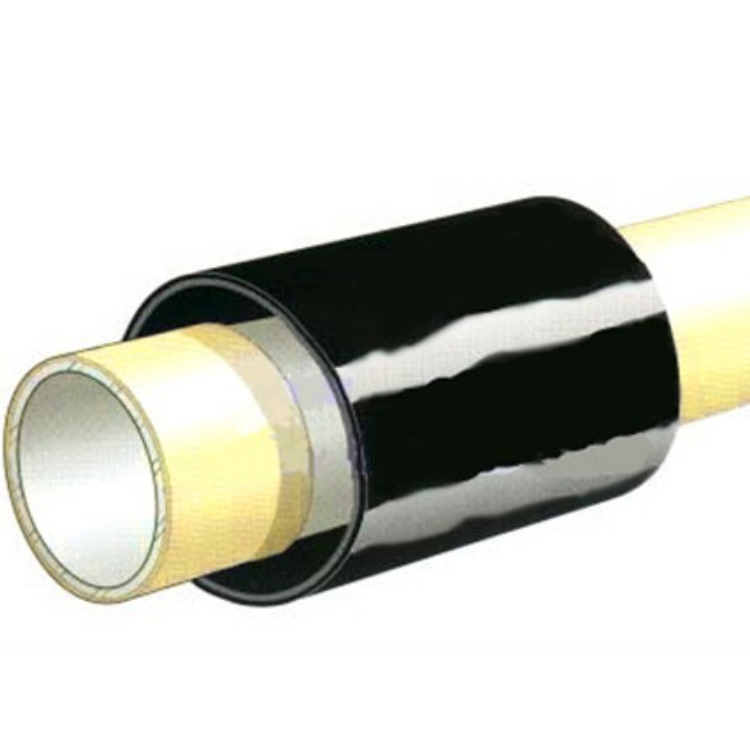
1. Steel pipes undergo corrosion at all times under natural conditions, such as soil, atmosphere, or anthropogenic conditions, such as acid, salt alkali, and other media. A spontaneous and meaningless consumption. The fundamental reason is that steel pipelines are in a thermodynamically unstable state. At this point, the heat shrink sleeve can come in handy.
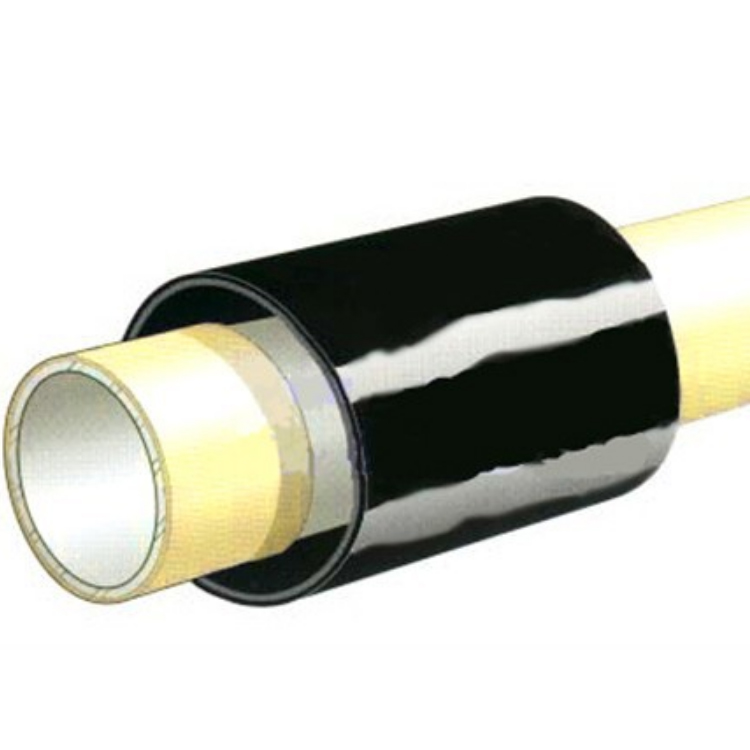
2. Heat shrink tubing has been widely used for long-distance transportation of petroleum, anti-corrosion of steel pipe welds, and anti-corrosion of joints in urban gas pipelines.
The reason for the failure of the anti-corrosion layer of the heat shrink joint sleeve
1. Poor pre-treatment of the pipeline in the early stage has resulted in incomplete cleaning of oil and rust stains, or the presence of moisture, which affects the bonding strength of the heat shrinkable joint sleeve. The loose fit has also affected the anti-corrosion effect in the later stage.
2. The use of this tape requires unwinding. If the temperature is not sufficient or the manual baking is uneven, it may cause local non melting, resulting in hollowing in the unmelted area, or if the primer has already solidified during winding, causing the surface to have no adhesive properties and peel off.
3. The storage environment of the adhesive tape does not meet the requirements, and it may be impacted during transportation or compressed during stacking, which affects the performance of the tape.
4. Construction in adverse weather conditions such as rain and snow without proper insulation or waterproofing measures, resulting in the failure of the adhesive tape anti-corrosion layer.
The failure of the anti-corrosion layer of the heat shrink joint sleeve is caused by various reasons, and the failure of the anti-corrosion layer will seriously reduce the anti-corrosion effect of the tape. Therefore, we should pay more attention when using this tape.