







1. Surface treatment
Use mechanical rust removal equipment (electric angle grinder) to remove floating rust on the surface of the pipe, with a rust removal grade of ST2. After rust removal, use a hot air blower to dry the surface of the pipe body.
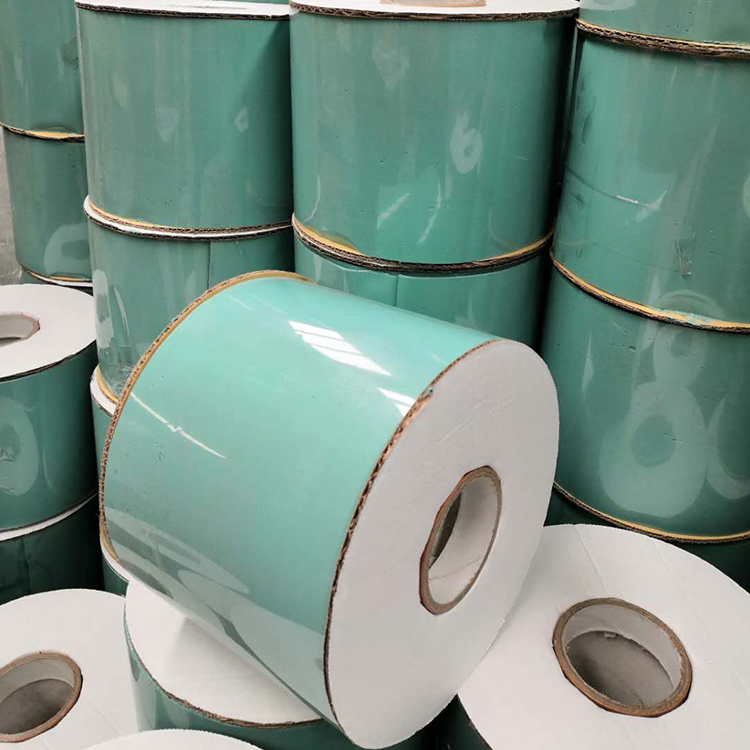
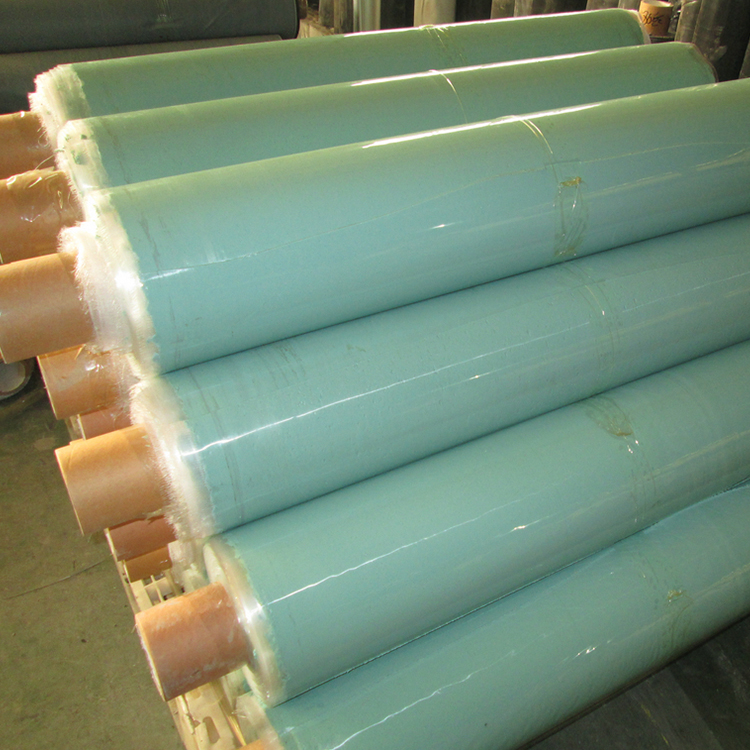
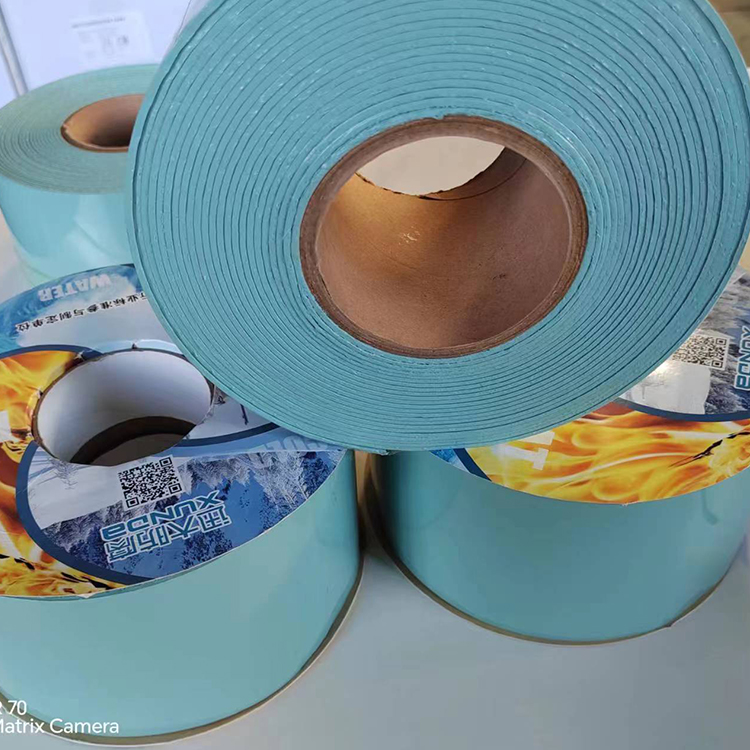
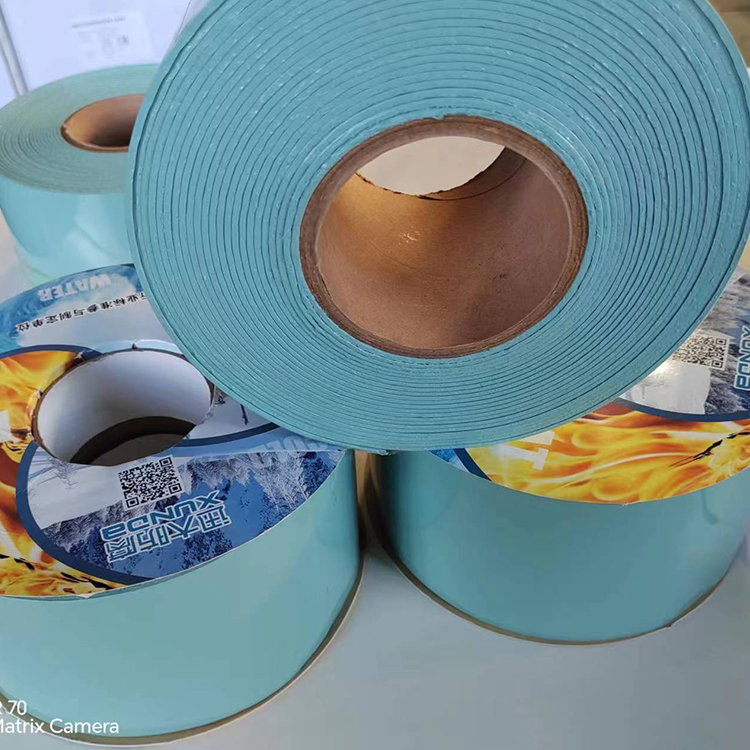
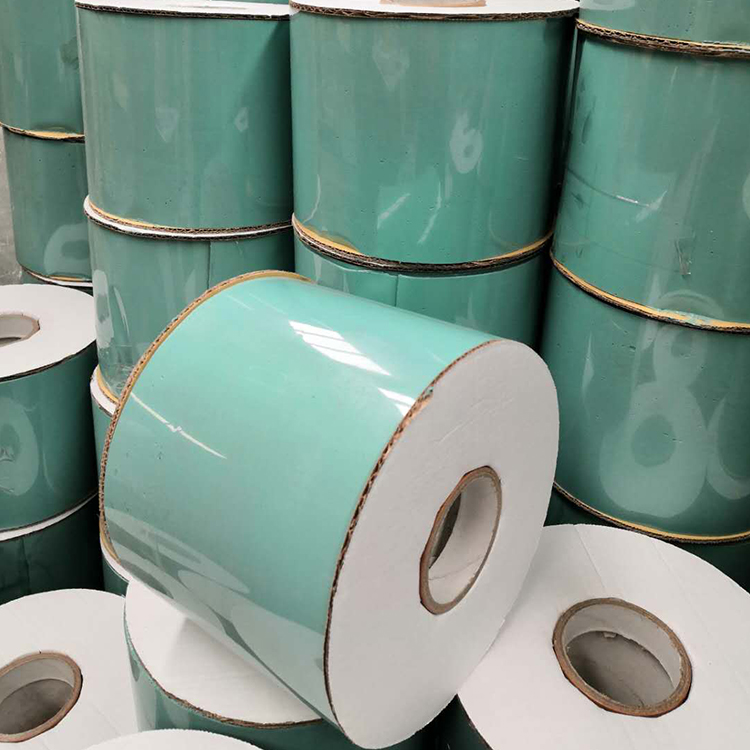
2. Tube body wrapped with viscoelastic anti-corrosion tape
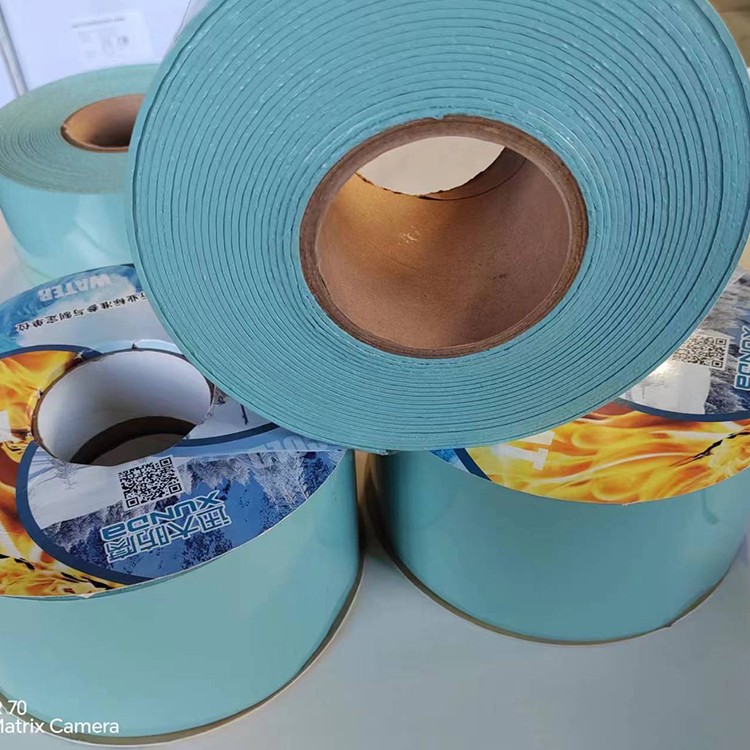
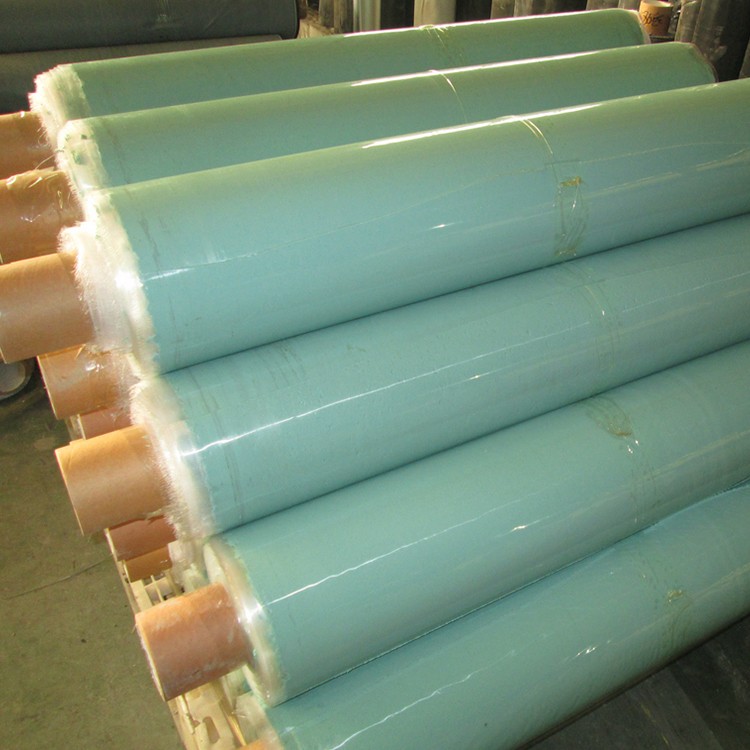
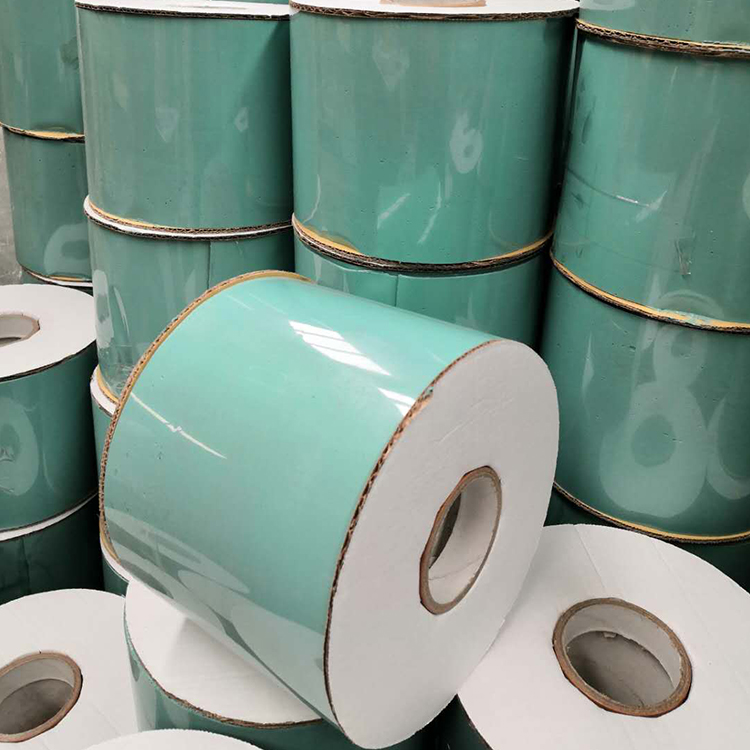
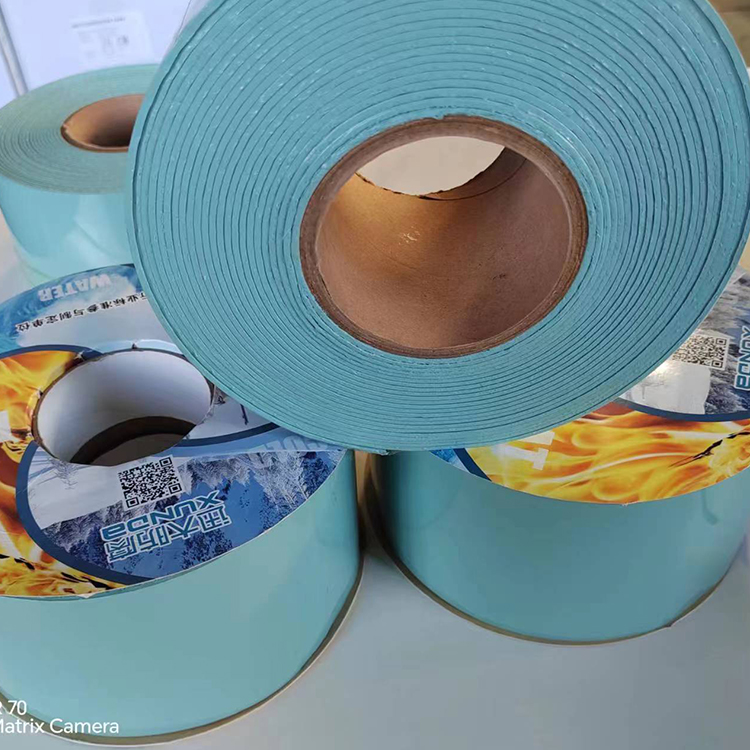
Wrap a layer of viscoelastic anti-corrosion tape around the surface treated pipe section, with an overlap length of not less than 50mm between the end and the original coating. Wrap the tape in sequence from the end to one side, with the smallest overlap length at the joint of the anti-corrosion tape being 10mm. When wrapping the viscoelastic anti-corrosion tape, there is no need to maintain a high tension, just press the edge and overlap of the tape by hand.
3. Wrap viscoelastic anti-corrosion tape around irregular parts such as flanges
For the anti-corrosion operation of valve flanges and other connections, anti-corrosion paste can be used to fill the connecting bolts flat, and then coated with viscoelastic anti-corrosion tape.
4. Wrap outer protective tape
The basic operation method is the same as the construction of viscoelastic anti-corrosion tape, but a certain tension must be maintained when wrapping the outer protective tape. The overlap amount at the joint is 50%, and the two ends of the anti-corrosion pipe section are exposed by 1-2mm respectively, without wrapping the outer protective tape.
5. Quality inspection
The quality requirements for the installation of viscoelastic anti-corrosion tape and external protective tape are: flat surface, uniform overlap, no bubbles, wrinkles, and damage.