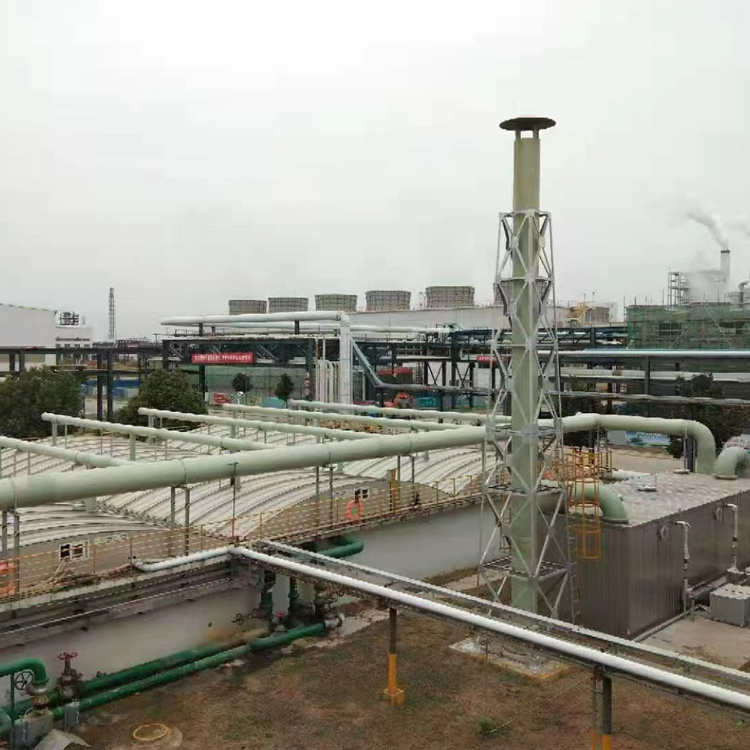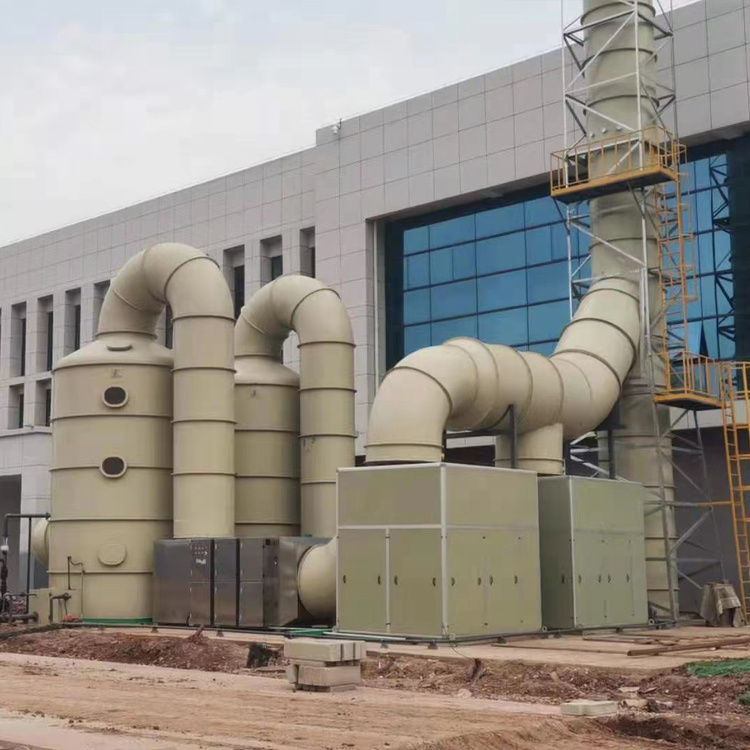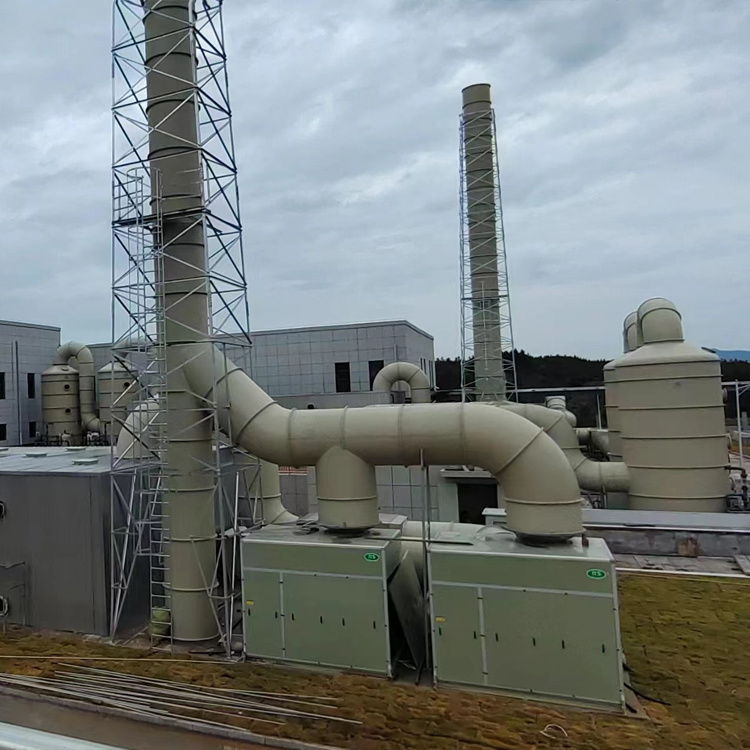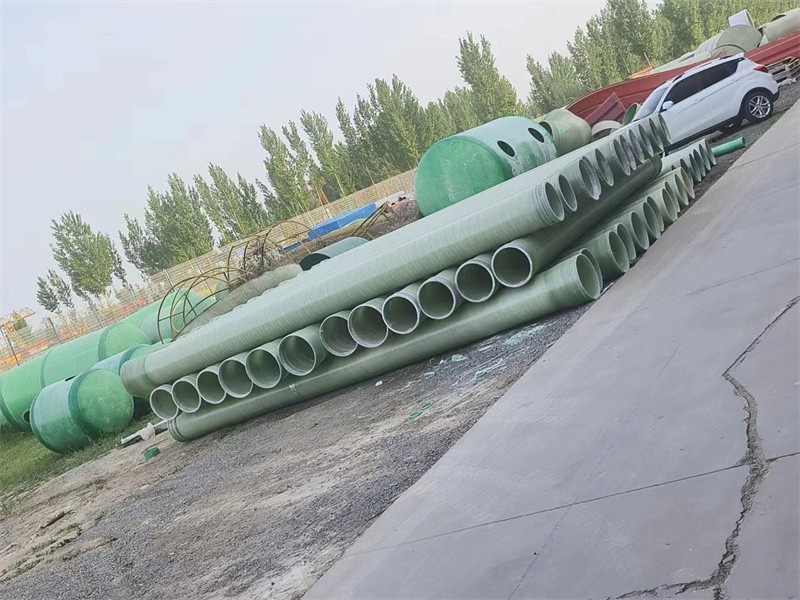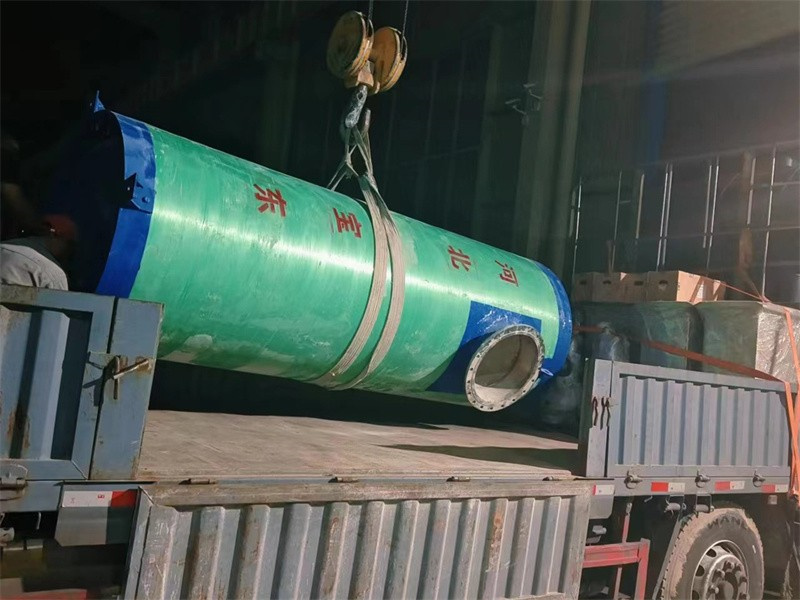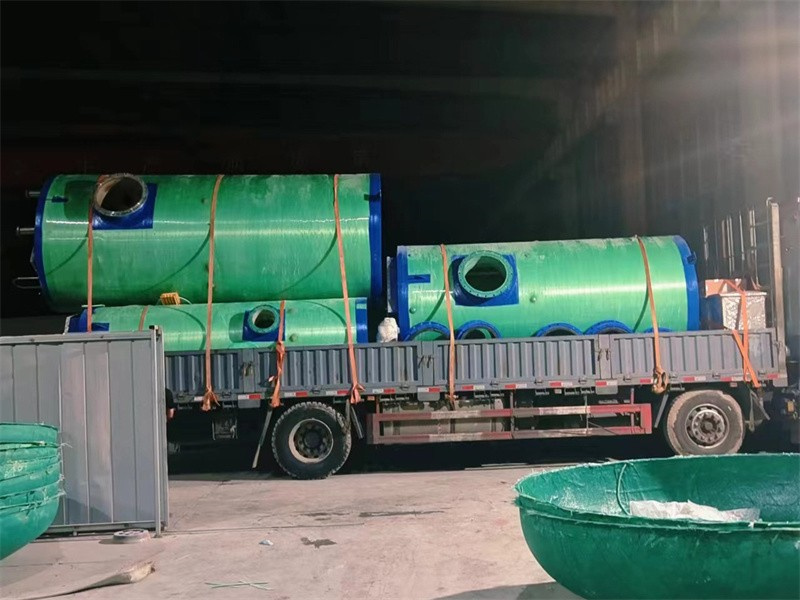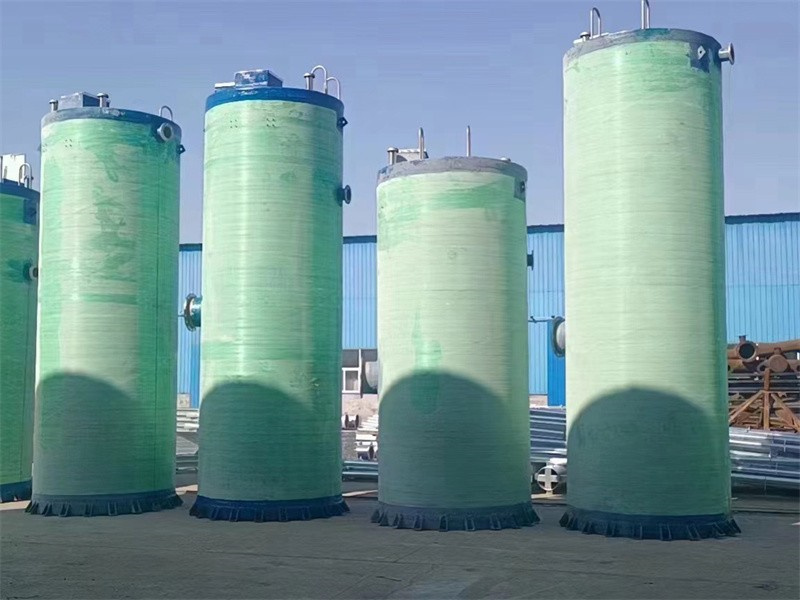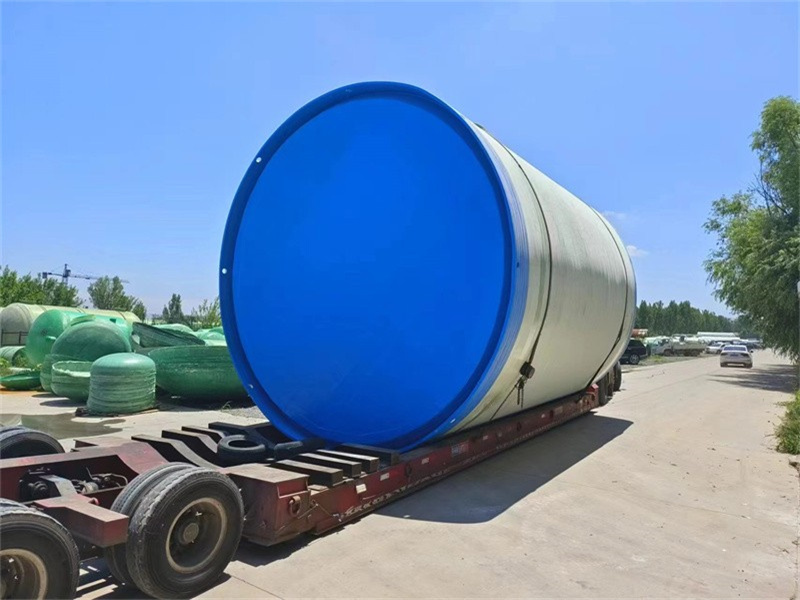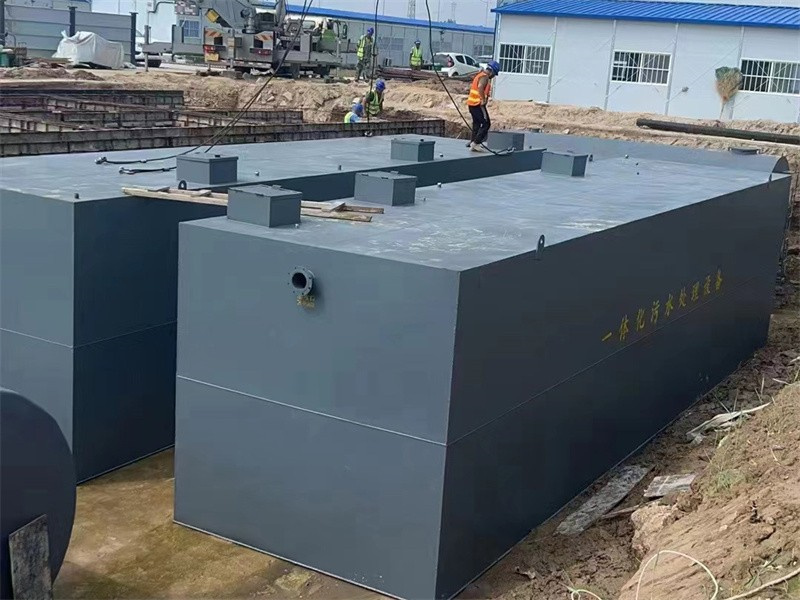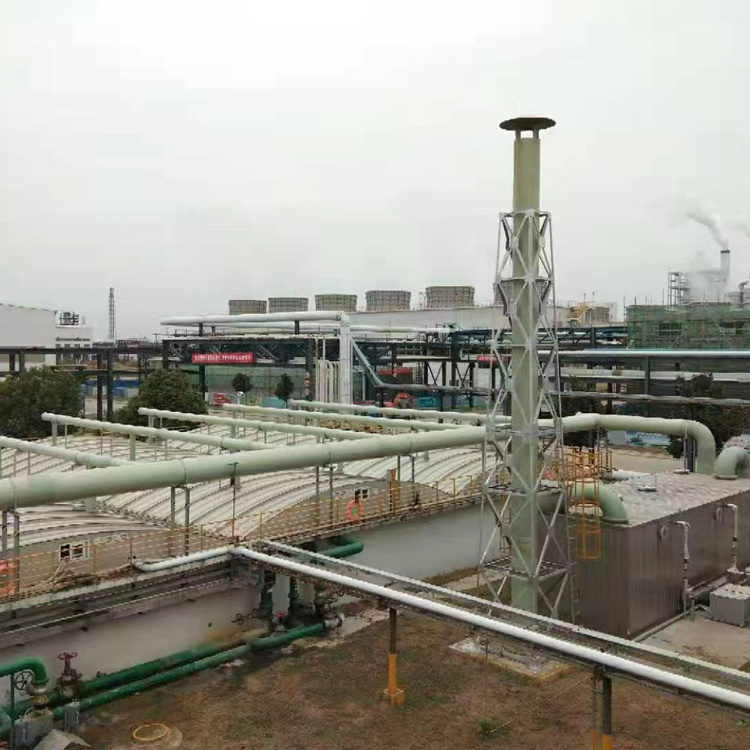


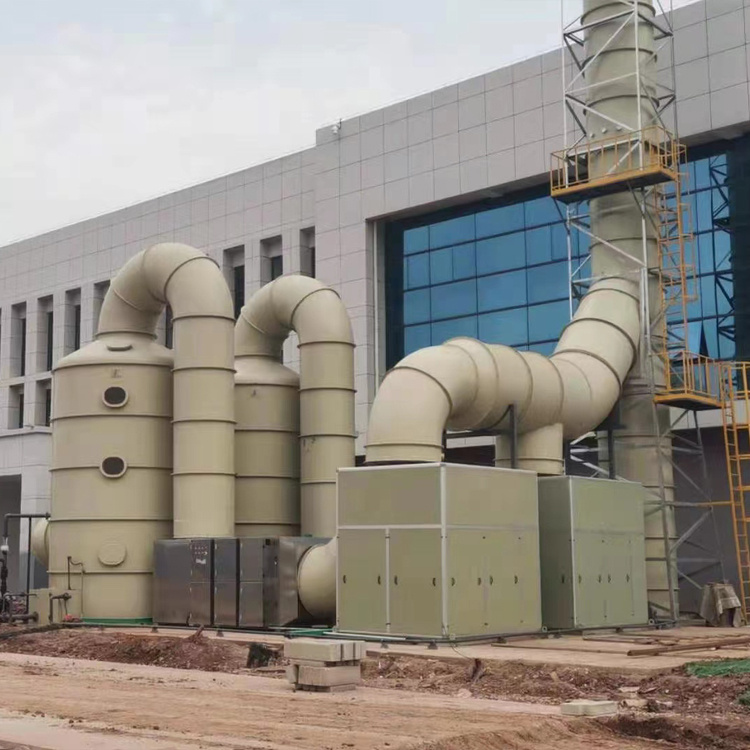
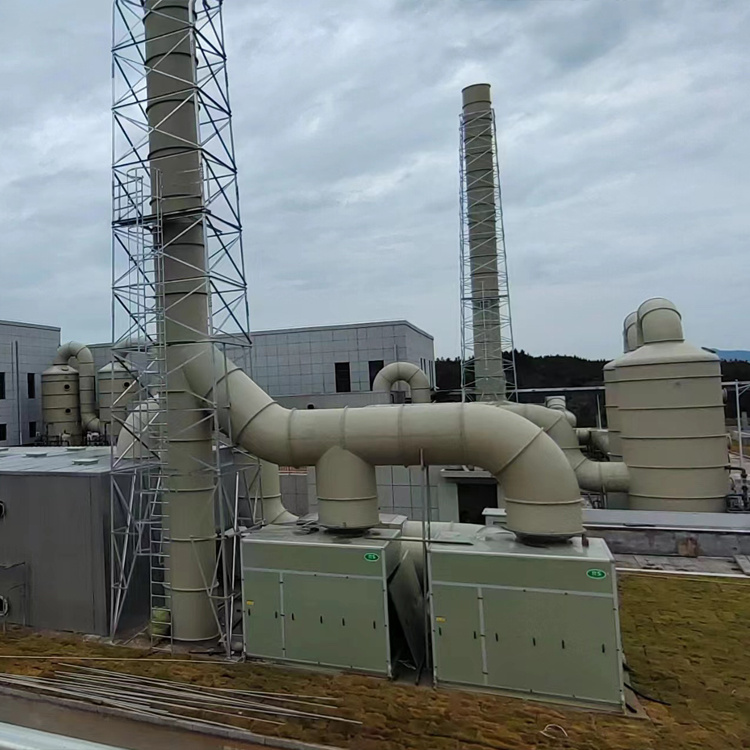


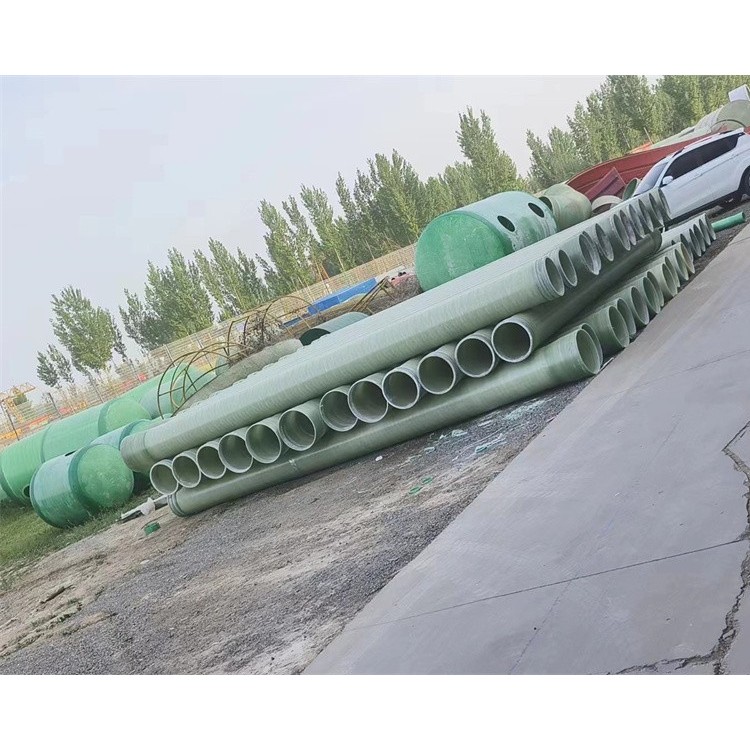
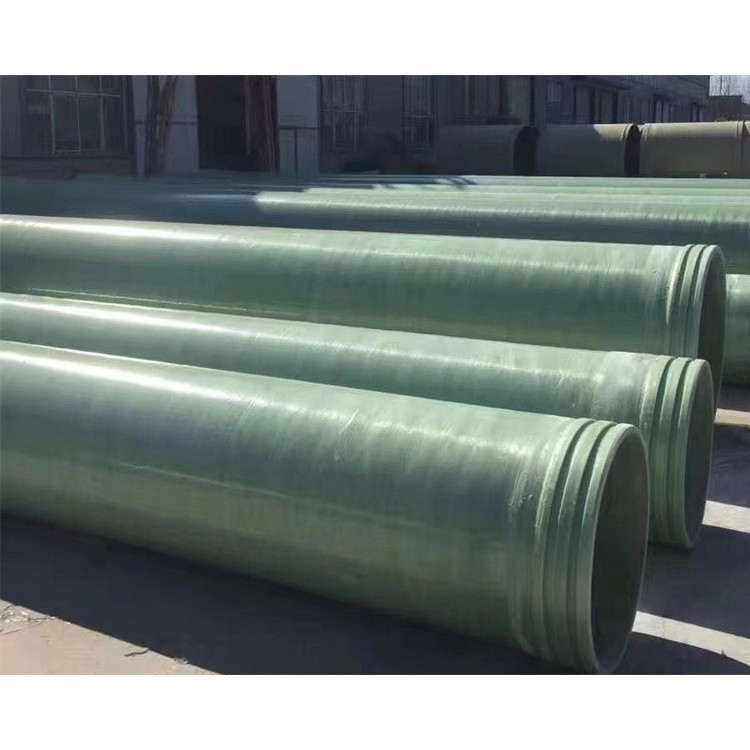
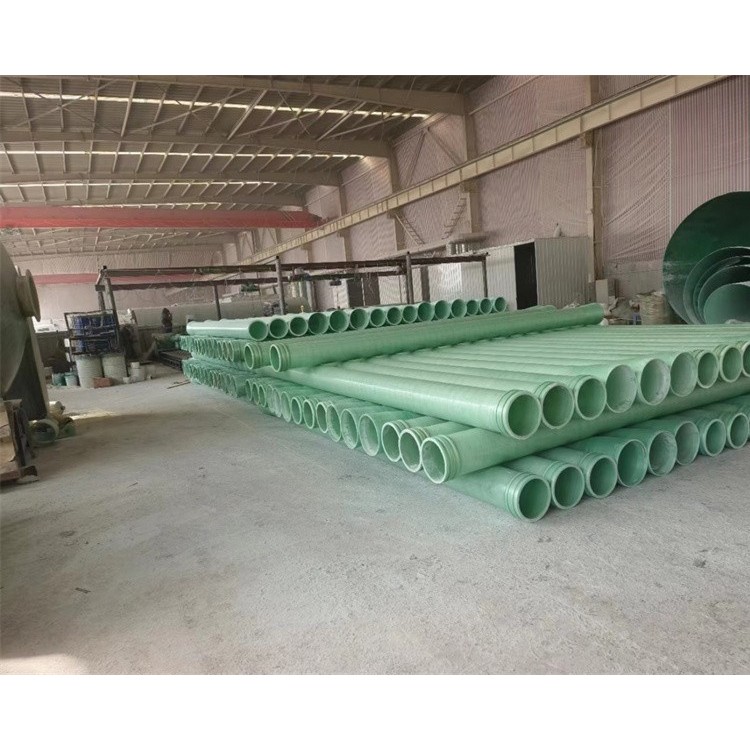
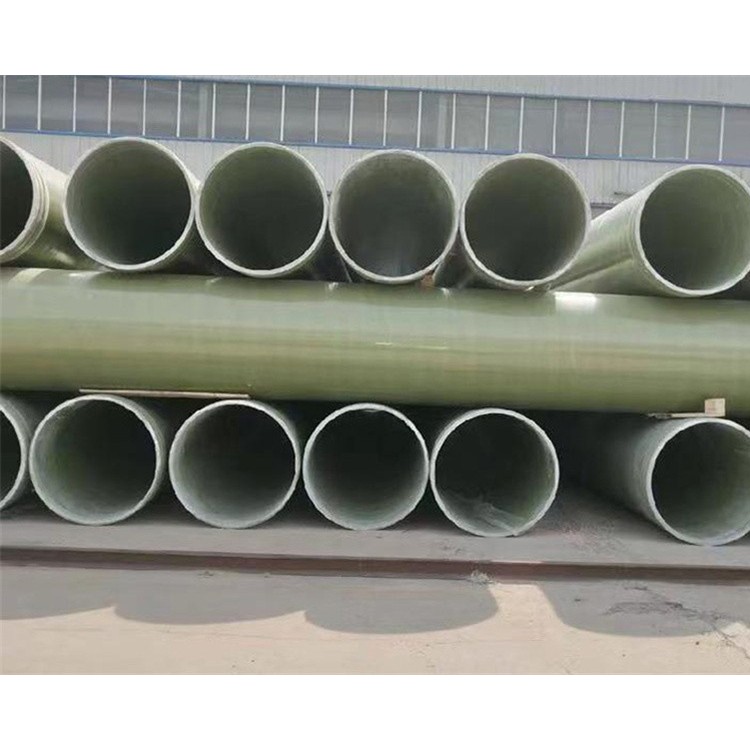





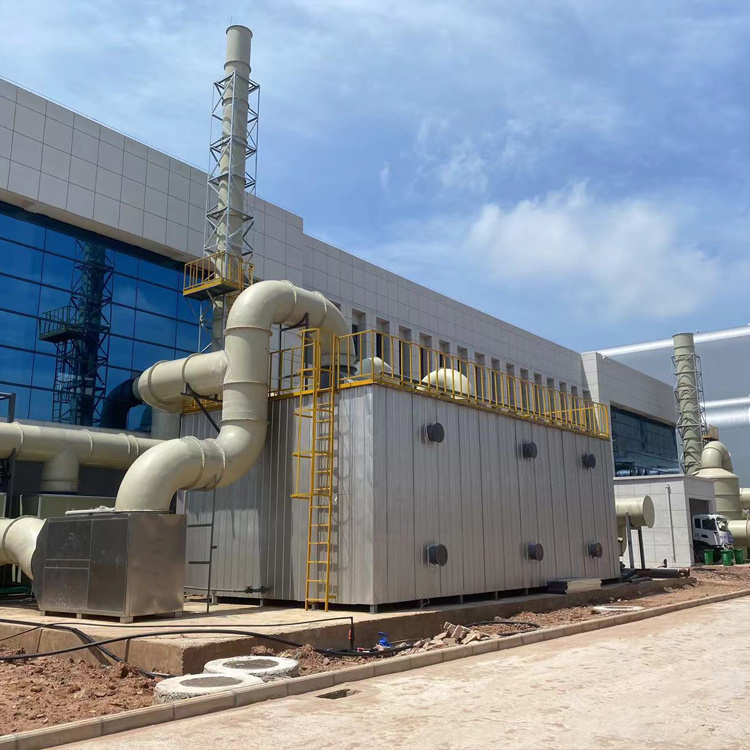
Wastewater biological deodorization device is one of the commonly used deodorization methods in wastewater treatment plants. The equipment consists of an aeration tank, packing material, water distributor, and control box. When sewage flows through the packing material, abundant fine bubbles are generated on the surface and inside of the packing material; Bubbles fully contact and react with organic matter in sludge, and are converted into sludge; The supernatant flows back to the aeration tank and is evenly dispersed into the atmosphere through a water distributor.
The entire biochemical treatment process is completed under anaerobic conditions. Due to its simple process flow and convenient operation, the activated sludge method has been widely used.
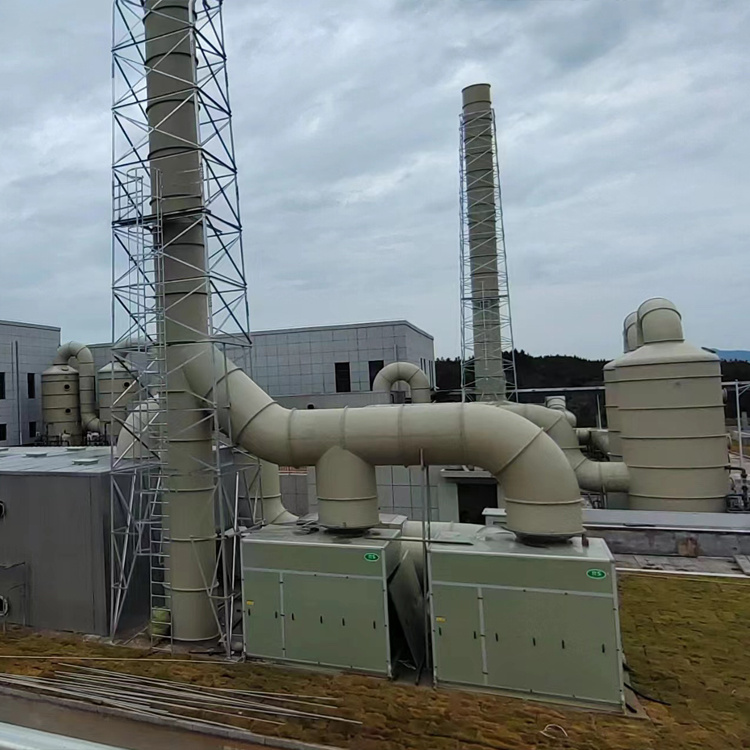
1、 Overview:
1. Principle:
A water treatment method that utilizes microorganisms to decompose complex organic matter in wastewater into carbon and water is called biological denitrification, where the method of removing NH3-N by microorganisms is called biological decarbonization. Biological decarbonization refers to the process of using aerobic bacteria to decompose organic matter in wastewater into inorganic matter, while releasing a large amount of energy.
2. Characteristics:
AOD is a processing technology characterized by low investment and operational costs; High removal rate of bod5; The cost is relatively low.
2、 Scope of application:
Suitable for the pre-treatment stage of reuse or deep treatment of secondary treated effluent from urban sewage treatment plants after meeting discharge standards.
3、 Process flowchart.
4、 Main equipment introduction:
1. The rising water from the sedimentation tank in the aeration tank enters the aeration zone through the grille and is divided into two streams, which flow along the tangential direction and move vertically upwards to diffuse to various areas, forming a mixed water flow layer.
The mixed state of air and water continuously updates and alternates in the aeration zone, carrying out gas exchange and water transfer processes. This allows oxygen in the air to dissolve into the water and exist in the form of tiny bubbles for microorganisms to absorb and utilize, thereby improving the vitality of autotrophic bacteria in the water, enhancing the biodegradability of wastewater, and promoting aerobic degradation of pollutants to achieve the goal of removing COD.
2. The new composite hanging film ceramic particles are selected as the filling material, which has excellent physical properties, good chemical stability, low cost, easy availability, and long service life.
3. The water distribution system's water distribution pipes are made of seamless steel pipes with smooth inner walls, and the diameter of the pipes can be designed according to needs.
4. The control box is installed above the water collection tank.
5. The fan adopts a centrifugal fan.
6. The water pump adopts a corrosion-resistant pump.
7. The amount of disinfectant added depends on the actual situation.
8. Before installing the pipeline, it is necessary to check whether the connections are firm and reliable.
9. Before the trial run, start the water pump and wait for the machine to run normally before putting in the reagents for trial operation.
10. Attention:
1) The user must carefully read the instruction manual when using this device for the first time.
2) Regularly check the inlet pressure.
3) Regularly clean the sedimentation tank.
4) Regularly.