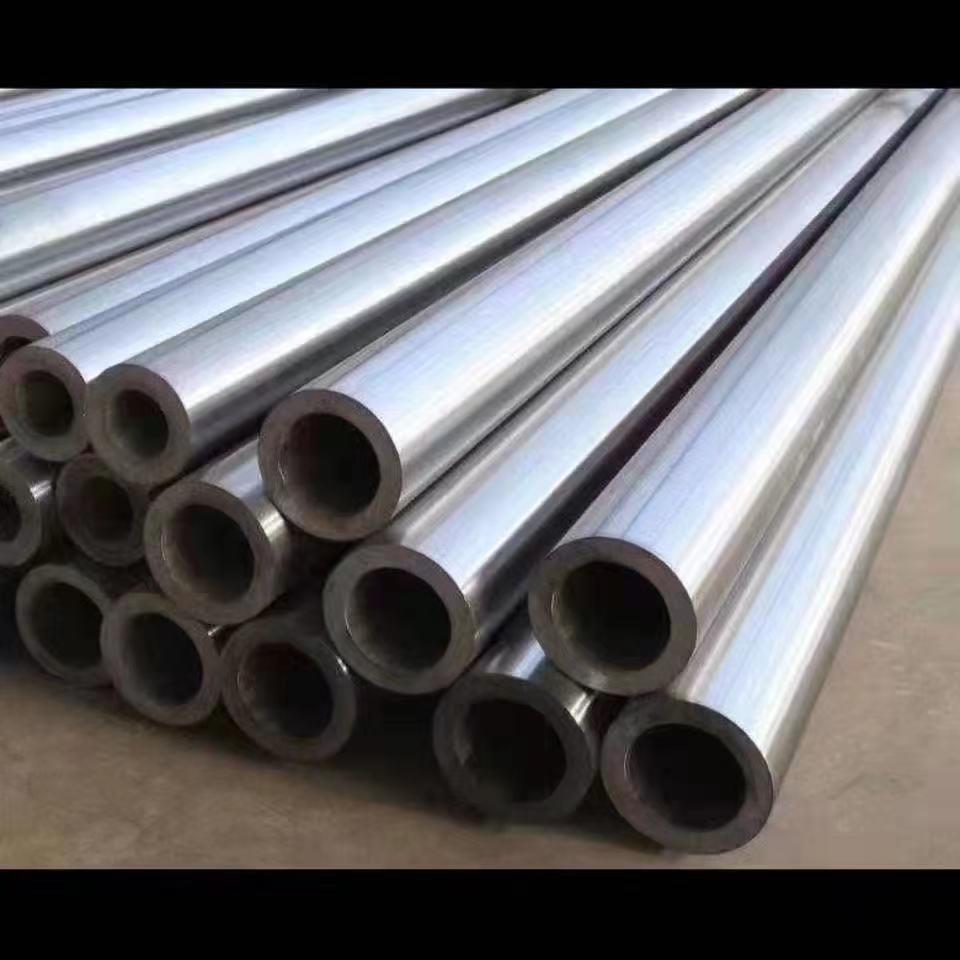






Precision seamless pipe is an important form and type of seamless pipe, which has a wide range of applications in various construction projects, building construction, and decoration. The phenomenon of fracture of precision seamless pipe is always found in production and major sales, which is due to many links not being done well in production, as well as insufficient ingredients and incorrect proportions of chemical elements.
1. Small longitudinal crack
The small longitudinal cracks on the surface of precision seamless pipes have a length of less than 200mm, a width of less than 3mm, and a depth of less than 0.3mm.
2. Peak shaped crack
The cracks all occurred at a distance of 5-60mm from the edge of the precision seamless tube, and the macroscopic direction was perpendicular to the rolling direction, forming a "mountain peak" shape.
3. Edge crack
The crack mainly occurs at a distance of 20-80mm from the edge of the precision seamless tube, with the morphology of multiple parallel longitudinal cracks of different sizes. The pattern is that the thicker and wider the specification of the precision seamless tube, the more severe this type of defect.
4. Inclusion and scarring
The inclusions and scars are distributed in a regular pattern, and the phenomenon is obvious after finishing operations such as edge flame peeling crack inspection or casting scratch flame cleaning.
For the fiber structure and crystal defects such as dislocations and vacancies in steel, annealing or normalizing heat treatment methods are generally adopted to eliminate them. The purpose of annealing is to refine grains, eliminate structural defects, reduce hardness, improve plasticity, and facilitate cold processing. Annealing equipment is indispensable in the production of cold drawn precision seamless tubes. Therefore, developing appropriate annealing processes is a necessary condition to ensure that the microstructure of precision seamless tubes is qualified and that products do not have fracture defects. If manufacturers reduce annealing processes in order to unilaterally lower production costs, it will inevitably have a negative impact on product quality.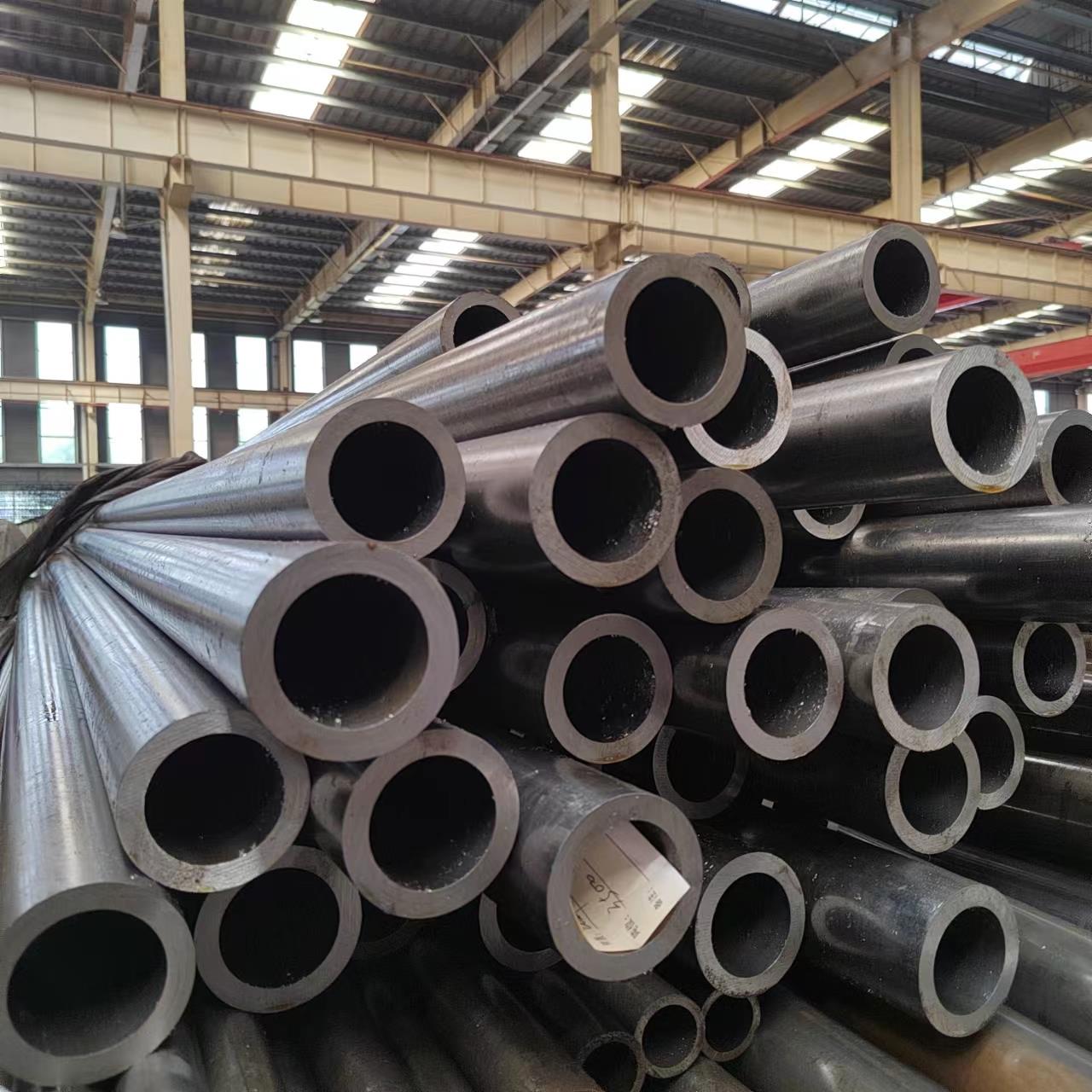
Alloy pipe is a type of seamless steel pipe, which is divided into structural seamless pipe and high-pressure heat-resistant alloy pipe. Mainly different from the production standards and industry of alloy tubes, annealing and tempering are carried out on alloy tubes to change their mechanical properties. Meet the required processing conditions. Its performance is more versatile and has higher utilization value than ordinary seamless steel pipes. The chemical composition of alloy pipes contains more Cr, and it has high temperature resistance, low temperature resistance, and corrosion resistance. Ordinary carbon seamless pipes do not contain alloy components or have very few alloy components. The reason why alloy pipes are widely used in industries such as petroleum, aerospace, chemical, power, boilers, etc. is that the mechanical properties of alloy pipes are variable and easy to adjust.
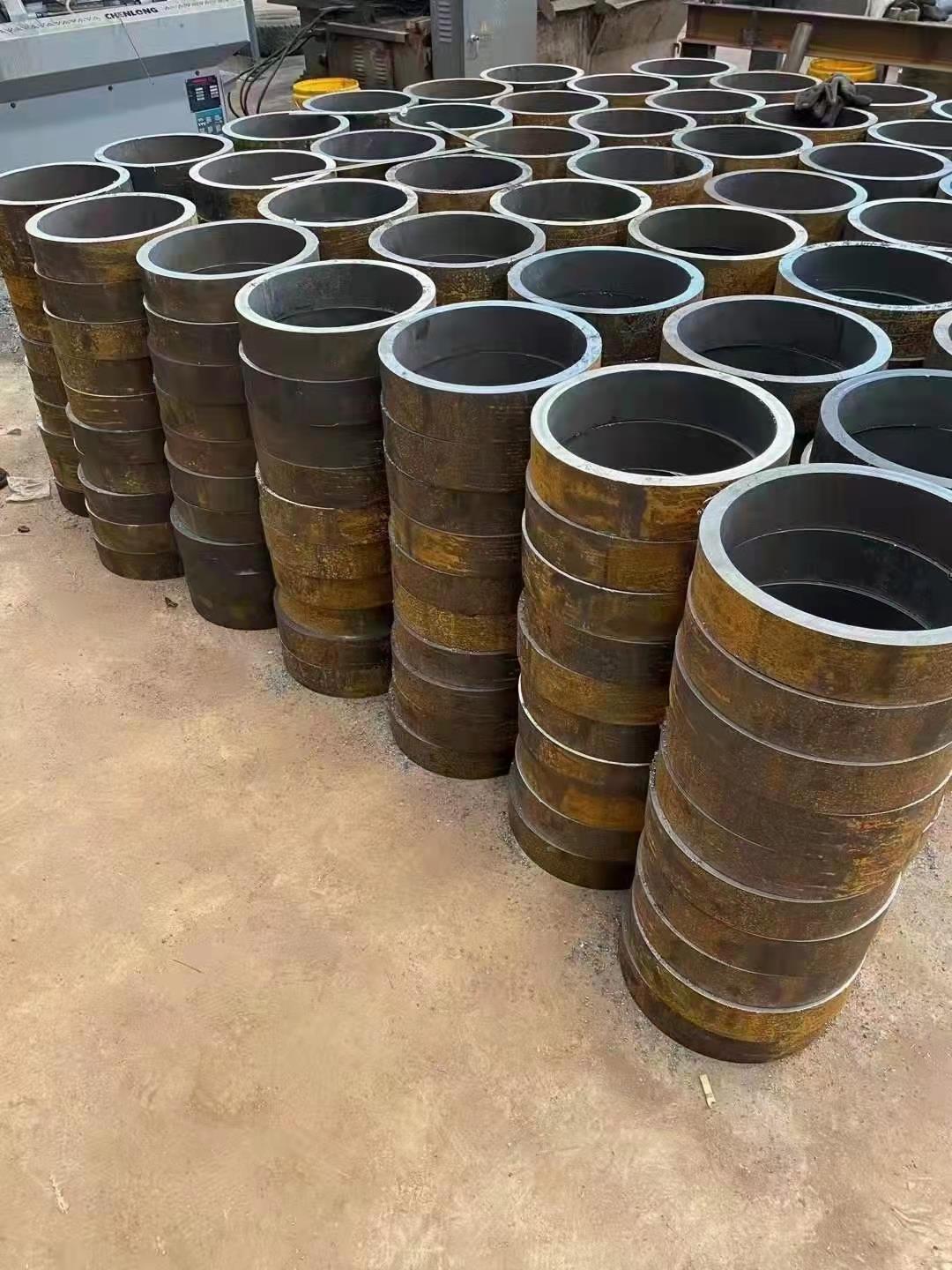
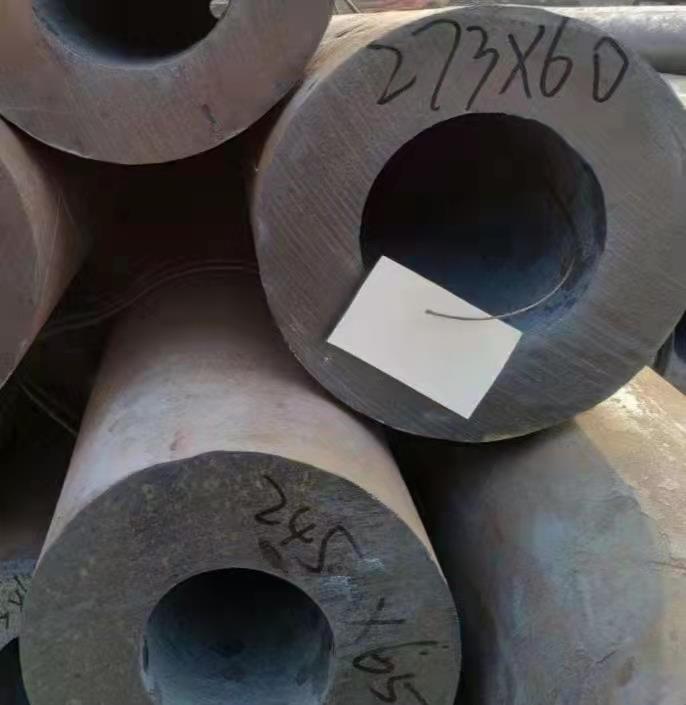
YB/T5035-1993 (Seamless steel pipe for automotive half shaft sleeve pipe). Mainly used for producing carbon structural steel and alloy structural steel hot-rolled seamless steel pipes for automobile half axle sleeves and drive axle housing shaft pipes. Its representative materials are 45, 45Mn2, 40Cr, 20CrNi3A, etc.