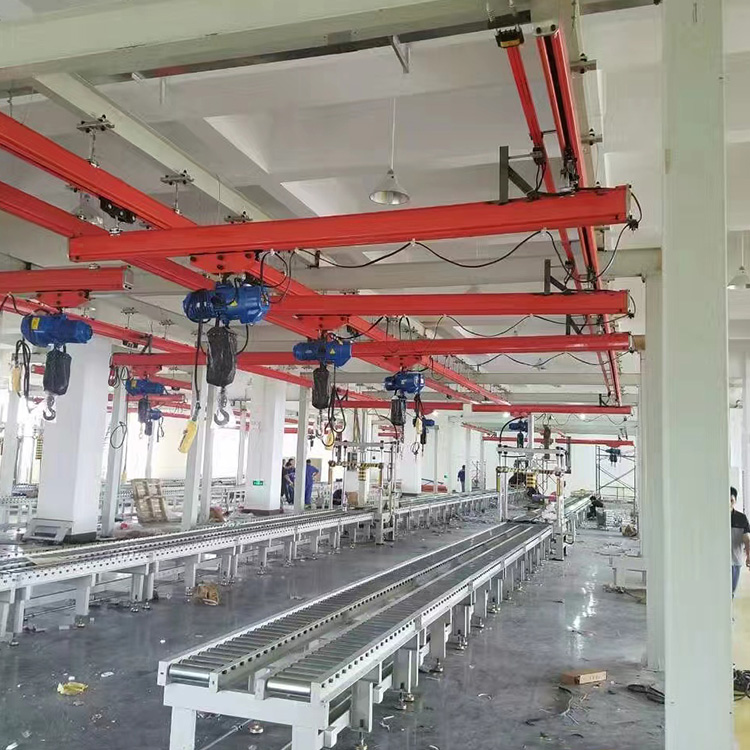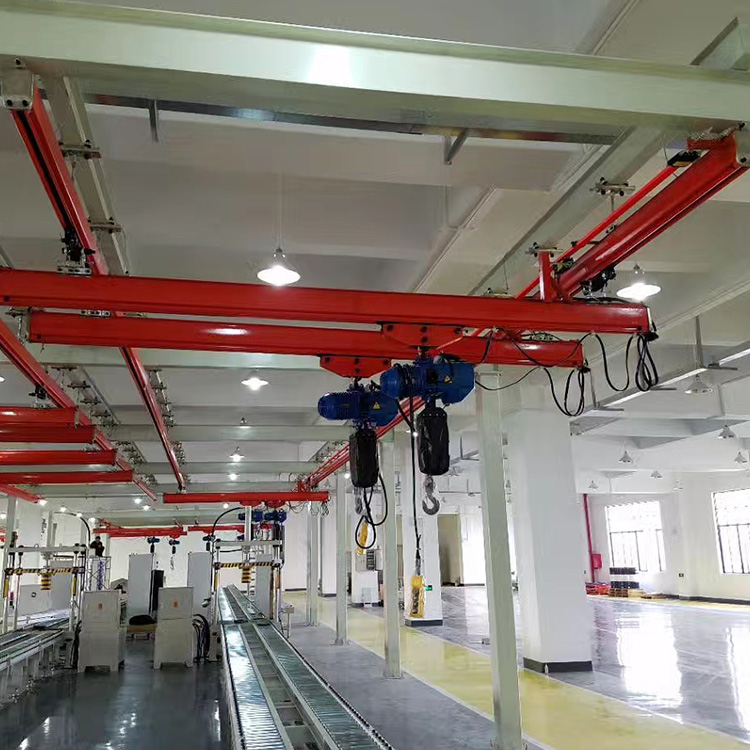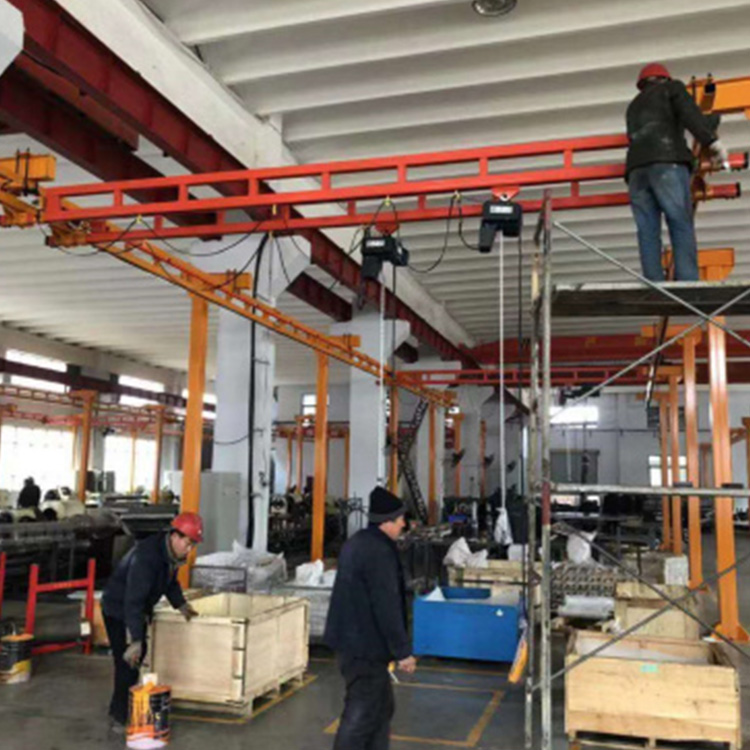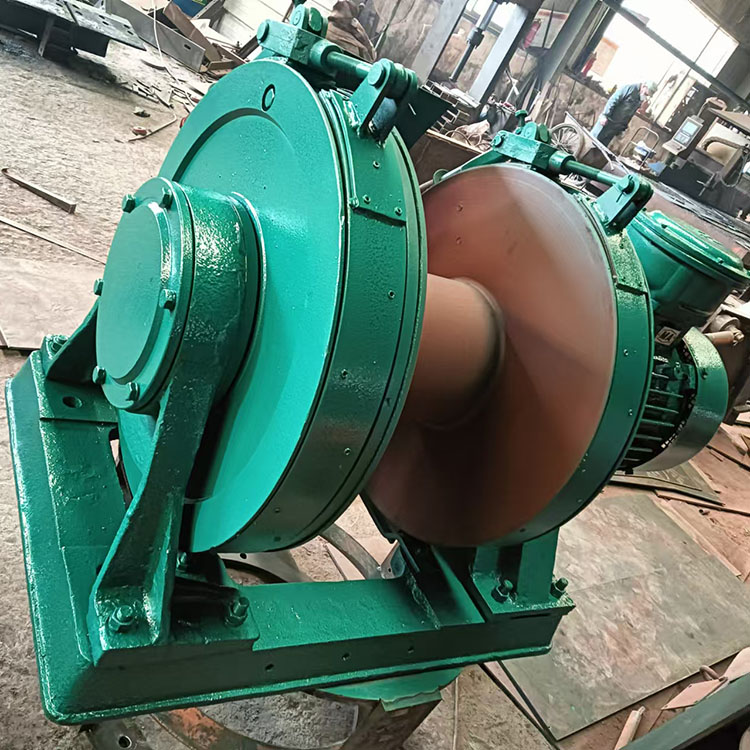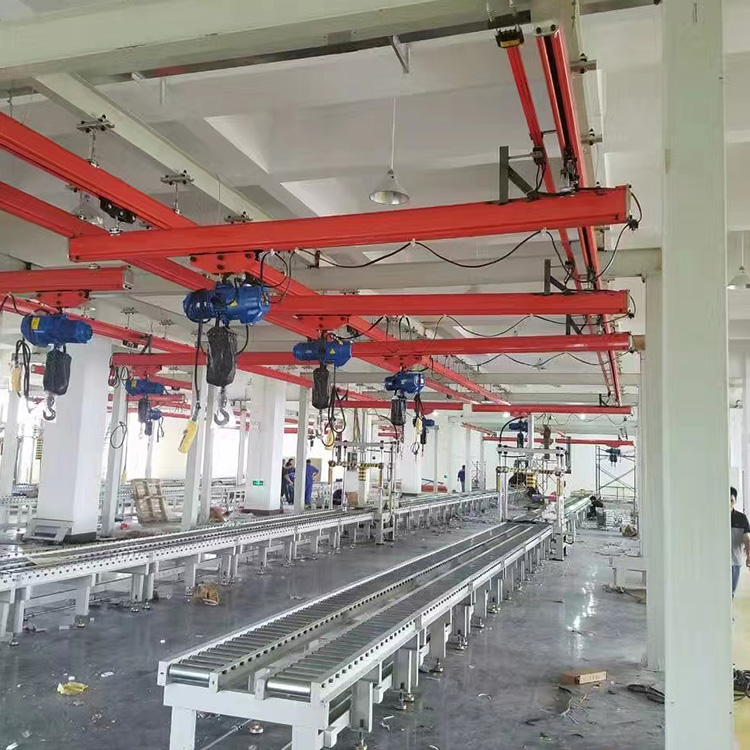

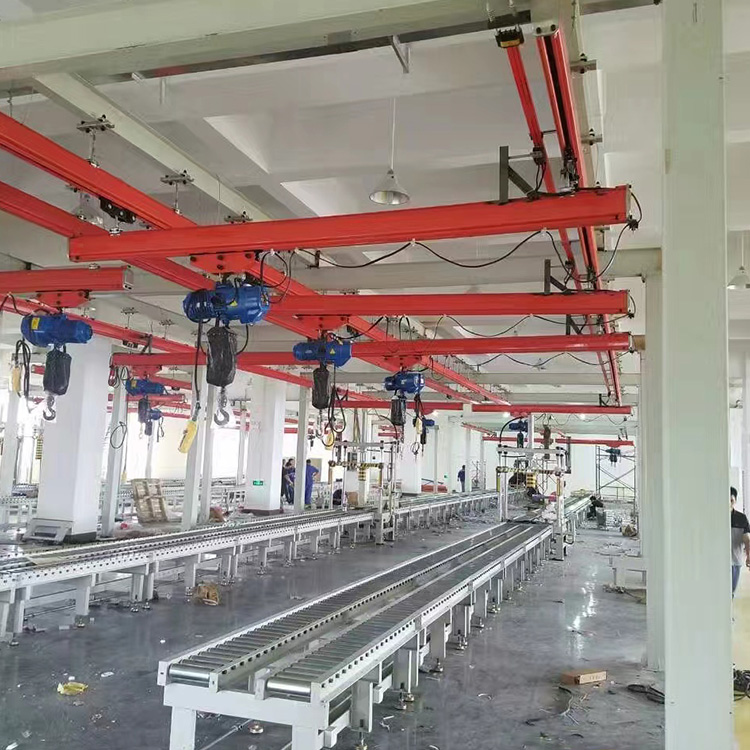







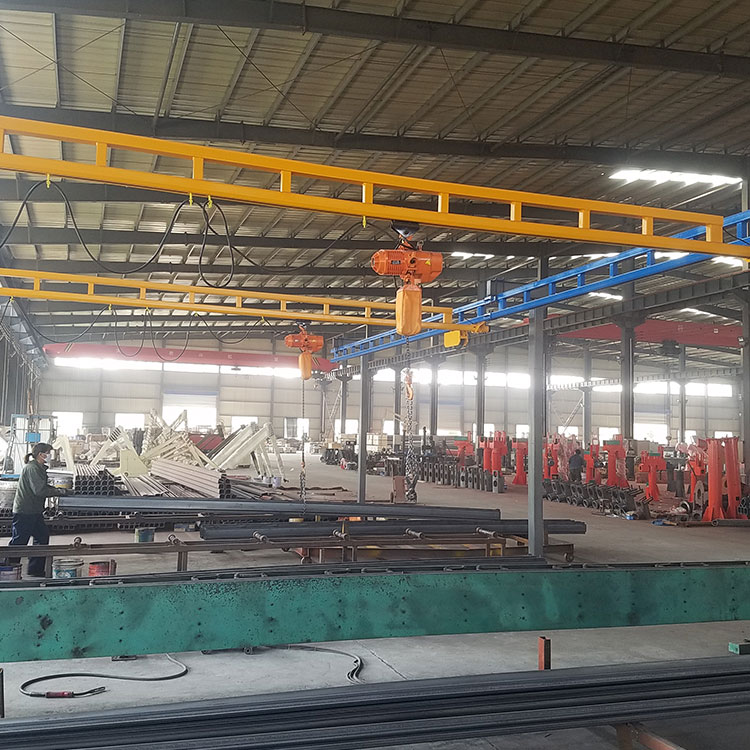
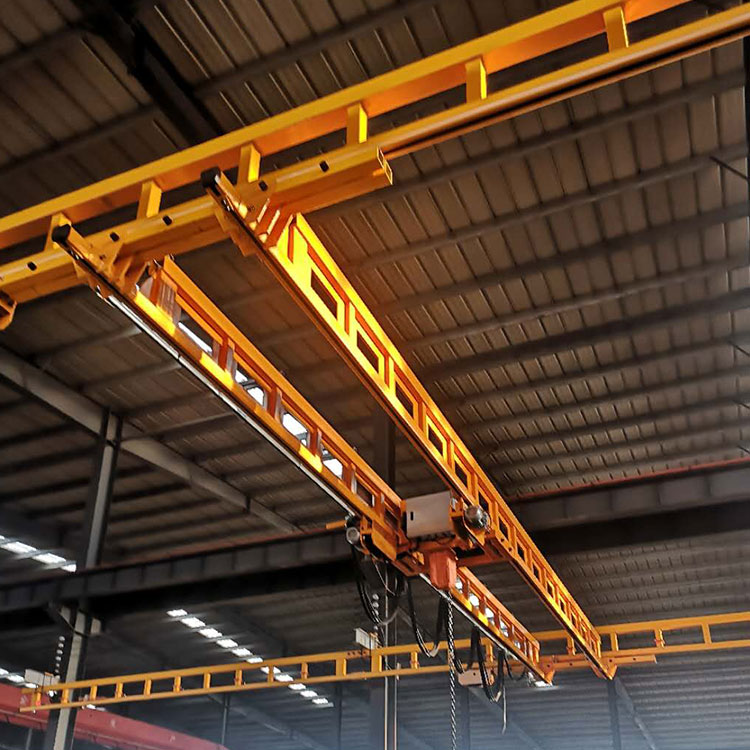
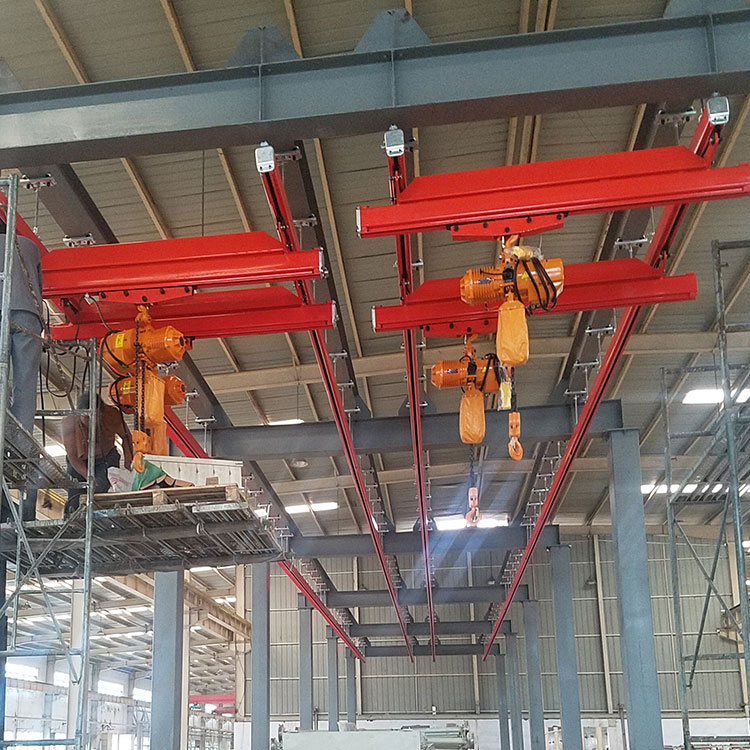


For a long time, customers often choose flexible cranes but have little understanding of the accompanying slings, leading to some issues. Flexible cranes can be paired with various types of slings, such as wire rope electric hoists, chain electric hoists, micro electric hoists, pneumatic slings, and hand winches.

The commonly used lifting slings include electric wire rope hoists, chain electric hoists, and hand-cranked hoists, all of which fall under the category of electric hoists. Generally, we opt for 380V electric hoists and chains, eliminating the need for external power sources. However, for areas without electricity or in outdoor environments, a micro electric hoist is required. Before selecting a micro electric hoist, ensure the presence of a powerful air compressor or pneumatic lifting machine, which are typically used in factory settings. Electric hoists are widely used lifting tools, with both wire rope and chain electric hoists having their own advantages and disadvantages.
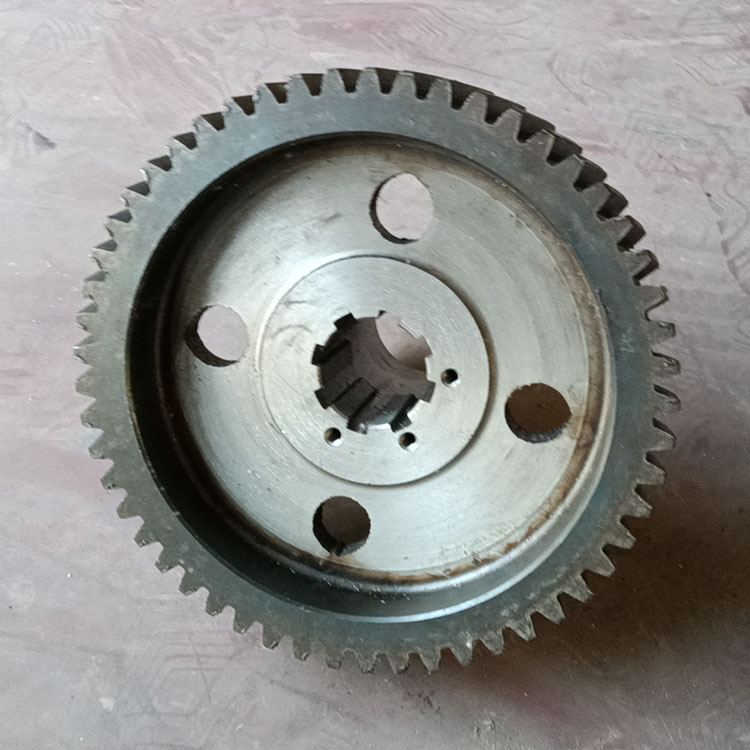
Firstly, the electric wire rope hoist is composed of hooks, ropes, drums, motors, and reducers, offering quick speed and low cost. However, issues such as cracked guide steel belts and burrs on the wire rope may arise, and it is relatively large in size.
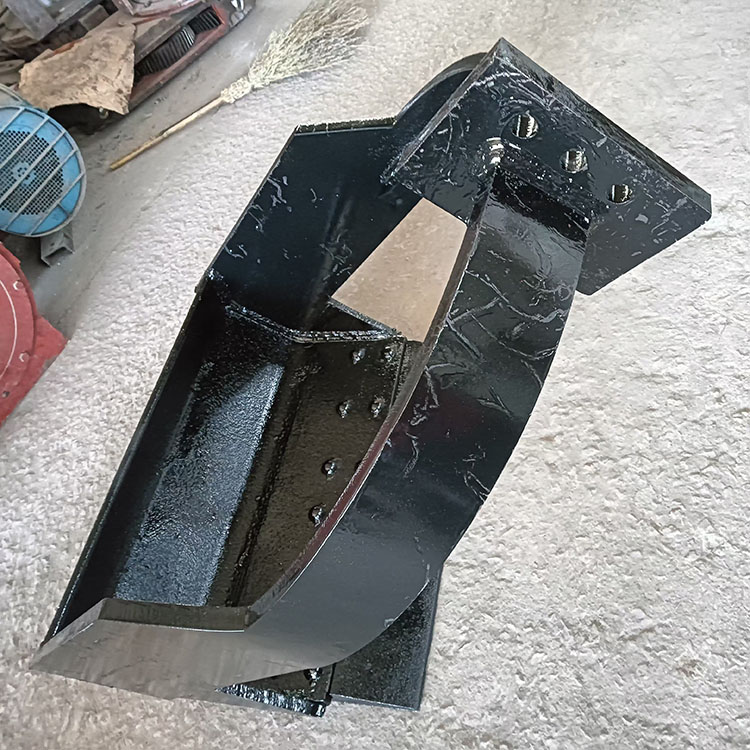
The chain electric hoist is composed of chains, chain boxes, and motors, featuring a compact size, chains that are not easily worn, low repair costs, and adjustable speed. However, the product price of the chain electric hoist is relatively high.
So, when selecting a flexible crane, we must pay close attention to these details.