

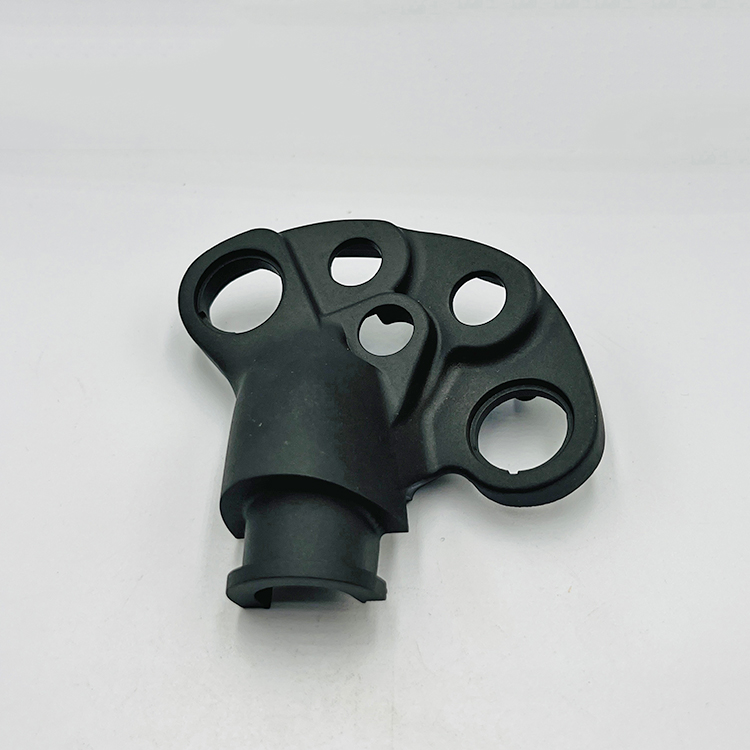
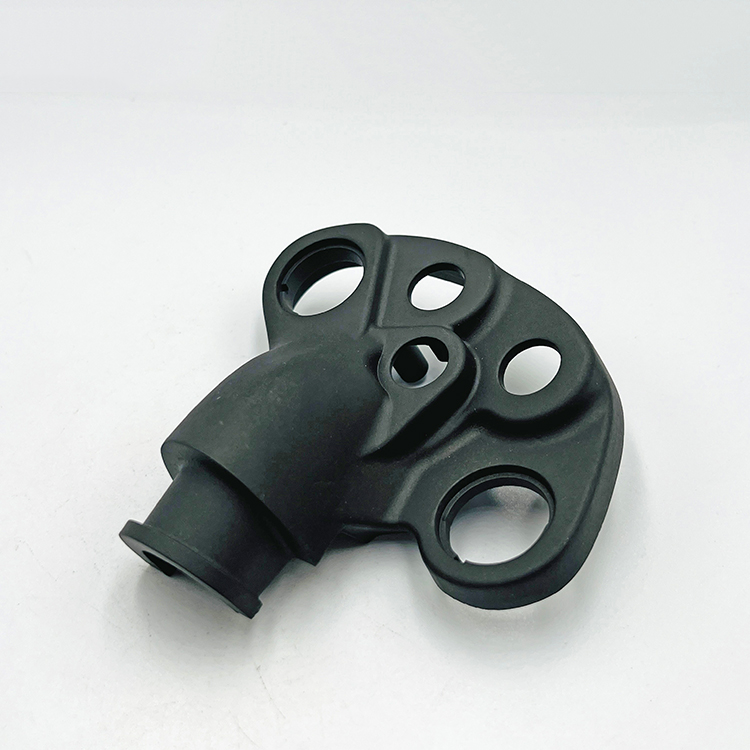












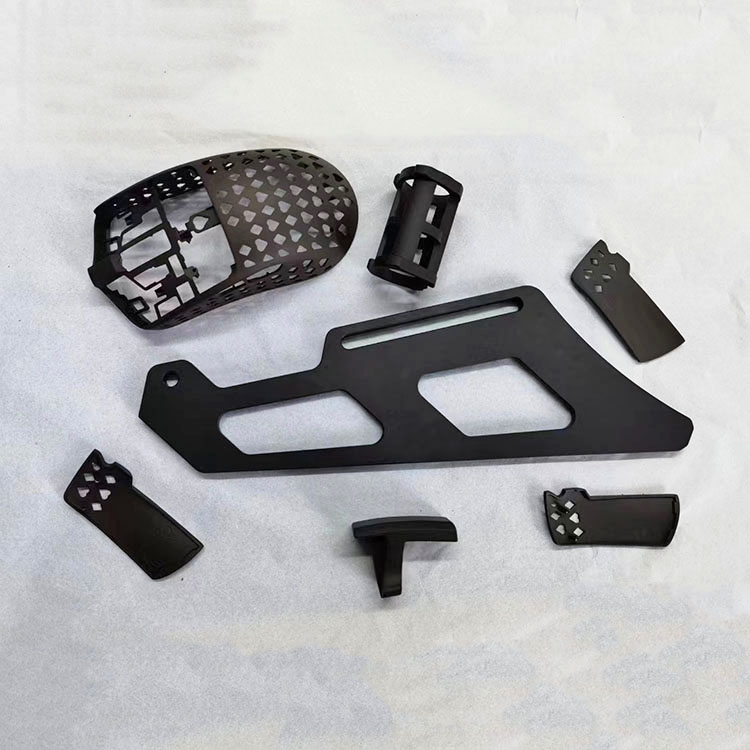
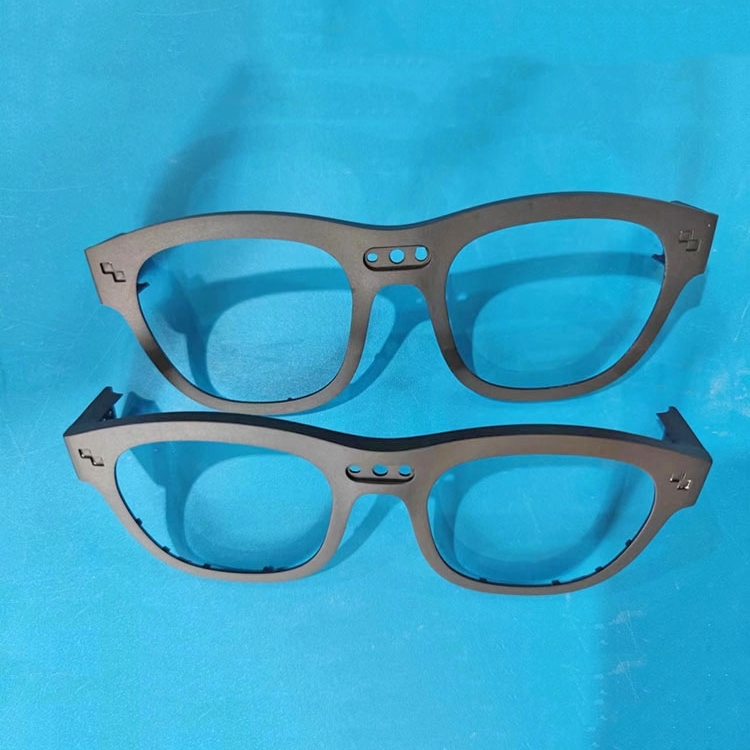
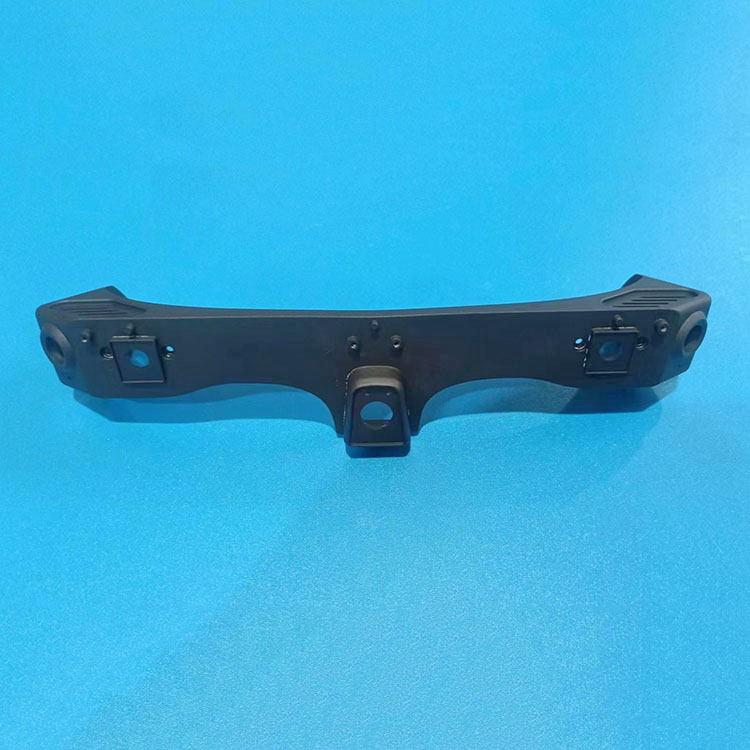
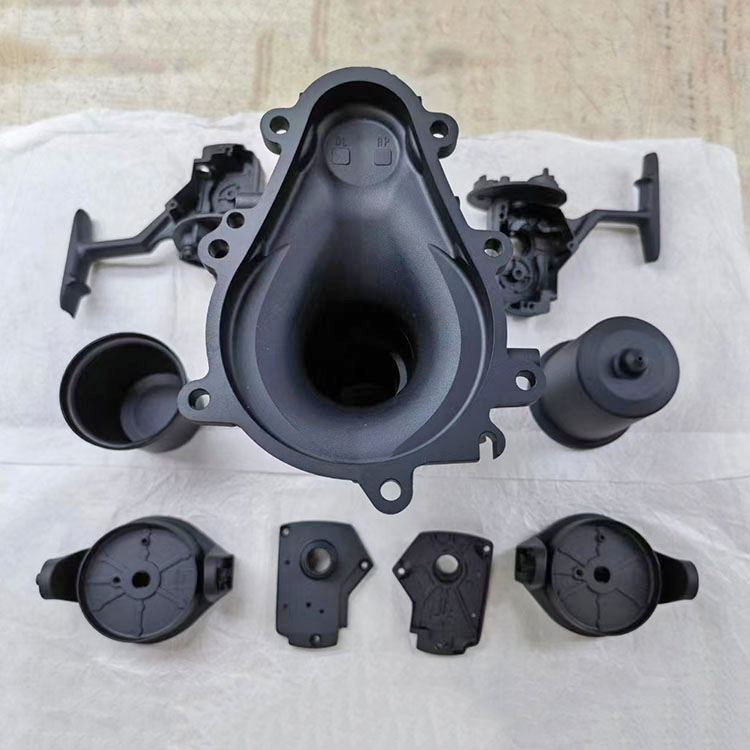
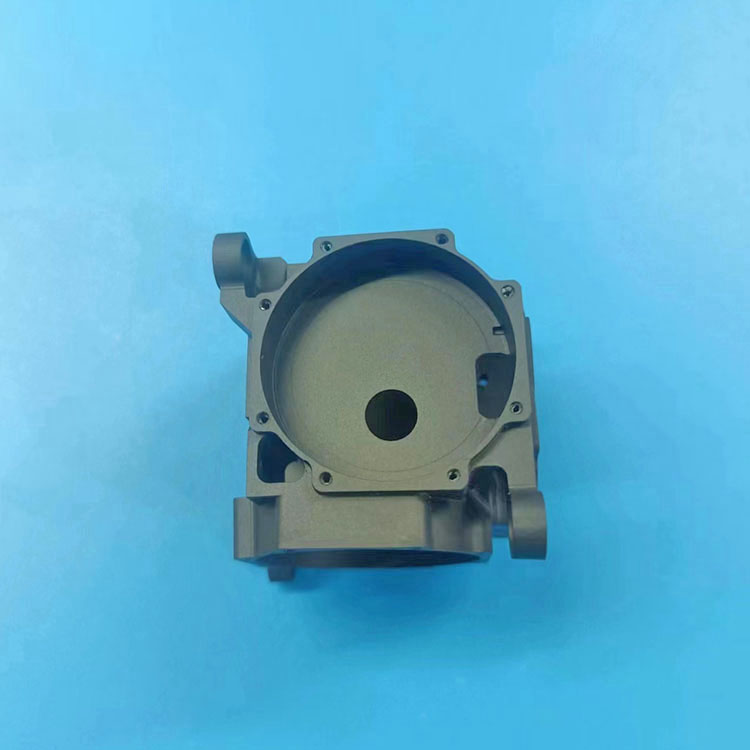
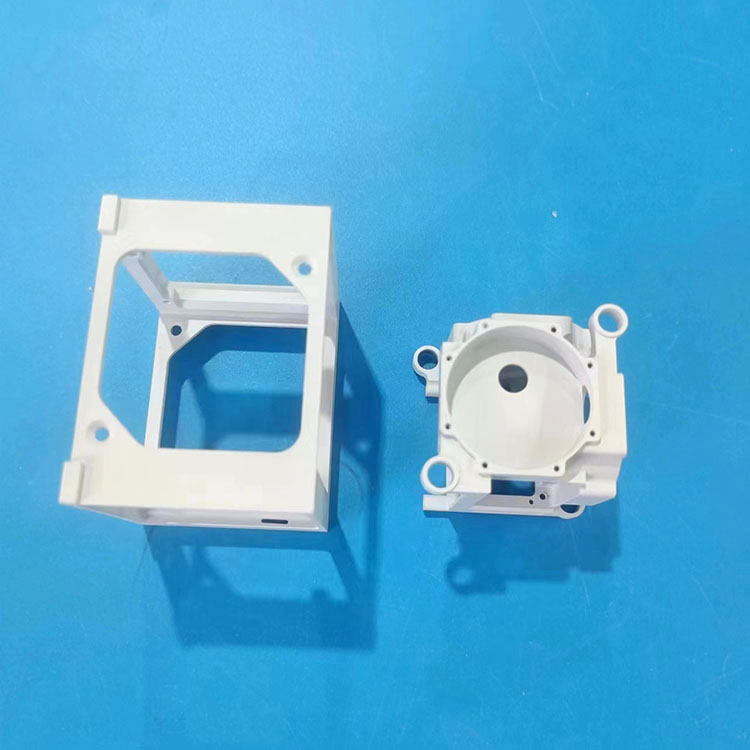
Micro-arc oxidation process characteristics:
Micro-arc oxidation evolved from anodizing but offers many advantages not found in conventional anodizing. The micro-arc oxidation setup is simpler, with electrolytes typically being alkaline, resulting in minimal environmental pollution. The solution temperature can vary over a wide range. The process flow of micro-arc oxidation is relatively simple and versatile in material application.
Properties and characteristics of micro-arc oxidation ceramic film:
Micro-arc oxidation surface treatment technology differs from anodizing surface oxidation technology, and the ceramic film formed is far superior in terms of functionality and performance compared to anodized films. Depending on the material composition of the workpiece, the composition of the working fluid, the pulse waveform, and the process parameters, the ceramic layer on the surface after micro-arc oxidation exhibits a variety of functionalities and different application scopes, generally as follows:
1. High hardness, high grade
The ceramic thin layer produced by micro-arc oxidation has a hardness and wear resistance that can exceed淬火钢 and hard alloy. Therefore, in aerospace, aviation, or applications requiring lightweight products, aluminum alloy can be used to manufacture valve sleeves, cores, and cylinders for pneumatic and hydraulic servo valves. The ceramic layer generated by surface micro-arc oxidation can be applied to the surface of aluminum alloy spindle components in high-speed motion.
2. Abrasion-resistant surface
Due to the micro-arc oxidation process, a ceramic layer with micropores forms on the material surface, which can reduce the coefficient of friction to between 0.06 and 0.12 when using traditional lubricants. Filling solid lubricants in the micropores further enhances the friction and wear reduction, making it suitable for applications such as car and motorcycle pistons, or any scenario requiring a low coefficient of friction.
Due to the ceramic coating on the surface, the aluminum alloy can withstand high temperatures of 800~900°C, even up to 2000°C, in a short period, thus increasing the working temperature of aluminum, magnesium, titanium, and other alloy components. It is suitable for rocket, cannon, and other components requiring instantaneous performance.
3. Light Absorption and Light Reflective Surface
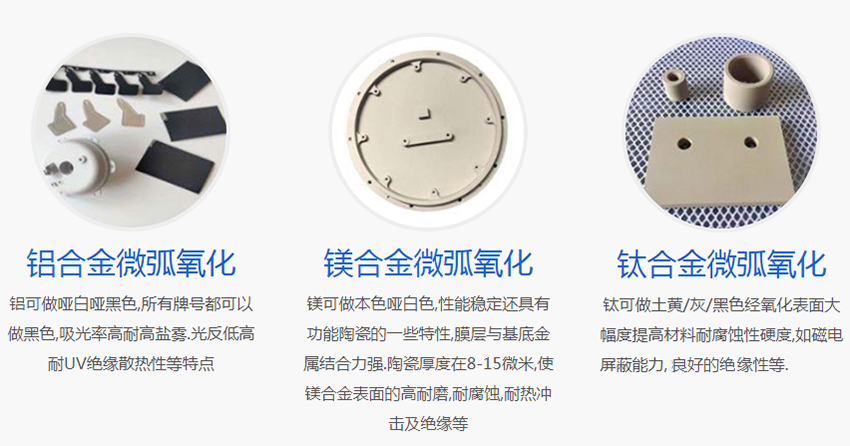
Create ceramic layers in various colors and performance levels, such as black or white, capable of absorbing or reflecting over 80% of light energy, suitable for solar heat absorbers or heat sinks for electronic components. Colored ceramic surfaces made from aluminum, magnesium, titanium, and their alloys can be used as high-end decorative materials for mobile phone shells and the like.