






Lighting design is an integrated applied technology that, through the rational selection and application of light sources and lighting control systems, creates a shadow effect that complements the environment and emotions, thereby cultivating a unique atmosphere. In this干货 tutorial, we will share from an expert's perspective how to use lighting design to craft an emotional journey, allowing you to immerse yourself in enchanting light and shadow.
I. Emotional Design Approach
Emotional design is a crucial aspect of lighting design, conveying specific emotions and feelings through elements like light intensity, color, and variation. Before beginning the lighting design, we first need to define the objective of the emotional design. Are we aiming to create a romantic ambiance or to induce comfort and relaxation? Once the goal is set, we can then proceed to select the appropriate lighting effects.
II. Light Brightness and Dimming Handling
Lighting's manipulation of brightness and darkness is a key means to guide emotions. The contrast between light and dark can produce a strong effect, creating entirely different atmospheres. When aiming to create a dreamy emotional feeling, one can employ stark changes in brightness and darkness, using cast shadows to evoke a sense of drama. For a cozy and comfortable atmosphere, however, opting for soft transitions between light and dark can make the lighting more gentle and warm.
Section 3: Color Application
Color is one of the most direct elements in lighting design to express emotions. By choosing different colors, we can convey various moods and feelings. For instance, red conveys passion and romance, while blue creates a sense of calm and tranquility. When aiming to create a romantic atmosphere, we can use red and pink lighting; and for seeking a purifying and relaxing ambiance, blue and green are the go-to choices.
4. Dynamic Effect Variations
Dynamic lighting effects can enhance emotional depth and entertainment. Through effects like gradation, rhythm, and breathing, we can create more vivid and engaging atmospheres. For instance, by using a soft gradient, we can transition the lights from dark to bright and back, creating a dreamlike sensation. Combined with elements like music, this can lead to an interactive experience that takes people on an emotional journey.
V. Coordination of Environment and Lighting
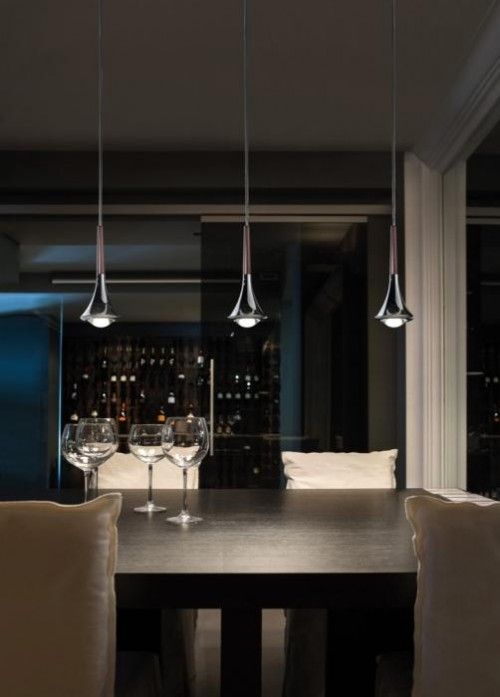
Lighting design requires attention not only to individual effects but also to the coordination with the surrounding environment. We need to consider the colors and materials of elements such as walls, furniture, and decorations, as well as the selection and arrangement of light sources. Through proper matching, lighting can blend seamlessly with the environment, enhancing the overall emotional impact. Additionally, attention must be paid to controlling the brightness and projection angle of the lights to ensure a comfortable visual experience and avoid glare.
Section 6: Safety and Energy Efficiency
When designing lighting, we cannot overlook safety and energy-saving concerns. Choose appropriate fixtures and materials, ensuring their quality and safety. Additionally, control the brightness and usage duration of lighting reasonably to reduce energy consumption and minimize environmental impact. Utilizing intelligent lighting control systems can make managing and controlling lighting effects more convenient, achieving higher energy utilization efficiency.
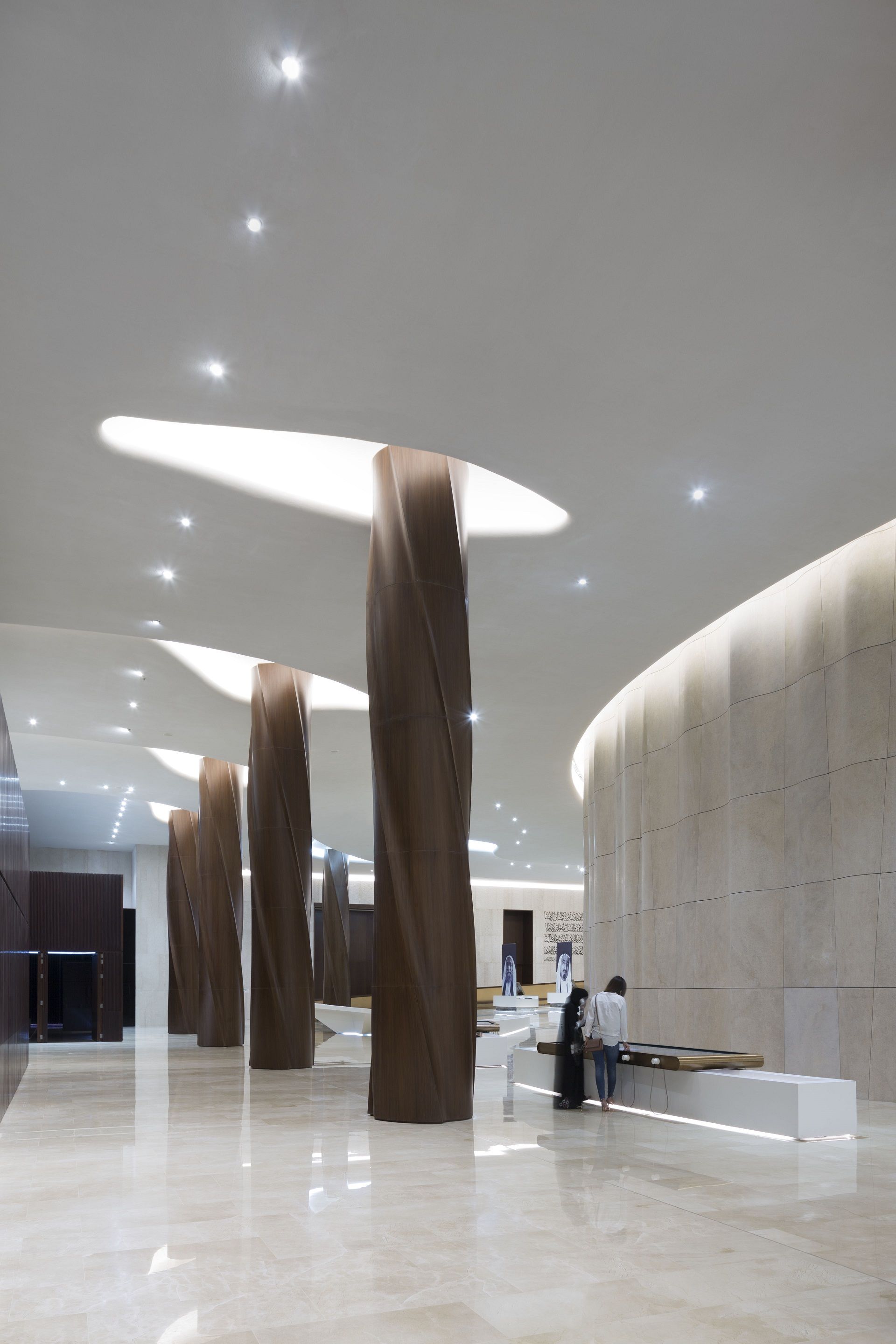
Create an emotional journey through lighting design, allowing people to immerse themselves in captivating light and shadow. Emotional design concepts, the management of light and darkness, color application, dynamic effects, coordination with the environment, and safety and energy efficiency are all elements we consider in lighting design. Hope this informative tutorial will give you a more comprehensive understanding of the importance and techniques of lighting design, as well as how to apply it to create unique emotional experiences. Embark on your lighting design journey!