






1. Overview
Landscape design is a multidisciplinary field that requires a comprehensive consideration of the environment, human needs, and aesthetics. It involves combining the natural with the artificial through reasonable planning, material selection, and layout to create an enjoyable community environment. Next, we will discuss how to enhance residents' satisfaction through landscape design.
Space Planning
Proper spatial planning is crucial in garden design. During the design process, we should consider the needs of community residents, such as leisure, outdoor activities, and socializing. Spaces can be divided into different functional zones, like walking areas, sports zones, and social resting areas, while ensuring ample open spaces to provide residents with comfort and a sense of openness.
3. Plant Selection
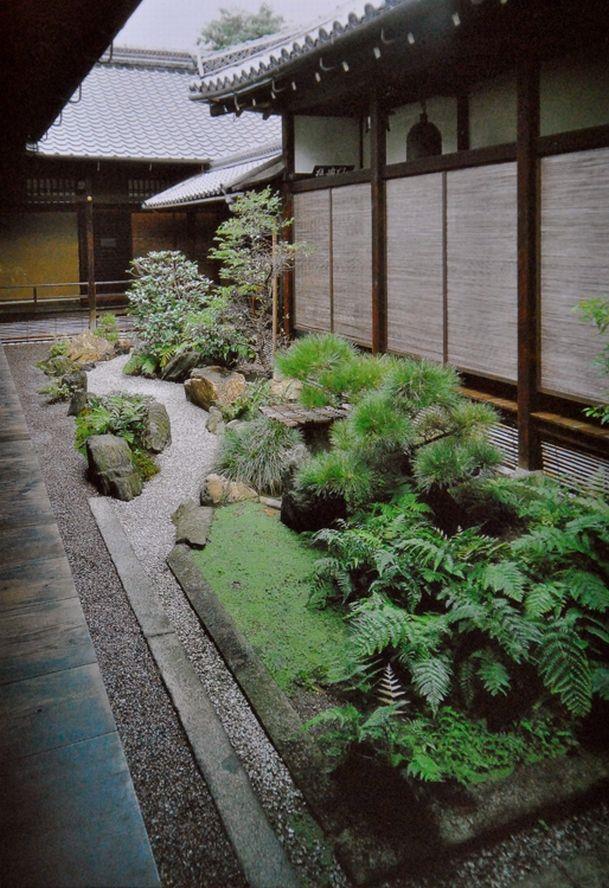
Selecting plants suitable for the local climate and environment is a crucial aspect of garden design. Plants can enhance greenery, improve air quality, and create a natural ambiance. When choosing plants, we should pay attention to their growth habits, suitability, and landscaping effects. Colorful flowers and evergreen trees can add beautiful scenery to the community, enhancing residents' visual enjoyment.
4. Architectural Integration
Landscape design is not confined to natural environments; it must also blend with architecture. The form, color, and materials of buildings can harmonize with the landscape design, creating a visual sense of unity. Additionally, we can enhance residents' connection with nature and provide more outdoor spaces by designing green belts and scenic viewpoints around the buildings.
5. Art Elements
Artistic elements in garden design can add a unique charm to the community. Sculptures, fountains, landscape lighting, and more can be used to adorn the garden and provide an artistic experience. When selecting artistic elements, we should pay attention to coordination and unity with the environment, avoiding excessive decoration or conflict.
6. Lighting Design
Lighting design plays a crucial role in garden landscaping. Proper lighting enhances safety and visibility at night, while also adding to the night's charm. We can utilize various lighting techniques and fixtures, such as streetlights, landscape lights, and spotlights, to create a warm and comfortable atmosphere for the community.
7. Facility Configuration
The facility configuration of the community directly impacts residents' satisfaction. Based on the needs of the community residents, we can appropriately add leisure seating, outdoor sports facilities, and children's play equipment. At the same time, attention should be given to the layout of the facilities and the convenience of site access to provide an environment that is easy to use and interact with.
8. Maintenance Management
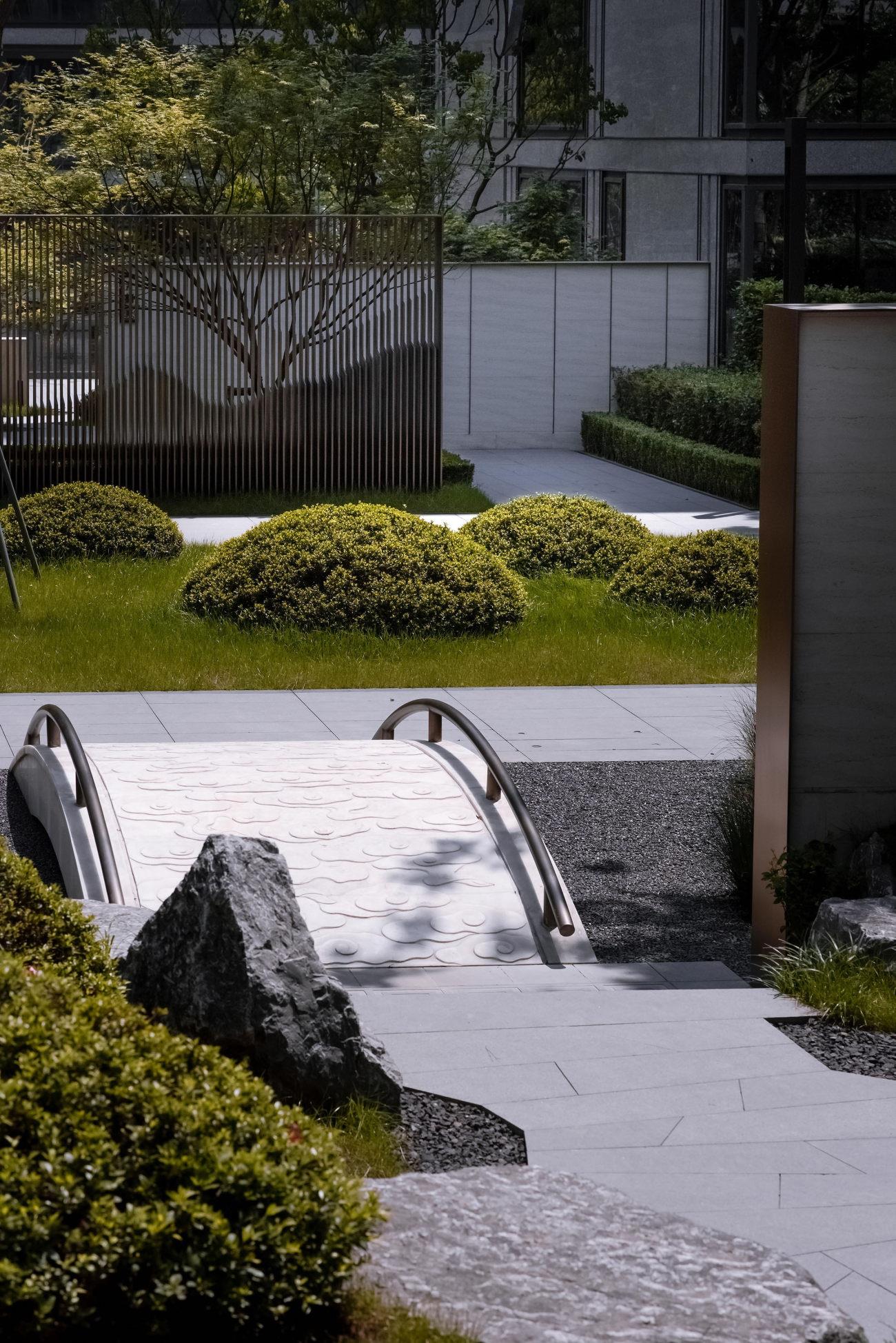
Good landscaping requires regular maintenance and management. We should ensure proper care and pruning of plants, as well as maintenance and cleaning of facilities, to keep the garden tidy and organized. Additionally, regular community events and promoting resident participation are important means to maintain a well-maintained garden environment.
With the above garden design guidelines, we can create a comfortable and pleasant environment for the community, enhancing residents' satisfaction. Garden design is more than just creating beautiful spaces; it also provides a healthy, joyful, and interactive lifestyle for community residents, making a positive contribution to the development and improvement of the community.