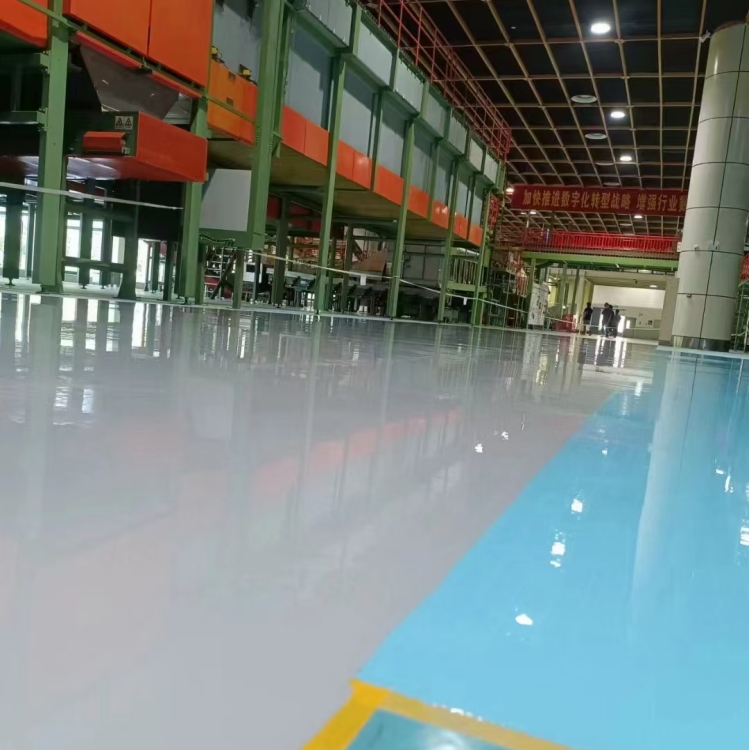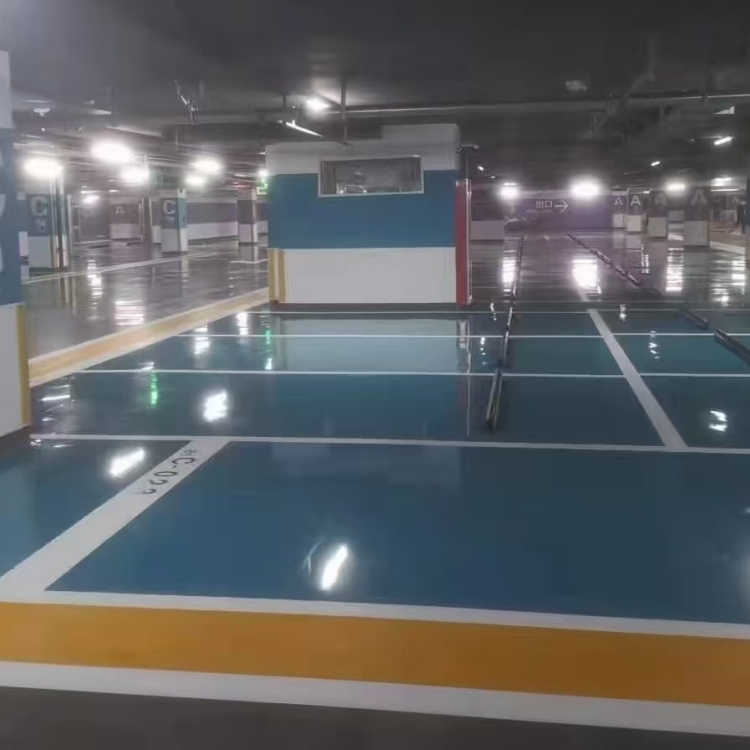







In today's society, lighting design has become an art form and a decorative means, capable of creating a variety of emotions and atmospheres, transporting people into a new visual world. Today, we will introduce, from the perspective of experts, how to craft an immersive emotional journey through captivating light and shadow with lighting design.
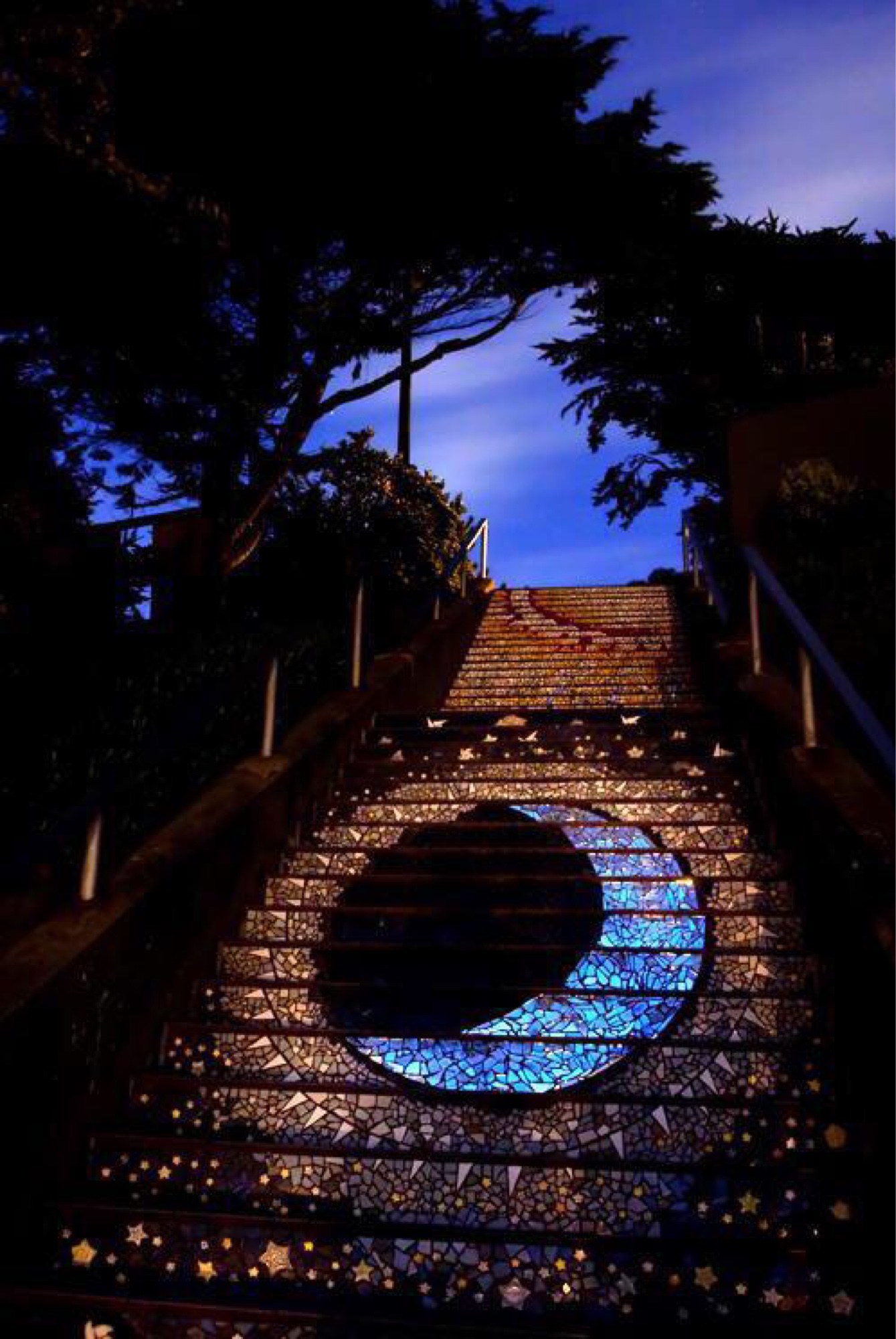
The magic of light and shadow
Light is the core of lighting design, which can create various effects through angles, brightness, and colors. During design, we can use the angle of the light source to illuminate different parts of objects or spaces, creating a sense of depth and dimension. Adjusting brightness can control the overall ambiance's lightness or darkness, shaping different emotions. The use of color can help convey specific moods and themes, such as warm orange to create a cozy atmosphere, or the cool blue to bring a sense of calm and tranquility.
2. Understand space requirements
Before embarking on lighting design, understanding the needs of the space being designed is crucial. Different spaces have varying functional and ambiance requirements, so we must select the appropriate lighting style based on the space's characteristics. For instance, a romantic restaurant can be enhanced with soft warm tones and dim lighting to create a romantic, intimate atmosphere, while an exhibition hall would benefit from bright white tones and ample lighting to highlight the details and texture of the exhibits.
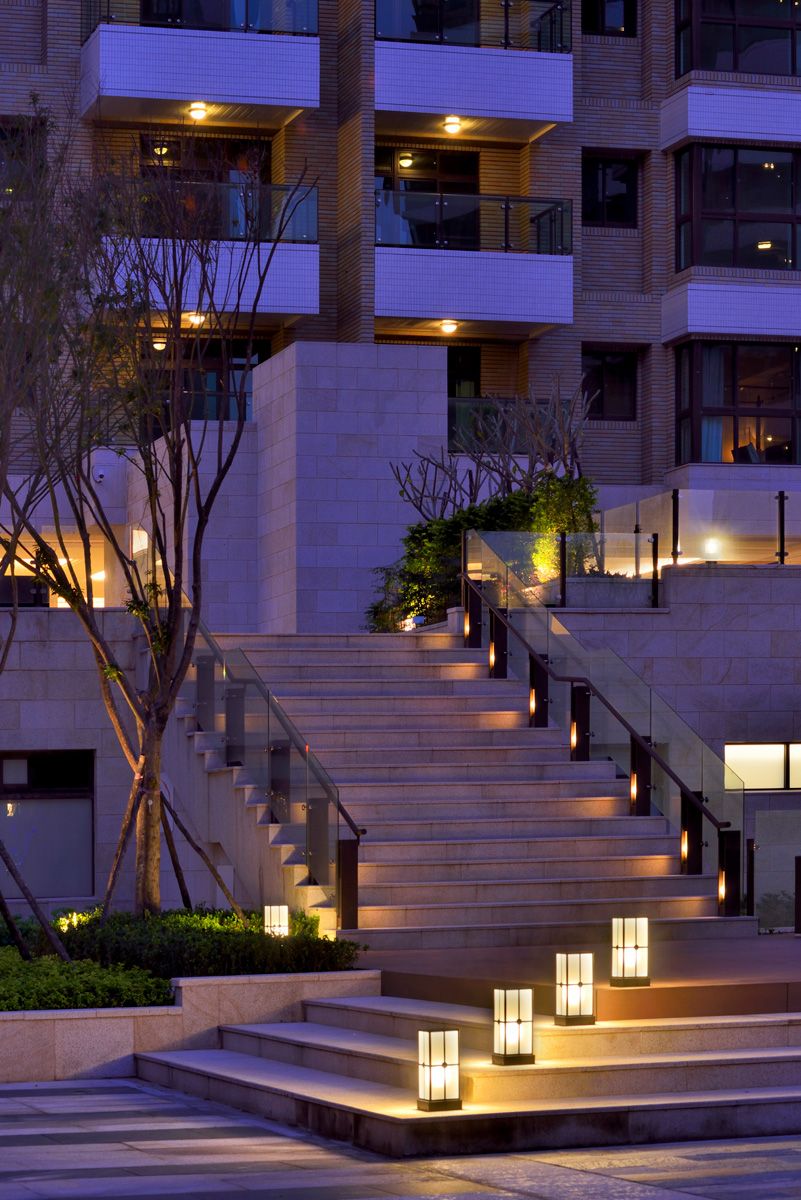
3. Utilize a variety of lighting fixtures
In lighting design, we can utilize various types of lighting fixtures to achieve rich light and shadow effects. For instance, spotlights can illuminate the entire space, creating overall brightness; wall lamps can softly light up the walls in an indirect manner, producing a gentle ambient light; and pendant lamps can act as a highlight, emphasizing specific areas or items. By selecting and pairing different lighting fixtures appropriately, we can create diverse and vibrant light and shadow effects, making the space more lively and engaging.
4. Consider control systems
A quality lighting design requires a flexible and efficient control system to adjust brightness, color, and combinations. In modern lighting design, the application of intelligent control systems has become increasingly widespread, aiding in the control of lighting. Through intelligent control systems, we can switch lights according to different scene requirements, achieving automated lighting regulation, enhancing work efficiency while also increasing the flexibility of lighting design.
Through the introduction of these aspects, I believe you have a deeper understanding of the importance and application of lighting design. Lighting design is not just for illumination, but also for creating emotions and ambiance. By utilizing light, understanding spatial needs, pairing various lighting fixtures, and employing flexible and efficient control systems, we can create an immersive journey into a world of enchanting light and shadow. Let's experience the entwining of light and shadow in this magical world, and feel the emotions and wonder brought by lighting!