






I. Planning and Design Analysis
During the planning and design phase, comprehensive consideration must be given to the needs of community residents, including those of different age groups and interests. Sufficient analysis is required to understand the community's characteristics, climatic conditions, and the residents' needs and expectations, which will serve as the foundation for planning and design.
1. Analyze community characteristics
Understand the community's location, climate conditions, land area, and available resources, and combine them with the cultural and historical background of the community to determine the basic framework of the garden design.
2. Understand residents' needs
By conducting surveys or holding community meetings, understand residents' expectations and needs for landscaping. This includes determining the need for recreational facilities, children's play areas, fitness trails, etc., and planning design accordingly.
3. Consider climate factors
Determine suitable plants, landscapes, and outdoor amenities based on the climate conditions of the community. For instance, in cold regions, consider incorporating greenhouses or open spaces with greenhouse-like effects to allow residents to enjoy outdoor environments even during winter.
Landscape Design and Greening Planning
1. Create diverse landscapes
In landscape design, emphasis should be placed on creating diverse scenery, including flower beds, lawns, lakes, and trees. Through reasonable arrangement and layout, a pleasing landscape is produced, allowing residents to experience the wonders and comfort of nature within the community.
2. Select appropriate plants
Choose suitable plants for landscaping based on climate and soil conditions. Focus on creating a landscape with flowers, greenery, and fruit all year round, allowing community residents to appreciate the changes and beauty of the plants.
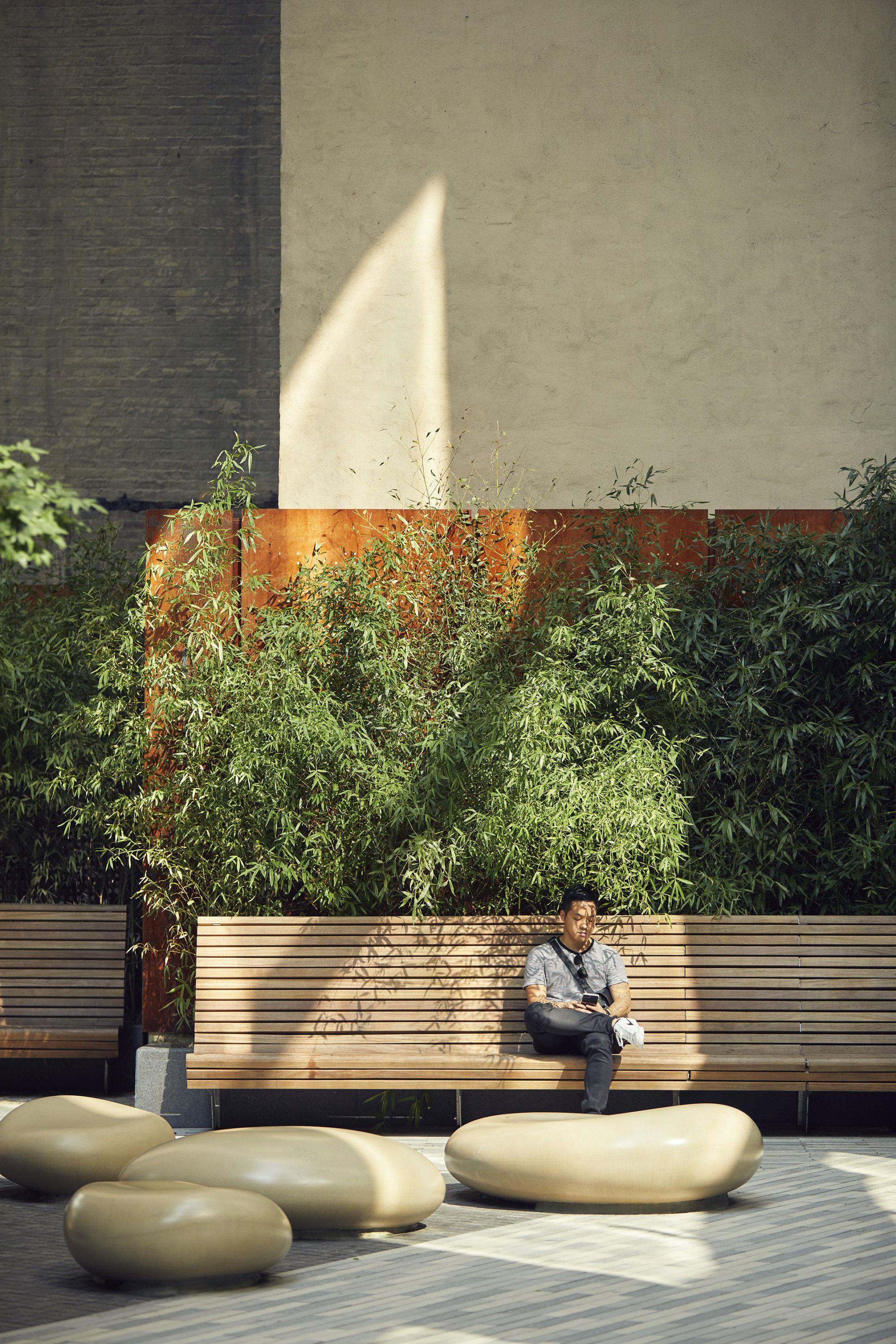
3. Establish leisure areas and facilities
In garden design, it is essential to provide suitable leisure areas and facilities, such as benches, pavilions, sports fields, and children's play areas. These amenities will offer residents a comfortable and pleasant leisure environment, enhancing their satisfaction.
Section 3: Maintenance and Improvement Efforts
1. Regular maintenance of garden facilities
Regular maintenance of garden facilities is conducted, including pruning plants, clearing waste, and inspecting equipment. Ensure the garden environment remains aesthetically pleasing and tidy, providing residents with a consistently enjoyable environment.
2. Introducing new elements and enhancements
Continuously introduce new elements and facilities to keep the community garden design fresh and vibrant. For instance, adding new landscape decorations or outdoor activity facilities can enhance residents' satisfaction and participation.
3. Encourage resident participation
Actively encourage residents to participate in garden design and maintenance. Organize gardening training sessions or voluntary garden work to enhance community residents' attention and engagement in gardens, fostering an atmosphere of collective maintenance for a beautiful community.
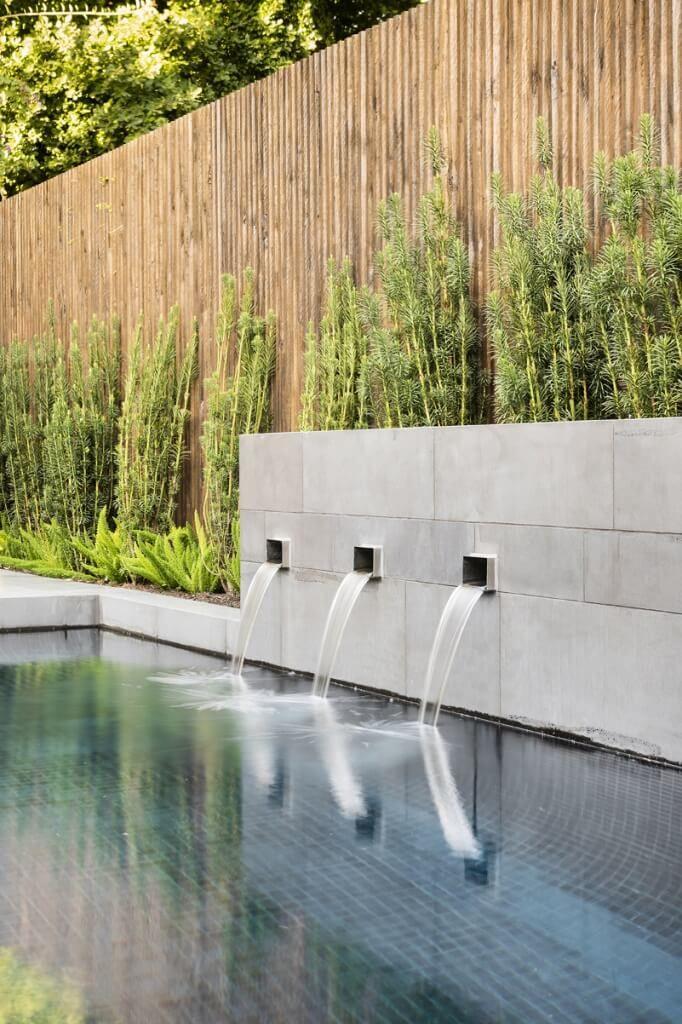
By landscaping design, we can create a comfortable and pleasant environment for the community, enhancing residents' satisfaction. This not only benefits their physical and mental health but also elevates the overall image and appeal of the community. In planning and design, landscape and greening planning, as well as maintenance and improvement, we should fully consider the community's characteristics and residents' needs, continuously innovate and improve, to build a better community environment.