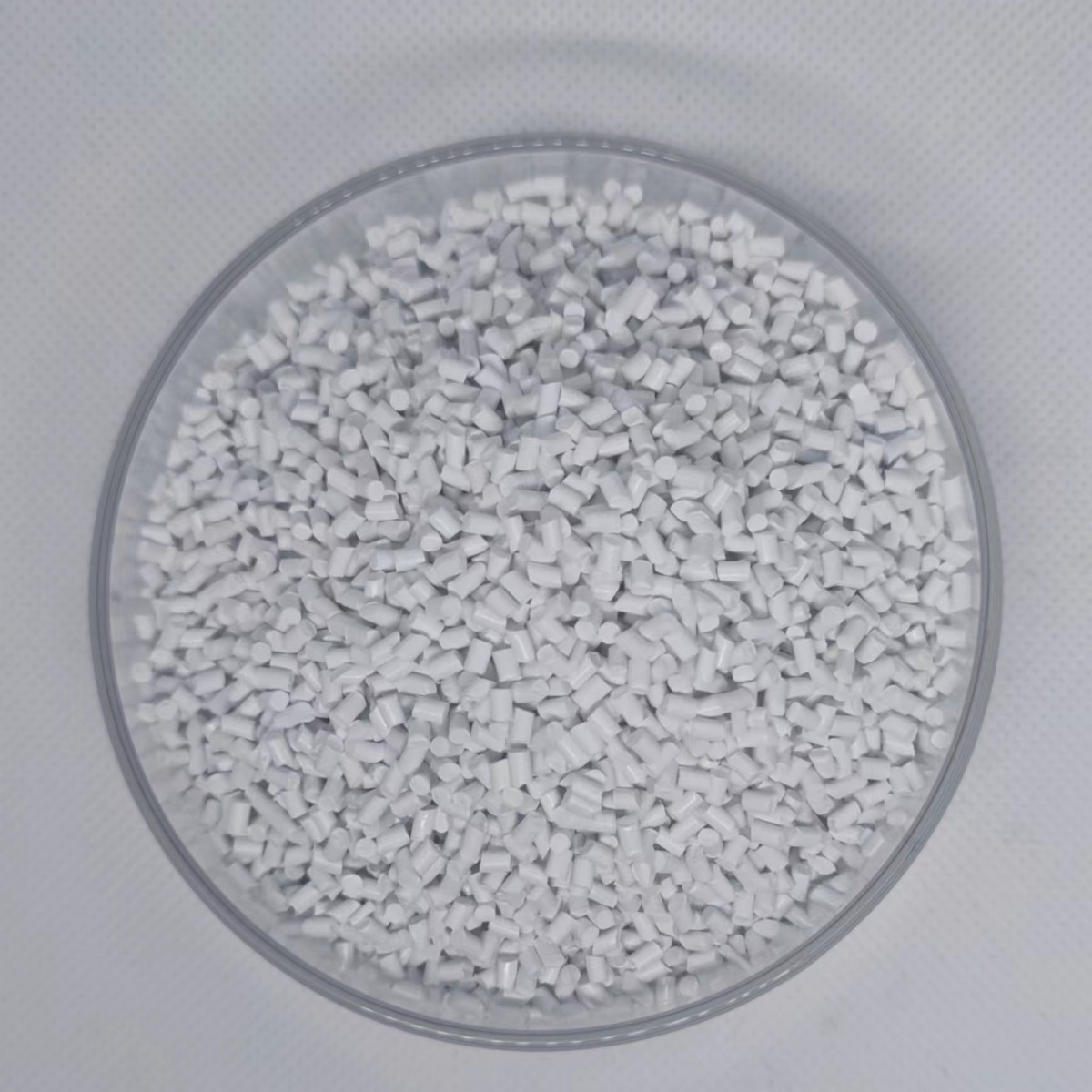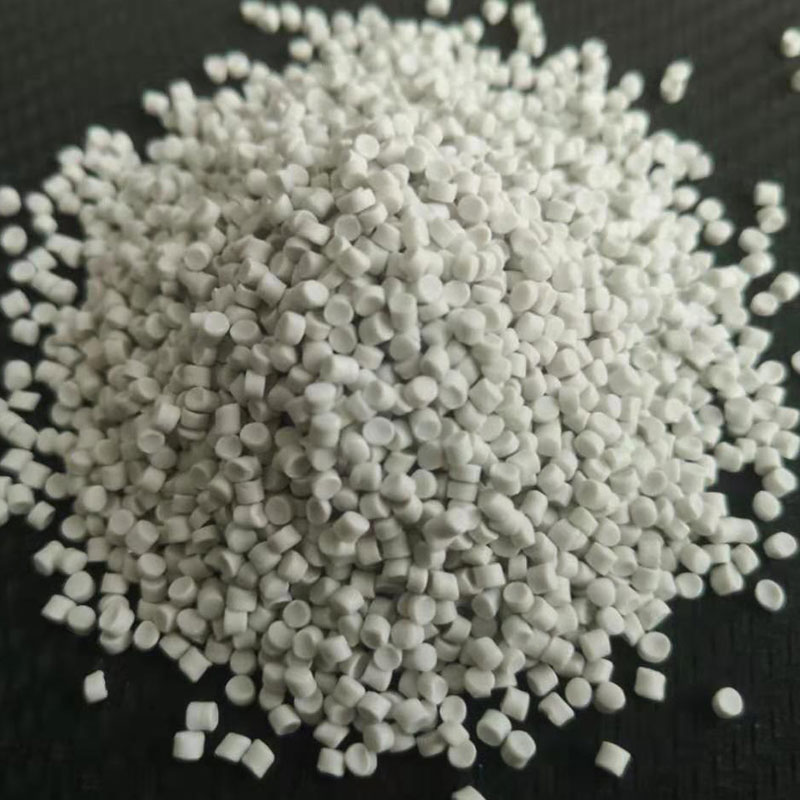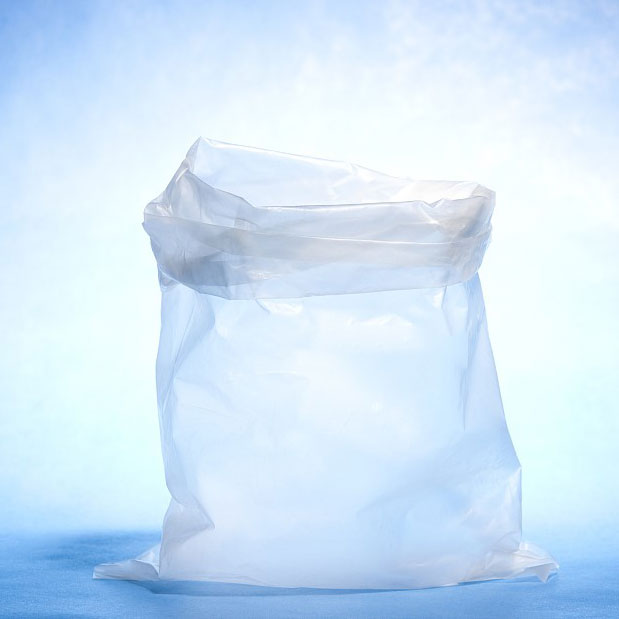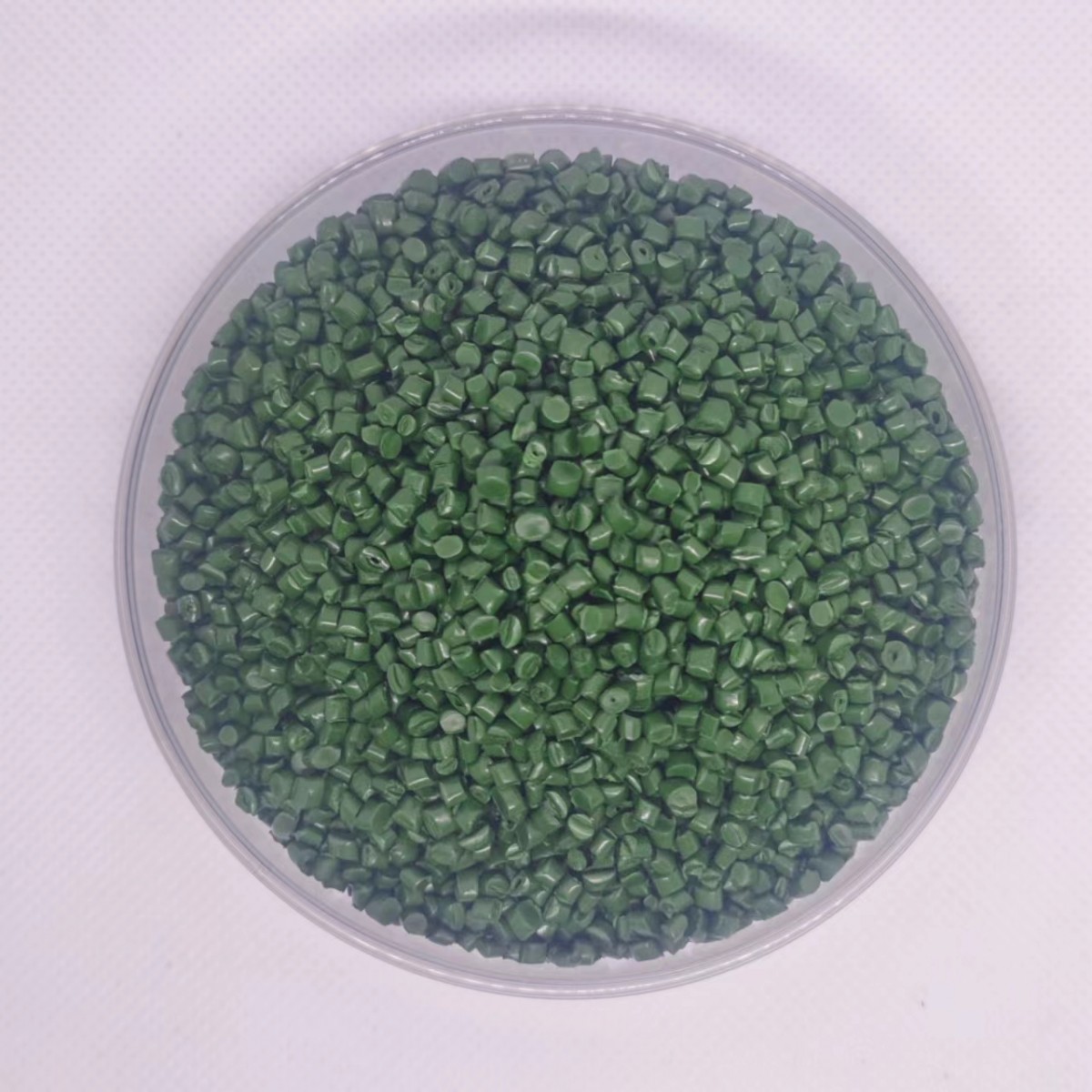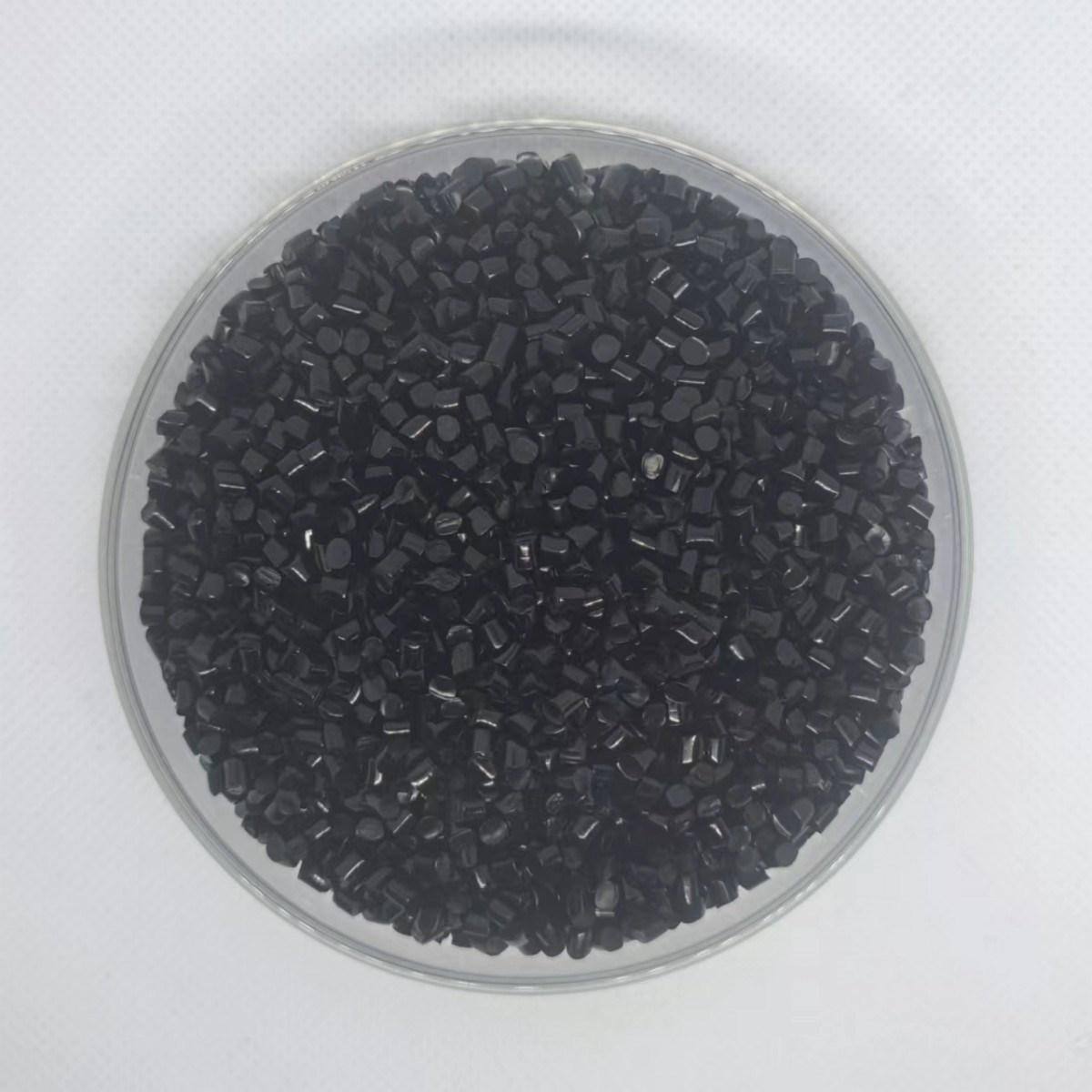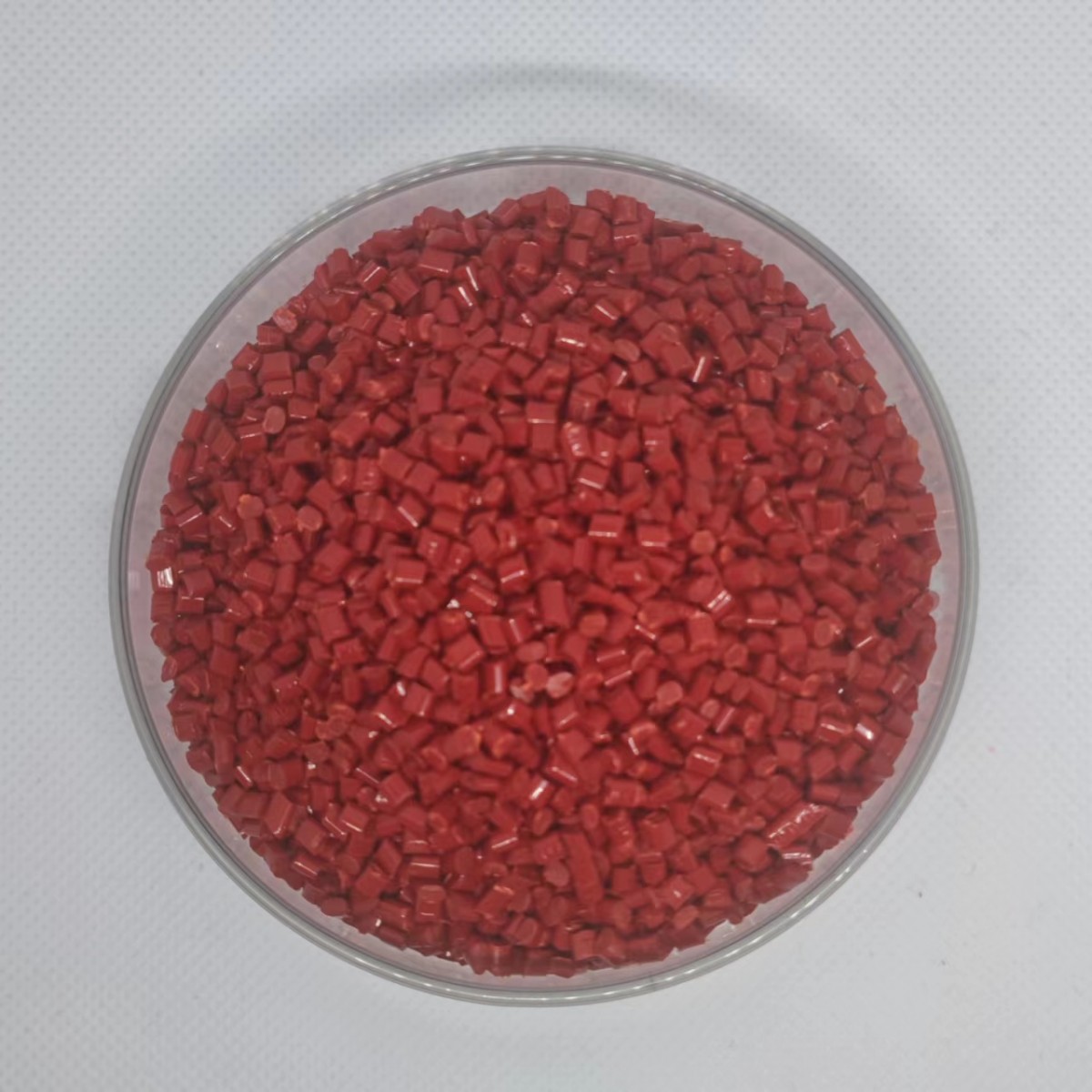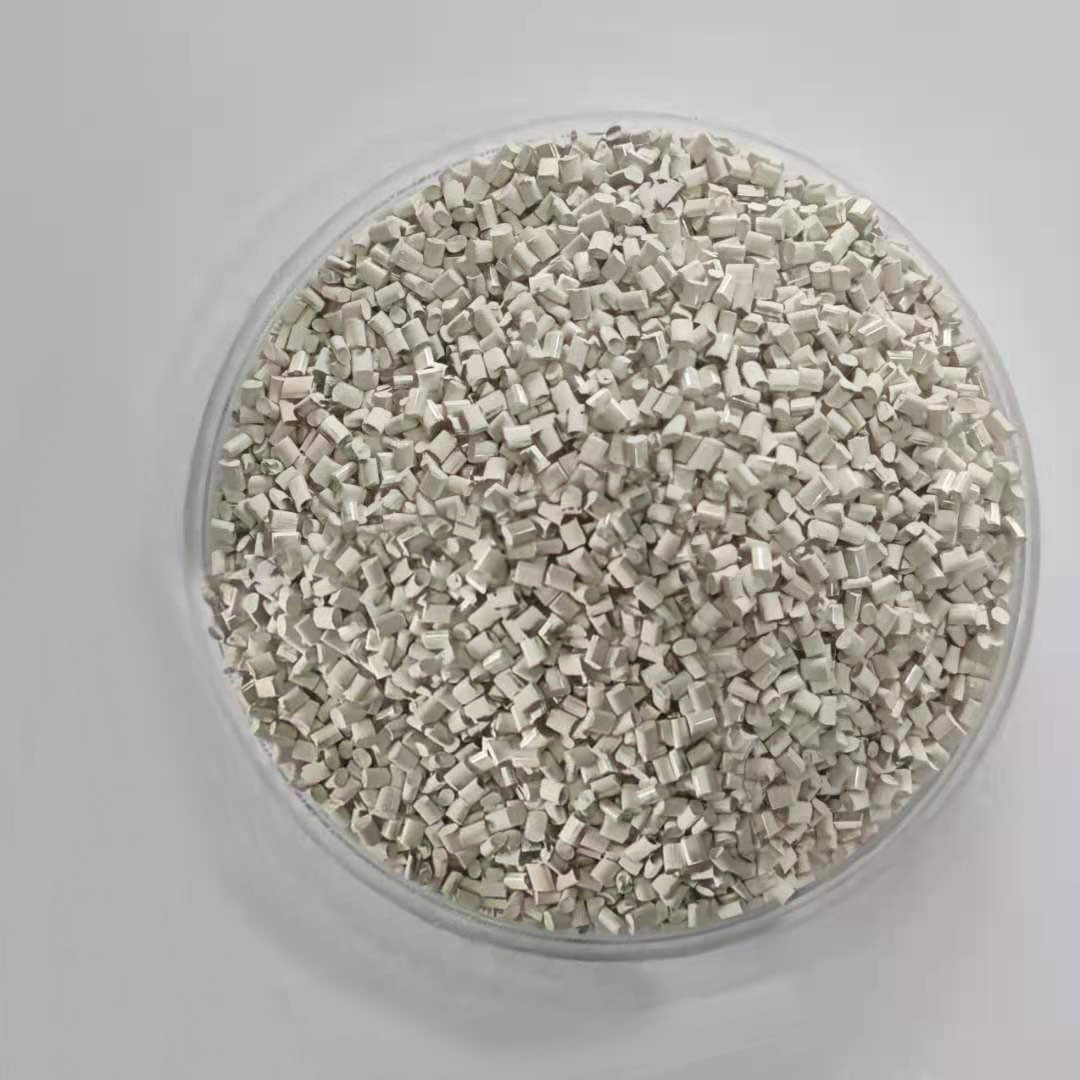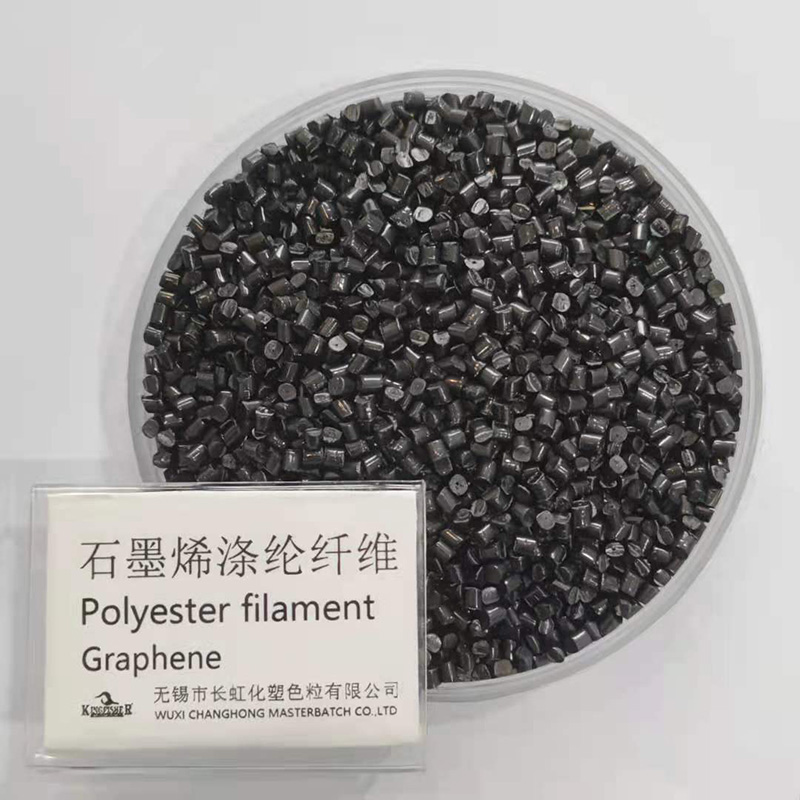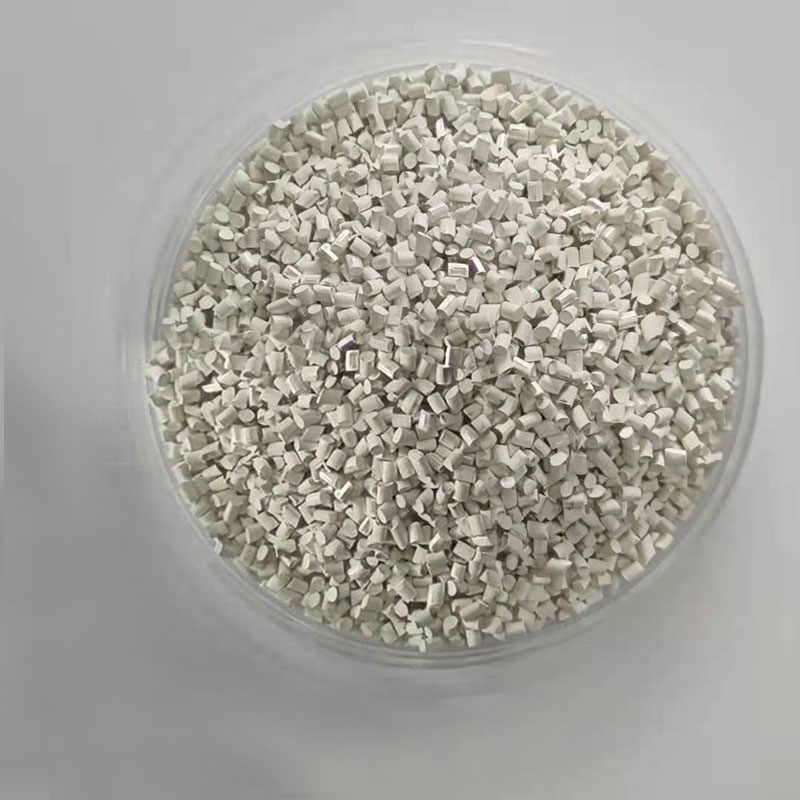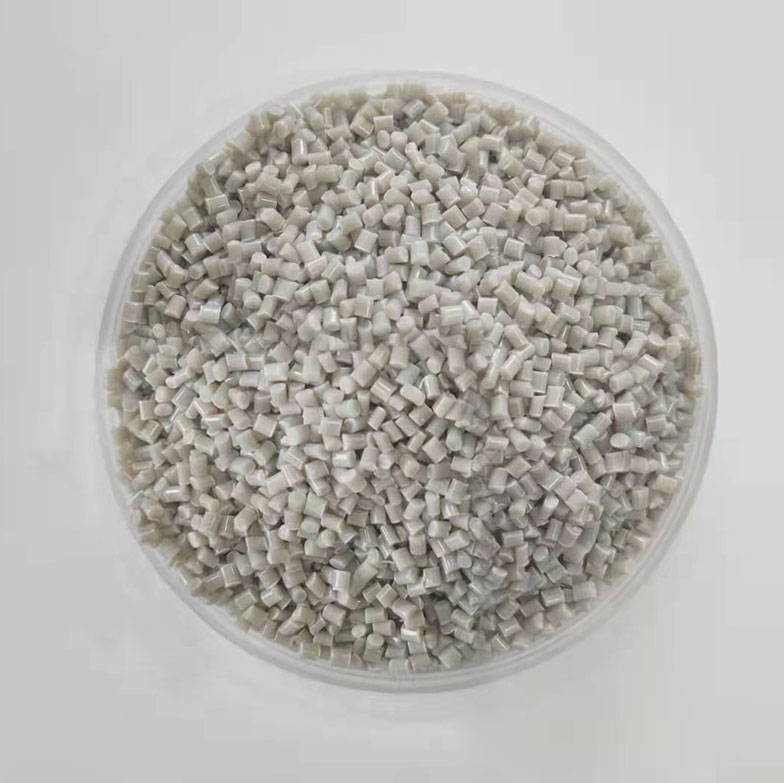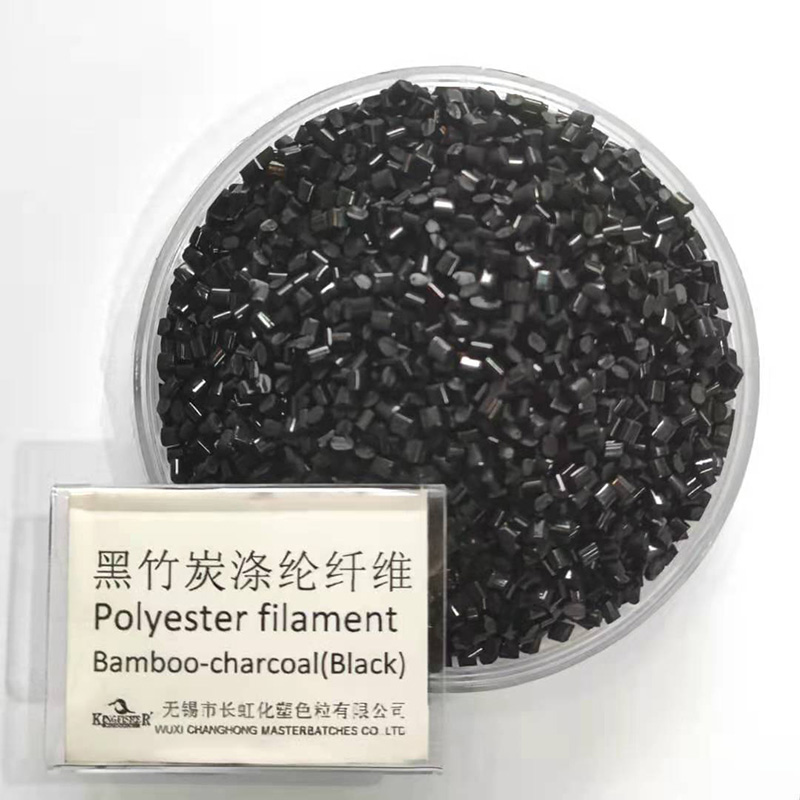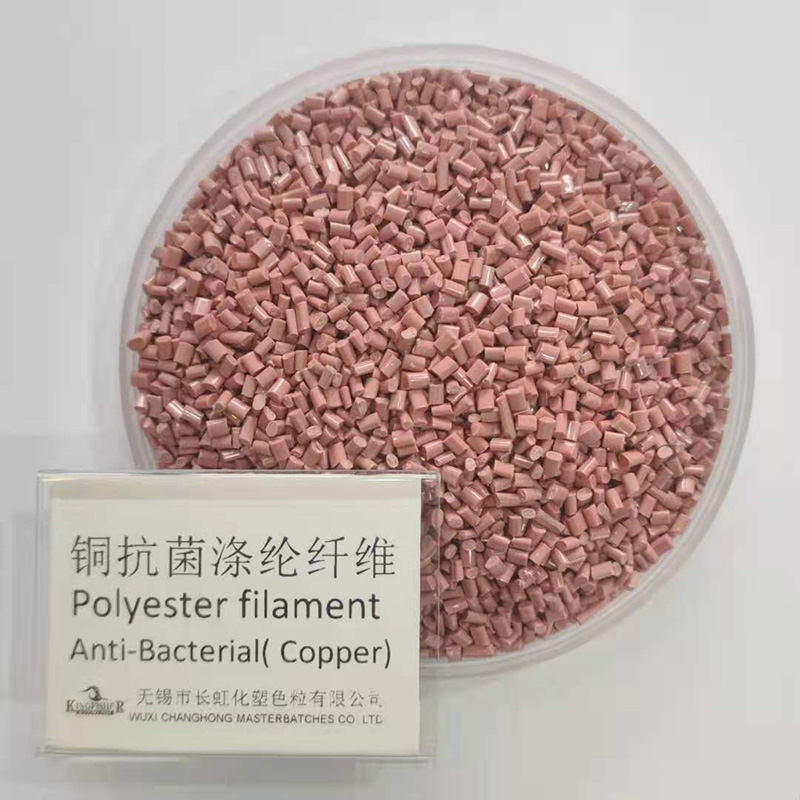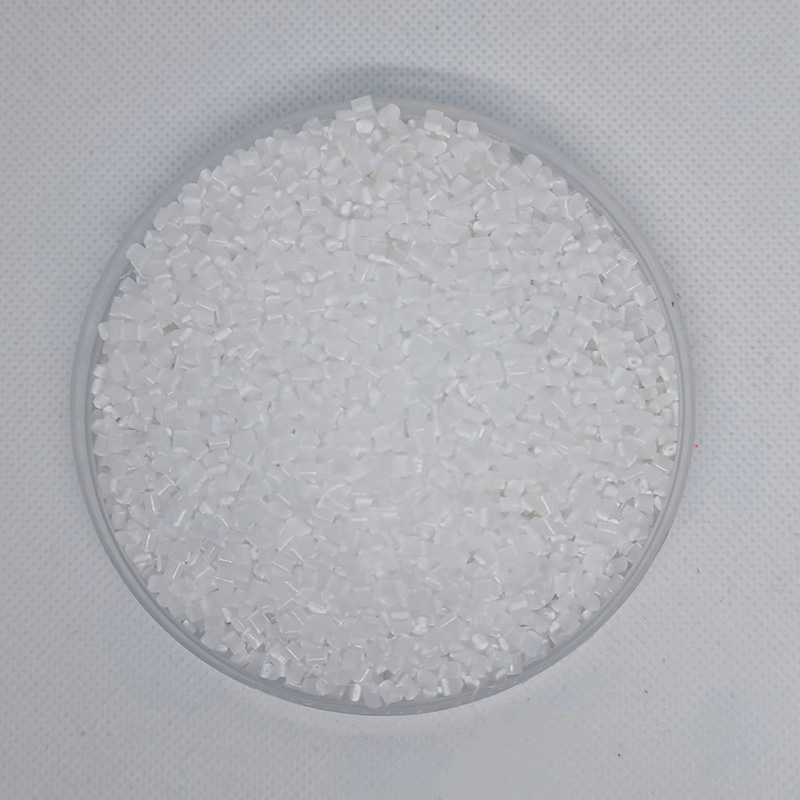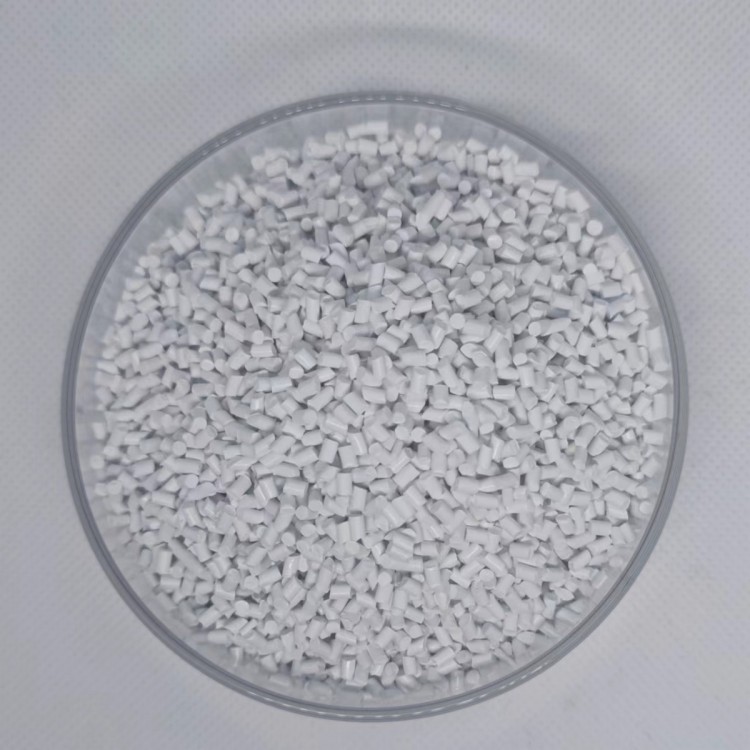

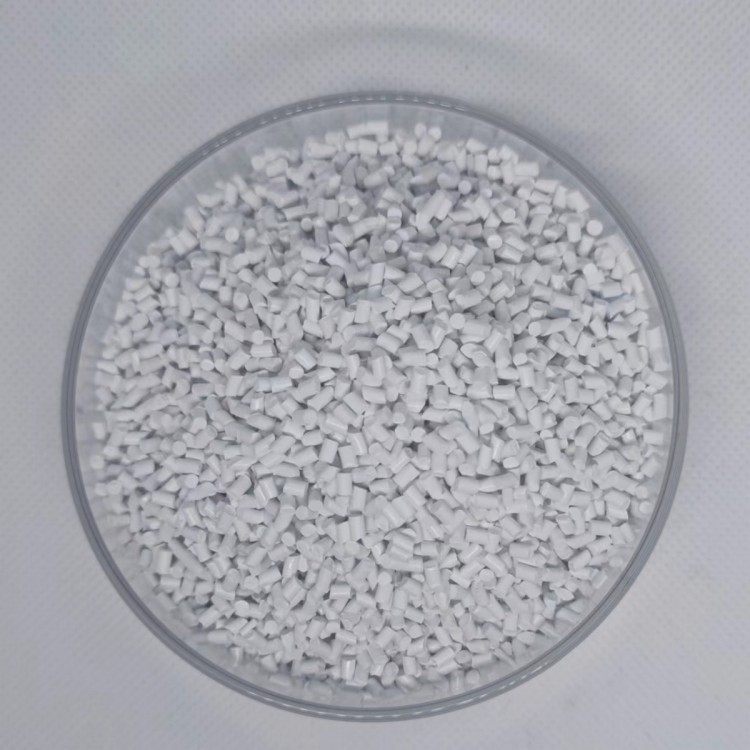
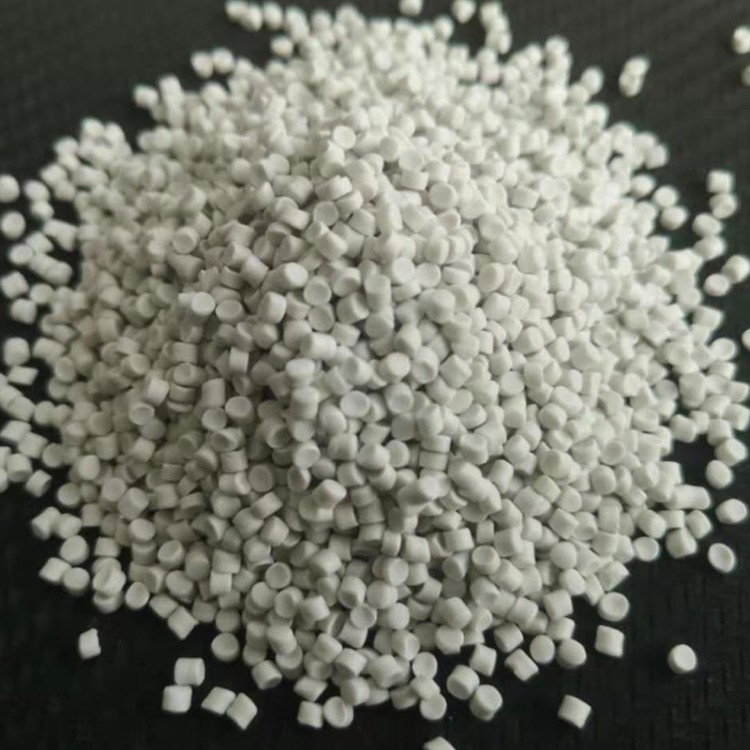
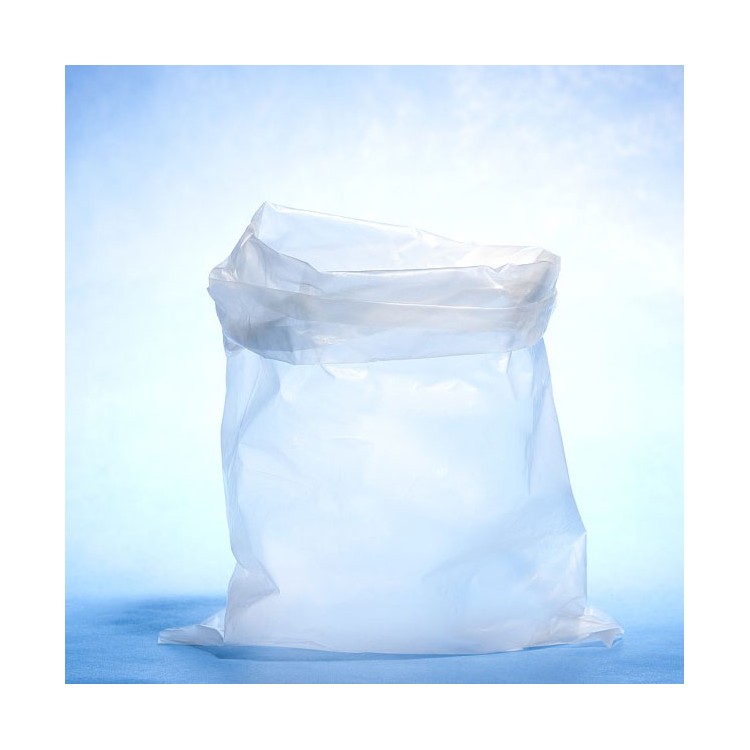


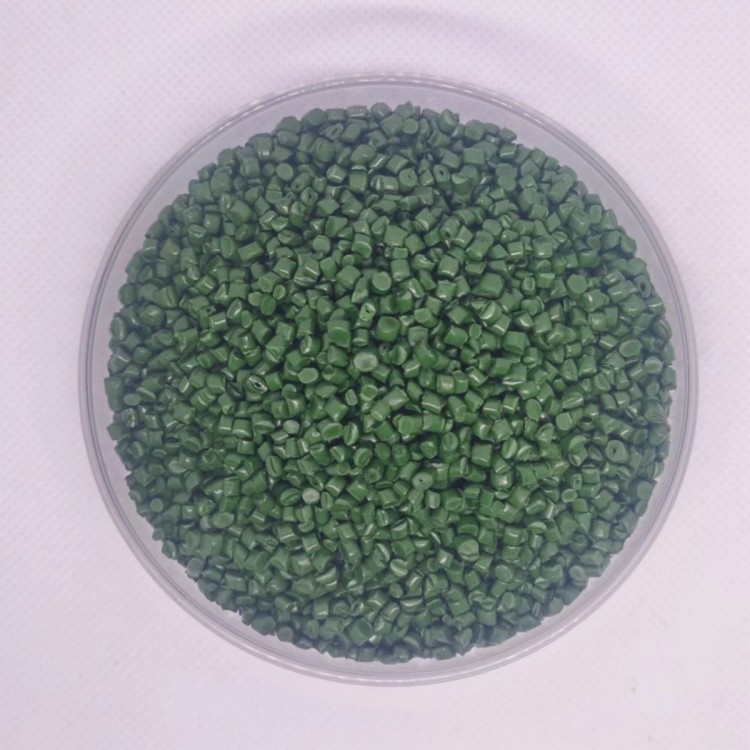
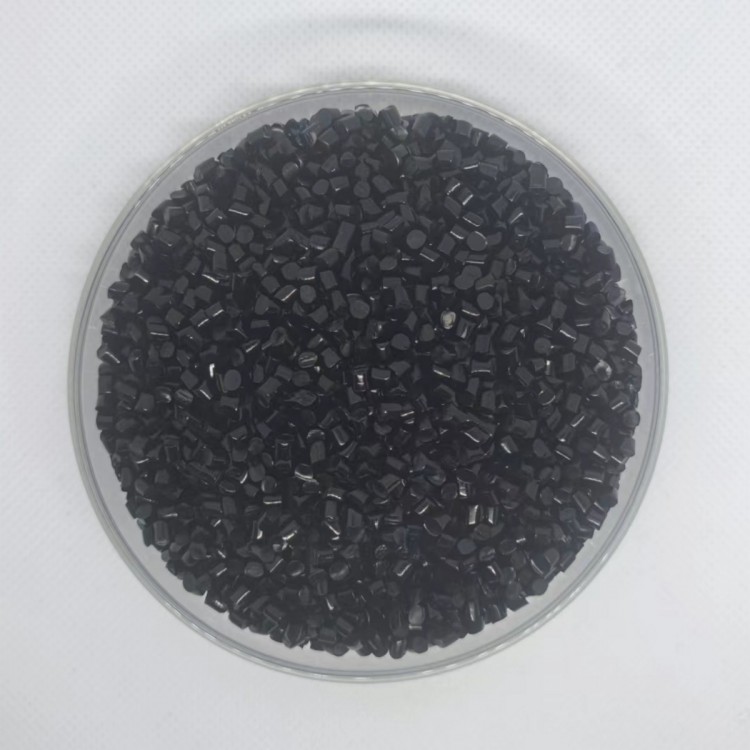
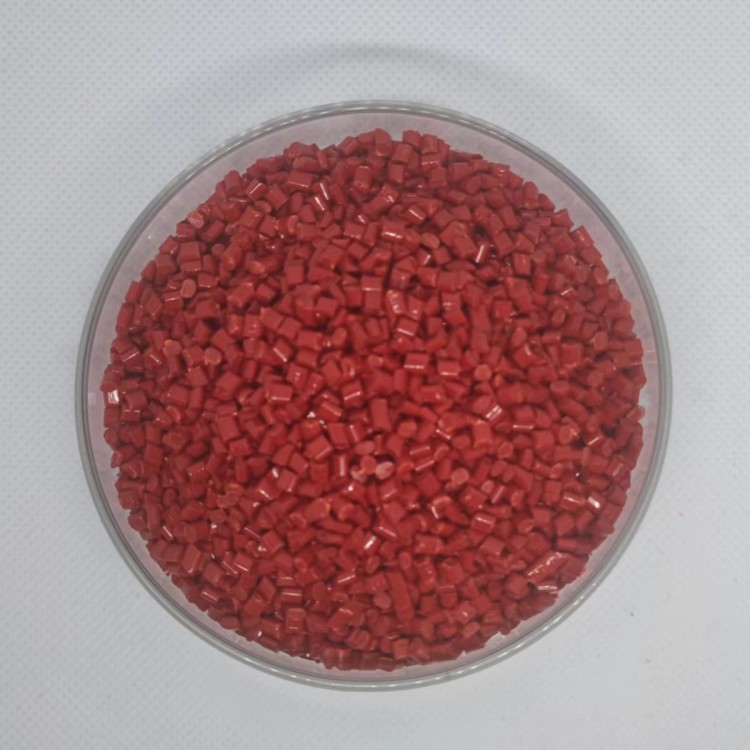
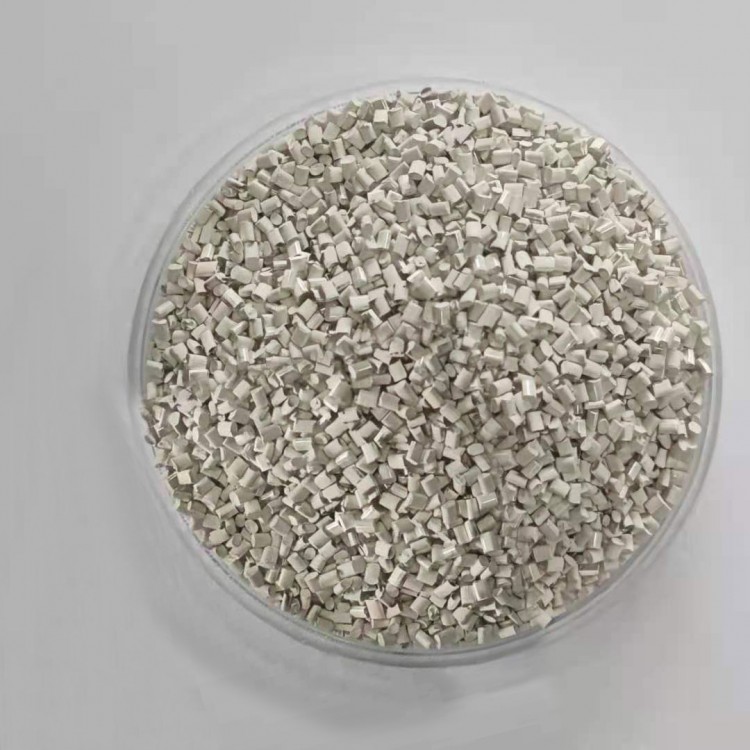
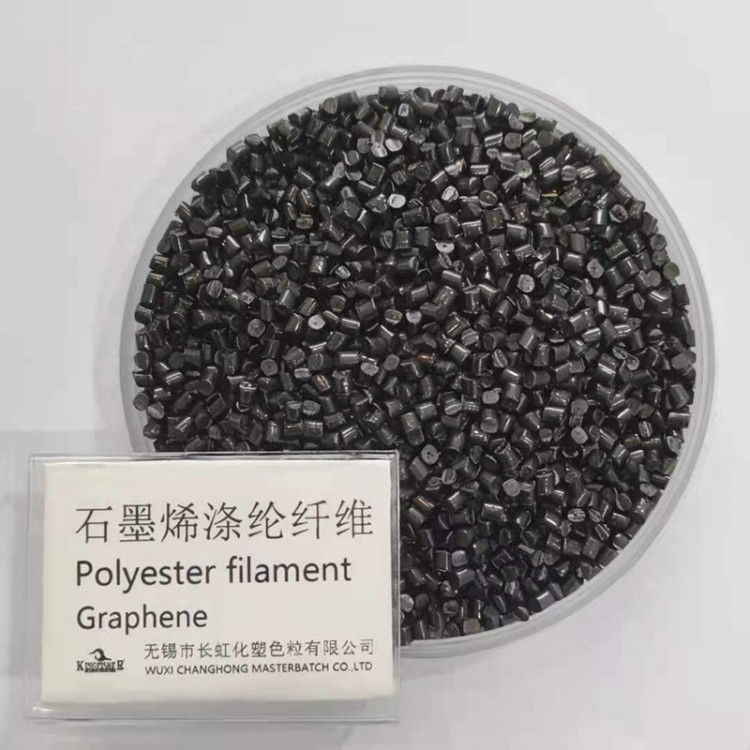





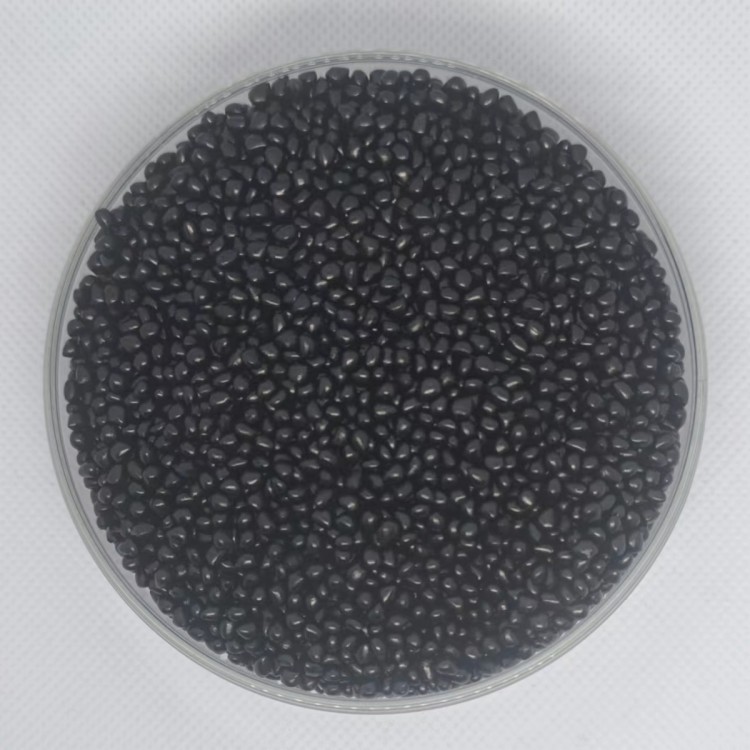
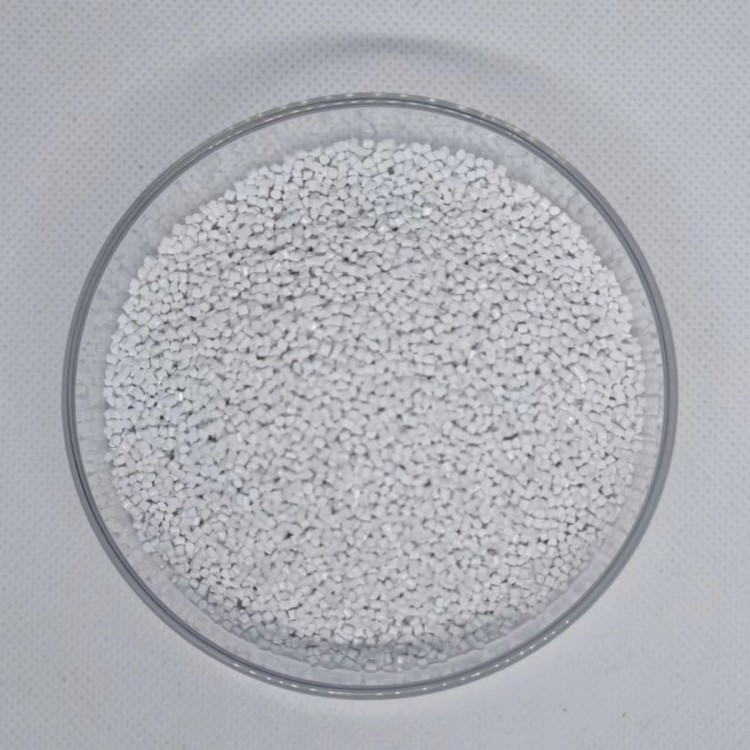

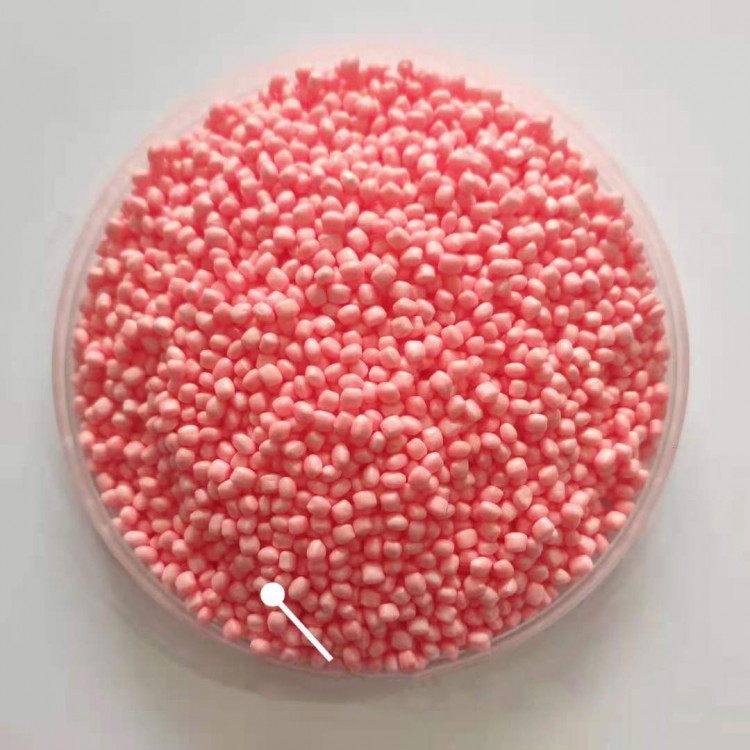
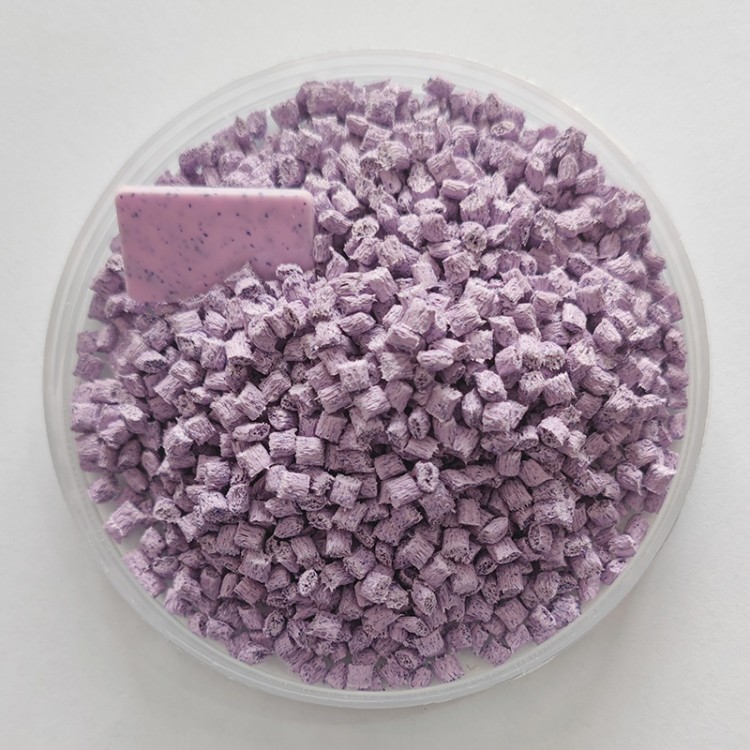
Biodegradable plastics, also known as biodecomposable plastics, refer to plastics that degrade under natural conditions such as soil and/or sand, and/or under specific conditions such as composting, anaerobic digestion, or in aqueous culture media, due to the action of naturally occurring microorganisms, and are completely decomposed into mineral inorganic salts and new biomass.
Product Features
Features | Application |
|
|
Material Characteristics
Features[1] | Test Method | Test Conditions | Unit | Measured value[2] |
Pellets | ||||
Melt Flow Rate | ISO 1133 | 190℃, 2.16 kg | g/10min | 2.0~6.0 |
Apparent Density | 23℃ | g/cm3 | 0.9- 1.35 | |
Melting Point | DSC | - | ℃ | 110~130 |
FilmThickness 25 Micrometers | ||||
Tensile Strength VerticalHorizontal | ISO 527 | 25℃ | MPa | 12/8 |
Tensile elongation at break VerticalHorizontal | ISO 527 | 25℃ | % | 180/430 |
Tear Strength Vertical/horizontal | ISO 6383-2 | 25℃ | mN | 1050/1800 |
Drop Weight Impact | ISO 7765- 1 | 25℃ | g | 180 |
[1] Data obtained from newly made film is not a basis for determining material quality.
[2] The data listed is for testing specifications and reference only.
[3] Apparent density data is calculated based on the thickness and weight of the film material, which is different from the material's density.