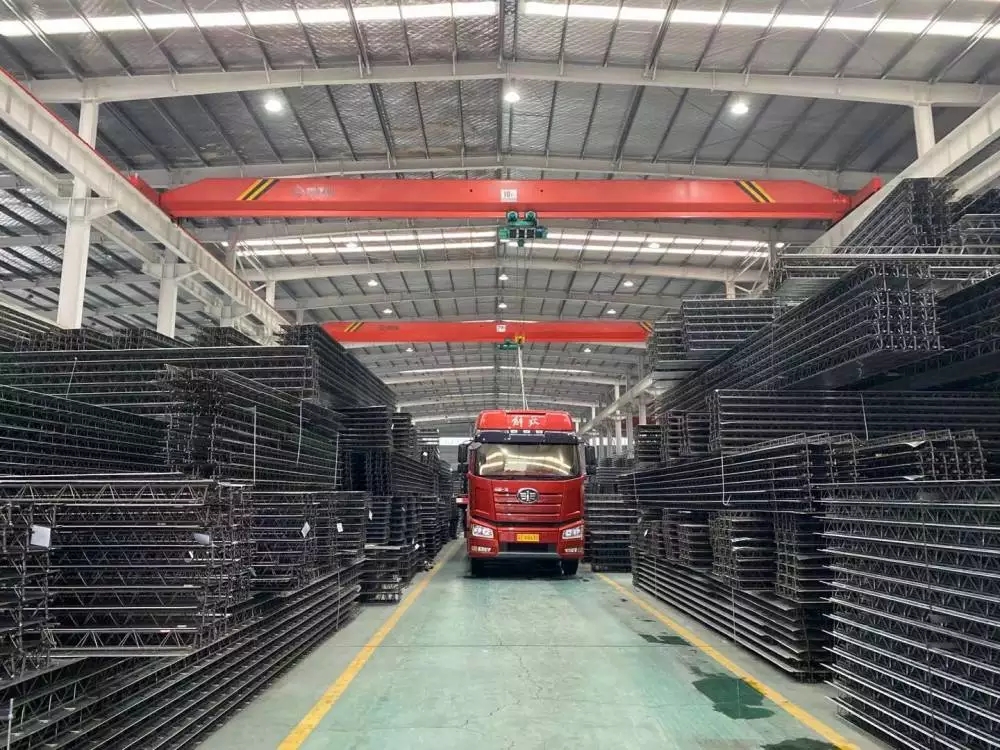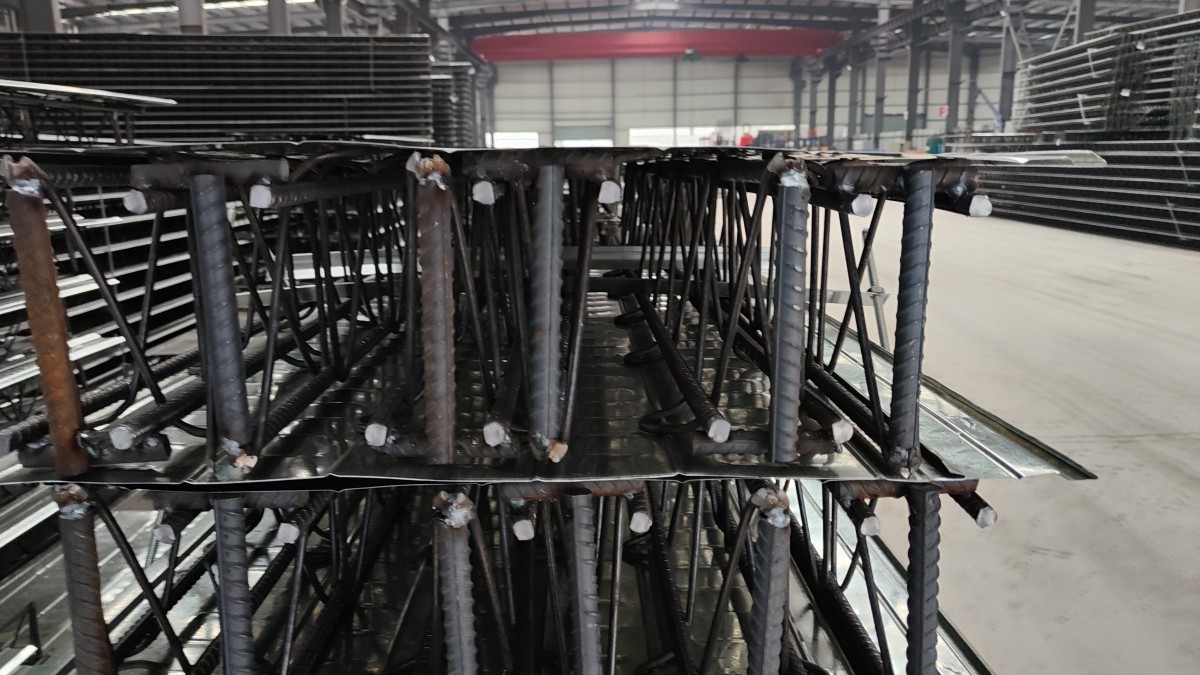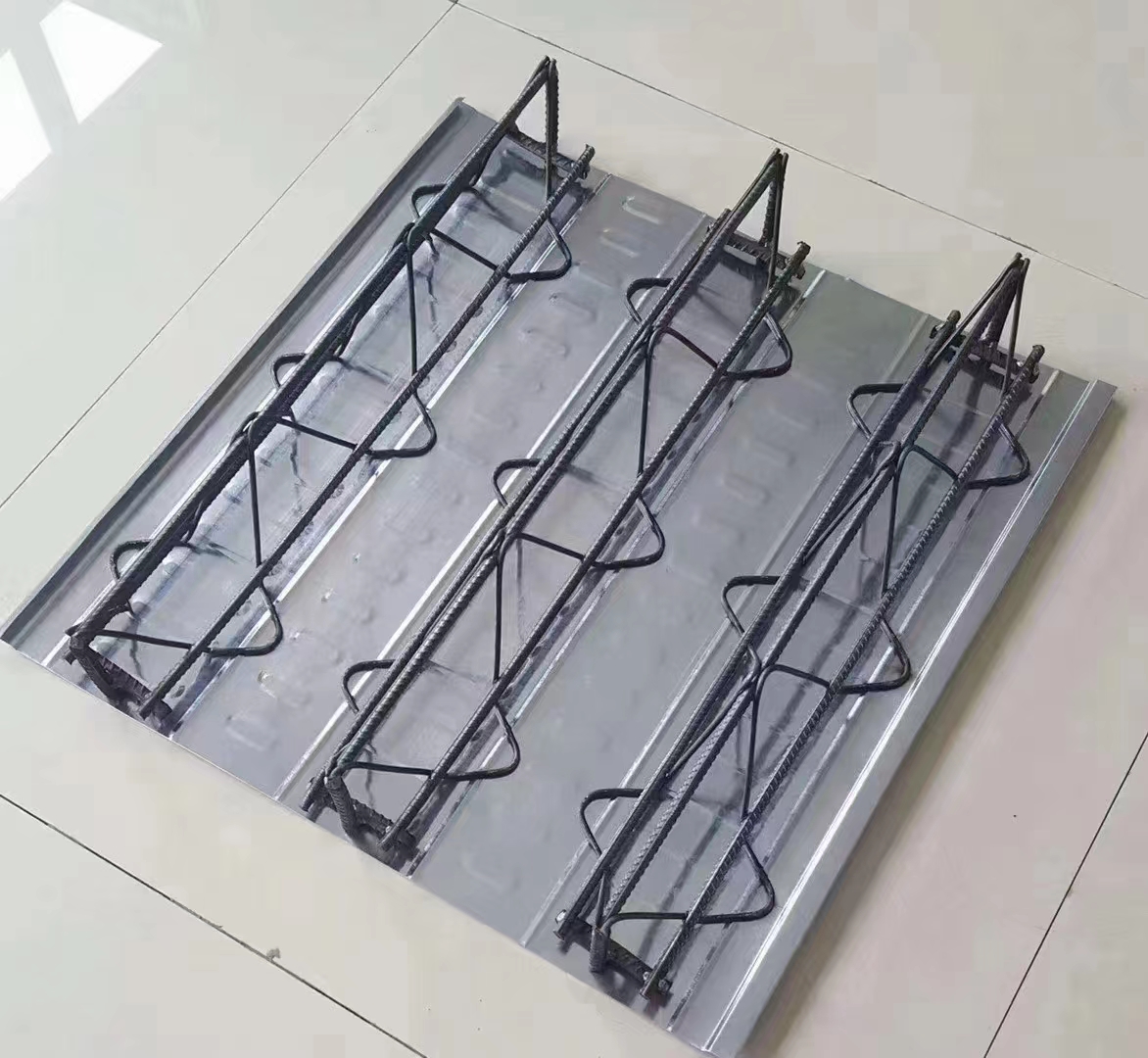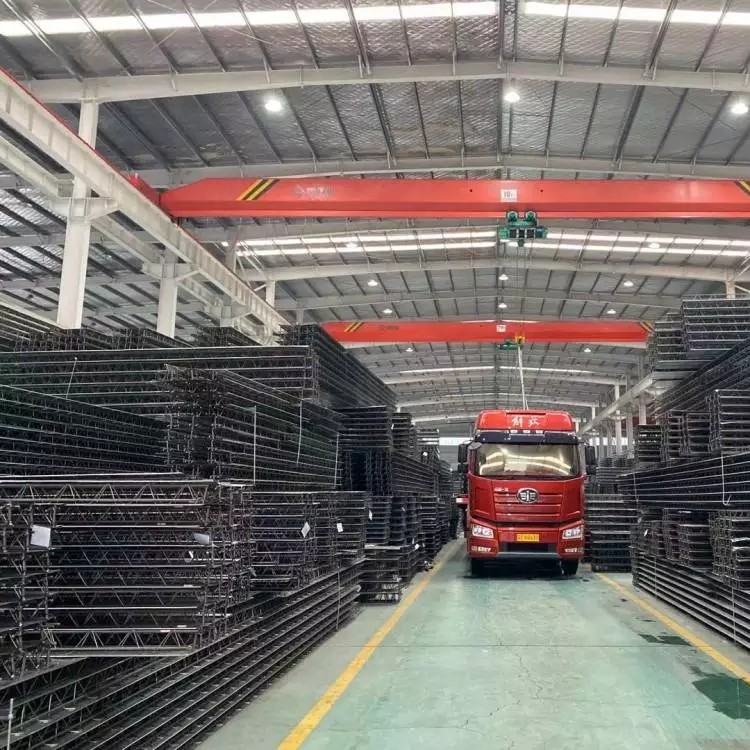

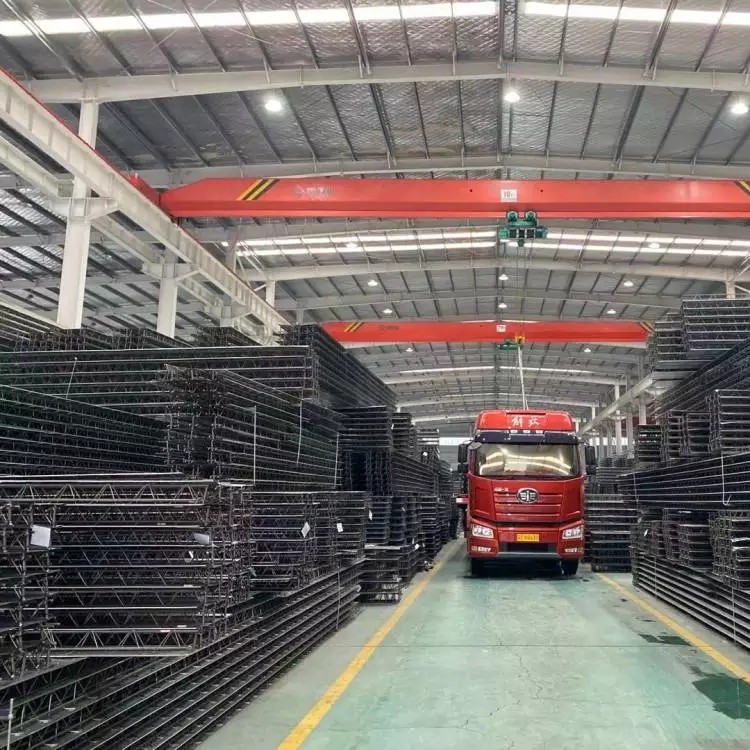
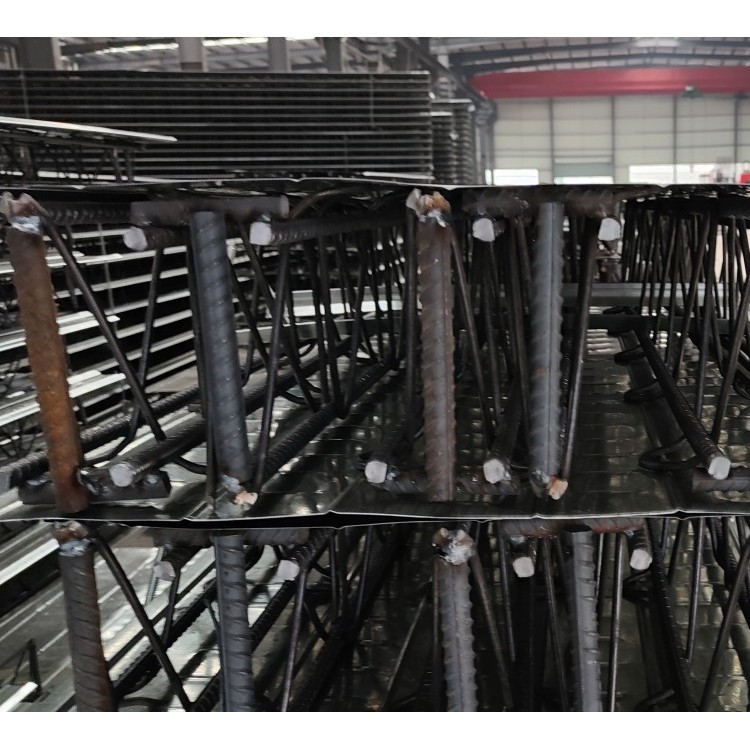
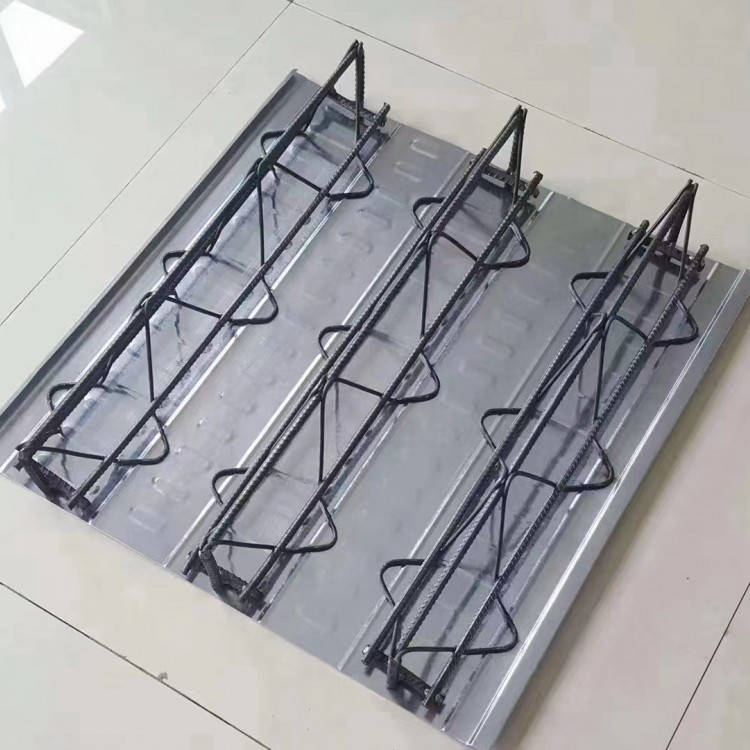









Detachable steel truss floor deck is a material used for constructing temporary or portable building structures. It consists of steel truss and bearing deck.
Reinforced trusses are framed structures composed of steel bars and connecting components, offering robust support and stability. The deck, a flat panel on the truss, is used to support floors and provide a work platform.
Detachable steel reinforcing truss floor deck offers the following advantages:
1. Detachable: The steel truss and deck can be easily disassembled and reassembled, making them suitable for temporary or portable building structures.
2. Lightweight: Compared to traditional concrete floor slabs, the removable steel truss floor slabs are lighter and easier to transport and install.
3. High Strength: The steel truss offers robust support and stability, capable of bearing substantial loads.
4. Flexibility: The prefabricated steel truss floor deck can be adjusted and customized as needed to accommodate various architectural requirements.
5. Economic Efficiency: Compared to traditional building structures, the cost of prefabricated, removable steel truss floor slabs is lower, which helps save on construction costs.
Demountable steel truss deck plates are widely used in temporary constructions, construction sites, exhibitions, and other fields, providing convenient and quick solutions for construction and engineering projects.
Detachable steel truss floor deck is a structural material used for floor bearing, composed of steel truss and concrete slab. It features detachability, allowing for easy installation and disassembly, and is suitable for temporary buildings, mobile offices, and temporary accommodations, among other applications.
Detachable steel beam truss deck plates can be custom-designed and manufactured to meet customer requirements. The customization process involves the following steps:
Requirement Confirmation: Communicate with the client to understand their specific needs, including floor load-bearing requirements, usage location, and duration.
2. Structural Design: Tailored to meet customer requirements, we design the structure, determining the dimensions, arrangement of the steel trusses, and thickness of the concrete slabs, etc.
3. Material Selection: Choose appropriate steel and concrete materials to ensure the structure's strength and stability.
4. Manufacturing & Processing: Fabrication based on design drawings, including welding of steel trusses and casting of concrete slabs.
5. Installation and Commissioning: Assemble the pre-fabricated steel truss and concrete slabs, making necessary adjustments and alignments as required.
6. Inspection and Acceptance: Conduct structural acceptance to ensure compliance with design requirements and safety standards.
By following these steps, the modular steel truss deck can be customized to meet customers' requirements, catering to the needs of different locations and usage demands.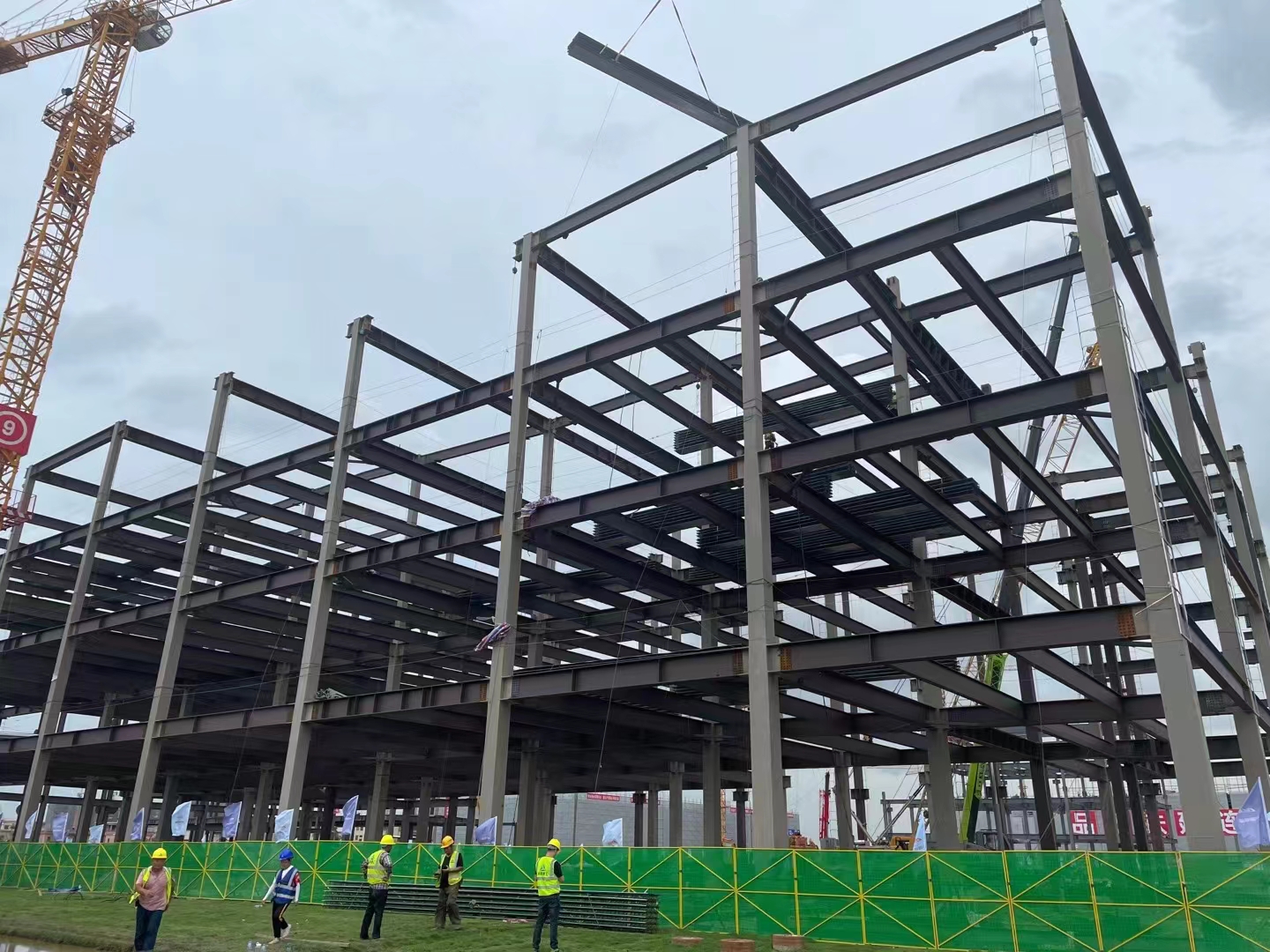
Reinforced truss deck construction refers to the construction method of using a reinforced truss structure to support and bear the load of floor slabs in building construction.
The steps for the construction of steel truss floor slabs are as follows:
Design and formulate construction plans: Based on architectural drawings and relevant specifications, develop a construction plan for steel truss floor slabs, including truss dimensions, steel layout, and construction techniques.
2. Construct Steel Truss Framework: As per the construction plan, assemble the steel truss framework. The truss is typically composed of steel bars and steel pipes, arranged and connected according to design specifications to ensure stability and load-bearing capacity.
3. Installation and anchoring of reinforcing steel: Install and anchor the reinforcing steel required for the installation of the floor on the steel truss. The arrangement and connection of the steel must comply with design requirements and relevant specifications to ensure the strength and stability of the floor.
4. Casting Concrete: Concrete is cast onto the reinforced truss to form the floor slab. The mix ratio and casting process must comply with design requirements and relevant standards to ensure the quality and performance of the floor slab.
5. Maintenance and Acceptance: Carry out maintenance on the newly poured floor slabs to ensure the strength and durability of the concrete. Upon completion of the maintenance period, conduct an acceptance check on the floor slabs to confirm that the construction quality meets design requirements and relevant specifications.
Reinforced truss floor decks offer the advantages of short construction cycles, controllable quality, and wide application range, widely used in construction projects. However, during the construction process, attention must be paid to construction techniques and safety measures to ensure both quality and safety.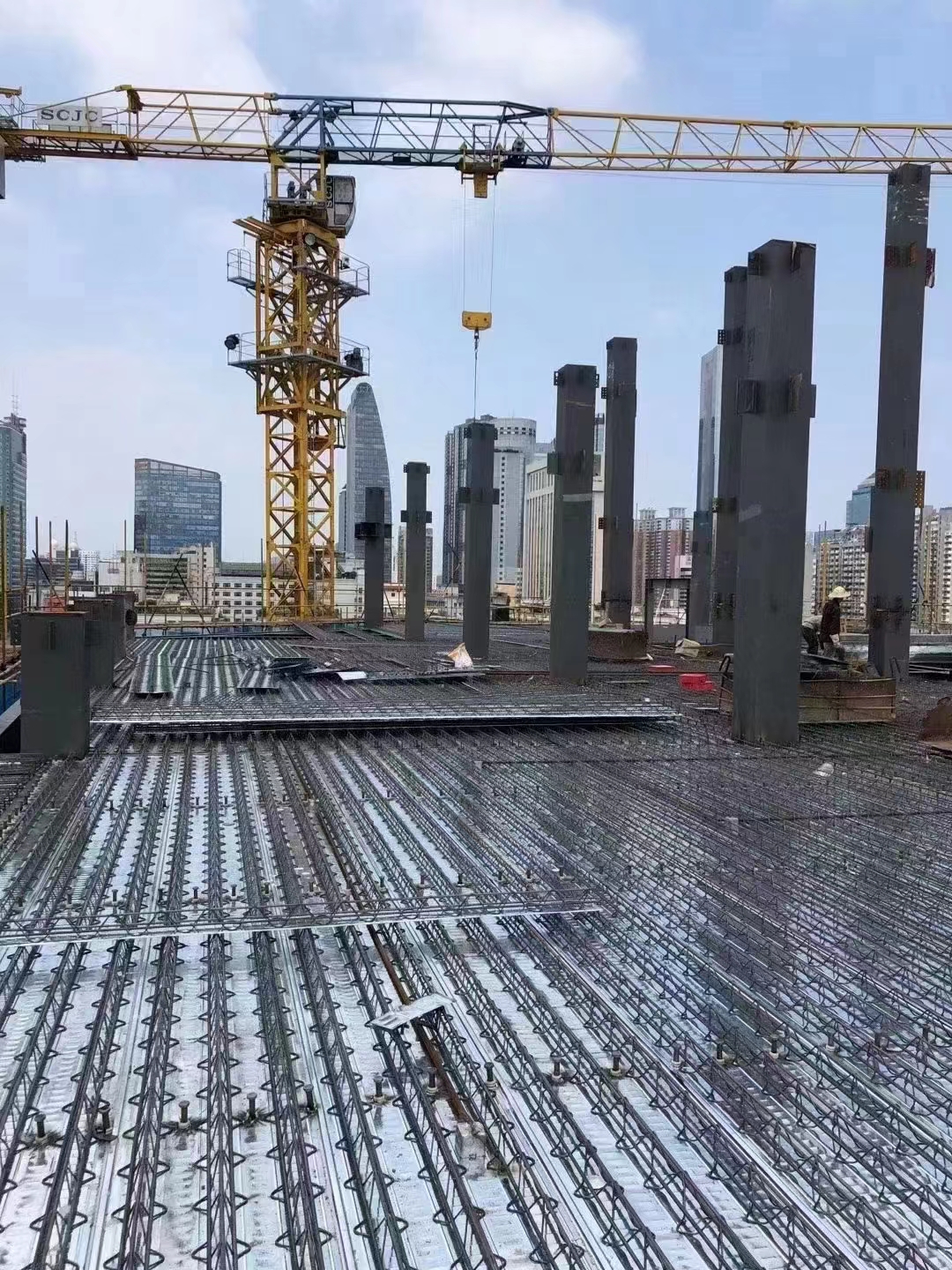
Steel truss beams for floor slabs are primarily used in the load-bearing structure of floor slabs, common applications include:
Multi-story Residential Buildings: The reinforced steel truss joists can be used in the floor structure of multi-story residential buildings, bearing the self-weight of the floor and the loads from occupants' activities.
2. Commercial Complex: Commercial complexes often have large floor slabs that need to bear heavy foot traffic and cargo loads. Floor bearing steel truss systems can provide ample load-bearing capacity.
3. Office Buildings: The floor slabs of office buildings must bear the loads from office personnel's activities and the weight of office equipment. The reinforced steel truss floor slabs can meet these requirements.
4. Hotels and Guesthouses: The floor slabs in hotels and guesthouses must bear the load of guests' activities as well as the weight of furniture and equipment. The reinforced steel truss floor decks can provide adequate load-bearing capacity.
5. Public Buildings: Floor slab steel truss can be used in the structural design of buildings such as schools and libraries, to bear the loads from foot traffic and equipment.
In summary, the steel truss girder for floor deck is suitable for floor structures that need to bear heavy loads and can be used in construction scenarios.
WeChat Official Account

Scan to follow Official Account