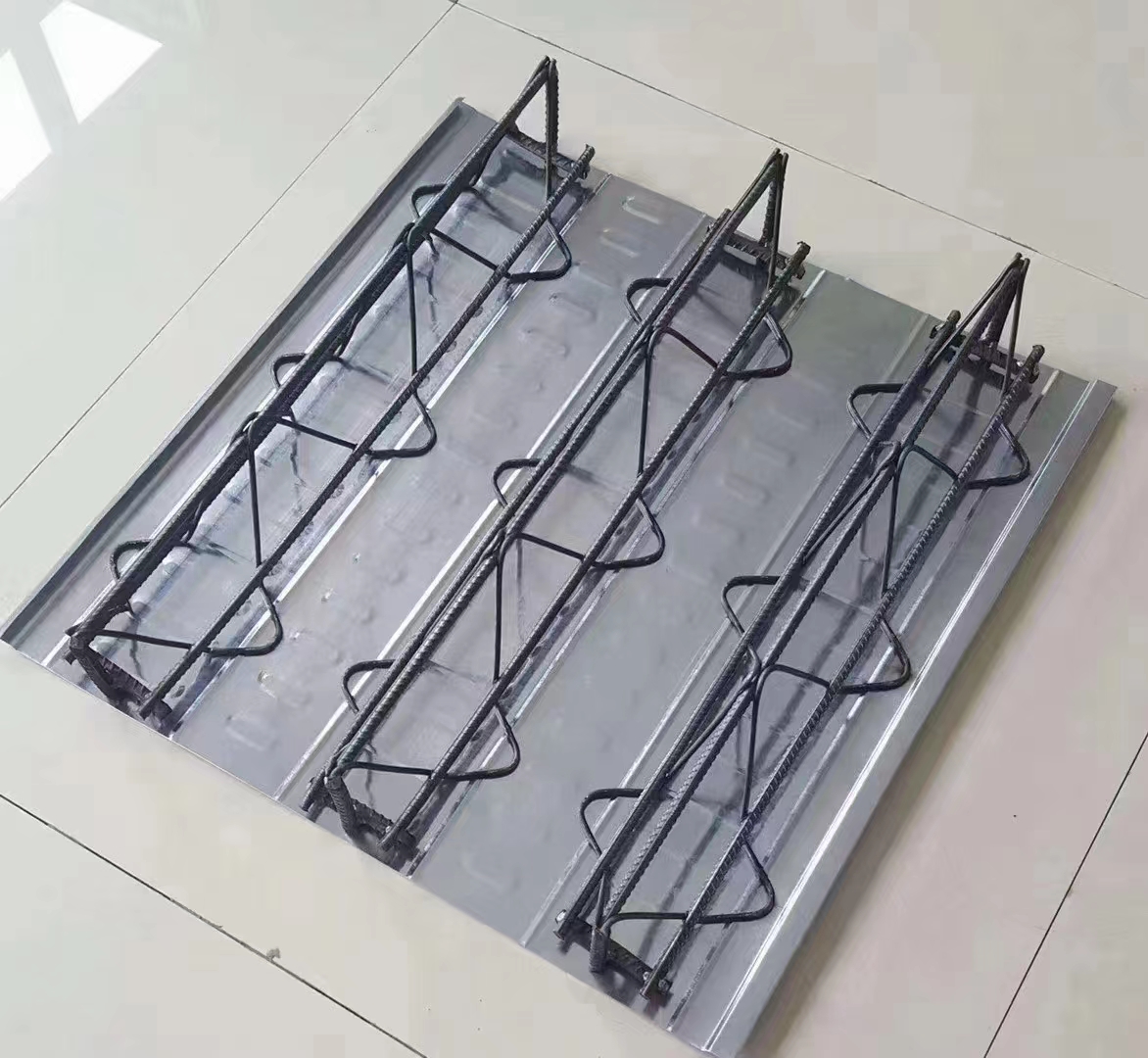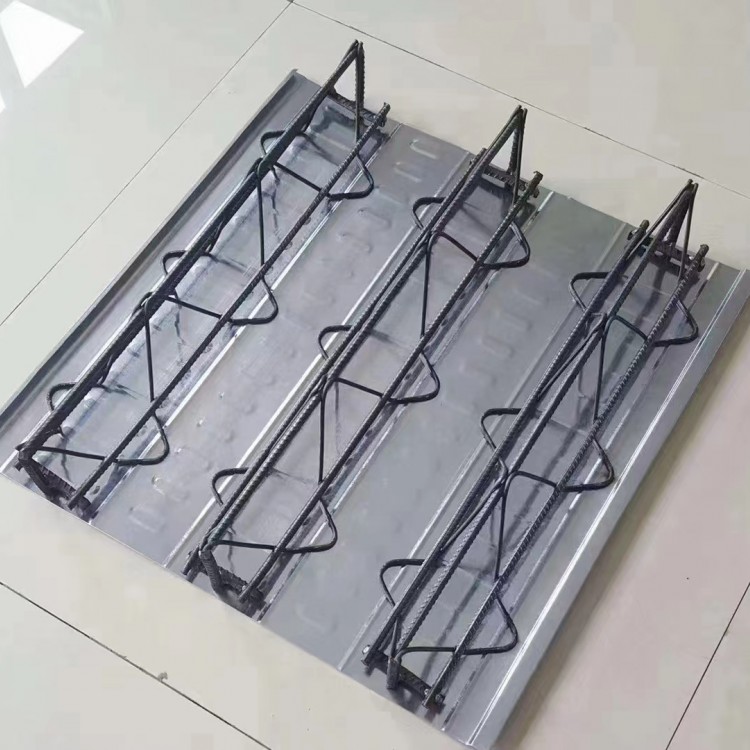


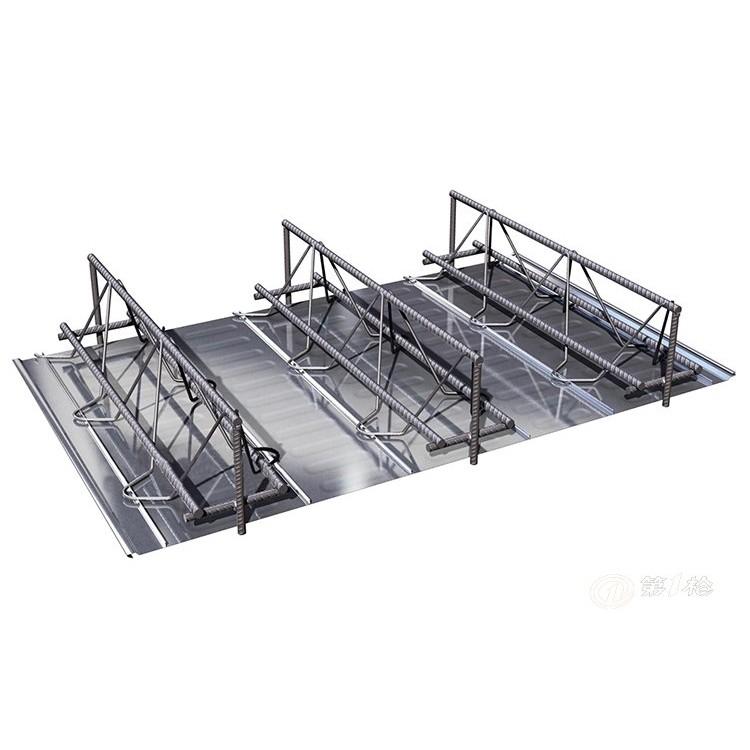
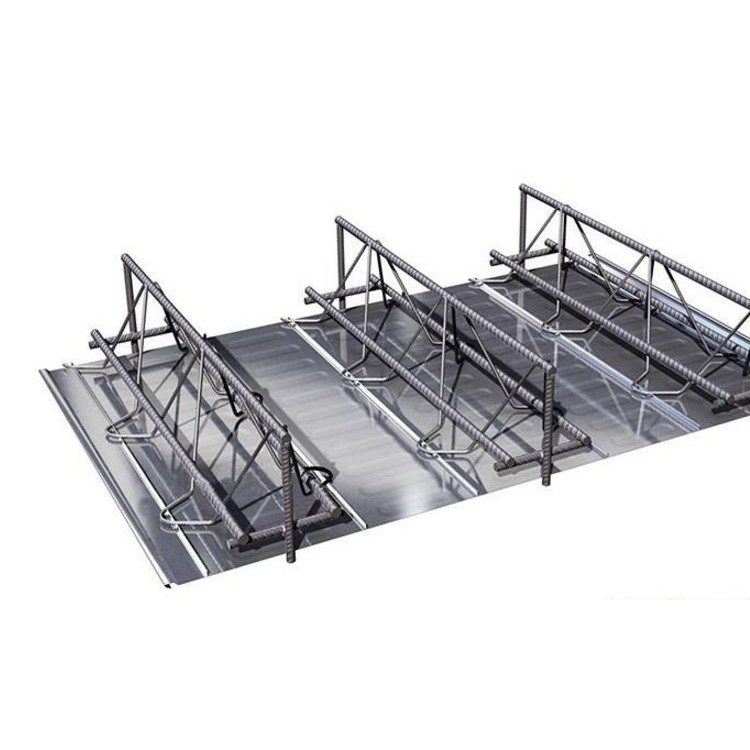









Reinforced truss deck is a commonly used floor structure. It is composed of reinforced trusses and concrete, offering high load-bearing capacity and rigidity.
Reinforced trusses are truss structures composed of steel rebars, used for supporting and transferring the load of floor slabs. The truss can be in the form of a plane truss, a space truss, or a composite truss, designed according to the actual conditions.
Concrete is used to fill in steel trusses, providing certain stiffness and compressive strength. It can be reinforced and thickened as needed to meet the load-bearing requirements of the floor.
Reinforced truss floor decks offer the following advantages:
High load-bearing capacity: The steel truss can effectively bear the load of the floor, ensuring the safety of the floor.
2. High Rigidity: The steel truss has high rigidity, which can reduce the deflection of the floor slab, enhancing its stability.
3. Easy Construction: Steel trusses and concrete can be pre-fabricated in the factory and then installed on-site, ensuring high construction efficiency.
High space utilization: The steel truss structure allows for larger spans, reducing the number of columns, and increasing the usable floor area.
However, there are some drawbacks to steel truss floor slabs, such as longer construction periods and higher costs. Therefore, when choosing the floor structure, it's necessary to consider all factors and select the appropriate structural type.
The characteristics of steel truss floor decks include:
1. Lightweight Structure: The steel truss floor deck is manufactured with light steel and thin-walled steel pipes, offering a light weight, simple structure, and ease of transportation and installation.
2. High Strength: The steel girder deck supported floor is made of steel as the main structural material, offering high strength and rigidity, capable of bearing substantial loads.
3. Versatile: Steel truss deck panels can be designed and manufactured to meet various requirements, accommodating different architectural styles and functional needs.
4. Short construction period: The manufacturing and installation of steel truss floor slabs are fast, significantly reducing the construction timeline.
5. Durable: The steel truss floor deck utilizes weather-resistant steel material, offering excellent corrosion resistance and durability, ensuring a long service life.
6. Highly Dismantleable: The structural design of the steel truss floor deck is removable and reconfigurable, facilitating renovations and expansions.
7. High Space Utilization: The structural design of the reinforced truss floor deck is rational, allowing for the full utilization of building space and enhancing space efficiency.
8. Eco-friendly and Energy-saving: The steel truss floor deck utilizes steel as the primary structural material, reducing consumption of natural resources like wood, offering excellent environmental protection and energy-saving benefits.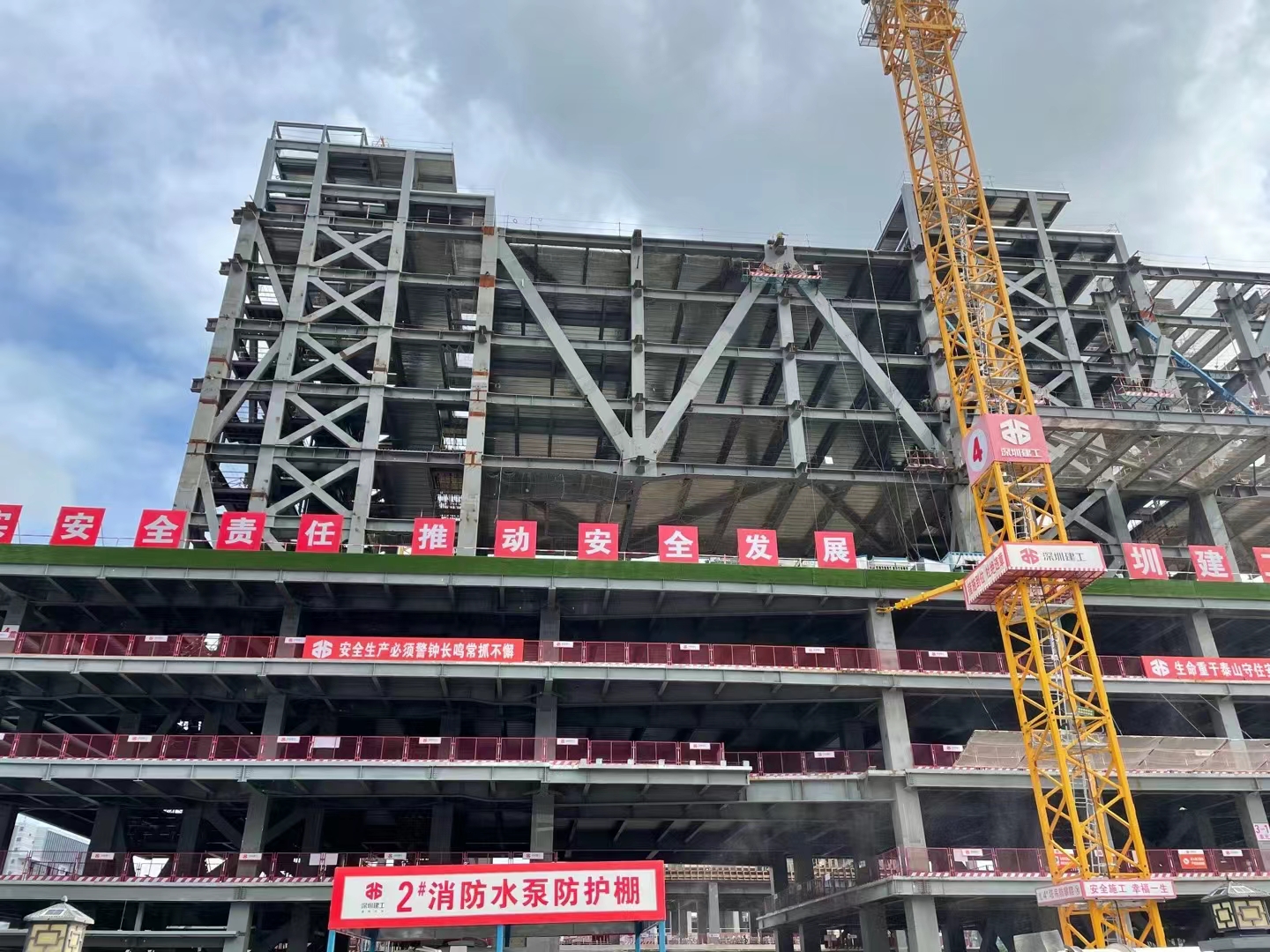
A floor deck steel truss is a commonly used architectural structure, featuring the following characteristics:
High Strength: The steel beam truss used in the floor slab adopts steel as the main structural material, which possesses both strength and rigidity to withstand significant loads.
2. High rigidity: The steel has excellent rigidity, effectively resisting deformation and flexure, ensuring the stability and safety of the building structure.
3. Short construction period: The steel truss for floor slabs is prefabricated in the factory and installed on-site, resulting in a shorter construction period and enhancing project progress.
High space utilization: The columns and beams in the steel truss structure of floor-decking are relatively smaller, occupying less space, thereby improving the space utilization rate of the building.
High Reliability: The steel truss of the floor-decking board is prefabricated in the factory and installed on-site, ensuring quality control and structural reliability to meet the building's usage requirements.
6. Dismountable: The floor-bearing steel truss structure is easily removable and can be modified, facilitating future maintenance and renovations.
In summary, the steel truss girder for roof deck panels boasts high strength, excellent rigidity, short construction period, high space utilization, high reliability, and good detachability, making it a rather ideal architectural structure form.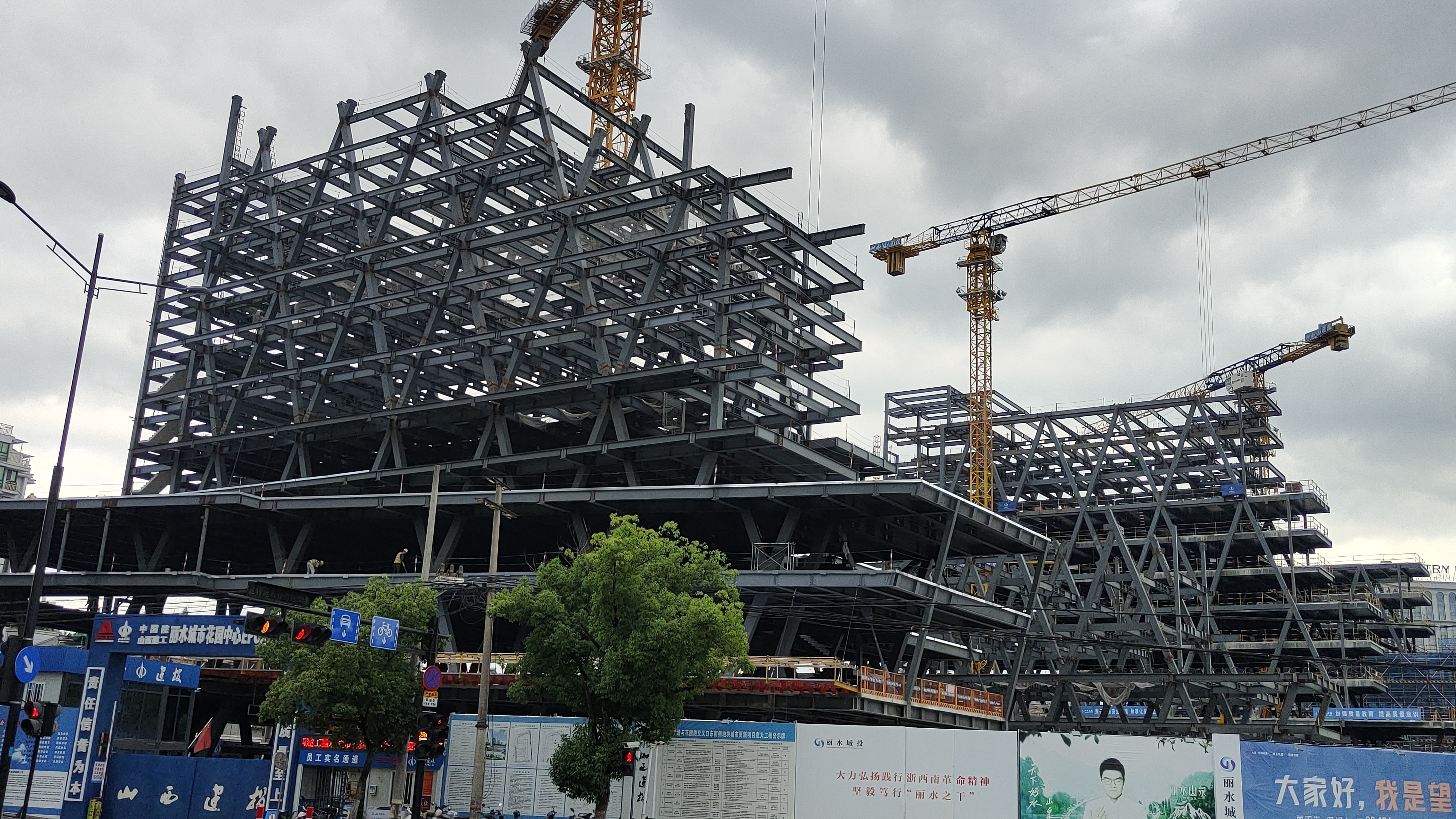
Joist girders are primarily used in the following scenarios:
1. Construction: Truss deck plates can be used for erecting temporary or semi-permanent structures, such as staircases, platforms, and workbenches. They offer support and stability, facilitating workers' construction activities.
2. Event Venue: Truss deck can be used to construct temporary venues such as exhibition halls, gymnasiums, concert sites, etc. They provide extensive support platforms to meet the needs of large numbers of people and equipment.
3. Stage Construction: Truss deck plates are ideal for constructing stage structures, offering a stable support platform and stage framework. They can be combined and adjusted to meet various performance requirements and accommodate different venues.
4. Exhibition Display: Truss deck plates can be used for constructing support structures for exhibitions, such as booths and display racks. They can be adjusted according to the size and weight of the exhibits, providing a stable and safe display platform.
5. Temporary Structures: Truss deck panels can be used for temporary setups, such as temporary warehouses, accommodations, etc. They can be quickly assembled and disassembled, making them easy to move and reuse as needed.
In summary, truss deck plates are suitable for scenarios requiring extensive support and stability, and can be flexibly combined and adjusted according to specific needs.
WeChat Official Account

Scan to follow Official Account