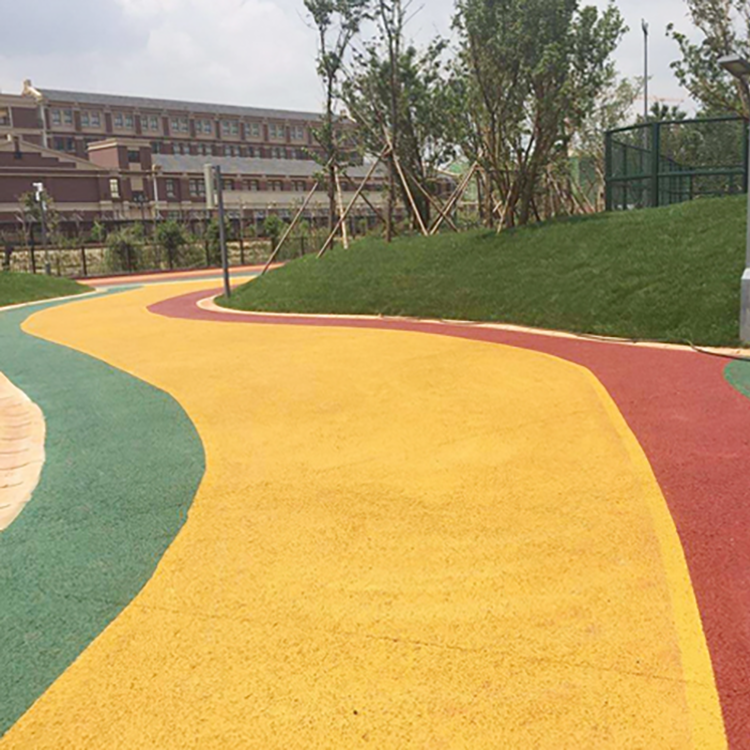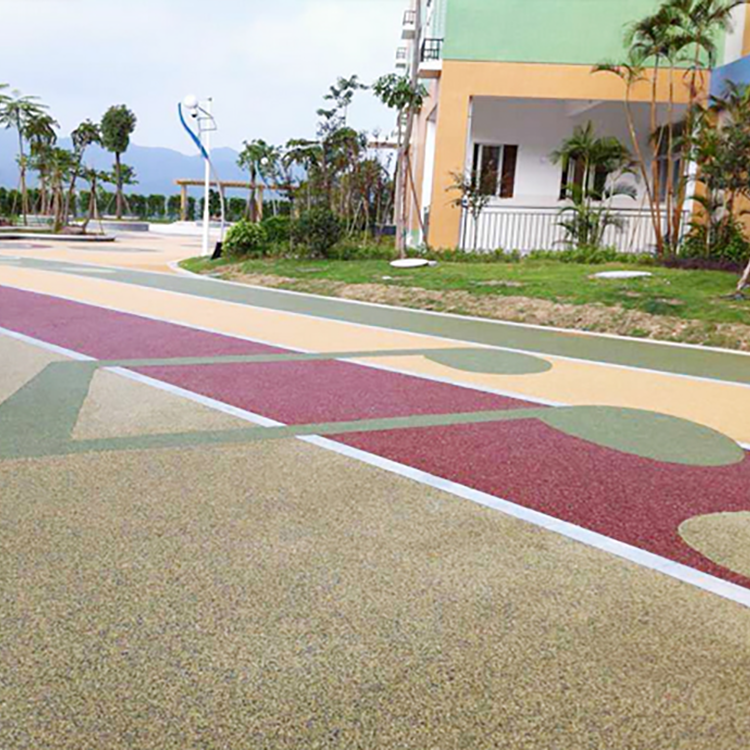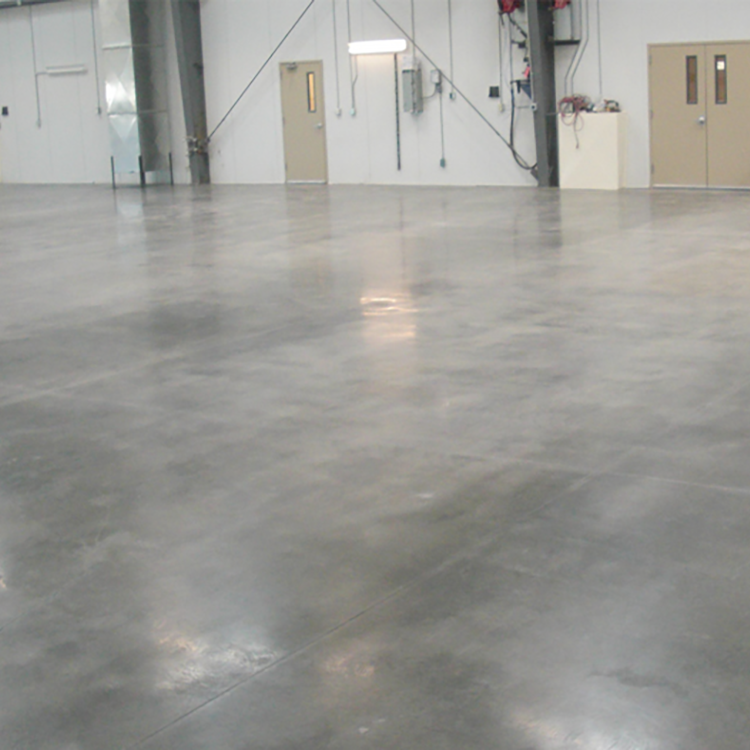

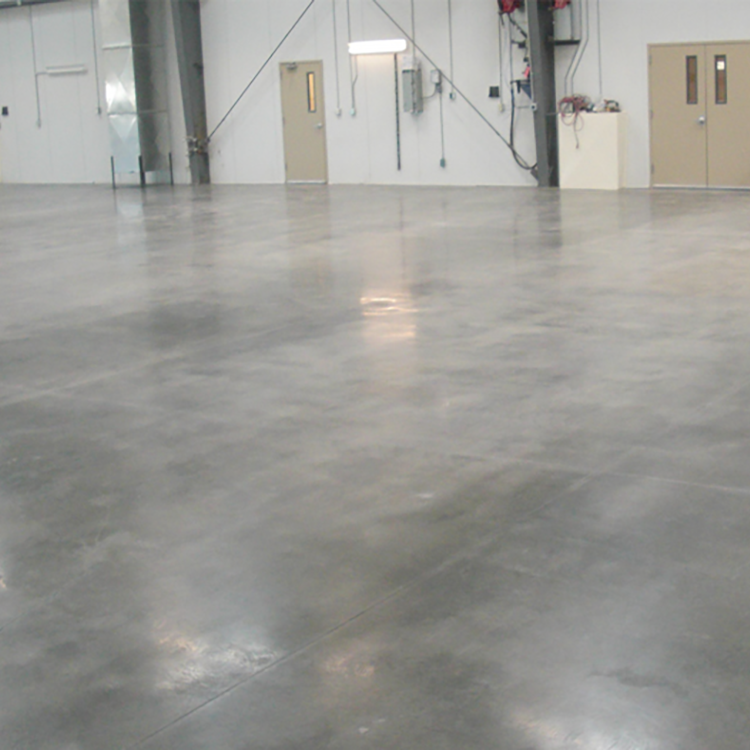







Permeable concrete, developed and used by countries such as Europe, the United States, Japan, and others to address the defects in the surfaces of original urban roads, allows rainwater to infiltrate the ground, effectively replenishing groundwater and mitigating rapid groundwater level decline in cities. It also effectively eliminates the environmental hazards posed by pollutants like oil compounds on the surface. Additionally, it is an excellent paving material for protecting groundwater, maintaining ecological balance, and alleviating urban heat island effects. It holds particular significance for the benign development of the human living environment and in the areas of urban rainwater management and water pollution prevention.
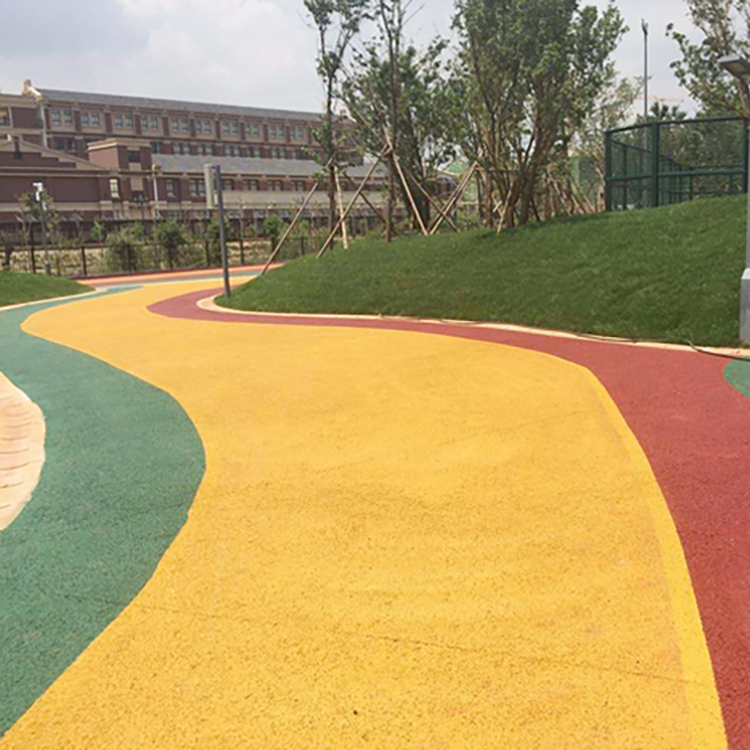
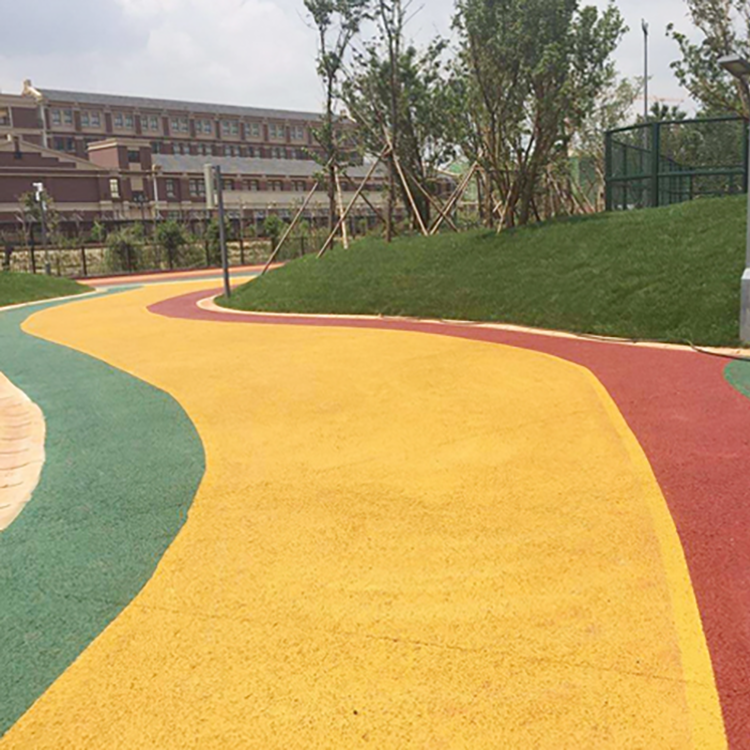
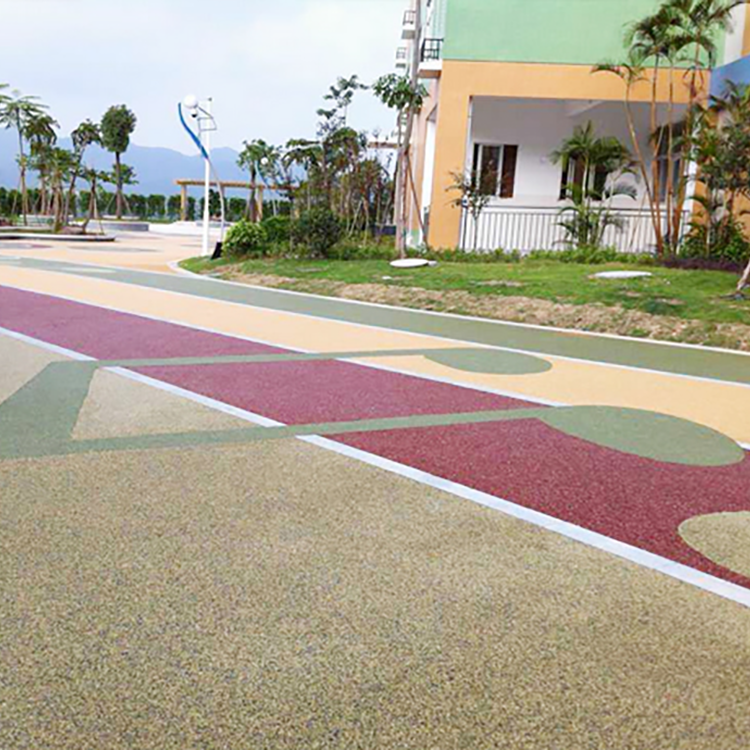
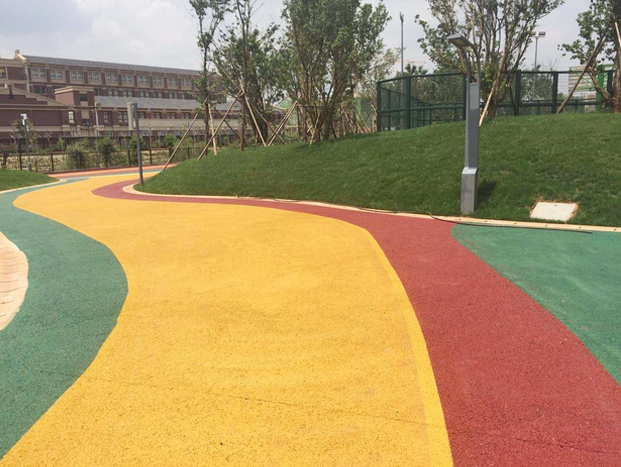
The permeable concrete system features a range of color formulas, allowing for creative design integration to lay down decorative styles tailored to various environments and personal preferences. This is a special paving material that cannot be achieved with traditional paving or standard permeable bricks.
Permeable concrete has been researched and applied in the United States since the 1970s and 1980s. Many countries have been extensively promoting its use, such as Germany, which expects to transform 90% of its roads into permeable concrete in the short term. This aims to change the past paving methods that damaged urban ecosystems, resulting in permeable concrete roads yielding significant social benefits.