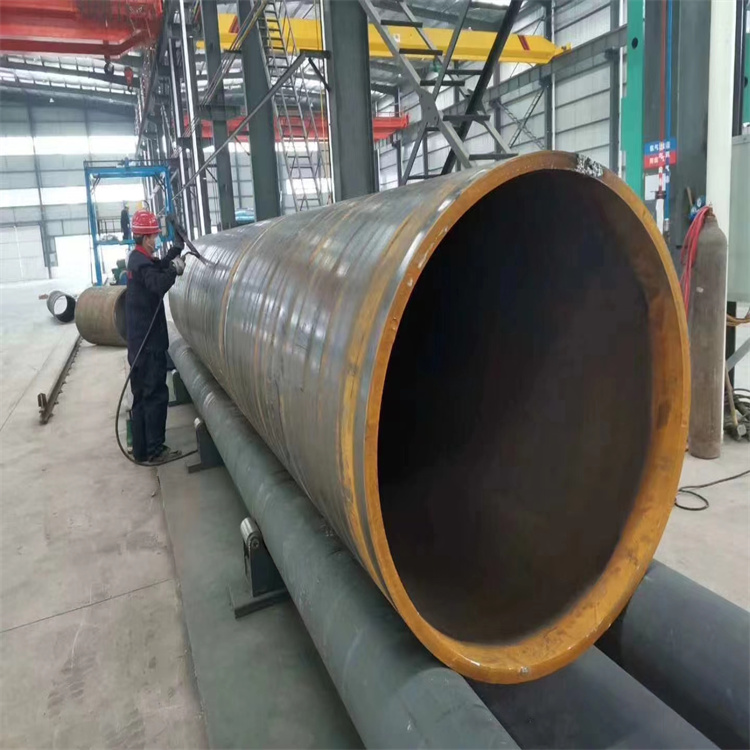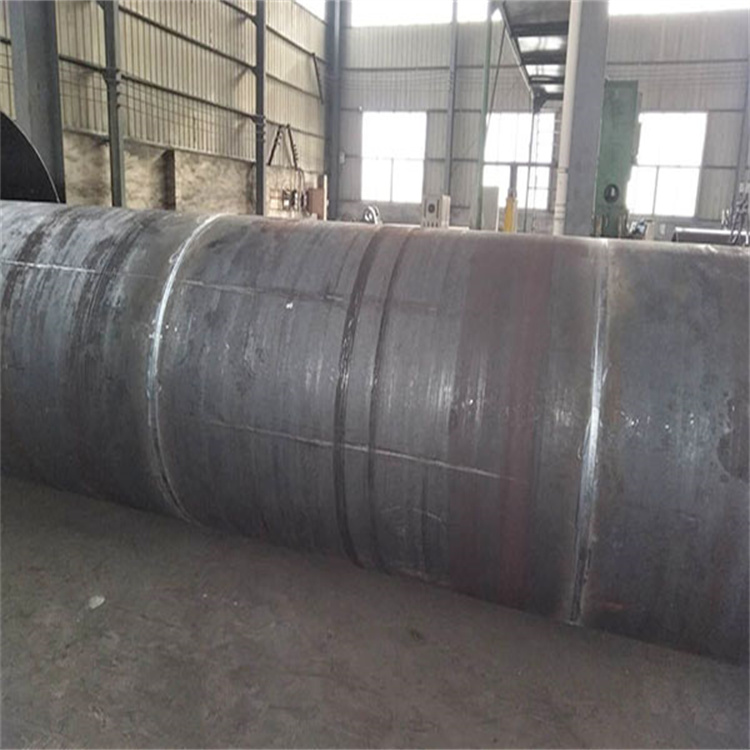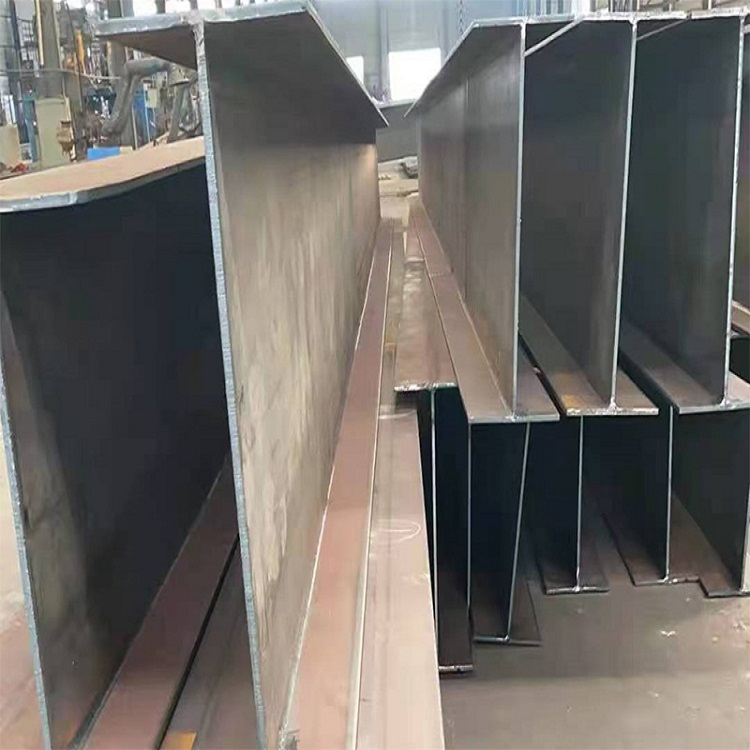













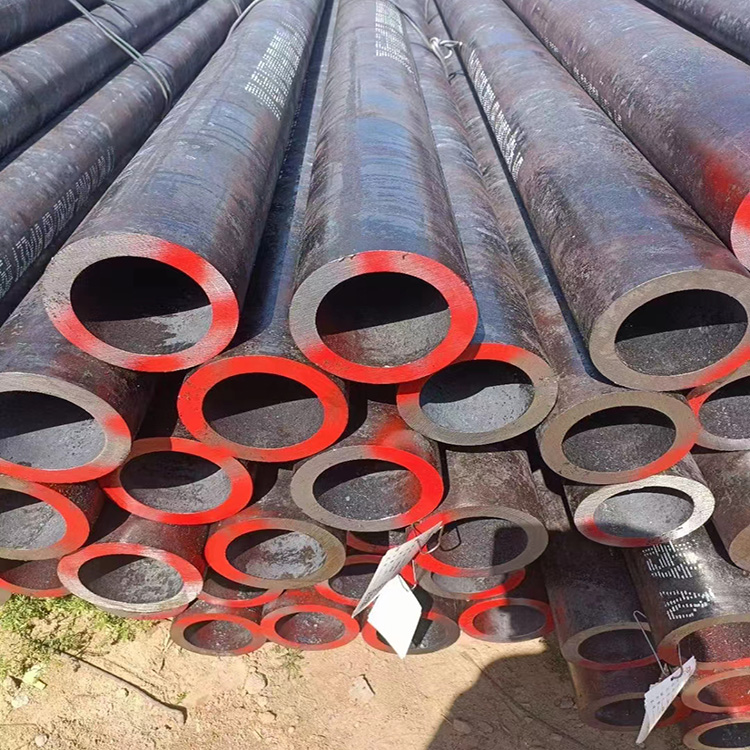
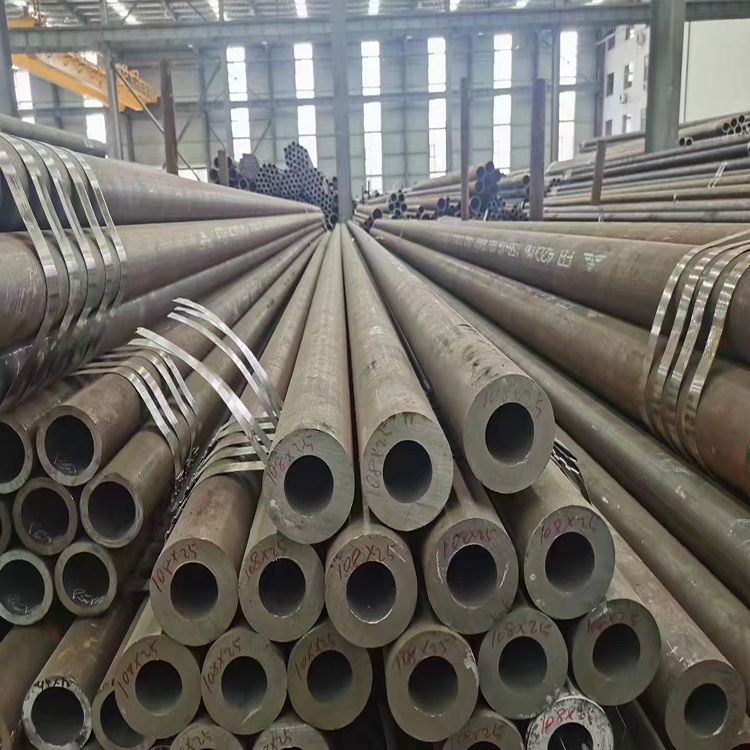
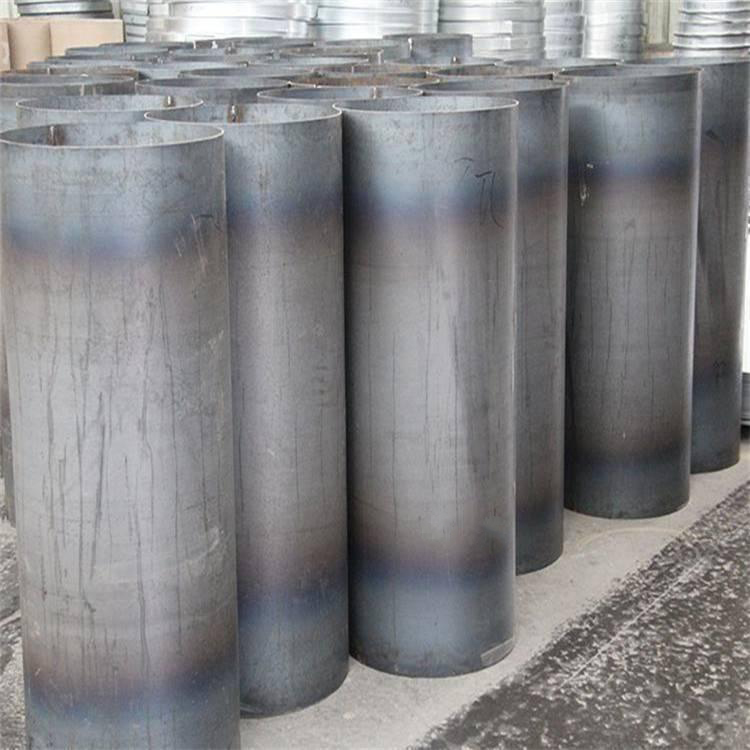

The common welding methods for stainless steel are manual metal arc welding (MMA), followed by metal inert gas (MIG/MAG) welding and tungsten inert gas (TIG) welding.
Pre-welding Preparation: For thicknesses under 4mm, no kerf is required; weld directly, achieving full penetration in a single pass. For 4 to 6mm thicknesses, double-sided welding can be done with non-kerf joints. For thicknesses over 6mm, typically a V or U-shaped bevel, or an X-joint is used.
Secondly: Clean and descale the welding pieces and filler wire to ensure welding quality.
Welding Parameters: Include welding current, tungsten electrode diameter, arc length, arc voltage, welding speed, shielding gas flow, nozzle diameter, etc.
Welding current is a critical factor in determining weld bead shape. It is typically determined based on the material, thickness, and bevel shape of the weldment.
(2) The electrode diameter is determined by the size of the welding current; the larger the current, the larger the diameter.
(3) Welding arcs and arc films, with an arc length range of approximately 0.5 to 3mm, corresponding to an arc voltage of 8~10V.
(4) Welding Speed: Selection should consider factors such as current size, sensitivity of the welding material, welding position, and operation method.