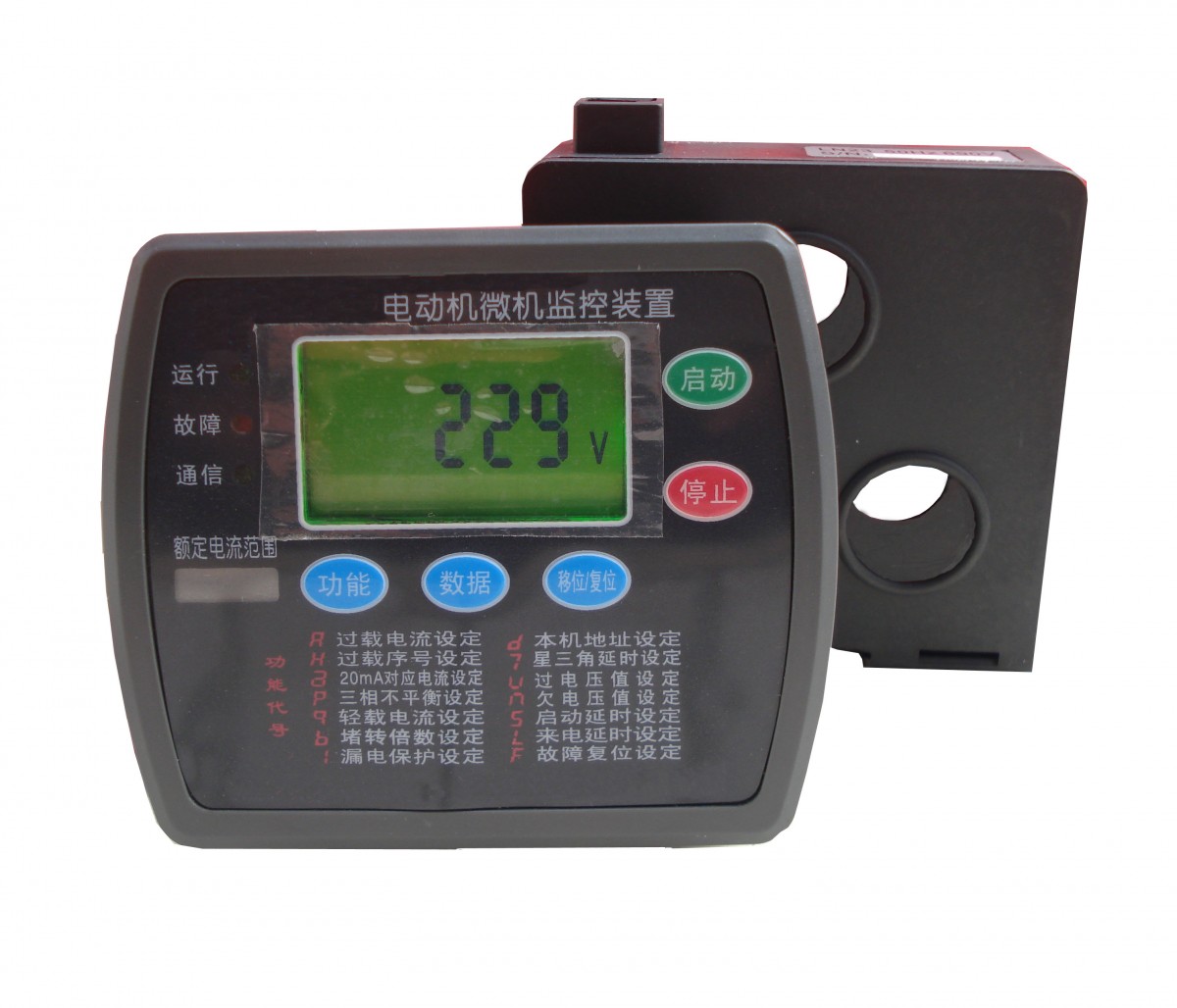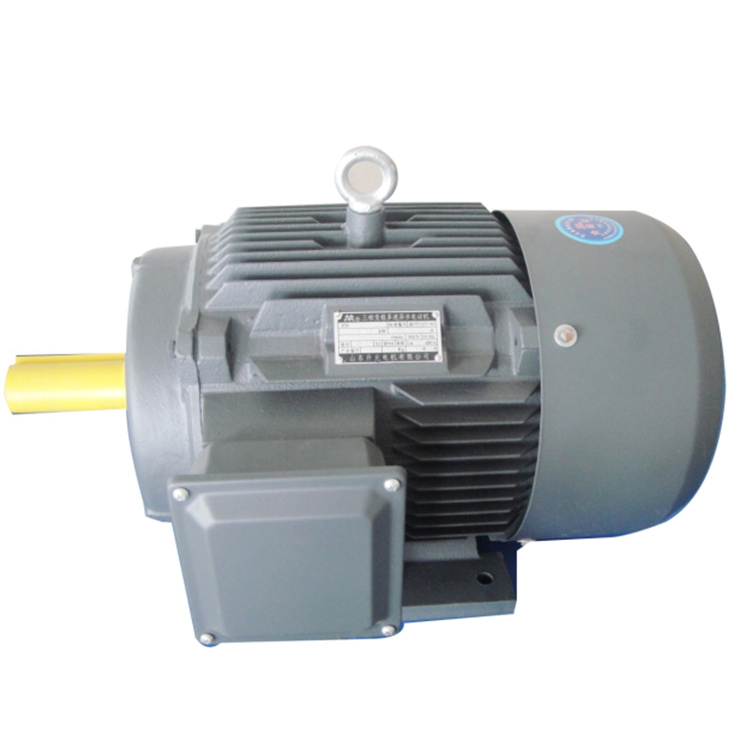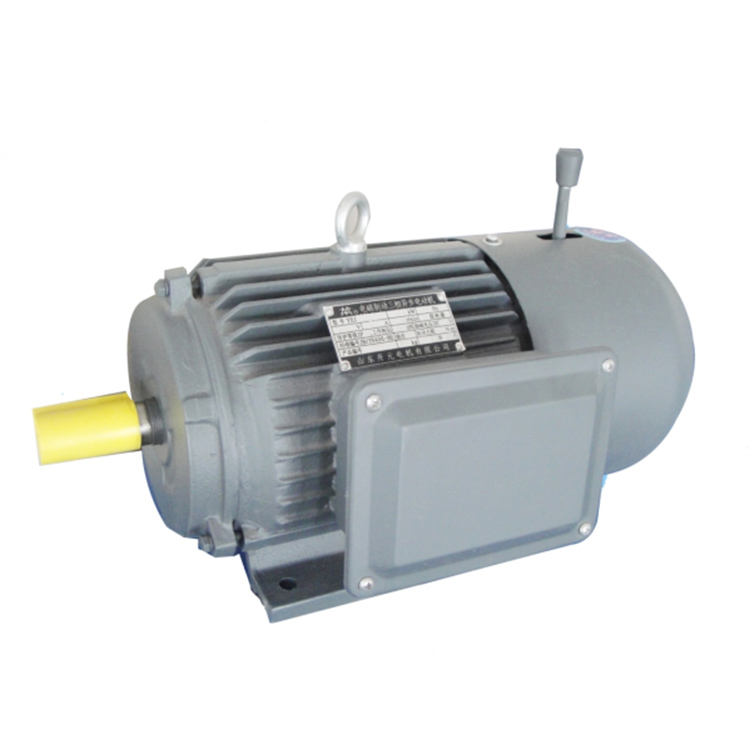


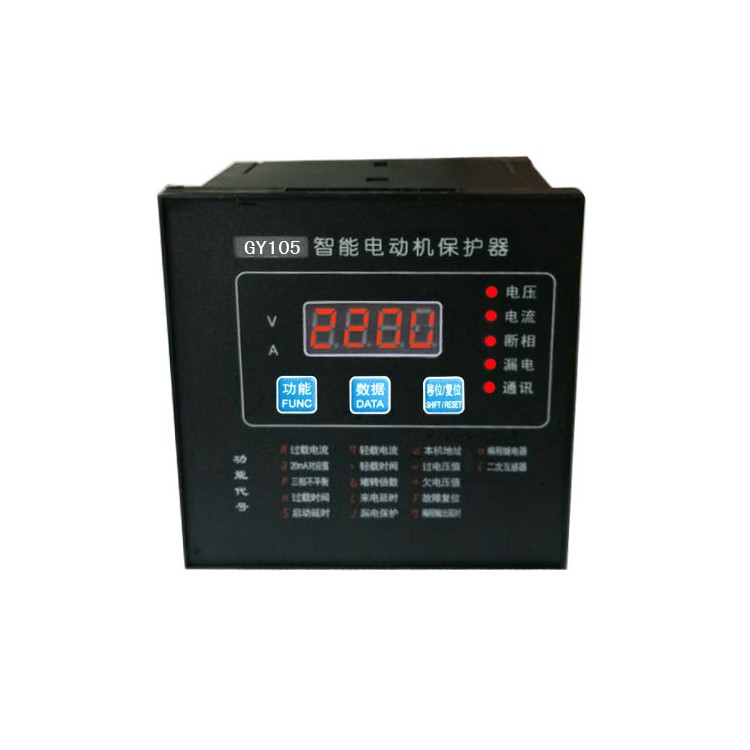







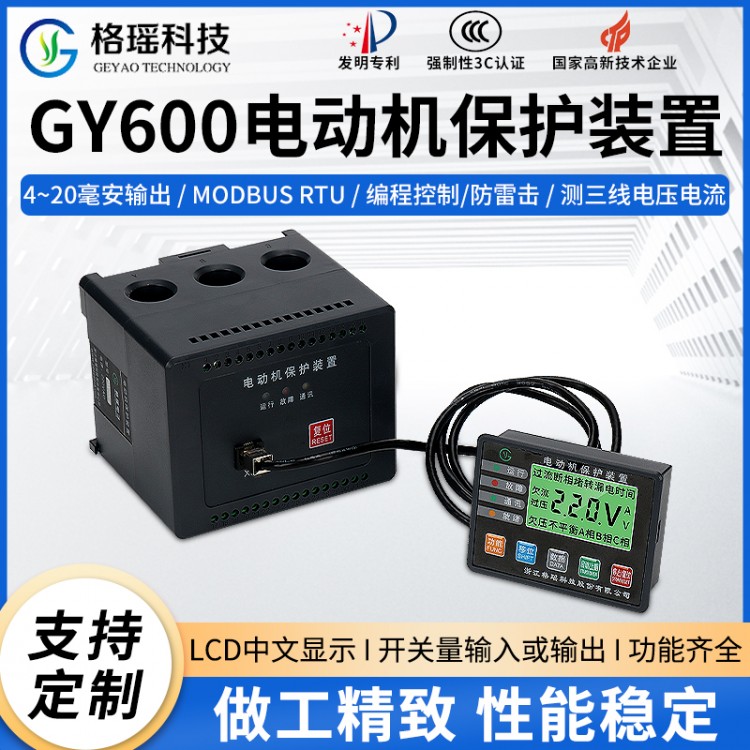
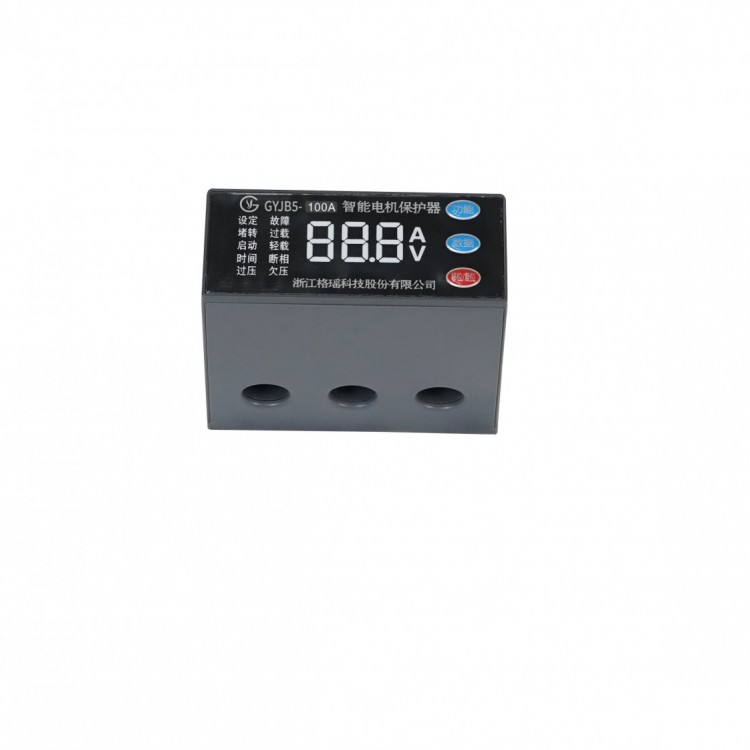
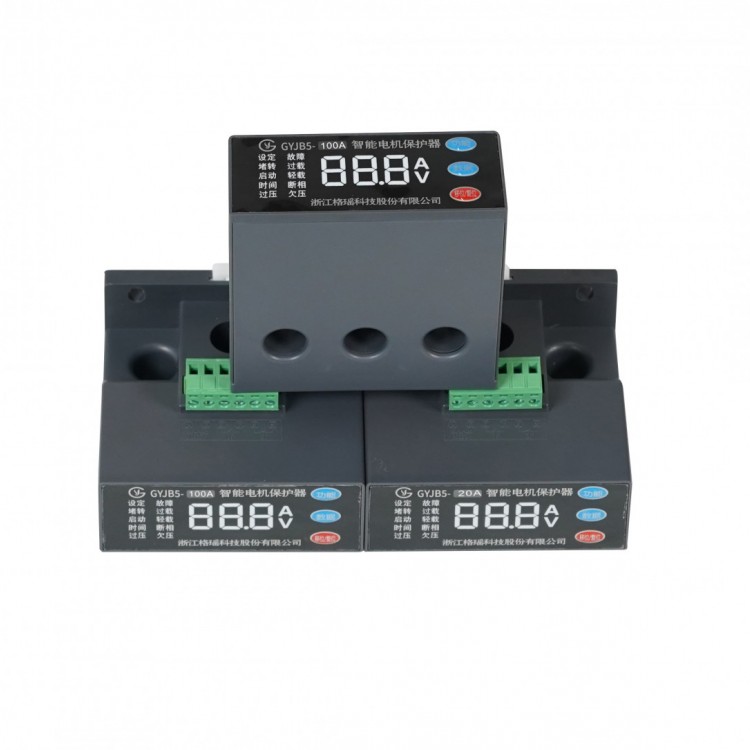
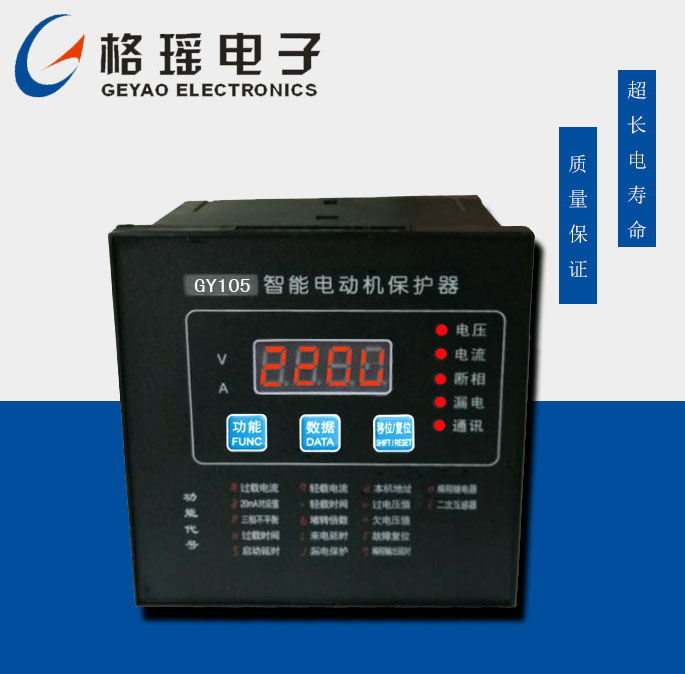

Motor protectors are a crucial component in the power supply system of motors, playing a vital protective control role in the startup and operation of the motor. Therefore, an analysis of the principles and composition of motor protection is provided, along with an explanation of the application and selection principles of motor protectors throughout their development.
Electric motors are an indispensable transmission equipment in current productivity applications, serving as the power source for other electromechanical equipment. The normal output of an electric motor is a prerequisite for the smooth operation of the driven electromechanical equipment. Today, motors are widely used in industrial, agricultural, transportation, mining, and chemical fields. The loads carried by electric motors are diverse and often a critical part of the entire equipment, making the maintenance of their normal operation extremely important. Motor protectors (motor protection devices) are a crucial component in power generation, supply, and consumption systems, and they are energy-saving electromechanical products with a wide range, significant volume, and substantial savings effect across various industries.
Motor protectors provide comprehensive protection and control for motors, addressing issues such as overload (overcurrent), underload, phase loss, stalling, short circuit, leakage, unbalanced three phases, overheating, overvoltage, undervoltage, grounding, power, energy consumption analysis, winding insulation, bearing wear, rotor eccentricity, and winding aging, triggering alarm prompts and controlling protective actions. Today, motor protectors are almost ubiquitous in all electrical application fields, holding an indispensable and crucial position and role in the national economy and energy-saving endeavors.