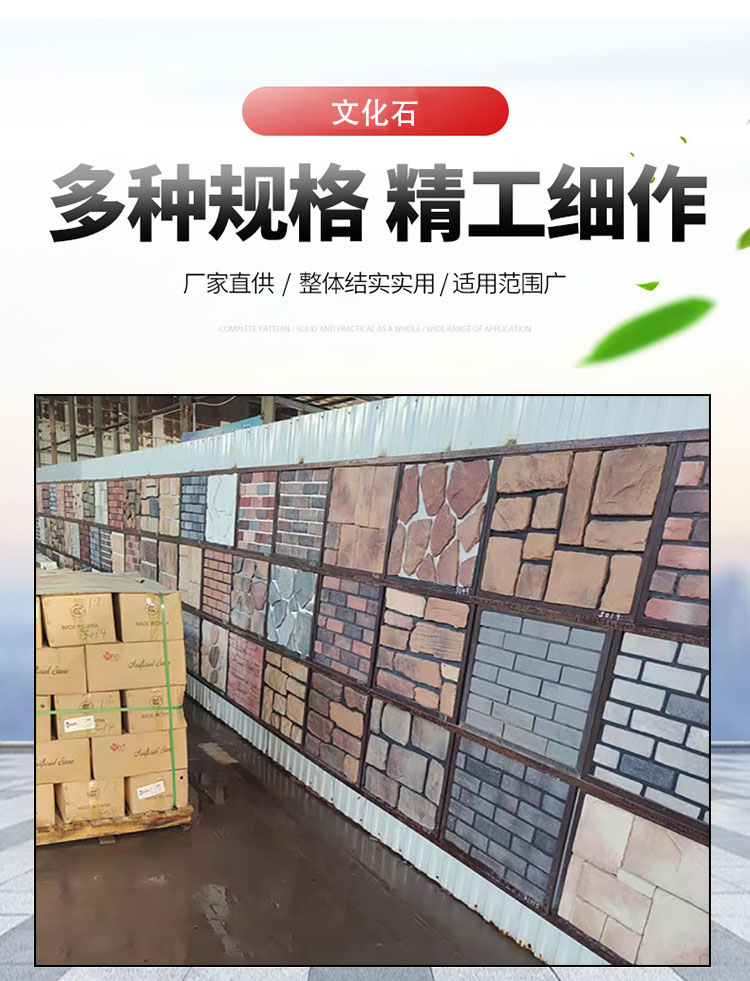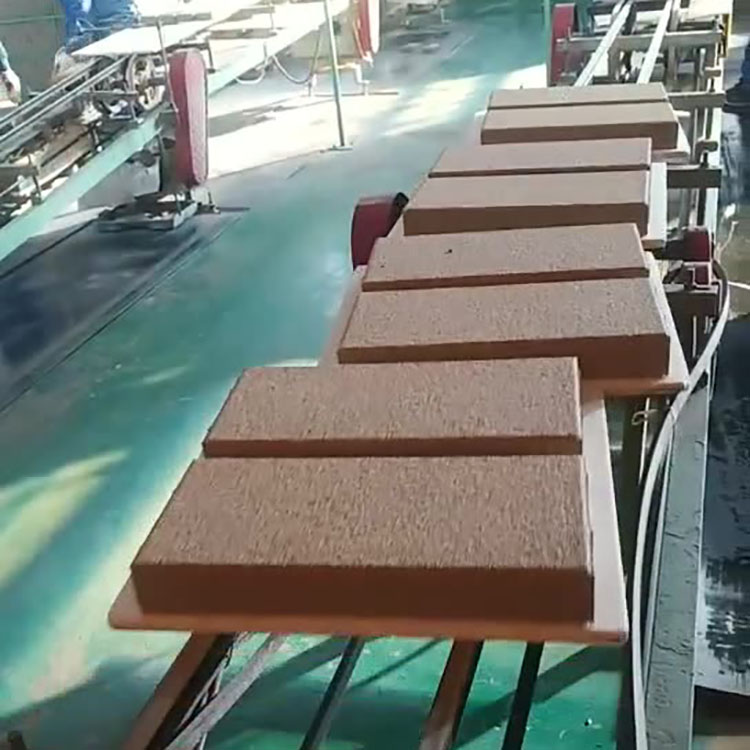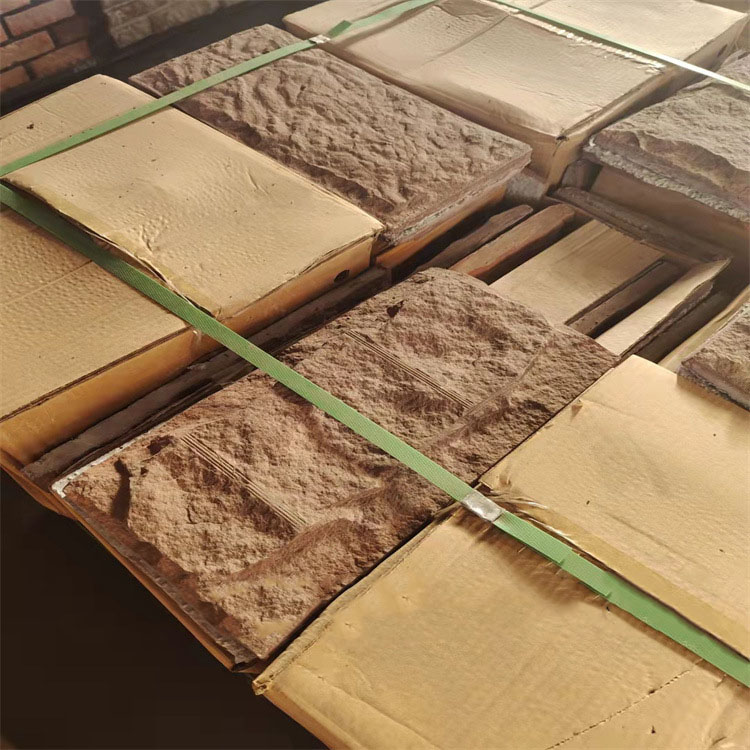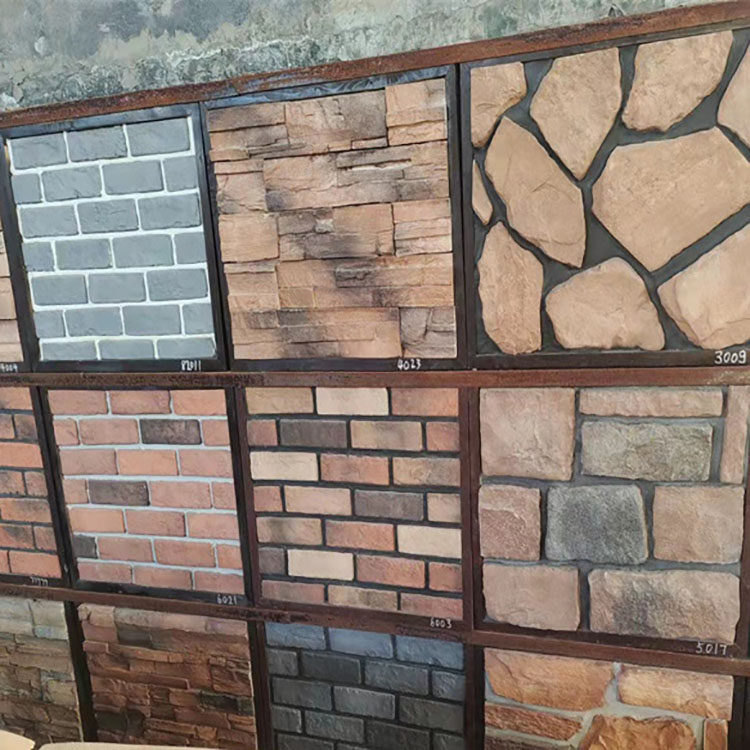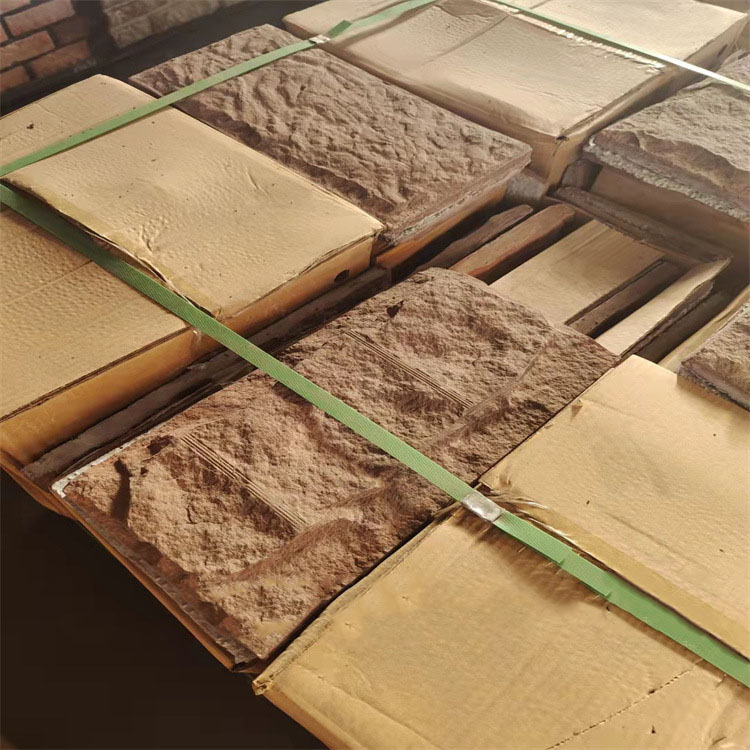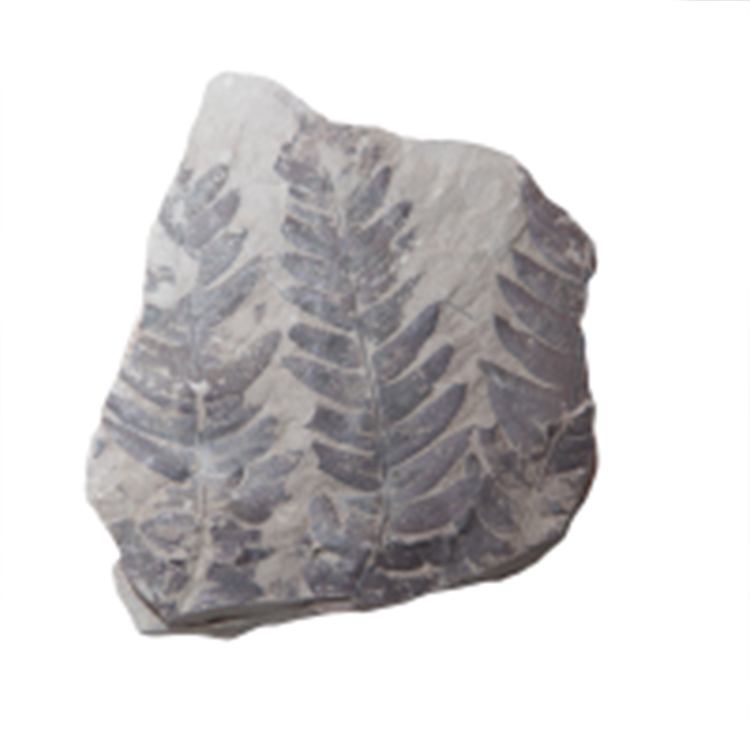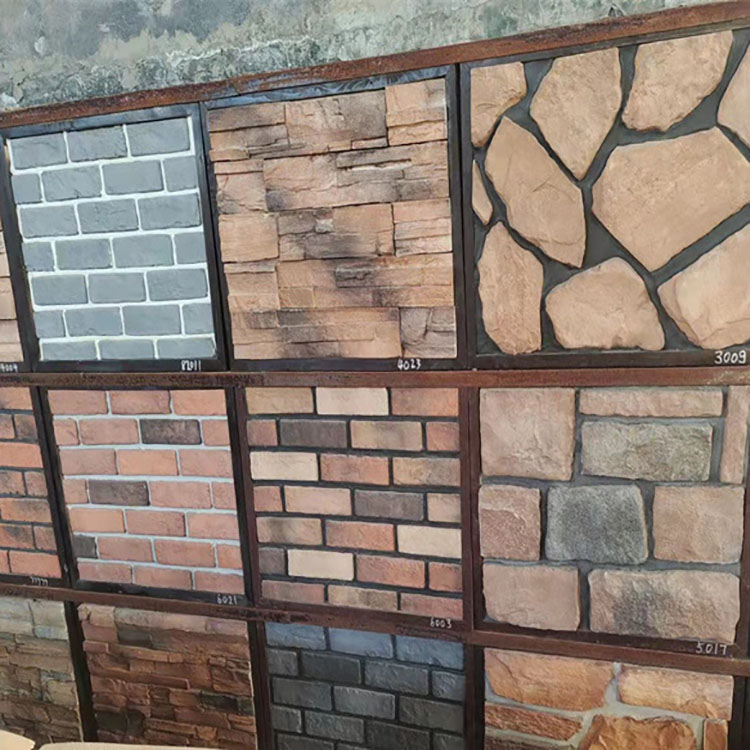

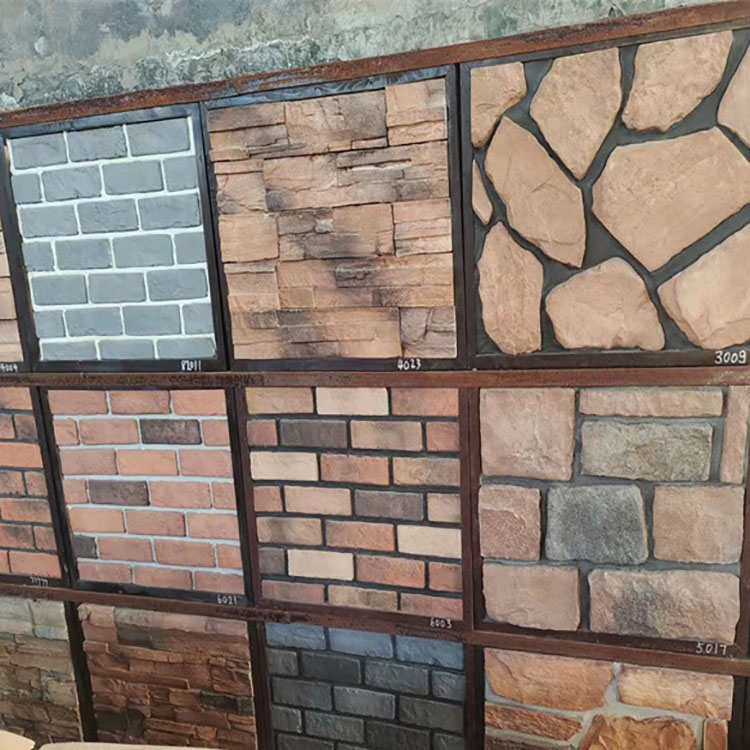
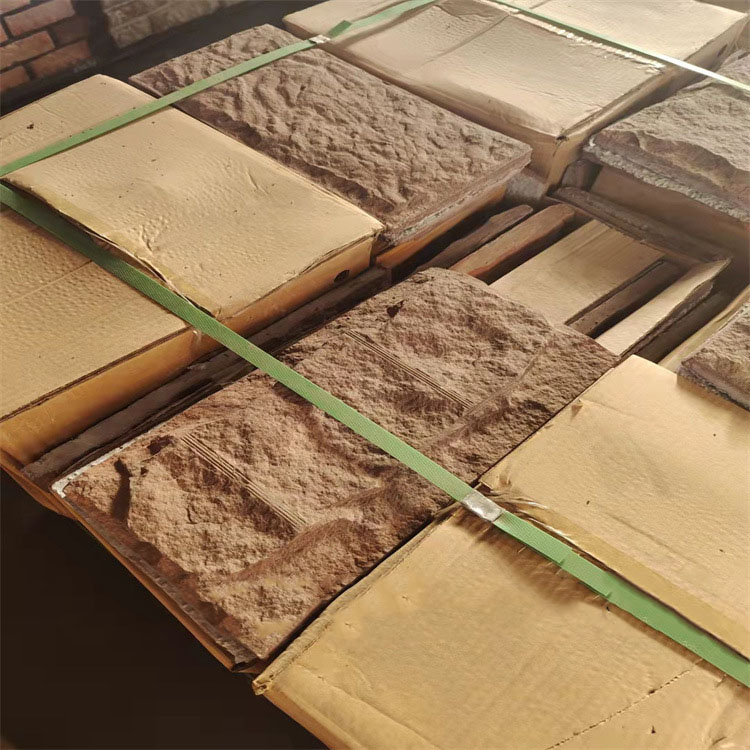
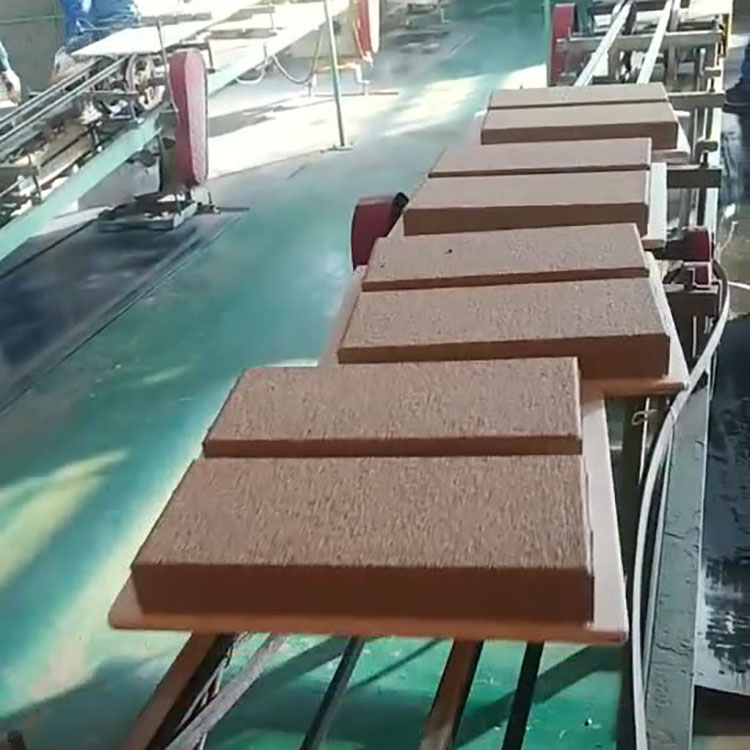


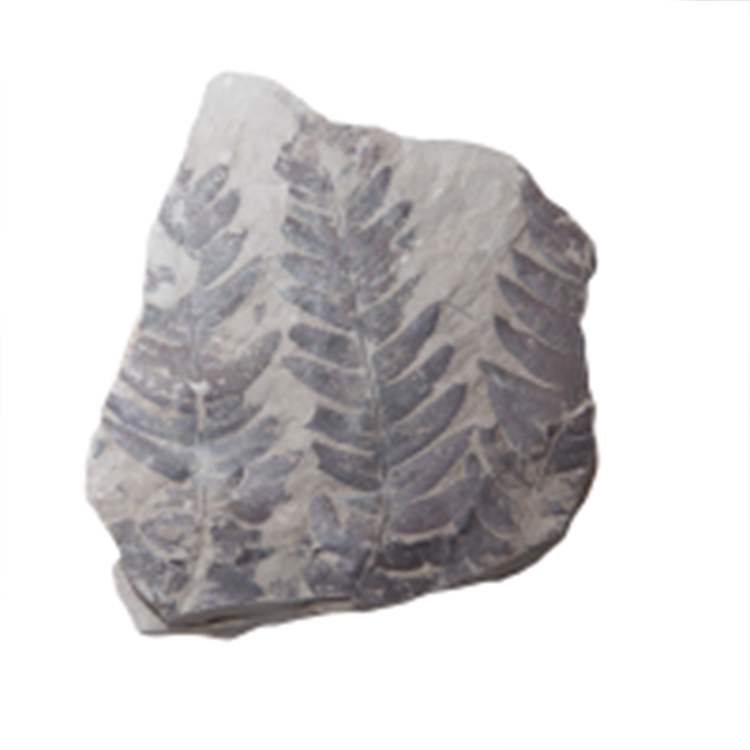
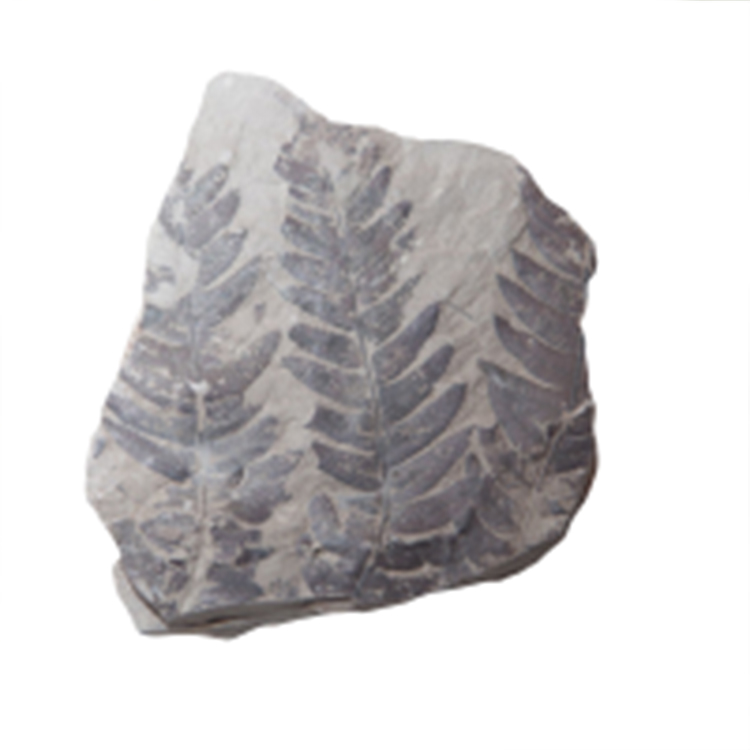
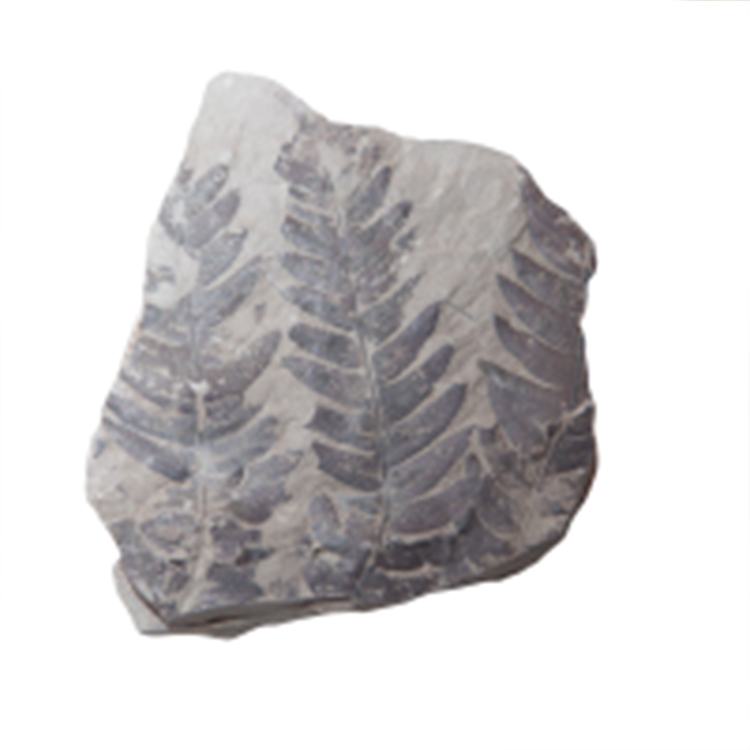






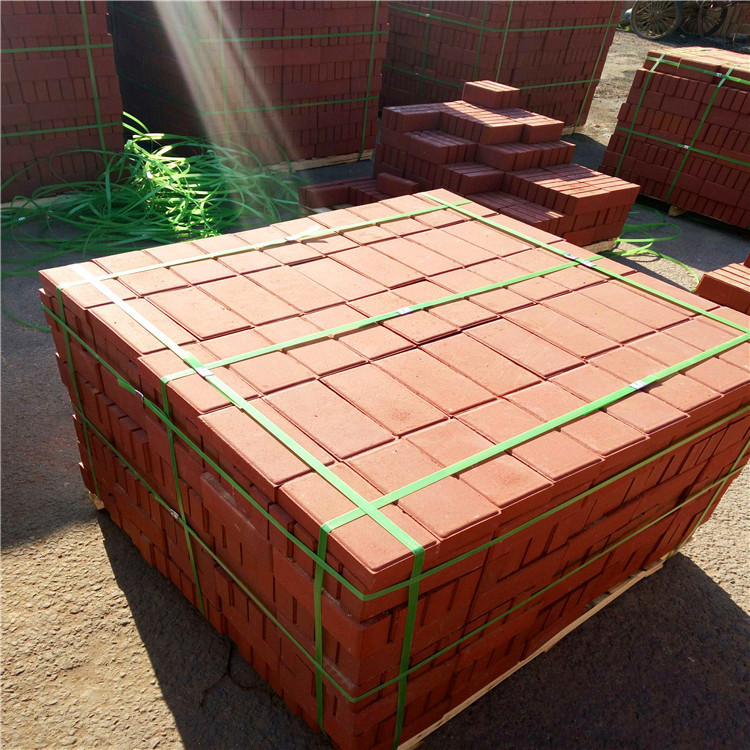

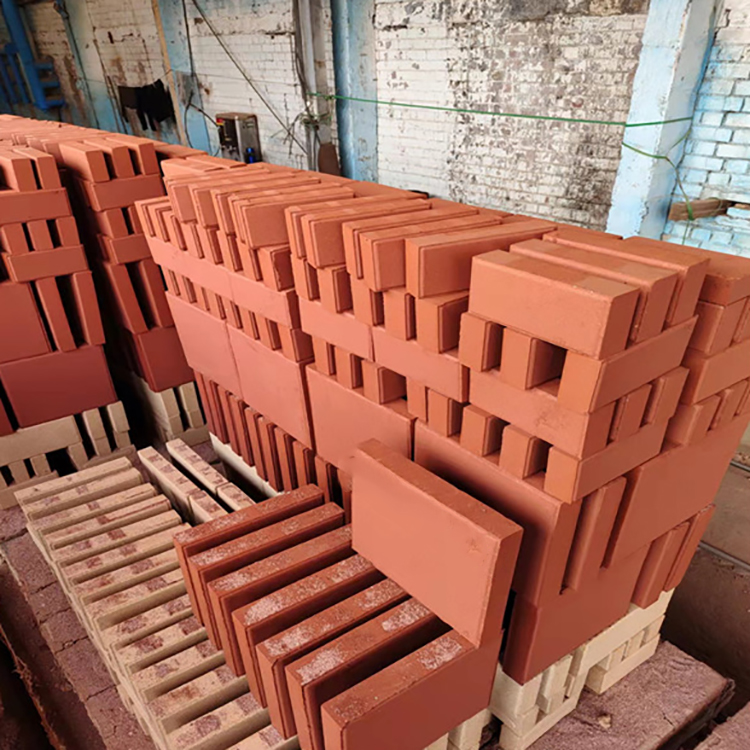

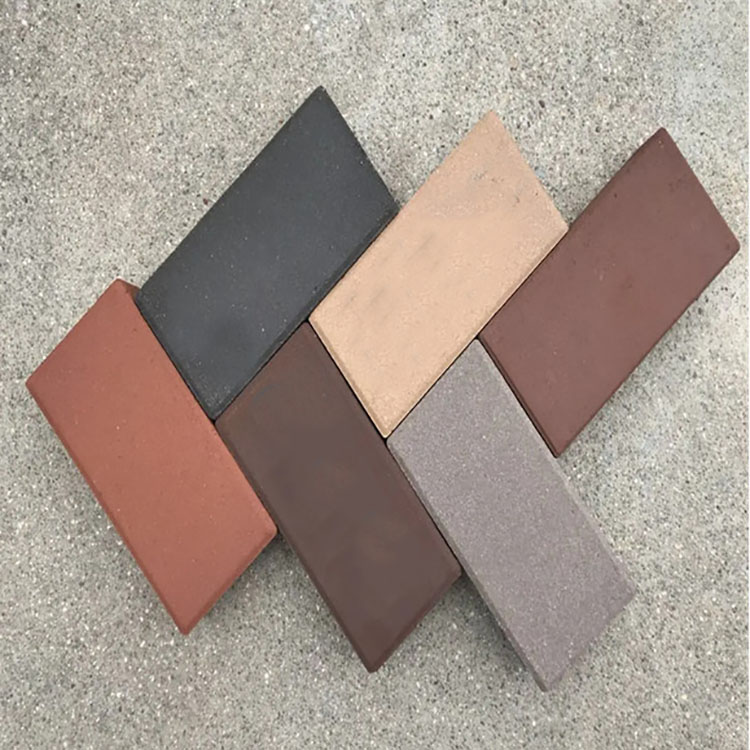
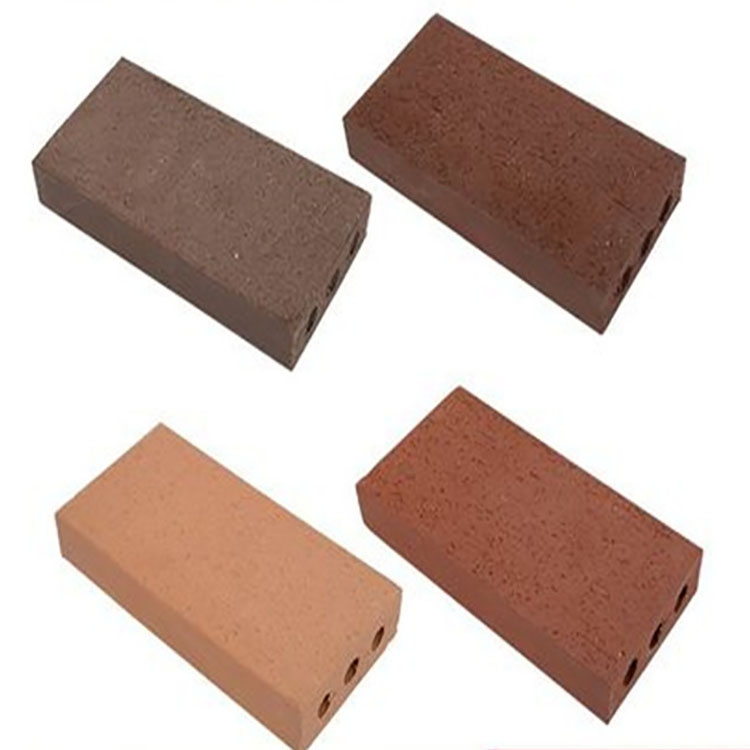
The installation of fossil stone differs significantly from that of ordinary wall construction.
One, clean the wall surface and create a rough texture. If the surface is made of materials like plastic or wood with low water absorption and is smooth, a wire mesh must be laid, and a rough base should be formed. After thorough maintenance, the material can then be installed.
Prior to affixing to the rock, ensure the rock is properly arranged and matched on a flat surface.After application, lay the stones in the ordered sequence, avoiding adjacent placement of stones with similar sizes, shapes, or colors.
Section 3: White cement with a grade of 425 and above, ordinary cement (cement: sand: 801 adhesive ratio 1:2:0.05), ceramic adhesive (please refer to adhesive usage instructions), and high-performance adhesive are all suitable as adhesives.
Four, thoroughly wet the rock, and apply adhesive in the center at the bottom, forming a mountain-like shape. (When attaching antique tiles, a thin layer of adhesive can be applied to the bottom of the tiles.) If the surface is accidentally soiled over a large area, clean it with a brush immediately before use.
Five, apply to the corner first. Press firmly to allow adhesive to extrude around the rock (not applicable for certain products).
Six, rock cutting may be performed as needed for construction adjustments.
Pack the paint in plastic bags to fill the gaps, paying attention to the depth. The deeper the gap, the better the three-dimensional effect of the product.
8. After the joint filler sets, remove excess material with bamboo strips or similar tools. Use a damp brush to repair the surface of the joints. If不小心some joint filler or adhesive sticks to the rock surface, remove it with a brush after it dries. Some products do not require gaps.
When used outdoors, after the rocks are laid and the product and joint filler are completely dry, protective coatings can be applied for protection (features such as waterproofing, frost resistance, UV resistance, and alkali resistance).
Ten: Treatment of seam allowance requirements.