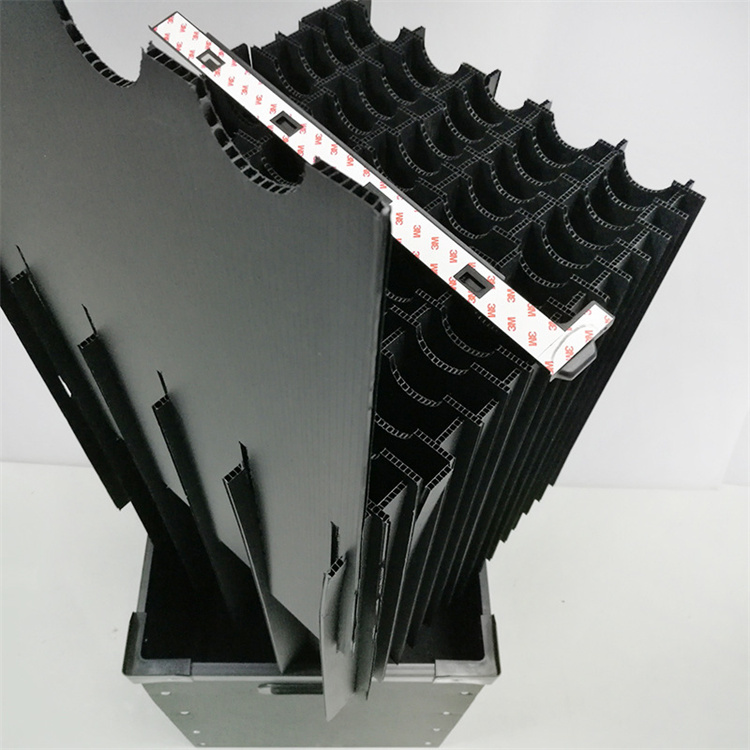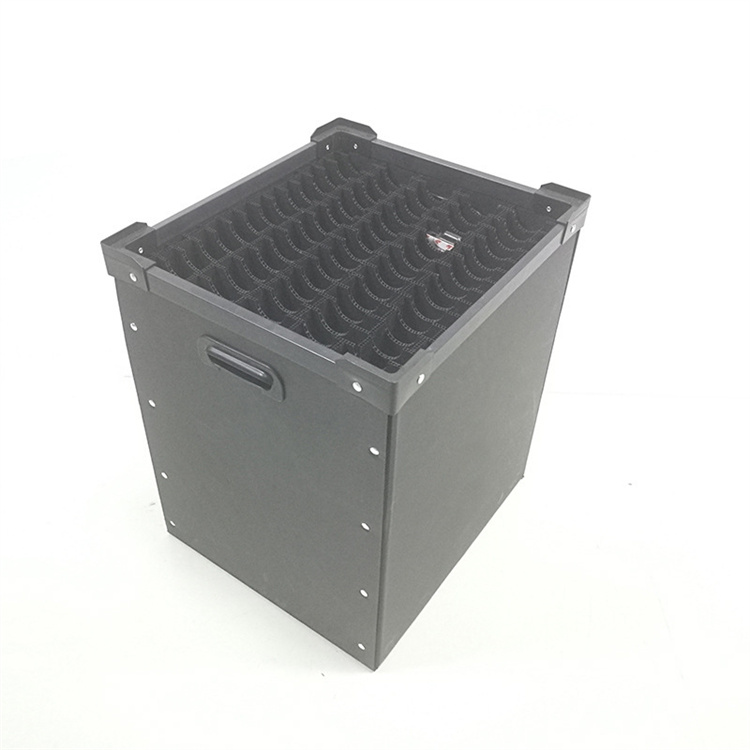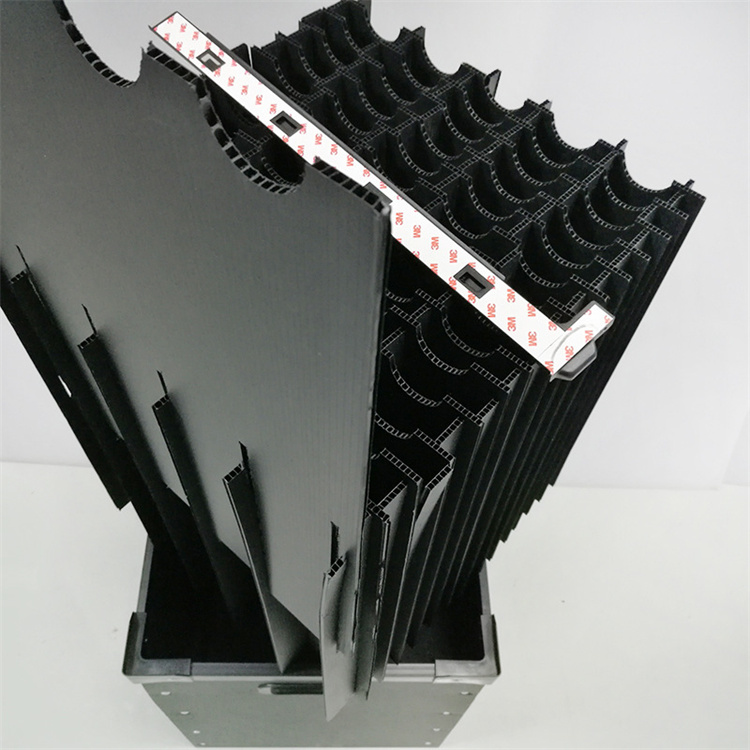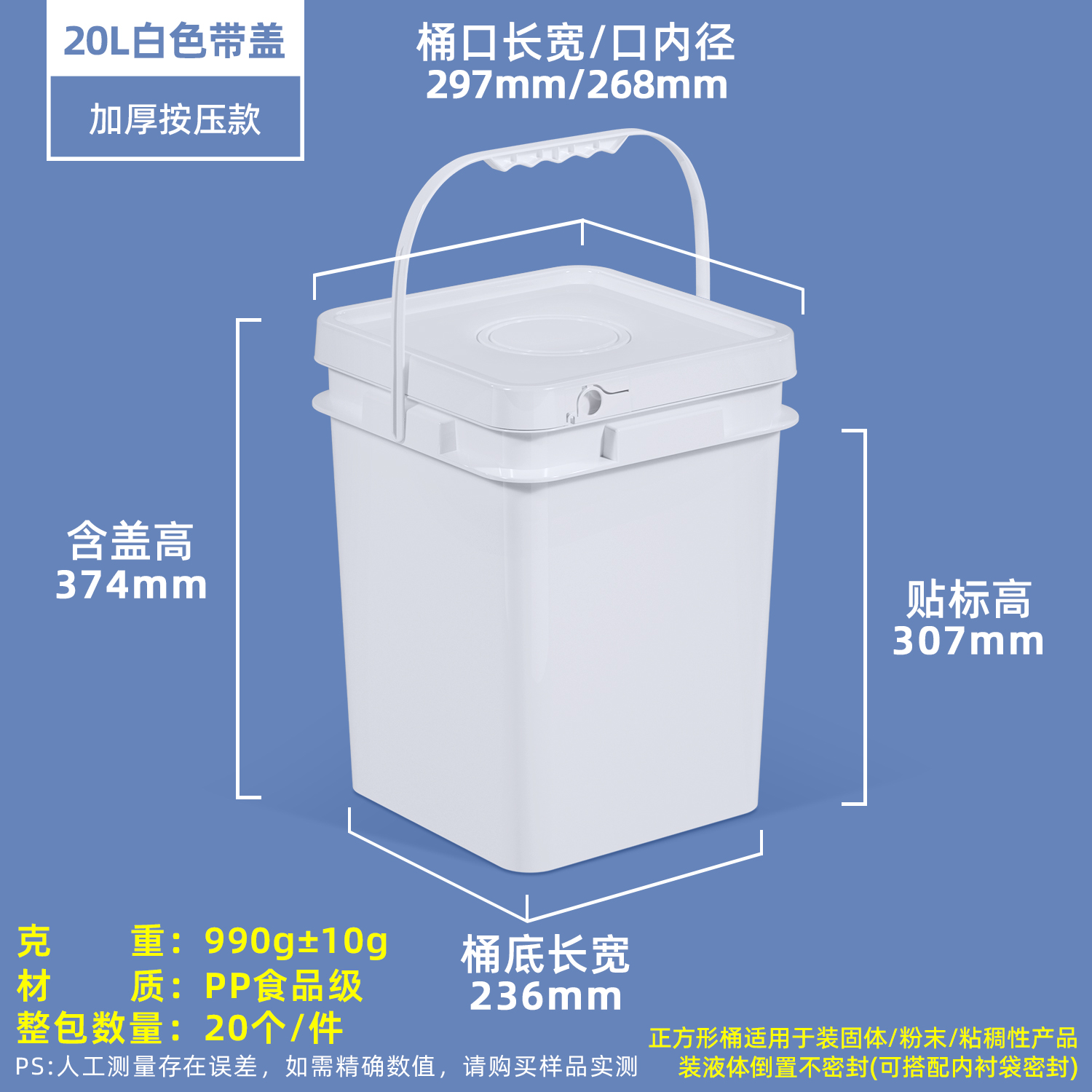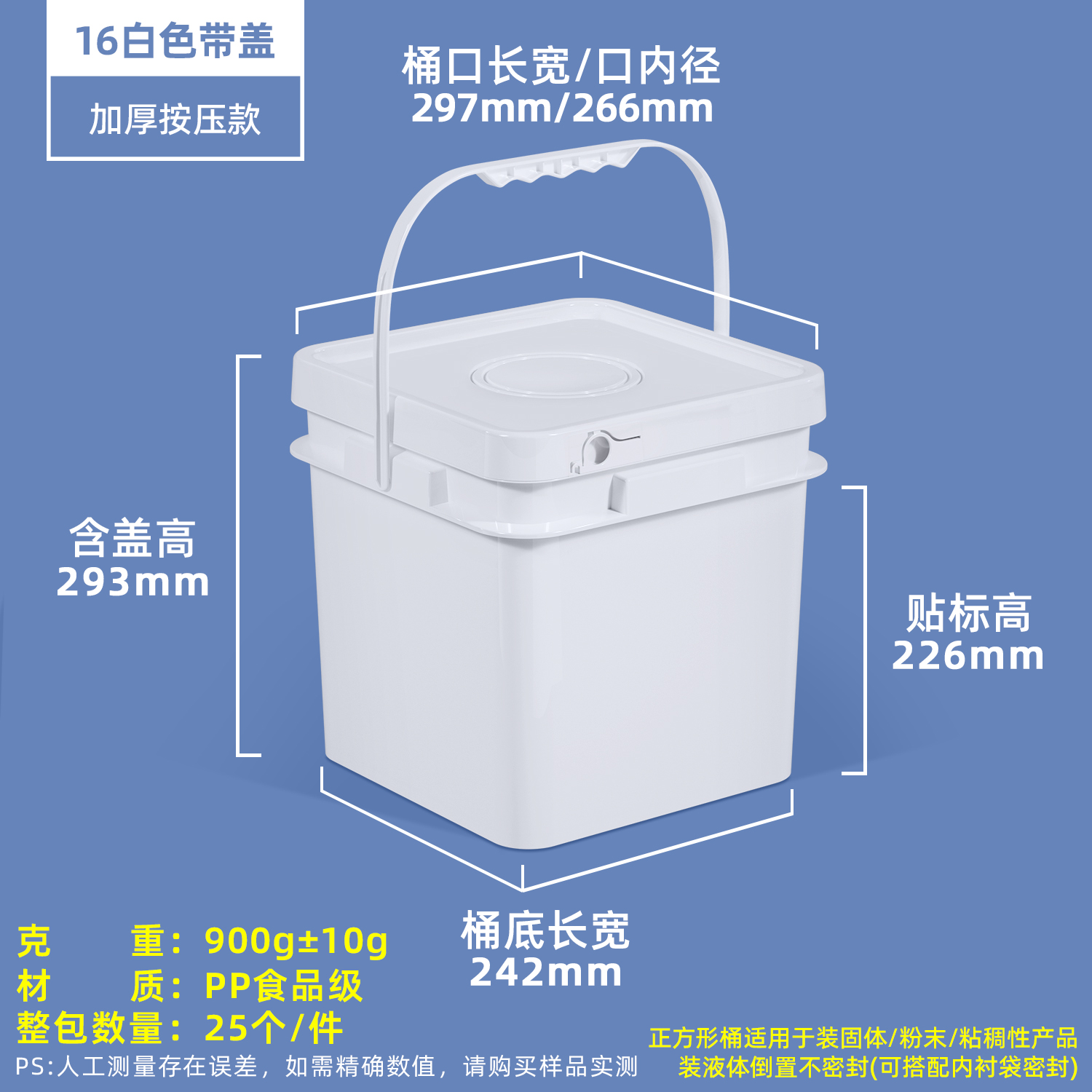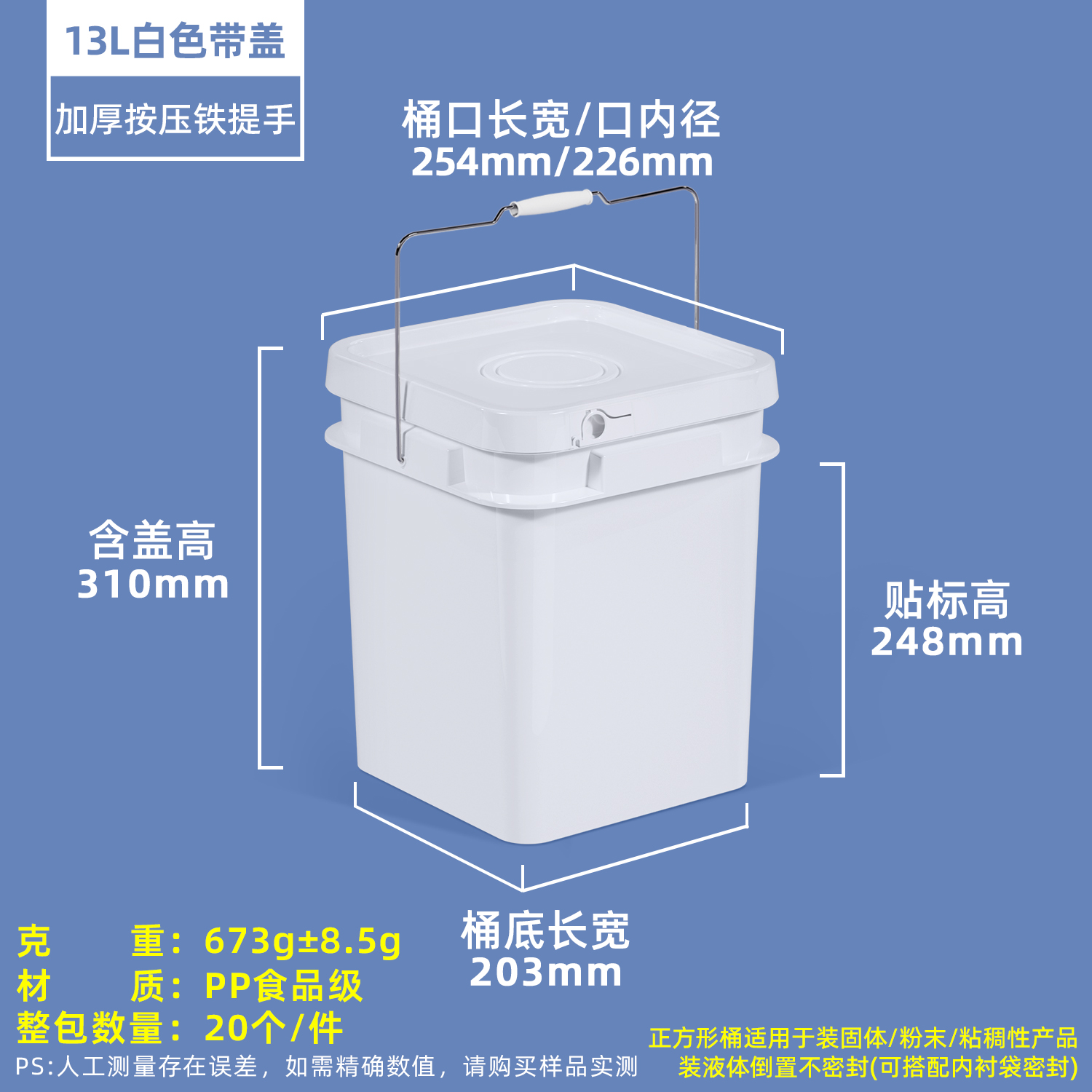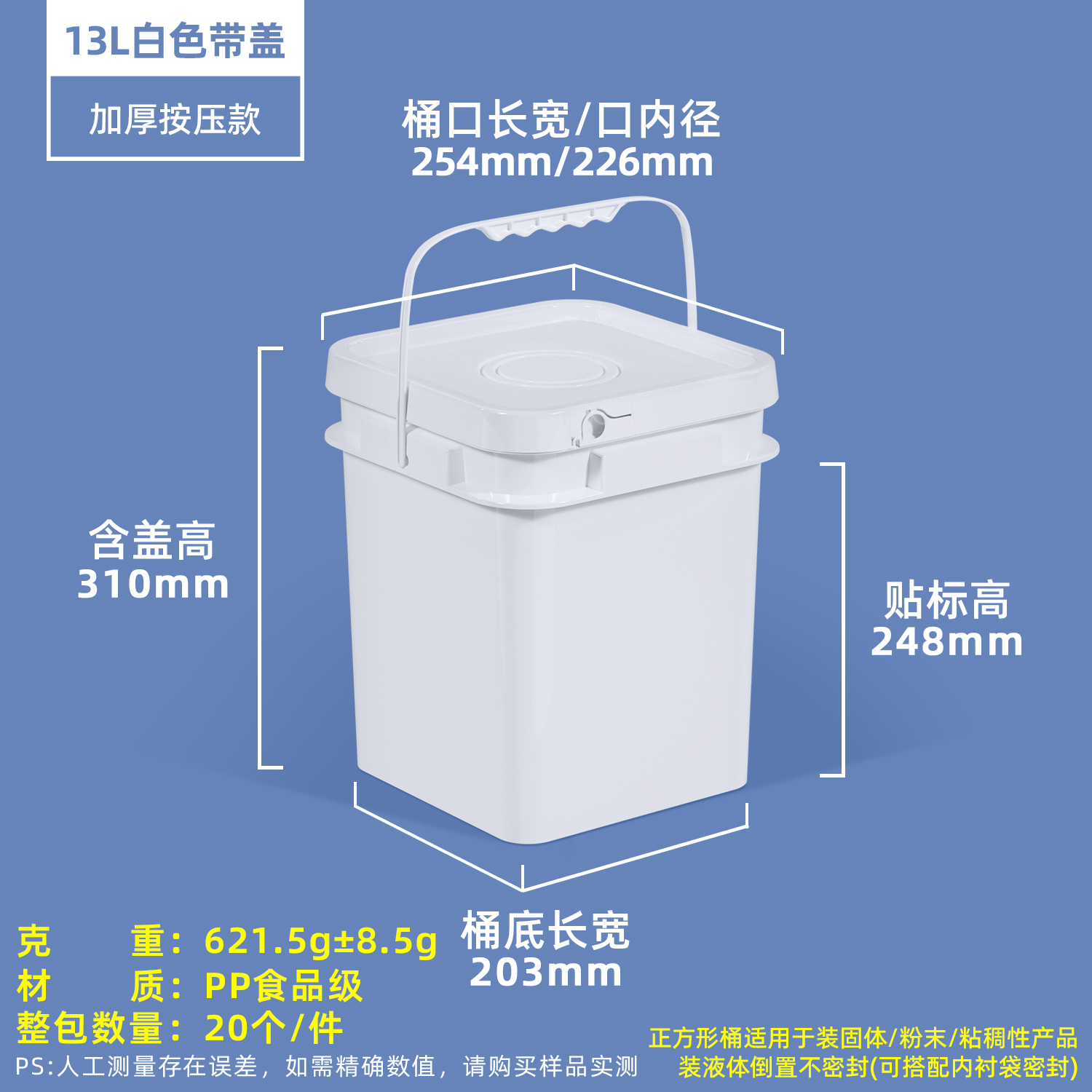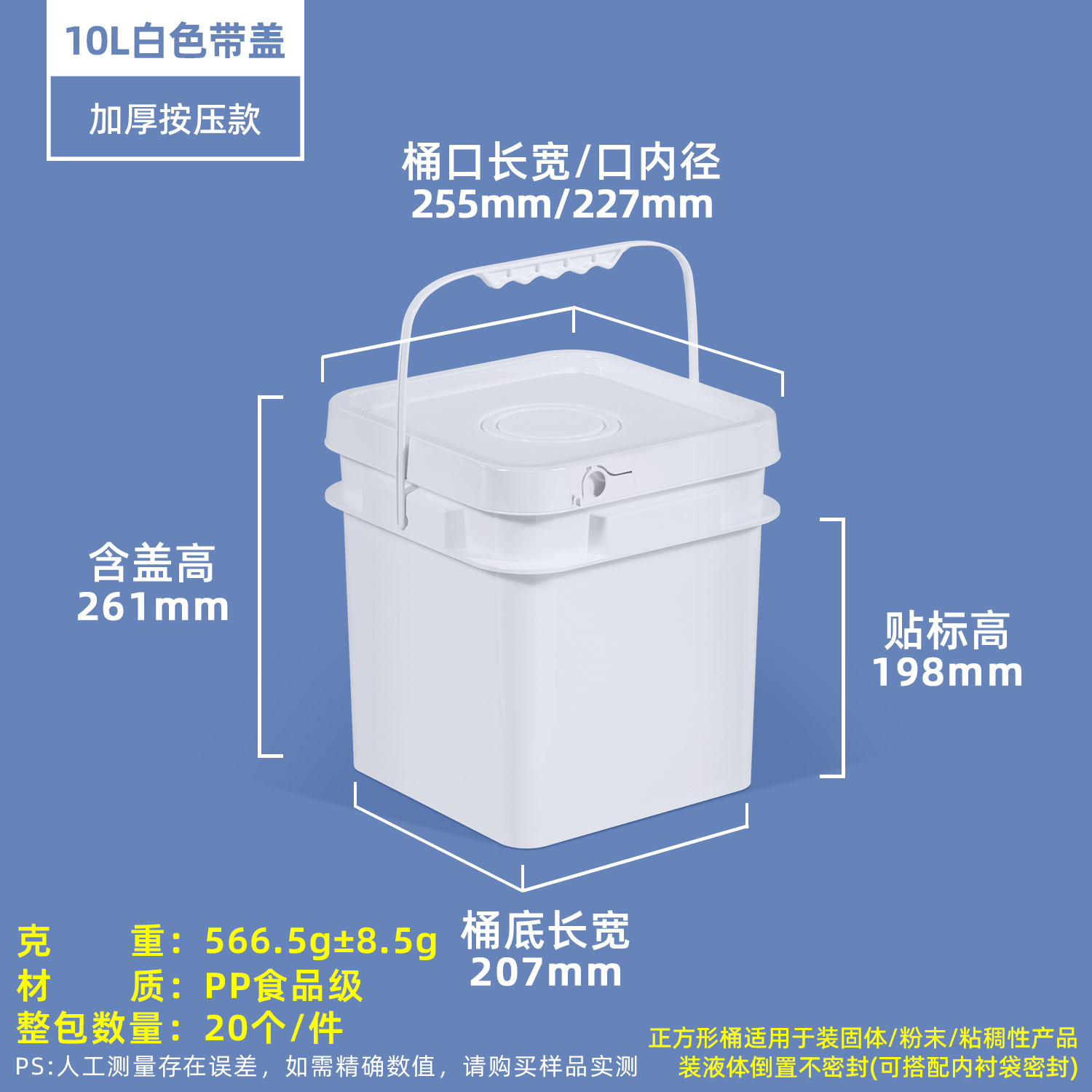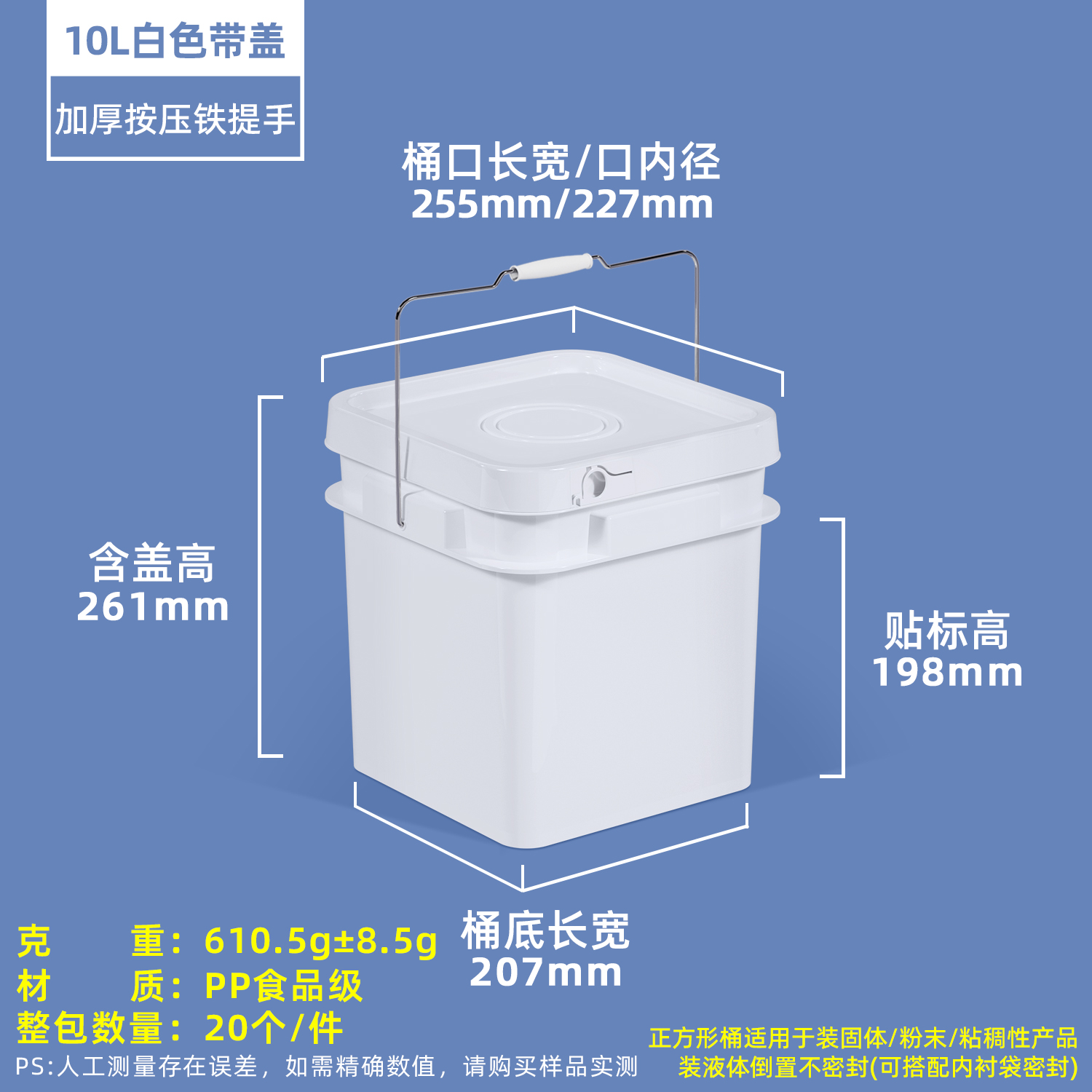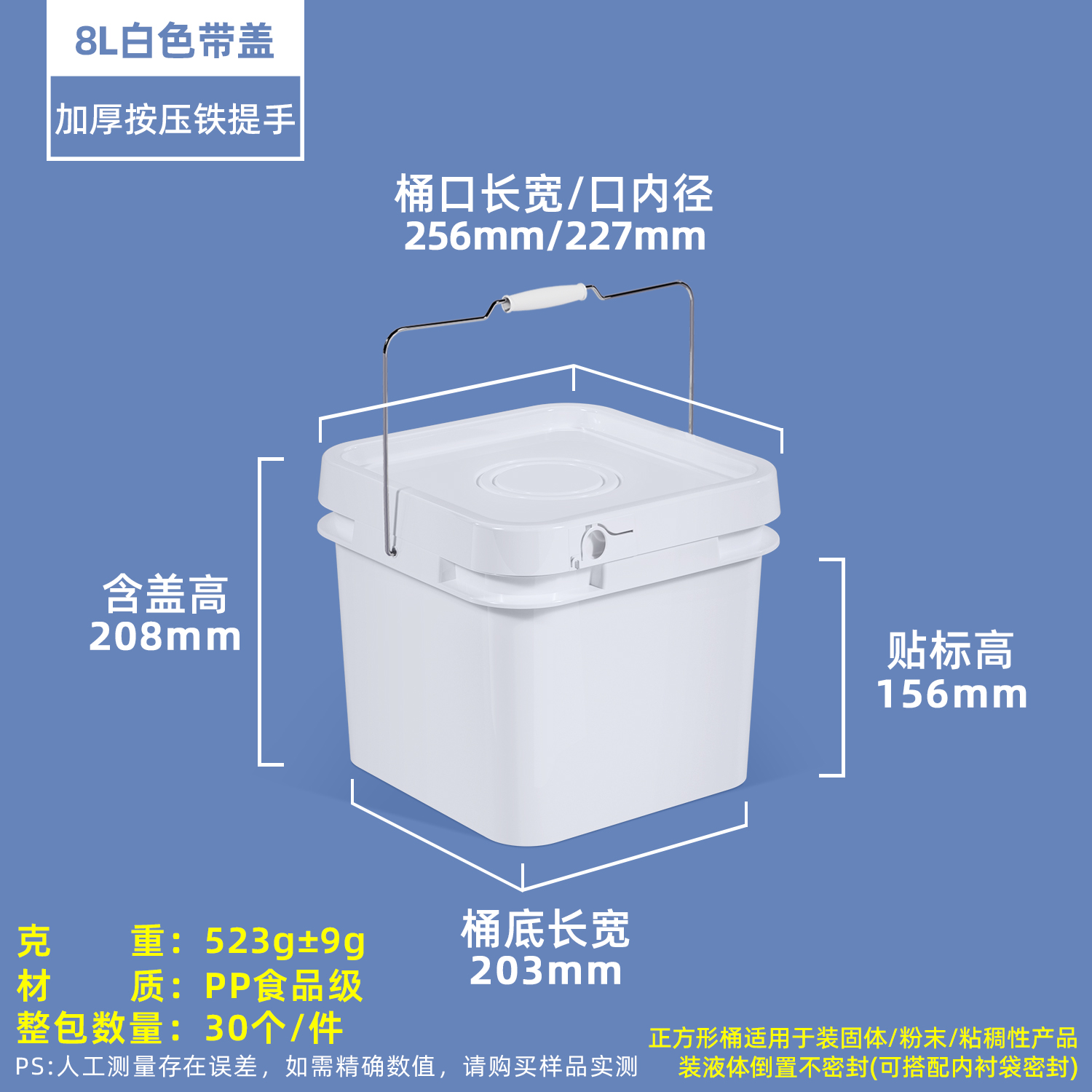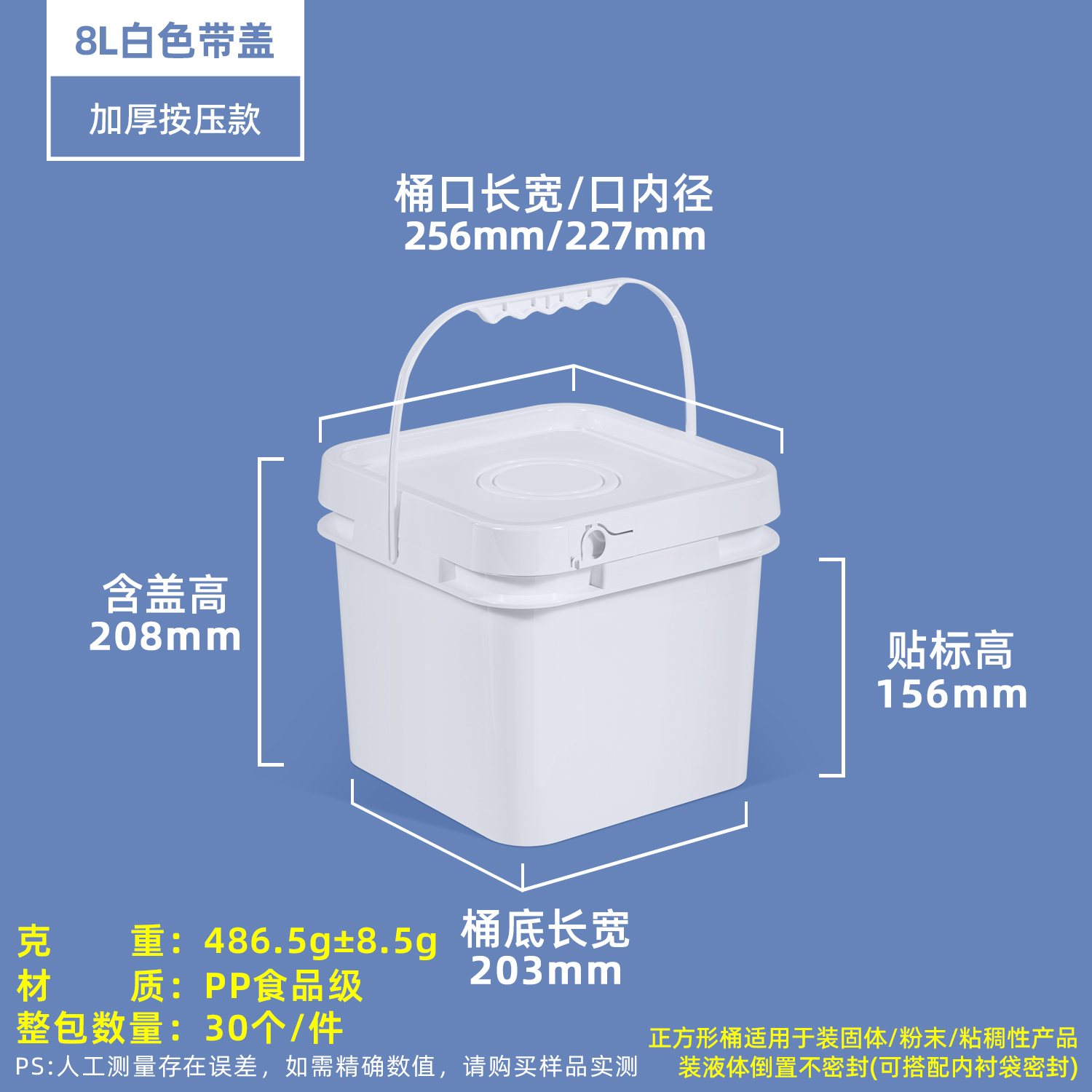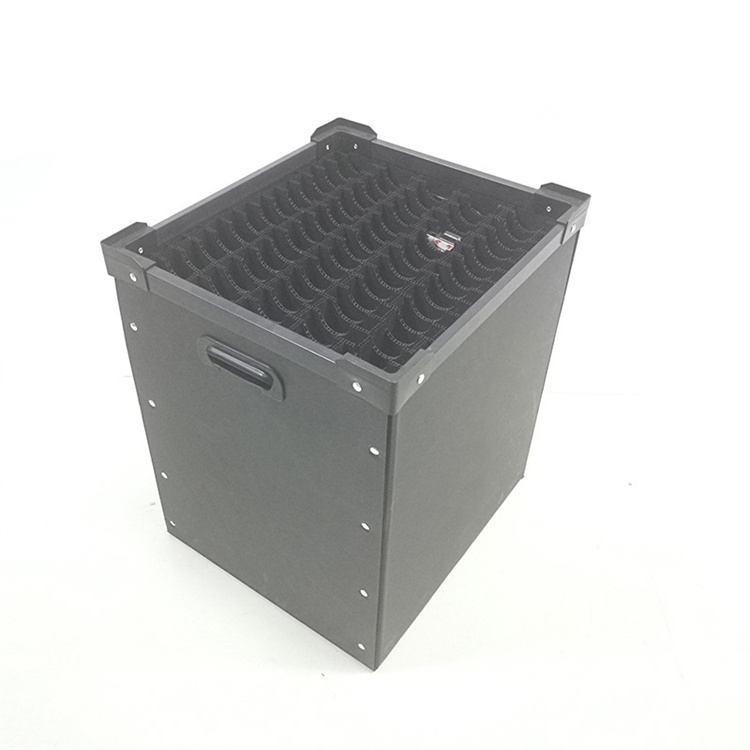
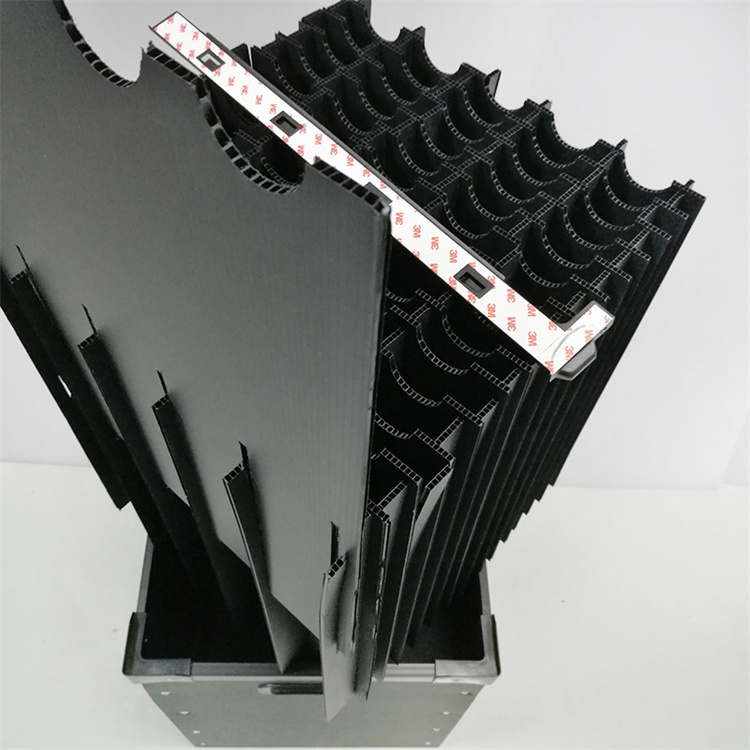











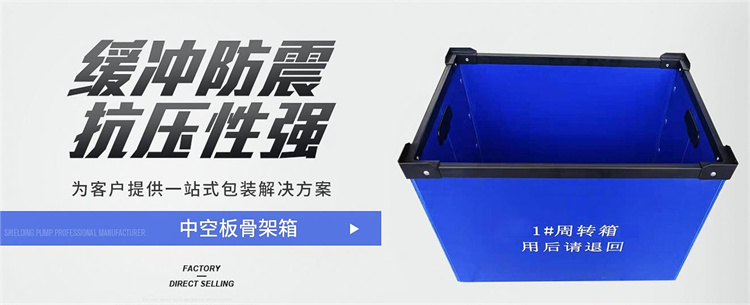
A hive box is a container designed for modular stacking and transportation of goods, featuring a honeycomb structure on its body, resembling a beehive, which is also the origin of its name.
Hive boxes offer advantages over traditional cargo containers, such as being lighter, stronger, more reliable, and more economical, with the same capacity for holding items. Due to their lightweight, high reliability, and ease of installation, hive boxes have found increasingly widespread application in the field of transportation and packaging. They are commonly used in logistics storage, electronic products, automotive parts, and e-commerce delivery.

Hive boxes are widely used in the logistics industry, with the following main advantages:
Lightweight: Compared to traditional containers, the honeycomb box is made of lighter material, which can reduce the overall weight and volume under the same volume, achieving higher transportation efficiency.
2. Durable: Despite the seemingly fragile appearance of the honeycomb box, its internal paper honeycomb structure actually provides high compressive and shock resistance.
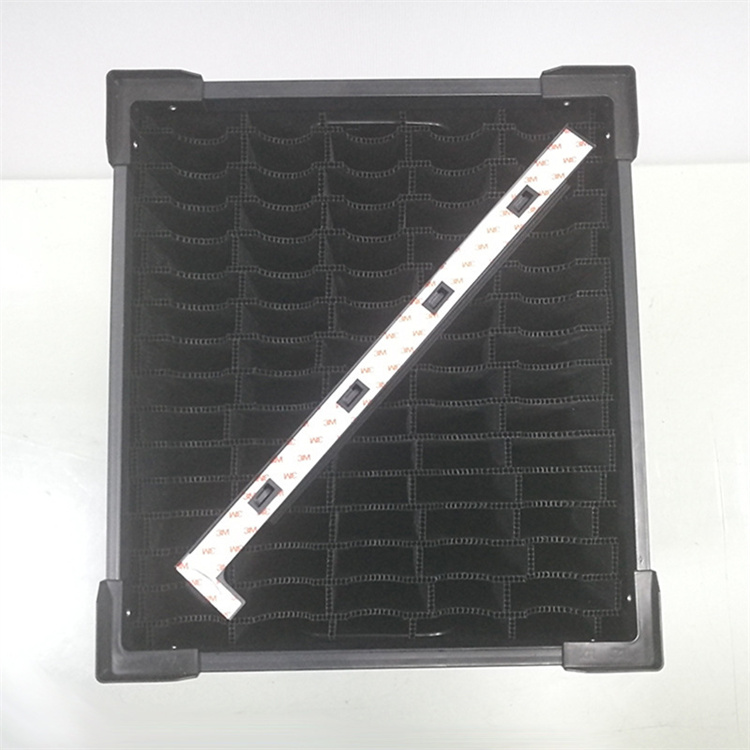
3. Reliable: The assembly of the hive boxes is extremely simple, with identical boxes stacking on top of each other without the risk of tilting, ensuring high safety during transportation.
4. Economy: The ease of disassembly and assembly of the beehive boxes reduces labor costs and time, while their reusability also saves on management and environmental costs.
5. Environmental Protection: Hive boxes are generally made from recyclable and biodegradable materials, in line with modern environmental concepts.