










Primary reference to the "Hazardous Waste Incineration Pollution Control Standard" issued by the Ministry of Ecology and Environment.GB 18484-2020Complies with national standards and local provincial/municipal standards, meeting local emission requirements.
Regenerated flue gas primarily contains pollutants such as dust and acidic components.SO2、NO2、HCl、HF)、CODioxins and similar substances. The flue gas purification system completes the cooling, acid removal, and dust removal of combustion flue gas, and requires control of harmful substances such as dioxins.
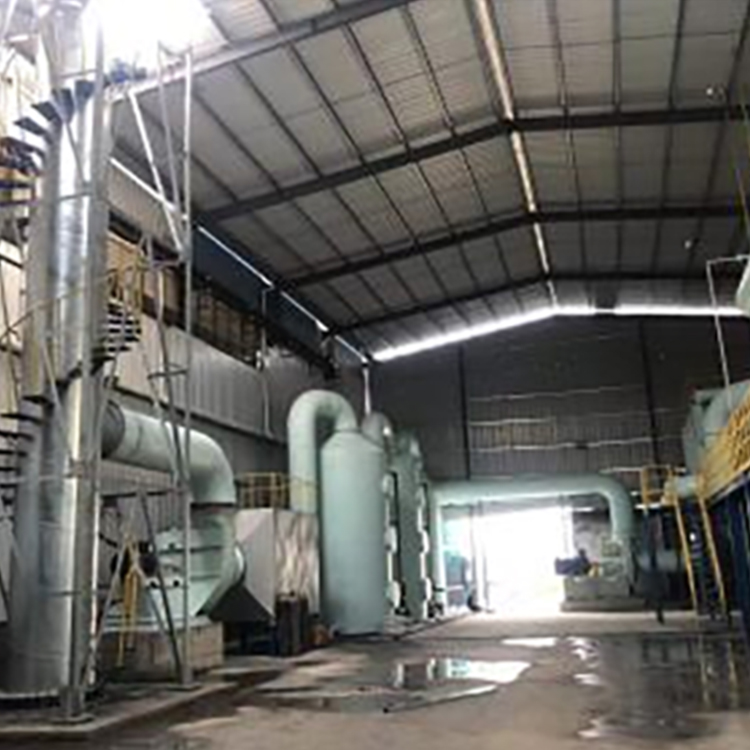
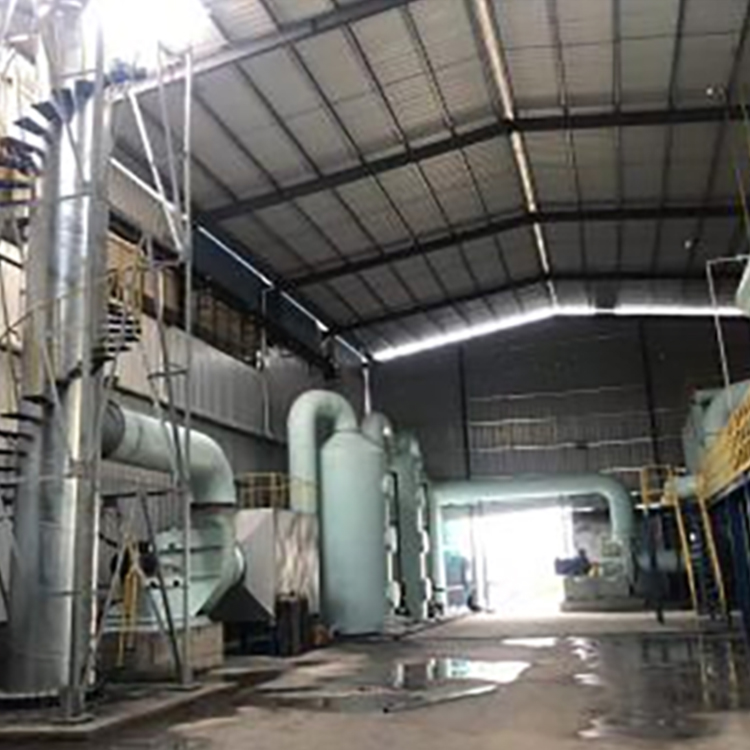
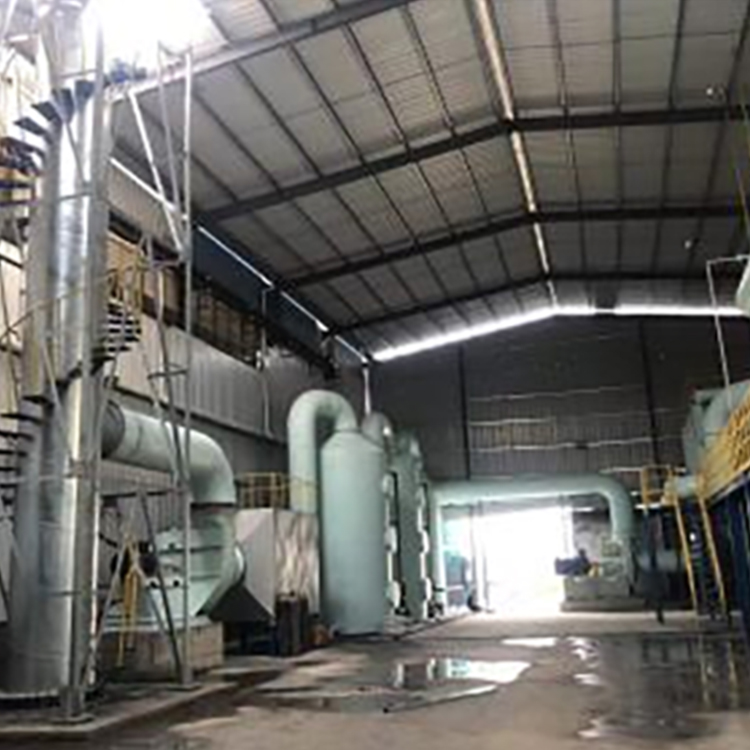
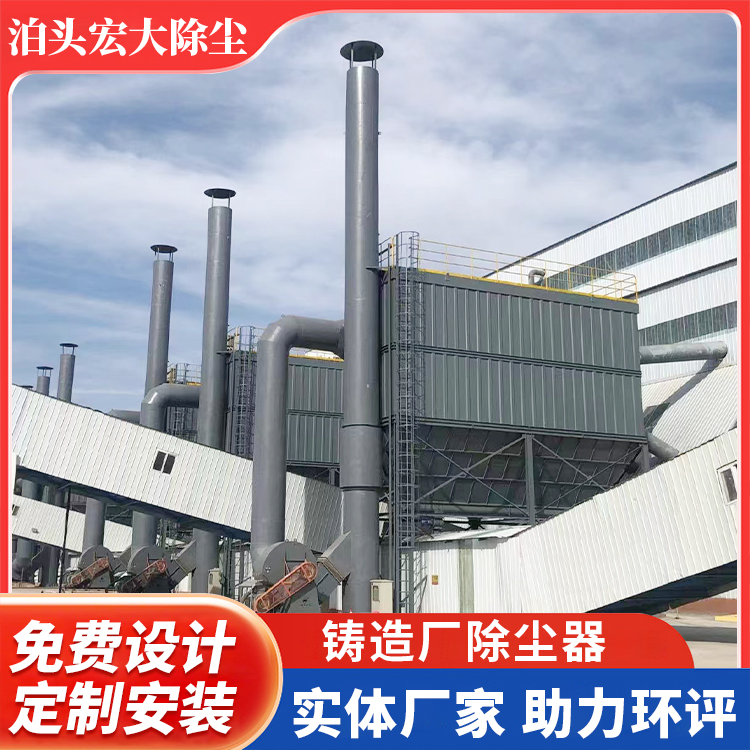
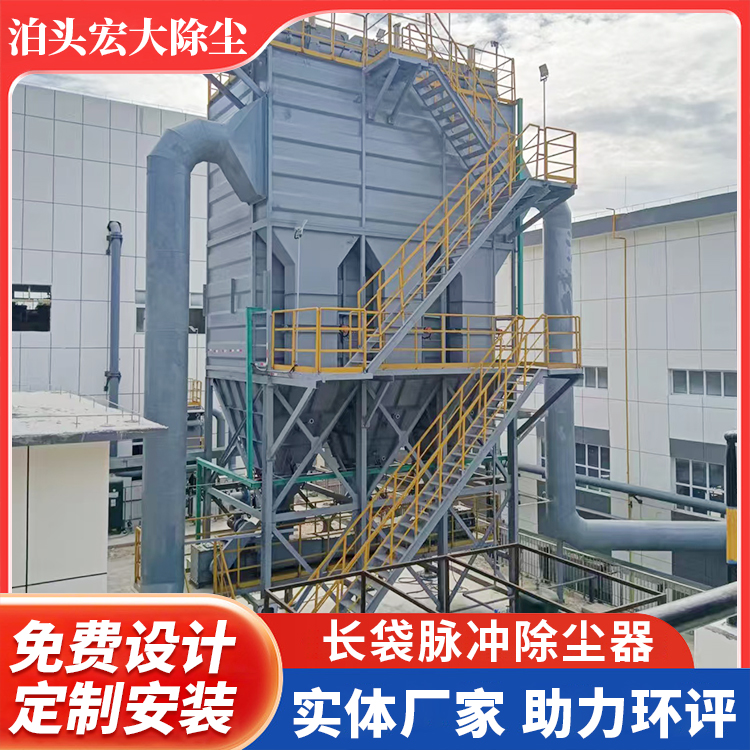
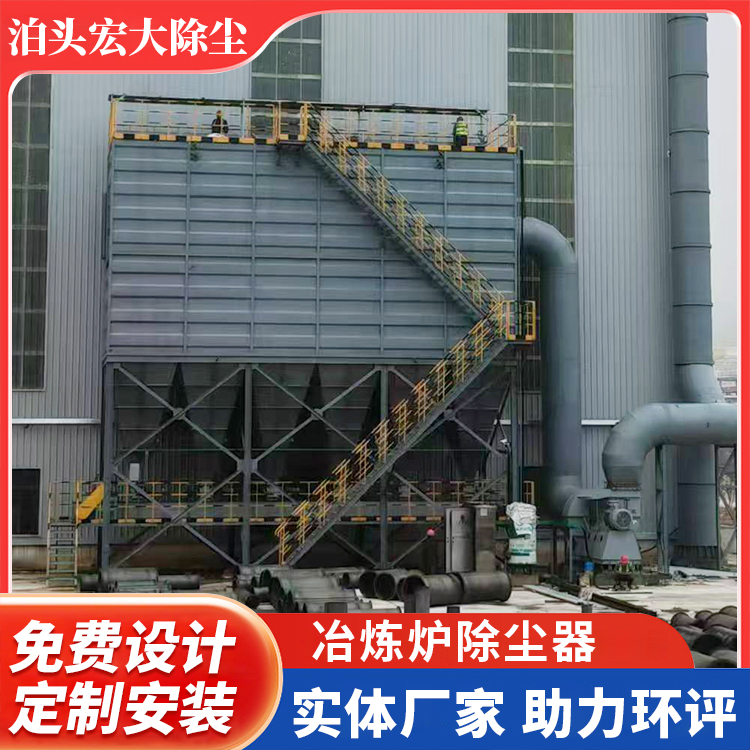
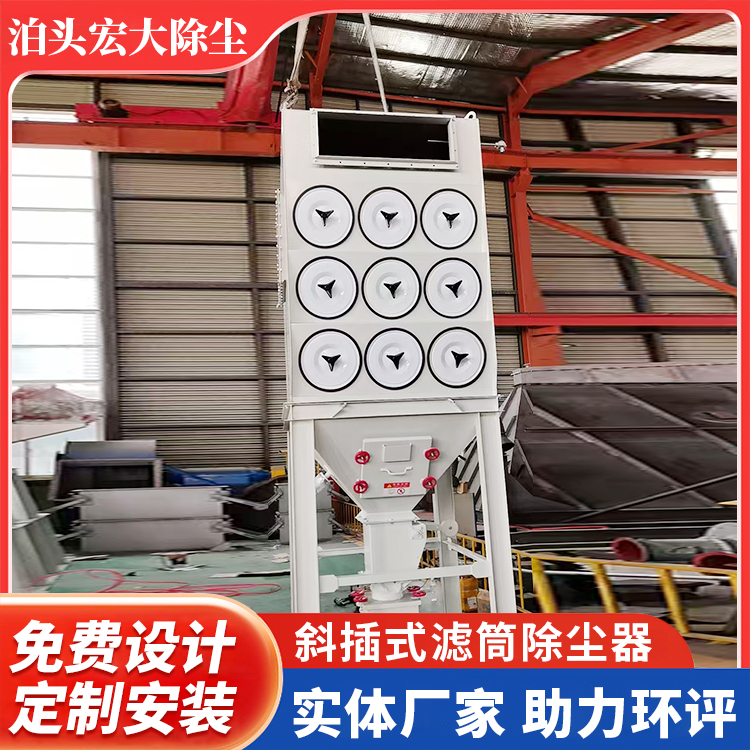
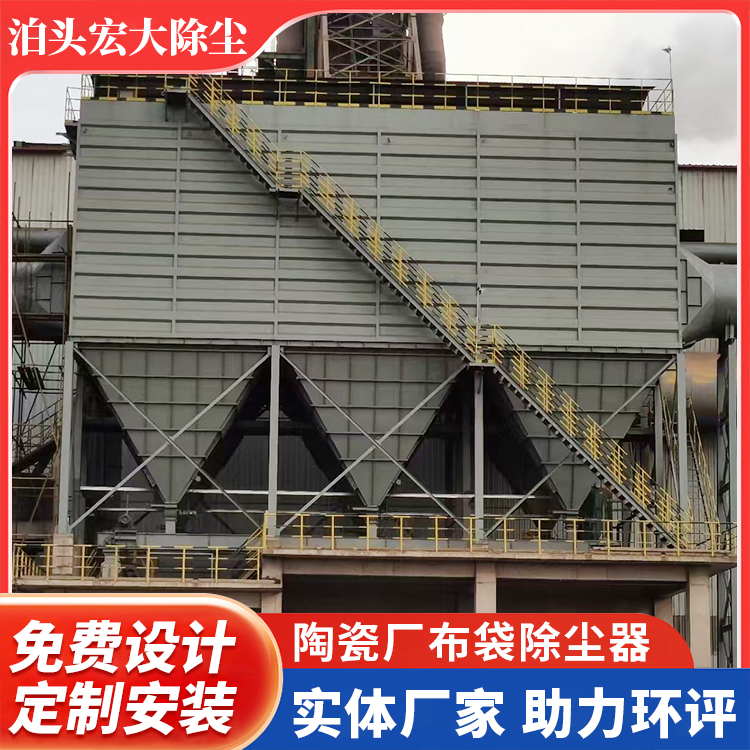
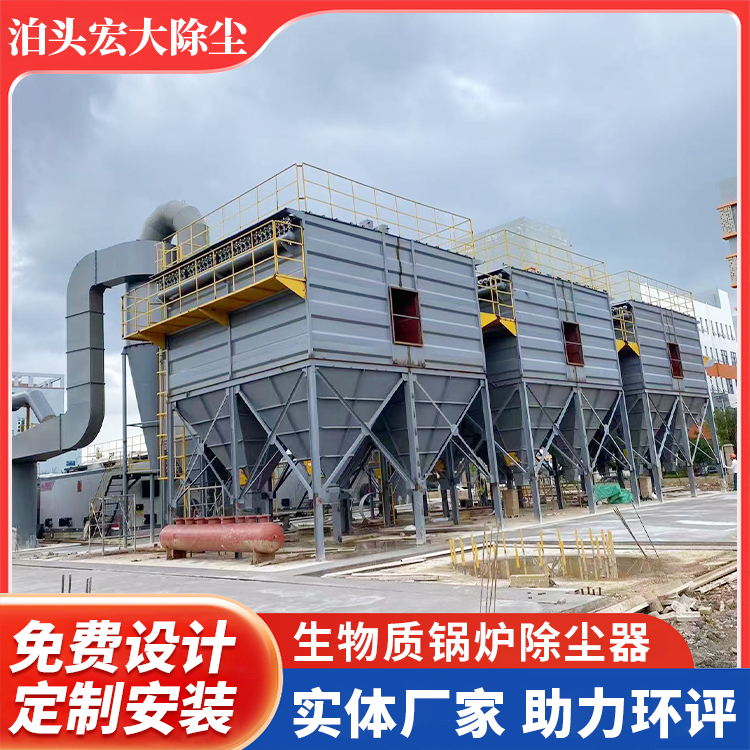
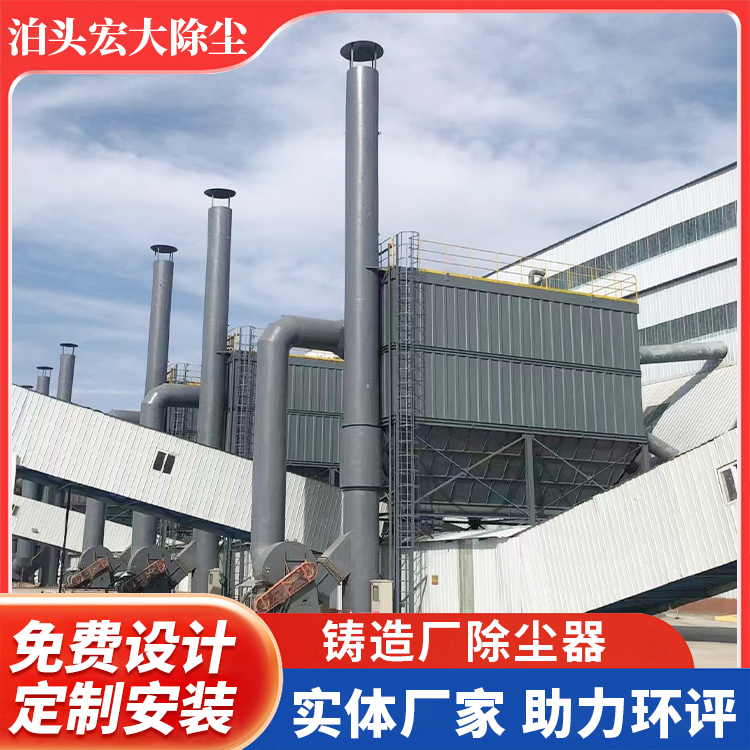
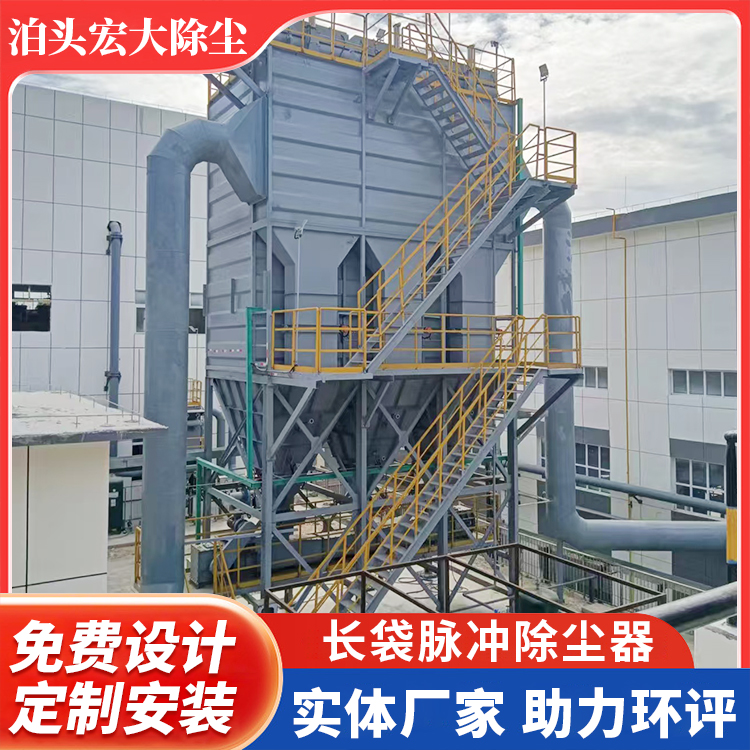
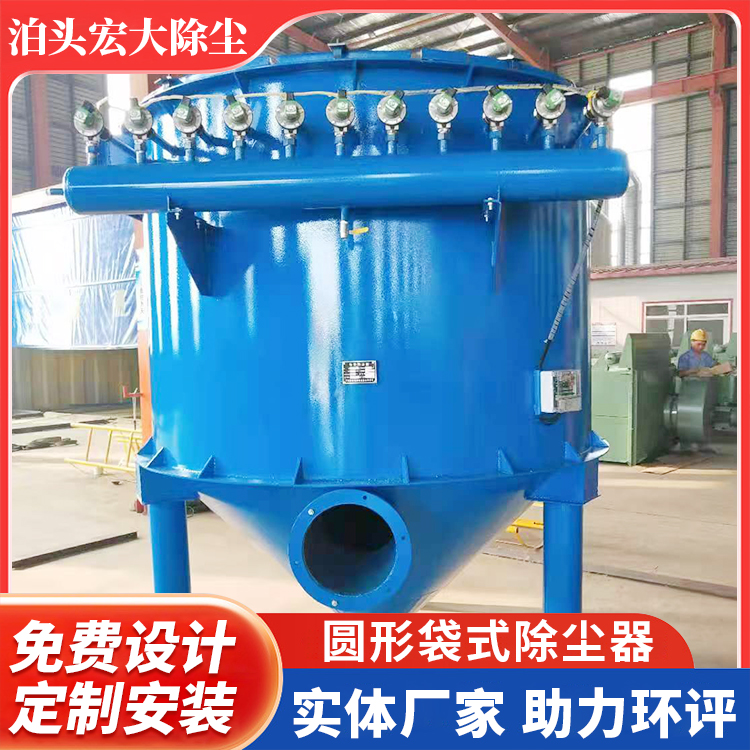
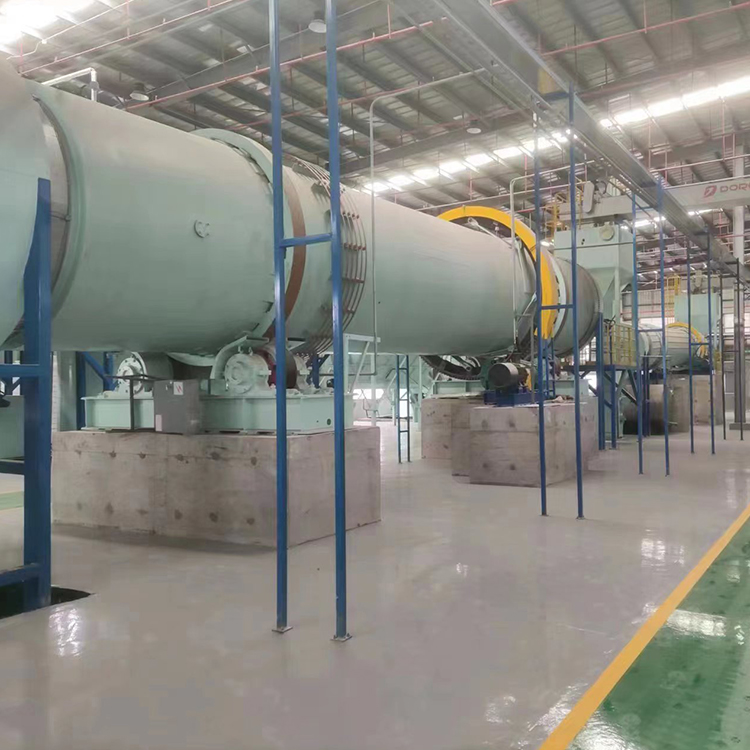
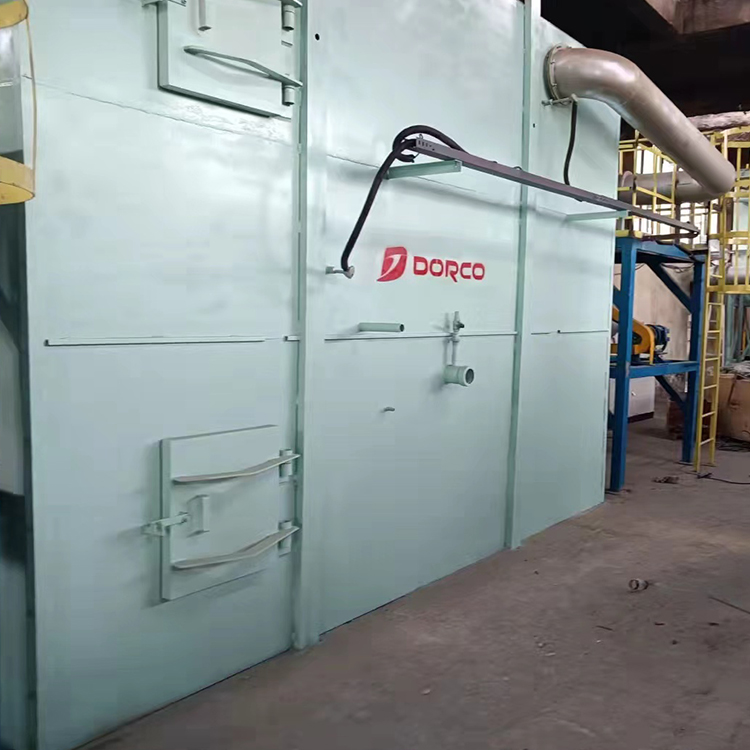
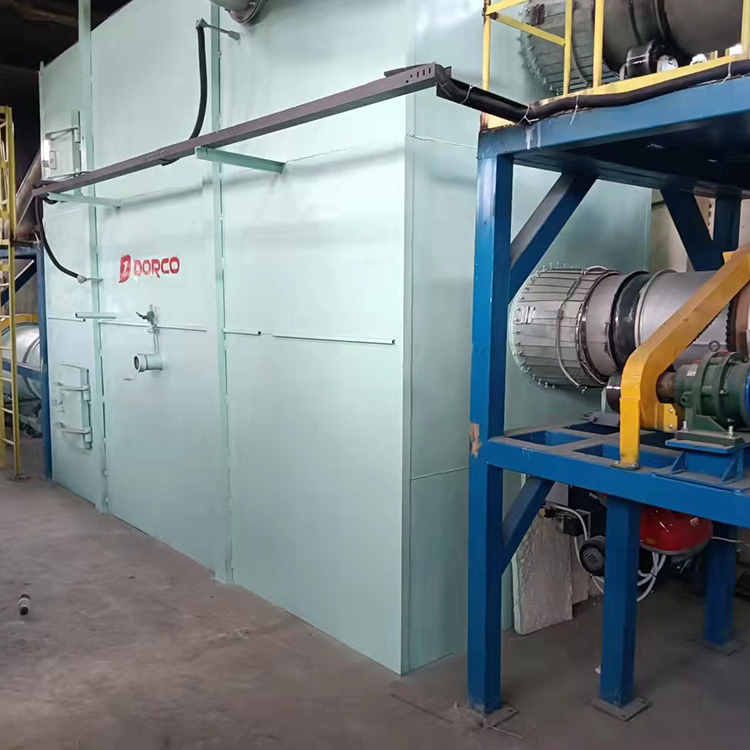
Exhaust treatment system, mainly including incinerators, secondary combustion chambers,SNCRDenitrification system, waste heat boiler, rapid cooling tower, activated carbon injection tower, dry desulfurization tower, bag dust collector, fan, wet desulfurization tower, activated carbon adsorption tower, flue gas heater, chimney, etc., the flue gas purification process is as follows: Firstly, the regenerative flue gas after combustion in the secondary combustion chamber1100At a temperature of ℃SNCR Post denitrification, heat is recovered through a waste heat boiler to reduce flue gas temperature.550°C, then proceed to the rapid cooling tower, utilizing recycled water for atomization and rapid cooling to ensure that the temperature is550℃~200Temperature range of ℃1 Instantly chilled within seconds, it effectively prevents the regeneration of dioxins, and then the flue gas enters the dry desulfurization tower, where it is sprayed with lime and powdered activated carbon as absorbents. The absorbents deposit on the bag filter walls, forming a filter cake, allowing the deposited absorbents to continue absorbing gaseous pollutants and dioxins from the flue gas, achieving the purpose of desulfurization and removing dioxins. The absorbents deposit on the bag filter walls, forming a filter cake, to continue absorbing gaseous pollutants from the flue gas. After being filtered by the bag filter, the flue gas is drawn into the wet desulfurization tower by a blower, where it is further desulfurized by spraying alkaline solution. After desulfurization, the flue gas enters a mist eliminator for water-gas separation, then passes through an activated carbon adsorption box to further adsorb and remove any remaining trace harmful components from the flue gas. Finally, the waste gas is heated to120After de-dusting, the gas is exhausted into the exhaust pipe and released into the atmosphere, with the entire flue gas process under negative pressure. The flue gas collection method is rigidly connected, and the collection efficiency is100%。
The secondary combustion chamber, desulfurization and denitrification, rapid cooling, and dust removal are all performed in accordance with national or local industry standards, ensuring quality completion.