








Logistics专线Service Scope:
1. Handle short, medium, and long-distance transportation services for various large, medium, and small cargo shipments.
2. Handle road transportation, railway transportation, and *services (*procedure);
3. Offer long-distance relocation services for individuals and businesses.
4. Handles full truckload and less-than-truckload services.
5. Storage, temporary storage, and transit services for full and loose cargo.
6. Valuables, exhibition materials, fragile items in soft packaging for short, medium, and long-distance transportation.
7. General cargo; transportation services for piano handling and packaging
8. Handle packaging and short-distance, intermediate, and long-distance transportation services for items like posters, colored paintings, and hand-painted oil paintings.
9. Offer logistics services for sedan shipping.
10. Freight transportation handling
Analysis of the composition of the freight专线 logistics system, the composition analysis of the logistics system mainly includes hierarchical composition analysis, business activity composition analysis, and functional composition analysis. These structures differ from each other, but all are analyses of the composition of the logistics system, just with different perspectives, so there is also a certain connection between them.
1. Analysis of the Hierarchical Structure of the Logistics System

The hierarchical analysis of the logistics system is conducted based on the scale of logistics activities, primarily dividing into two levels: micro-logistics system and macro-logistics system.
(1) Micro-logistics System. The micro-logistics system primarily refers to the logistics system within a company. In the socio-economic system, a company is a combination of society, economy, and technology, acting as a relatively independent economic entity within the socio-economic system. From a systems theory perspective, a company should be an open system that converts various forms of inputs (such as labor, materials, and capital) into tangible products and services. The input-conversion-output process of the company system is always accompanied by logistics activities. To ensure its production rhythm, a company continuously organizes logistics activities for raw materials, components, fuel, and materials, which are known as the company's supply logistics, playing a significant role in the normal operation of production. The logistics activities within the company's production process are the production logistics, which are inherently part of the entire production process. To ensure its operational profitability, the logistics activities that continuously transfer product ownership to customers during sales activities are the company's sales logistics. Throughout the production, supply, and sales process, a company always generates various surplus and waste materials. The recovery of these materials requires logistics activities, which is the company's recovery logistics. The transportation, handling, and disposal of waste materials emitted by the company constitute the company's waste logistics. Therefore, the company's logistics system is composed of supply, production, sales, recovery, and waste disposal logistics subsystems.
(2) Macro Logistics System. Also known as the social logistics system, the macro logistics system encompasses logistics activities beyond the boundaries of individual enterprises. It takes the entire process of social reproduction as the object of research and analysis. In his work "Introduction to the Critique of Political Economy," he succinctly described the social reproduction system diagram of production, distribution, and consumption. He points out that they form the various stages of a whole and the differences within a unity. He also notes that there is mutual interaction among these different elements, with each whole being like this. Among them, circulation is merely a certain element of exchange, or also exchange viewed as a whole. In the current socio-economic context, as revealed, when the market expands, i.e., the scope of exchange expands, the scale of production also increases and becomes more specialized. On one hand, circulation links production with consumption; on the other hand, the operation of the open system of enterprises also requires circulation to be completed. This forms the social reproduction process, i.e., the socio-economic system. Thus, it can be seen that circulation is the central link that enables the socio-economic system to function and is also a subsystem within the socio-economic system.
Under current scientific and technological conditions, the circulation of goods has evolved into an integrated circulation system that combines the flow of information, the flow of goods, and the physical flow of goods into a unified stream, which is the structure of the social logistics system.
The activities of the entire logistics system encompass both economic and technical issues; they span industrial, commercial, transportation, and productivity economics; and they utilize knowledge from industrial engineering, mechanical engineering, and transportation engineering. All these are determined by the complex structure of the logistics system.

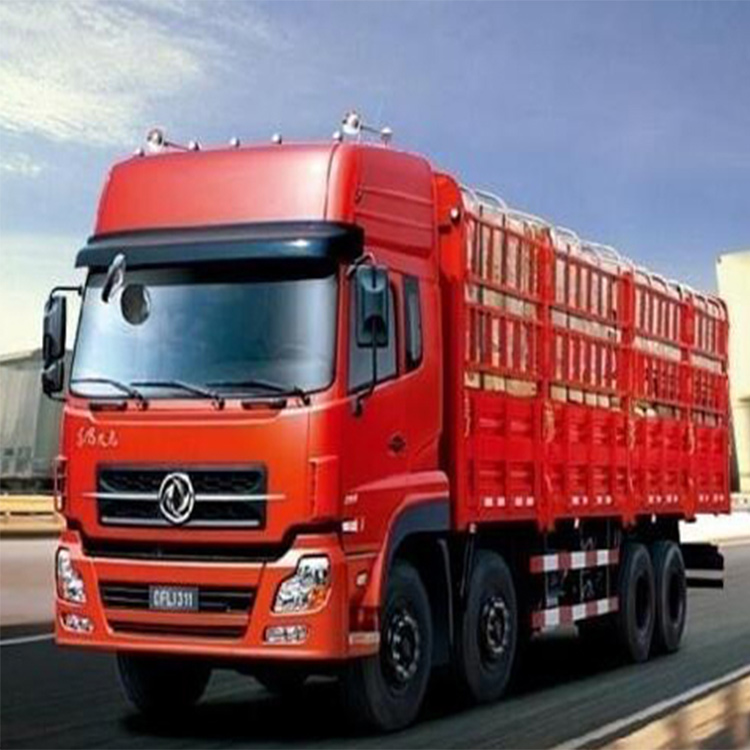
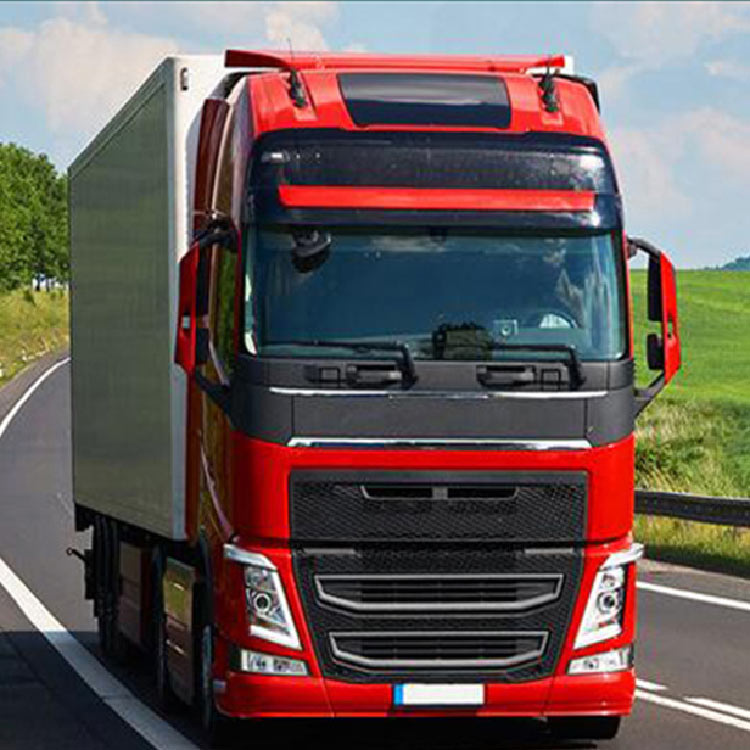
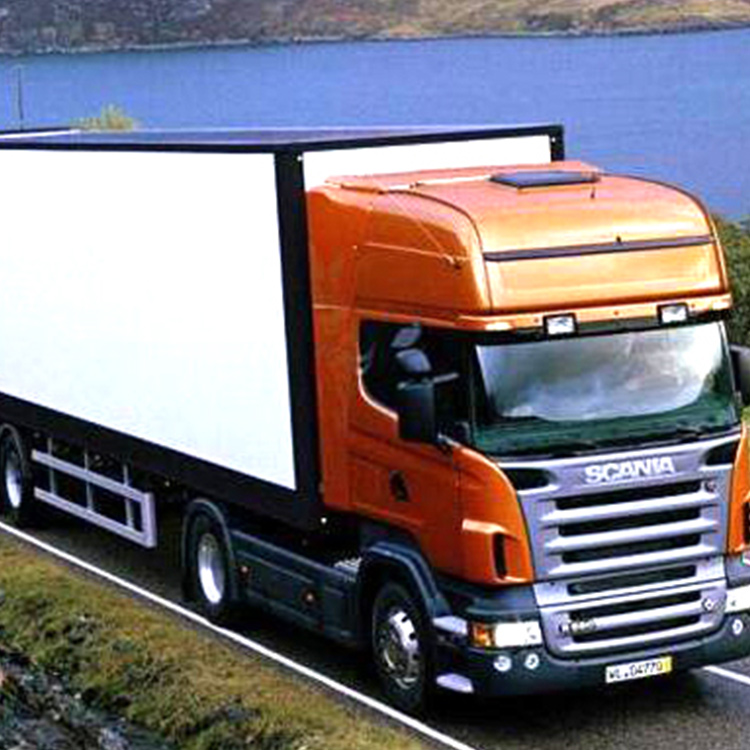
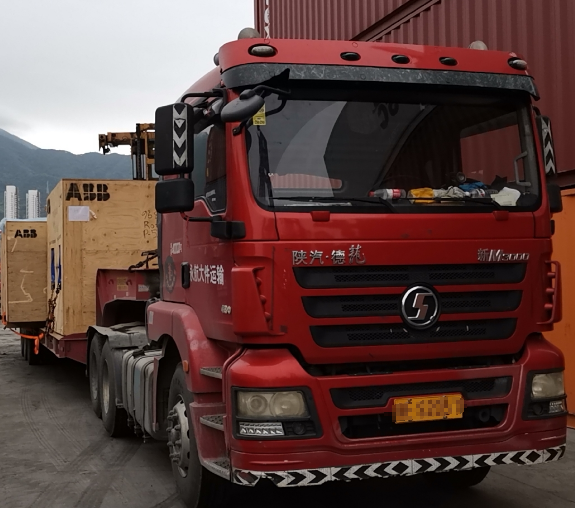
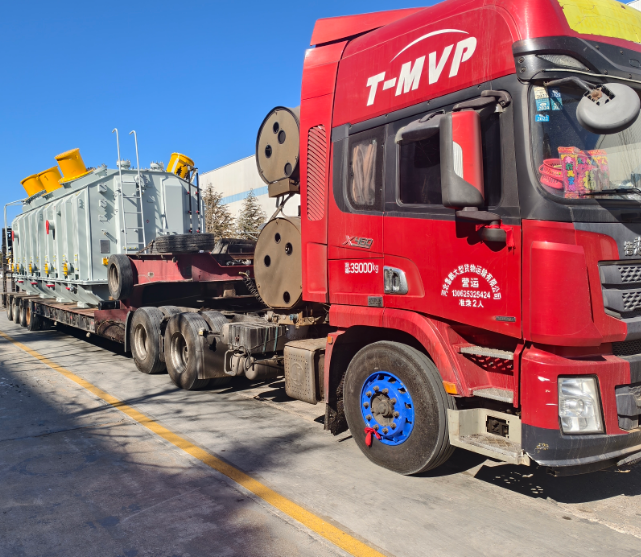
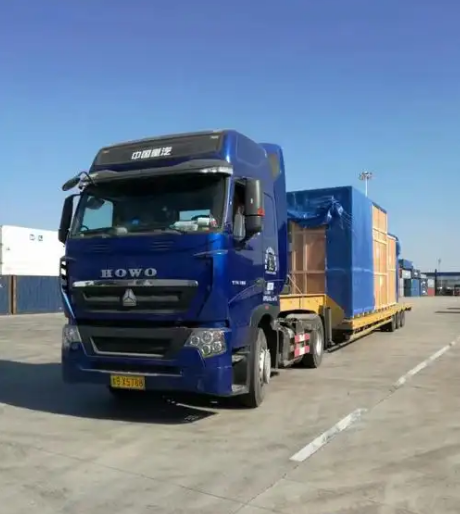
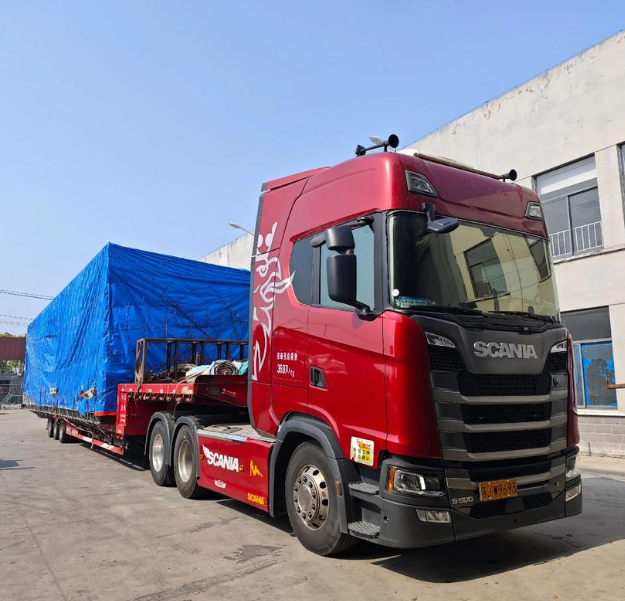
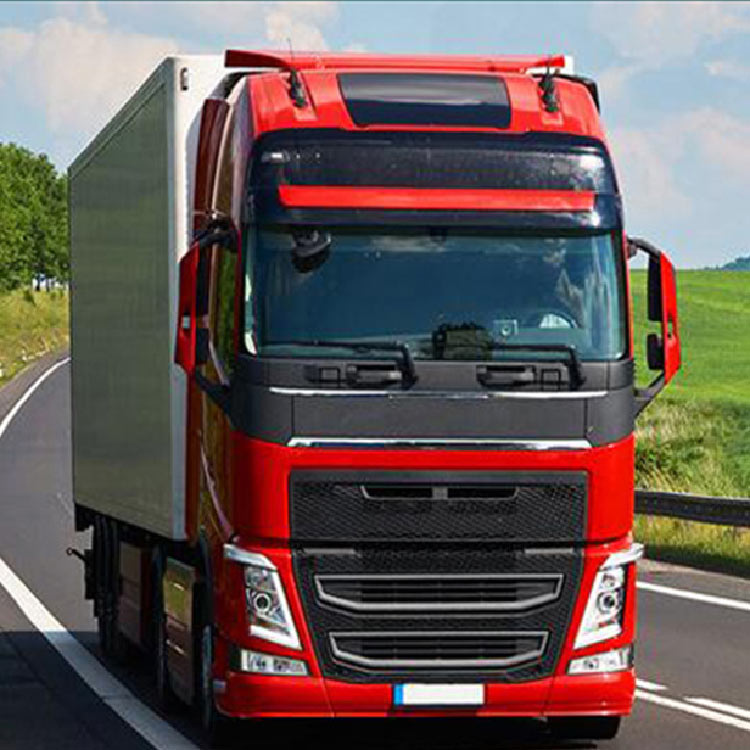
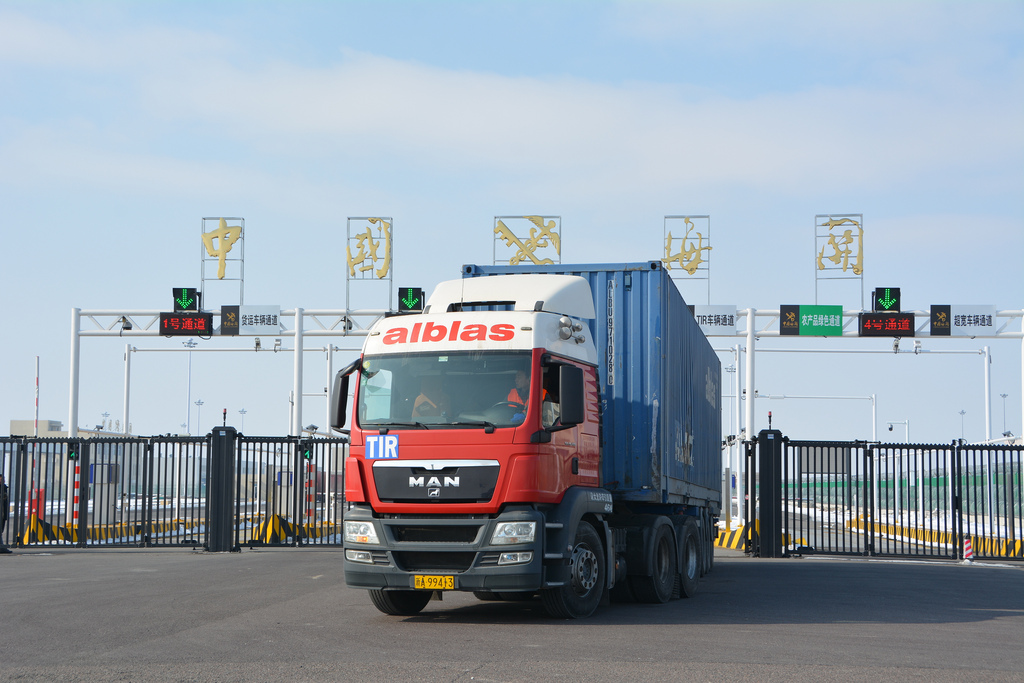
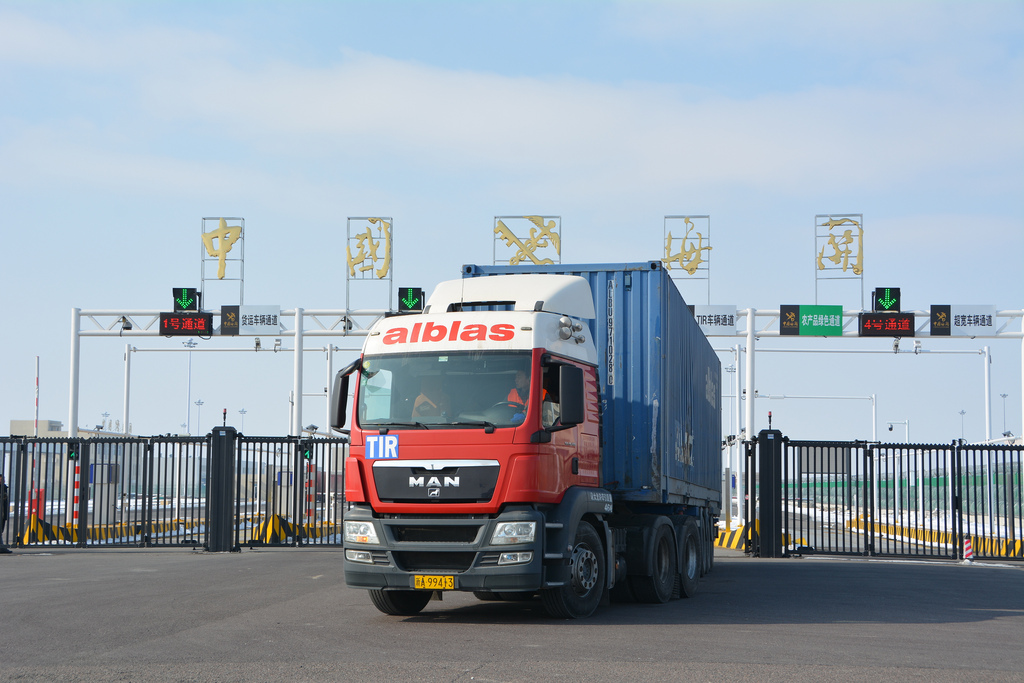
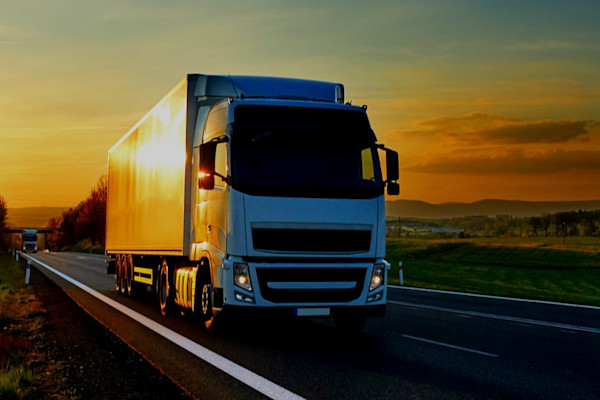
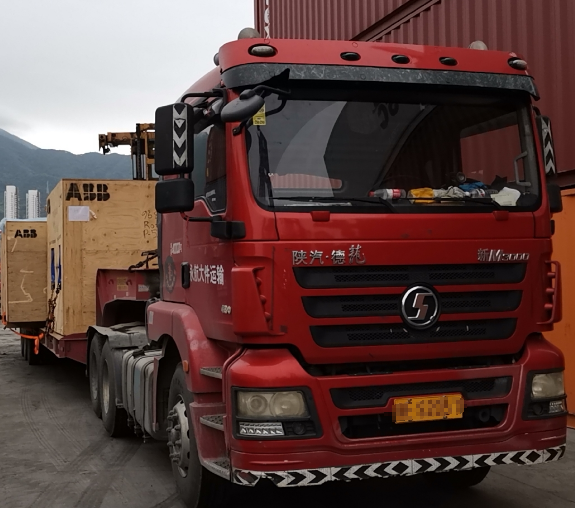
Our logistics and freight transportation network operates across all provinces and cities in China. We offer over a hundred transport vehicles capable of carrying 1 ton, 2 tons, 5 tons, 10 tons, 25 tons, 30 tons, 35 tons, 40 tons, and 50 tons; over 500 vehicles for oversized cargo, long-haul, and commercial vehicle transportation. We have various types of cargo vehicles ranging from 4.2 to 20 meters in length, including high-sided trucks, flatbeds, open-top trucks, heavy-duty semi-trailers, container transport vehicles, low-sided trucks, fully enclosed vehicles, semi-enclosed vehicles, and specialized oversized cargo and commercial vehicle transporters. We can select the appropriate vehicle type based on the cargo requirements. Our service philosophy is "Practicality and Integrity," with a commitment to "Honesty, Customer First, Safety, and Speed." We prioritize customer needs and provide high-quality, comprehensive transportation services. Pursuing service quality is the foundation of our development.
In recent years, the intermittent price wars in the home appliance market across various cities nationwide are enough to illustrate this point. What are the factors supporting the price cuts? If it's for the sake of market share, it's not uncommon for companies to incur losses and reduce prices once or twice, then make up for the losses after regaining the market. However, what if the price cuts and losses still don't work? It goes without saying that the company may face total defeat. In years of物资短缺, companies can profit by increasing production and reducing production costs. In years of abundant supplies, they can boost sales to gain secondary profits. But in the new century and new social economy, both profit sources and secondary profit sources have reached a certain limit. The remaining "untapped land" now is transportation. Price cuts have been the main competitive strategy among home appliance companies in recent years, and the backbone of this price competition is the reduction of total corporate costs, which is the reduction of costs beyond functionality, quality, style, and after-sales service – that is, the reduction of transportation costs.
I am responsible for the customer's procurement. Be aware of nine easily overlooked logistics aspects during the negotiation of the freight专线. When signing the contract, please also take responsibility for me. Procurement managers are busy; from raw materials to logistics suppliers, a strict procurement process is required to introduce a new supplier. Therefore, communicate in advance what cannot be done; otherwise, do not guarantee. Remember, being responsible for the customer's procurement manager, as it's he who gives you the business, your and your team's performance directly affects his salary and promotion. Do not put the procurement manager in an embarrassing situation.

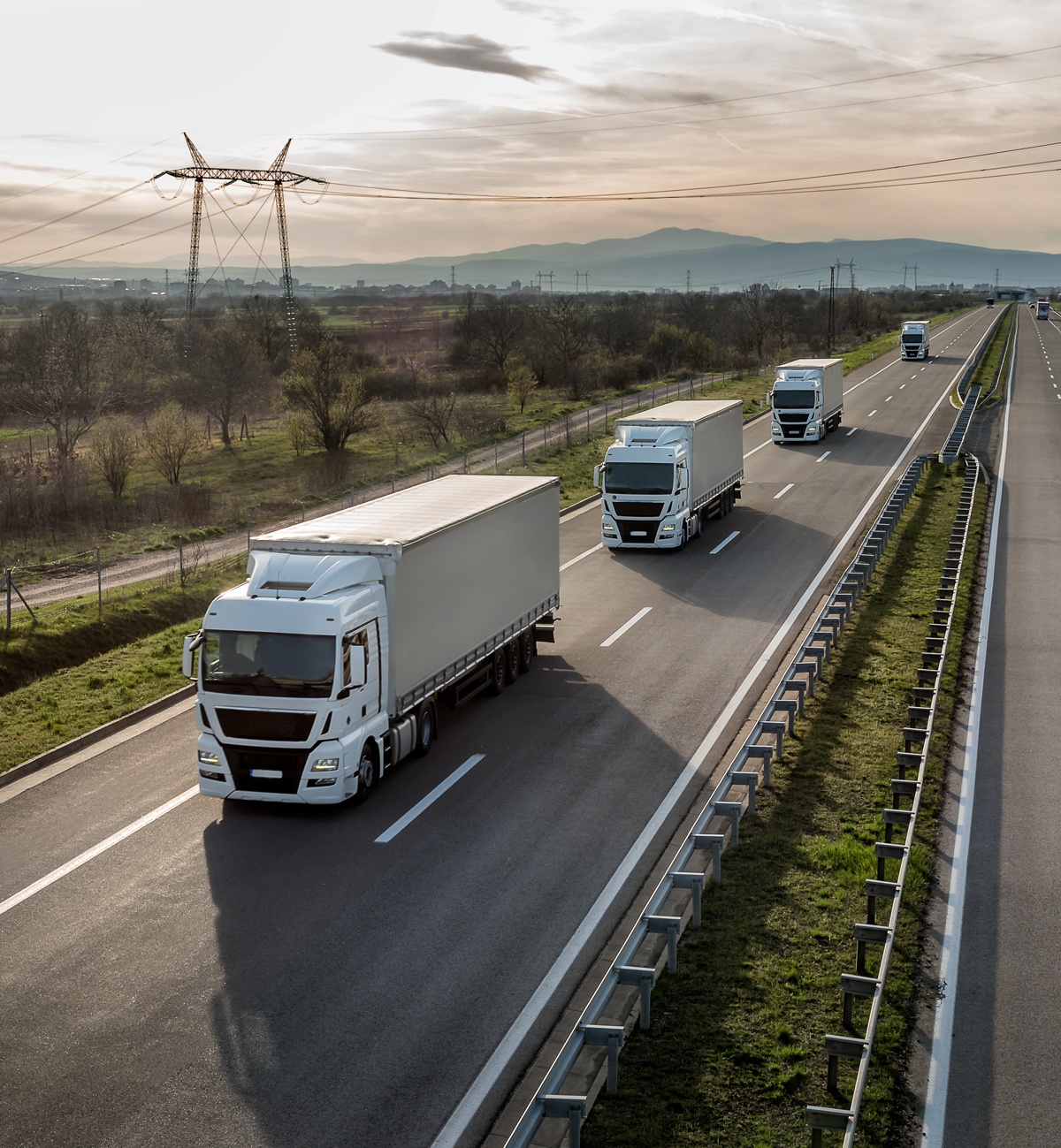
Carrying Center——Offering nationwide road transport services for LCL and full truckload shipments. Capable of handling round-trip transportation for various long and oversized items, with warehousing facilities and return load scheduling.
Our network operation model across various provinces and cities. We offer over a hundred transportation vehicles capable of carrying 1 ton, 2 tons, 5 tons, 10 tons, 25 tons, 30 tons, 35 tons, 40 tons, and 50 tons; over 500 vehicles for oversized cargo and commercial vehicle transport. We have a variety of cargo vehicles ranging from 4.2 to 20 meters in length, including high-sided trucks, flatbeds, open-top trucks, heavy-duty semi-trailers, container transport vehicles, low-sided trucks, fully enclosed vehicles, semi-enclosed vehicles, and specialized oversized cargo and commercial vehicle transport trucks. We can select the appropriate vehicle type based on the cargo requirements. Our service philosophy is "Practicality and Integrity," with a commitment to "Honesty, Customer First, Safety, and Speed." We prioritize customer needs and provide high-quality, comprehensive transportation services. Pursuing service quality is the foundation of our development.
Direct Line Business Process:
1. Receive: Highway Transportation Supervisor accepts (fax) shipment dispatch plan from the customer. Highway Transportation Scheduler picks up goods for shipment from the customer. Verify.
2. Registration: The transport dispatcher marks the delivery destination on the registration form, designates the pickup numbers for the receiving customers. Drivers (personnel and vehicles) collect the pickup at the transport dispatch center and confirm receipt by signing on the transport log book.
3. Scheduling Instructions: Fill out the shipping plan. Include in-transit, delivery status, and tracking feedback forms. Computer input required.
4. Fleet Handover: Arrange vehicles based on delivery direction, weight, volume, and overall planning. Submit the transportation plan to the customer and confirm the time for pick-up at the factory.
5. Pickup and Shipment: Arrive at the customer's pickup warehouse on time. Inspect vehicle condition. Complete pickup procedures. Retrieve goods, cover the vehicle canopy, and lock the container door. Finalize factory exit formalities. Call the receiving customer to notify of the estimated arrival time.
6. In-Transit Tracking: Establish the receiving customer. Drivers provide timely feedback during the journey. Contact the receiving customer by phone to discuss delivery status. Fill out tracking records. Contact the customer promptly in case of any anomalies.
7. Receipt of Arrival: Confirm receipt of shipment in person, by phone, or by fax, collect applicable freight charges. Arrive at the unloading location on time and accurately. Hand over the goods. Receipt confirms that the quantity and quality of the transported products match the customer's inventory. Understand the delivery person's sales of the customer's products in the local market.
8. Returns. Regularly send returns to the customer.
9. Transportation Settlement: Generally, stop payment is used for monthly settlements and when payment is due. Step 9 is usually not required. Properly charge and prepare a charge summary sheet to submit to the customer for confirmation. Upon confirmation, return it to the settlement center. The settlement center will issue the invoice and collect the shipping fees from the customer.
10.: Call or visit to inquire about their opinion of our services. Ask for the next shipment date and quantity. Discuss the next contract signing.