








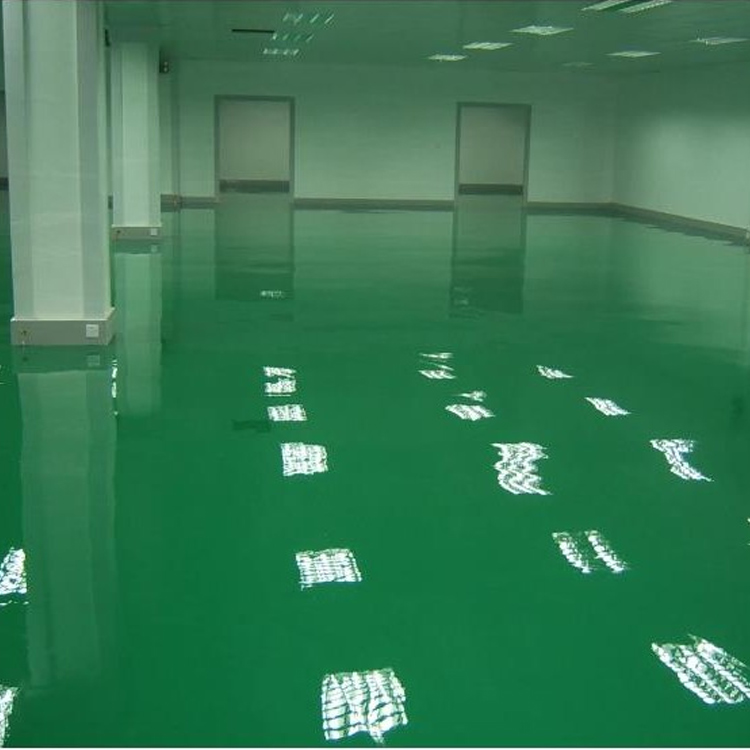
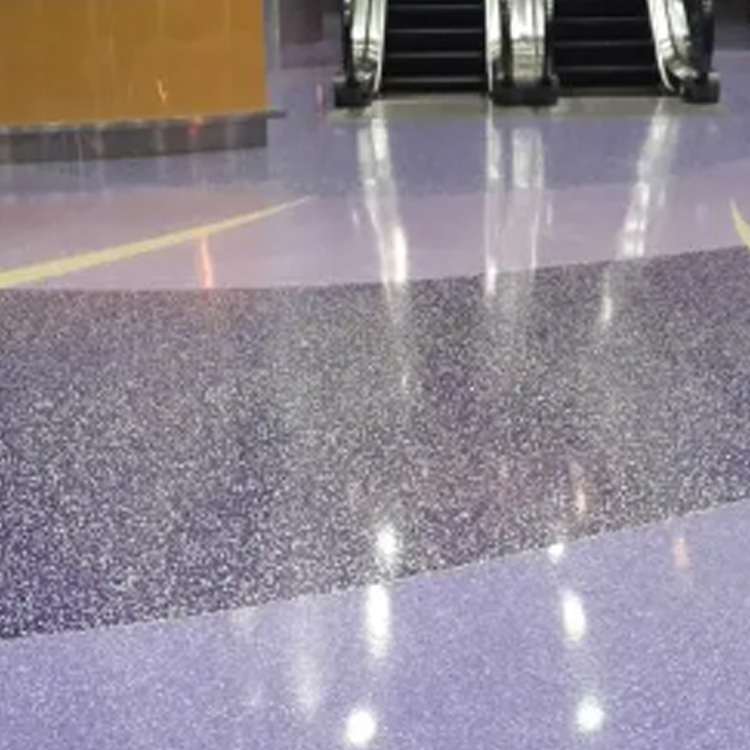
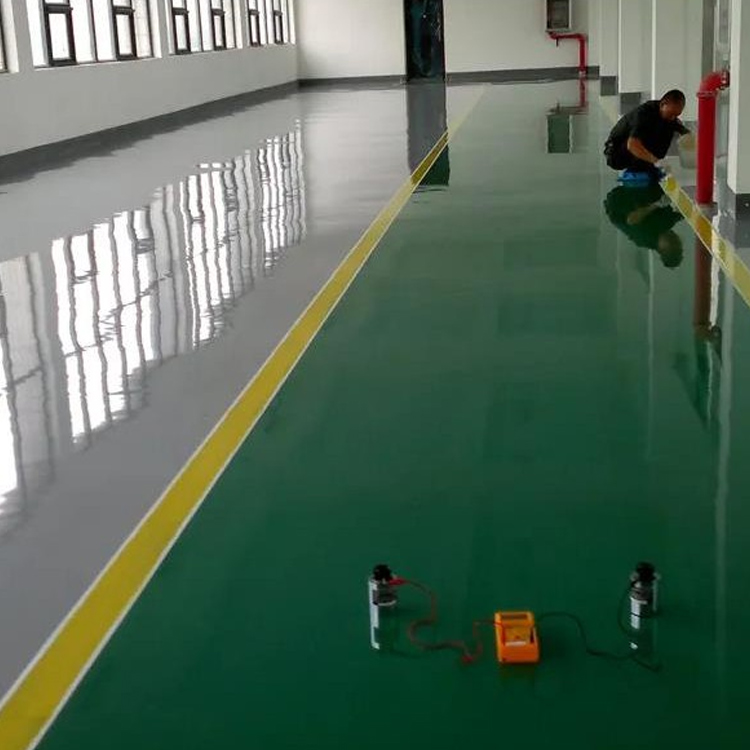

Epoxy flooring has become a common sight in various places in our lives and across numerous factories, such as chemical plants, food factories, homes, and libraries. What types of epoxy flooring are there, and what are their respective uses? Let's take a look!
What is floor paint?
Epoxy flooring paint is actually a semi-finished product made from various substances and processed through multiple stages. It is generally more **durable** than regular paint and is primarily applied to the ground. However, the quality of the finished product is more influenced by various factors during application, such as temperature, technology, and application methods.
The components of floor paint are mainly divided by function into: primary film-forming substances, secondary film-forming substances, and auxiliary film-forming substances.
Primary Film Material (Primary Binder)
Typically polyester resin or epoxy resin. The former is the base material for a variety of floor paint coatings, while the latter is the primary base material for water emulsion exterior wall coatings.
Minor film material
Secondary film materials are an indispensable part of the floor paint, yet they cannot form a coating on their own. Added to the base material, they enhance the paint's properties and allow for a wider variety of coatings.
Auxiliary Film-Forming Material
Auxiliary film-forming substances are not actually the materials that construct the film; they play a role during the application process, assisting in film formation. Generally, their usage is minimal, but they cannot be omitted. Moreover, different auxiliary materials can confer various functions to the paint.
Section 2: Types of Floor Paint
Primarily classified based on the main performance characteristics of the floor paint.
Epoxy floor paint
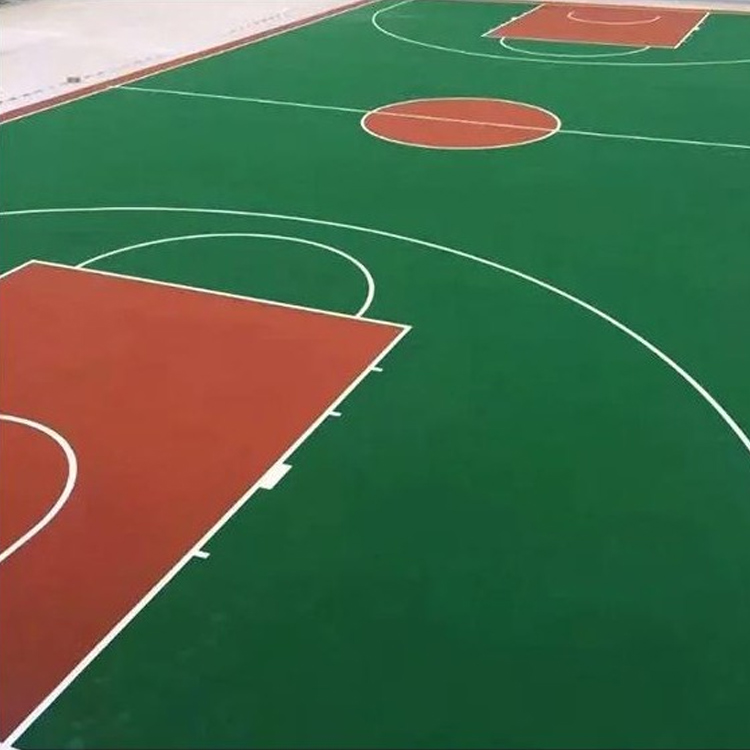
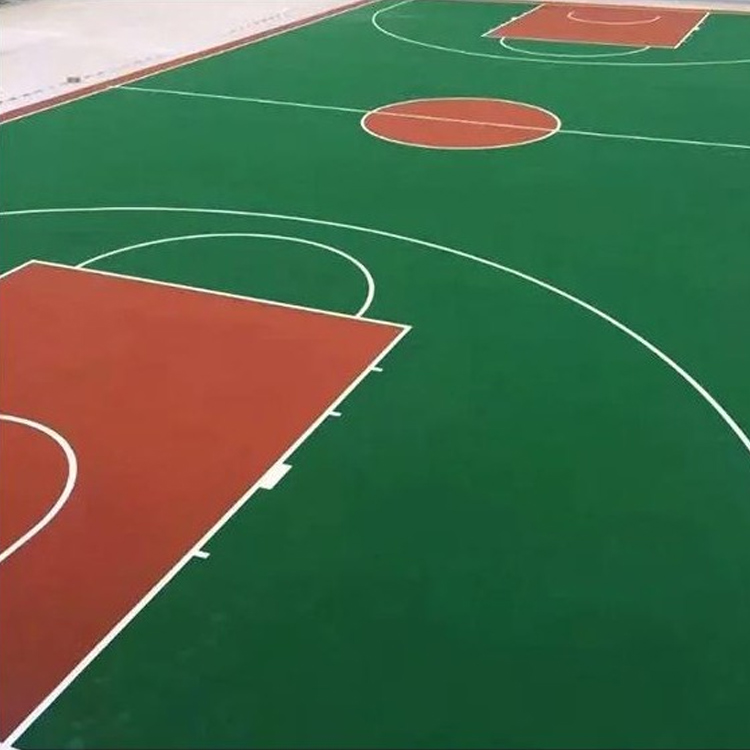
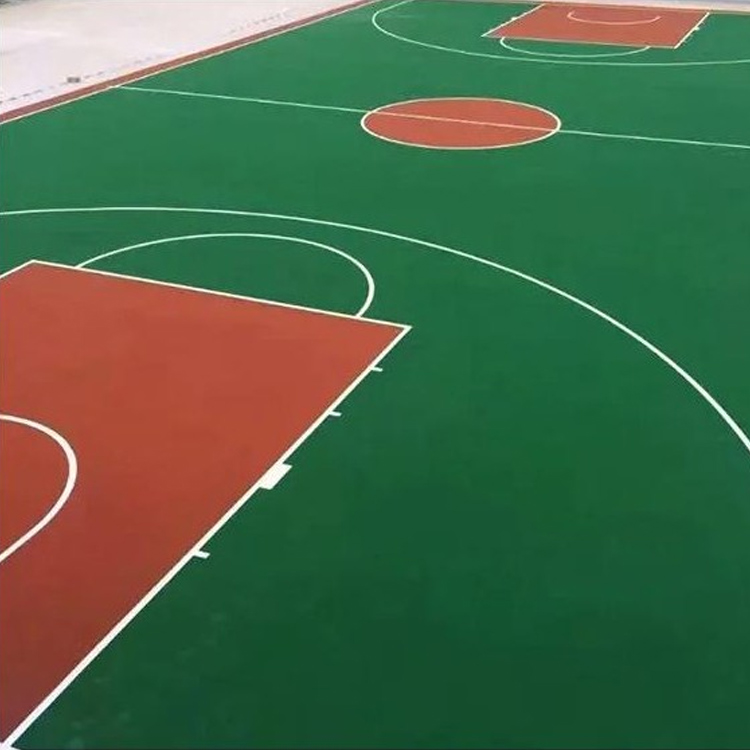
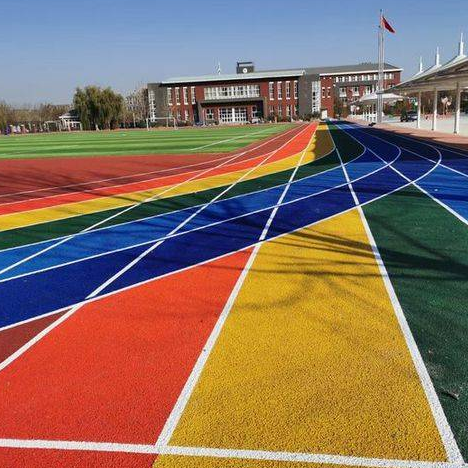
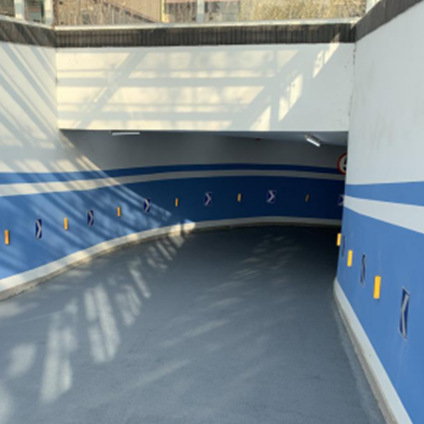
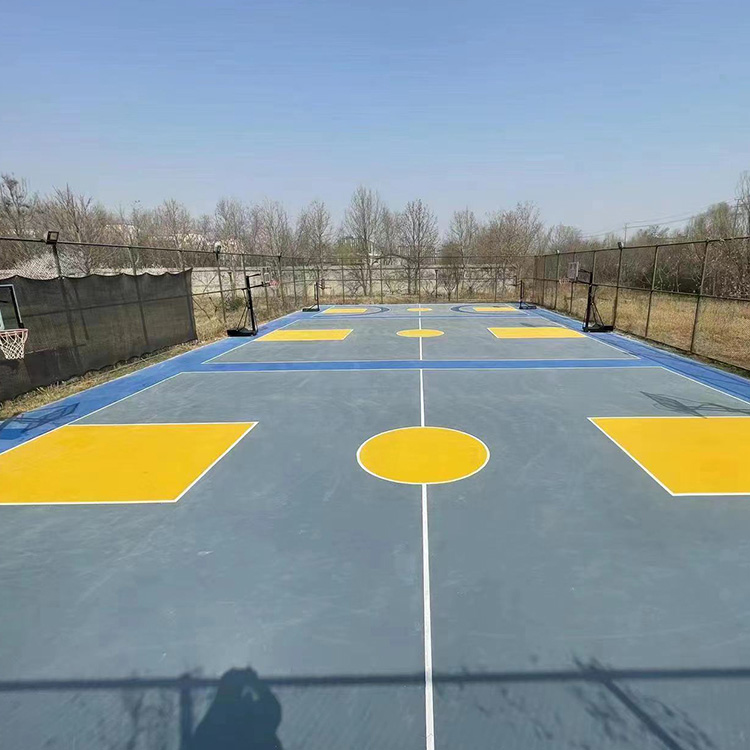
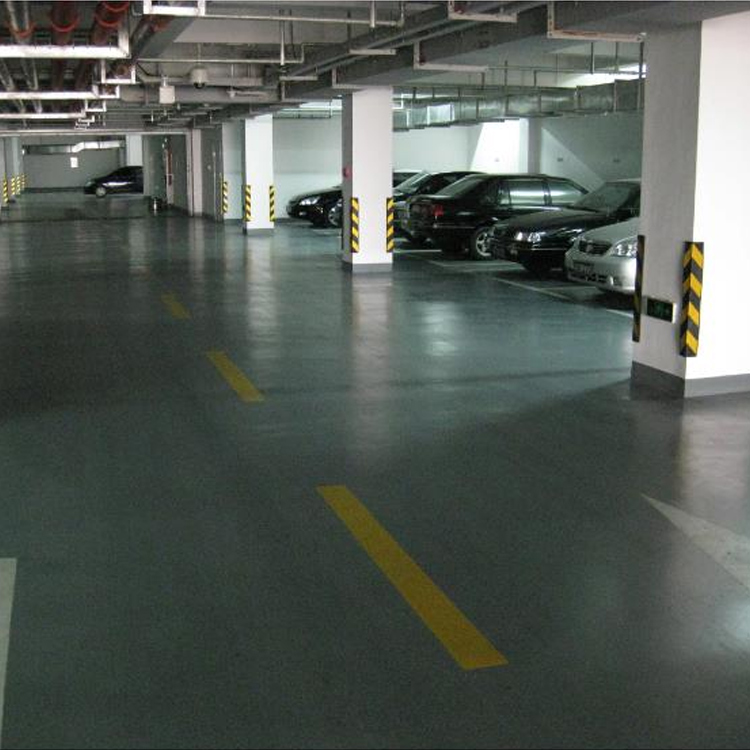
This type of paint has strong adhesion, bonding well with cement floors; it effectively resists damage from water, alkaline substances, and corrosive materials. The main components include epoxy resin, modified hardeners, etc. This paint offers a variety of floor coating options, commonly used in factories, shopping malls, warehouses, sports courts, parking lots, and other locations with extensive cement flooring.
2. Polyester Floor Paint
Key components include polyether resin, acrylic resin, or epoxy resin. The variety is limited, primarily suitable for applications requiring elasticity and anti-slip properties.
3. Corrosion-resistant floor paint
This type of floor paint has good strength and can effectively resist the damage from corrosive substances. Therefore, it is commonly found in places like chemical factories, kerosene plants, and similar facilities.
4. Flexible floor paint
This type of flooring paint offers excellent elasticity, primarily made from elastic polyester. It is commonly used in sports venues and various workshops, ensuring a comfortable walking and exercising experience.
5. Static Dissipative Floor Paint
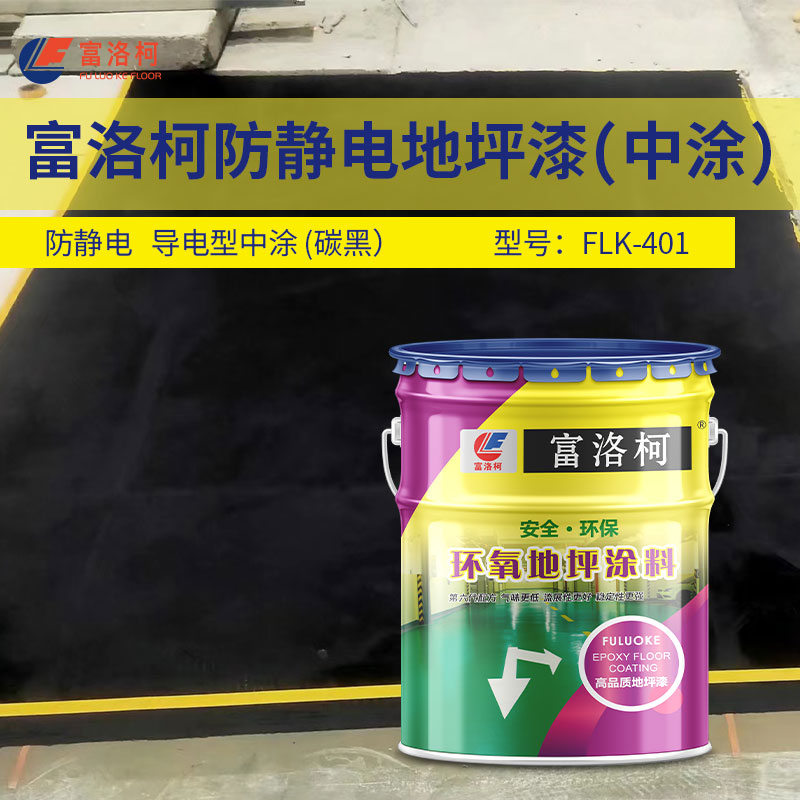
In some factories, such as power plants and computer rooms, static electricity is prohibited to prevent accidents. This type of flooring paint effectively addresses this issue. It not only shields against electromagnetic interference but also prevents static dust attraction and other phenomena.
6. Anti-slip floor paint
High friction, excellent anti-slip performance, widely applicable.
7. Load-bearing floor paint
This type of floor paint excels in impact resistance, load-bearing capacity, and performance. It is commonly used as coating for factories and warehouses where heavy vehicles are in use.
As social demands continue to rise, floor paint also evolves, becoming more user-friendly and diverse. Not only does it offer anti-slip and corrosion-resistant functions, but it also enhances beauty and luster, playing a significant role in place decoration. In summary, it combines practicality with beauty. It can also be used for home beautification, too!
The factory chose epoxy floor paint for this reason.
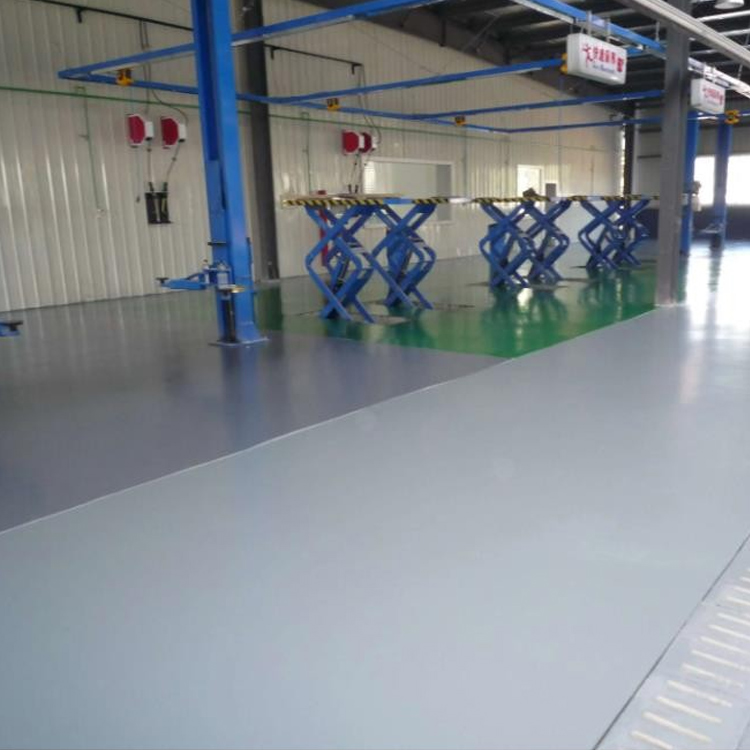
Due to its features such as a smooth and shiny appearance, a variety of colors, dust resistance, strong adhesion, good flexibility, resistance to impact and heavy pressure, high hardness, anti-mold, oil and dirt resistance, acid and alkali corrosion resistance, anti-static, easy cleaning, low cost, and quick installation, epoxy floor paint can withstand the crushing of forklifts, cars, and heavy machinery for a long time. Therefore, almost all modern factory workshops choose to apply epoxy floor paint to meet their diverse environmental needs, and there are the following advantages to choosing epoxy floor paint for factory workshops:
Due to the varying application techniques of epoxy floor paint, its functionalities differ. There are specialized types for anti-slip and heat resistance. A variety of options cater to different customer needs. Moreover, the construction can be flexibly tailored to meet customer requirements, which clearly aligns with the individualistic preferences of modern young people.
For example, general epoxy floor paint only requires multiple coatings on regular concrete surfaces, making the application process very simple. This is highly suitable for large factories, workshops, and time-sensitive construction projects.