

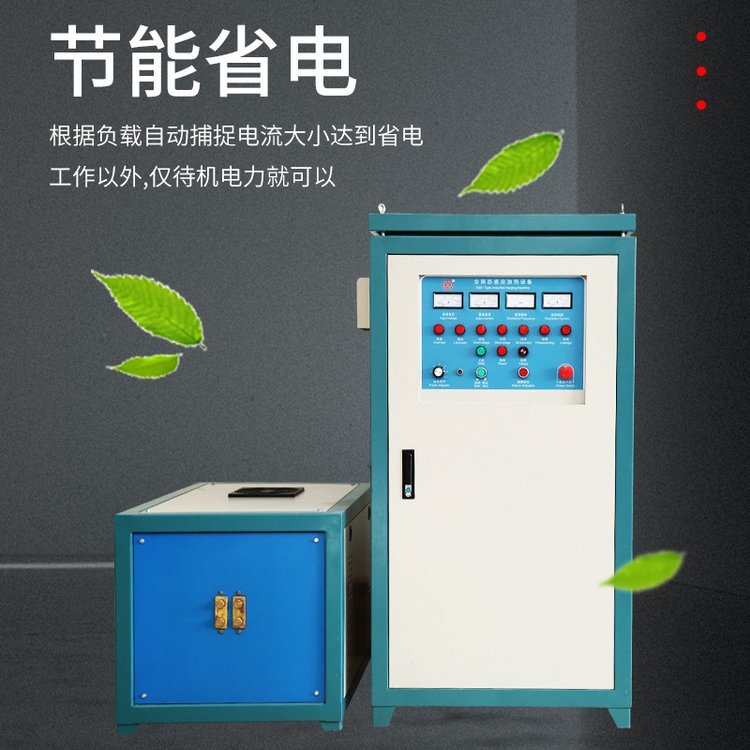












Welding (Soldering, Silver Soldering, Copper Soldering):
It primarily connects two metals, either of the same or different materials, by melting the solder through heating to a certain temperature. Specific applications include:
1. Welding of various metal cutting tools: diamond cutting tools, grinding wheels, drills, alloy saw blades, hard alloy turning cutters, milling cutters, reamers, planing cutters, woodworking drill bits, etc.
2. Welding of various hardware and mechanical accessories: hardware bathroom products, refrigeration copper fittings, lighting accessories, precision mold fittings, hardware pulls, egg beaters, silver soldering and copper soldering of identical metals or different metals such as alloy steel and steel, steel and copper, copper and copper.
3. Composite bottom welding is primarily used for three-layer brazing of circular, square, and other irregularly shaped flat stainless steel pot bottoms with aluminum sheets, and can also be applied to brazing of other metal flat surfaces.
4. The heat disk welding for electric kettle (electric coffee pot) primarily involves soldering between stainless steel flat bottoms, aluminum plates, and various shapes of electric heating pipes.
Heating (hot forging, hot fitting, melting)
1. Hot forging primarily involves heating the workpiece to a certain temperature (which varies depending on the material), and then forging it into a different shape using a press, forging machine, or other methods. Examples include: watch cases, watch blanks, handles, mold accessories, kitchenware, handicrafts, standard parts, fasteners, mechanical component processing, copper locks, rivets, steel rods, punch tools, and hot extrusion of similar items.
2. Hot-forging primarily refers to the joining of different metals or metals with non-metals by heating the metal, utilizing the principles of thermal expansion or thermal melting to connect them. Examples include: the copper core of computer heat sinks with aluminum sheets, the buried welding of speaker mesh, the composite of steel-plastic pipes, sealing of aluminum foil, motor rotors, and sealed electric heating tubes, etc.
3. Melting primarily refers to the process of converting metal into a liquid state through high temperatures, and is mainly suitable for iron, steel, copper, aluminum, zinc, and various precious metals such as gold and silver.
Section 3: Heat Treatment (Surface Hardening)
It primarily alters the hardness of metal materials through processes such as heating the workpieces, with specific applications including:
1. A variety of hardware tools and hand tools, including pliers, wrenches, hammers, axes, screwdrivers, and shears (garden shears), etc., heat treatment.
2. Various auto and motorcycle parts, such as crankshafts, connecting rods, piston pins, sprockets, aluminum wheels, valves, rocker arms, drive halfshafts, small shafts, and pull rods, etc., for hardening treatment.
3. A variety of electric tools, such as gears and shafts.
4. Machine Tool Industry Category. Such as hardening for machine tool tables and guides.
5. A variety of hardware metal parts, machined components, including shafts, gears (chain gears), cams, clamps, and fixtures, etc., for hardening treatment.
6. Hardware mold industry. Such as quenching for small molds, mold accessories, and mold bores.
Four: Annealing (tempering, quenching)
1. Annealing services for various stainless steel industries, including annealing stretching for stainless steel basins and cans, annealing rolling edges, as well as annealing for sinks, stainless steel pipes, utensils, cups, and more.
2. Annealing of various metalwork items, such as golf ball heads, clubs, copper lock heads, hardware copper accessories, knife handles, blades, aluminum pots, aluminum drums, aluminum radiators, and all types of aluminum products.