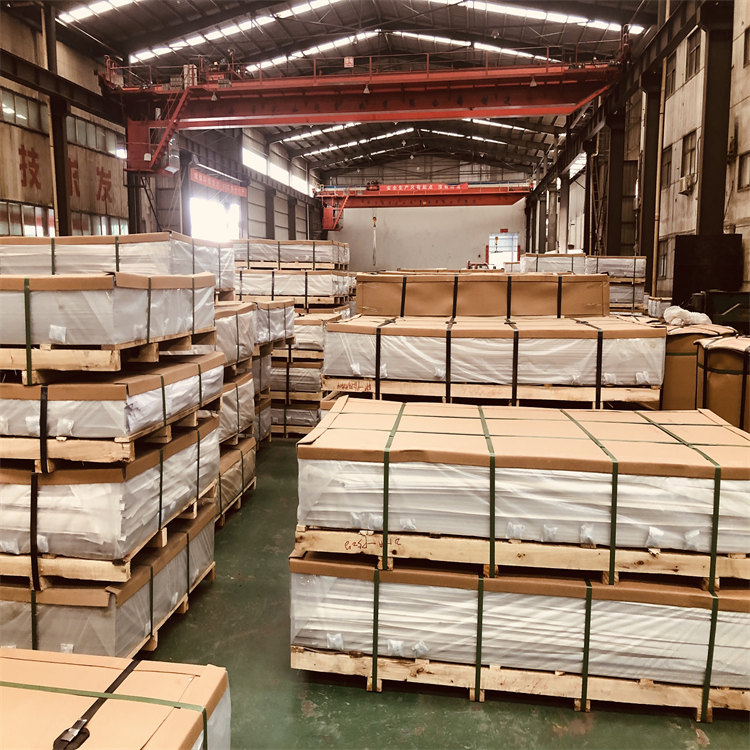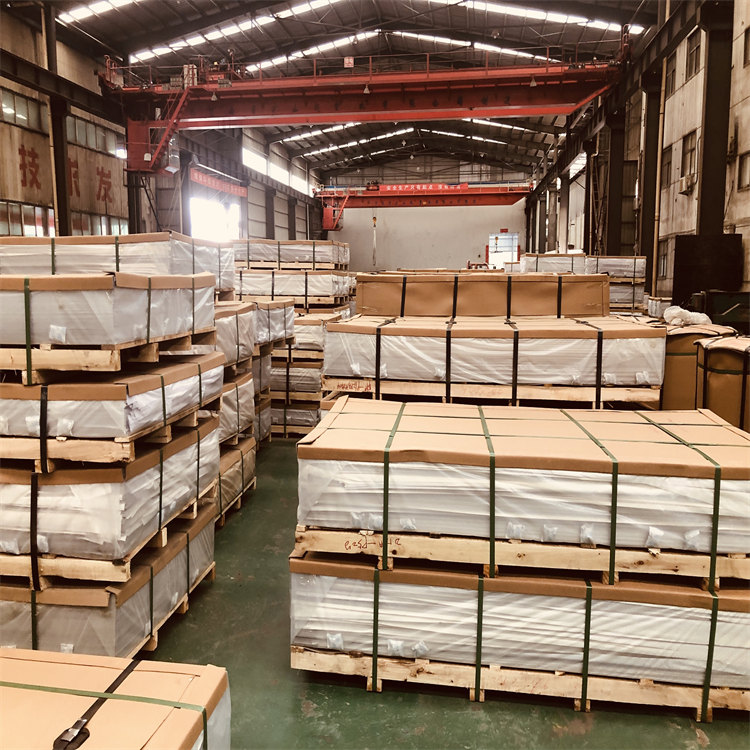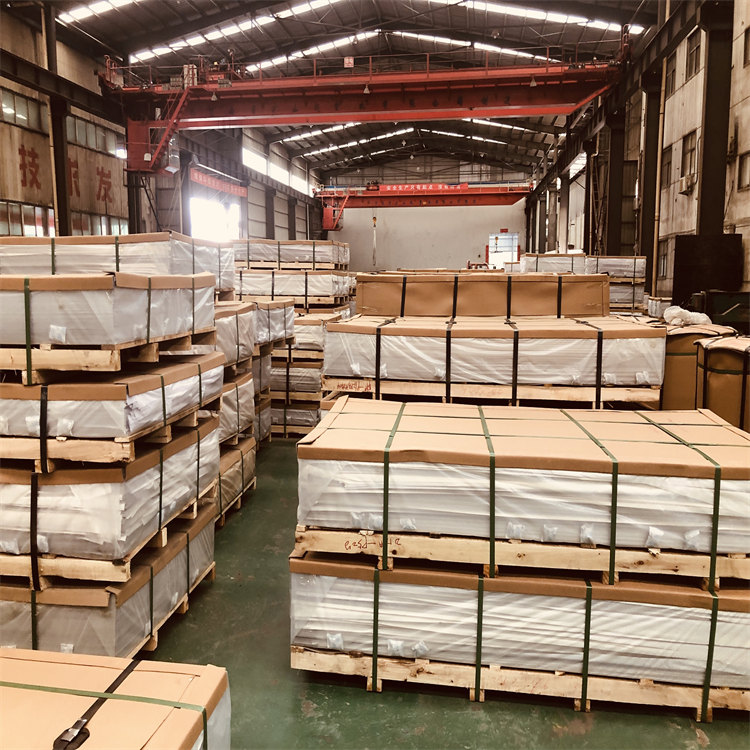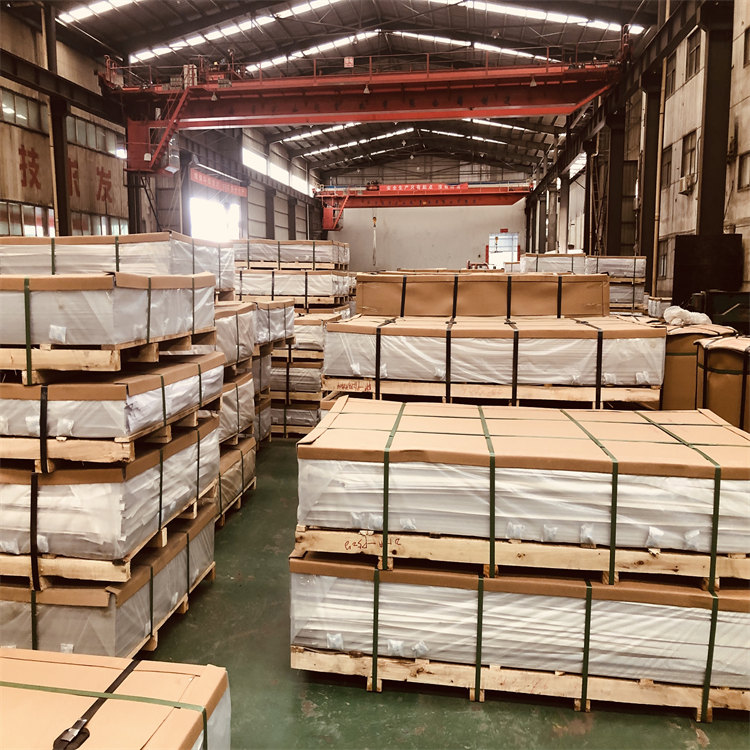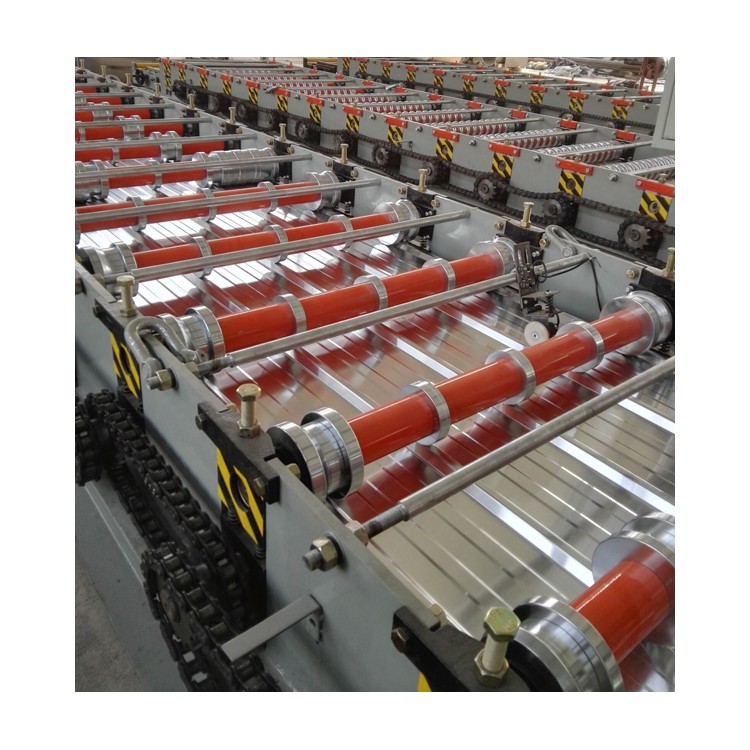

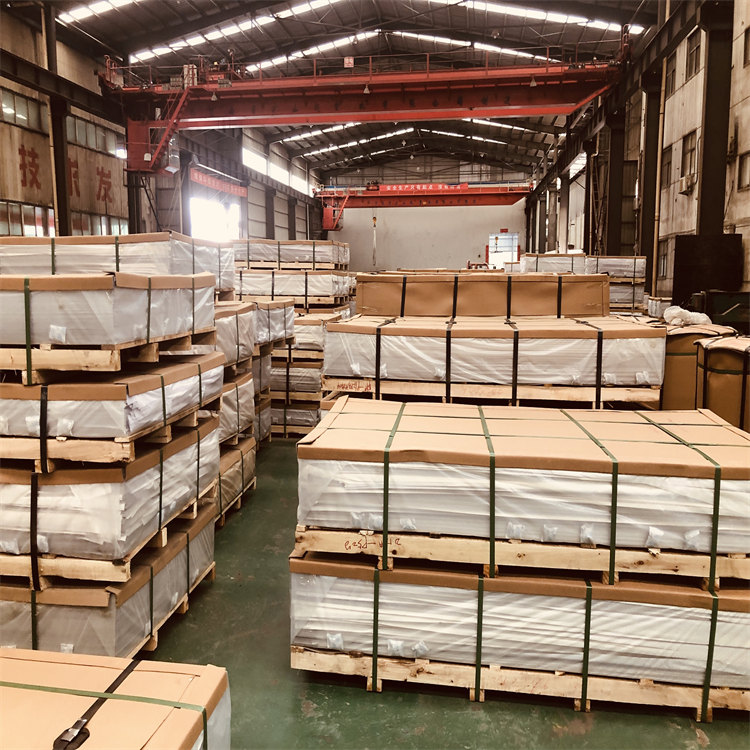

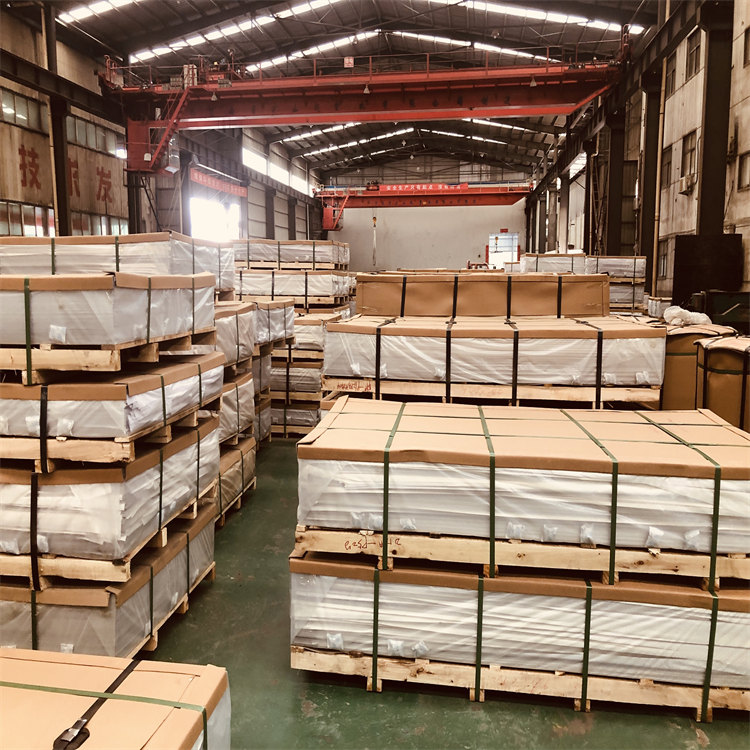
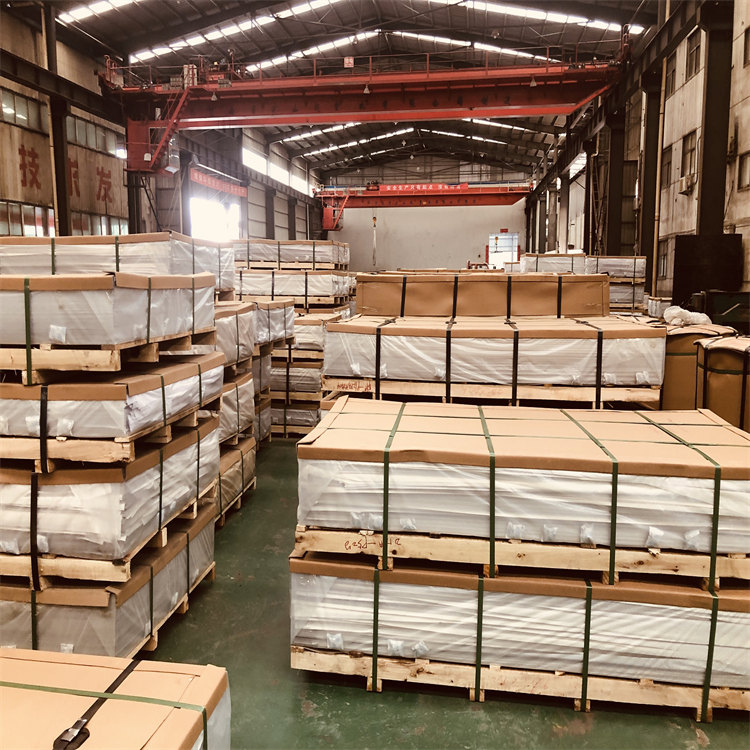
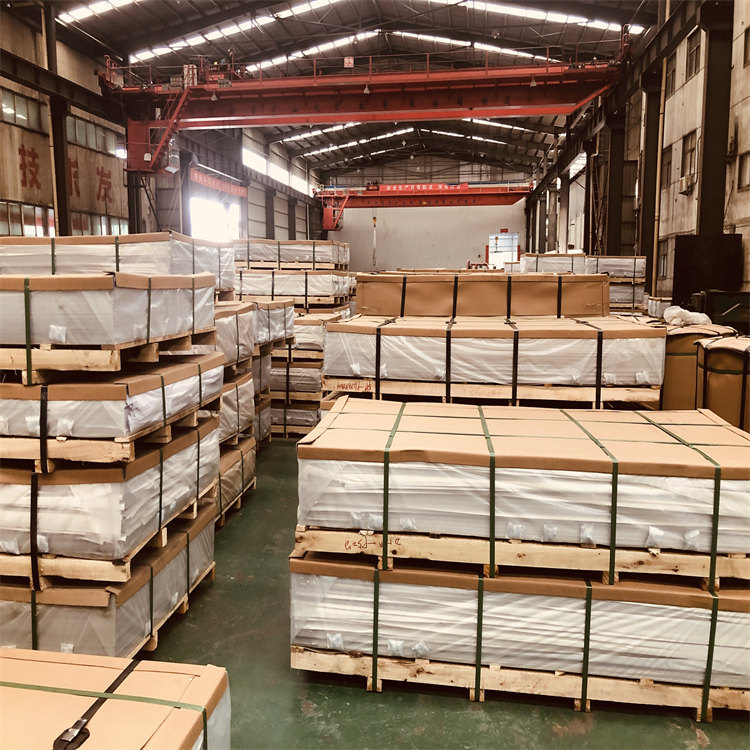












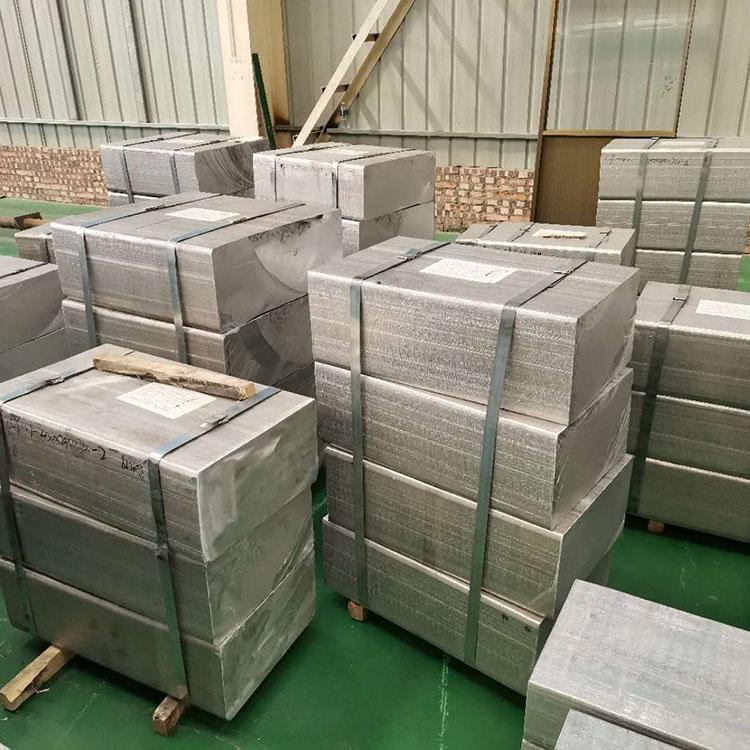
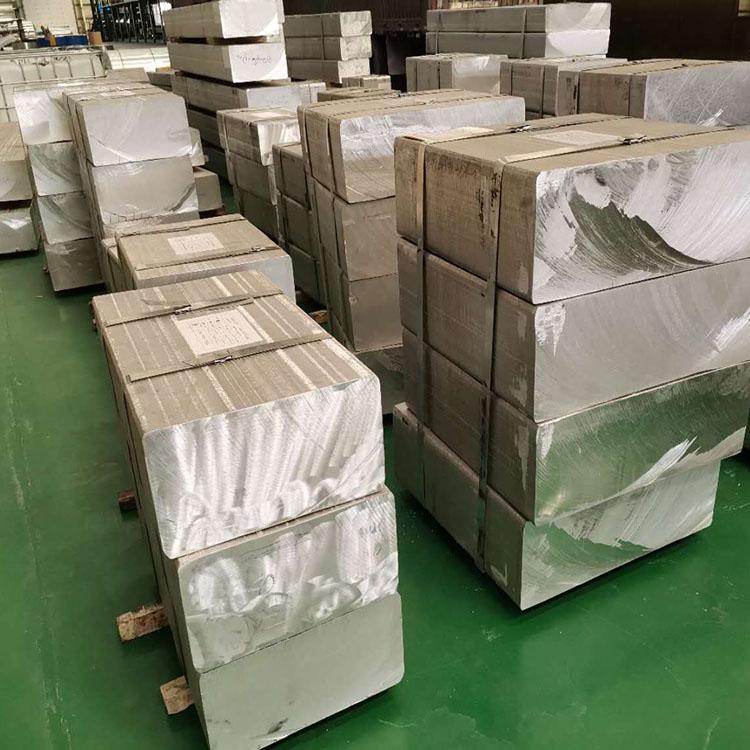
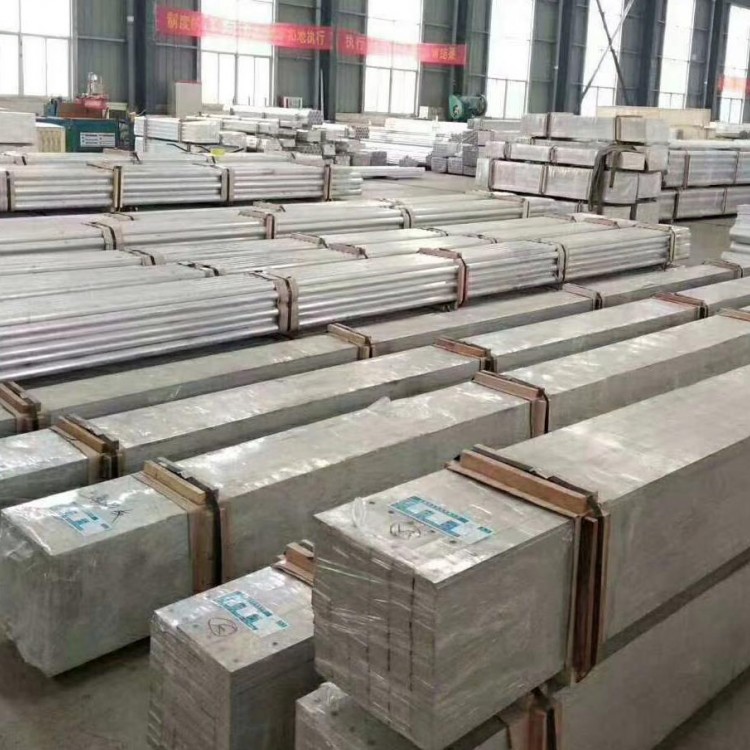
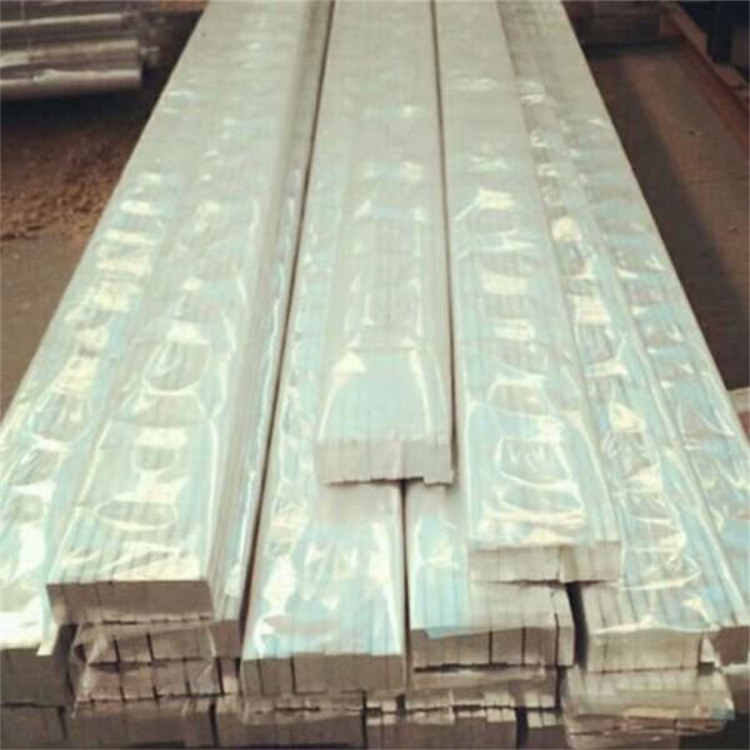
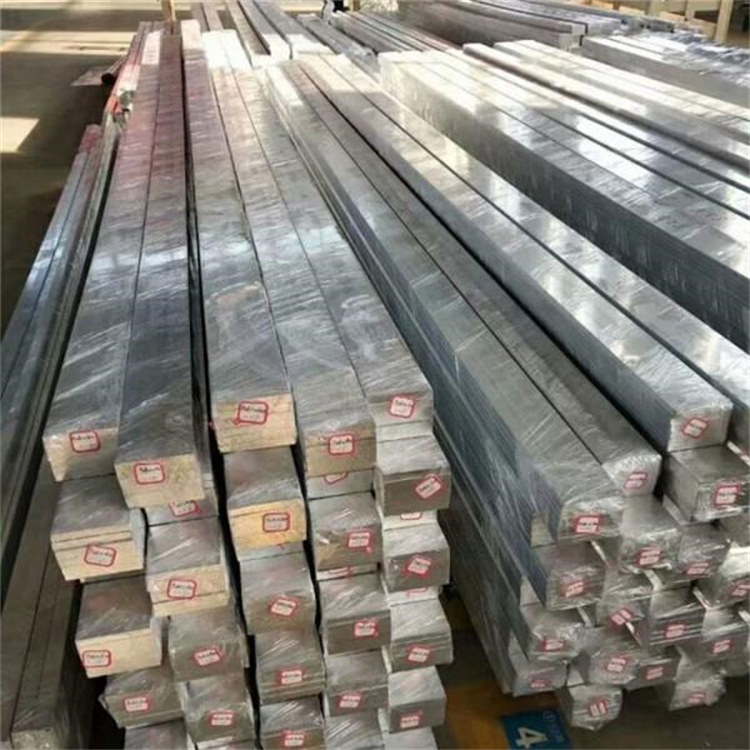
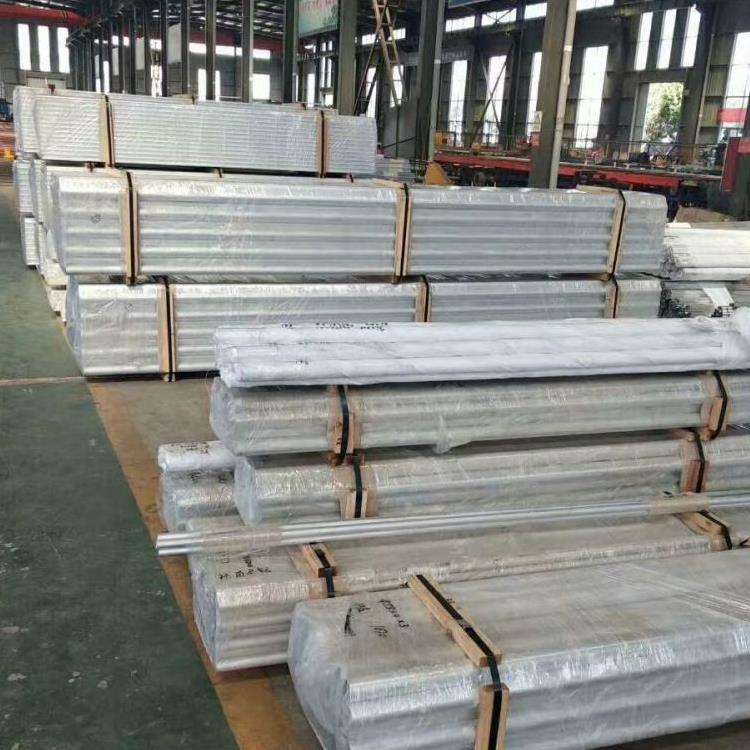
Aluminum sheets refer to aluminum materials with thicknesses ranging from over 0.2mm to less than 500mm, widths over 200mm, and lengths up to 16 meters, known as aluminum sheet materials or aluminum strip materials. Those below 0.2mm are considered aluminum, while those within a width of 200mm are called slabs or strips (of course, with the advancement of large equipment, strips as wide as 600mm are also quite common). Aluminum plates are rectangular sheets produced by rolling aluminum ingots, and they are categorized into pure aluminum plates, alloy aluminum plates, thin aluminum plates, medium-thick aluminum plates, and patterned aluminum plates.
Definition
Aluminum plates are typically categorized into two types:
1. Divided by alloy composition:
High-purity aluminum sheet
Pure Aluminum Plate (Primarily composed of aluminum rolled to its pure form)
Alloy Aluminum Sheets (consisting of aluminum and auxiliary alloys, commonly including aluminum-copper, aluminum-manganese, aluminum-silicon, aluminum-magnesium, and other series)
Composite aluminum plate or clad plate (a special-purpose aluminum material obtained through the composite process of various materials)
Aluminum-clad Aluminum Sheet (thin aluminum sheet wrapped around the outer edge for special applications)
2. Divided by thickness: (Unit: mm)
0.15-2.0 aluminum sheet
Standard Plate (Aluminum Sheet) 2.0-6.0
6.0-25.0 aluminum plate
Thick aluminum plate 25-200
Extra-thick plate, over 200mm
Usage
Luminaire Lighting 2, Solar Reflective Sheets 3, Architectural Façade 4, Interior Decoration: Ceiling, Wall, etc. 5, Furniture, Cabinets 6, Elevators 7, Signs, Nameplates, Bags 8, Automotive Interior and Exterior Decoration 9. Indoor Decorative Items: Such as Picture Frames 10, Household Appliances: Refrigerators, Microwaves, Audio Equipment, etc. 11. Aerospace Industry, such as China's Large Aircraft Manufacturing, Shenzhou Spacecraft Series, Satellites, etc. 12, Machining of Mechanical Parts 13, Molding Manufacturing 14, Chemical/Insulation Pipe Coating.
Categories
Aluminum alloys are divided into nine main categories. The 1, 3, 5, 6, and 7 series aluminum and aluminum alloys are predominant, while other series are less frequently used in practical applications.
Category 1: Series 1: Industrial Pure Aluminum
Category 2: Series 2: Aluminum-Copper Alloys
Three Categories: 3 Series: Aluminum-Magnesium Alloy
Four Categories: 4 Series: Aluminum-Silicon Alloy System
Five Categories: 5 Series: Aluminum-Magnesium Alloy
Six Categories: 6 Series: Aluminum Magnesium Silicon Alloy
Seven categories: 7 Series: Aluminum-Zinc-Magnesium-Copper Alloys
Eight Categories: Series 8: Other Alloys
Category 9: Series 9: Backup Alloys