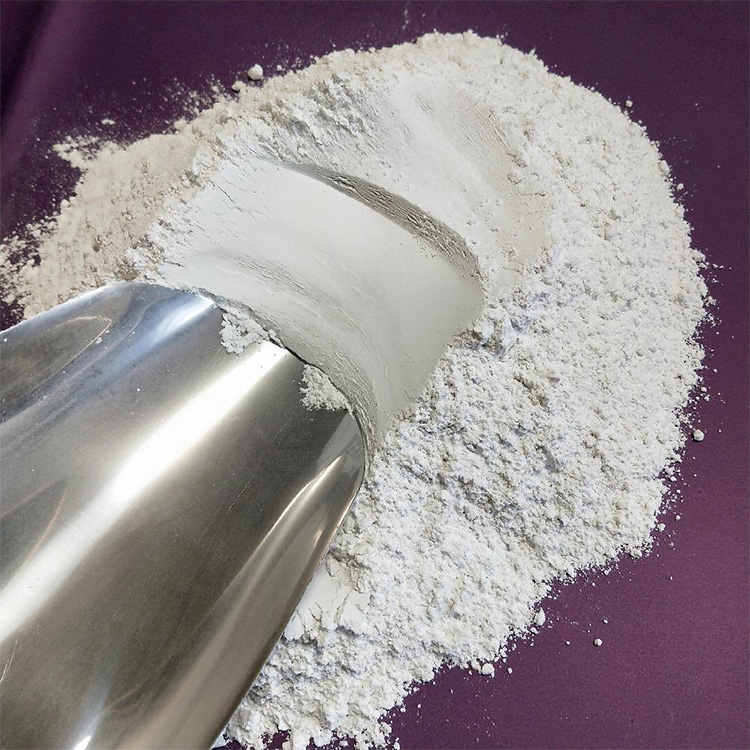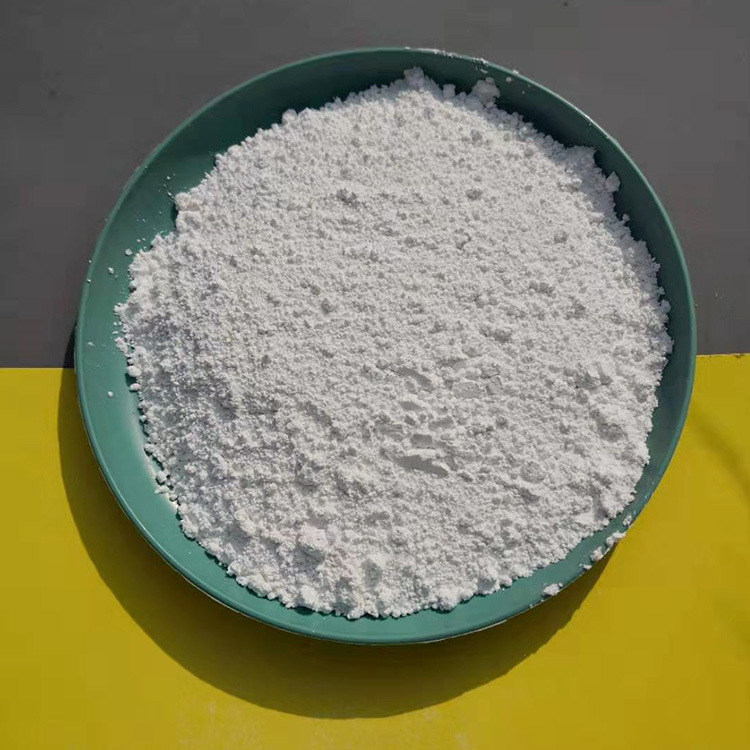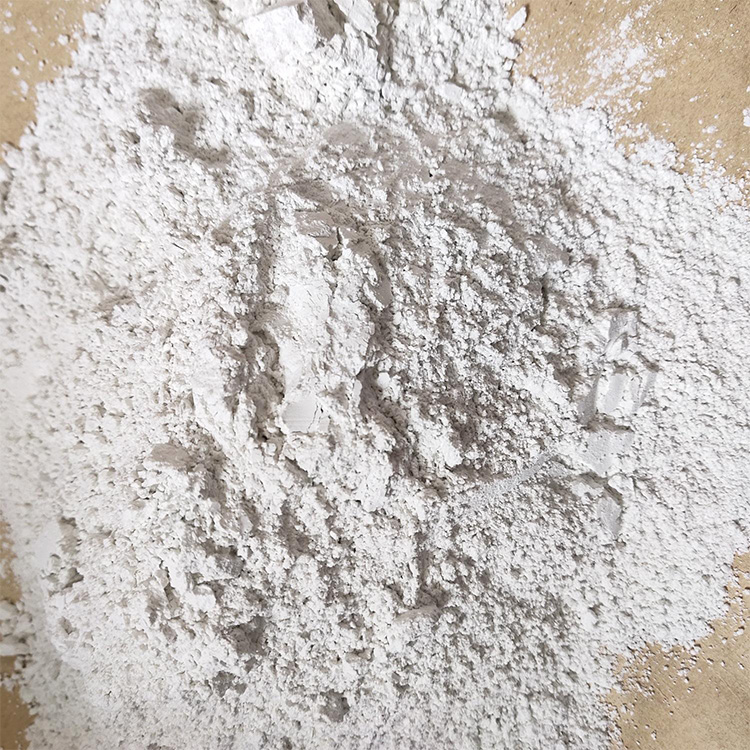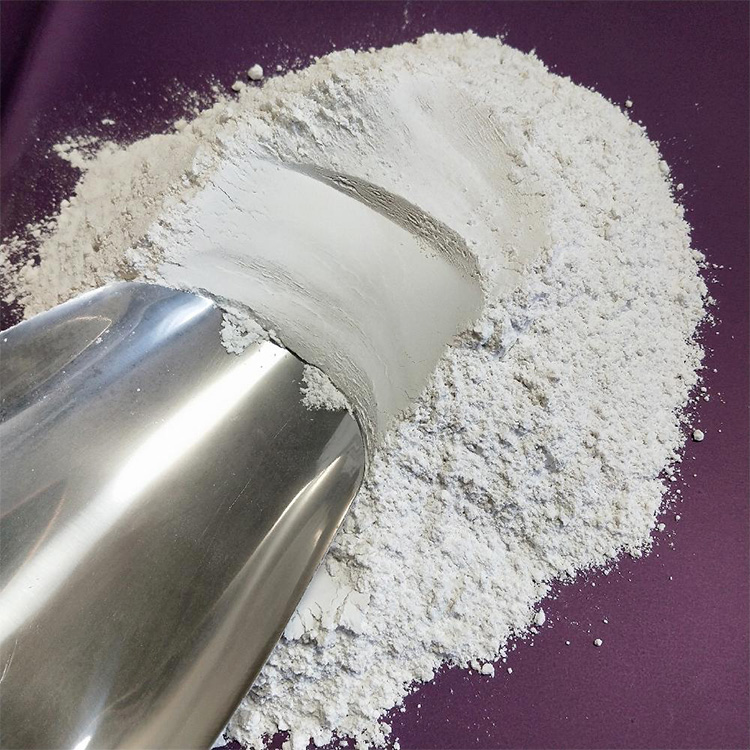










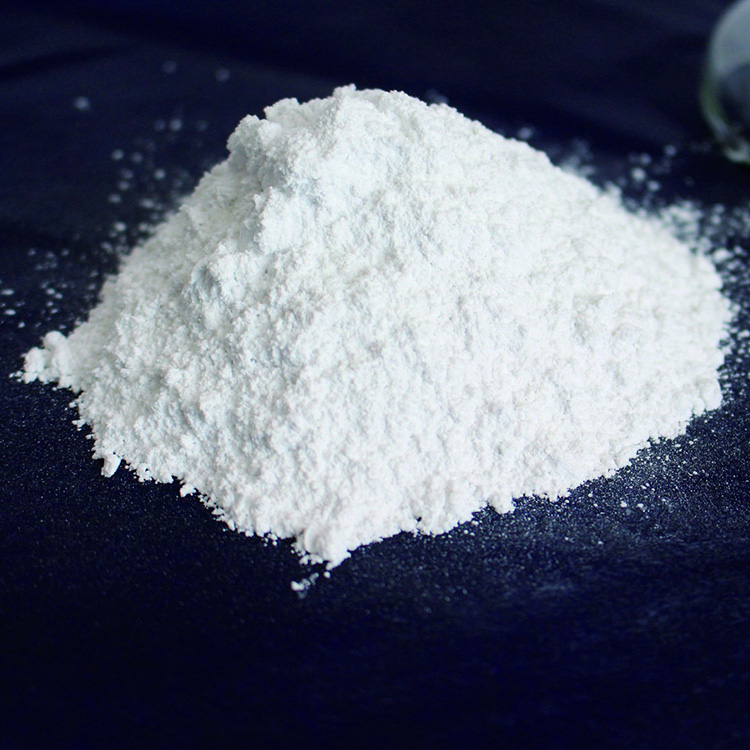
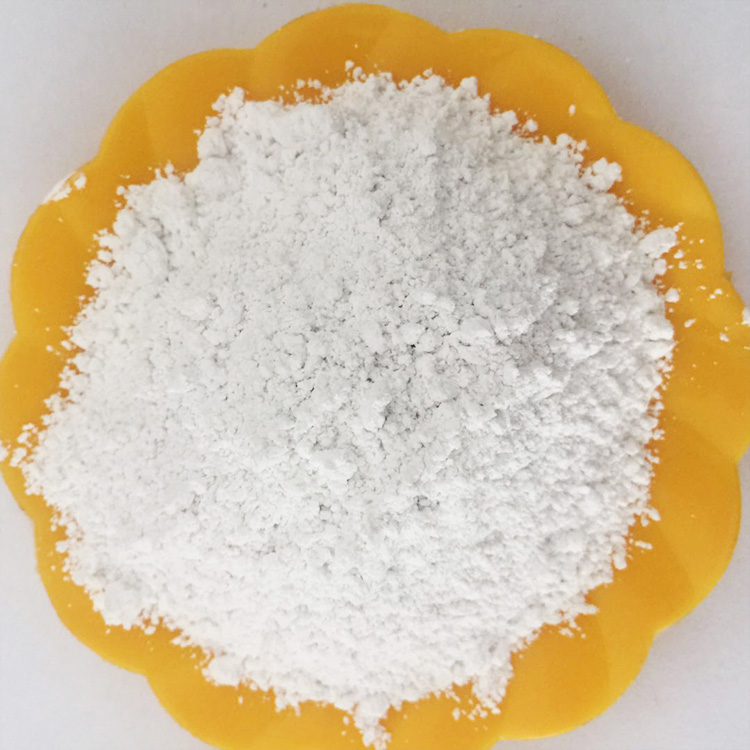
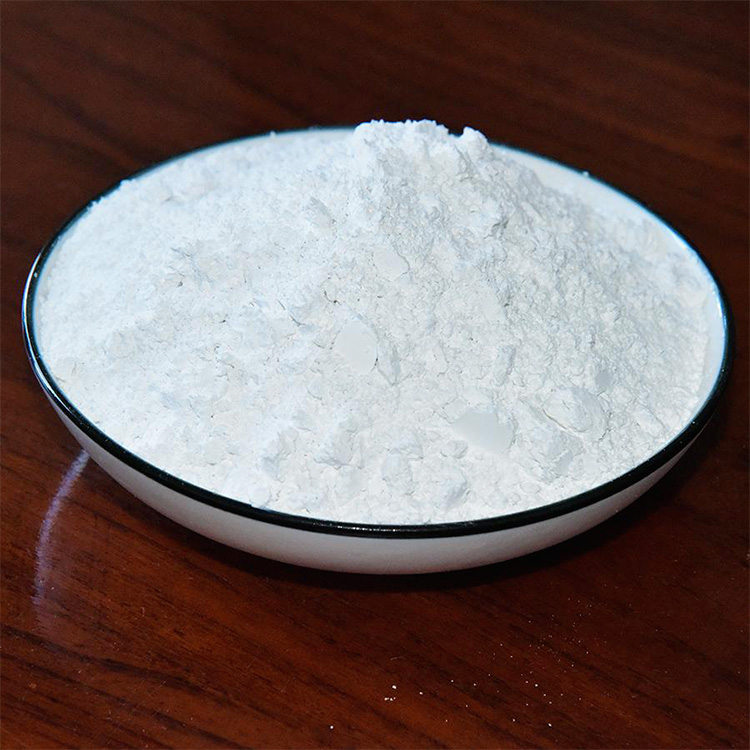
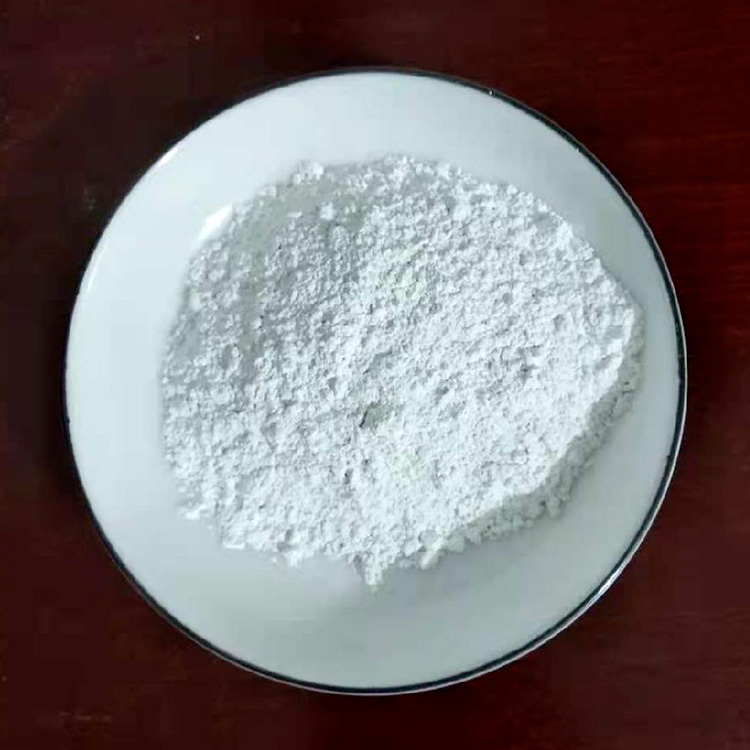
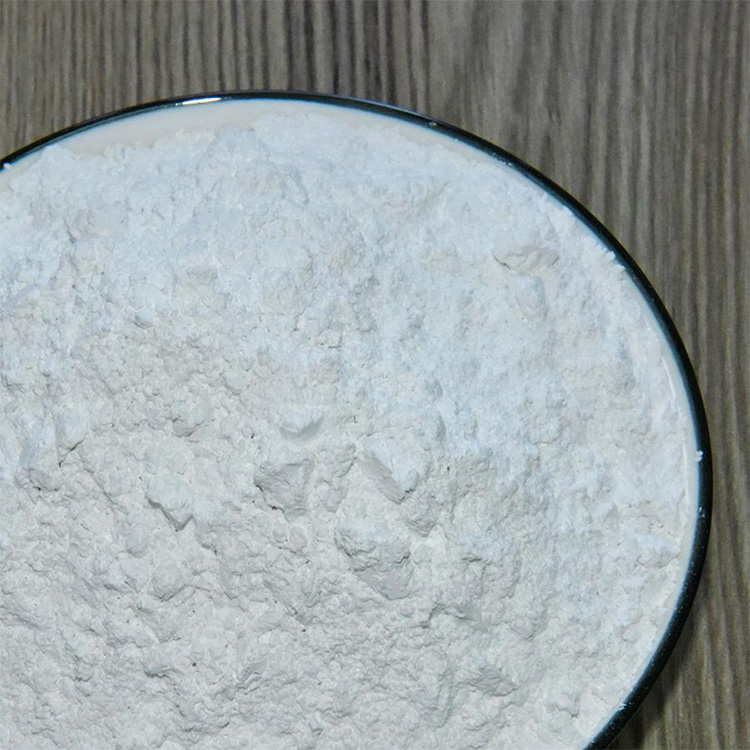
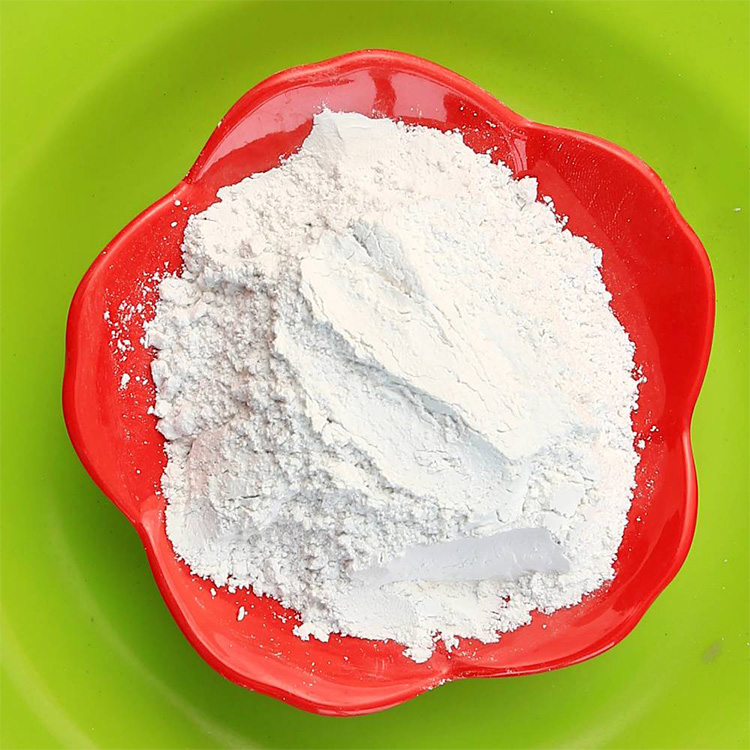

Titanium dioxide is considered one of the best white pigments in the world today, widely used in industries such as coatings, plastics, papermaking, printing inks, synthetic fibers, and rubber.
Titanium dioxide (titanium white) has stable chemical properties and does not react with most substances under normal conditions. In nature, there are three crystalline forms of titanium dioxide: rutile, anatase, and brookite. Rutile is an unstable crystal form with no industrial value. Anatase (Anatase) is abbreviated as Type A, and rutile (Rutile) is abbreviated as Type R. Both have stable crystal lattices and are important as white pigments and ceramic glaze materials. Compared with other white pigments, they offer superior brightness, coloring power, opacity, weather resistance, and heat resistance.
Titanium dioxide is widely used in coatings, plastics, rubber, inks, paper, synthetic fibers, ceramics, and other industries.
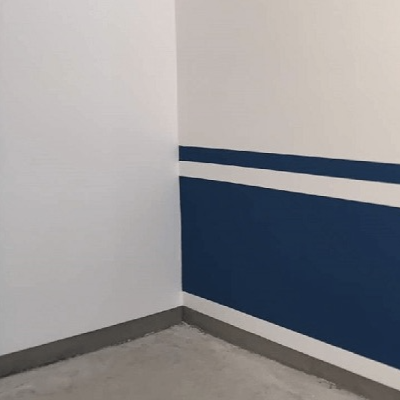
The paint industry is a major consumer of titanium dioxide, particularly rutile-type titanium dioxide, which is largely used in the paint industry. Paints made with titanium dioxide are vibrant in color, have excellent hiding power and strong coloring ability, are economical in use, come in a variety of types, can protect the stability of the medium, enhance the mechanical strength and adhesion of the film, prevent cracking, and block ultraviolet rays and moisture, thereby extending the lifespan of the paint film.
The plastic industry is one of the major users. Adding titanium dioxide to plastics enhances their heat, light, and weather resistance, thereby improving the physical and chemical properties of plastic products, strengthening their mechanical strength, and extending their service life.
The papermaking industry is one of the top three consumers of titanium dioxide, primarily used as a filler in high-grade and thin paper. Adding titanium dioxide to paper enhances its brightness, luster, strength, and smoothness, ensuring it doesn't penetrate during printing and is lightweight. Titanium dioxide for papermaking typically employs uncoated anatase, which acts as a fluorescent whitening agent to boost brightness. However, for laminated paper, surface-treated rutile titanium dioxide is required to meet light and heat resistance standards.
Titanium dioxide remains an indispensable white pigment in high-grade inks. Inks containing titanium dioxide are durable and resistant to discoloration, with excellent surface wetting properties and easy dispersion. Titanium dioxide used in the ink industry includes rutile and anatase types.
Titanium dioxide is another significant application field in the textile and chemical fiber industry, primarily used as a matting agent in fiber products. Generally, rutile-type is preferred over anatase due to its softer nature. Titanium dioxide for fibers usually does not require surface treatment, but certain special grades need it to reduce the photochemical effects of titanium dioxide, preventing degradation of the fibers under the photo-catalytic action of titanium dioxide.
There are two methods for producing titanium dioxide: the Sulphate Process and the Chloride Process. Approximately 56% of the products are from the Chloride Process, with over 70% of these coming from major titanium dioxide manufacturers like Dupont. The rest, including our own titanium dioxide factory, primarily use the Sulphate Process.
Sulfuric Acid Process
This process involves the acid dissolution of titanium iron powder with concentrated sulfuric acid to produce titanium sulfate, which upon hydrolysis yields titania. Further calcination and crushing result in the titanium dioxide product. This method can produce anatase and rutile types of titanium dioxide. The advantages of the sulfuric acid method include the use of low-cost and readily available titanium iron ore and sulfuric acid as raw materials, a mature technology, simple equipment, and easy-to-solve corrosion-resistant materials. Its drawbacks are the long process, primarily intermittent operation, wet process, high consumption of sulfuric acid and water, numerous by-products and waste, and significant environmental pollution.
Chlorination method
The chlorination process involves mixing rutile or high-titanium slag powder with coke and then producing titanium tetrachloride through high-temperature chlorination. After high-temperature oxidation, the product undergoes filtration, water washing, drying, and crushing to obtain titanium dioxide. The chlorination process can only produce rutile-type products. Its advantages include a short process, easy expansion of production capacity, high level of continuous automation, relatively low energy consumption, minimal "three wastes," and the ability to produce excellent products. However, its disadvantages are significant investment, complex equipment structure, high material requirements, and the need for high-temperature and corrosion resistance. The equipment is difficult to maintain and the development is challenging.
Titanium dioxide serves as both a coloring agent and a reinforcing, anti-aging, and filling agent in the rubber industry. When added to white and colored rubber products, it provides excellent resistance to sunlight, prevents cracking and discoloration, and offers high elongation and resistance to acids and alkalis. Rubber-grade titanium dioxide is primarily used in automotive tires, rubber shoes, rubber flooring, gloves, sports equipment, and generally comes in the anatase form. However, for tire production, a certain amount of rutile-type product is often added to enhance its resistance to ozone and ultraviolet radiation.
Titanium dioxide is increasingly being used in a wide range of applications. Owing to its superiority over white lead, it is used to replace white lead and zinc white in almost all fragrant powders. Just adding 0.8% titanium dioxide to the fragrant powder results in a permanent white color, making the fragrance smoother, more adhesive, absorbent, and covering. In watercolor and cold cream, titanium dioxide reduces greasiness and transparency. It can also be used in other fragrances, sunscreens, soap tablets, and white soaps. 1. Titanium dioxide is divided into oil and water titanium dioxide. Due to its stable chemical properties, high refractive index, high opacity, strong covering power, good brightness, and non-toxicity, it is widely used in the field of cosmetic products, providing whitening effects. Performance Features 1. High brightness and strong covering power. 2. Hydrophilic and hydrophobic products overcome the defects of general titanium dioxide that are not easy to disperse and tend to precipitate in their respective dispersion systems, improving its dispersibility and anti-settling properties, making your product more stable and satisfying. 3. Strong weather resistance. 4. Good compatibility with other raw materials in cosmetic products.