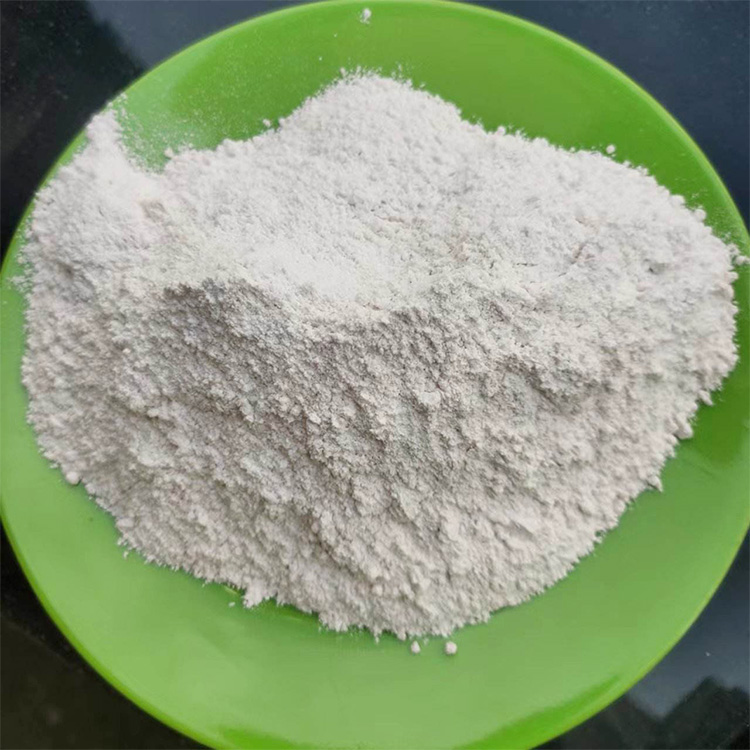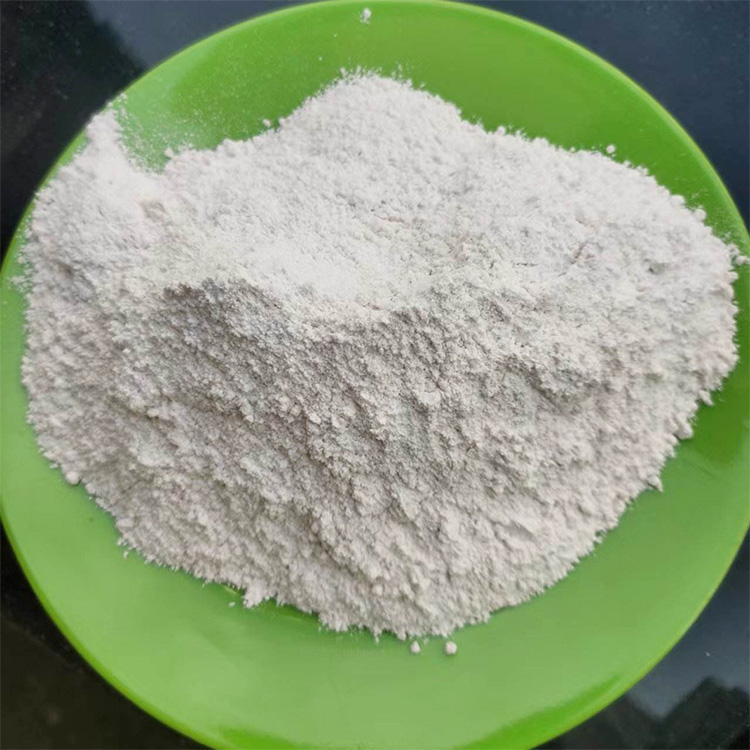

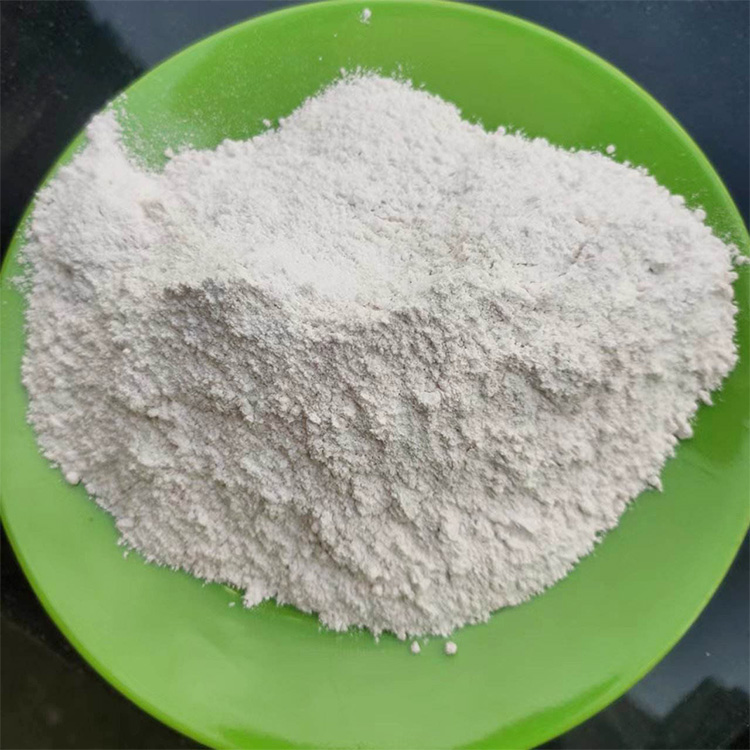
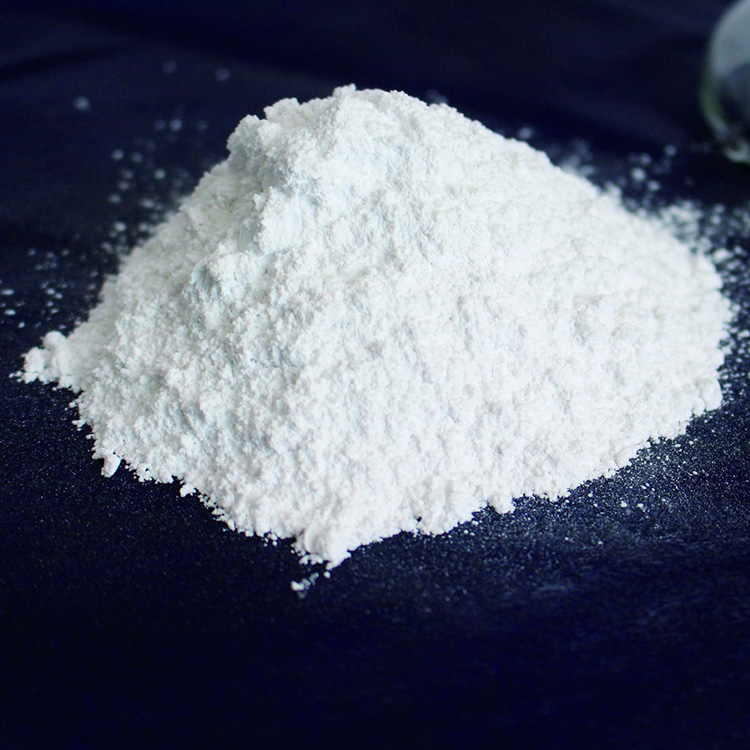
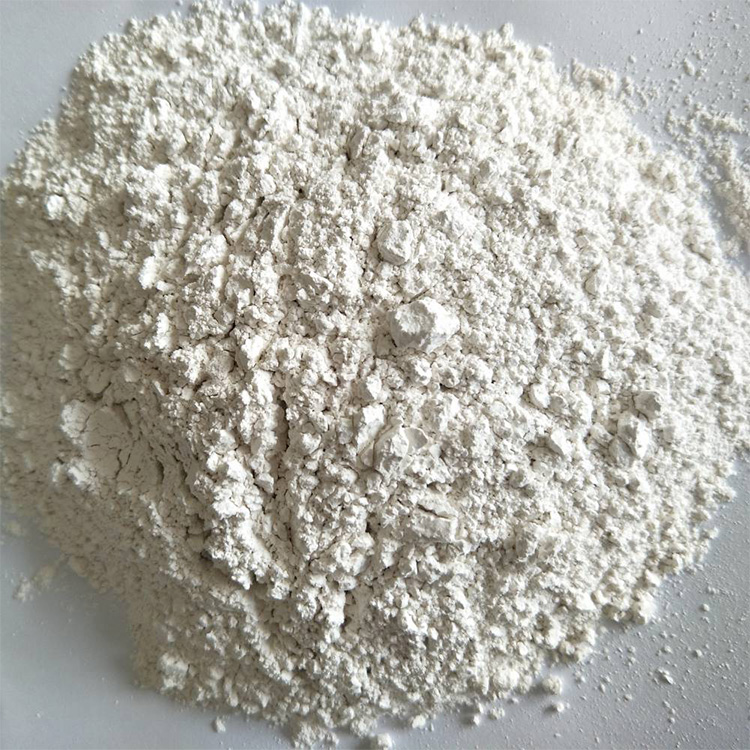









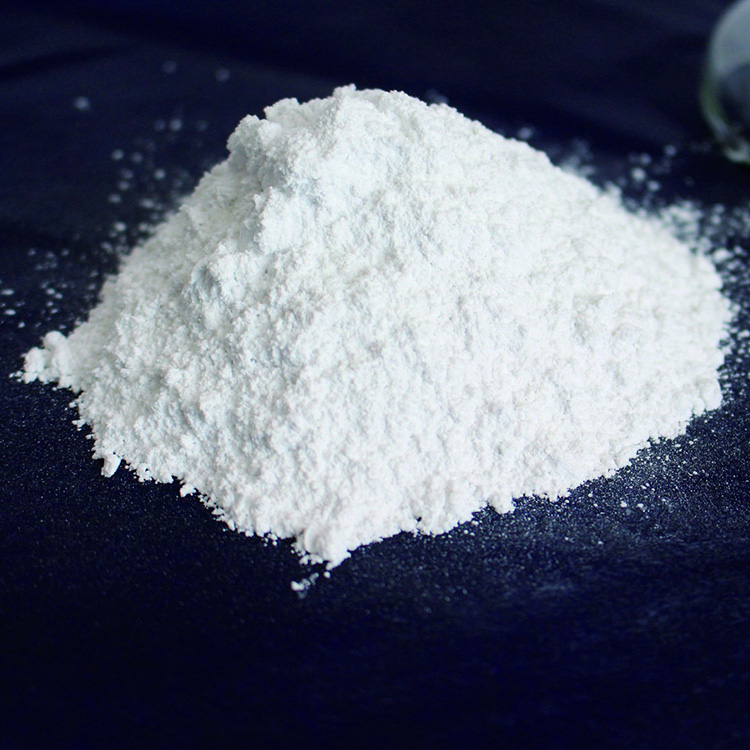
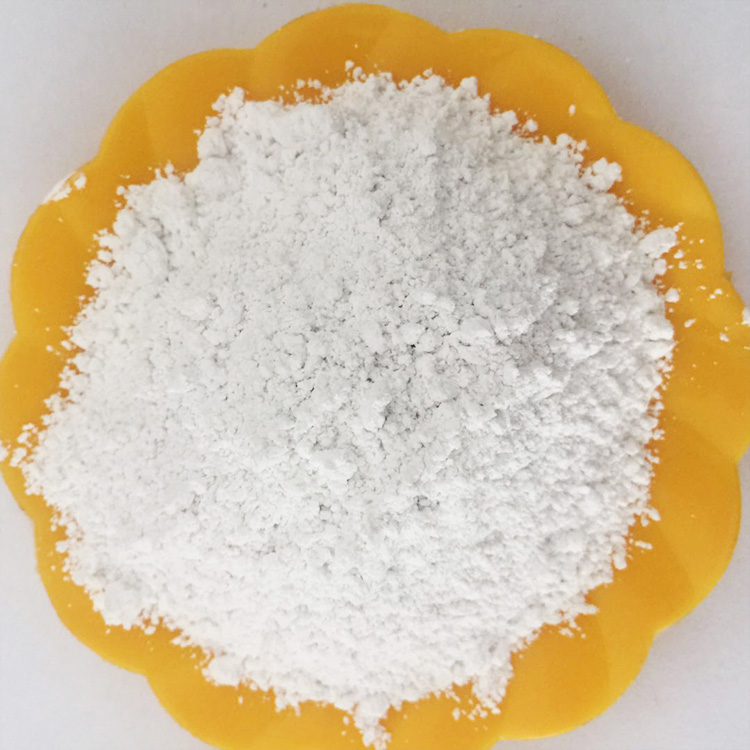
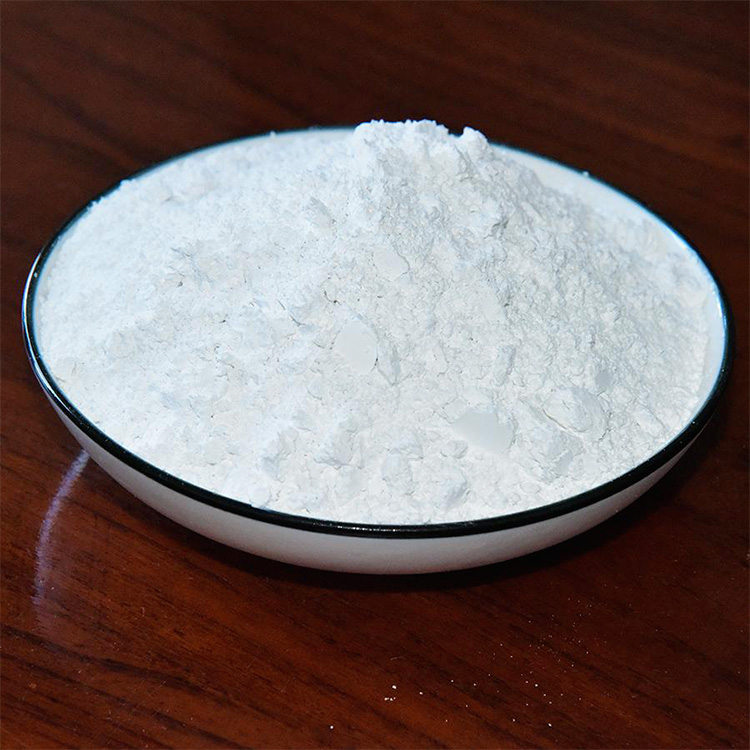
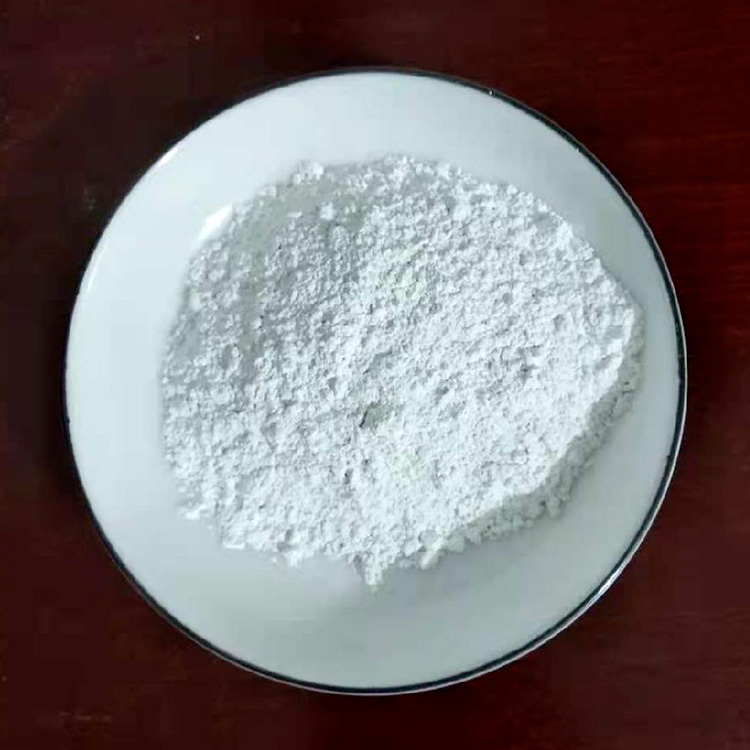
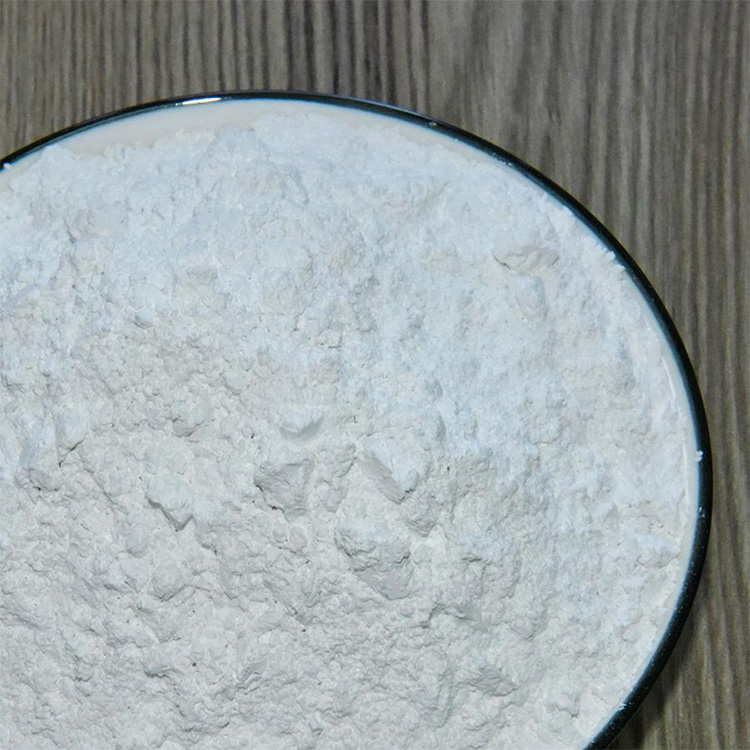
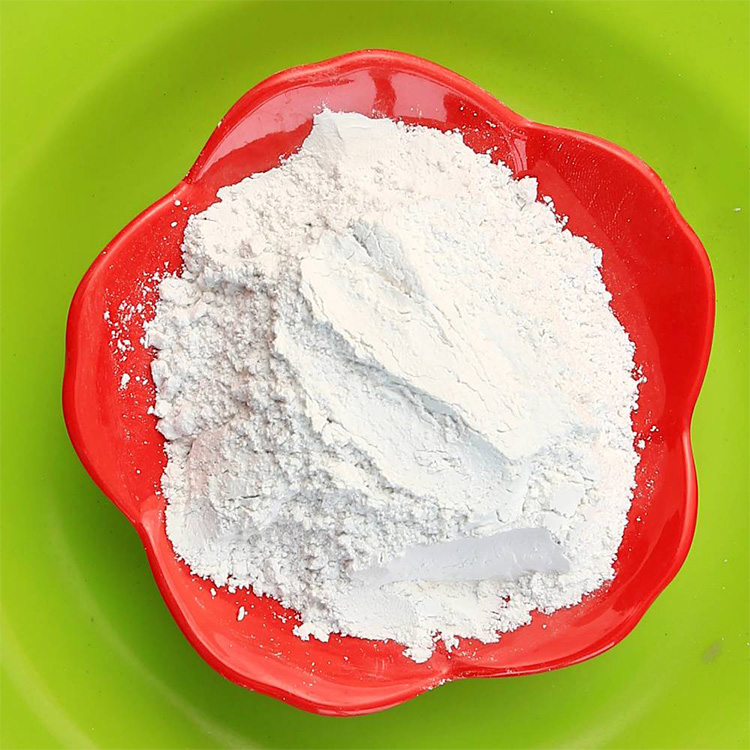
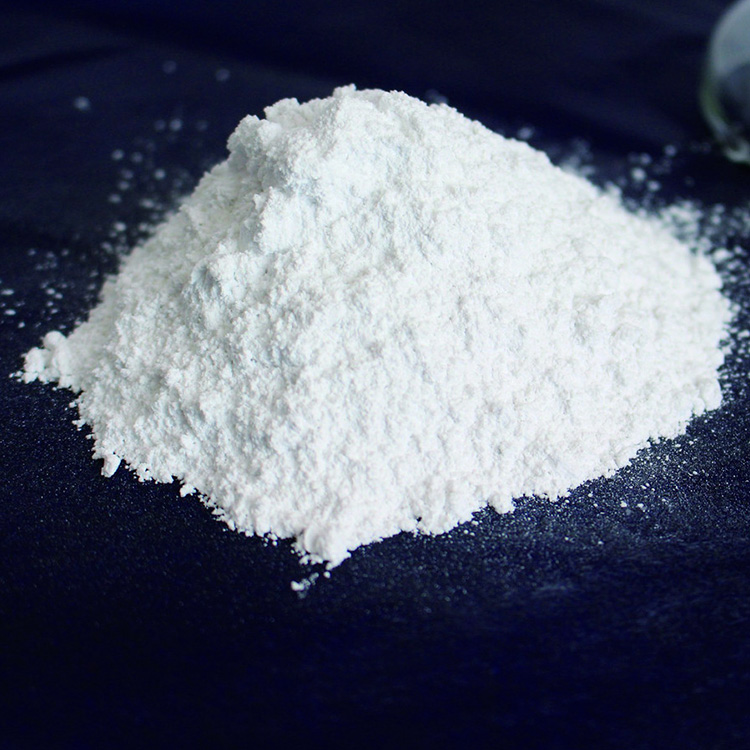

Quartz powder is produced through two methods: dry and wet processes. Standard specifications include 120M, 200M, 260M, 325M, 600M, 800M, 1000M, and 2000M (M denotes mesh size). Additionally, we can customize non-standard specifications upon customer request, and we can also process with a general particle size distribution.
1. Dry production of quartz powder, major equipment includes crushers, pulverizers, and vibrating screens. The process involves the quartz stone ore being processed into smaller stones by the crusher, then the stones are further processed into sand particles by the pulverizer. Afterward, the sand is separated using a vibrating screen. During the separation, iron is removed using a magnet rod and a demagnetizer. Finally, the product is packaged and stored.
2. Quartz powder produced by water process, major equipment includes stone crushers, stone mills, kilns, vibrating screens, waterway systems, etc.
The production process is roughly as follows: Quartz stone ore is processed into smaller stones by a crushing machine, which are then ground into sand particles by a stone roller. Water is continuously added during the grinding process, carrying the sand particles into a sedimentation pool. The sand particles in the sedimentation pool are then transported to a kiln for drying to form dry sand particles. Afterward, the dry sand particles are sieved through a vibrating screen. During the sieving process, iron is removed using magnetic rods and degaussing magnets. Finally, the sand is packaged and stored in the warehouse.
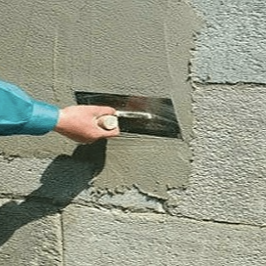
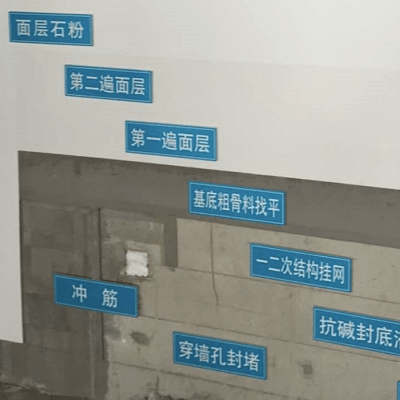
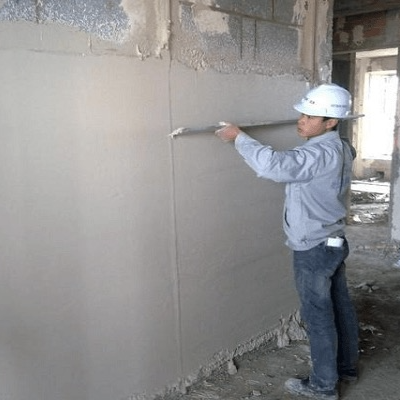
Dry-produced quartz powder is divided into two grades: common quartz powder and refined quartz powder. Since the quartz stone ore has a yellow-brown skin when it is quarried from the mountain, the smaller quartz stone ore that is directly crushed and sifted is called common quartz powder, which has an appearance of alternating yellow-brown and white. Its advantage is a low price, but the drawback is that it contains more impurities, so it is commonly used in the construction industry. The larger ore is picked out, the yellow-brown skin is manually removed, and then processed into refined quartz powder, which appears white and shiny, resembling white sugar. Due to the time and material-intensive processing, the price is higher.
Water-based quartz powder is divided into common quartz powder and refined quartz powder. Smaller quartz stone ore is processed into common quartz powder, while larger quartz stone ore is processed into refined quartz powder. Compared to dry-process quartz powder, water-based quartz powder produces less iron in the equipment and washes away impurities with water during the production process, resulting in lower iron content and fewer impurities than dry-process quartz powder. However, due to the more labor-intensive and material-intensive processing, it is priced higher.