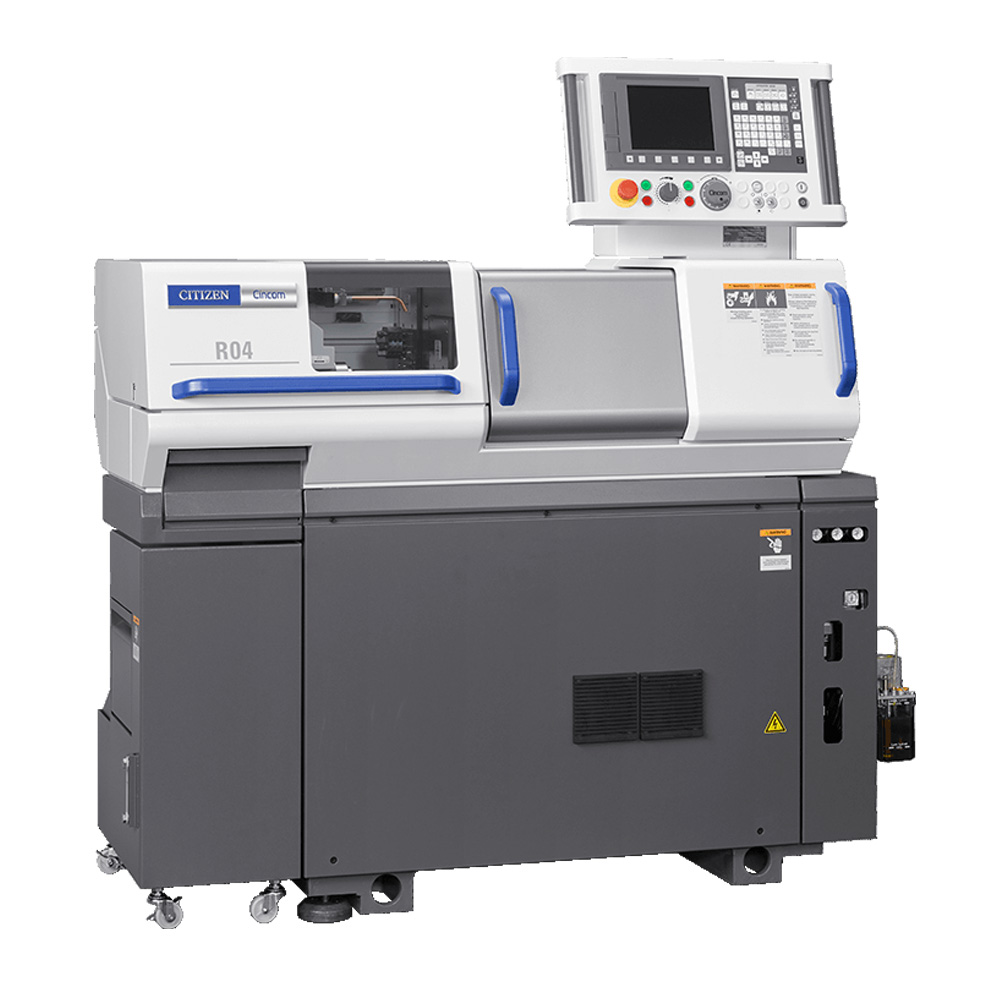














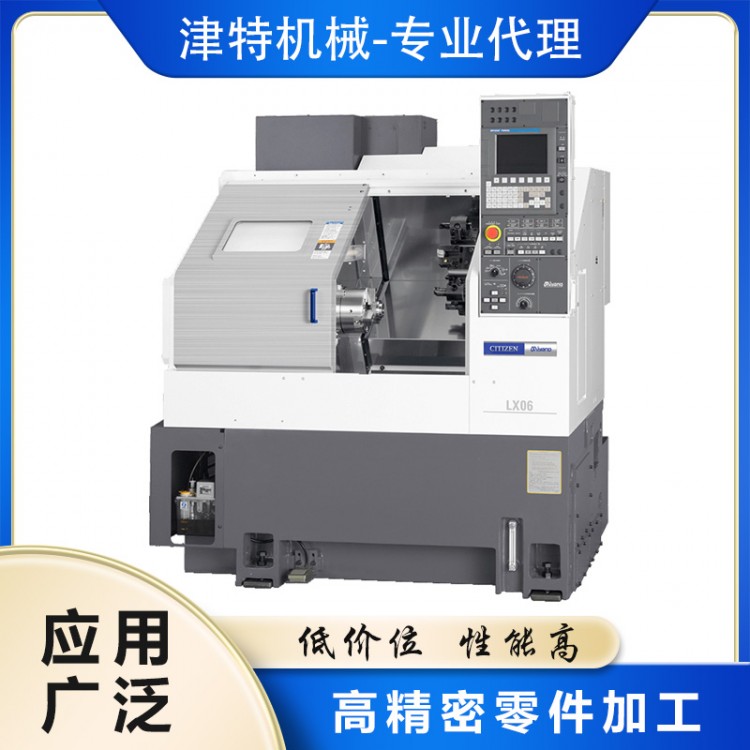
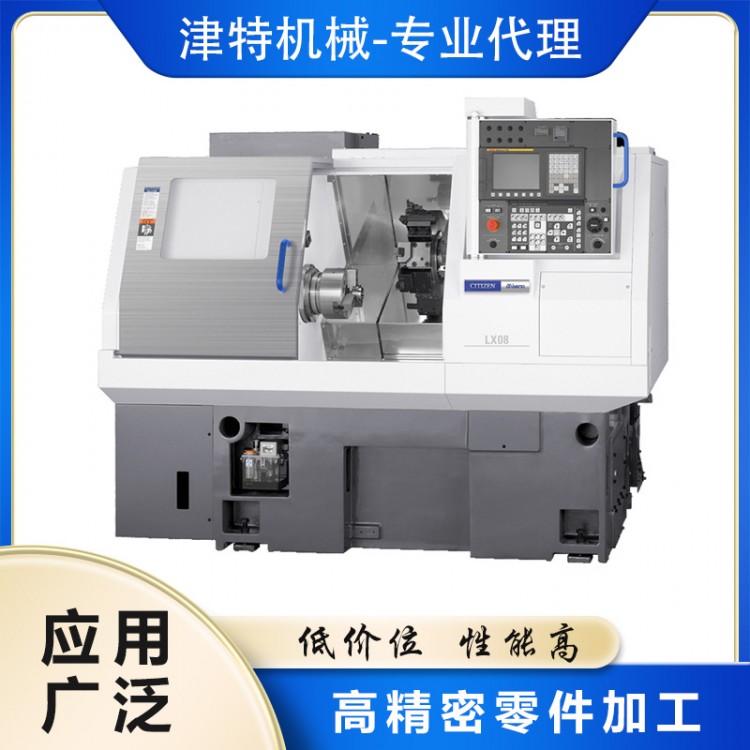
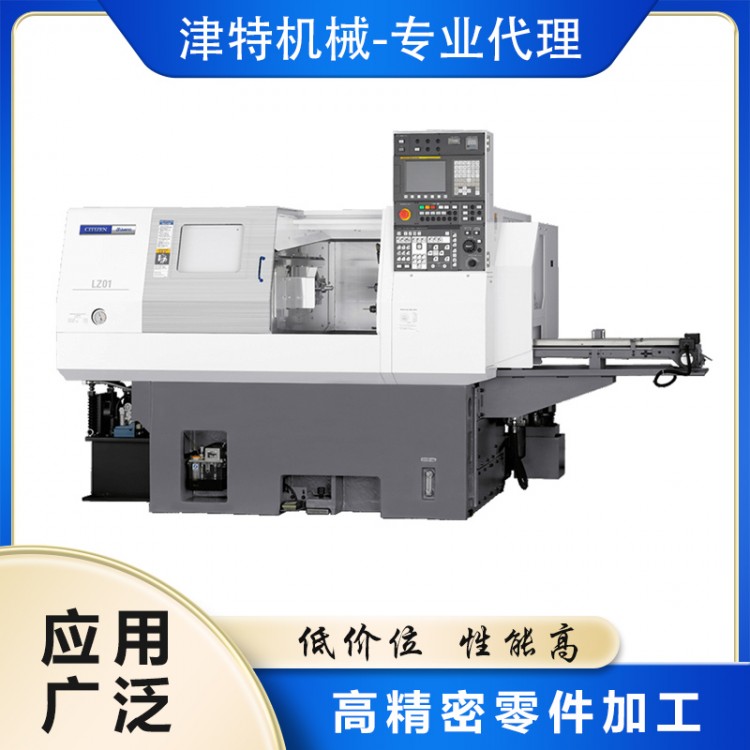
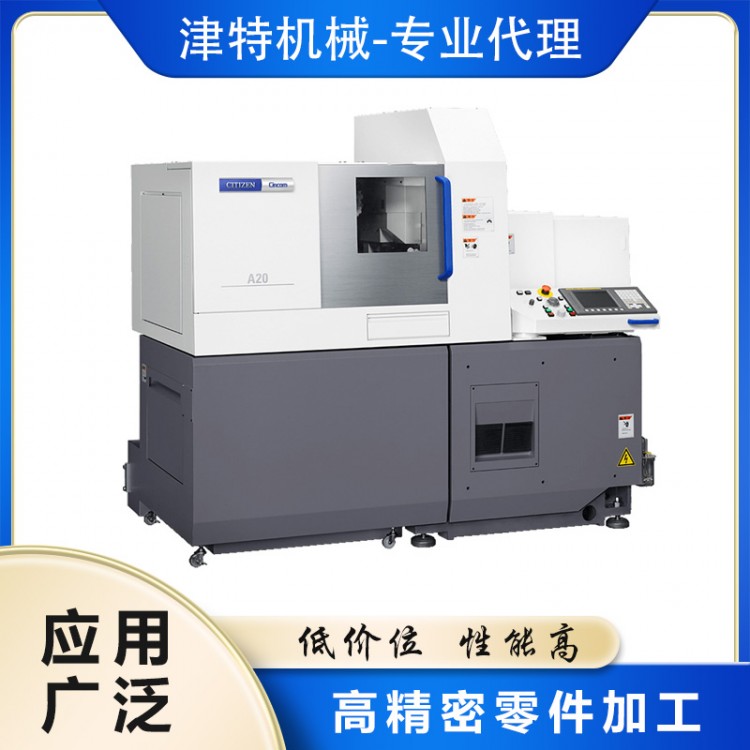
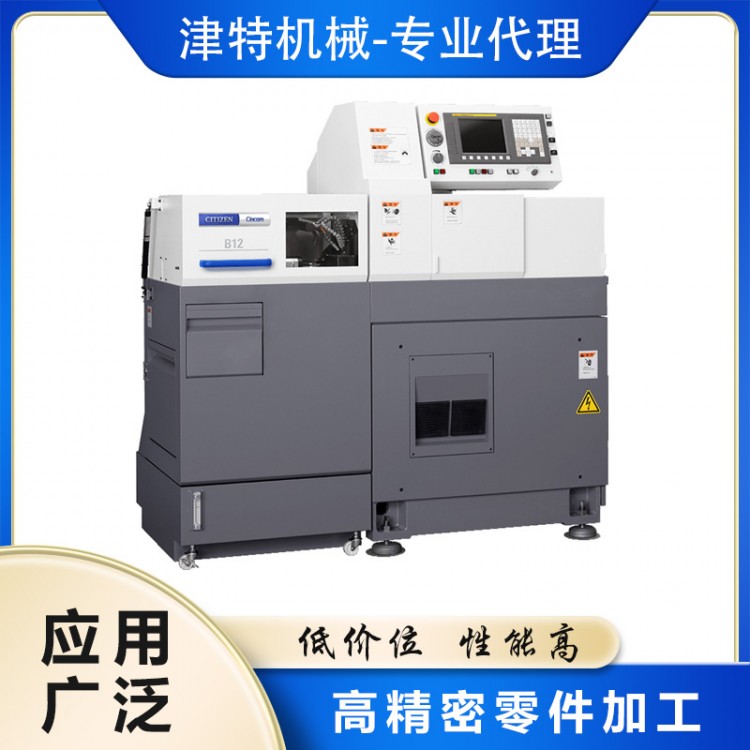
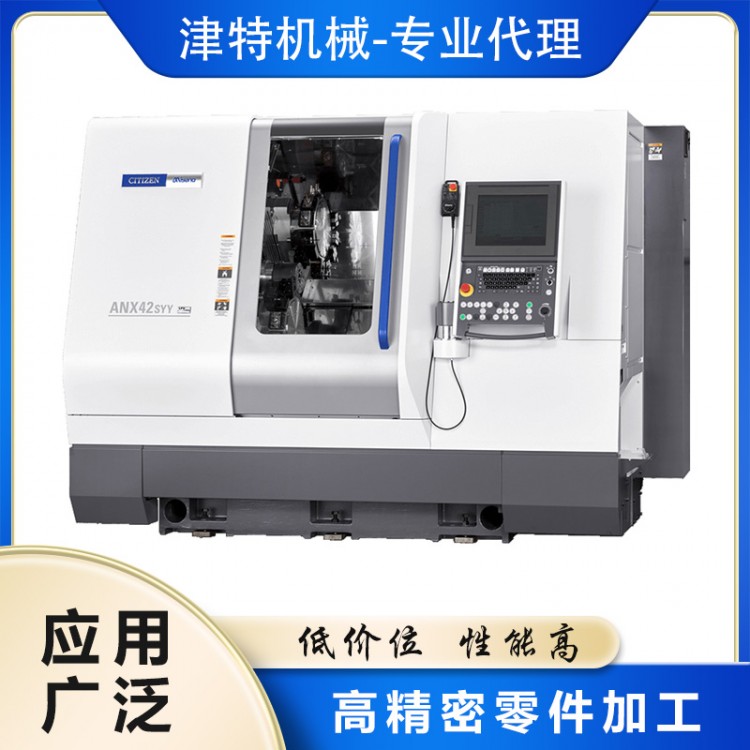
Precision machining for ultra-small diameter components
The answer provided by Cincom is right here.
Representing watch components, probes, and connector plugs, what qualifies as the "right lathe" for precision parts with ultra-small diameters? What does "truly useful" mean in this context?
We have re-evaluated the mechanical structure to seek answers.
By integrating the installation section of the cutter stand and guide sleeve, optimizing the motor output, and employing oil-cooled cooling methods, we attempt to suppress the overall thermal displacement of the mechanical assembly.
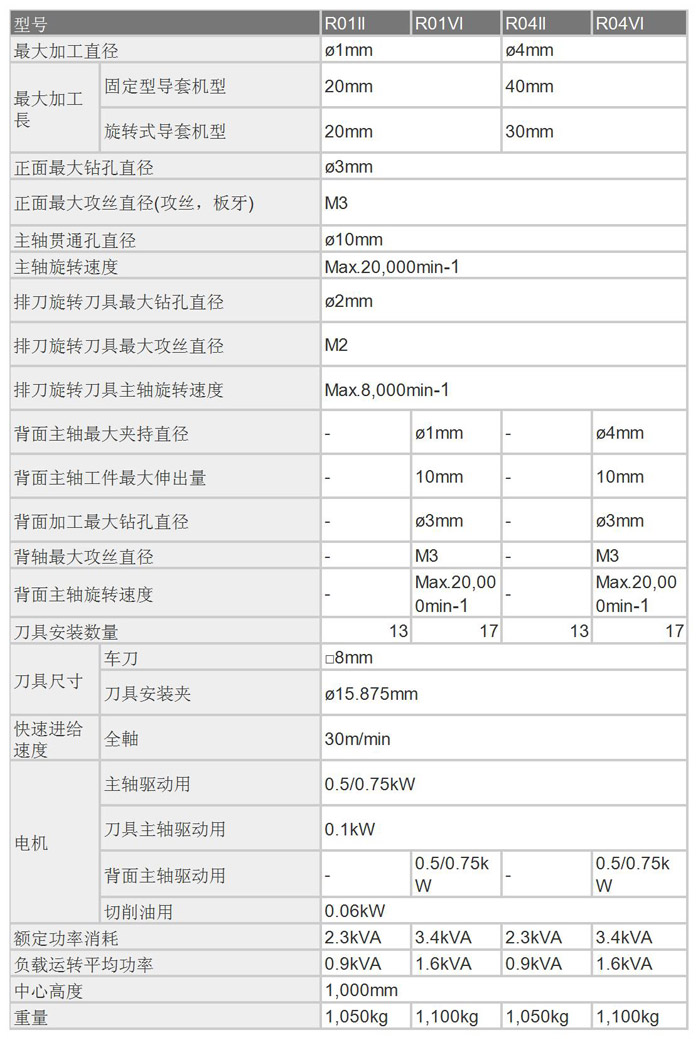
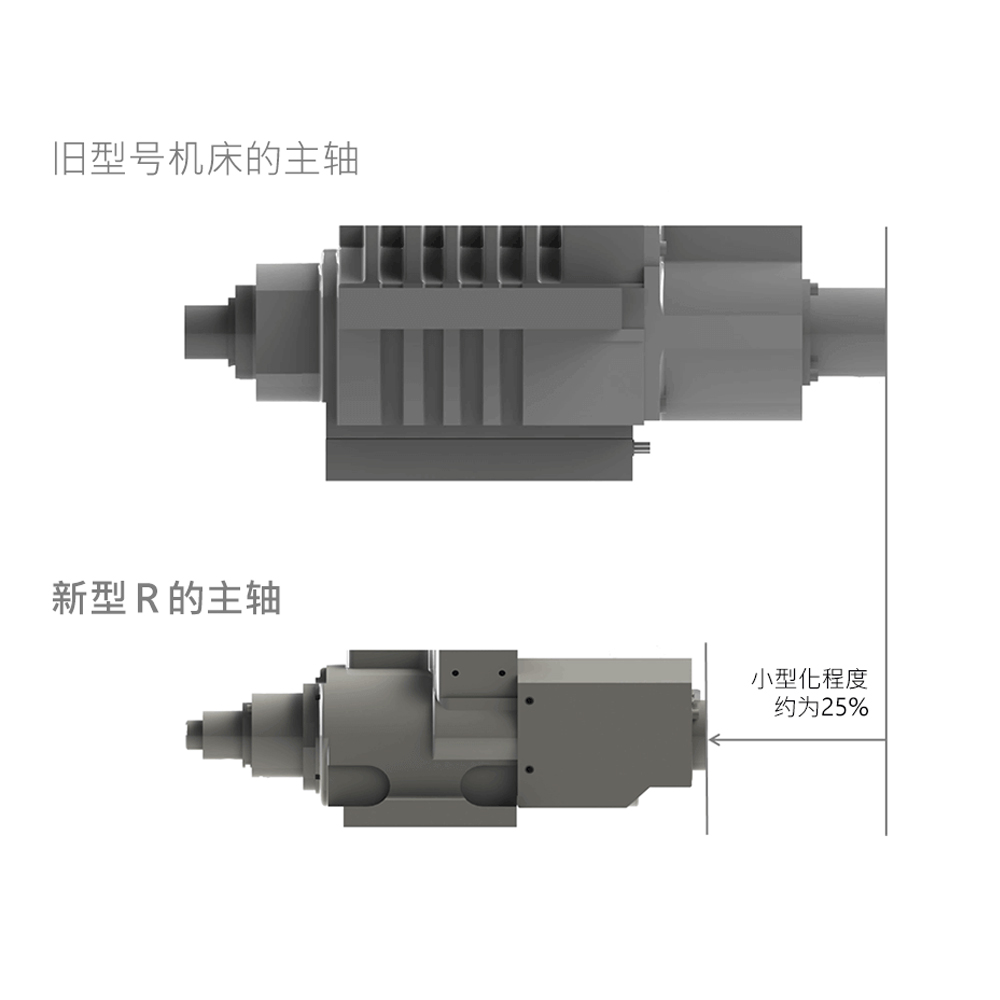
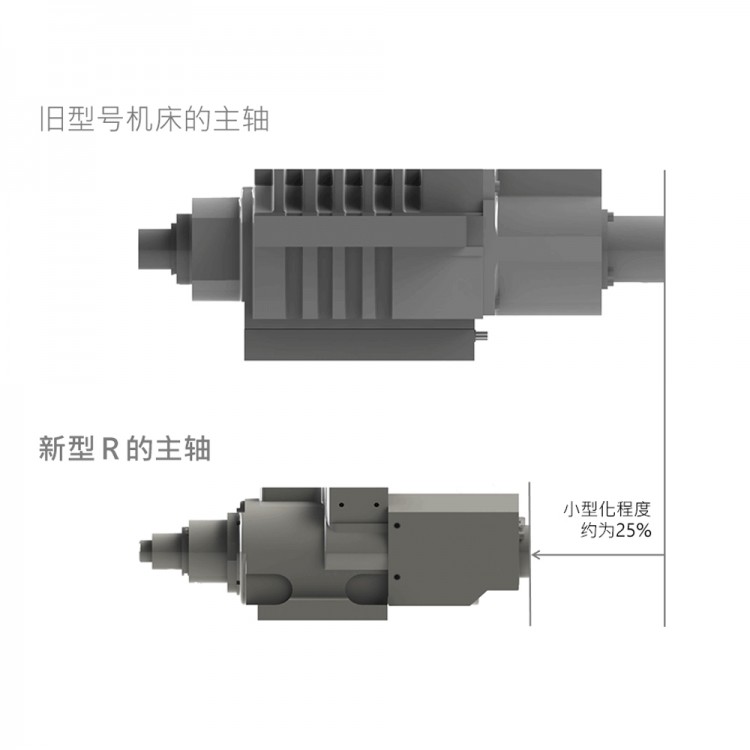
Achieved significant weight reduction of the spindle by miniaturization by approximately 25% compared to the older model machine tools. Achieved a common rotational speed of 20,000 rpm through low vibration and agile acceleration/deceleration.
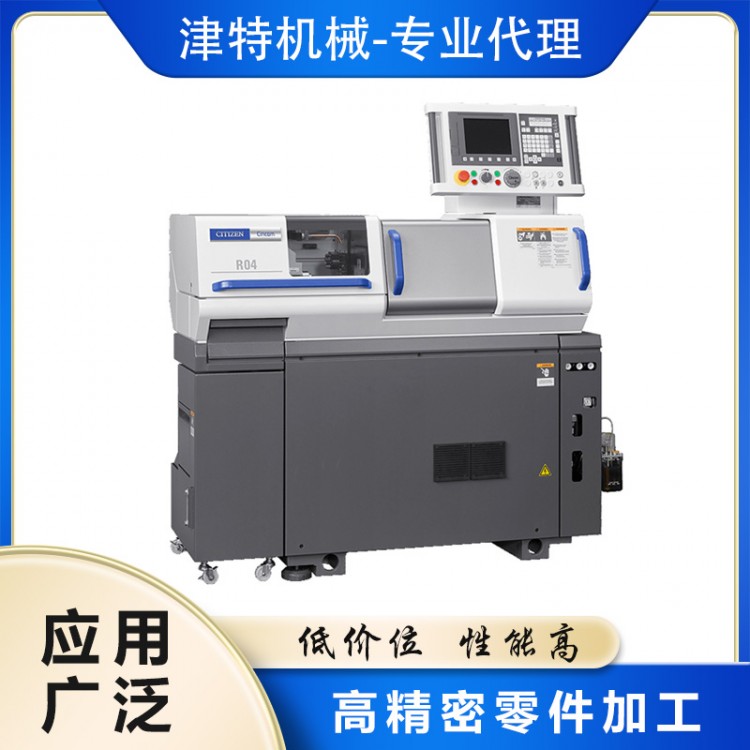
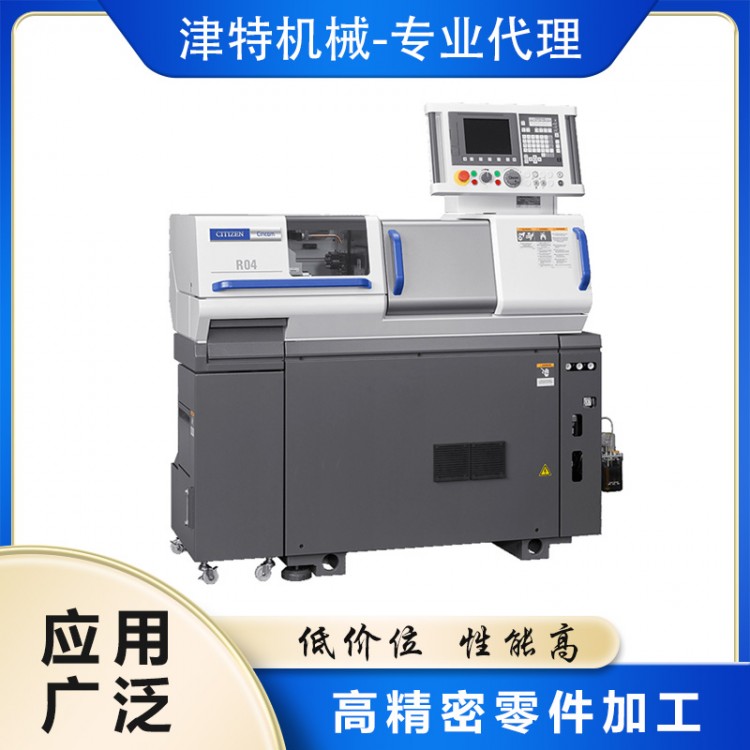
Through miniaturization of various components and changes in configuration, the space depth of the machine tool main body is reduced by 535mm. Consequently, machine tools can be placed even in the limited space within a factory.