











Causes and Solutions for Tile Roof Leaks
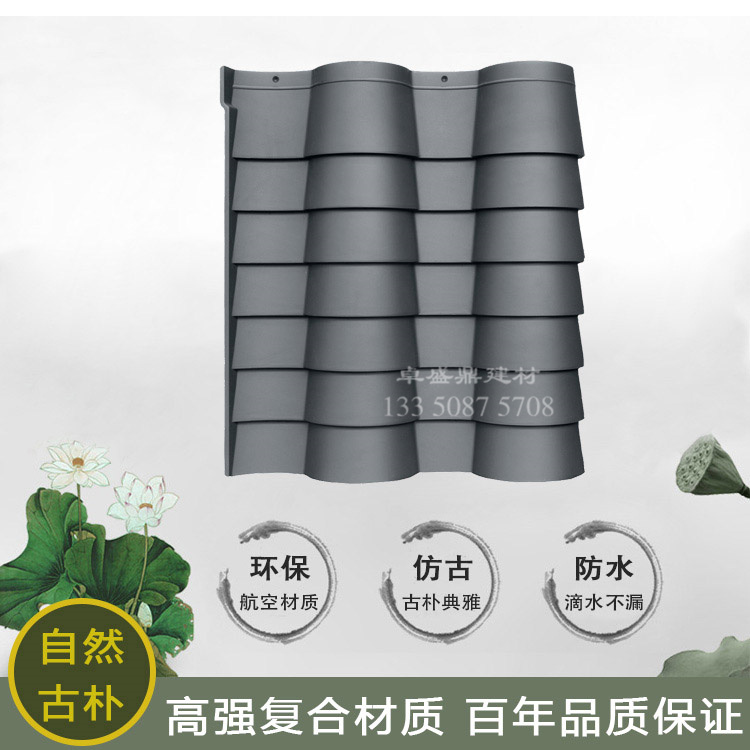
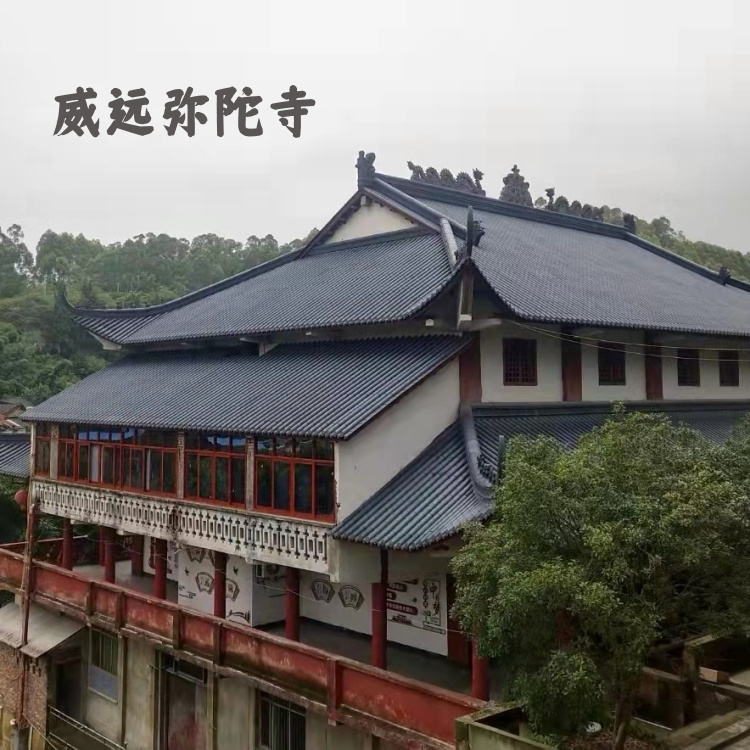
As sloping roofs become more common, modern villas predominantly feature inclined rooftops. Consequently, the demand for roof tiles is increasing.琉璃瓦 has become the go-to choice for roof covering due to its long history. The decorated rooftops are aesthetically pleasing with bright colors, holding a significant position in architecture. Modern glazed tile manufacturers have innovated in raw materials and techniques. Most tile firing now uses natural gas as fuel, with very few still relying on earthen kilns burning firewood.
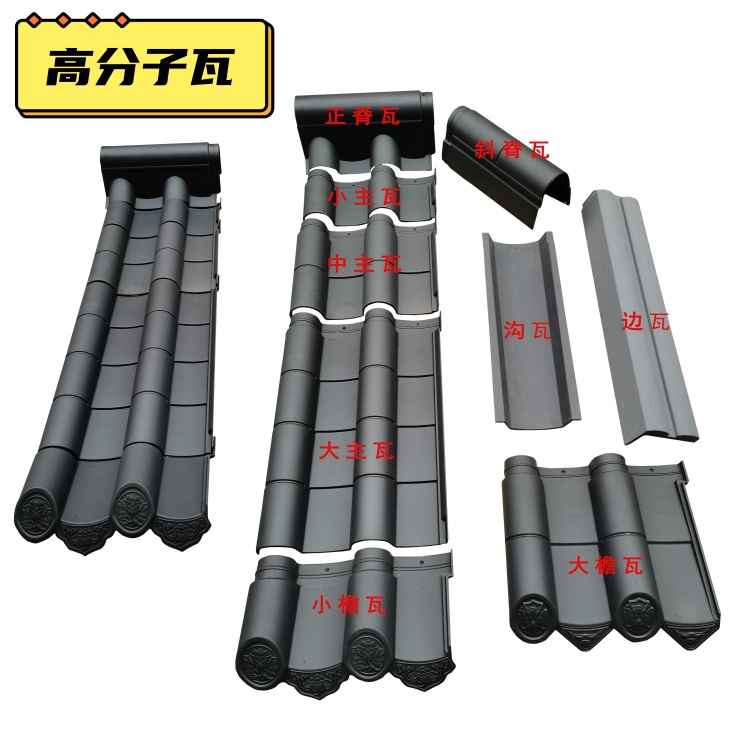
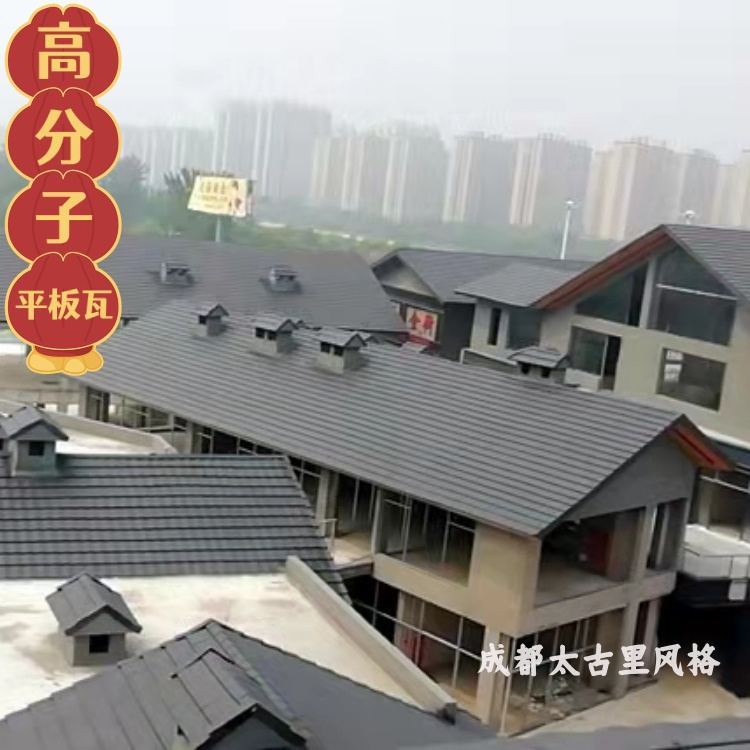
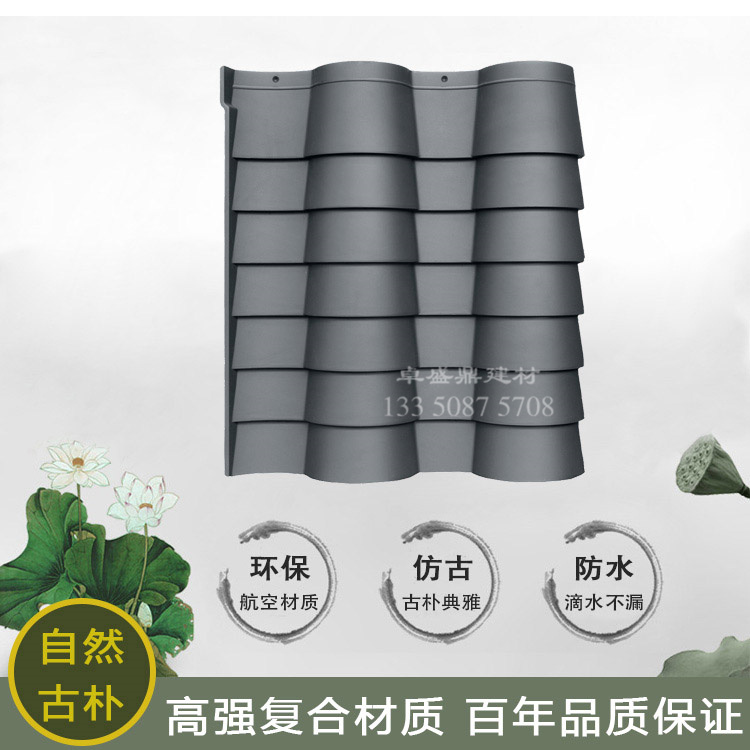
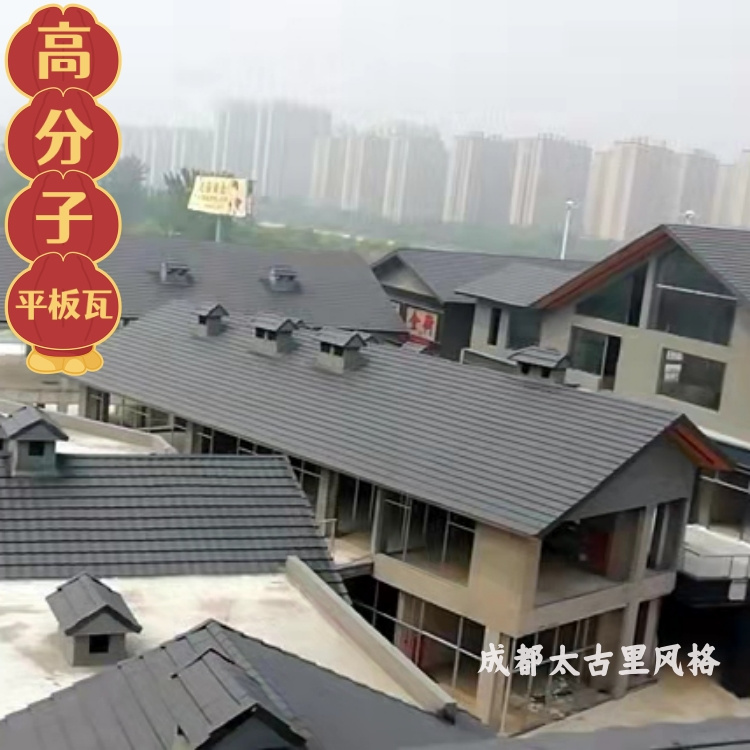
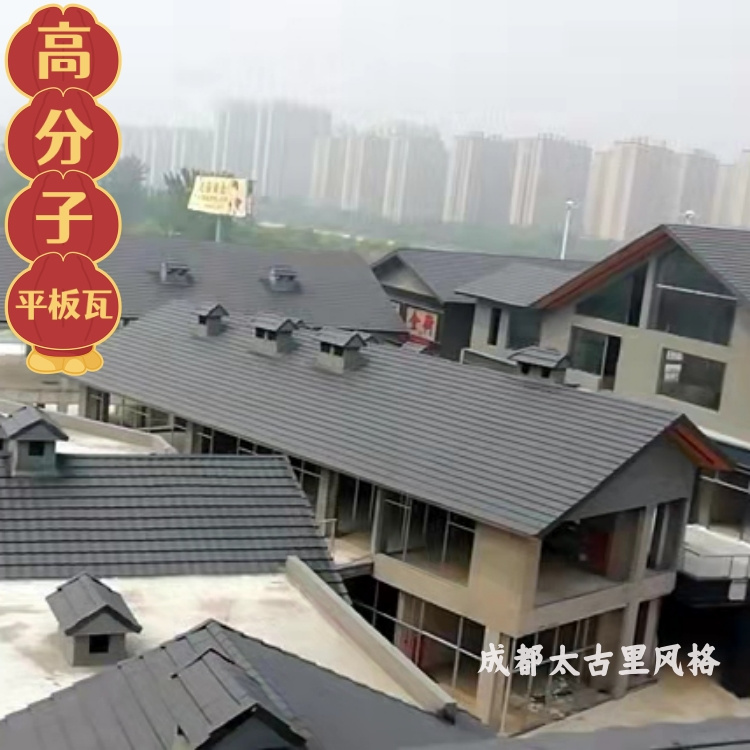
Chengdu High Polymer Tile Manufacturer Tai Koo Li Tiles
By utilizing the modal flexibility curvature change rate (MFCI) of composite material beams, this study explores non-destructive testing methods for composite materials. Using finite element software ABAQUS, the natural frequencies and nodal displacement values of damaged and undamaged composite material beams are simulated, and the MFCI values are calculated, thereby detecting the damaged locations in the composite materials. Taking the detection of simply supported beams with different delamination damages as an example, the results show that this method can accurately detect the locations of delamination-damaged areas in composite simply supported beams, regardless of single-point or multi-point delamination damages, or the extent of the damage, proving that the MFCI method has a significant effect on judging beams with interlaminar damage.
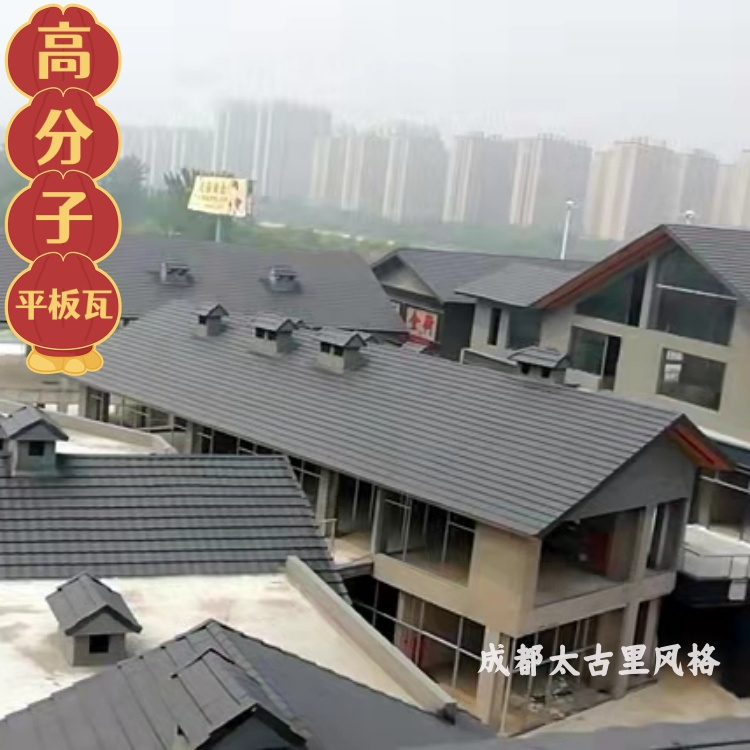
Will there still be leakage issues with a house roof decorated with glazed tiles? If there are leakage problems, how should they be addressed? Below, we'll give you a brief introduction!
Roof leaks can occur due to several factors. Firstly, poor quality of the glazed tiles themselves, where the surface glaze cracks due to sun and rain exposure over time, leading to water seepage points—a common issue with glazed tiles. Secondly, inadequate construction techniques, not adhering strictly to the tile-making process. For instance, if the roof surface is not leveled properly or if too much concrete additive is used, resulting in insufficient density or ground settlement, the tiles may become loose or even fall off. Additionally, traditional glazed tiles are small in size, and the roof is assembled from many small pieces, leading to numerous seams that can be poorly bonded. Thus, waterproofing treatments are typically applied at the base layer when installing traditional glazed tiles. Thirdly, quality issues during the manufacturing process at the tile factory can result in defective finished tiles, causing leaks.

What should you do if a built roof starts leaking later on? The new roof tile company offers the following solutions:
1. Water leakage rectification due to improper construction; if there are just one or two leak points, locate the leakage first; if it's due to inadequate waterproofing measures, then a reverse grouting construction is required; if it's caused by insufficient slope leading to water accumulation and leakage, then adjustments to the roof bottom need to be made, increasing the slope to prevent water from pooling on the roof.
2. If there are cracks in the glazed tiles, repair them. Locate the roof leaks or cracked areas, clean the surface dust, and seal the cracks with waterproof materials (waterproof sealant).
Chengdu High Polymer Tile Manufacturer Taikoo Li Tiles
Next Article: